Outdoor furniture must do more than complement your space; it needs to withstand constant exposure to sun, rain, humidity, and changing temperatures. Different materials respond to these conditions in distinct ways, which directly affects how long your furniture lasts and how it looks over time. Understanding these differences helps you make a more informed and practical choice. In this article, you’ll learn how weather impacts materials, how each option performs, and how to match the right material to your environment and maintenance preferences.

How Weather Actually Breaks Down Outdoor Furniture
Before deciding on the right material, you need to understand the conditions your furniture will face over time. Weather affects materials through multiple gradual processes that weaken structure and appearance, making durability highly dependent on how well a material resists these forces.
UV Degradation
When your furniture is exposed to direct sunlight, ultraviolet rays begin to break down the surface at a molecular level. The first visible sign is fading, but over time, the material can lose strength and become prone to cracking. This process happens gradually, making it easy to overlook until damage becomes noticeable. If your space receives prolonged sun exposure, choosing UV-resistant materials becomes essential for long-term durability.
Water Penetration
Rain and humidity gradually introduce moisture into furniture, especially in materials that readily absorb water. Once moisture seeps in, it can lead to swelling, warping, and eventually mold or decay. Even after drying, repeated exposure weakens the structure over time. For this reason, materials that resist water absorption perform more reliably in damp environments.
Thermal Expansion
Temperature changes place continuous stress on outdoor furniture, even if the effects are not immediately visible. Materials expand in heat and contract in cold, creating movement that can loosen joints or form small cracks. Over time, this repeated cycle affects both stability and appearance. In areas with significant temperature shifts, selecting materials that tolerate this movement is important.
Corrosion and Oxidation
Metal furniture reacts with air and moisture through chemical processes that weaken its surface. Rust is the most noticeable outcome, but oxidation begins long before it becomes visible. As the reaction progresses, it can reduce structural strength and affect performance. This issue tends to worsen in humid or coastal areas, where airborne salt can accelerate corrosion over time.

Material Performance Comparison Under Real Conditions
Once you understand how weather affects outdoor furniture, it becomes easier to assess how different materials perform in those conditions. Each material offers specific advantages, but none is universally suited to every environment, so it's important to weigh their strengths against your needs.
Teak and Hardwood
Teak stands out for its natural oil content, which helps it resist moisture, insects, and decay. This makes it a strong option for damp or humid environments where other woods may struggle. Over time, teak develops a silver-gray patina as it weathers, which some people find appealing. If you prefer to maintain its original color, periodic oiling will help preserve its warm tone.
Aluminum
Aluminum is a practical choice if you want a material that resists rust and handles moisture well. It performs reliably in rainy or humid conditions without requiring extensive maintenance. Because it is lightweight, it is easy to move and rearrange as needed. However, in more exposed areas, you may need to consider added weight or secure placement to prevent movement in strong winds.
Synthetic Wicker
Synthetic wicker is designed specifically for outdoor use, offering better durability than natural rattan. It resists moisture and maintains its structure even with regular sun exposure when made from quality materials. This makes it suitable for a range of weather conditions without frequent upkeep. However, lower-quality versions may fade or weaken over time, so construction and material grade are important factors.
Plastic and Resin
Resin furniture is known for its ease of maintenance and consistent performance in outdoor settings. It does not absorb water, and UV-stabilized options are better equipped to resist fading and surface damage. This makes it a reliable choice for areas with both rain and strong sunlight. Still, quality varies widely, so choosing high-density materials ensures better durability and long-term use.
Steel and Iron
Steel and iron offer solid construction and strong resistance to movement, which is useful in windy environments. Their weight provides stability, making them less likely to shift or tip over. However, they require protective coatings to prevent rust and surface deterioration. With proper care, they can last for many years, but neglecting maintenance can lead to both cosmetic and structural issues.

Choosing the Right Material Based on Your Climate
After comparing materials, the next step is to match their strengths with the conditions in your environment. Your climate determines which materials will perform reliably and which may require extra care over time.
Coastal Environments
In coastal areas, salt in the air tends to speed up corrosion and break down certain materials. This makes it important to choose options that resist chemical reactions caused by moisture and salt exposure. Aluminum and high-quality resin tend to perform well because they do not corrode easily under these conditions. On the other hand, steel requires careful protection and regular maintenance to prevent faster deterioration.
High Humidity Regions
In humid climates, moisture is present in the air even when it is not raining, which creates constant exposure. Materials that do not absorb water, such as plastic or teak, are better suited because they resist swelling and mold growth. This helps maintain both structure and appearance over time. It is also important to avoid materials that trap moisture, as they can degrade more quickly in these conditions.
Hot and Sunny Areas
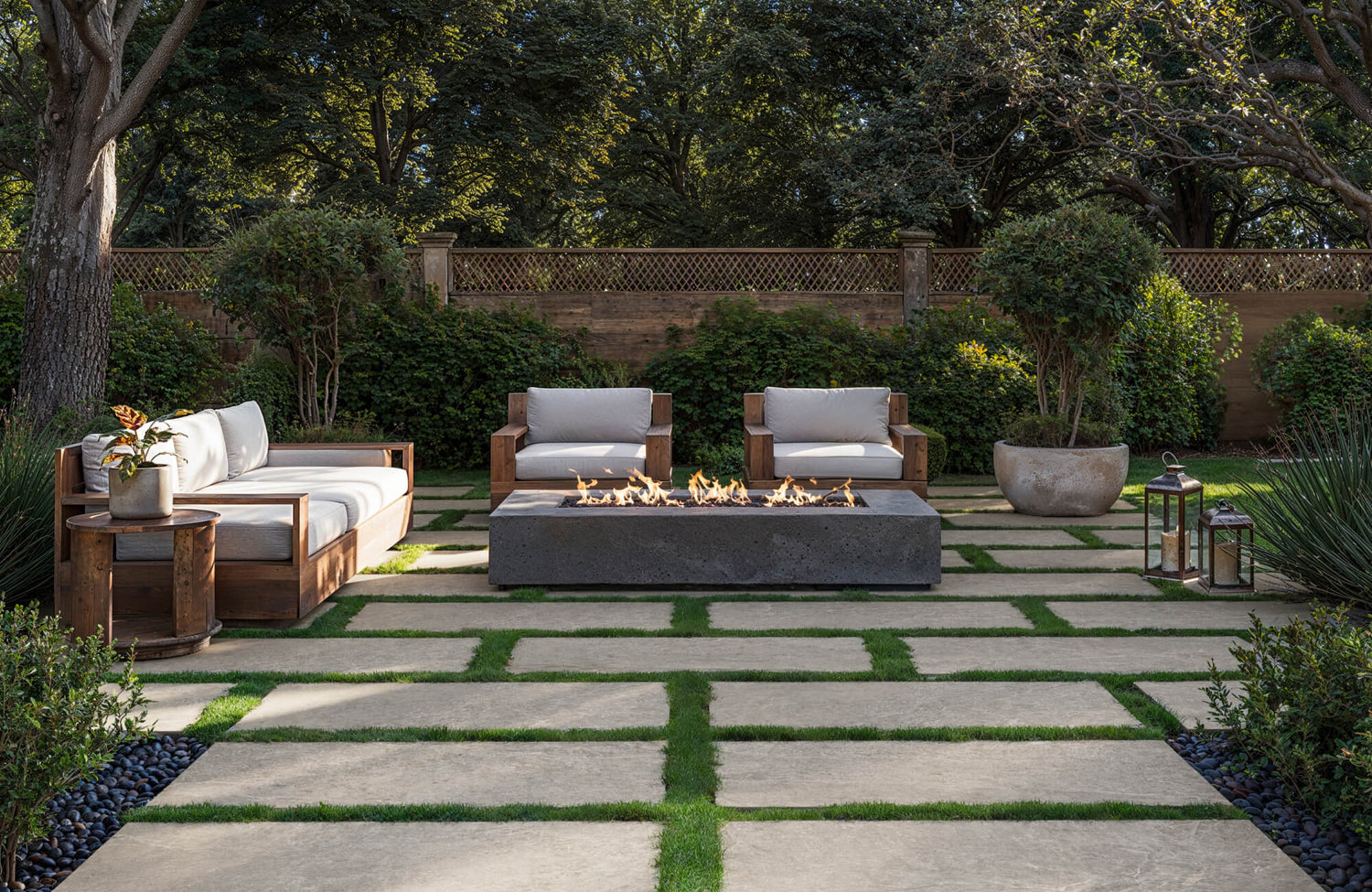
In areas with strong sunlight, UV exposure becomes the primary concern for outdoor furniture. Materials that are designed to resist fading and surface breakdown will perform more reliably over time. UV-stabilized resin and treated wood are effective options in these environments, as they maintain both structure and appearance despite prolonged exposure. This is reflected in the setting above, where Edward Martin’s Cielo Outdoor Console Table, made entirely of solid hardwood, and the Calandor Outdoor Dining Chair in Vintage Natural, finely woven from all-weather wicker, show how well-chosen materials can hold their look and structure even in direct sunlight. Choosing lighter finishes further helps reduce heat buildup, making the furniture more comfortable to use throughout the day.
Cold and Variable Climates
In colder regions, materials are exposed to repeated cycles of freezing and thawing, which can create stress over time. This constant expansion and contraction may weaken the structure if the material is not suited for it. Dense hardwoods and properly coated metals tend to handle these conditions more effectively. Selecting materials that maintain their integrity under these changes helps ensure long-term durability.

Maintenance Effort vs. Long-Term Durability
The right material depends not only on performance but also on how much maintenance you are willing to manage. Some options require minimal upkeep, while others need regular care to maintain their condition over time.
Low Maintenance Options
If you prefer a simpler approach, materials like resin and aluminum provide reliable performance with minimal upkeep. These options are easy to clean using basic soap and water, without the need for specialized treatments. They maintain their structure and appearance with little effort, even under regular outdoor exposure. This makes them a practical choice if you want furniture that remains functional without constant attention.
Moderate Maintenance Materials
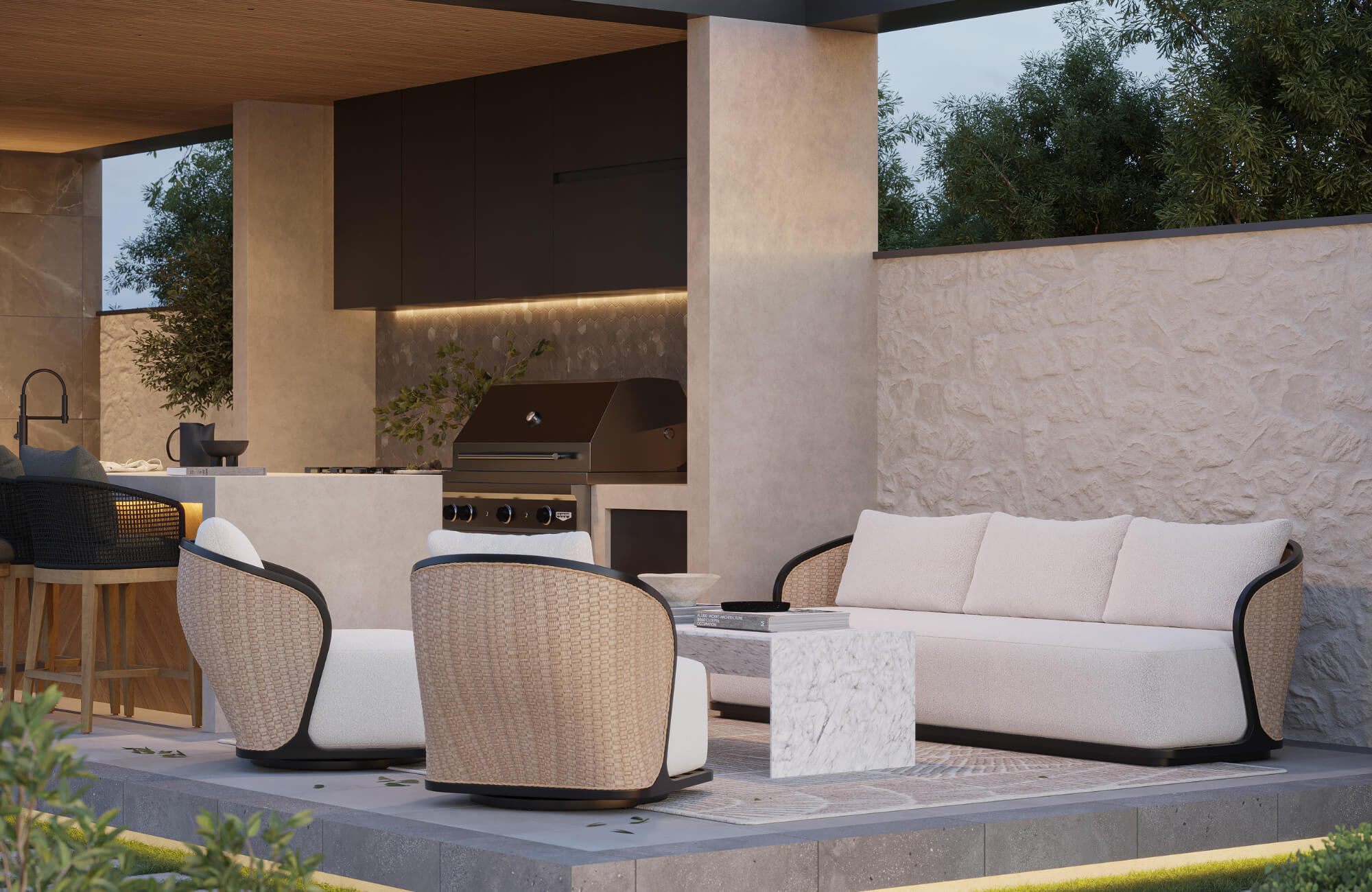
Some materials require occasional care to stay in good condition over time. Synthetic wicker and coated metals fall into this category, as they benefit from periodic inspection rather than constant upkeep. Checking for minor wear or surface changes allows you to address issues early and maintain overall performance. This is reflected in the setting above, where Edward Martin’s Elysia Mid Sofa, with its powder-coated aluminum frame and synthetic all-weather resin wicker, fits naturally into an open outdoor space, showing how these materials maintain their structure and appearance with simple, routine care.
High Maintenance Materials
Wood demands more attention, especially if you want to preserve its original color and finish. Regular application of oils or sealants helps protect it from moisture and sun exposure. Without this care, the material will still perform structurally but will gradually change in appearance. This makes it a better fit if you are willing to invest time in maintaining its look.
Effort to Lifespan Tradeoff
How much maintenance you put into your outdoor furniture directly influences how long it will last. Materials that receive consistent care tend to perform better and retain their quality over time. On the other hand, low-maintenance options offer convenience but may have limitations depending on conditions. Understanding this balance helps you choose a material that fits both your expectations and your routine.

Design, Comfort, and Practical Use Considerations
While durability is essential, it is equally important to consider how outdoor furniture feels and functions in daily use. The material you choose plays a direct role in overall comfort, ease of use, and how well the furniture fits into your daily routine.
Heat Retention
Some materials, particularly metal, tend to absorb and retain heat when exposed to direct sunlight. This can make seating uncomfortable, especially during warmer parts of the day. Choosing lighter finishes or adding cushions can help reduce surface heat and improve comfort. However, the base material still plays a significant role in how much heat is retained over time.
Weight and Stability
Lightweight furniture offers convenience, especially if you like to rearrange your outdoor space regularly. It is easy to move and adjust based on your needs or layout preferences. However, in more exposed areas, lighter pieces may shift or tip during strong winds. Heavier materials offer better stability, but they can be more difficult to move or reposition.
Surface Comfort
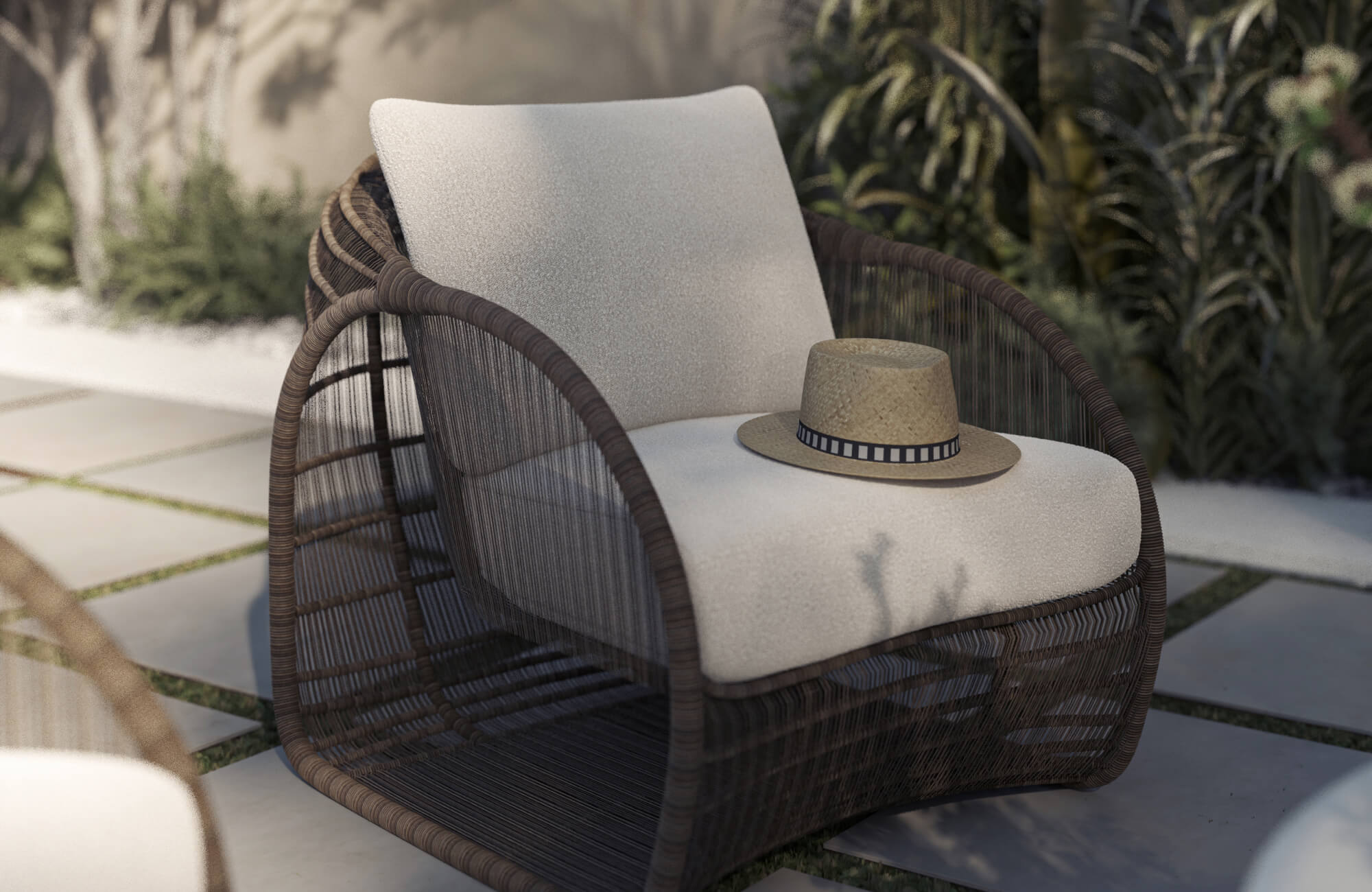
The feel of outdoor furniture varies depending on the material used. Metal surfaces can feel firm, while wood tends to provide a warmer and more natural touch. Over time, this difference becomes more noticeable with regular use, especially in spaces designed for lounging. You can see this in the setting above, where Edward Martin’s Briaro Outdoor Lounge Chair in Cream, with its naturally woven synthetic all-weather wicker body and OEKO-TEX certified fabric, creates a comfortable seating experience that balances structure and softness while withstanding moisture and UV exposure.
Visual Aging
Outdoor furniture gradually changes in appearance as it is exposed to the elements. Wood gradually develops a natural patina, giving it a more weathered look over time. In contrast, materials like metal and plastic tend to maintain a more consistent appearance with less visible change. Your preference for a natural aging look or a more consistent appearance should help guide your choice.

Environmental Impact and Long-Term Value
Material choice influences not only durability but also the environmental footprint of your outdoor furniture. Considering how long a material lasts and how it is produced can help you make a more responsible decision.
Sustainable Wood Sourcing
If you choose wood, it is equally important to prioritize responsibly sourced materials. Certified options, such as those approved by recognized forestry standards, ensure that harvesting practices support long-term forest health. This approach helps reduce environmental impact while still providing a durable and reliable material. By selecting responsibly sourced wood, you support both performance and sustainability.
Recycled and Synthetic Materials
Many outdoor furniture options are made from recycled plastics or metals, which helps reduce overall waste. These materials often perform well in demanding outdoor conditions, offering both durability and weather resistance. However, not all recycled products are equal in quality, so it is important to assess construction and material density. This is reflected in the setting above, where Edward Martin’s Darcy Outdoor Counter Stool in Cream, made from 100% recyclable materials, shows how thoughtfully designed pieces can support sustainability while maintaining reliable performance in an outdoor space.
Production and Resource Use
The production process varies significantly across different materials. Metals and plastics typically require more energy to manufacture, while wood depends on natural growth and harvesting. Despite this, a material’s lifespan plays a key role in its overall impact. A longer-lasting product can offset higher production costs by reducing the need for replacement.
Disposal and Lifecycle Value
Furniture that lasts longer naturally reduces how often it needs to be replaced. Materials that can be recycled or repurposed at the end of their use contribute to more sustainable outcomes. This makes it important to consider not just how a product performs now, but what happens after its lifespan. In many cases, choosing durable materials supports both environmental responsibility and long-term value.
Making a Smart Outdoor Furniture Choice
The best material for outdoor furniture exposed to weather depends on your environment and how much maintenance you’re willing to handle. In general, aluminum, teak, and high-quality resin are among the most reliable choices because they resist moisture, sunlight, and temperature changes well. Aluminum works best in humid or coastal areas, teak performs well in wet conditions, and resin offers a low-maintenance option for mixed climates.
If you’re unsure which option suits your space, reaching out for expert guidance can help you make a more confident decision. You can contact us for personalized recommendations or explore our design service to find outdoor furniture that fits both your environment and your style.