
)
)
)
)
)
)
)
)
Are Cushions Necessary For Outdoor Furniture Comfort?
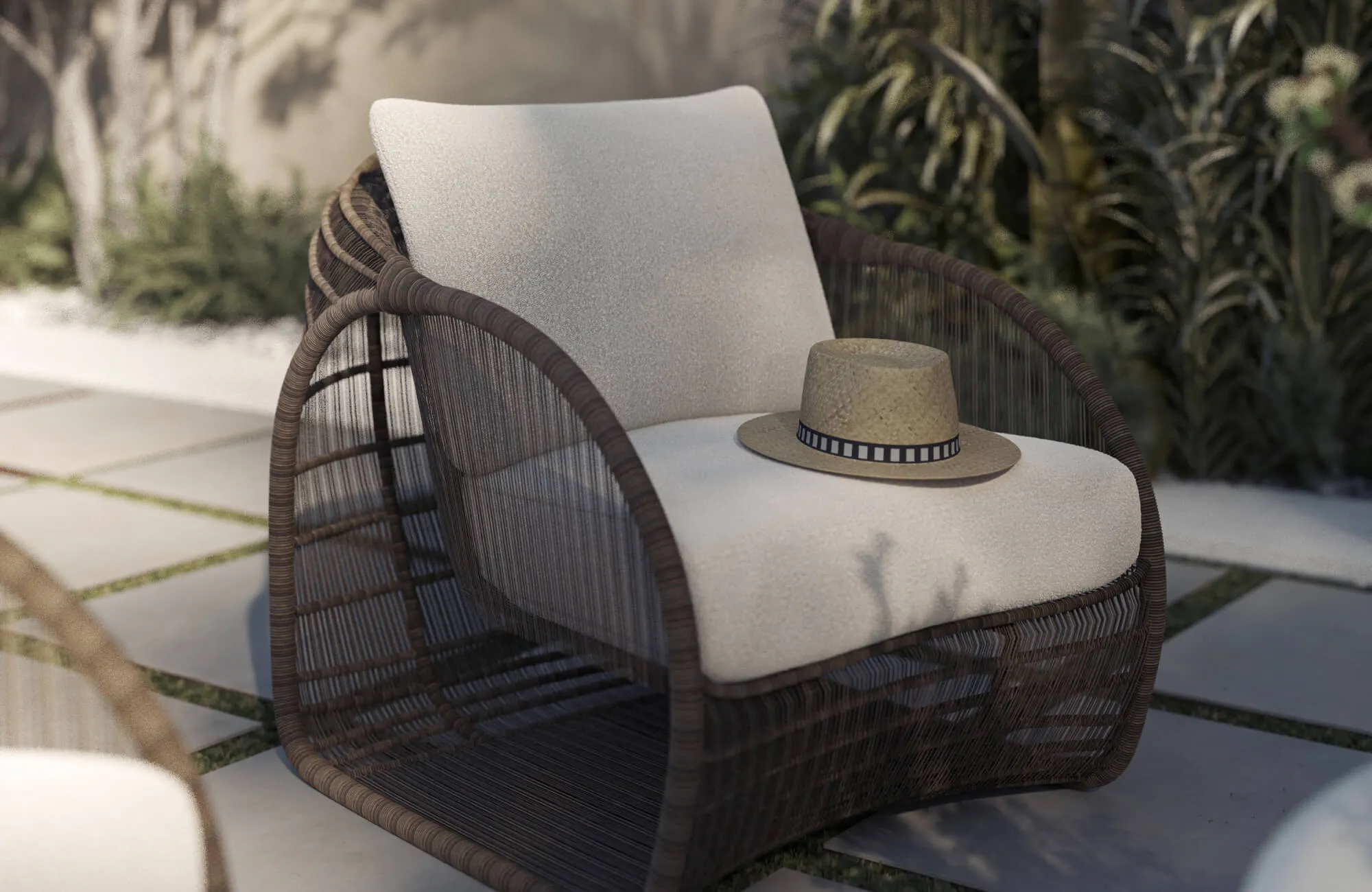
A seat that feels comfortable for five minutes can feel completely different after half an hour outdoors. Heat, humidity, and the way a chair is built all affect whether you actually enjoy using the space or start shifting around to get comfortable. Cushions are often seen as the solution, but they don’t always improve the experience and can sometimes add extra upkeep without much benefit. In this blog, we’ll look at when cushions truly make a difference, when they’re unnecessary, and how to choose a setup that matches how your outdoor space is actually used.
What “Comfort” Really Means in Outdoor Seating
Comfort in the outdoors isn’t just about how soft a seat feels at first. It’s shaped by how the furniture supports your body, how materials react to heat or moisture, and how long you actually plan to sit. What works for a quick meal won’t always hold up during a long afternoon outside, which is why comfort needs to be looked at in context.
Support vs Softness: What Your Body Actually Needs Outdoors
Soft seating can feel inviting at first, but without proper support, it often becomes uncomfortable the longer you stay seated. Outdoor furniture that leans too heavily on plushness without structure can cause pressure points, especially around the lower back and hips. This becomes more noticeable in lounge chairs or deep seating, where posture matters more over time. On the other hand, firmer surfaces with slight contouring tend to provide more consistent support, even if they don’t feel as soft initially. The balance between these two is what determines whether a seat stays comfortable beyond the first few minutes. In many cases, comfort comes from stability rather than softness alone.
This is where cushions can either help or work against you, depending on how they’re built. Well-structured cushions add a layer of comfort without compromising support, especially when they maintain their shape under weight. However, overly soft or thin cushions can flatten quickly, leaving you sitting closer to the hard frame beneath. This creates an uneven experience that can feel less comfortable than sitting directly on a well-designed surface. For outdoor setups used frequently, it’s often better to prioritize support first, then layer in softness where needed. That approach tends to hold up better with regular use.
How Temperature Changes the Way Seating Feels
Outdoor seating reacts directly to weather conditions, which can change how comfortable a surface feels throughout the day. Materials like metal or certain plastics can absorb heat quickly, making them uncomfortable to sit on during warmer hours. In contrast, some surfaces can feel cold or damp in the early morning or evening, especially in shaded or humid areas. These shifts make comfort less predictable compared to indoor furniture, where conditions stay more stable. As a result, the same chair can feel comfortable at one time of day and less so just a few hours later.
Cushions can help regulate this experience by creating a buffer between your body and the surface. They reduce direct contact with heated or cooled materials, making seating more consistent regardless of temperature changes. However, not all cushions perform the same way, since some retain heat while others dry quickly and stay breathable. In hotter climates, thicker cushions may trap warmth, while lighter or quick-dry options tend to feel more comfortable over longer periods. Choosing the right combination of material and cushioning helps maintain comfort even as conditions shift. This becomes especially important in outdoor spaces that are used throughout the day.
Comfort Expectations for Dining vs Lounging Setups
Comfort expectations change depending on how the seating is used, and this is where many outdoor setups fall short. Dining chairs are typically designed for shorter periods of use, where upright posture is more important than deep relaxation. In these cases, a firm seat with slight cushioning is often enough to stay comfortable during meals without affecting posture. Adding thick cushions here can sometimes feel unnecessary or even disruptive, especially if they raise the seating height too much. The goal in dining setups is to support with just enough softness to stay comfortable for the duration of use.
Lounge seating, on the other hand, is designed for extended use, where comfort becomes more about relaxation than structure. Sofas, sectionals, and daybeds benefit from deeper cushions that allow you to settle in without feeling pressure from the frame. This is where layering cushions becomes more valuable, since the seating is meant to support different positions over time. Without proper cushioning, these setups can feel too rigid for long periods, limiting how the space is used. Matching the level of comfort to the intended use helps avoid over- or under-designing the seating.
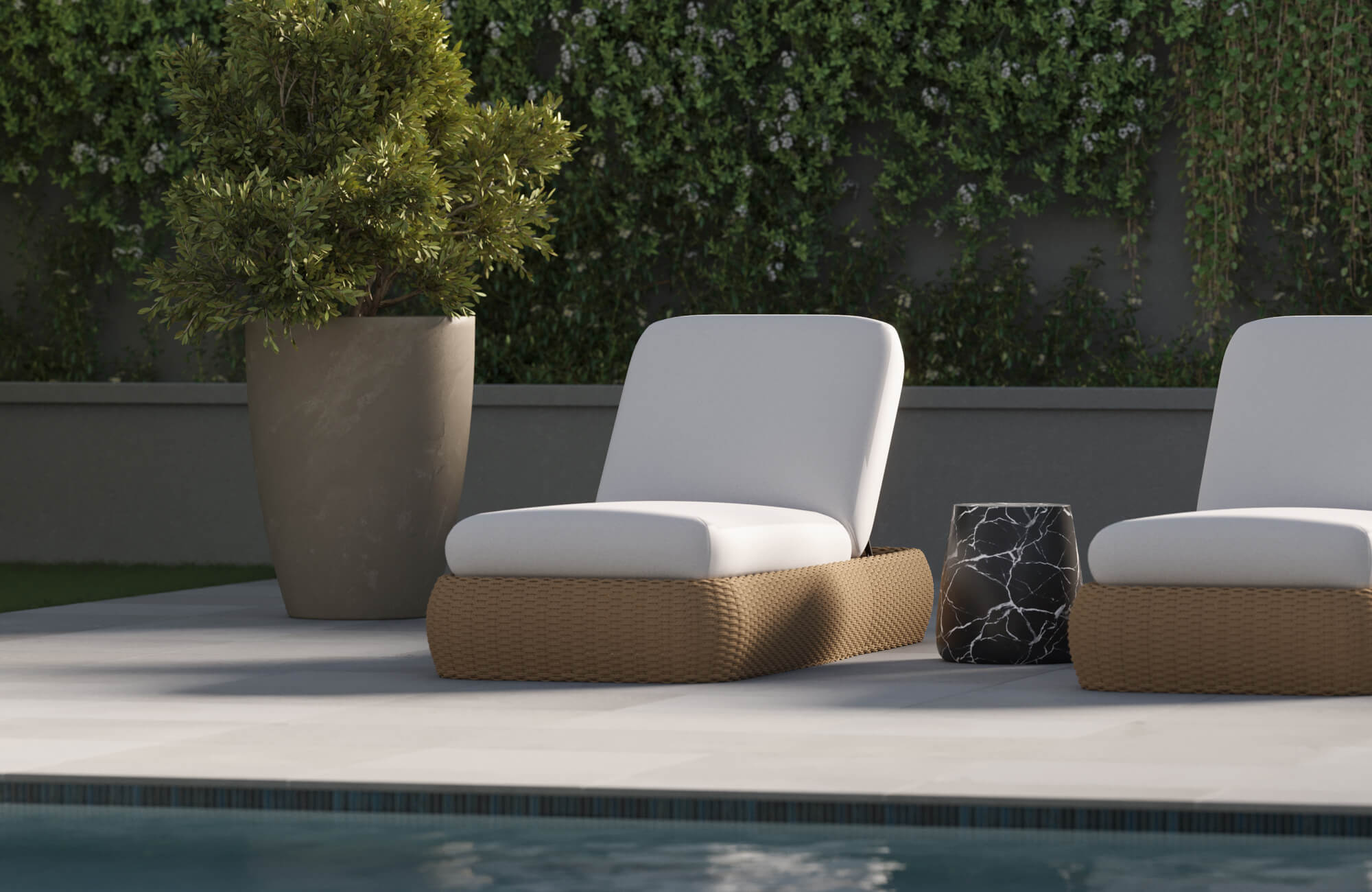
As shown above, our Solena Outdoor Lounger in White demonstrates how lounge seating should balance support with long-term comfort rather than relying on softness alone. The rounded woven base creates a stable foundation, while its low profile encourages a more relaxed seating position that holds up over time. Its quick-drying foam seat maintains consistent support even with repeated use, while the dacron-filled back cushion adjusts naturally as you shift positions. This combination prevents the seat from flattening or feeling uneven, which is a common issue in poorly built lounge setups. It’s this balance between structure and adaptability that allows the lounger to stay comfortable through extended outdoor use.
When Cushions Make a Noticeable Difference
Cushions aren’t always required, but they become more relevant depending on how the furniture is built and how long it’s used. Hard surfaces, flat seating, and extended sitting time tend to expose where comfort falls short. Looking at these situations makes it easier to see when cushions actually add value rather than just serving as an extra layer.
Hard Surfaces That Become Uncomfortable Over Time
Outdoor furniture made from metal, wood, or rigid wicker can feel fine at first, but tends to become uncomfortable as pressure builds in certain areas. Without any give in the surface, weight is distributed unevenly, which can lead to discomfort in the hips or lower back after sitting for a while. This is more noticeable in seating with flat bases or minimal contouring, where there’s little support to offset the hardness. Over time, these pressure points make it harder to stay seated comfortably, especially in spaces meant for relaxing. Adding cushions helps soften that contact and distribute weight more evenly, making the seating more usable for longer periods. In these cases, cushions act less as an upgrade and more as a necessary layer for basic comfort.
Filling Gaps in Flat or Poorly Contoured Seating
Not all outdoor furniture is designed with ergonomics in mind, and flat seating surfaces can leave gaps where the body isn’t properly supported. Chairs or benches with minimal shaping often don’t align well with natural sitting posture, which can lead to discomfort over time. This is especially noticeable in lower-cost or purely aesthetic pieces where design takes priority over function. Cushions help compensate for this by adding both padding and slight contouring, which improves how the body is supported. Even a thin cushion can make a difference by bridging those gaps and creating a more stable seating experience. In these situations, cushions help correct the limitations of the furniture rather than simply enhancing it.
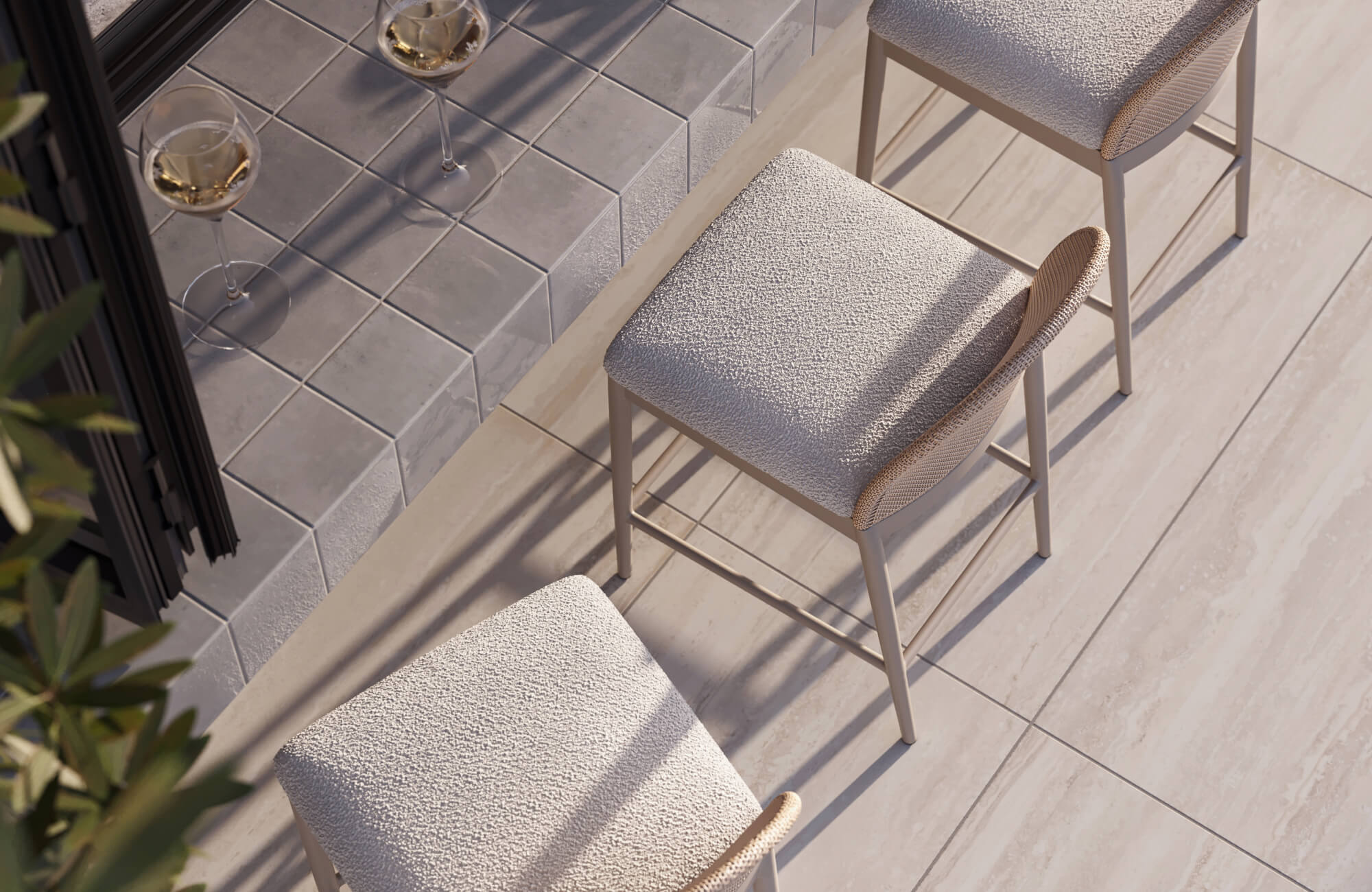
In setups where seating lacks contour, even a slight layer of cushioning can noticeably improve how the body is supported over time. As shown above, our Darcy Outdoor Counter Stool in Cream combines a gently curved backrest with a textured boucle seat that adds both softness and structure without overwhelming the form. The woven cane wicker introduces a subtle give, while the removable cushion helps bridge the gap between flat seating and natural posture. This creates a more stable and comfortable sitting experience, especially in counter-height setups where posture tends to stay upright. It’s this balance between structure and light cushioning that allows the seat to feel supportive without relying on bulk.
How Cushions Improve Relaxation in Lounge Areas
Lounge seating is where cushions tend to make the biggest impact, since these areas are designed for extended use and more relaxed positions. Sofas, sectionals, and loungers rely on deeper seating, which can feel too firm or shallow without proper cushioning. Cushions allow you to shift positions comfortably, whether sitting upright or reclining, which makes the space more versatile. They also add a sense of softness that encourages longer use, especially in settings meant for unwinding. Without them, lounge areas can feel more structured than intended, limiting how the space is experienced. In this context, cushions play a key role in turning a functional setup into one that actually feels comfortable to use.
When You Can Skip Cushions Without Sacrificing Comfort
Cushions can improve comfort, but there are setups where they aren’t necessary and may even add extra maintenance without much benefit. Some outdoor furniture is already designed to support the body well, especially when used for shorter periods or in environments where weather plays a bigger role. Looking at how the space is used and what it’s exposed to helps determine when going without cushions makes more sense.
Sling, Rope, and Mesh Seating That Already Feels Comfortable
Seating made from sling fabric, rope weaving, or mesh is often designed to flex slightly under weight, which creates a natural level of comfort without added padding. These materials adapt to the body’s shape, distributing weight more evenly compared to rigid surfaces like wood or metal. This built-in flexibility reduces pressure points and makes the seat feel more responsive, even during longer use. Because of this, adding cushions may not significantly improve comfort and can sometimes interfere with how the seating is meant to perform. In many cases, the original design already provides enough support and softness to feel balanced. For these types of furniture, keeping the surface uncovered often preserves both function and ease of use.
Dining Chairs and Short-Term Seating Use Cases
Outdoor dining setups are typically used for shorter periods, where posture and stability matter more than softness. Chairs are designed to keep you upright and supported during meals, which means thick cushions aren’t always necessary. In fact, adding too much padding can raise seating height or shift alignment with the table, making the setup feel less comfortable overall. For quick meals, casual gatherings, or spaces that aren’t used for extended sitting, a firm, well-designed seat is usually enough. This approach also keeps the setup simpler, especially when chairs need to be moved or stored regularly. In these cases, skipping cushions helps maintain both function and convenience without sacrificing comfort.
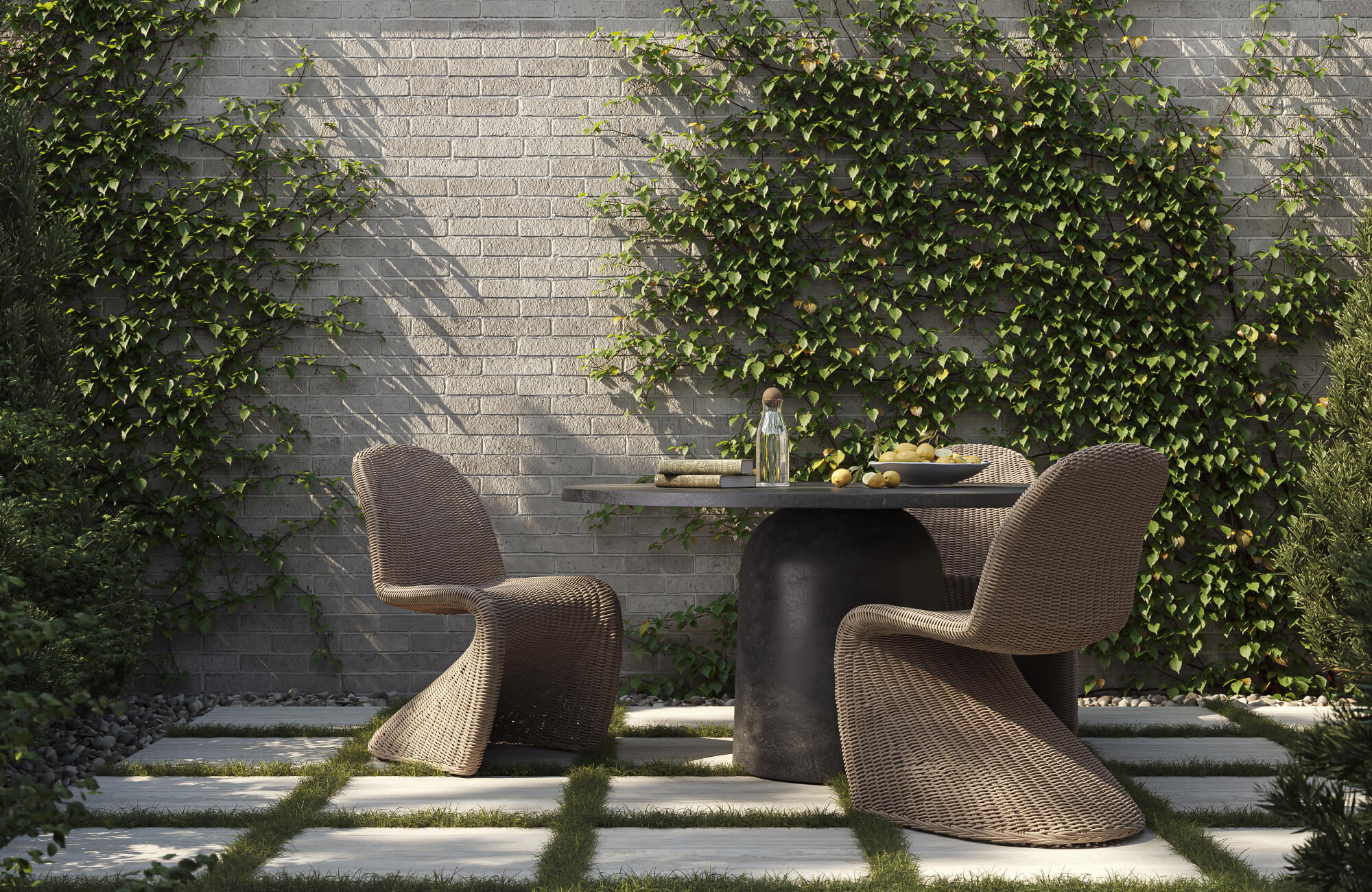
For seating that’s used in shorter intervals, comfort often comes from how the chair is shaped rather than what’s added on top. In the setup shown above, our Calandor Outdoor Dining Chair in Vintage White uses a cantilevered S-curve that supports the back while allowing a slight give through its woven structure. The all-weather wicker flexes subtly under weight, which helps reduce pressure without the need for cushioning. This keeps the seating height consistent and avoids the imbalance that thicker cushions can introduce. In this kind of setup, the chair’s design already provides enough comfort to keep things simple and functional.
Hot and Humid Climates Where Cushions Become a Hassle
In warmer climates, cushions can retain heat and moisture, which affects how comfortable they feel over time. Thick or poorly ventilated cushions tend to trap warmth, making them less comfortable to sit on during hotter parts of the day. Humidity can also slow down drying, leaving cushions damp after rain or even overnight exposure. This can lead to odors, mildew, or the need for more frequent cleaning and storage. In these conditions, bare seating surfaces often feel cooler and require less upkeep throughout the day. Choosing cushion-less setups in these environments helps reduce maintenance while keeping the space more practical to use.
Poolside and Rain-Exposed Areas Where Simplicity Works Better
In areas where water exposure is constant, such as poolside seating or uncovered patios, cushions can quickly become inconvenient. Even quick-dry options still require time to dry fully, which can interrupt how often the seating is usable. Without cushions, furniture can be used immediately after rain or splashes without concern for moisture retention. This makes a noticeable difference in spaces that are used frequently and need to stay functional without extra steps. It also reduces the need for storage, covers, or constant repositioning to protect the cushions. In these environments, keeping the setup simple often leads to a more reliable and low-maintenance experience.
Cushion Materials, Thickness, and Fill: What Actually Matters
Not all cushions perform the same once they’re used outdoors, and the difference often comes down to how they’re built rather than how they look. Factors like foam density, fabric choice, and construction affect how comfortable they feel over time and how well they hold up to weather. Looking at these details helps avoid cushions that feel good at first but wear out quickly with regular use.
Foam Density vs Thickness: What Feels Better Over Time
Thickness can make a cushion feel more comfortable at first, but density is what determines how well it holds up with repeated use. A thick cushion with low-density foam may feel soft initially but tends to compress quickly, leaving less support underneath. In contrast, a thinner cushion with higher-density foam maintains its shape better and provides more consistent support over time. This difference becomes noticeable in seating that’s used regularly, where cushions need to recover after each use. Over time, density has a bigger impact on comfort than thickness alone. Choosing based on structure rather than just softness leads to a more reliable seating experience.
Fabric Choices That Handle Sun, Moisture, and Daily Use
Outdoor cushions are exposed to conditions that indoor fabrics aren’t designed to handle, so material choice plays a key role in performance. Fabrics that resist fading help maintain color even in areas with direct sunlight, preventing the cushion from looking worn too quickly. Moisture resistance is just as important, since fabrics that absorb water can stay damp longer and require more maintenance. Breathable materials allow air to circulate, which helps cushions dry faster and stay more comfortable during use. Over time, these factors affect not just durability but also how often the cushions need to be cleaned or replaced. Choosing the right fabric makes a noticeable difference in both appearance and upkeep.
Quick-Dry vs Plush Cushions: Choosing Based on Use
The choice between quick-dry and plush cushions often depends on how the space is used rather than personal preference alone. Quick-dry cushions are designed to shed water and dry faster, which makes them more practical in areas exposed to rain, humidity, or poolside use. They may feel firmer compared to plush options, but they require less maintenance and can be used more consistently throughout the day. Plush cushions, on the other hand, offer a softer and more relaxed feel that works well in covered or low-exposure areas. However, they tend to retain moisture longer and may need more care to keep them in good condition. Matching the cushion type to the environment helps balance comfort with practicality.
How Cushion Construction Affects Shape Retention
Beyond foam and fabric, the way a cushion is constructed affects how well it holds its shape over time. Cushions with reinforced seams, structured edges, or internal compartments tend to maintain their form better with repeated use. Without this structure, filling can shift or bunch up, creating uneven surfaces that reduce comfort. This is especially noticeable in larger cushions where weight distribution plays a bigger role. Over time, poorly constructed cushions can lose their shape even if the materials themselves are durable. Paying attention to construction details helps ensure the cushion stays consistent with regular use.
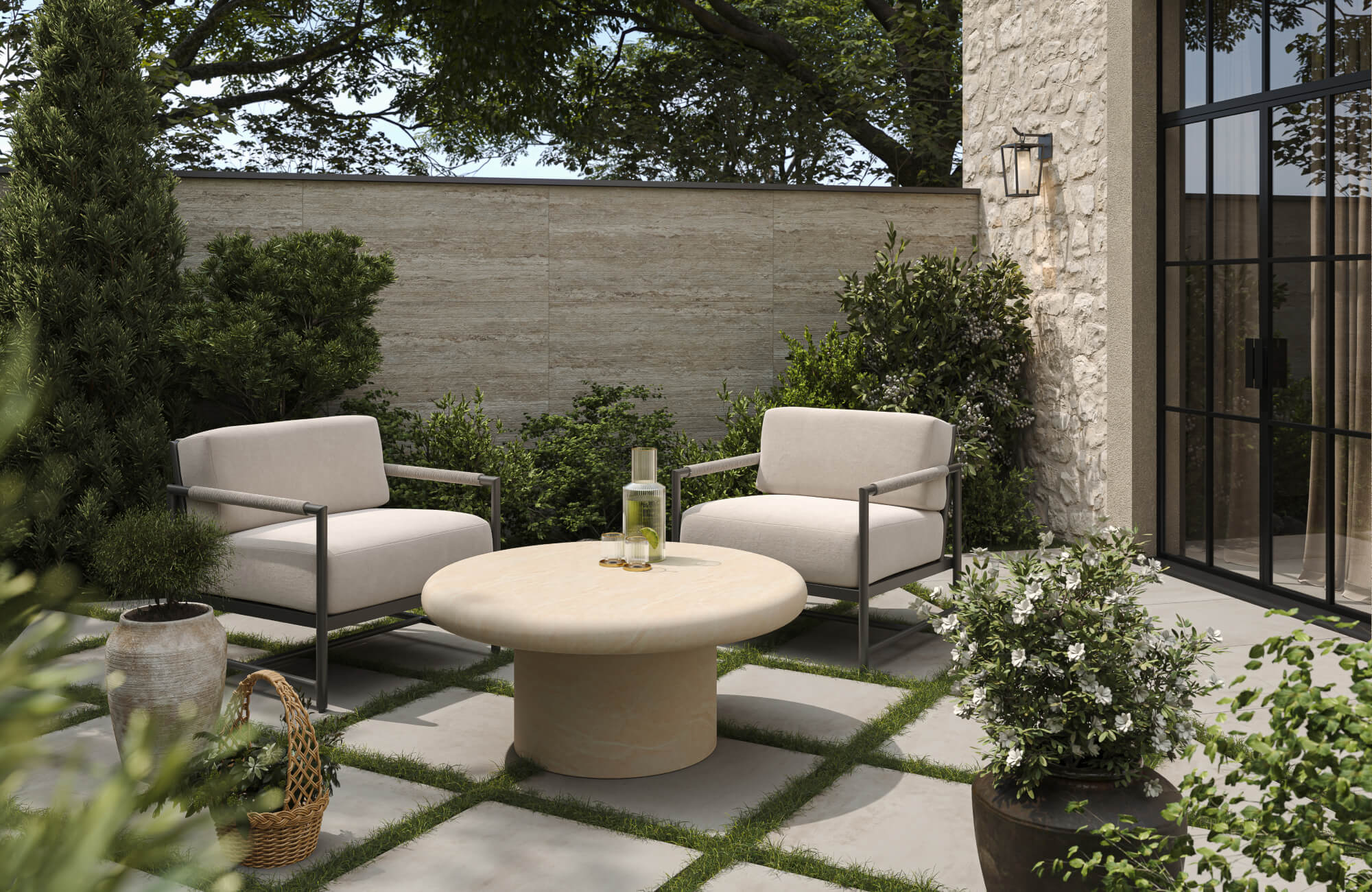
Cushion performance also depends on how well the structure supports the materials over time, not just the foam or fabric alone. In the setup shown above, our Vetra Club Chair pairs a high-density foam core with a durable fiber wrap, allowing the seat to hold its shape even with repeated use. The tensioned rope backrest adds another layer of support, creating a balanced feel that doesn’t rely entirely on thick cushioning. This combination helps prevent sagging or uneven wear, which is common in loosely constructed cushions. Over time, it’s this kind of built-in structure that keeps the seating comfortable without constant adjustment or replacement.
When Thin Cushions Work Better Than Thick Ones
Thicker cushions aren’t always the better option, especially in setups where balance and proportion matter. In dining areas, for example, thinner cushions help maintain proper seating height and alignment with the table. They also make it easier to move chairs without adding bulk or shifting the setup. In tighter spaces, thinner cushions can keep the layout feeling clean and functional without overcrowding the seating area. They still provide a layer of comfort without changing how the furniture is meant to be used. In many cases, thinner cushions offer a more practical solution when comfort needs to stay subtle and controlled.

Maintenance, Storage, and Real-Life Trade-Offs
Cushions can improve how outdoor seating feels, but they come with upkeep that affects daily use more than expected. Cleaning, storage, and exposure to weather all influence whether they stay practical over time. Looking at these factors early helps avoid setups that feel good at first but become harder to manage later on.
Cleaning Frequency and What It Actually Involves
Outdoor cushions tend to collect dust, pollen, and debris faster than indoor materials, especially in open or uncovered spaces. Even when they don’t look visibly dirty, fine particles settle into the fabric and gradually affect how fresh they feel. Keeping them clean usually involves brushing off loose dirt, spot-treating spills as they happen, and occasionally washing covers if they’re designed to be removed. This routine becomes more noticeable in frequently used areas, where buildup happens faster and requires more consistent attention. Some fabrics release dirt easily, while others hold onto it and require more effort to clean without causing wear. Over time, the maintenance isn’t just about cleaning stains but managing how often exposure happens.
Storage During Rainy Seasons or Off-Season Use
Cushions rarely stay outside year-round without some form of protection, particularly in areas with frequent rain or changing seasons. They often need to be moved indoors, placed in storage boxes, or covered to prevent water damage and prolong their lifespan. This adds extra steps before and after using the space, which can affect how convenient the setup feels on a daily basis. Larger seating arrangements with multiple cushions make storage more demanding, especially when space is limited. Even when storage solutions are available, moving everything repeatedly can become inconvenient over time. This is where simpler setups without cushions tend to feel easier to manage, especially when weather conditions change often.
Mold, Mildew, and Odor Risks in Outdoor Cushions
Moisture is one of the main challenges when maintaining outdoor cushions, particularly in humid or shaded environments. When cushions remain damp for extended periods, they can develop mold or mildew, which not only affects appearance but also creates odors that are difficult to remove. Even quick-dry materials require proper airflow to fully dry, especially after rain or overnight exposure. Storing cushions before they’re completely dry can trap moisture inside, making the problem harder to fix later. Repeated exposure to these conditions can also weaken the fabric and filling, reducing how long the cushions last. Compared to hard-surface seating, this adds an extra layer of care that needs to be handled consistently.
Convenience vs Comfort: What You’re Really Signing Up For
Cushions can make seating more comfortable, but they also introduce steps that affect how easily the space can be used. A cushioned setup may require adjusting for weather, cleaning before use, or repositioning after exposure to the elements. In contrast, furniture without cushions can be used immediately without preparation, which often makes it more practical for everyday use. This difference becomes more noticeable in spaces that are used frequently, where convenience can influence how often the area is actually enjoyed. Some homeowners prioritize the added comfort, while others prefer a setup that requires less effort to maintain. The right choice depends on how the space fits into your daily routine and how much upkeep you’re willing to manage.
Choosing the Right Setup for Your Outdoor Space
The best outdoor setup isn’t defined by whether you use cushions or not, but by how well everything fits your routine and environment. Comfort, durability, and ease of use all need to work together based on how the space is actually used. Looking at layout, furniture type, and daily habits makes it easier to decide what makes sense long term.
Matching Cushions to Furniture Type and Frame Material
Not all outdoor furniture benefits from the same level of cushioning, and the frame material plays a big role in that decision. Rigid materials like metal or solid wood often feel firm over time, which makes cushions more useful for improving comfort. In contrast, rope, sling, or mesh seating already provides some flexibility, so adding cushions may not make a noticeable difference. The goal is to complement how the seat is built rather than covering it up unnecessarily. Over-cushioning certain pieces can also affect how they function, especially if it changes seat height or posture. Matching the cushion level to the furniture design keeps the setup balanced and more comfortable to use.
Small Patios vs Large Outdoor Setups: What Changes
The size of your outdoor space affects how practical cushions are in everyday use. In smaller patios or balconies, adding bulky cushions can make the area feel more crowded and harder to move around. Thinner cushions or minimal padding tend to work better in these setups, keeping the layout open while still adding some comfort. Larger spaces, on the other hand, allow for more flexibility, where deeper seating and layered cushions can create a more relaxed atmosphere. These areas are often used for longer periods, which makes added comfort more worthwhile. The key difference is how much space you have to accommodate both seating and movement without making the area feel restricted.
Hosting vs Everyday Use: Prioritizing Comfort Differently
How often you host compared to how often you use the space on your own can influence the level of cushioning you need. For gatherings, comfort becomes more important since guests are likely to sit for longer periods, making cushions a practical addition. In contrast, everyday use may lean more toward convenience, especially if the space is used briefly throughout the day. A heavily cushioned setup can feel inviting for guests, but may require more upkeep than needed for regular use. Balancing these two scenarios helps avoid overdesigning for one purpose while neglecting the other. In many cases, a mix of lightly cushioned and fully cushioned seating can cover both needs effectively.
Mixing Cushioned and Non-Cushioned Seating in One Space
Using a combination of cushioned and non-cushioned seating can create a more flexible outdoor setup. Lounge areas can benefit from deeper cushions for relaxation, while dining or side seating can remain simpler and easier to maintain. This approach allows each part of the space to serve a different purpose without forcing everything into the same level of comfort. It also helps manage maintenance, since not all seating requires the same level of care. Visually, this mix can add variety without making the space feel inconsistent. When done thoughtfully, it creates a setup that feels balanced both in function and design.
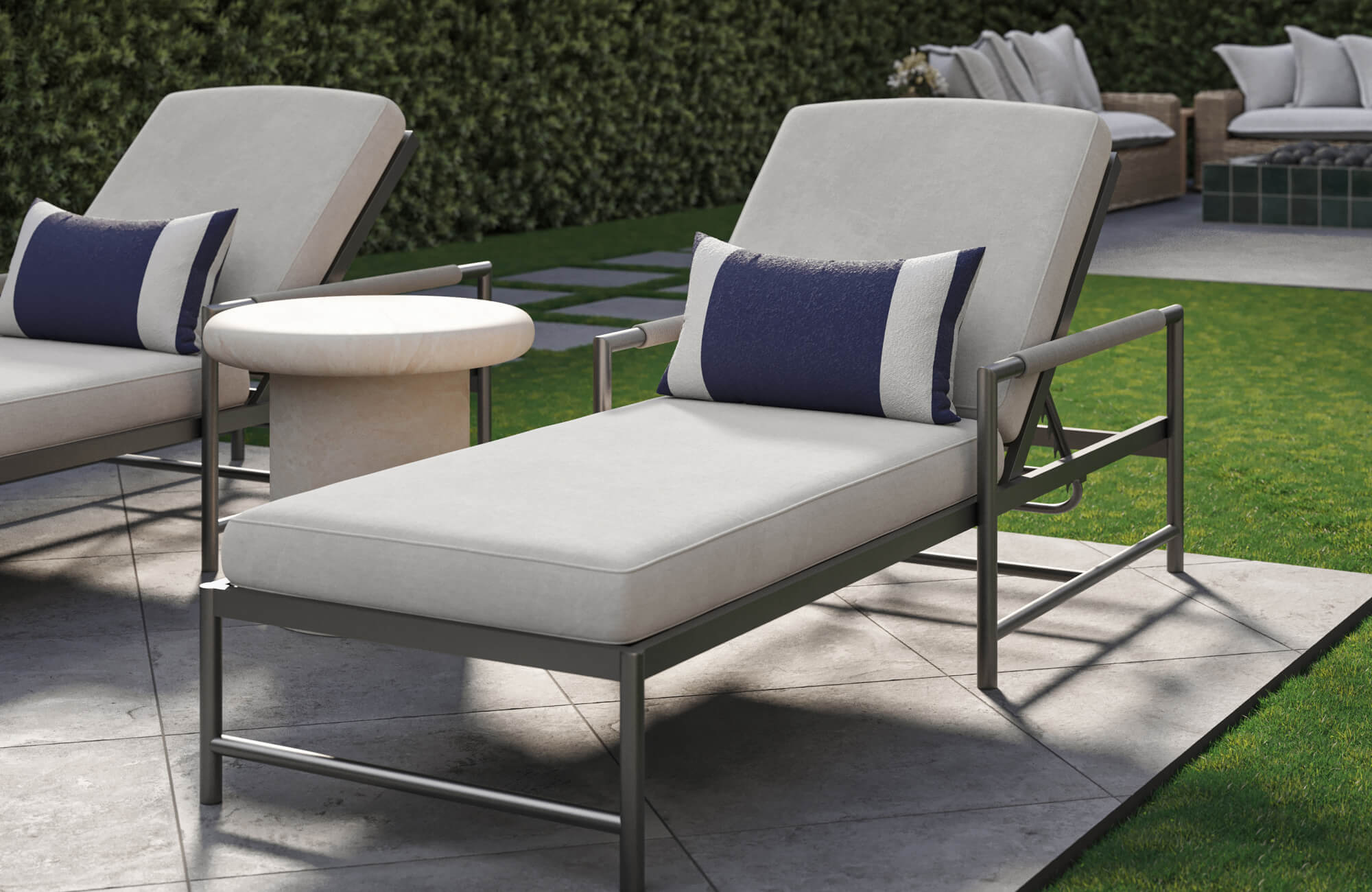
In the setup shown above, combining different levels of cushioning allows the space to feel more adaptable without becoming overdesigned. Our Vetra Chaise introduces a more relaxed seating option with its adjustable back and supportive cushion, making it better suited for longer use compared to surrounding seating. The rope-wrapped arms and structured frame keep the silhouette light, so it doesn’t visually overpower the rest of the layout. This contrast between cushioned and non-cushioned pieces helps define how each area is meant to be used. It also makes the overall setup feel more intentional, where comfort is added where it matters most rather than applied everywhere.
When to Invest in Cushions and When to Keep It Simple
Cushions are worth investing in when the seating is used for extended periods or when the base furniture lacks support. In these cases, they improve both comfort and how often the space is used. However, in areas exposed to constant weather or used only briefly, keeping the setup simple often makes more sense. Skipping cushions reduces maintenance, storage needs, and preparation time, which can make the space easier to use overall. The decision usually comes down to how much effort you want to put into upkeep versus how much comfort you need. Finding that balance helps create a setup that works consistently without adding unnecessary steps.
Choosing Comfort That Actually Fits How You Use Your Outdoor Space
Outdoor cushions can improve comfort, but they’re not always necessary for every setup. What matters more is how the furniture is built, how long you plan to use it, and the conditions it’s exposed to. In some cases, cushions help correct hard or flat seating and make lounge areas more usable for extended periods. In others, especially in hot, humid, or rain-exposed environments, skipping them can make the space easier to maintain and just as comfortable for everyday use.
The right choice comes down to how your outdoor space fits into your routine and how much upkeep you’re willing to manage. Balancing comfort, durability, and practicality will help you avoid setups that feel good at first but become inconvenient over time. If you want help finding the right combination for your space, our Personalized Design Consultation can guide you through layout, materials, and comfort levels that actually work in real use. This way, your outdoor setup feels intentional, functional, and easy to live with long-term.
Follow us on Instagram
@EDWARD.MARTIN
)
)
)
)
)
)
)
)
)
)
)
)
)
)
)
)