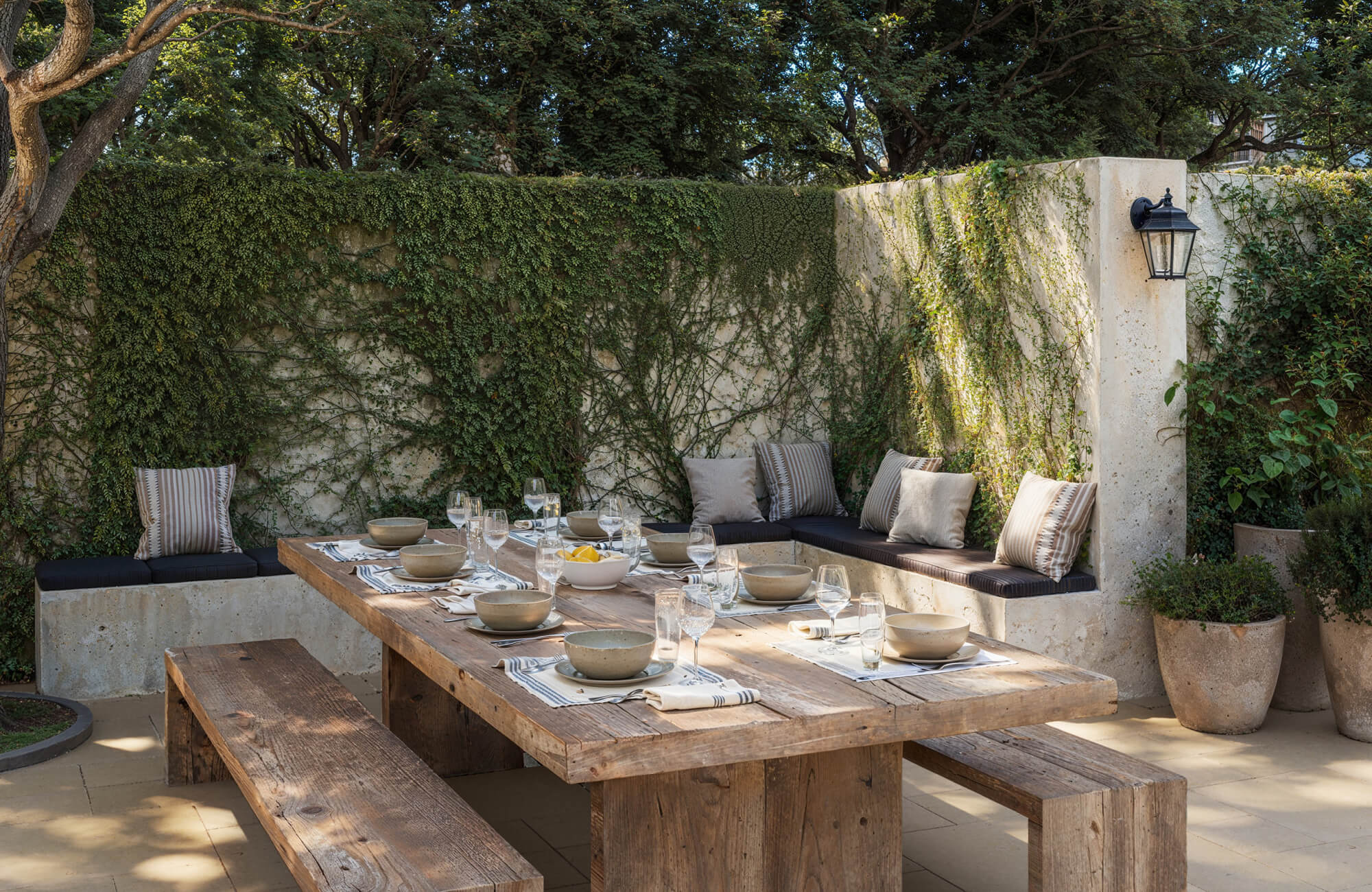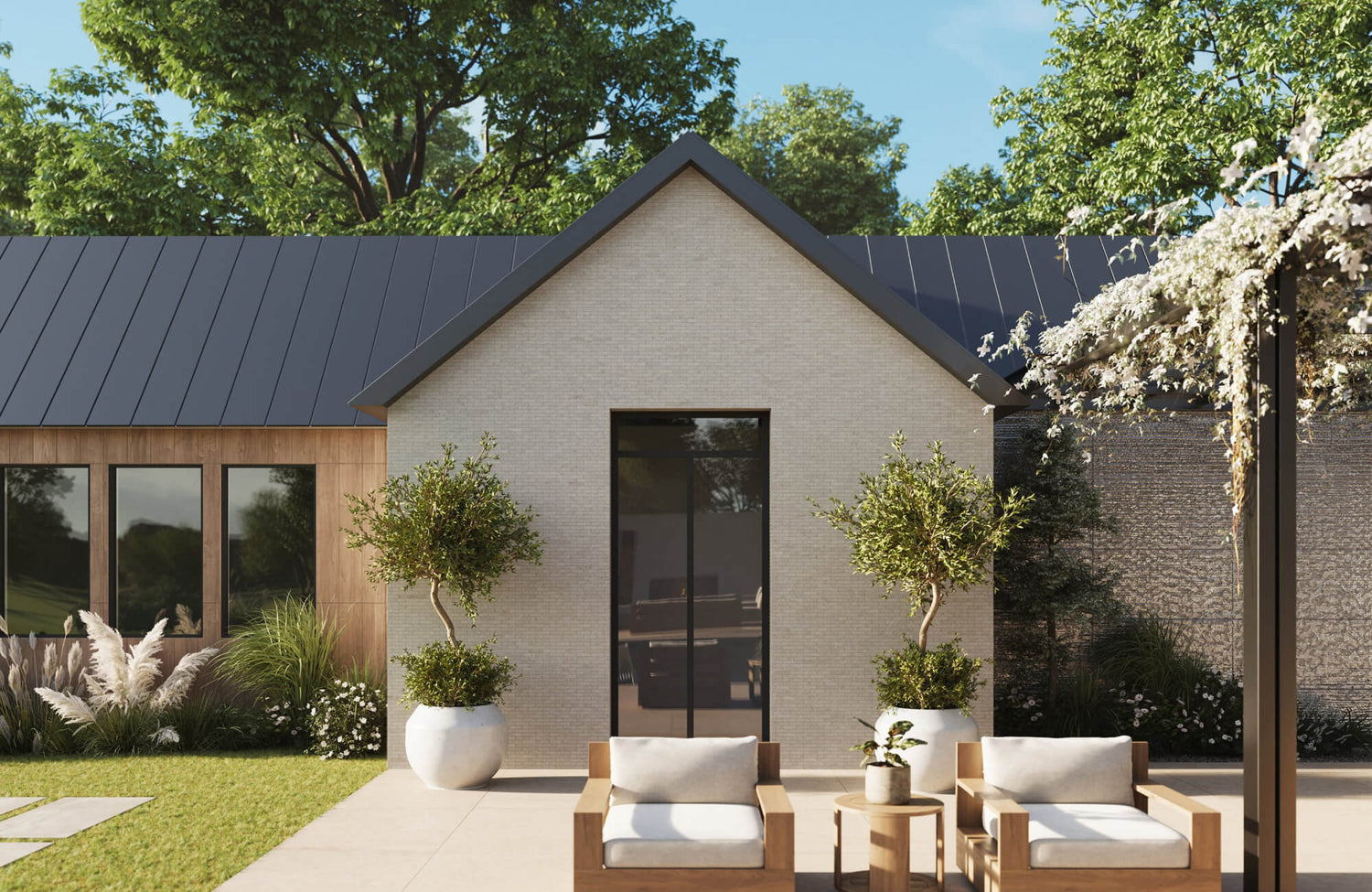
Outdoor chairs need to handle more than occasional use. The best material should suit your climate, support how you use the space, feel comfortable, and remain manageable to maintain over time. For many outdoor spaces, powder-coated aluminum, teak, synthetic wicker, and high-quality resin are among the strongest choices because they offer a practical balance of durability, comfort, weather resistance, and style. The right option depends on where the chairs will be placed, how often you use them, and how much maintenance you prefer.
In this article, you’ll learn how the most common outdoor chair materials compare, which options perform best in different climates, and how to choose a material that fits your patio, balcony, garden, poolside area, or outdoor dining setup.

Common Outdoor Chair Materials
Outdoor chair materials vary in strength, weight, texture, and long-term performance. Before choosing a chair for your patio or garden, it helps to understand what each material offers and where it may fall short.
Aluminum Chairs
Aluminum is one of the most popular materials for outdoor chairs because it is lightweight, rust-resistant, and easy to move. If you like rearranging your patio setup or need chairs that can be pulled in and out around a dining table, aluminum is often a practical choice. Powder-coated aluminum performs especially well outdoors because the finish adds a protective layer against moisture, scratches, and general wear. This makes it useful for patios, balconies, and covered outdoor dining areas where you want a chair that feels sturdy yet easy to handle.
However, very lightweight aluminum chairs may feel less stable in exposed spaces. If your outdoor area is open or breezy, look for aluminum chairs with a slightly heavier frame or wider base so they feel more grounded during everyday use.
Teak Chairs
Teak is a dense hardwood valued for its natural oils, which help it resist moisture, decay, and outdoor wear better than many other woods. It is often chosen when you want outdoor chairs with a warm, natural look and a more substantial feel. One of teak’s advantages is the way it ages. If left untreated, it gradually develops a silver-gray patina that many appreciate for its relaxed outdoor character. If you prefer the original golden-brown tone, occasional oiling can help maintain its warmer appearance.
Teak is generally more expensive than many other outdoor chair materials, but it can be a strong, long-term investment when properly cared for. It works especially well for garden chairs, dining chairs, lounge seating, and outdoor spaces where natural texture is part of the design.
Synthetic Wicker Chairs
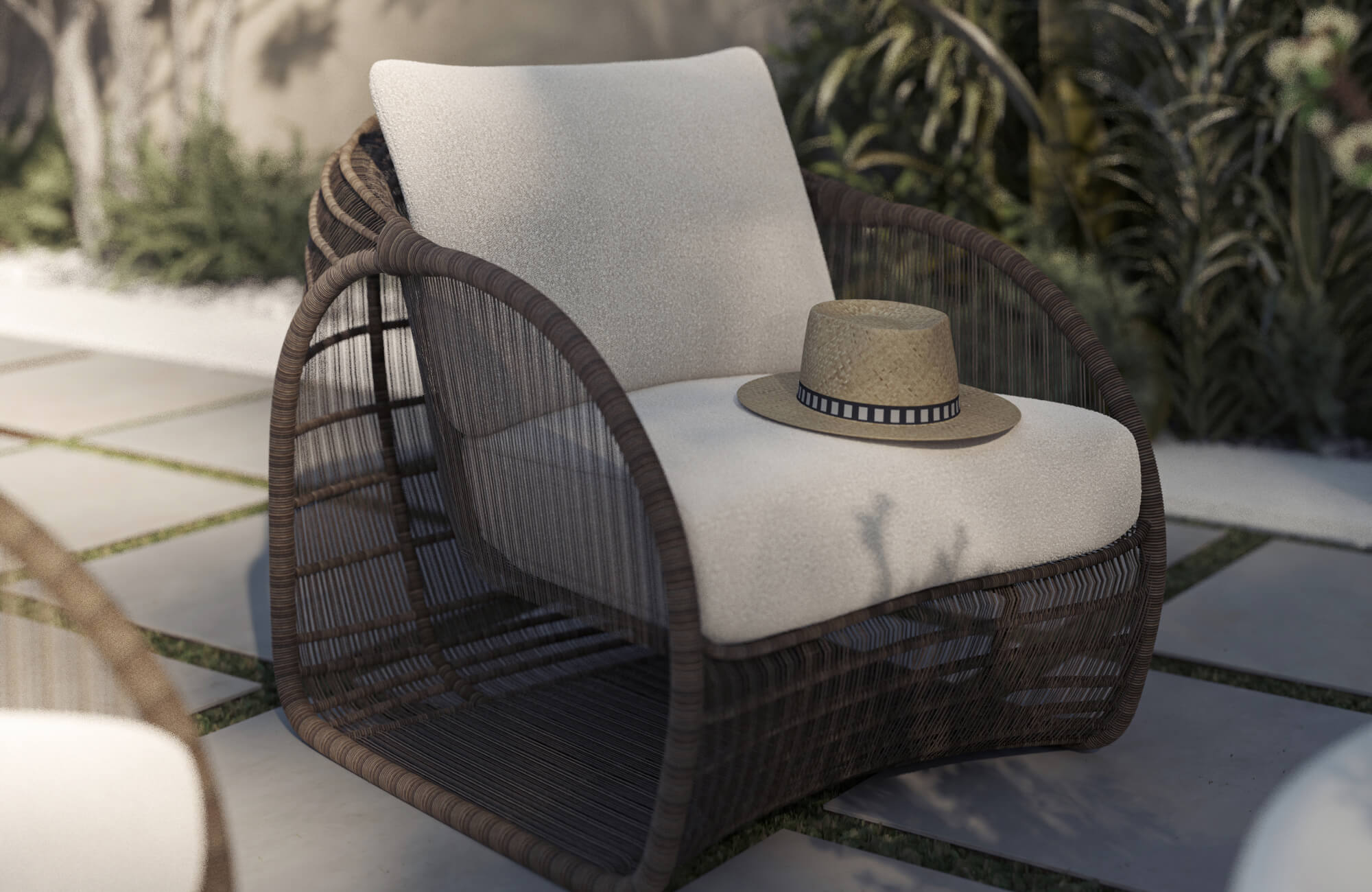
Synthetic wicker gives you the woven look of traditional rattan while offering better outdoor durability. Natural rattan is best kept indoors or in well-protected areas because it can weaken when exposed to moisture, whereas synthetic wicker is designed to handle outdoor conditions more effectively. This material is often wrapped around aluminum or steel frames, giving the chair structure while maintaining a softer, more textured appearance. It works well for lounge chairs, conversation sets, and covered patios where you want a relaxed and comfortable look.
A fitting example is shown in the photo featured above, where Edward Martin’s Solena Outdoor Lounger in White brings that balance into a poolside setting. Its synthetic wicker base adds warmth and texture, while the quick-drying foam helps make the lounger more practical for outdoor use, where moisture and comfort both matter.
When choosing synthetic wicker, quality matters. Higher-quality versions resist fading, cracking, and loosening better over time, while lower-quality woven materials may become brittle after prolonged sun exposure.
Steel And Iron Chairs
Steel and wrought iron chairs are known for their weight and stability. They are often used in traditional patios, garden seating areas, and outdoor dining spaces where a more grounded chair is preferred. The main benefit of these materials is their strength. Steel and iron chairs can feel secure and substantial, especially in outdoor areas where lighter chairs may move too easily. They also work well with curved frames, decorative details, and more formal patio layouts.
The main concern is rust. These metals need protective coatings, and any chips or scratches should be addressed before moisture reaches the exposed surface. If you live in a humid or rainy climate, coated steel or wrought iron may require more attention than aluminum, teak, or resin.
Resin And Plastic Chairs
Resin and plastic chairs are often chosen for casual outdoor spaces because they are lightweight, easy to clean, and usually more affordable than wood or metal options. They are useful for poolside seating, small patios, extra guest chairs, and areas where convenience matters. High-quality resin typically performs better than thin plastic because it resists moisture, cleans easily with mild soap and water, and remains manageable for storage or seasonal use.
Lower-quality plastic, however, may fade, crack, or become brittle with long-term sun exposure. If you want resin or plastic chairs for regular outdoor use, look for thicker construction, UV-resistant material, and a design that feels stable when seated.

Choosing Materials For Your Climate
Climate should be one of the first factors you consider when choosing outdoor chair material. A chair that works well in a shaded courtyard may not hold up the same way on a rainy garden patio, coastal deck, or fully exposed sunny space.
Rainy Areas
In rainy climates, moisture resistance matters more than almost anything else. Aluminum, teak, high-quality resin, and synthetic wicker are often good options because they can handle damp conditions better than untreated steel, poorly sealed wood, or natural rattan. Aluminum resists rust, while teak contains natural oils that help it withstand moisture. Resin is easy to wipe down after rain, and synthetic wicker can perform well if the frame underneath is also weather-resistant.
In areas with frequent rain, avoid materials that trap moisture or require constant drying. Chairs with open frames, slatted seats, or quick-draining designs can also help prevent water from sitting on the surface for too long.
Coastal Settings
Coastal settings bring a different challenge because salt air can accelerate corrosion and surface wear. If your chairs will be placed near the ocean, choosing the right material becomes especially important. Powder-coated aluminum, marine-grade stainless steel, teak, and high-quality synthetic wicker tend to perform better near the coast. These options are better suited for moisture and salt exposure than untreated steel or thin metal finishes.
Even with suitable materials, regular rinsing can help remove salt residue from chair surfaces. This simple habit can extend the life of outdoor chairs and keep finishes looking cleaner over time.
Sunny Patios
Strong sunlight can affect outdoor chair materials in several ways. Metal can become hot to the touch, plastics may fade or weaken, and some woods can dry out after long exposure. For sunny patios, UV-resistant resin, teak, and lighter powder-coated aluminum are practical options because they hold up outdoors while helping reduce heat buildup.
Shade also plays an important role, whether from an umbrella, pergola, or covered area. For example, Edward Martin’s Caldra Outdoor Lounge Chair in Cream, as shown in the photo featured above, pairs a powder-coated aluminum frame with light polyester cushioning, making it a fitting choice for bright patio settings where durability, comfort, and a lighter appearance all matter.
Windy Spaces
In windy outdoor areas, chair weight matters. Lightweight aluminum or plastic chairs are easy to move, but they may feel less secure in exposed spaces. Heavier materials such as wrought iron, steel, and solid teak often stay more stable. These materials can be a better fit for open patios, rooftops, or garden areas where chairs need to remain in place. If you prefer lighter chairs for convenience, choose designs with wider legs, lower profiles, or stackable storage options. This gives you more flexibility when the weather changes.
Cold Seasons
Cold weather can affect outdoor chairs, especially when temperatures rise above and drop below freezing. Freeze-thaw conditions may cause brittle plastic to crack, untreated wood to expand and contract, and damaged metal finishes to rust. Materials rated for year-round outdoor use are safer choices in colder regions. Teak, powder-coated aluminum, and durable resin can perform well, especially when protected with covers or stored during severe weather.
If you do not use your outdoor area during winter, seasonal storage is often the simplest solution. Moving chairs into a shed, garage, or covered area can help preserve their finish and structure.

Matching Materials To How You Use The Chairs
The best outdoor chair material also depends on how the chairs will be used day to day. Dining, lounging, poolside seating, compact patios, and entertaining areas each place different demands on weight, cleaning, support, and flexibility.
Dining Chairs
Outdoor dining chairs should be easy to pull out, reposition, and clean after meals. Aluminum, resin, teak, and synthetic wicker are all practical choices because they offer a good mix of durability and everyday convenience. If your dining area is used often, avoid chairs that are too heavy to move comfortably. Wrought iron may look beautiful around a dining table, but it can feel inconvenient if you frequently slide chairs in and out.
You should also consider the chair’s shape. Smooth surfaces, open backs, and wipeable materials make it easier to clean up after outdoor meals, especially when children or guests use the chairs. A great example is Edward Martin’s Hightide Outdoor Dining Armchair in Stained Aged Grey/Alessi Linen, as shown in the photo above, featuring a natural teak frame, a softly curved backrest, and streamlined armrests that bring structure to the dining setup while keeping the seating practical for regular outdoor meals.
Lounge Chairs
Lounge chairs need materials that support relaxed seating for longer periods. Teak, synthetic wicker, cushioned aluminum, and sling-style frames are common choices because they can work well with reclined shapes and deeper seating. Teak provides a solid frame with a natural feel, while synthetic wicker adds texture and a softer appearance. Aluminum lounge chairs are often easier to move, especially when paired with cushions or quick-drying sling fabric.
For lounging, the frame material is only part of the comfort equation. Seat depth, back angle, cushion quality, and arm height also matter, so choose a material that works with the chair’s overall shape.
Poolside Chairs
Poolside chairs need to handle splashing, damp towels, sunscreen, and regular cleaning. Resin, aluminum, teak, and sling-style materials are often good options because they resist moisture and are generally easy to maintain. Quick-drying designs are especially useful near water. Chairs with mesh sling seats, open frames, or smooth wipeable surfaces can dry faster than heavily cushioned designs.
Avoid materials that absorb moisture easily or require delicate care. Around pools, practical surfaces usually matter more than decorative detail because the chairs are exposed to frequent use and moisture.
Small Patio Chairs
Small patios and balconies benefit from chairs that are easy to move, store, or tuck away. Aluminum, resin, and compact wood designs can work well because they keep the area flexible. Stackable and folding chairs are especially helpful when space is limited. They allow you to adjust the setup when you need more room for plants, side tables, or additional guests.
Material weight should also match how often you plan to move the chairs. If you expect to shift them regularly, lighter materials will usually make the space easier to manage.
Entertaining Seating
If your outdoor area is used for gatherings, chair materials should withstand regular movement and frequent use. Durable frames with easy-clean surfaces are usually the most practical choice. Aluminum, resin, synthetic wicker, and coated metal can all work well in entertaining spaces, depending on the style and setting. The goal is to choose chairs that can handle guests sitting, moving, and rearranging them without requiring constant care.
For mixed seating arrangements, consider materials that coordinate easily with other pieces. A simple aluminum or resin chair, for example, can blend with wood tables, woven accents, or cushioned lounge furniture without feeling out of place.

Considering Comfort And Everyday Maintenance
A chair material may be durable, but it should also feel practical to live with. Once you have considered climate and use, comfort, and maintenance, it helps determine whether the material fits your everyday routine.
Surface Temperature
Some materials feel hotter than others in direct sunlight. Dark metal chairs, for instance, can heat up quickly, while wood and woven-style materials often feel more comfortable to the touch. If your chairs will sit in a sunny spot, cushions or nearby shade can help reduce heat buildup during the warmest part of the day.
Edward Martin’s Marinell Outdoor Dining Chair in Faux Hyacinth is a useful example, as shown in the photo featured above. Its seat and back are fully wrapped in faux hyacinth weaving, creating a softer contact surface than rigid metal or plastic for outdoor dining areas that receive warm afternoon light. Lighter finishes can also make a difference. A pale aluminum or resin chair may feel more comfortable in strong sun than a dark metal frame that absorbs heat quickly.
Cleaning Routine
Cleaning needs vary widely by material. Aluminum, resin, and synthetic wicker are generally easy to clean with mild soap, water, and a soft cloth or brush. Teak and coated metal may need more attention. Teak can be cleaned periodically to remove surface dirt, while metal chairs should be checked for chips or scratches that could expose the frame beneath the finish.
A simple routine can prevent bigger issues. Wipe away leaves, pollen, food spills, and moisture before they sit too long, especially if the chairs are used often or placed under trees.
Cushion Needs
Some outdoor chair materials feel better with cushions. Metal, wood, and rigid resin chairs may feel firm during long sitting periods, so cushions can add comfort and help soften the seat. Woven, sling, and contoured designs may offer more built-in flexibility. These chairs can feel more comfortable with fewer accessories, which may be useful if you prefer a lower-maintenance setup.
When choosing cushions, consider how they will be stored and cleaned. Even if the chair frame is low maintenance, the cushion fabric still needs to suit your climate and use.
Chair Weight
Chair weight affects how easily the furniture can be moved, stacked, and stored. Lightweight chairs are convenient for flexible patios, dining areas, and small balconies. Heavier chairs feel more stable once placed. This works well in open outdoor areas or formal seating layouts where the furniture is meant to stay in place. Think about how often you realistically move your chairs. If you rearrange your patio often, lighter materials may suit you better. If you prefer a fixed setup, heavier materials can feel more secure and permanent.
Long-Term Upkeep
Long-term upkeep should match the amount of care you are willing to provide. Teak may need oiling to preserve its warm tone, while coated metals should be checked for finish damage. Synthetic wicker may need occasional tightening or careful cleaning between woven strands. Resin and aluminum are typically easier to maintain, though they still benefit from regular cleaning and protection during harsh weather.
The best material is not always the one with the least maintenance. It is the one whose care routine fits your lifestyle, climate, and expectations for how the chairs should age.

Choosing A Material That Matches Your Outdoor Style
The material of an outdoor chair strongly influences the overall mood of a patio, garden, balcony, or pool area. Choosing a finish, texture, and frame style that suits the setting helps the chair feel natural within the space.
Modern Spaces
Modern outdoor spaces often suit aluminum, steel, resin, or mixed-material chairs with slim frames and clean lines. These materials work well when you want a simple silhouette and a more streamlined patio arrangement. Matte finishes, neutral colors, and low-profile shapes can help the furniture feel current without looking overly decorative. Black, charcoal, white, taupe, and soft gray are common choices for modern outdoor chairs.
For a warmer, modern look, mixed-material chairs can be a strong option. A metal frame with wood, rope, or woven details adds texture while keeping the overall design clean.
Garden Settings
Garden settings often pair well with materials that feel natural and textured. Teak, acacia, and woven-style chairs can complement plants, stone paths, gravel, and organic landscaping. Wood chairs bring warmth to plant-filled spaces, while woven materials can soften the look of a patio or garden corner. These materials help the furniture feel connected to the surrounding greenery.
If your garden has a more relaxed style, natural finishes can age beautifully over time. If the space feels more polished, you may prefer sealed wood or neatly woven synthetic materials for a cleaner appearance.
Coastal Looks
For a coastal-inspired outdoor space, the material’s color and texture matter as much as the form. Light resin, pale aluminum, teak, and synthetic wicker can create an open, relaxed look, while woven details add softness without making the seating feel heavy.
Keep the shapes simple and comfortable rather than overly formal. Edward Martin’s Elysia Counterstool, as featured in the photo above, complements coastal-style spaces with its light natural tone and woven texture, which pair well with airy outdoor bars, pale surfaces, and relaxed seaside-inspired palettes.
Traditional Patios
Traditional patios often suit wrought iron, steel, and classic wood chairs. These materials work well with symmetrical layouts, garden tables, curved frames, and timeless outdoor furniture silhouettes. Wrought iron can add a more formal look, especially when paired with cushions or a stone patio. Wood brings warmth to traditional outdoor style and can feel more relaxed depending on the chair’s shape.
For a traditional outdoor area that still feels comfortable, consider the chair’s seat shape and how well it pairs with cushions. Classic materials can look elegant, but they should still support everyday sitting.
Mixed-Material Designs
Mixed-material outdoor chairs combine elements such as wood, metal, rope, resin, or woven surfaces. This approach can make outdoor seating feel more layered without relying on bold colors or heavy decoration. A chair with a metal frame and woven seat, for example, can feel both structured and relaxed. A wood-and-rope design can add warmth while keeping the profile light.
Mixed materials are especially useful when your outdoor space already includes several finishes. They can connect elements such as a wood table, metal planters, stone flooring, and upholstered cushions into one cohesive arrangement.
Finding The Right Outdoor Chair Material
The best material for outdoor chairs depends on climate, daily use, comfort expectations, upkeep, and the style of your space. For many patios, powder-coated aluminum, teak, synthetic wicker, and high-quality resin are strong choices because they balance durability, usability, and design flexibility. If you want something lightweight and low maintenance, aluminum or resin may be the most practical option. If you prefer a warmer, more natural look, teak is a strong choice as long as you are comfortable with occasional care. For a softer lounge feel, synthetic wicker offers texture while remaining more outdoor-friendly than natural rattan.
Ultimately, the right material should make your outdoor chairs easier to enjoy. By comparing weather performance, function, care needs, and style, you can choose chairs that look good, feel comfortable, and last through regular outdoor use. For more guidance, you can contact us or explore our design services to find outdoor chair materials and styles that suit your space.