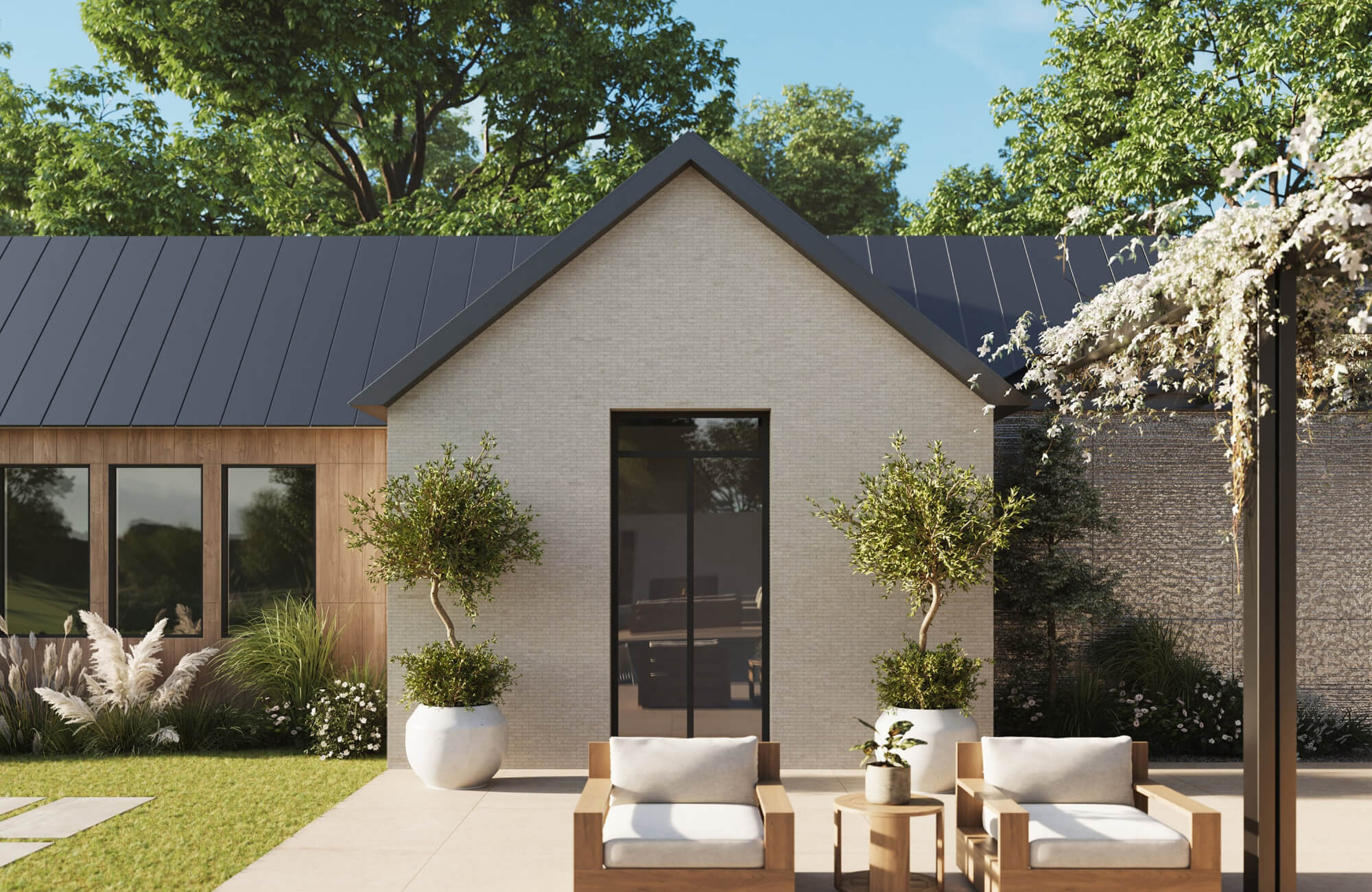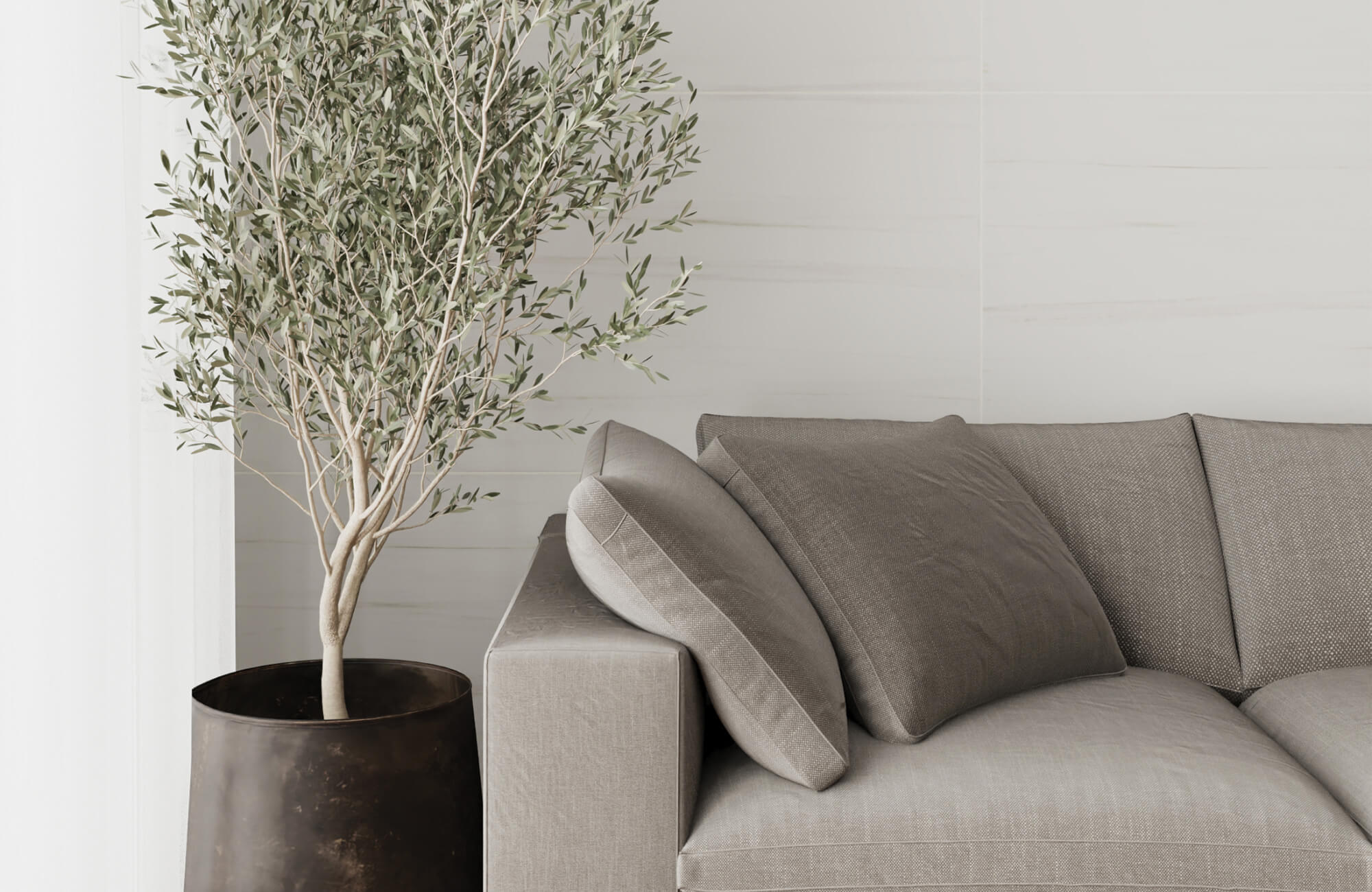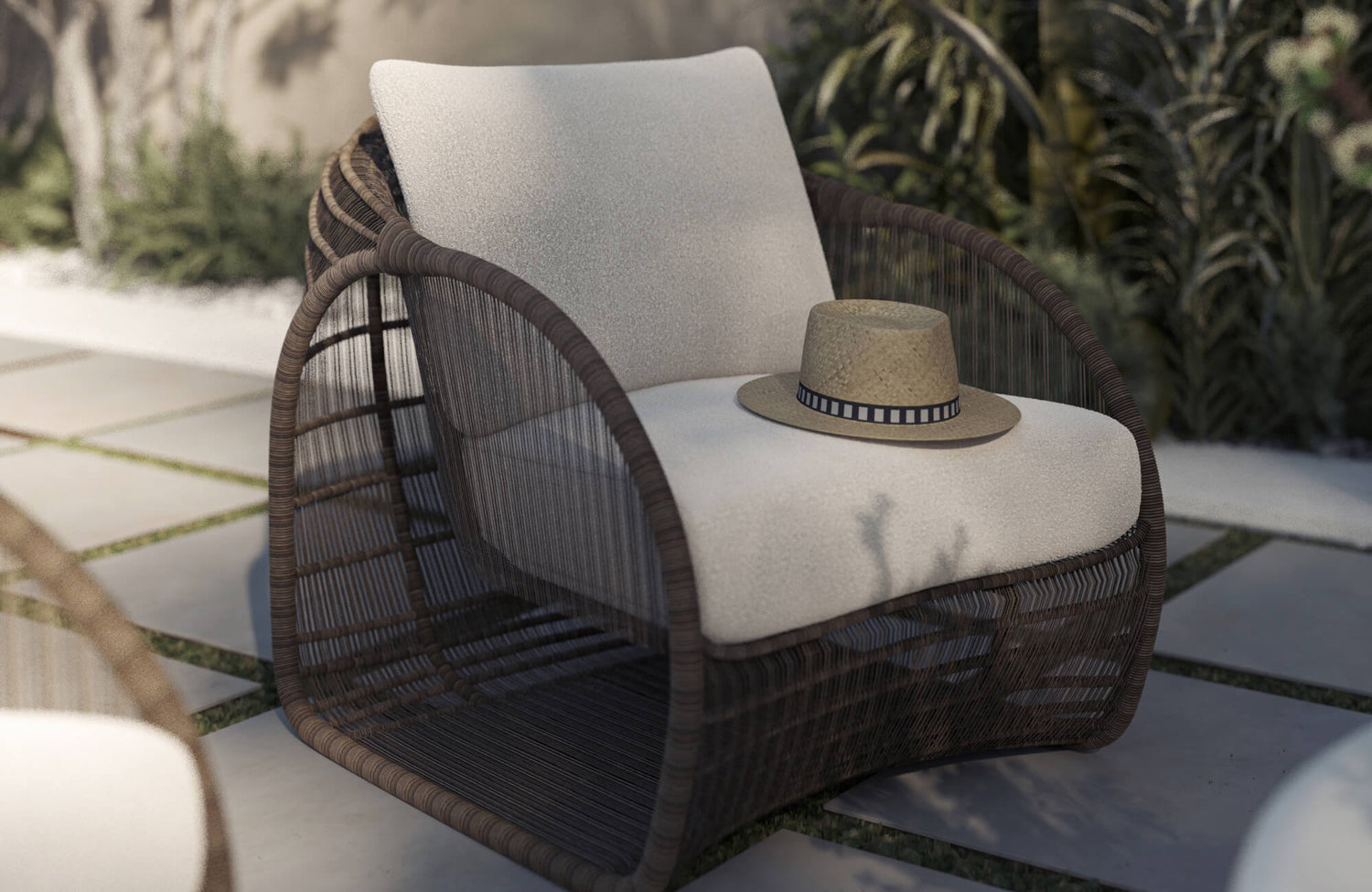
Your outdoor lounge should feel like a place you naturally gravitate toward, not a nicely arranged setup that looks better than it actually functions. A layout that feels too cramped, overly exposed, or awkward to move through can make even beautiful furniture feel like the wrong choice once real life gets involved. The most inviting outdoor spaces usually get the practical decisions right first, then build the visual details around them. In this blog, we’ll walk through how to plan an outdoor lounge layout that feels comfortable, intentional, and genuinely suited to the way you spend time outside.

Define What “Perfect” Means For Your Outdoor Space
A perfect outdoor lounge layout is not really about following a formula, because what feels right depends entirely on how you actually plan to use the space. Before getting into furniture placement or styling ideas, it helps to be honest about whether your outdoor area is meant for quiet downtime, regular entertaining, or a little bit of both, since that decision will shape everything else much more naturally.
Everyday Relaxation Vs Entertaining
A space meant for slow everyday unwinding will usually look very different from one designed around hosting people regularly. If your ideal outdoor routine involves having coffee in the morning, stretching out after work, reading outside, or simply enjoying a quieter conversation, a more intimate setup will often feel much more comfortable than a larger social arrangement. If you are the type who loves having friends or family over, though, the layout needs to make conversation feel easy instead of leaving people scattered or disconnected. That often means thinking less about creating a personal escape and more about how the seating encourages people to gather naturally. Being honest about which version sounds more like your real life helps you avoid building a space that looks great but does not actually suit how you use it.
Planning For The Number Of People You Actually Host
It is easy to picture the dream version of outdoor living where the space is always full of guests, but your layout will work much better if it reflects your actual habits instead. A setup built around occasional larger gatherings can make everyday use feel more crowded or overdone if most of the time it is really just you or one other person outside. On the other hand, a smaller arrangement that feels perfect for solo lounging may quickly feel awkward if you regularly invite people over and no one has a comfortable place to sit. Thinking realistically about how many people you usually host helps you make smarter decisions without overloading the space just for the sake of being prepared. The goal is not planning for every possible scenario, but creating something that makes sense for the way you genuinely live.
When A Flexible Multi-Use Layout Makes More Sense
Some outdoor spaces naturally need to do more than one job, which is where flexibility starts becoming much more valuable than a fixed layout. You may want a space that feels perfect for relaxing alone during the week, but can still shift comfortably when guests come over or when the patio becomes an extension of outdoor dining. If you plan too heavily around only one use, the layout can start feeling limiting much sooner than expected. A more adaptable setup gives you room to shift things around as your needs change, instead of locking the entire space into one purpose. If your outdoor routine changes depending on the day, season, or who is visiting, a little flexibility usually makes the lounge much easier to enjoy long-term.
The setup above captures that kind of flexibility well, where our Calandor Outdoor Dining Chair in Tanned Weave and Mysa Round Dining Table, 60" create an arrangement that feels equally suited to quiet outdoor mornings, casual meals, or smaller social gatherings. The Calandor’s open armless silhouette and subtly reclined seat keep the layout feeling visually light and easy to move around, while the rounded form of the Mysa table naturally supports more fluid conversation without making the space feel rigid or overly formal. When outdoor routines shift from one day to the next, furniture that adapts comfortably to different uses often makes the layout feel much easier to enjoy long-term.

Read Your Space Before Moving Furniture Around
Before choosing furniture, it helps to look at your outdoor space for what it actually is rather than what you hope to fit into it. The shape, access points, built-in features, and surrounding layout will naturally influence what feels comfortable, functional, and realistic from the start.
What Different Outdoor Layouts Naturally Allow
Not every outdoor space gives you the same level of flexibility, and recognizing that early saves you from trying to force a layout that never feels quite right. If you have a long, narrow patio, a stretched conversation setup may feel more natural than trying to squeeze everything into a centered arrangement. A wider deck usually gives you more breathing room to create a lounge that feels open and inviting. Corner spaces can work beautifully too, but they often need a more intentional approach so the seating feels placed with purpose. Instead of asking how to copy a layout you have seen elsewhere, it helps to ask what your own space naturally wants to do.
Working Around Doors, Walkways, And Architectural Interruptions
A lounge can look great in photos and still become frustrating in daily use if movement through the space feels awkward. Think about how you actually step outside, where people naturally walk, and whether anyone would need to squeeze past furniture just to move around comfortably. Sliding doors, pathways, columns, railings, and nearby pool access all deserve attention before anything gets placed. If the layout interrupts how the space functions, even attractive furniture will start feeling like a bad decision. A well-planned outdoor lounge should feel easy to live with, not something you constantly work around.
Using Existing Features To Anchor The Lounge Zone
If your outdoor space already has a pergola, fireplace, built-in bench, pool edge, or strong landscaping feature, you may already have a natural starting point for the lounge. These kinds of elements can make planning much easier because they help define where seating will feel grounded instead of floating awkwardly in open space. You do not always need to invent structure when the layout already gives you something useful to work with. Building around those existing features often makes the final arrangement feel more intentional and connected to the rest of the outdoor design. Sometimes the smartest move is simply paying attention to what the space is already telling you.
Some outdoor spaces already create the feeling of a lounge without needing much intervention. As seen above, the surrounding greenery, stone textures, and architectural enclosure naturally carve out a quieter conversation zone, where our Vetra Club Chair and Mysa Coffee Table settle into the footprint without making it feel overworked. The Vetra’s open frame keeps the arrangement visually breathable, while the softly rounded form of the Mysa reinforces the intimacy of the setup instead of interrupting it with something heavier or overly angular. Sometimes the strongest layouts come from recognizing when the space has already done part of the design work for you.
Recognizing Outdoor Dead Zones
Just because a part of your outdoor area is empty does not mean it should automatically become part of the lounge. Some spots may be too exposed, too awkwardly shaped, or simply disconnected from how the rest of the space functions. You might technically fit a chair there, but if no one would genuinely want to sit in that spot, it is not adding anything meaningful. Being honest about those dead zones helps you focus your layout where comfort actually makes sense. A stronger outdoor lounge often comes from using less space well instead of trying to fill every corner.
When Breaking One Area Into Smaller Zones Makes Sense
If your outdoor area needs to support more than one activity, treating everything as a single oversized lounge can make the layout feel unfocused. You may want a comfortable conversation area near the house while keeping another section open for dining, poolside seating, or quieter relaxation. Breaking the space into smaller zones can make the overall layout feel much more organized because each area has a clearer role. This approach also helps larger outdoor spaces feel more inviting instead of visually scattered or difficult to furnish. If one big layout feels hard to resolve, the space may simply be asking for a better division of purpose.

Create A Seating Arrangement People Will Actually Use
A seating layout can technically fit your outdoor space and still feel awkward the moment people begin using it. Once conversation, movement, sightlines, and personal comfort come into the picture, the success of the layout becomes much less about measurements alone and much more about how naturally the space supports real interaction.
Why Strange Furniture Angles Feel Less Inviting
It can be tempting to angle furniture in creative ways to make the layout feel more dynamic, but unusual positioning does not always translate into actual comfort. A chair pointed too far away from the main seating area or a sofa positioned at an awkward angle may look visually interesting at first, yet feel disconnected once people start trying to talk or settle in. Outdoor lounging tends to work best when the arrangement feels intuitive rather than forcing people to adjust how they sit or interact. If guests have to physically shift themselves just to stay part of the conversation, the layout is already working harder than it should.
That does not mean everything needs to be perfectly symmetrical or overly formal to feel welcoming. Slight angles can absolutely work when they help the seating feel softer and less rigid, especially in more relaxed outdoor settings. The key is making sure the arrangement still encourages natural eye contact and easy conversation instead of making people feel visually separated. If a layout looks stylish but creates subtle social awkwardness, people will notice that far faster than you think. Comfort usually comes from arrangements that feel effortless, not ones that try too hard to be visually clever.
Filling A Space Vs Making It Comfortable
A larger outdoor area can make you feel like every empty section needs to be filled, but more furniture does not automatically create a better lounge. In fact, trying to occupy too much space often makes the layout feel heavier, less functional, and harder to enjoy. A few thoughtfully placed pieces that genuinely support conversation and relaxation will almost always feel better than a crowded arrangement that exists simply because the square footage is available. Outdoor spaces still need breathing room if you want them to feel inviting instead of cluttered. Filling a space and making it comfortable are rarely the same thing.
It also helps to think about how the layout feels once people are actually sitting down, moving between seats, or setting down drinks, rather than judging it while empty. A lounge can look impressively complete from a distance, then immediately feel cramped once it is being used the way it was intended. That is where restraint often becomes a smarter design move than trying to maximize every inch. Giving seating enough room to breathe usually makes the entire setup feel more relaxed and far easier to live with. Comfort often comes from what you choose not to add, just as much as what you do.
Keeping Conversation Flow Natural
One of the easiest ways to tell whether a lounge layout works is by imagining how naturally conversation would unfold once people are using it. If seating feels too spread out, people may have to raise their voices or lean awkwardly just to stay engaged. If everything is packed too tightly together, the setup can feel uncomfortable in a completely different way. The goal is to create an arrangement where conversation happens easily without anyone feeling isolated, crowded, or physically disconnected from the group. A good outdoor lounge should encourage interaction without making it feel forced.
This becomes even more important if your outdoor space is regularly used for hosting, where people naturally shift positions, join conversations, or move between seats over time. A layout that only works when everyone stays exactly where they started usually feels too rigid for real life. Flexible conversation flow tends to come from arrangements that feel balanced and socially intuitive rather than overly structured. If you can picture people settling in naturally without needing to adjust the setup, you are usually moving in the right direction.
As seen above, some of the most comfortable conversation setups feel intuitive precisely because nothing in the arrangement competes with how people naturally gather. Our Seabrook Outdoor Dining Table, 102" helps establish that balance with its generous oval shape, which softens the interaction compared to sharper, more rigid layouts, while our Hightide Outdoor Dining Armchair reinforces a more relaxed sense of comfort through its supportive, inviting silhouette. When guests can settle in, shift naturally, and stay engaged without adjusting around the furniture, the layout tends to feel far more successful in real use.

Let Sun, Shade, And Exposure Shape The Layout
An outdoor lounge does not exist in controlled indoor conditions, which means a layout that looks perfect at one time of day can feel completely different a few hours later. Paying attention to how sunlight moves, where shade naturally falls, and how exposed the space feels helps you avoid planning around appearance alone instead of the actual comfort your outdoor setup needs to deliver.
Morning Sun Vs Afternoon Heat
The way your outdoor space feels in the morning can be dramatically different from how it behaves later in the day, which is why timing matters far more than many people expect during layout planning. A seating area that feels bright, comfortable, and inviting over morning coffee may become overwhelmingly hot by midafternoon if it sits directly in prolonged sun exposure. This can be especially frustrating if the layout was designed around how the space looked during a single pleasant moment rather than how it functions across the full day. Taking time to notice where sunlight lands, how long certain areas stay exposed, and when the heat becomes less comfortable helps you position the lounge where it will actually remain usable. A beautiful outdoor setup loses much of its appeal if you regularly avoid using it during the hours you would naturally want to be outside.
Wind, Privacy, And Other Overlooked Comfort Issues
Sun exposure tends to get most of the attention, but other environmental details can shape comfort just as strongly once the lounge is in daily use. A seating arrangement placed in a breezy corner may look open and appealing at first, yet feel unpleasant if wind constantly disrupts conversation, shifts cushions, or makes the space less relaxing than expected. Privacy can create similar issues, especially if the layout unintentionally places seating in direct view of neighboring homes, busy streets, or shared outdoor areas where the space feels more exposed than restful. Smaller details like reflected glare, nearby noise, or even how exposed the lounge feels after sunset can also affect whether the layout genuinely works. Looking beyond the obvious helps you create an outdoor setup that feels comfortable in ways you will appreciate long after the design is finished.
When A Beautiful Layout Fails In Real Conditions
Some layouts look incredibly polished on paper or in inspiration photos, but begin falling apart the moment real outdoor conditions come into play. A perfectly centered arrangement may seem visually balanced until direct sun makes half the seating unusable, or an open lounge concept may feel far less inviting once strong winds regularly move through the area. This is where designing around appearance alone can become misleading, because what looks attractive in a static moment does not always translate into something people genuinely want to use. Outdoor spaces are constantly interacting with weather, light, and surrounding conditions in ways indoor rooms simply do not. The strongest layouts are usually the ones that continue feeling comfortable once real life, not just aesthetics, enters the picture.
Working With Shade Structures And Natural Coverage
If your outdoor space already includes covered structures or natural shade, those features can become some of your most useful planning tools when shaping the lounge layout. Pergolas, covered patios, mature trees, privacy walls, or even neighboring structures that cast shade at certain times of day can help create much more comfortable seating zones without forcing you to work against the environment. Instead of treating those conditions as background details, it often makes more sense to let them guide where the lounge naturally belongs. This approach can make the layout feel more intuitive because you are aligning the seating with the most comfortable parts of the space rather than trying to compensate later. When the environment already offers built-in comfort advantages, using them intentionally usually leads to a much stronger result.

Choose Furniture That Supports The Layout
The right outdoor furniture should make your layout feel easier to use, not harder to resolve. While style always matters, layout planning benefits much more from thinking about how each piece affects movement, flexibility, openness, and the way people actually interact with the space once everything is in place.
When A Sectional Helps Or Creates Problems
A sectional can be a great solution when you want to establish a clear lounge zone with built-in cohesion, especially in outdoor spaces meant for regular conversation or more relaxed group seating. Because the arrangement is already defined, sectionals often make planning feel simpler by naturally creating a focal point without requiring as much decision-making around individual seat placement. At the same time, that fixed structure can become limiting if your outdoor space has awkward proportions, multiple access points, or changing needs that call for more flexibility. A sectional that technically fits may still make the layout feel heavier or less adaptable than expected once real movement patterns come into play. It works best when the space genuinely supports that kind of permanence rather than forcing everything else to work around one oversized piece.
Why Mixed Seating Often Feels More Natural
Matching furniture sets can create a polished look, but they do not always produce the most comfortable or natural-feeling lounge arrangement. Mixing seating types, such as pairing a sofa with lounge chairs or combining deeper seating with more flexible accent pieces, often creates a setup that feels more relaxed and easier to use. This kind of variety can make conversations feel less rigid because people naturally settle into different seating preferences instead of being forced into one repeated format. It can also help the layout feel visually lighter, especially in outdoor spaces where identical bulky pieces may make the arrangement feel too formal or crowded. A well-balanced mix usually creates a lounge that feels more like a lived-in gathering space than a showroom display.
Choosing Furniture That Fits The Space Properly
Furniture that looks beautiful on its own can quickly become a problem if its scale does not match the outdoor space it is meant to occupy. Oversized seating can make a patio feel cramped and difficult to move through, while pieces that are too small may leave the layout feeling disconnected or visually underwhelming. This is why choosing furniture should go beyond whether you like the design and focus more on how comfortably it fits within the space you actually have. A layout should feel proportionate once people are seated, walking through the area, or using nearby surfaces, rather than only looking balanced when viewed from a distance. A good scale makes the entire lounge feel easier to enjoy because nothing feels like it is competing awkwardly for space.
This is where people often get tripped up, especially when a piece looks right on its own but tells a different story once everything is in place. As seen above, our Noa Outdoor Sofa in Grey feels appropriately scaled because it holds its own against the substantial fireplace wall and architectural framing without visually swallowing the rest of the lounge. Something bulkier could have made this setup feel much tighter, while a smaller silhouette may have looked like an afterthought instead of part of a cohesive layout. Good proportion is usually less about exact measurements on paper and more about whether the furniture feels like it naturally belongs in the space.
Modular Pieces For Flexible Rearranging
If your outdoor needs change often, modular furniture can make the layout far easier to adapt without requiring a complete redesign every time. This kind of flexibility can be especially useful if the space sometimes functions as a quiet personal retreat and other times needs to accommodate guests or shifting social setups. Instead of committing to one fixed arrangement, modular seating allows you to rework the layout based on how the space is being used in that moment. That adaptability can make the lounge feel much more practical over time, particularly if your outdoor habits are less predictable. Flexibility is not necessary for every space, but when it matches your lifestyle, it can make planning feel significantly less restrictive.
When Fewer Pieces Create A Better Lounge
It is easy to assume a more complete outdoor lounge needs more furniture, but adding too many pieces often creates the opposite effect. A crowded arrangement can make movement awkward, reduce visual breathing room, and leave the entire setup feeling heavier than intended. In many cases, a smaller number of well-chosen pieces creates a stronger and far more comfortable result because the layout feels intentional rather than overfilled. This becomes especially important in compact patios or layouts with multiple access points, where every piece affects usability. Sometimes the most inviting lounge is not the one with the most seating, but the one that leaves enough space for people to actually enjoy being there.

Finish The Lounge So It Feels Intentional
Once the larger layout decisions are in place, this is where the outdoor lounge starts feeling less like furniture placed on a patio and more like a space you genuinely want to spend time in. The finishing layers are what bring warmth, cohesion, and personality to the setup, helping everything feel connected instead of visually incomplete.
Defining The Lounge Zone Without Physical Barriers
Not every outdoor lounge needs walls, built-ins, or major structural features to feel clearly defined. Sometimes the strongest separation comes from visual cues that quietly tell your eye where the lounge begins and ends. An outdoor rug, a change in flooring material, or even the way furniture is grouped can make the area feel much more grounded without physically enclosing it. This becomes especially helpful in open patios or larger backyards where seating can otherwise feel like it is floating without purpose. A well-defined lounge should feel naturally anchored, even when the space remains visually open.
If your layout still feels disconnected after the main furniture is in place, step back and look at what is visually tying the area together. A simple outdoor rug that properly fits the seating footprint or a consistent furniture orientation can often make a bigger difference than adding more decor. Defining the zone does not need to be complicated, but it should give the lounge enough visual structure that the space feels intentional at first glance.
Lighting For Evening Comfort And Atmosphere
A lounge that only feels inviting during daylight misses a big part of what makes outdoor living enjoyable in the first place. Once the sun goes down, lighting has a huge influence on whether the space still feels warm, usable, and genuinely relaxing instead of abruptly forgotten. The goal is not to flood the area with brightness, but to create enough softness and visibility that people naturally want to stay outside longer. Thoughtful lighting can make casual conversations feel cozier, evening lounging feel more comfortable, and the entire setup feel far more intentional after dark. If you picture yourself using the space at night, lighting quickly stops feeling like an extra detail and starts feeling essential.
The softer overhead glow shown above makes this more enclosed lounge feel noticeably more intimate, which is exactly where layered lighting can completely change how usable a space feels after sunset. Our Finch 20" 1 Light Pendant in Matte Black/Opal Glass works naturally in a setting like this because its filtered illumination adds warmth without overwhelming the smaller footprint, while our Lina Outdoor Coffee Table in Cream helps keep the center of the arrangement visually grounded instead of letting everything fade into the background. A useful way to think about outdoor lighting is in layers rather than relying on one bright source, since the most comfortable setups usually balance visibility and atmosphere without making the space feel harsh or overly lit.
The Supporting Pieces That Complete The Space
The smaller pieces are often what make an outdoor lounge feel personal instead of looking like the layout stopped at the furniture stage. Side tables make drinks, books, or small essentials feel easier to live with, while greenery can soften harder edges and help the setup feel more connected to the surrounding environment. Cushions, throw pillows, and similar softer details can make the seating feel noticeably more welcoming rather than purely functional. The goal is not to keep adding things for the sake of fullness, but to choose pieces that make the lounge feel more comfortable and naturally lived in. When those finishing touches feel thoughtful, the entire space comes together much more convincingly.
If you are unsure what is missing, focus first on what would make the space easier to use rather than what simply looks decorative. A side table within reach, a planter that softens an empty corner, or added softness that makes seating feel more inviting often does more for the lounge than random accessories ever will. The most convincing outdoor spaces usually feel finished because every added piece serves a clear purpose.
Designing An Outdoor Lounge You Will Actually Want To Use
The best outdoor lounge layout is usually not the one that looks the most impressive in a photo, but the one that genuinely fits how you live. If the space feels comfortable to move through, easy to relax in, and naturally suited to everything from quiet mornings to casual get-togethers, you are far more likely to actually use it instead of just admiring how it looks. The strongest layouts tend to come from practical choices that make everyday outdoor living feel effortless rather than overly staged.
If you have the bigger layout ideas in place but still are not sure how to bring everything together, our Personalized Design Consultation can help you refine the details with more confidence. Whether you are balancing furniture scale, defining separate outdoor zones, or layering in the finishing touches that make the space feel cohesive, having an experienced perspective can make the process feel far less overwhelming.