Lighting plays a bigger role in laundry and utility rooms than most people realize. It affects how well you can see stains, fold clothes, and move efficiently through daily chores. The right lighting also makes these functional spaces feel brighter, safer, and more inviting. In this guide, we’ll explore the best lighting options for laundry and utility rooms, including how to layer light effectively and choose fixtures that fit your style, so you can create a space that looks great and works even better.

Why Lighting Matters in Laundry and Utility Rooms
Good lighting plays a crucial role in how efficient, safe, and comfortable a laundry or utility room feels. These areas are often small and tucked away, yet they’re where some of the most detailed household tasks happen.
Improving Task Visibility and Safety
Strong, even lighting is essential for keeping laundry and utility tasks efficient and safe. Dim spaces make it easy to miss stains, mishandle detergents, or overlook small items during sorting. Clear illumination allows you to see colors accurately and spot details like care labels or fabric textures. Ceiling lights combined with task fixtures can brighten key zones, such as countertops or folding areas. Good visibility not only improves precision but also reduces the risk of slips, spills, and strain.
Reducing Fatigue During Repetitive Tasks
Laundry room often involves repetitive motion sorting, folding, and organizing, so poor lighting can quickly cause eye strain and fatigue. Harsh overhead glare or dark corners force your eyes to work harder, making chores feel longer and more tiring. Balanced light levels, achieved by layering ceiling and task fixtures, keep the space evenly illuminated. For example, under-cabinet lighting or recessed LEDs can fill in shadowed spots where brightness tends to drop.
Supporting Efficiency and Accuracy
Proper lighting improves both speed and precision while working in laundry or utility spaces. Whether you’re matching socks or checking for stains, clarity matters. Focused lighting helps you distinguish fabric colors and spot details that softer light might obscure. Well-distributed brightness also minimizes mistakes, like using the wrong cleaning product or missing a detergent spill. When every surface is visible and well-lit, daily routines flow more efficiently from start to finish.
Promoting Energy Efficiency
Good lighting design can help you save money, too. Energy-efficient LED fixtures last longer and consume less electricity, reducing long-term costs while maintaining high brightness. Adding dimmers or motion sensors further improves efficiency by adjusting output based on your usage. For instance, lights that turn on only when needed help prevent waste in rooms that aren’t used continuously. Smart, efficient lighting makes your laundry routine easier while lowering household energy use.
Creating a More Comfortable Daily Routine
When lighting feels balanced and natural, the space becomes more inviting, even for routine chores. Bright, cool light keeps you alert during daytime laundry sessions, while softer tones in the evening make the space feel calm and relaxing. A well-lit environment also boosts mood, turning a purely functional area into a more enjoyable part of the home. The right mix of brightness and tone helps your laundry or utility room feel less like a chore zone and more like a well-designed workspace.

Key Factors to Consider Before Choosing Lighting
Before selecting lighting for your laundry or utility room, it’s important to look at how the space functions and feels throughout the day. Taking these details into account helps you choose lighting that’s both practical and perfectly suited to your layout.
Room Size and Ceiling Height
The dimensions of your laundry or utility room greatly affect how much lighting you need. Smaller rooms with low ceilings benefit from compact fixtures that distribute light evenly without creating glare. In larger spaces, layering ceiling and wall-mounted lights ensures full coverage and eliminates dark corners. For example, a flush mount fixture might be ideal for a compact laundry area, while taller ceilings could accommodate recessed or pendant lights. The goal is to balance proportion and brightness so the space feels open, not overwhelming.
Natural Light and Window Placement
Natural light can significantly reduce the need for artificial illumination, but it also impacts how colors and shadows appear throughout the day. If your laundry room has windows, consider how sunlight enters at different times and plan fixture placement accordingly. You might still need supplemental lighting near work areas or during the evening when natural light fades. For instance, adding soft task lighting under cabinets can maintain visibility even on cloudy days. Using a thoughtful mix of natural and artificial light helps the room stay functional and balanced all year round.
Color Temperature (Kelvin Scale Basics)
Color temperature influences both the look and feel of your space. Measured in Kelvins, lower temperatures (around 2700K–3000K) produce warm, cozy light, while higher ones (4000K–5000K) create a cooler, more energetic tone. Laundry rooms typically benefit from neutral to cool lighting since it enhances clarity and visibility. Cooler light also helps colors appear more accurate when sorting clothes or treating stains. Choosing the right color temperature ensures your space feels clean and bright without appearing too harsh.
Lumens for Function and Mood
Lumens measure brightness, and finding the right balance is key for comfort and performance. Laundry rooms generally need around 70–100 lumens per square foot for optimal visibility. Higher lumen levels suit spaces with minimal natural light or darker surfaces, while lower ones work well in smaller, well-lit areas. Too much brightness can cause glare, while too little can make the room feel dull and uninviting. Adjusting brightness based on your room’s purpose ensures lighting that’s efficient and easy on the eyes.
Wall Colors, Cabinet Finishes, and Floor Materials
The finishes in your laundry room can either absorb or reflect light, influencing how bright the space feels. Lighter walls and glossy tiles reflect more light, allowing you to use softer bulbs without losing visibility. Meanwhile, darker tones or matte finishes may require higher lumen output or additional fixtures to maintain balance. For example, pairing bright white cabinetry with warm lighting can create a welcoming contrast that feels polished and clean. Considering how surfaces interact with light ensures your fixtures work harmoniously with the room’s overall design.
Electrical Placement for Maximum Flexibility
Thoughtful electrical planning allows you to adapt your lighting layout as your needs change. Positioning outlets and junction boxes strategically gives you the flexibility to add under-cabinet lights, wall sconces, or motion sensors later on. It’s also helpful to separate circuits for general and task lighting, so you can control brightness more efficiently. For instance, installing dimmer switches lets you adjust lighting levels based on the time of day or activity. Proper electrical placement not only improves convenience but also future-proofs your space for easy updates.

Best Types of Fixtures for Laundry and Utility Rooms
The right lighting fixtures can make your laundry or utility room feel brighter, safer, and more efficient to use. Each type serves a different purpose; some provide general illumination, while others focus on task areas or add decorative flair. Below, we’ll go into the most effective fixture options to help you create a lighting setup that’s both practical and well-balanced.
Flush Mount Fixtures for Overall Brightness
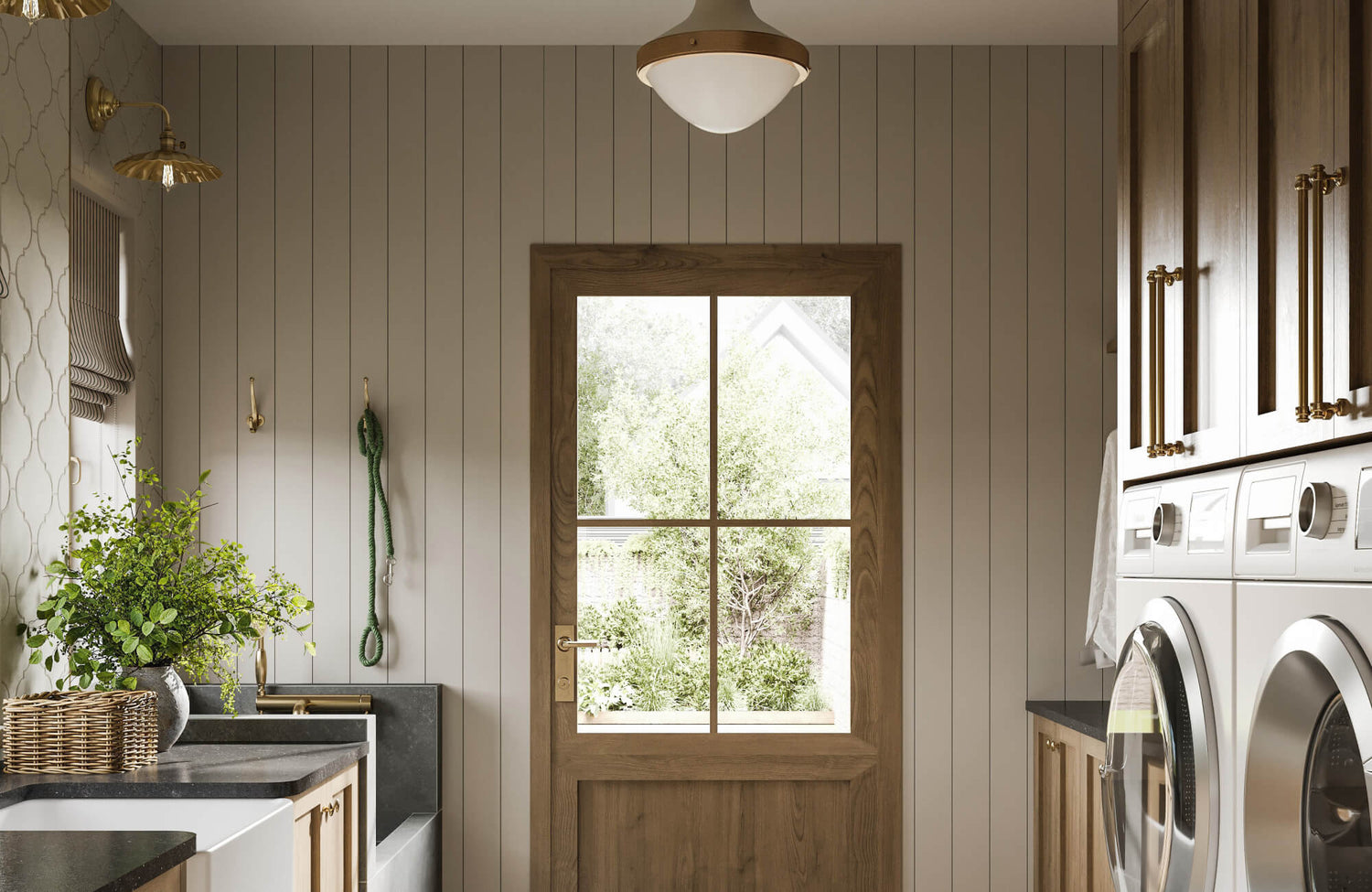
Flush-mount fixtures, such as our Clementine Semi-Flush in Gold Leaf, are one of the most practical choices for laundry and utility rooms, especially those with low ceilings. They provide even, widespread illumination that keeps the space bright without overwhelming it. Because they sit close to the ceiling, they’re ideal for smaller rooms where every inch counts. For instance, a simple LED flush mount can light an entire room efficiently while using minimal energy. Their clean design also complements most styles, making them a versatile starting point for layered lighting.
Linear Lighting for Work Areas
Linear fixtures work best for spaces that need bright, directional light, like above countertops or folding stations. Their elongated design distributes light evenly across long surfaces, preventing shadows and improving task visibility. They’re particularly useful in utility rooms with multiple work zones, ensuring consistent brightness throughout. For example, installing a slim LED bar under overhead cabinets provides ample illumination for sorting and folding clothes. Linear lighting helps make daily chores easier while keeping the room feeling organized and modern.
Sconces for Wall Illumination
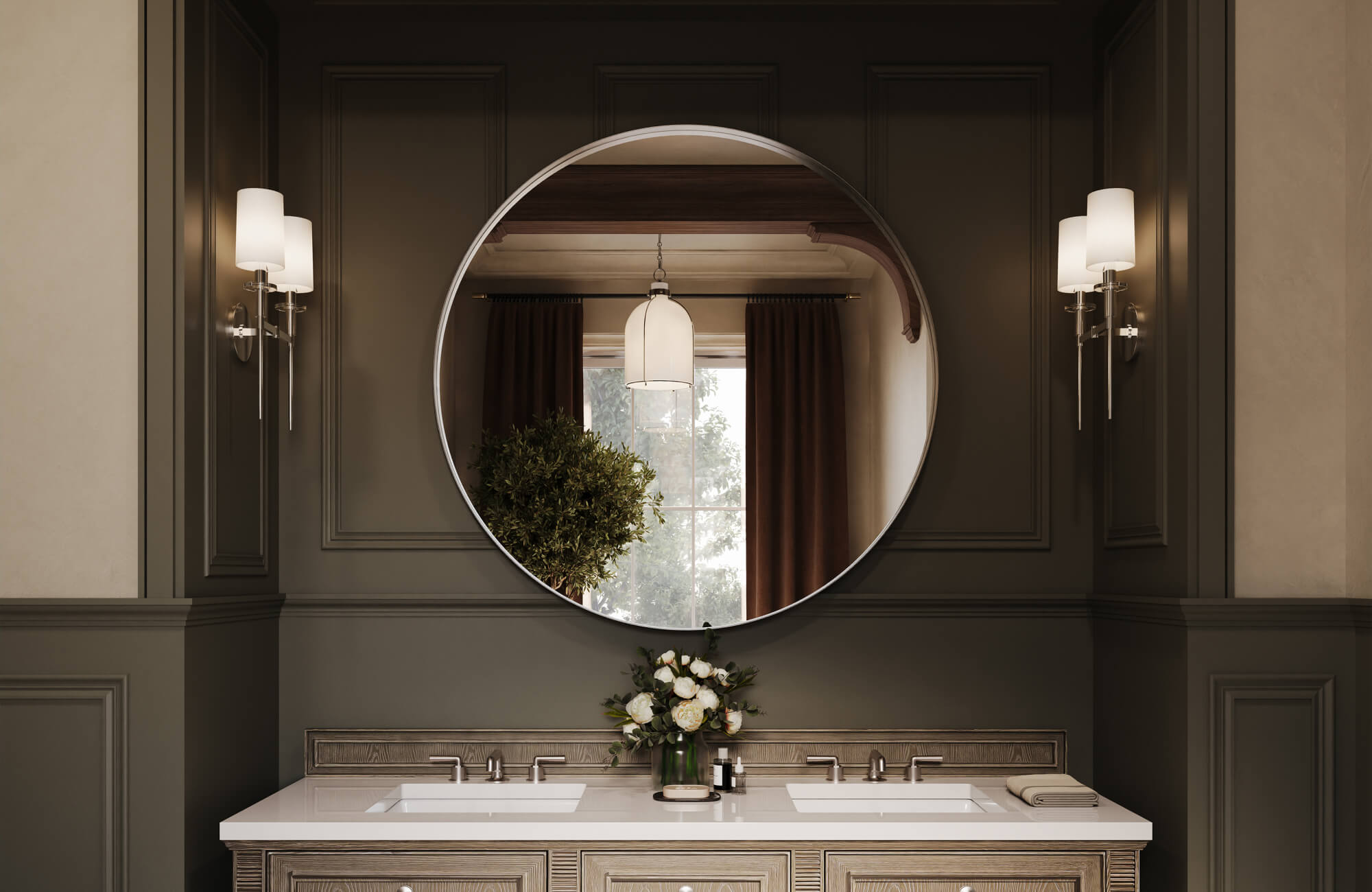
Wall sconces bring both function and personality to laundry and utility rooms. They add targeted lighting where you need it most, such as above sinks, shelving, or folding areas. Sconces can also soften harsh overhead lighting, creating a more balanced and comfortable environment. For instance, a pair of small sconces placed on either side of a mirror or cabinet adds symmetry and warmth. Beyond practicality, they introduce an element of design that makes even functional spaces feel finished and intentional.
A great example of this is our Miriam Wall Sconce in Aged Brass, shown above. Its curved gooseneck arm and scalloped shade bring a touch of old-world elegance while maintaining everyday functionality. The warm, golden finish creates a soft ambient glow that complements both modern and vintage-inspired laundry spaces beautifully.
Pendants and Chandeliers
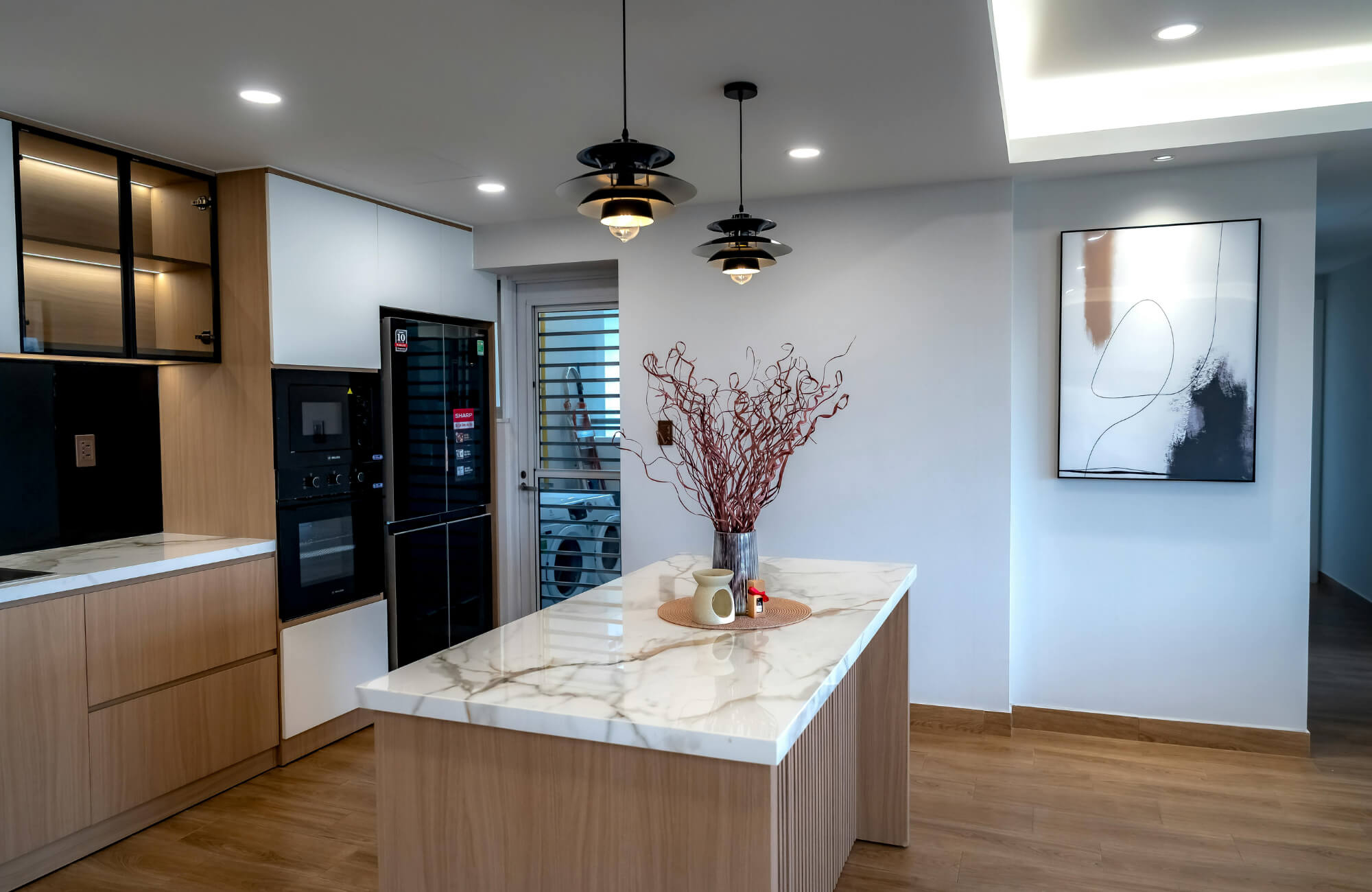
Pendant lights or small chandeliers can elevate the look of a laundry or utility room while maintaining strong illumination. These fixtures work well in spaces with higher ceilings, drawing the eye upward and adding visual interest. A single pendant centered above a folding station or island can also serve as a stylish focal point. For example, using glass or metal finishes can complement other design elements like hardware or shelving.
Picture Lights for Focused Highlights
Picture lights aren’t just for art; they’re great for adding subtle illumination to accent areas or shelving. These fixtures provide gentle, directional light that enhances depth and creates visual contrast. They can be used to highlight wall décor, open shelving, or even decorative storage displays. For instance, installing a small picture light above floating shelves can bring warmth and sophistication to a simple layout. It’s a small design touch that adds character while keeping the space functional.
Under-Cabinet and Recessed Lights
Under-cabinet and recessed lights are essential for detailed work in laundry and utility spaces. They illuminate hard-to-see areas like countertops, sink zones, or storage corners without casting shadows. Recessed lights, in particular, provide a clean, uncluttered ceiling appearance while maintaining bright coverage. For example, LED strips under cabinets make folding and sorting laundry much easier. These task-oriented fixtures not only enhance visibility but also contribute to a sleek, modern look that complements any design.

How to Layer Lighting for Balance and Functionality
A well-lit laundry or utility room isn’t just about having bright lights, but balance. Layering different types of lighting helps you create a space that’s both efficient and comfortable to work in.
Ambient Lighting to Establish the Base Illumination
Ambient lighting sets the foundation for the entire space, ensuring consistent brightness and visibility throughout. This layer typically comes from ceiling fixtures like flush mounts or recessed lights, filling the room with general light. It should be bright enough for basic visibility but soft enough to avoid glare. For example, using diffused LED ceiling lights helps spread illumination evenly across the walls and floors. When planned properly, ambient lighting creates a welcoming base that supports every other light source in the room.
Task Lighting for Laundry-Specific Activities
Task lighting focuses on areas where precision and clarity matter most, such as countertops, sinks, and folding stations. Bright, directed light helps you spot stains, match colors, and handle cleaning products safely. Fixtures like under-cabinet LEDs or linear lights are ideal for this purpose. For instance, a dedicated light above your washer and dryer can make loading and sorting laundry much easier. Proper task lighting keeps work areas efficient and reduces the strain caused by shadows or dim spots.
Accent Lighting to Add Warmth and Depth
Accent lighting gives your laundry or utility room personality and dimension. It’s less about function and more about creating atmosphere and balance. Adding sconces, picture lights, or even subtle shelf lighting helps highlight architectural features or décor while softening the overall brightness. For example, warm accent lights around storage shelves or art pieces can make a utility space feel homier. Layering these softer lights alongside functional fixtures turns a basic room into one that feels thoughtfully designed and visually appealing.
Dimmers to Control Brightness and Energy Use
Dimmers are an easy yet powerful tool for achieving balance and efficiency. They let you adjust brightness levels depending on the time of day or task, helping you conserve energy while improving comfort. For instance, you might want bright lighting while folding clothes, but prefer softer illumination during late-night loads. Dimmers also help extend bulb life and maintain a consistent mood across all lighting layers. Incorporating them into your design gives you full control and flexibility, making your lighting setup more functional and sustainable.

Style and Design Tips for a Cohesive Look
Lighting plays a big role in how your laundry or utility room feels. When chosen thoughtfully, it ties the space together and complements the rest of your home. Below, we’ll talk about a few easy ways to keep your lighting design cohesive, balanced, and naturally connected to your overall style.
Matching Finishes with Hardware and Appliances
Matching your lighting finishes with nearby fixtures or appliances gives your laundry room a clean, intentional look. For example, matte black or brushed nickel lights can mirror the tones of your cabinet handles or washer trim. Keeping the finishes consistent creates harmony and avoids visual clutter. A simple, coordinated palette also makes smaller spaces feel more structured and refined. This small detail can make the entire room appear more polished.
Mixing Materials for Added Depth
Combining materials such as glass, wood, and metal gives your laundry room more depth and texture. A glass pendant above wooden shelving or a metal accent light beside painted cabinets can make the space feel layered and well-designed. Mixing textures brings warmth and keeps the room from feeling too plain. It’s best to select materials that share a common tone or style so the look stays cohesive.
Coordinating Lighting with Nearby Spaces
If your laundry room connects to other areas, a sense of visual continuity helps everything flow smoothly. Choosing lighting with finishes or shapes that echo those in adjacent rooms creates a unified and connected look. For example, if your kitchen features brushed brass or matte black fixtures, repeating those tones in the laundry room maintains balance. You can still vary the fixture style slightly to keep each space distinct while preserving harmony.]
Using Fixtures as Subtle Focal Points
Lighting can easily double as décor when placed with intention. A unique pendant above the folding station or a small sculptural sconce near a sink adds personality without overwhelming the space. These focal pieces draw the eye and make the room feel more custom and inviting. Keeping just one or two statement lights ensures the layout stays clean and uncluttered. With the right fixture, even a small laundry room can feel stylish and full of character.
Bringing Your Laundry Room Lighting Plan Together
The best lighting for laundry and utility rooms comes down to finding the right mix of practicality, brightness, and comfort. A well-designed setup uses layered lighting, combining ambient, task, and accent fixtures to keep every corner visible and easy to work in. Neutral or cool white tones usually work best, offering clear visibility for detailed tasks like sorting or folding. When chosen thoughtfully, lighting can make your laundry space feel bright, balanced, and inviting, transforming it into a place that feels both functional and comfortable.
Whether you’re starting fresh or upgrading your existing setup, professional guidance can make the process easier and more cohesive. Our expert design team can help you select fixtures, finishes, and placements that fit your space and personal style perfectly. You’ll also receive tailored advice on energy-efficient solutions and ways to connect your laundry room design with the rest of your home. Book a Design Consultation today and bring your vision to life with lighting that’s both functional and beautifully refined.