
)
)
)
)
)
)
)
)
Where To Put An Arch Mirror?
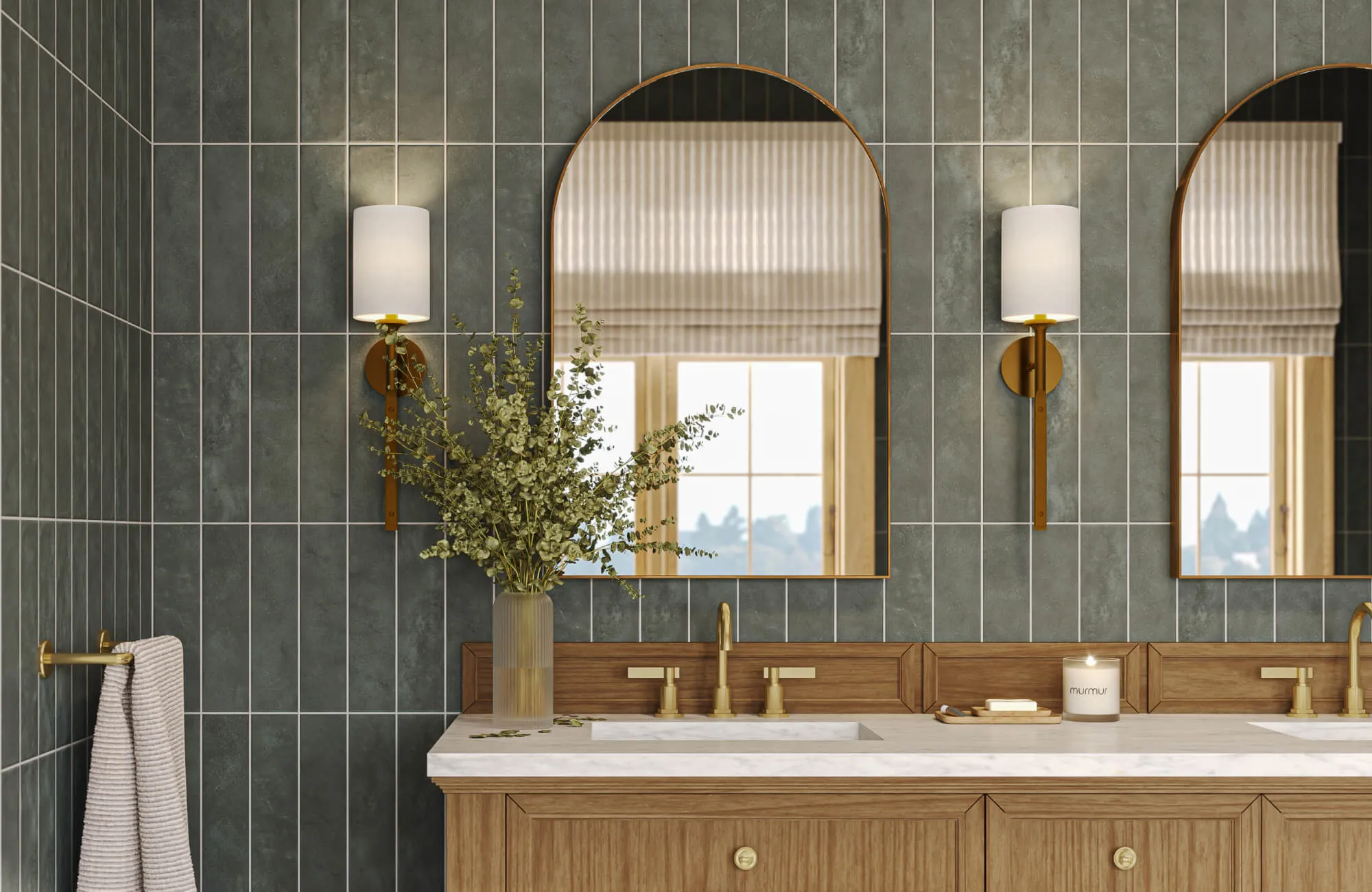
Arch mirrors blend gentle curves with a defined architectural shape, which gives them a presence beyond basic function. When deciding where to place one, it helps to consider how it influences movement, light, and proportion within a room. With careful placement, an arch mirror can make a space feel more open, balanced, and thoughtfully arranged without dominating the surroundings. In this article, we’ll explore practical placement ideas for different rooms, helping you make a decision that supports both the look of the space and how it functions day to day.
Entryway Placement for First Impressions
The entryway is where the overall experience of a home begins to take shape. Placing an arch mirror in this space helps set the tone for what follows while also supporting everyday needs such as quick outfit checks and better use of available light.
Using Arch Mirrors to Expand Narrow Entrances
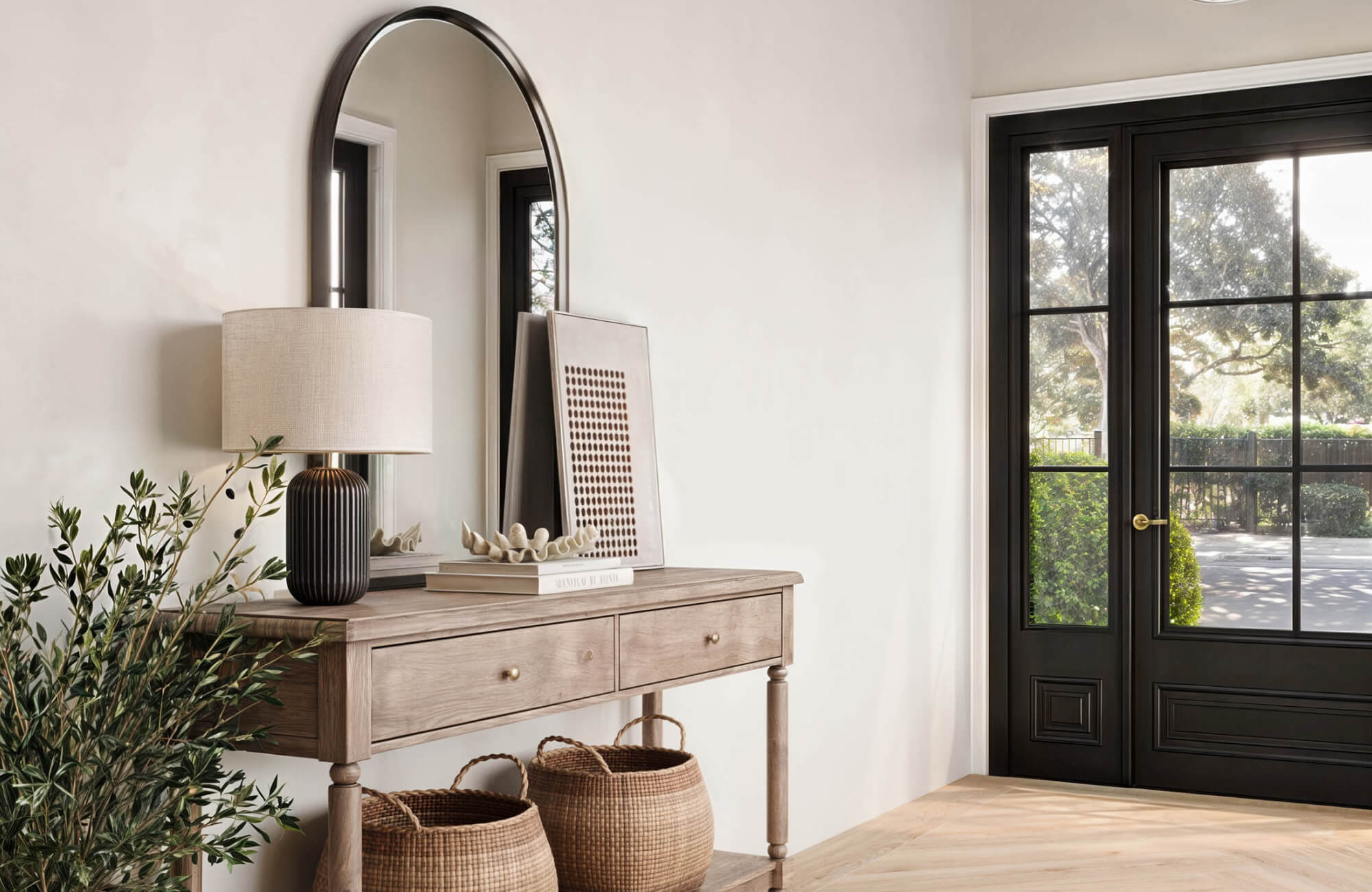
In compact entryways, placing an arch mirror on a wall adjacent to or directly opposite the door can visually widen the space. Keeping the mirror tall enough to capture most of the body while allowing clear door swings and walkways helps maintain comfort and flow. A slimmer frame is often the best choice in tighter areas, as it adds structure without making the wall feel crowded. Positioning the mirror reflecting an open doorway or a light source can further enhance the sense of depth as you enter the space.
Pairing Mirrors With Entry Furniture
When placing an arch mirror above a console or bench, alignment matters more than extra decoration. Centering the mirror over the furniture and leaving a small gap between the two helps the setup feel balanced and intentional. At the same time, limiting accessories to a small number of purposeful pieces allows the mirror’s curved shape to stand out without competing with visual clutter, while still keeping the surface practical for everyday use.
Light Reflection in Dim Entryways
Entryways often have limited access to natural light, making thoughtful mirror placement especially valuable. Positioning an arch mirror near sidelights or an open doorway helps capture and redirect available light into the space, making the area feel more welcoming. By slightly adjusting the angle, reflections soften, and the entryway becomes brighter without creating glare as you move inside, allowing the light to feel natural rather than harsh.
Living Room Placement for Visual Balance
In living rooms, arch mirrors serve as grounding elements rather than purely decorative accents. Their placement works best when it considers how they relate to seating arrangements, wall space, and existing architectural features, helping the room feel balanced and visually calm.
Positioning Near Seating Areas
Placing an arch mirror behind a sofa or beside an accent chair works best when it fits naturally within the overall seating layout. It helps to avoid spots where constant movement or changing reflections could distract from conversation. Instead, positioning the mirror along a secondary wall adds depth to the room while staying subtle and unobtrusive. This way, the mirror supports the overall arrangement without pulling focus from how the space is actually used.
Leaning vs. Wall-Mounted Mirrors
A leaning arch mirror can introduce a relaxed, informal feel, particularly in rooms with higher ceilings and ample wall depth. Wall mounting, by contrast, creates a more polished appearance and offers added stability in busy living spaces. To decide between the two, it helps to weigh ceiling height, wall construction, and how actively the room is used, as well as whether flexibility or permanence is more important in the layout. In shared or frequently used areas, this consideration can also make a noticeable difference in both comfort and visual order.
Complementing Architectural Features
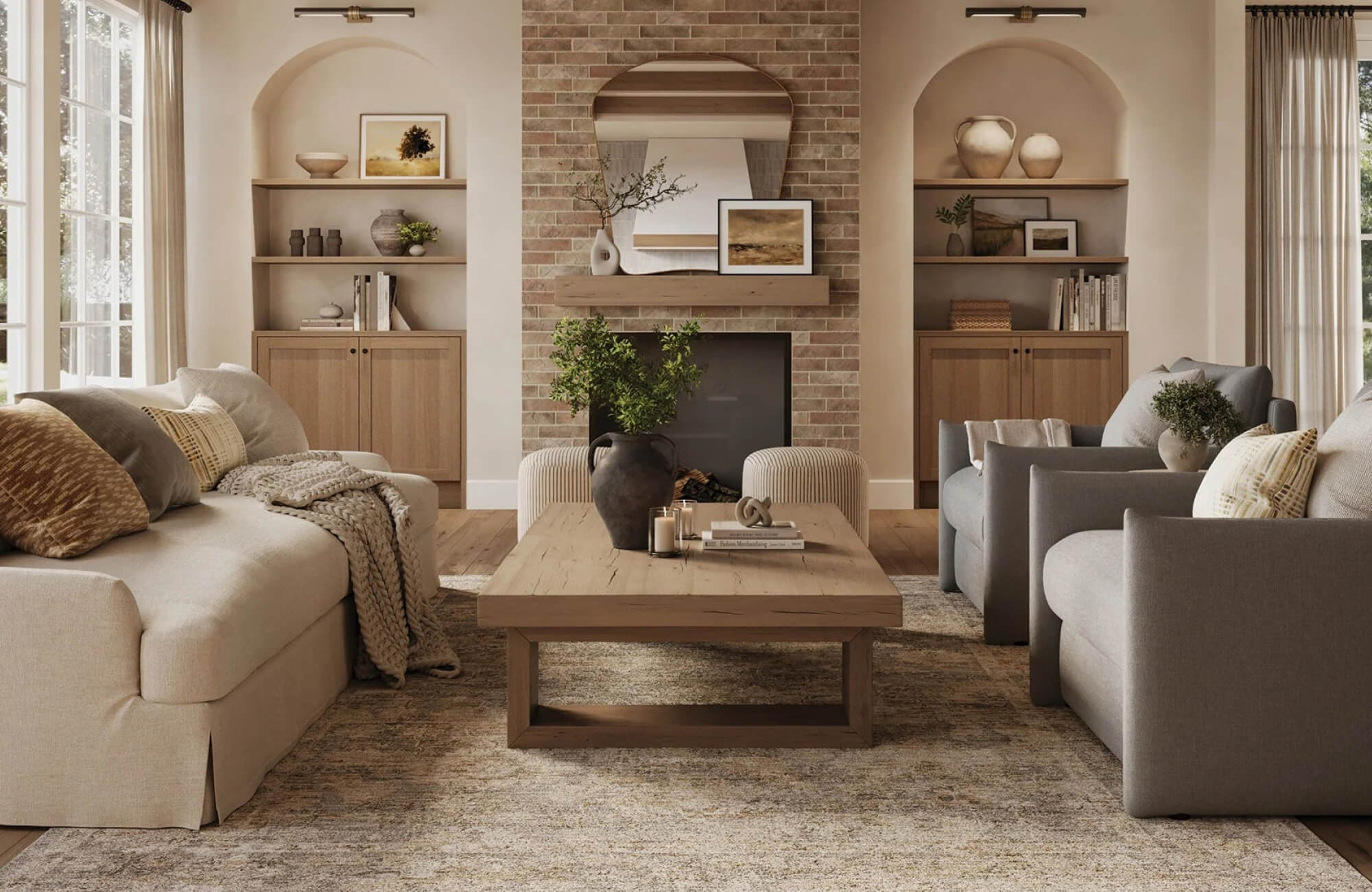
Arch mirrors feel most at home when they reflect shapes already present in the room. Placing one near curved windows, arched doorways, or furniture with rounded profiles helps reinforce visual continuity and create a sense of visual rhythm. In the living room shown in the photo featured above, our Raelynn Mantel Mirror in Polished Brass is positioned above the fireplace, where its curved top echoes the surrounding arched niches and complements the structured ceiling beams. This thoughtful alignment softens more rigid architectural lines and allows the mirror to feel naturally integrated into the space rather than added as an afterthought.
Bedroom Placement for Calm and Function
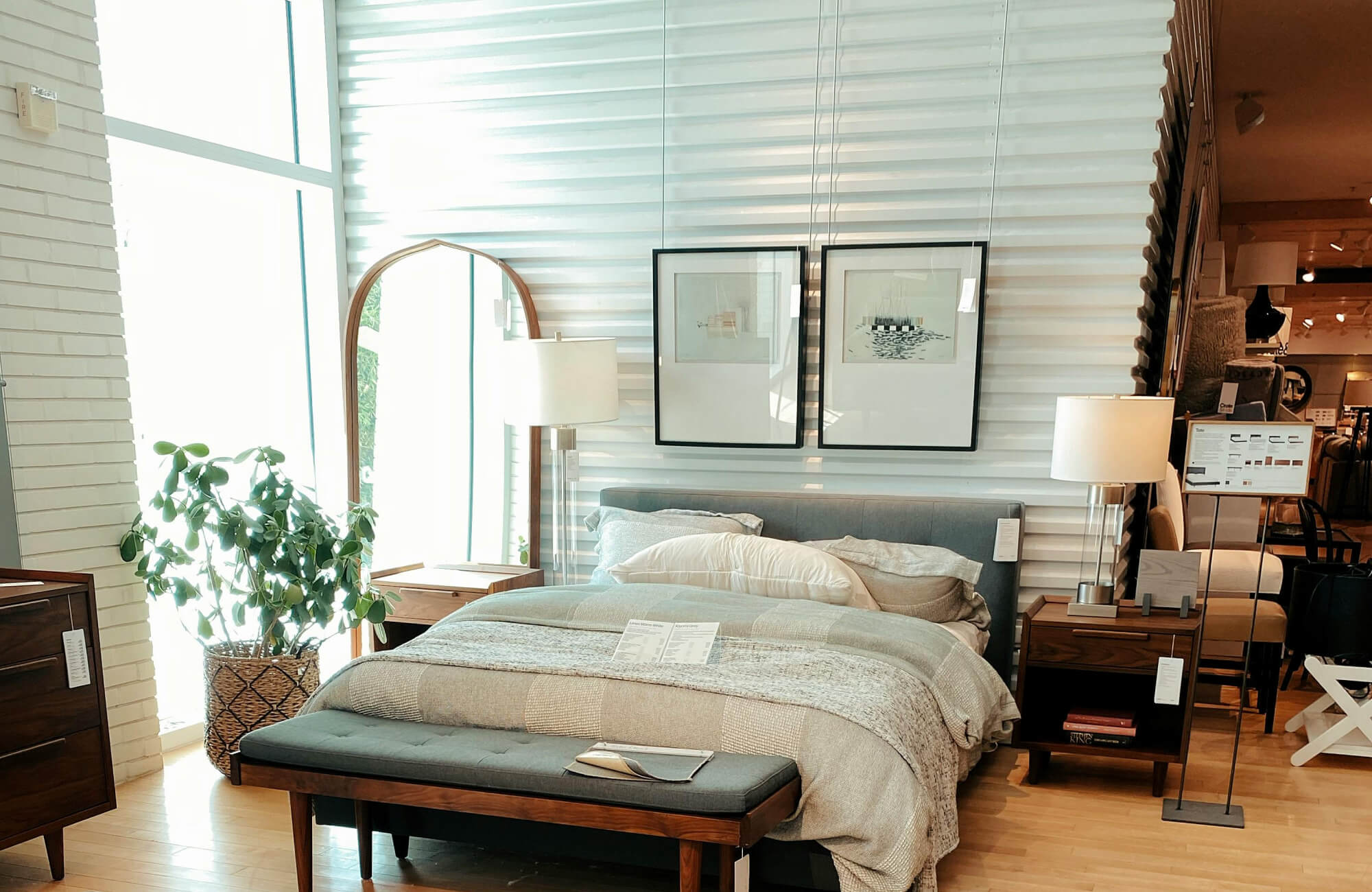
Bedrooms benefit most from mirror placement that supports everyday routines without interfering with rest. When considering where to place an arch mirror, it helps to focus on how it fits into daily habits while still preserving a calm, comfortable atmosphere.
Positioning Away From the Bed
Placing an arch mirror directly facing the bed can feel visually intrusive, particularly in a space intended for rest. Positioning the mirror on a wall perpendicular to the bed or closer to a closet helps keep reflections out of your direct line of sight while still making it easy to use. By keeping the mirror slightly removed from the sleeping area, the room maintains a calmer, more balanced feel. In this way, the mirror remains accessible enough to support everyday routines without disrupting the atmosphere.
Creating a Dressing Zone
Placing an arch mirror near a wardrobe or dresser helps establish a natural dressing area within the bedroom. Allowing enough space in front of the mirror for comfortable movement and a full view keeps the room from feeling cramped. This placement supports everyday routines while maintaining a relaxed, residential feel. As a result, the mirror feels purposeful without turning the bedroom into a purely functional space.
Enhancing Natural Light Without Disruption
Mirrors placed near windows can gently amplify natural light when positioned with care. Rather than catching direct sunlight, placing an arch mirror where it receives side light helps reduce harsh reflections. Choosing frames with muted or matte finishes also helps soften the reflected light. Ultimately, these choices brighten the bedroom while preserving a calm and comfortable atmosphere.
Dining Area Placement for Depth and Warmth
In dining spaces, arch mirrors influence the overall atmosphere more than day-to-day function. With thoughtful placement, an arch mirror can add visual warmth and a sense of scale while still supporting the room’s social, shared nature.
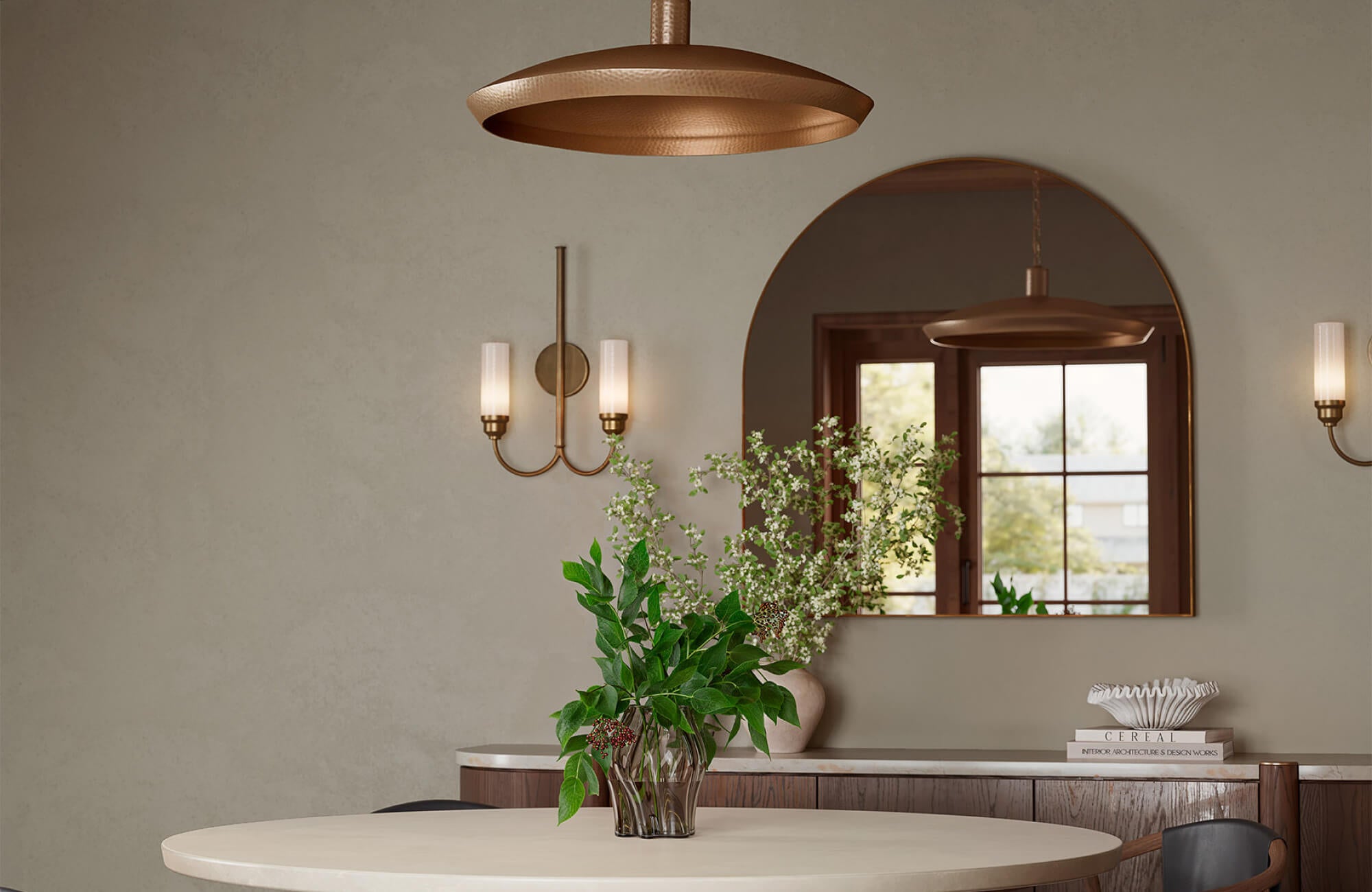
Reflecting the Table and Lighting
Placing an arch mirror where it reflects the dining table or overhead lighting can help the room feel more expansive. Keeping the mirror proportionate to the table ensures the reflection feels intentional rather than overwhelming. As shown in the photo featured above, Edward Martin’s Esmeralda Wide Mirror in Polished Brass is positioned to reflect both the round dining table and the Dempsey Pendant in Hammered Antique Brass, reinforcing the room’s central focal points. When size and placement are carefully balanced, the mirror adds depth without distracting from the dining experience, helping the space feel cohesive and comfortable during meals.
Using Mirrors to Enlarge Compact Dining Rooms
In smaller dining areas, placing an arch mirror along a side wall can visually extend the space. Keeping the surrounding wall simple helps prevent visual noise and allows the mirror to do the work. With fewer competing elements, the reflection feels more open and intentional. In this setting, the mirror enhances the room without distracting from the dining setup.
Styling Around Dining Mirrors
When styling around a dining mirror, restraint makes the biggest difference. For example, pairing the mirror with a sideboard or subtle wall lighting helps ground the space without adding visual clutter. In addition, keeping surrounding elements minimal allows the mirror to enhance the room rather than compete for attention. Together, these choices create a calm backdrop that supports conversation and shared meals.
Hallway and Transitional Space Placement
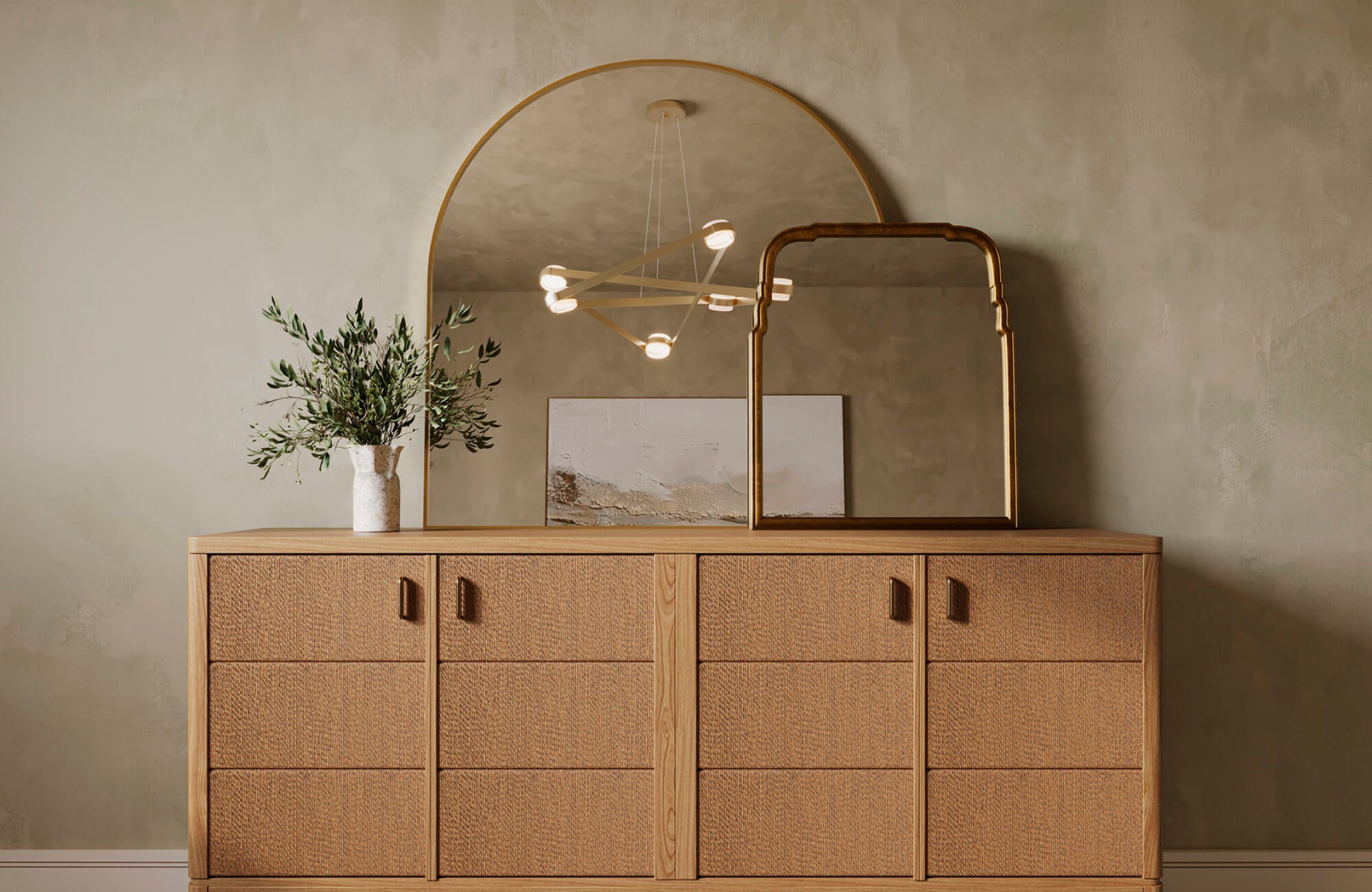
Hallways and transitional spaces are often overlooked, yet thoughtful mirror placement can make a noticeable difference. Using arch mirrors in these areas helps guide movement through the home while adding a sense of rhythm and visual continuity.
Breaking Up Long Hallways
In extended hallways, placing arch mirrors at measured intervals helps prevent the space from feeling endless. The spacing naturally depends on the length of the wall and the width of the corridor. When positioned thoughtfully, the mirrors create visual pauses that make the hallway feel more inviting. This measured rhythm keeps the space engaging without overwhelming it.
Adding Interest to Stair Landings
Stair landings offer natural opportunities for mirror placement. Positioning an arch mirror where it is easily visible but not distracting helps maintain a smooth transition between levels. Careful attention to mounting height ensures the mirror feels balanced within the space. Secure installation also supports safety as people move up and down the stairs.
Aligning With Sightlines
Mirrors are most effective when they align with natural sightlines throughout the home. As you move from one space to another, your eyes tend to follow predictable paths. Placing arch mirrors along these lines of view helps guide movement and maintain visual continuity. This intentional placement creates a sense of flow rather than an unexpected interruption.
Bathroom Placement Beyond the Vanity
Bathrooms offer opportunities to use arch mirrors in ways that extend beyond standard layouts. Thoughtful placement considers proportion, durability, and how the mirror interacts with lighting to support both function and comfort.
Using Arch Mirrors as Statement Pieces
Larger arch mirrors can anchor double vanities or serve as focal points on feature walls. Careful scaling ensures the mirror enhances the room without overpowering surrounding fixtures. When proportion is well considered, the mirror adds visual interest while maintaining balance. The goal is to create presence without letting the mirror dominate the space.
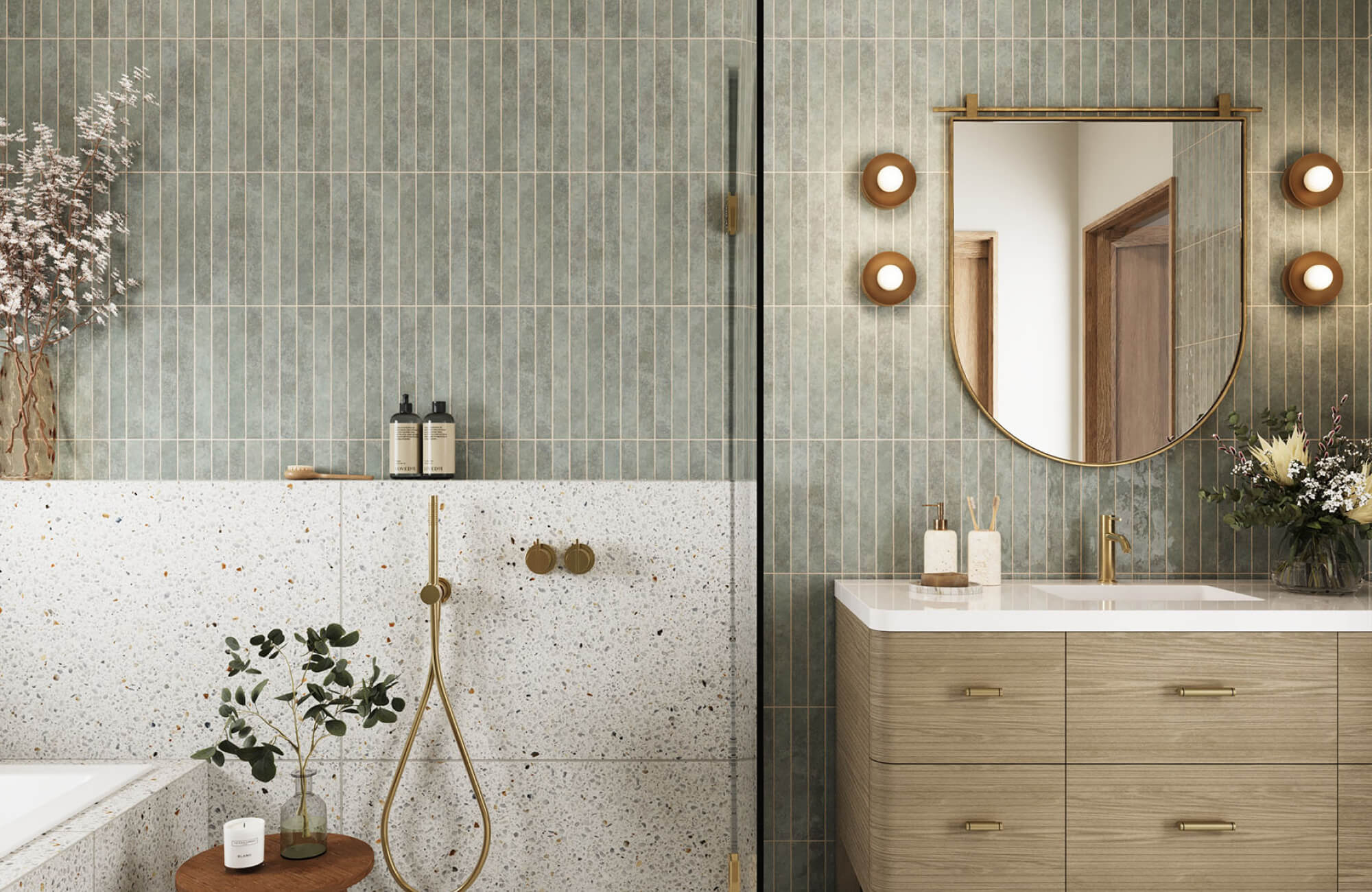
Pairing With Lighting for Soft Illumination
Curved mirrors interact with light differently from rectangular ones, making lighting placement especially important. Positioning sconces or overhead fixtures to evenly light the mirror helps minimize shadows. As shown in the photo featured above, Edward Martin’s Clancy Small Arch Mirror in Antique Brass is paired with the Rue Bath and Vanity Light in Aged Brass, creating balanced illumination that follows the mirror’s curved outline. This thoughtful combination improves visibility for daily tasks without harsh contrasts, while maintaining a soft, comfortable glow that suits the bathroom environment.
Managing Humidity and Durability
Bathrooms require materials that can withstand frequent exposure to moisture. Choosing frames and mounting methods designed for humid environments helps protect the mirror over time. Good ventilation also helps prevent moisture from building up around the frame. With thoughtful placement and material selection, the mirror remains both durable and visually appealing.
Choosing the Right Placement for an Arch Mirror
Deciding where to put an arch mirror depends on how each room is used and how you move through it. Considering light sources, proportions, and daily routines helps guide placement, whether the goal is openness in an entryway, balance in shared spaces, or quiet function in a bedroom. When placement is intentional, the mirror feels like a natural part of the room rather than a decorative afterthought, subtly enhancing both the look and function of the space.
If you would like guidance tailored to your layout, our team is available to help. Contact us to learn more about our design services and receive personalized recommendations for selecting and placing the right arch mirror in your home.
Follow us on Instagram
@EDWARD.MARTIN
)
)
)
)
)
)
)
)
)
)
)
)
)
)
)
)