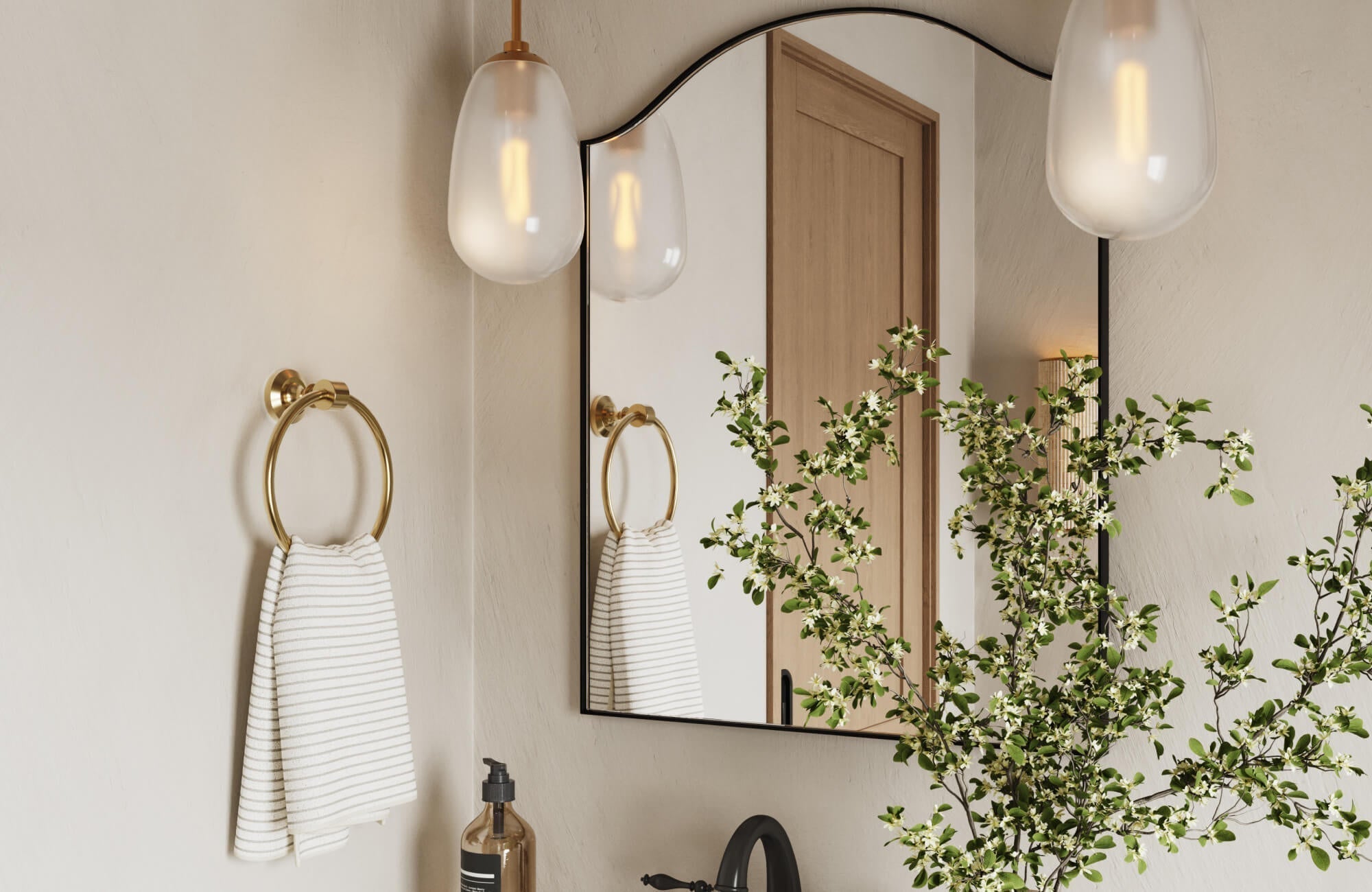
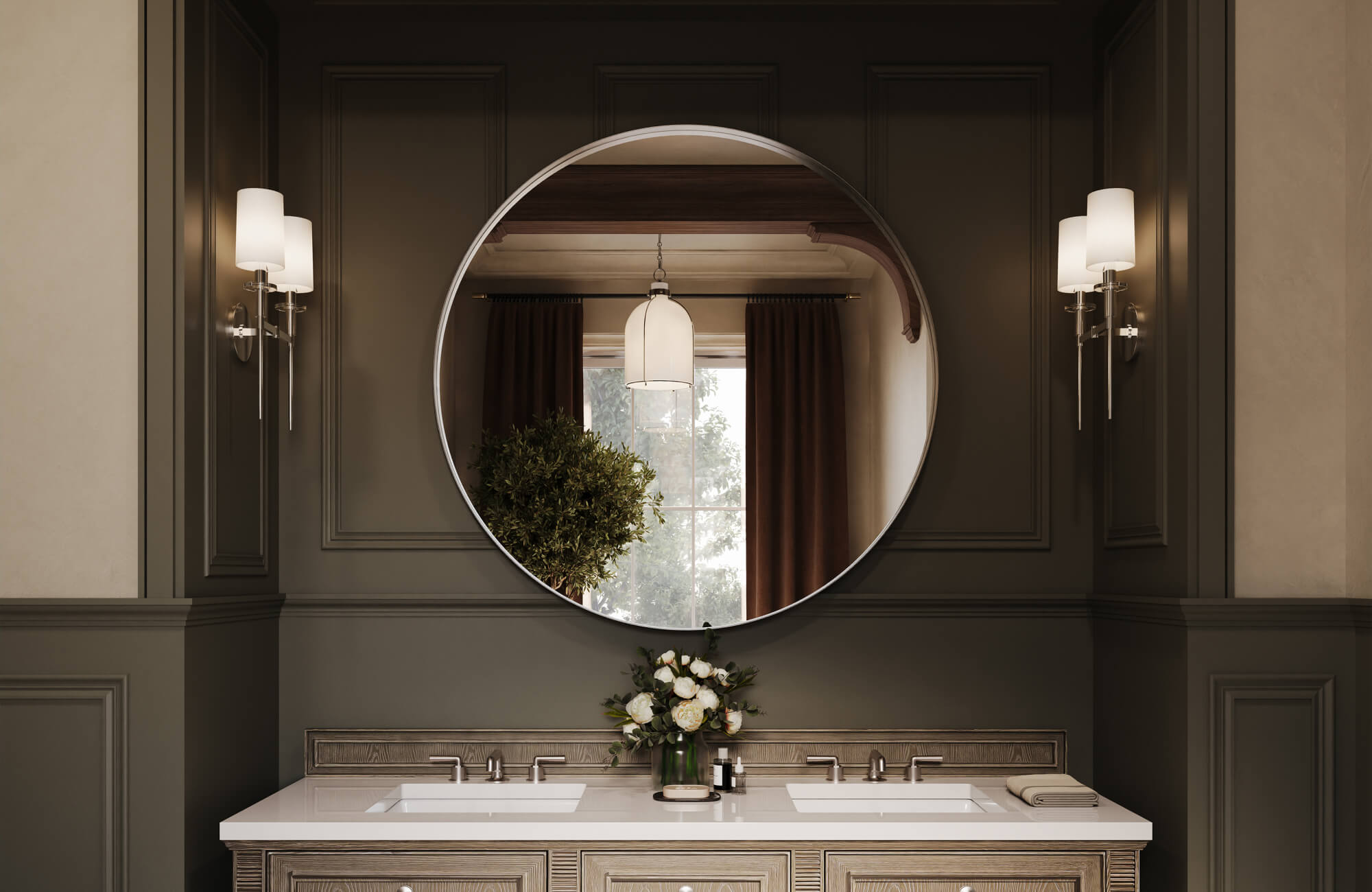
When remodeling or designing a bathroom, the vanity is one of the most defining elements in both function and aesthetics. A 72-inch vanity offers generous space, but it also presents a common dilemma: Should you opt for two sinks or just one?
While the double-sink vanity has long been associated with convenience and luxury, a single, expansive sink area offers its own kind of indulgence, spacious, minimalist, and tailored for modern lifestyles. This guide explores both options in depth to help homeowners make an informed decision that suits their daily routines, design goals, and long-term investment.

The Powerful Case for the Classic Double Sink
When two people share a bathroom, convenience quickly becomes a luxury, and that’s exactly where the double sink shines. A 72-inch vanity provides ample room to turn hectic mornings into smooth routines, balancing practicality with timeless appeal.
Streamlining the Morning Rush for Two
If you share your bathroom, you already know the chaos of weekday mornings, two people brushing, shaving, or applying makeup in the same space. A double-sink vanity transforms that chaos into calm. Each person has their own basin, their own mirror, and their own rhythm.
As seen above in Edward Martin’s Abigail 72" Double Vanity in Light Natural Oak with a 3 cm White Zeus Quartz Top, this setup perfectly illustrates how thoughtful design can bring order and balance to shared routines. Its dual sinks and generous storage make simultaneous use effortless, while the warm oak tones and sleek quartz surface elevate both functionality and style.
There’s no waiting, no juggling for counter access, and far fewer arguments over toothpaste splatter or water spots, just a subtle luxury that makes mornings feel more organized and less rushed.
Creating True Personal Zones
A 72-inch vanity easily accommodates two sinks while still offering comfortable elbow room. More importantly, it allows for personalized zones, each with dedicated storage for daily essentials. One side might hold grooming products, while the other keeps skincare and cosmetics neatly organized.
This division fosters not only convenience but also a sense of ownership. It’s your space, designed to support your routine, your preferences, and your sense of order. For couples, this balance of shared and individual space is one of the most understated yet impactful elements of a well-designed bathroom.
Boosting Your Home’s Resale Value
From a resale standpoint, double sinks continue to be a highly sought-after feature. Potential buyers often associate them with “his and hers” convenience and modern functionality. According to real estate data, homes with dual vanities in the primary bathroom are often viewed as more luxurious and family-friendly, translating to stronger buyer appeal and potentially higher resale value.
Even if you’re not planning to sell soon, investing in a double-sink configuration can add long-term value to your home, ensuring it meets the expectations of future homeowners.

The Luxurious Appeal of the Single Sink Vanity
While the double sink has its undeniable advantages, some homeowners are now embracing a more spacious and minimalist alternative. A single-sink setup transforms the same 72 inches into an elegant expanse of counter space and design freedom that feels fresh and indulgent.
Gaining an Unrivaled Expanse of Counter Space
For those who love a clutter-free environment, the advantage of having a single sink on a 72-inch vanity is clear: uninterrupted counter space. Without the second basin, you gain nearly double the usable surface area.
This makes it easier to spread out your daily essentials, or keep them completely out of sight while enjoying a pristine, minimalist look. Whether you’re styling the space with trays, candles, or small decorative accents, the extra surface gives you freedom to design a more personalized, luxurious environment.
Creating the Ultimate “Getting Ready” Station
A single-sink vanity doesn’t have to mean less functionality. In fact, it can provide the ultimate “getting ready” station. With more room for mirrors, lighting, and even a seated area or vanity stool, the design possibilities expand dramatically.
Many homeowners use the extra space to integrate drawer organizers, charging stations for hair tools, or built-in makeup mirrors. The result is a highly personalized and elegant workspace that caters perfectly to modern routines, blending style, comfort, and efficiency.
Achieving a Clean and Minimalist Aesthetic
Minimalism in bathroom design is not just about simplicity, it’s about serenity. A single sink contributes to that calm aesthetic by creating a balanced visual flow. The countertop feels lighter, the cabinetry looks more unified, and the overall room appears less busy.
As illustrated above by Edward Martin’s Sasha 36" Single Vanity in Carbon Oak with a 3 cm White Zeus Quartz Top, this approach blends crisp geometry with quiet luxury. The fluted detailing and deep carbon finish add tactile depth, while the bright quartz surface and brass hardware maintain a clean, sculptural elegance. Together, these elements capture the essence of minimalism, refined, grounded, and effortlessly sophisticated.

How to Analyze Your True Daily Needs
Choosing between one or two sinks isn’t just about looks, it’s about how you actually live. After exploring the benefits of both, the next step is taking a closer, more honest look at your daily habits and what truly matters in your bathroom routine.
Honestly Evaluate Your Shared Space Habits
Ask yourself: do you and your partner actually use the bathroom at the same time? In many households, schedules differ enough that two sinks rarely get used simultaneously. If one person typically uses the space in the morning and another later, a single sink may be more than sufficient.
On the other hand, if both are getting ready together every day, two sinks can greatly improve convenience and harmony. Observing your daily patterns for a week or two can provide valuable insight before making a commitment.
Identify Your Biggest Pain Point: Counter Space vs. Sink Access
Most homeowners prioritize one of two things, counter space or sink access. If clutter and lack of surface area are constant frustrations, lean toward a single sink. If simultaneous use is the issue, dual sinks will likely be more beneficial.
As beautifully exemplified above by Edward Martin’s Bridgette 60" Double Vanity in Bright White with a 3 cm White Zeus Quartz Top, a double-sink configuration can achieve balance without feeling crowded. Its streamlined design and polished brass accents highlight how thoughtful proportions and clean geometry can deliver both shared functionality and visual harmony.
This decision often comes down to trade-offs, a single-sink vanity maximizes workspace and storage, while a double sink prioritizes shared use and convenience. Knowing which matters most to your household will guide you to the right choice.
Consider the Primary Bathroom vs. a Shared Hall Bath
The vanity’s function also depends on the bathroom type. In a primary bathroom, a double-sink vanity can feel like an essential feature for two users. But in a shared hall bath, often used by guests or children, a single sink may suffice, leaving more counter and storage space.
For secondary bathrooms, simplicity often wins. In primary suites, practicality and resale potential tend to take priority.

Impact on Mirrors, Lighting, and Overall Design
Once you’ve determined your ideal vanity layout, it’s time to consider how that decision influences the rest of your bathroom’s design. From mirrors and lighting to visual balance, the sink configuration significantly influences the atmosphere and flow of the entire space.
Choosing Between One Large Mirror or Two Separate Mirrors
A single sink allows for one large, dramatic mirror, a seamless expanse that enhances light and creates a sense of spaciousness. This look is especially effective in modern and spa-inspired bathrooms.
As shown above with Edward Martin’s Elodie 48" Single Vanity in Light Natural Oak with a 3 cm White Zeus Quartz Top, the balance between mirror and vanity becomes a defining design statement. The vanity’s refined craftsmanship and warm oak finish pair beautifully with a single expansive mirror, reflecting both light and texture to elevate the room’s sense of calm.
A double-sink vanity, on the other hand, often calls for two individual mirrors, one over each basin. This can add symmetry and structure to the wall, particularly when paired with matching sconces or pendant lights. The choice between one or two mirrors sets the tone for the entire vanity wall and should complement your overall design style.
Planning for Symmetrical vs. Asymmetrical Sconce Placement
Lighting is another design detail that shifts with your sink layout. A single sink typically allows for perfectly centered lighting, one sconce on each side of the mirror or a statement fixture above it.
Double sinks introduce opportunities for symmetry, with pairs of sconces flanking each mirror. However, this may require more precise electrical planning to ensure even lighting and visual harmony.
When done correctly, both layouts can look intentional and balanced, the key is consistency in spacing, scale, and fixture style.
The Visual Statement of One vs. Two Faucets
Even faucets contribute to defining the vanity’s character. Two faucets create a sense of abundance and functionality, emphasizing practicality. A single faucet can serve as a design centerpiece, a bold fixture that stands out against a spacious countertop.
From polished chrome to matte black to brushed brass, your faucet finish can either blend seamlessly into the design or stand out as a sculptural element. When paired with the right mirror and lighting, it completes the composition of your vanity wall.

Analyzing the Plumbing and Under-Sink Storage
Behind the beauty of any vanity lies its hidden mechanics. As your design takes shape, understanding how plumbing and storage differ between one and two sinks ensures your bathroom is as functional behind the scenes as it is stunning up front.
The Cost and Complexity of One vs. Two Plumbing Setups
Installing two sinks means doubling the plumbing, two drain assemblies, two water lines, and often additional shut-off valves. This increases both material and labor costs, especially if you’re converting a single-sink setup into a dual configuration.
A single-sink vanity, by contrast, is simpler and more affordable to install. Fewer components mean fewer potential issues down the road, from leaks to maintenance. For budget-conscious remodels, this can be a significant factor.
How Sink Drains Impact Your Drawer and Cabinet Layout
Plumbing doesn’t just affect cost, it affects layout. Each sink requires a drain and trap, which take up valuable cabinet space. This can limit your ability to include large drawers or pull-out organizers beneath each basin.
As shown above in Edward Martin’s Elodie 72" Double Vanity in Mid-Century Walnut with a 3 cm White Zeus Quartz Top, thoughtful design can turn those constraints into well-planned functionality. The vanity’s layout illustrates how plumbing can coexist with efficient storage, featuring deep drawers, tilt-out trays, and even integrated power outlets for modern convenience.
With one sink, you can centralize the plumbing, freeing up both sides of the vanity for deep drawers or neatly divided storage. For homeowners who value organization, especially for toiletries, towels, or hair tools, this can make a big difference in daily usability.
Maximizing Usable Storage Space
A 72-inch vanity with a single sink offers the best of both worlds: expansive storage and uninterrupted drawers. You can dedicate one side entirely to daily essentials, the other to linens or larger items.
Meanwhile, a double-sink vanity provides two defined storage zones, which works well for partners who prefer their own separate areas. The key is designing cabinetry that complements your chosen layout, whether that means symmetrical compartments for two sinks or a more open, flexible configuration for one.
The Luxury of Choice for Your Personal Sanctuary
Ultimately, a 72-inch vanity gives you the luxury of choice, whether you value shared convenience or open counter space, both options can feel equally refined when tailored to your lifestyle. What matters most is how your bathroom looks, feels, and functions day to day.
For expert guidance in achieving that balance, Edward Martin’s design consultation service offers personalized support to help you make confident style choices and coordinate every detail, from vanities to tile, rugs, and furniture. For tailored recommendations or product assistance, simply contact Edward Martin to bring your vision to life with ease and expertise.