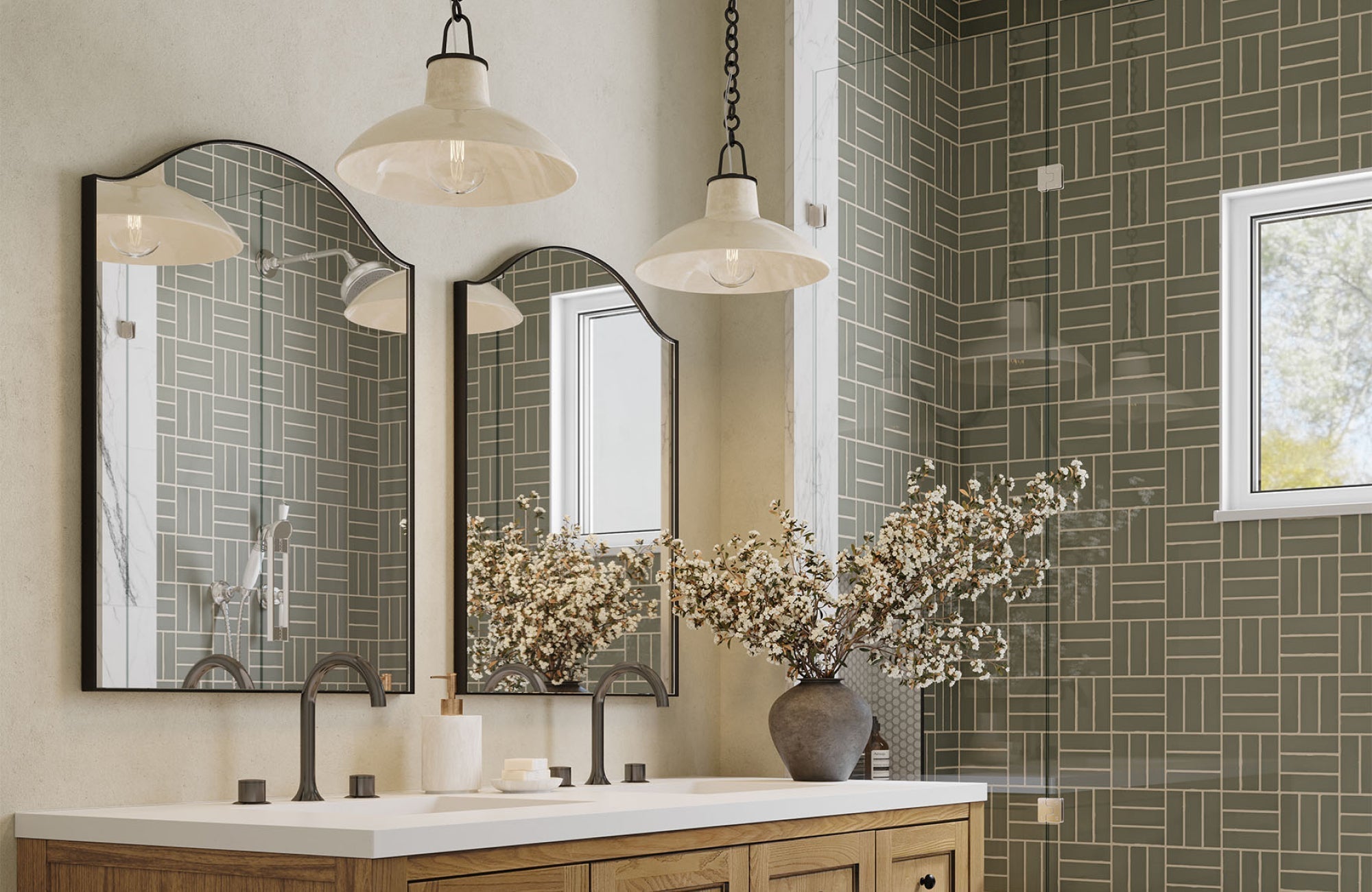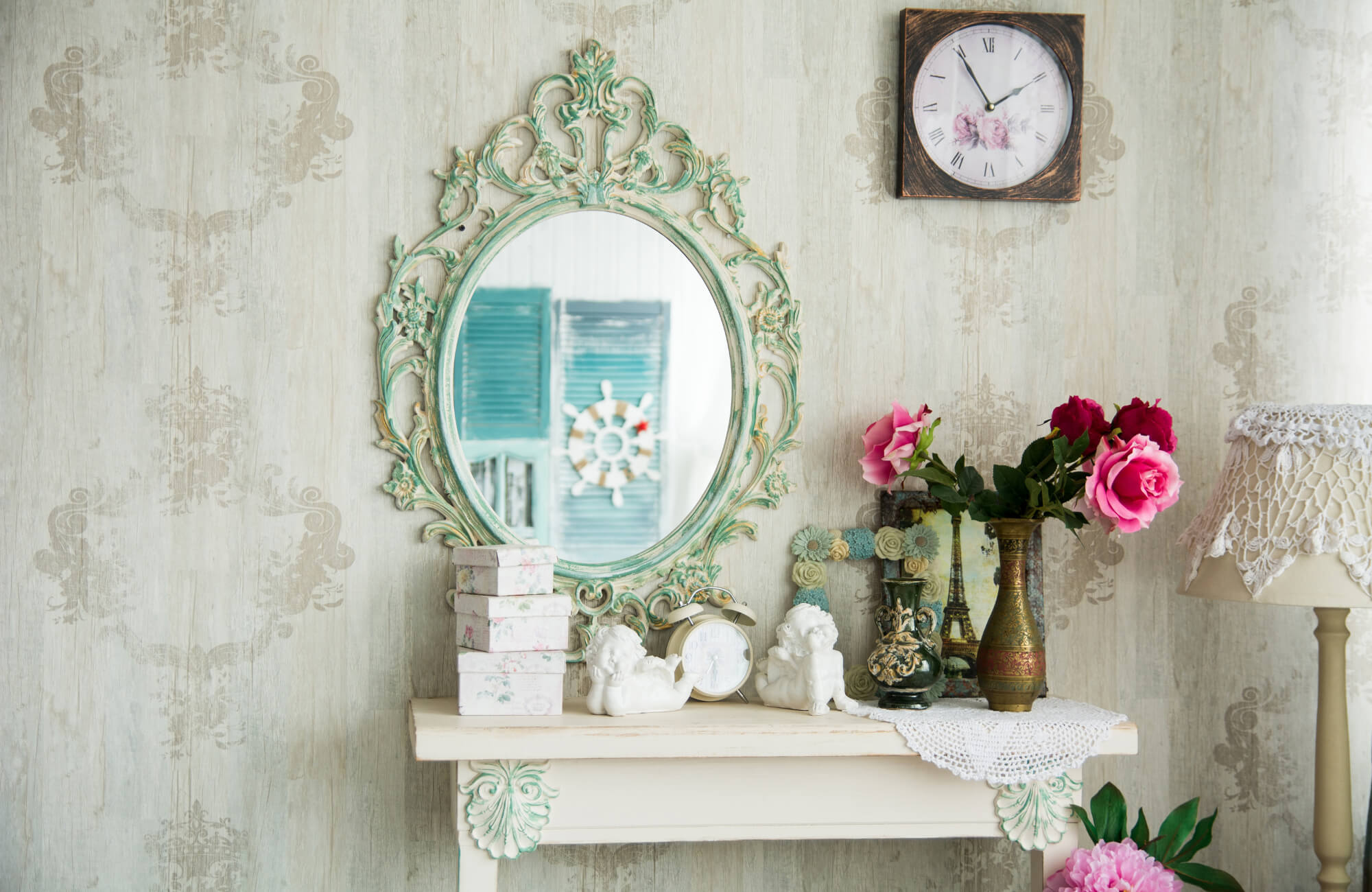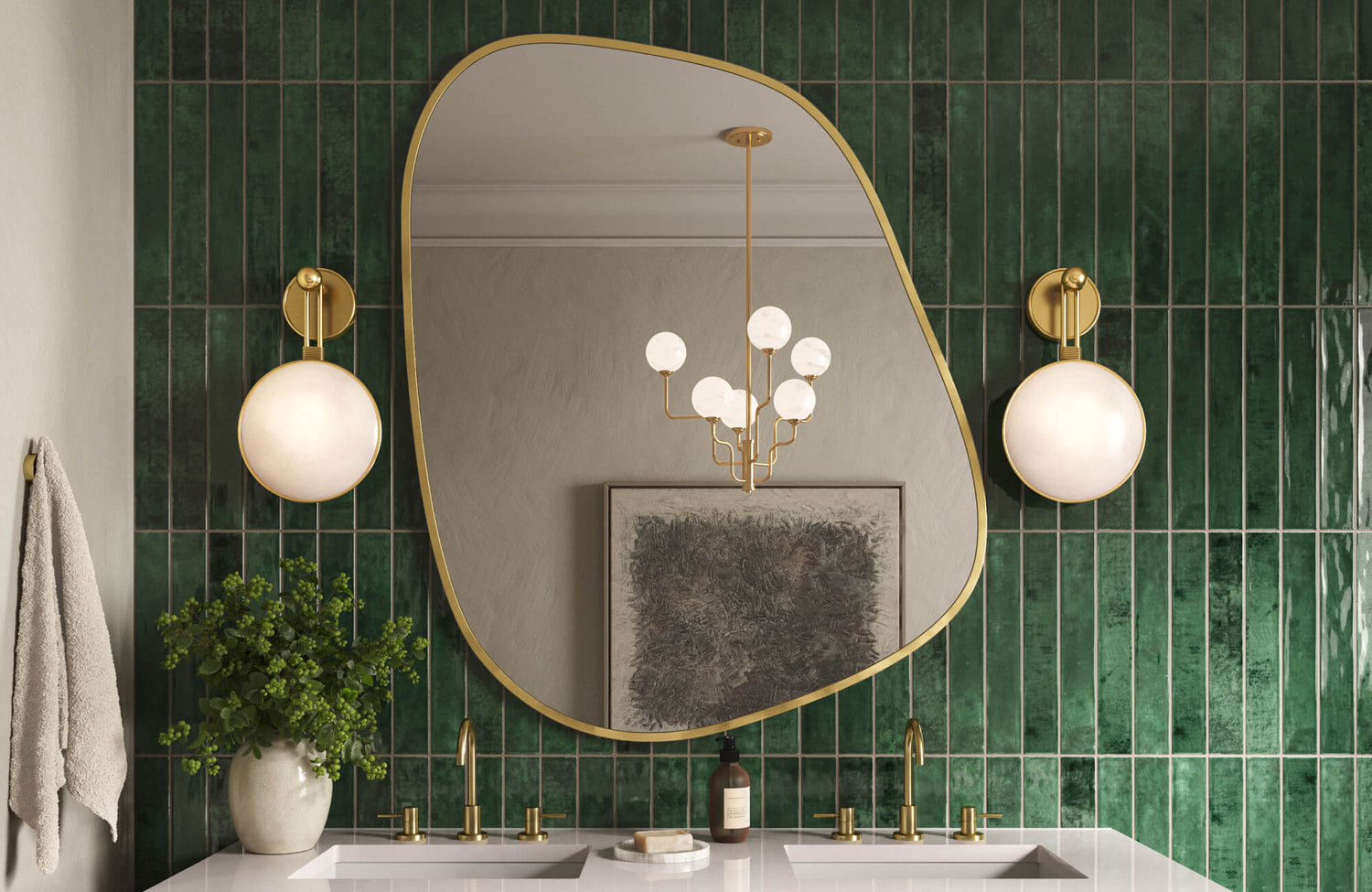
An organic mirror is a statement piece that captures the graceful irregularity of nature. With flowing, asymmetrical contours, it breaks away from the rigidity of geometric designs, offering a softer, more fluid aesthetic that instantly shifts the mood of a room. Its form also draws inspiration from natural shapes like stones, water ripples, and clouds, bringing a sense of movement and warmth into structured spaces.
From modern lofts to cozy reading nooks, organic mirrors adapt effortlessly, enhancing light, creating focal points, and adding depth to interiors. Their presence bridges the gap between function and artistry, making them equally at home in contemporary, classic, or eclectic settings. By weaving nature’s spontaneity into interior design, they also transform spaces into environments that feel both visually striking and deeply inviting.

Design Origins and Stylistic Influences
Organic mirrors embody the beauty of curves, irregularity, and natural flow, offering a striking contrast to the rigid lines often found in modern interiors. Although their appeal feels fresh and contemporary, their story begins decades earlier, deeply rooted in pivotal design movements that challenged convention. These mirrors also carry forward a philosophy that values fluidity over strict symmetry, allowing shapes to echo the effortless artistry of nature.
Their lineage can be traced back to the Mid-Century Modern era, when designers such as Isamu Noguchi and Charles Eames championed biomorphic forms inspired by the organic shapes found in the natural world. This period marked a deliberate move away from rigid geometry, favoring soft, irregular silhouettes reminiscent of smooth river stones, drifting clouds, or abstract organisms. When you bring an organic mirror into your space, you connect to this design heritage, embracing a timeless aesthetic that is both comforting and sophisticated.
Today, organic mirrors have evolved into a seamless blend of nature’s inspiration and technological precision. Modern tools like computer-aided modeling and parametric design make it possible to craft intricate, free-flowing forms with flawless edges, while still honoring the natural patterns that inspired them. From shapes reminiscent of eroded rock formations to contours that mirror the unfolding of petals, these designs bridge the gap between tradition and innovation. One beautiful example is our Shirley Small Mirror in Antique Brass Iron, shown in the image above, in a warm, gold-toned finish that adds a touch of timeless elegance. Its soft, asymmetrical form captures the essence of organic design while complementing surrounding materials and textures, making it a perfect blend of history, craftsmanship, and modern style.

Visual and Psychological Impact on Interiors
More than a simple reflective surface, an organic mirror has the power to shape both the look and feel of a room. By introducing curves and fluid forms, it can subtly influence your perception of space while enhancing the overall mood of the environment.
Creating Movement and Breaking Monotony
The curved edges of an organic mirror naturally guide your gaze in a gentle flow, infusing a sense of movement that rigid, rectangular designs often lack. This visual rhythm can make a room feel more dynamic and alive. In minimalist spaces, where clean lines dominate, an organic mirror instantly draws attention, becoming a distinctive focal point that brings personality into the composition. Pieces like our Rory Mirror in Antique Brass Iron embody this quality beautifully, with a warm gold-toned frame and fluid shape that reflect light while adding sculptural interest. As seen in the photo above, its presence elevates the room, keeping the design visually engaging and full of character.
Softening Harsh Architectural Lines
In interiors defined by sharp angles and straight lines, such as modern lofts or industrial-style spaces, organic mirrors serve as a much-needed counterbalance. Their soft, rounded forms break up the severity of rigid architecture, easing the visual tension and adding a layer of comfort. Round and arched mirrors are also good for softening harsh lines, but the organic shape introduces a sense of flow and unpredictability that enhances the effect even further. In addition, this contrast softens the aesthetic and helps create a more welcoming atmosphere.

Placement Strategies for Maximum Effect
Strategic placement is key to unlocking the full potential of an organic mirror. When thoughtfully positioned, it not only enhances the room’s style but also maximizes its reflective and spatial qualities.
Feature Wall Statement Pieces
Positioning a large organic mirror above a sofa, vanity, or entryway table instantly transforms that area into a visual centerpiece. Its sculptural silhouette commands attention, turning an otherwise ordinary wall into a statement feature. Beyond its aesthetic appeal, the mirror reflects light and space, helping the room feel more open and inviting. By anchoring the surrounding decor, it reinforces the overall design direction while adding a layer of artistry to the setting.
In the bathroom picture shown above, our Shirley Large Mirror in Antique Brass Iron perfectly illustrates how a thoughtfully placed organic mirror can define a space. Its warm gold-toned frame adds a touch of elegance that contrasts beautifully with the cool blue tile backdrop, while its fluid, asymmetrical shape softens the strong lines of the vanity and architectural elements. By reflecting both natural light from the window and the room’s refined details, the mirror enhances the sense of openness and creates a spa-like atmosphere that feels calm, inviting, and elevated.
Layering with Other Decor Elements
Pairing an organic mirror with complementary design elements deepens its visual impact. Curved furniture, textured fabrics, and accents of greenery naturally echo the mirror’s fluid form, creating a sense of unity throughout the space. This layered approach makes the design feel intentional and balanced, as if each element belongs to a cohesive narrative. With the right combinations, the mirror becomes more than a single focal point. It becomes an integral part of an immersive, harmonious environment.

Materials and Craftsmanship in Organic Mirror Making
The beauty of an organic mirror lies not only in its distinctive shape but also in the artistry and expertise that bring it to life. Every gentle curve, polished edge, and graceful contour is the product of thoughtful material choices and meticulous craftsmanship. These mirrors are more the result of a process that balances aesthetic appeal with durability, ensuring each piece remains a lasting part of your space.
In frameless designs, achieving a flawless edge requires careful polishing that enhances the mirror’s flowing silhouette while ensuring safety and structural integrity. Framed versions, on the other hand, introduce another layer of personality, with materials like hand-carved wood, bent metal edging, or resin molding shaping the character of the piece. Our Rory Mirror in Matte Black, displayed in the image above, is a perfect example featuring a slender black frame that adds modern definition to its soft, asymmetrical form. Paired above a warm wood vanity, its dark finish offers a striking contrast while the carefully polished edges reflect the meticulous attention to detail behind its design.
Advancements in glass fabrication have also expanded what’s possible for organic forms, with CNC cutting and waterjet technology enabling complex, asymmetrical shapes that were once difficult to achieve. However, these modern techniques are only part of the story—artisans still finish each mirror by hand, perfecting edges and refining curves to ensure they feel intentional and harmonious. This fusion of precision technology and human skill results in mirrors that are both innovative and timeless, embodying the perfect marriage of craftsmanship and design.

Care, Maintenance, and Longevity
Keeping an organic mirror in its best condition requires mindful attention to both its surface and its installation. With the right care, you can preserve its form, finish, and function for many years, allowing it to remain a standout feature in your space. Gentle, consistent upkeep not only safeguards its beauty but also honors the craftsmanship that went into its creation.
Cleaning is best approached with a soft, non-abrasive method that protects the mirror’s distinctive curves and polished edges. A microfiber cloth and a non-ammonia cleaner work well, but the cleaner should be applied to the cloth rather than sprayed directly on the surface. This prevents moisture from seeping into seams or damaging delicate finishes, keeping the glass clear and the edges pristine. For best results, always follow the manufacturer’s specific care and cleaning recommendations to ensure the mirror’s longevity and maintain any applicable warranty.
Because organic mirrors often have asymmetrical designs, they can carry uneven weight that makes secure installation essential. Using appropriate wall anchors or opting for professional mounting ensures the mirror stays safely in place without strain on the wall or risk of falling. This attention to stability not only protects your investment but also allows you to enjoy the mirror’s beauty without worry, year after year.
The Future and Lasting Appeal of Organic Mirrors
Organic mirrors will continue to evolve through innovative techniques and sustainable materials, yet their enduring charm lies in how they connect us to nature’s imperfect beauty. By merging fluid shapes with thoughtful craftsmanship, they enrich spaces with character, light, and balance. Whether gracing a home, workplace, or public setting, these mirrors offer more than reflection—they bring life, movement, and a timeless elegance that will keep them relevant for generations to come.
If you are considering adding an organic mirror to your space or would like expert guidance in selecting the perfect piece, our team is here to help. We can assist you in exploring styles, materials, and placement strategies that align with your vision. Visit our Contact Us page to connect with us and start bringing this enduring design statement into your own environment.