Mirrors are more than functional fixtures, they can serve as striking focal points that anchor a room’s design. By reflecting light and expanding visual space, a well-positioned mirror can enhance depth, amplify brightness, and balance a room’s proportions. Designers often use large-scale statement mirrors or distinctive frames to draw the eye, much like a piece of art.
The shape, placement, and scale are crucial for achieving both aesthetic impact and practical benefits. Below, we’ll discuss how mirrors can be strategically integrated as focal points to elevate interiors while complementing a room’s overall style and architectural features.

The Art of Placement and Scale
Once you’ve decided to make a mirror the focal point, the next step is mastering where and how it sits in the room. Placement and proportion are key to ensuring your mirror feels intentional, balanced, and visually connected to the surrounding space.
Sizing It Up
When selecting a mirror, proportion is paramount. Designers often reference the Golden Ratio (approximately 1:1.618) to determine dimensions that feel naturally balanced. For example, a mirror above a console should typically be two-thirds to three-quarters the width of the furniture piece beneath it, ensuring it relates visually without overwhelming. Oversized mirrors can also open up small spaces, but in large rooms, a proportionally scaled mirror prevents the wall from feeling underdressed.
Strategic Positioning
Placement dictates how a mirror interacts with its surroundings and how it draws the eye. A mirror positioned at eye level (generally 57–65 inches from the floor to the mirror’s center) creates an intuitive focal point. Moreover, aligning with furniture edges or centering between architectural elements distributes visual weight evenly, avoiding imbalance.
In the photo shown above, Edward Martin’s Fitz Mirror in Antique Silver demonstrates how a refined frame and balanced proportions can enhance symmetry while reflecting light beautifully. When placed across from windows, these mirrors capture natural light, boosting luminosity, while angled placement can guide sightlines toward key design features.
Mirroring the Architecture
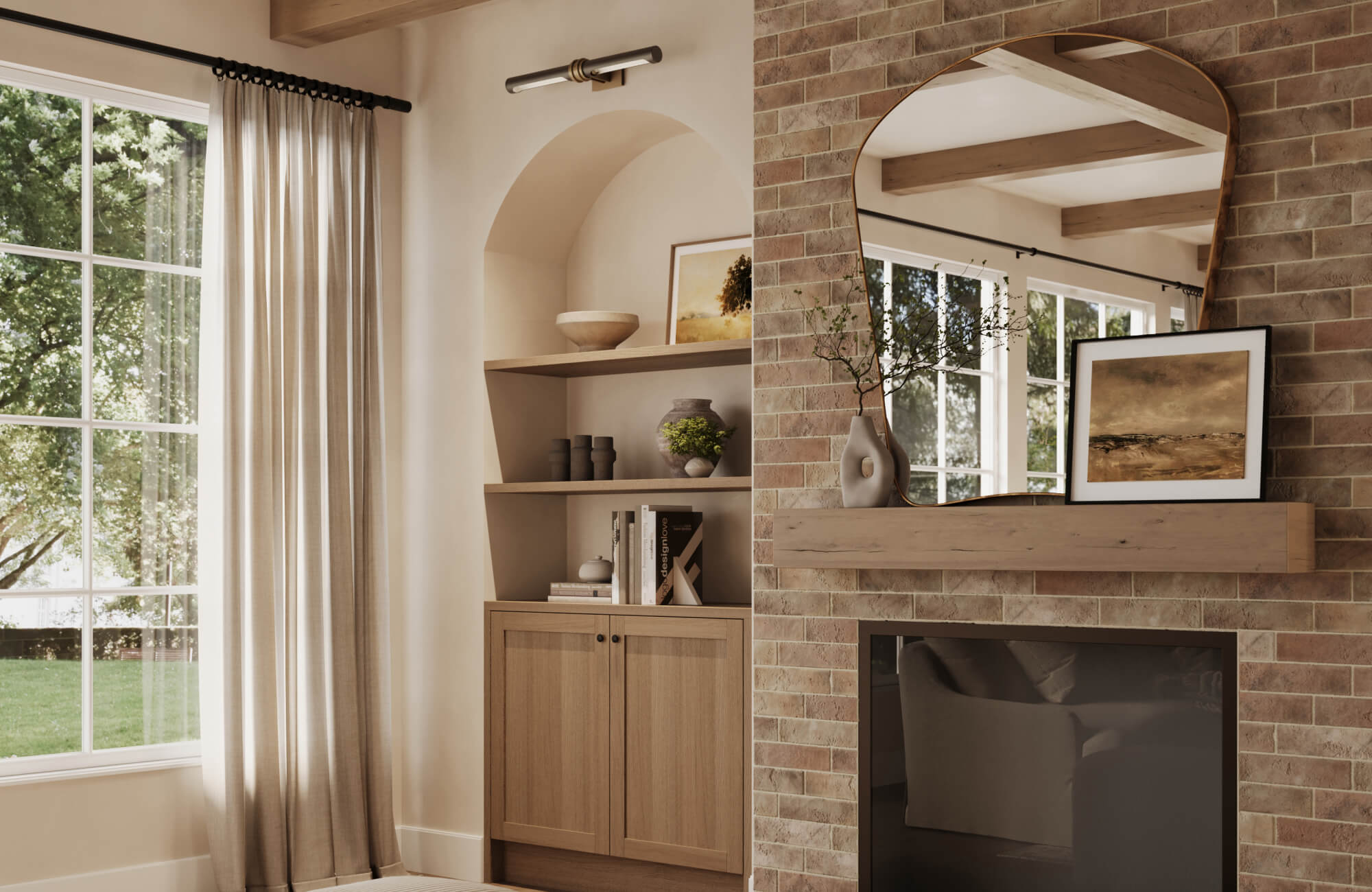
Mirrors can be powerful tools for echoing or accentuating a room’s structural details. For instance, an arched mirror can reflect and reinforce the curve of a doorway, while a vertical mirror can emphasize ceiling height in a compact space. When aligned with symmetrical features such as fireplace mantels, wainscoting, or built-in shelving, mirrors can also visually reinforce balance and cohesion. Even in asymmetrical layouts, a well-chosen mirror can act as a unifying element that ties disparate features together.

Exploring Frames and Shapes
After finding the right placement and scale, the frame and shape take center stage. These details define the mirror’s personality, helping it either blend seamlessly with your design or stand out as a bold statement.
Choosing the Right Frame
A mirror’s frame can act as an extension of the room’s design language. For traditional interiors, carved wood frames with gilded finishes can add warmth and historical character, while metal frames in matte black or brushed brass suit modern and industrial settings. In addition, frame width should be scaled to the mirror’s size, narrow profiles complement oversized mirrors without adding bulk, whereas wide, decorative frames make smaller mirrors feel more substantial.
Material selection also influences both durability and the mirror’s visual weight. As displayed in the photo above with Edward Martin’s Esmeralda Wide Mirror in Polished Brass the sleek metallic edge pairs subtle elegance with moisture resistance, making it ideal for high-humidity spaces.
Thinking Outside the Box
Moving beyond the standard rectangle opens a spectrum of design possibilities. In particular, round and oval mirrors soften angular interiors and promote flow, while geometric shapes like hexagons or asymmetrical freeform designs introduce a contemporary edge. Shape can also influence perceived proportions; vertical mirrors elongate walls and enhance ceiling height, whereas horizontal orientations create a sense of breadth. Selecting a shape that echoes or contrasts with existing architectural lines can either harmonize with or disrupt the room’s rhythm for intentional effect.
Creating a Gallery Wall
Grouping smaller mirrors offers versatility and artistic expression. For example, a symmetrical grid arrangement creates order and repetition, suitable for formal spaces, while an eclectic cluster of varying shapes and frame styles produces a curated, gallery-like feel. Designers also often use multiples to reflect light across a wider area, distribute visual interest along expansive walls, or bridge transitions between architectural zones. Consistent spacing and a unifying design element, such as matching finishes or complementary shapes, ensure the composition feels cohesive rather than chaotic.

Making the Mirror Shine
With the frame and shape established, lighting becomes the element that brings your mirror to life. The right illumination can enhance its presence, amplify its impact, and interact beautifully with the surrounding environment.
The Drama of Illumination
Lighting design around mirrors requires a balance between functional brightness and aesthetic appeal. Side-mounted sconces positioned at eye level reduce harsh shadows on the face, making them ideal for bathrooms and dressing areas. Integrated LED backlighting also creates a halo effect, adding depth and sophistication without glare. In living or dining rooms, accent lighting directed toward a framed mirror can highlight it as a statement piece, much like artwork. Dimmable fixtures allow for flexible mood-setting, adapting the mirror’s role from task-oriented to ambient.
Bouncing the Light
Positioning mirrors to catch and redistribute natural or artificial light can transform the perceived size and brightness of a room. A mirror opposite a window maximizes daylight penetration, while angling it toward a light source amplifies luminance and draws the eye deeper into the space. This principle is especially effective in narrow hallways, compact foyers, and urban interiors with limited windows.
Moreover, the strategic “light bounce” reduces the need for excessive artificial lighting, contributing to both energy efficiency and visual comfort. In the example above, Edward Martin’s Clementine Mirror in Antiqued Gold Leaf shows how a reflective surface paired with a warm, metallic frame can enhance brightness while adding timeless elegance.
Reflecting Texture and Color
Mirrors don’t just reflect light, they also replicate the surrounding palette and materiality, subtly reinforcing a design scheme. A mirror placed to capture the shimmer of metallic accents, the softness of textiles, or the vibrancy of a feature wall can intensify these elements without adding more physical decor. Designers often use this effect to create layered visual interest, allowing textures and colors to appear in multiple planes. Careful consideration of what a mirror reflects ensures the composition remains intentional rather than cluttered.

Theming and Styling A Mirror for Every Decor
Finally, tying your mirror to the room’s overall style ensures it feels like a natural part of the design. By aligning it with your décor theme, you create a focal point that’s both cohesive and captivating.
Modern Minimalist Mirrors
In minimalist settings, mirrors prioritize clean lines, understated frames, and functional elegance. Frameless designs or ultra-thin metal borders in matte black, brushed nickel, or powder-coated finishes maintain a streamlined silhouette. Geometric shapes such as rectangles, circles, or elongated ovals complement modern architecture, while large-scale installations emphasize openness and simplicity.
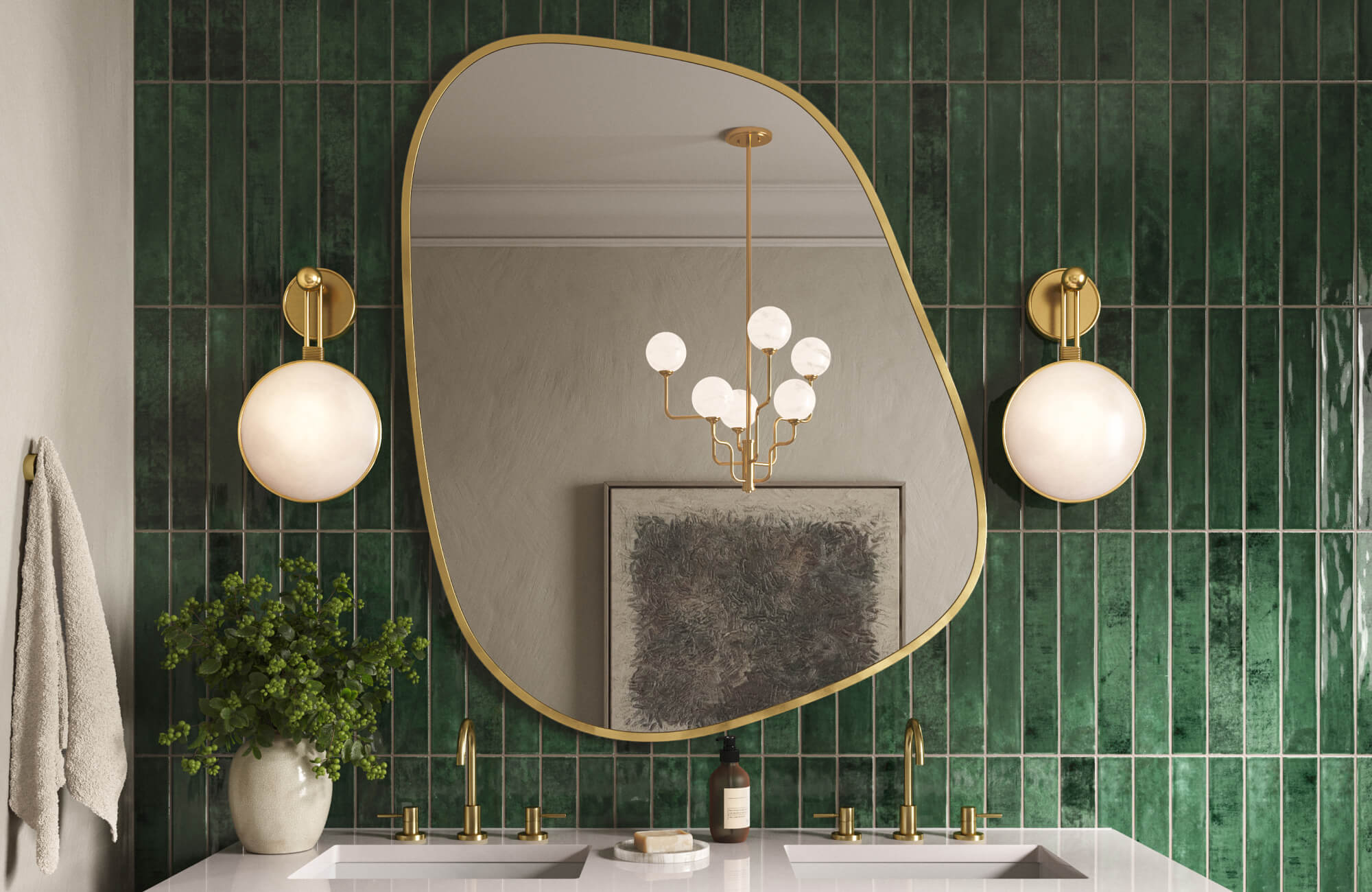
The absence of ornate detail shifts the focus to proportion, light reflection, and seamless integration with surrounding surfaces. Edward Martin’s Shirley Large Mirror in Antique Brass Iron exemplifies this approach. As displayed in the photo above, it features an organic, asymmetrical shape with a slim metallic edge for a refined yet contemporary statement.
Traditional Elegance
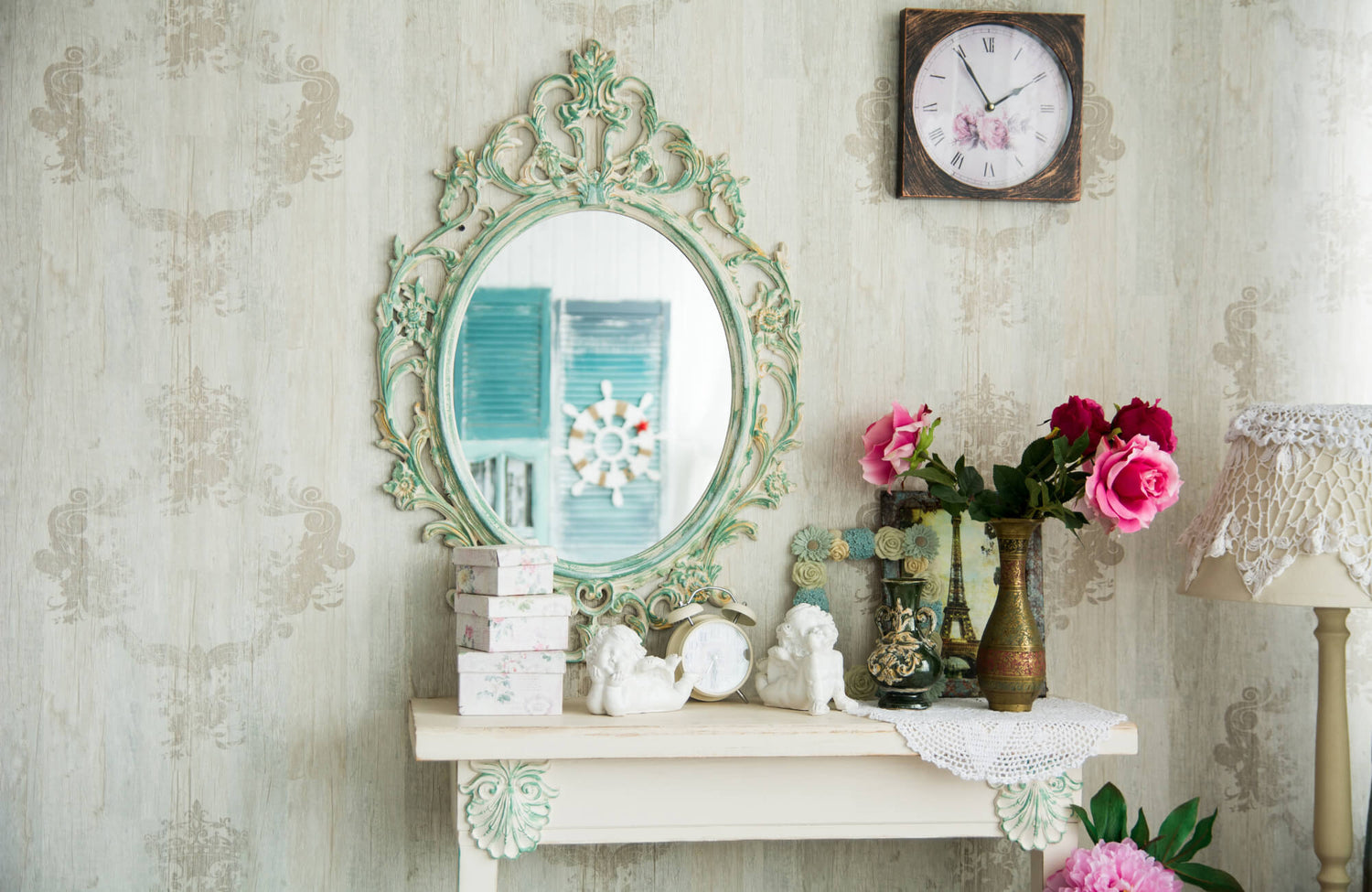
For classical and heritage-inspired interiors, mirrors often serve as decorative centerpieces. Frames featuring carved wood, gilt leaf finishes, or intricate moldings add a sense of opulence and craftsmanship. In dining rooms or formal living areas, a grand overmantel mirror can anchor the space while reflecting chandeliers and architectural millwork. Beveled glass edges further enhance the mirror’s refinement, catching light in a way that subtly reinforces the luxurious atmosphere.
Bohemian and Eclectic Mirrors
Bohemian and eclectic styles embrace variety, layering mirrors with diverse shapes, materials, and cultural references. A cluster of rattan-framed mirrors, antique flea-market finds, and Moroccan-inspired arches can create a visually dynamic wallscape. Combining warm-toned woods, patterned inlays, and colorful painted frames also adds depth and storytelling to the decor. Here, intentional asymmetry and contrast foster a sense of spontaneity, while cohesive elements, such as repeating colors or textures, prevent the arrangement from feeling haphazard.
Reflective Design Mastery
Mirrors, when thoughtfully scaled, positioned, and styled, can function as powerful focal points that enhance both form and function in interior design. Their ability to manipulate light, extend sightlines, and echo architectural features makes them versatile tools for shaping spatial perception.
By treating mirrors as intentional design elements rather than mere accessories, you can achieve dynamic, enduring results. For tailored guidance, Edward Martin’s design consultation service helps you make confident style choices with expert recommendations specific to your project. To further explore personalized ideas, or get assistance with tile, rug, or furniture selections, simply contact Edward Martin today!