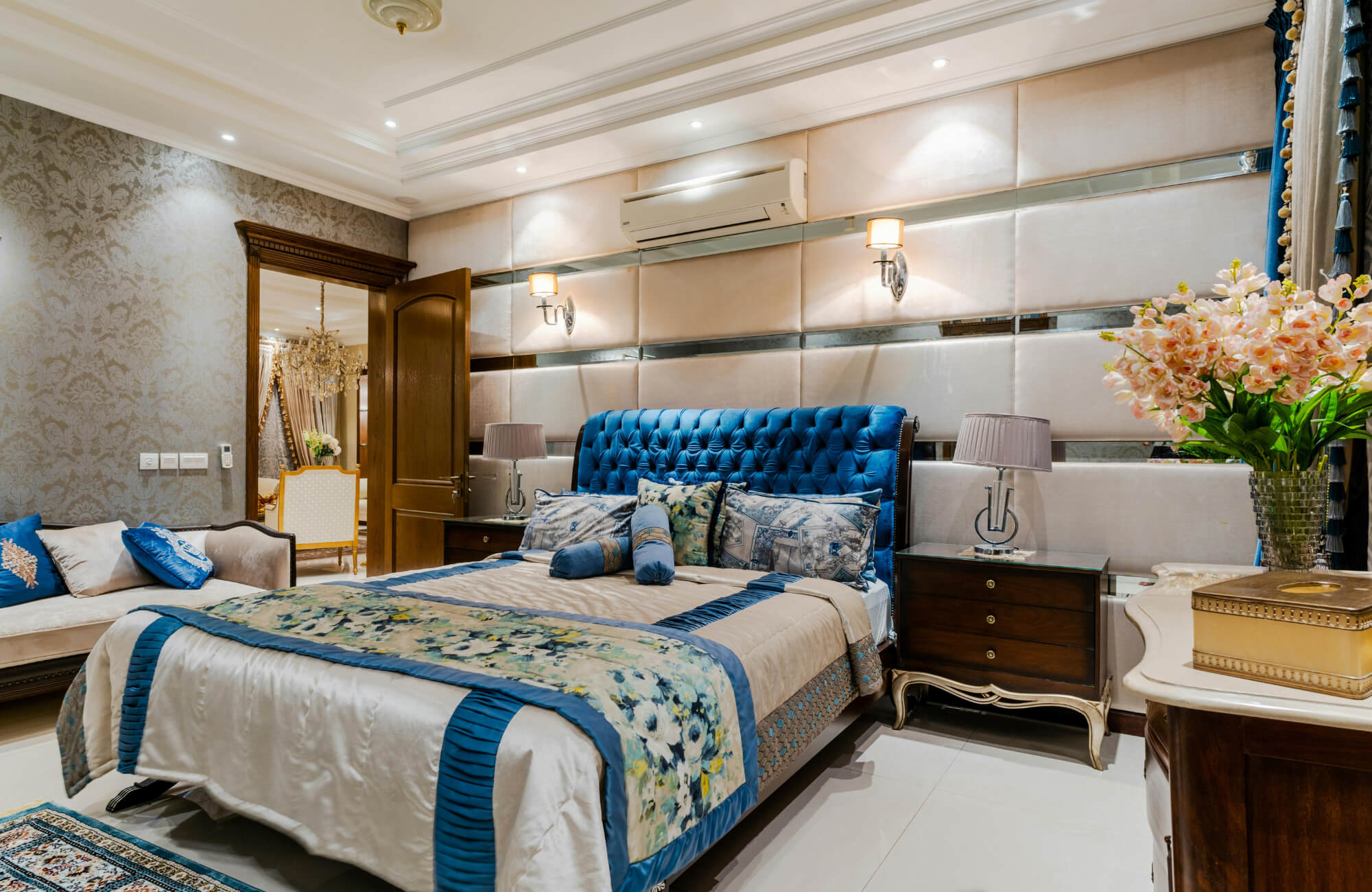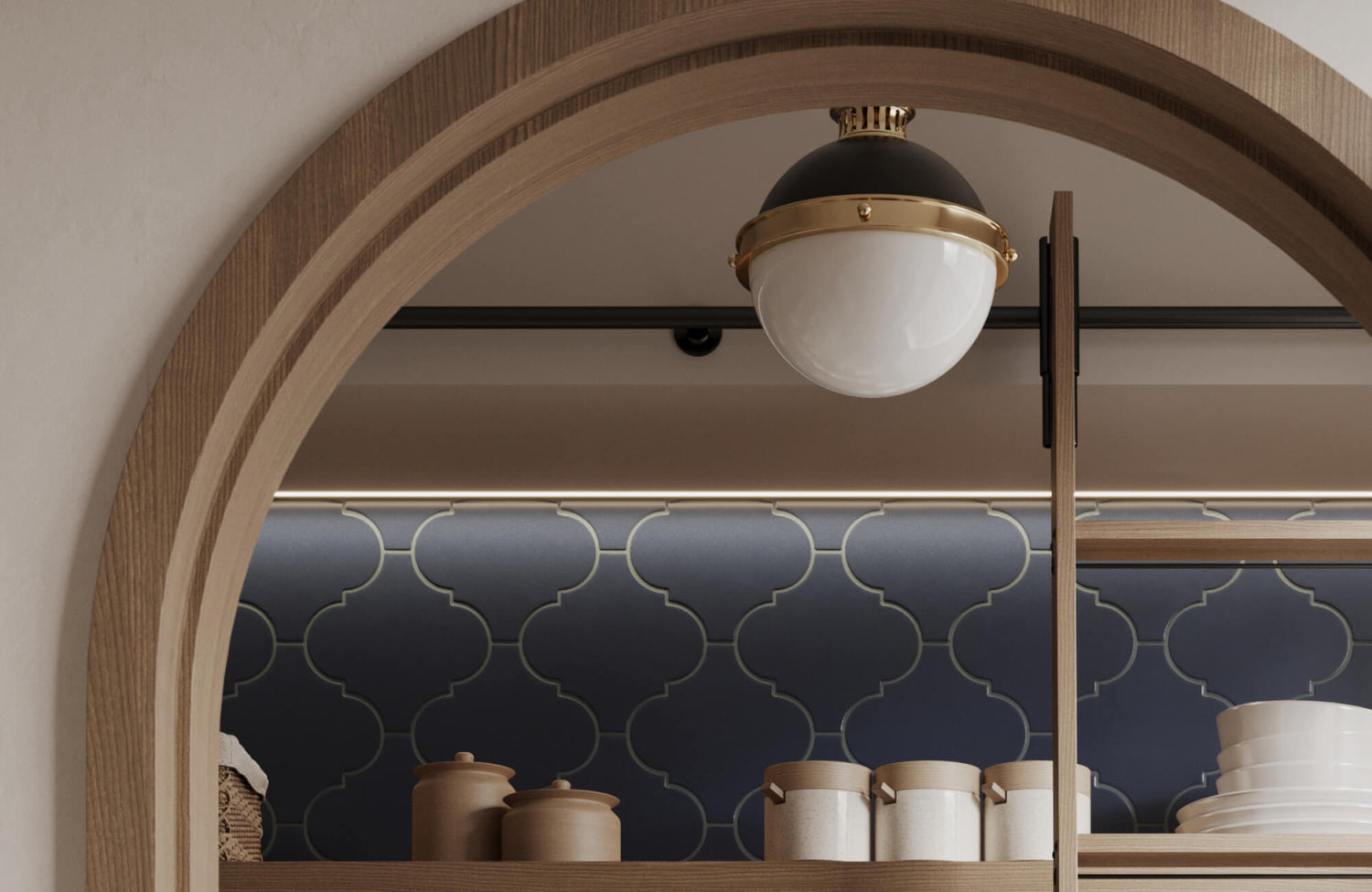
Decorative lighting is the art of turning illumination into design, where every fixture becomes both a source of light and a statement of style. From sparkling crystal chandeliers that define a grand entryway to minimalist pendants that shape modern kitchens, these fixtures blend beauty with purpose. Each element, whether wall sconces, outdoor lanterns, or smart-enabled designs, contributes not just brightness but atmosphere, texture, and character. By combining technical innovation with timeless aesthetics, decorative lighting transforms ordinary rooms into curated environments. In exploring its many examples, one can see how light itself becomes a tool for elegance, functionality, and lasting visual impact.

Chandeliers
Chandeliers represent the most iconic example of decorative lighting, blending grandeur with practical illumination. Their presence creates a visual anchor that shapes both design flow and overall spatial balance.
Traditional Crystal Chandeliers
Crystal chandeliers capture attention by refracting light into shimmering prisms that animate a room with vibrance. Their cut-glass or lead-crystal elements work in harmony with multiple candelabra bulbs to create radiant ambient lighting. Achieving balance requires careful placement, typically 30–36 inches above a dining table, where scale and comfort meet. Because of their substantial weight, they also demand reinforced ceiling junction boxes and proper mounting hardware for safety. Today’s models often include dimmable LED retrofits, preserving brilliance while cutting energy consumption. This integration of heritage design with modern efficiency secures their role as timeless decorative lighting fixtures.
Contemporary Minimalist Chandeliers
Minimalist chandeliers respond to modern design sensibilities with geometric forms and refined simplicity. Integrated LED modules, in particular, ensure consistent lumen output while allowing dimmable control for varied atmospheres. Their linear or asymmetrical silhouettes align with open-plan spaces, providing impact without visual clutter. Materials like brushed aluminum, matte steel, and frosted acrylic also elevate aesthetics while ensuring durability. Additionally, adjustable suspension systems make it possible to fine-tune positioning, blending functionality with precision design.
A striking example is Edward Martin’s McKay Chandelier in Black Gunmetal, as shown in the photo above, where clustered glass globes combine with sleek black framing to create a modern statement that merges sculptural artistry with functional illumination. Through these features, minimalist chandeliers show how decorative lighting evolves while remaining a defining focal point.
Technical Specifications and Placement
Technical details are essential in ensuring chandeliers deliver both style and performance. Mounting typically requires UL-rated ceiling junction boxes with chains, rods, or cables adapted to ceiling height. For vaulted or oversized spaces, dual mounting points also provide added stability and balance. Moreover, designers calculate lumen output according to room size, often targeting 3,000–4,000 lumens for dining areas. Color temperature influences mood, with warmer tones fostering intimacy and neutral tones supporting flexibility. These considerations allow chandeliers to merge compliance, comfort, and elegance into one cohesive solution.

Pendant Lights
Pendant lights combine practical task illumination with expressive design, making them one of the most versatile decorative lighting options. Their adaptability in scale, arrangement, and style ensures they enhance both residential and commercial environments.
Single-Shade Pendant Fixtures
Single-shade pendants establish intimacy by directing light into concentrated zones within larger layouts. Material choices such as frosted glass, artisan crystal, or powder-coated metal determine diffusion quality and overall brightness. While many use E26 or GU10 sockets, integrated LED models extend lifespan and lower energy costs. Placement is also crucial, with pendants ideally suspended 28–34 inches above counters to balance clarity and comfort.
A timeless example is the Phineas Pendant in Historic Bronze, as displayed in the picture above, where its classic bowl-shaped shade and bronze finish combine elegance with functionality, perfectly suited for kitchen islands and dining spaces. With these qualities, single-shade pendants embody the harmony of simplicity, function, and decorative expression.
Multi-Light Pendant Arrangements
Multi-light pendants introduce rhythm and continuity across architectural lines, reinforcing spatial geometry. For instance, linear installations emphasize countertops or dining tables, while staggered clusters bring vertical depth to double-height spaces. Their design versatility makes them equally effective in residential and hospitality contexts. High-CRI LEDs also ensure colors appear true and vibrant, especially where food or merchandise presentation is important. Designers often specify dimmable drivers, allowing effortless transitions from bright utility to soft ambiance. These features highlight how multi-light pendants achieve cohesion and adaptability in decorative lighting.
Energy Efficiency and Control
Energy efficiency is a defining advantage of modern pendant lighting. Tunable white LEDs, for example, allow smooth shifts between warm 2700K tones for relaxation and cooler 4000K tones for tasks. Smart controls also expand flexibility with scheduling, remote operation, and dimming presets accessible through apps. Additionally, advanced drivers minimize heat output, extending both component life and performance reliability. In commercial projects, occupancy sensors and daylight harvesting further reduce unnecessary energy consumption. Together, these features demonstrate how pendant lighting successfully merges design appeal with sustainable practice.

Wall Sconces and Accent Lighting
Wall sconces offer elegance and efficiency by enhancing vertical planes without occupying valuable floor or ceiling space. Their directional light layers add atmosphere while accentuating architecture and décor.
Up-Light and Down-Light Sconces
Up-light sconces brighten ceilings, helping to visually expand the space while also producing soft, glare-free illumination. This effect creates a gentle ambiance, making them particularly well-suited for hallways, living rooms, and home theaters where subtlety is preferred. By contrast, down-light sconces direct illumination downward, drawing attention to mirrors, artwork, or textured surfaces. For homeowners seeking versatility, combination sconces that emit both upward and downward light provide the best of both worlds. They enhance overall brightness while maintaining contrast, resulting in a balanced and visually engaging atmosphere.
Compact LED or GU10 sources maximize output in small housing profiles without sacrificing quality. A refined example is our Ezekiel Wall Sconce in Vintage Brass, as featured in the photo above, where ribbed glass diffusers and a brass frame embody timeless elegance while delivering both up and down illumination. With this adaptability, sconces establish themselves as versatile and stylish decorative lighting solutions.
Material and Finish Selection
The materials and finishes of a wall sconce play a defining role in how it integrates into a design scheme. For instance, matte black and brushed nickel finishes convey a sense of modern refinement, while antique brass and bronze lend a timeless, traditional appeal. Diffusers crafted from frosted or seeded glass soften illumination, influencing both diffusion quality and visual comfort. In addition, lightweight acrylic lenses with high transmission properties are increasingly favored for their durability and clarity. Metal housings designed with built-in thermal management further extend LED lifespan, seamlessly marrying aesthetics with engineering. Taken together, these choices ensure that sconces deliver both stylistic impact and reliable long-term performance.
Integration with Modern Technology
Modern wall sconces extend their functionality by incorporating advanced smart technologies. For example, motion sensors add both convenience and efficiency, automatically activating light in transitional spaces such as hallways or entryways. Wireless dimming and hue adjustment, often managed through user-friendly apps, further expand personalization and control. In addition, fixtures engineered with CRI ratings above 90 ensure accurate color rendering, allowing decorative surfaces and finishes to be seen in their true form. Energy-efficient LED modules also complement these features by delivering high lumen output while consuming minimal power. Altogether, these innovations highlight how wall sconces now embody the evolving role of decorative lighting—where style, performance, and technology work in harmony.

Ceiling-Mounted Decorative Fixtures
Ceiling-mounted fixtures combine compact form with decorative presence, making them ideal for areas where grandeur is limited by ceiling height. Their versatility allows them to serve both practical needs and design aesthetics in bedrooms, hallways, and entryways.
Flush Mount Fixtures
Flush mount lights sit close to the ceiling, providing even illumination without dominating the space. They are often chosen for lower ceilings where chandeliers or pendants are impractical. Decorative variations include etched glass, patterned diffusers, and metal trims that elevate style while maintaining subtlety. LED integration also ensures long lifespans and energy efficiency, reducing the need for frequent maintenance. With color temperatures ranging from warm 2700K to cool 4000K, they adapt to both relaxed and functional settings. A refined illustration is the Mulligan 17" Flush Mount in Polished Nickel, as shown in the picture above, where its quatrefoil silhouette and polished finish deliver timeless elegance alongside practical illumination. This combination of efficiency and style makes flush mounts a refined example of understated decorative lighting.
Semi-Flush Mount Fixtures
Semi-flush mounts extend slightly from the ceiling, introducing more dimension than flush fixtures while preserving headroom. Their designs often feature suspended stems or decorative finials that add elegance without overwhelming compact spaces. For example, glass or fabric diffusers soften light output, creating a comfortable and evenly distributed glow. Many models also incorporate dimmable LEDs, enabling ambiance adjustments to suit different activities. Their versatility allows them to transition seamlessly between traditional and contemporary interiors. By striking a balance between decorative flair and space-conscious design, semi-flush mounts enrich interiors where subtle sophistication is desired.
Design and Technical Considerations
Selecting ceiling-mounted decorative fixtures requires attention to scale and proportion. Flush mounts are recommended for ceilings under 8 feet, while semi-flush options suit ceilings between 8 and 10 feet. In addition, lumen output should match the room size, with living areas requiring higher brightness than hallways. Designers often coordinate fixture finishes with hardware and trim for cohesive visual flow. Easy maintenance and accessible lamping also make them practical for busy areas. These considerations ensure ceiling-mounted fixtures deliver both decorative impact and long-term performance.

Outdoor Decorative Lighting
Outdoor decorative lighting enhances curb appeal while ensuring safety and resilience against environmental challenges. By combining durable engineering with visual impact, these fixtures enrich exterior architecture and landscaping.
Lantern-Style Fixtures
Lanterns evoke timeless design while providing durability for outdoor use. Crafted with powder-coated aluminum frames and tempered glass panels, they resist corrosion and withstand the elements with ease. When mounted on posts or walls, lanterns cast a symmetrical glow that creates welcoming and well-defined entryways. Integrated LEDs or retrofit bulbs further extend service life, minimizing maintenance while ensuring consistent performance. Many designs also incorporate dusk-to-dawn sensors, providing automatic, energy-efficient operation that enhances convenience. A graceful example is the Kylie Lantern in Vintage Gold Leaf, as displayed in the photo above, where its warm metallic finish and radiant glow elevate exterior architecture with both resilience and luxury. This seamless blend of tradition and technology secures lanterns as enduring icons of outdoor decorative lighting.
Pathway and Landscape Lighting
Pathway lighting not only guides movement but also highlights landscaping features with elegance and intention. Bollards designed with downward optics minimize glare while meeting dark-sky standards, ensuring responsible and environmentally conscious illumination. Stake-mounted fixtures with adjustable heads also provide versatility, allowing plantings or architectural accents to be showcased with precision. In-ground recessed lights, by contrast, integrate seamlessly into paving, offering discreet yet effective illumination that enhances walkways without visual clutter. In addition, IP65-rated enclosures safeguard against moisture and dust, ensuring consistent performance and long-term reliability. Through these qualities, pathway and landscape lighting elevate outdoor spaces by enhancing both safety and aesthetics in equal measure.
Smart Outdoor Illumination
Smart technology introduces new dimensions to exterior decorative lighting, transforming it into a responsive and adaptive feature of the home. Wi-Fi-enabled fixtures, for example, allow remote control of brightness, scheduling, and even color variations for tailored ambiance. Motion sensors further enhance efficiency and security by activating lights only when movement is detected, reducing unnecessary energy use. In addition, RGB-capable designs support festive customization, enabling exteriors to adapt seamlessly for different occasions or seasons. High-efficiency LEDs complement these technologies by maintaining consistent performance even in harsh environmental conditions. Collectively, these innovations redefine outdoor lighting, ensuring it remains both highly functional and effortlessly adaptable.

Smart Decorative Lighting and Modern Innovation
Smart decorative lighting merges design artistry with adaptive technology, creating responsive environments tailored to user needs. This combination redefines illumination as an interactive and sustainable design element.
RGB and Color-Tunable Fixtures
RGB fixtures introduce limitless creative potential by offering dynamic color options that bring vibrancy and versatility to decorative lighting. Tunable white LEDs add another layer of flexibility, shifting seamlessly between daylight brightness and warm evening tones to support natural circadian rhythms. In addition, advanced optics ensure even blending of colors and whites, preventing harsh transitions or distracting hotspots. Fixture housings are often engineered with integrated thermal systems, extending LED service life while preserving consistent output. These innovations allow lighting to adapt effortlessly to mood, function, and design intent. As a result, fixtures evolve from static elements into flexible, user-driven design assets that enrich both atmosphere and aesthetics.
Integration with Home Automation Systems
Smart decorative fixtures align seamlessly with today’s home automation ecosystems, extending both convenience and control. Compatibility with Alexa, Google Home, and Apple HomeKit enables effortless voice commands, making adjustments as intuitive as speaking. Mobile apps further expand functionality by allowing fixtures to be grouped into customized scenes—whether for focused work, intimate dining, or relaxed evening ambiance. In addition, built-in scheduling features synchronize lighting patterns with daily routines, enhancing both comfort and energy efficiency. Wireless mesh networks also ensure stable connectivity across large-scale installations, maintaining reliable performance throughout the home. With these integrations, decorative lighting transcends its traditional role, becoming an essential element of connected living.
Energy Savings and Sustainability
Energy efficiency underscores the value of smart decorative lighting. LED modules consume up to 80% less energy than traditional sources, supporting eco-conscious design. Adaptive dimming adjusts brightness according to daylight conditions, minimizing waste. Occupancy sensors also reduce unnecessary usage, further conserving resources. In addition, long-life components reduce replacement frequency, lowering costs and material waste. A thoughtful example is our Noelle Wall Sconce in Vintage Brass, as featured in the photo above, where its energy-efficient LED integration pairs with timeless brass design, demonstrating how sustainable lighting can remain both elegant and enduring. In uniting sustainability with elegance, smart lighting exemplifies the future of decorative illumination.
The Enduring Role of Decorative Lighting
Decorative lighting continues to shape interiors and exteriors by merging artistry with advanced illumination technology. Whether through chandeliers, pendants, sconces, or outdoor lanterns, each fixture enhances atmosphere while reinforcing architectural style. With the rise of smart systems and energy-efficient innovations, lighting now adapts seamlessly to both lifestyle and design needs. In every application, decorative lighting remains a defining element that transforms spaces into environments of beauty, comfort, and sophistication.
For tailored guidance in selecting the perfect fixture, explore Edward Martin’s professional design services, where expertise ensures cohesion between form and function. To begin crafting your vision, contact us and discover how Edward Martin can illuminate your spaces with timeless elegance!