A double vanity is one of the most transformative upgrades you can add to a shared bathroom, because it reshapes how people move, prepare, and coexist in the same space. With the right size, a bathroom instantly feels more organized and far less chaotic, allowing everyone to start and end their day with ease. Choosing that size, however, goes beyond measuring a wall. It requires understanding how your household uses the room, how storage must be divided, and how the vanity’s construction will support long-term durability.
As you explore these factors, you begin to see that the “best” double vanity size is not just about fitting two sinks. It is about designing a shared environment that feels generous, efficient, and visually balanced. By approaching the decision thoughtfully, you can select a vanity that enhances your routines and elevates the overall experience of the space for every user.

Understanding the Role of Vanity Size in Shared Bathroom Dynamics
A double vanity plays a central role in how efficiently a shared bathroom functions, shaping everything from daily routines to personal comfort. When the vanity is appropriately sized for the number of users, it prevents bottlenecks during busy mornings and ensures everyone has enough room to perform their tasks without competing for space. As you consider the ideal width, it becomes clear that the vanity is not just a fixture but a workstation that must support simultaneous activities smoothly and without frustration. Consequently, selecting the correct size becomes essential for maintaining both harmony and practicality within the shared environment.
Moreover, the right vanity size must adapt to the specific users and usage patterns within your household. Adults and children typically have different needs, such as height, reach, and organization preferences, which all influence how the vanity should be structured. At the same time, the overall bathroom layout must allow easy movement around the vanity, ensuring it complements rather than disrupts daily flow. When you balance user count, ergonomic needs, and movement patterns, you create a double vanity setup that fosters comfort, efficiency, and long-term usability for everyone who relies on the space.

Standard Double Vanity Sizes and What Each Supports
Choosing the right double vanity size means striking a balance between your bathroom’s layout, the number of users, and your day-to-day needs. Each standard size brings a different set of advantages, from compact convenience to spacious luxury. The key is finding the size that aligns best with how you and others actually use the space.
48 Inch
If you're working with limited space but still want the convenience of two sinks, a 48-inch vanity is the most compact option you can consider. Although it technically supports dual sinks, the space between them is tight, often resulting in less than a foot of usable counter space in between. This setup works best in bathrooms where two users rarely need to access the vanity at the same time, such as guest bathrooms or non-busy shared spaces.
Because storage is limited in both width and depth, you’ll need to think vertically to make it work. Wall-mounted accessories like medicine cabinets or floating shelves can help you keep essentials within reach without cluttering the countertop. Using organizational systems inside the drawers and cabinets is also crucial, since every inch must serve a purpose. Although not ideal for intensive, daily multi-user routines, this size can still function well when routines are light and the layout is thoughtfully planned.
60 Inch
At 60 inches, the vanity starts to feel more balanced in terms of functionality and comfort. This width gives you enough room for two sinks without making the space feel overly tight. The counter between the sinks typically measures between 18 and 24 inches, offering a central zone for shared items like soap dispensers or grooming tools. With this added room, it’s much easier for two people to get ready side by side without constantly navigating around each other.
Storage also becomes more effective at this size. With room for two under-sink cabinets or drawer stacks, you can designate personal zones and reduce the need to share limited storage. This division keeps things organized and minimizes routine-related conflict. One standout example of a well-balanced 60-inch option is our Josephine 60" Double Vanity in Satin Drifted Black Veneer with Carrara Marble Top. Its satin drifted black veneer pairs beautifully with its Carrara marble top to create a striking yet versatile centerpiece for shared bathrooms. For most households, a 60-inch double vanity offers the ideal blend of spatial efficiency and everyday usability.
72 Inch
When space allows, stepping up to a 72-inch vanity or larger delivers a significantly more comfortable and customized experience. At this size, you can achieve a sink-to-sink distance of up to 36 inches, which closely resembles the spacing you'd find with two separate vanities. This generous layout creates clear, individual zones and dramatically improves comfort during simultaneous use, especially during busy mornings or shared evening routines.
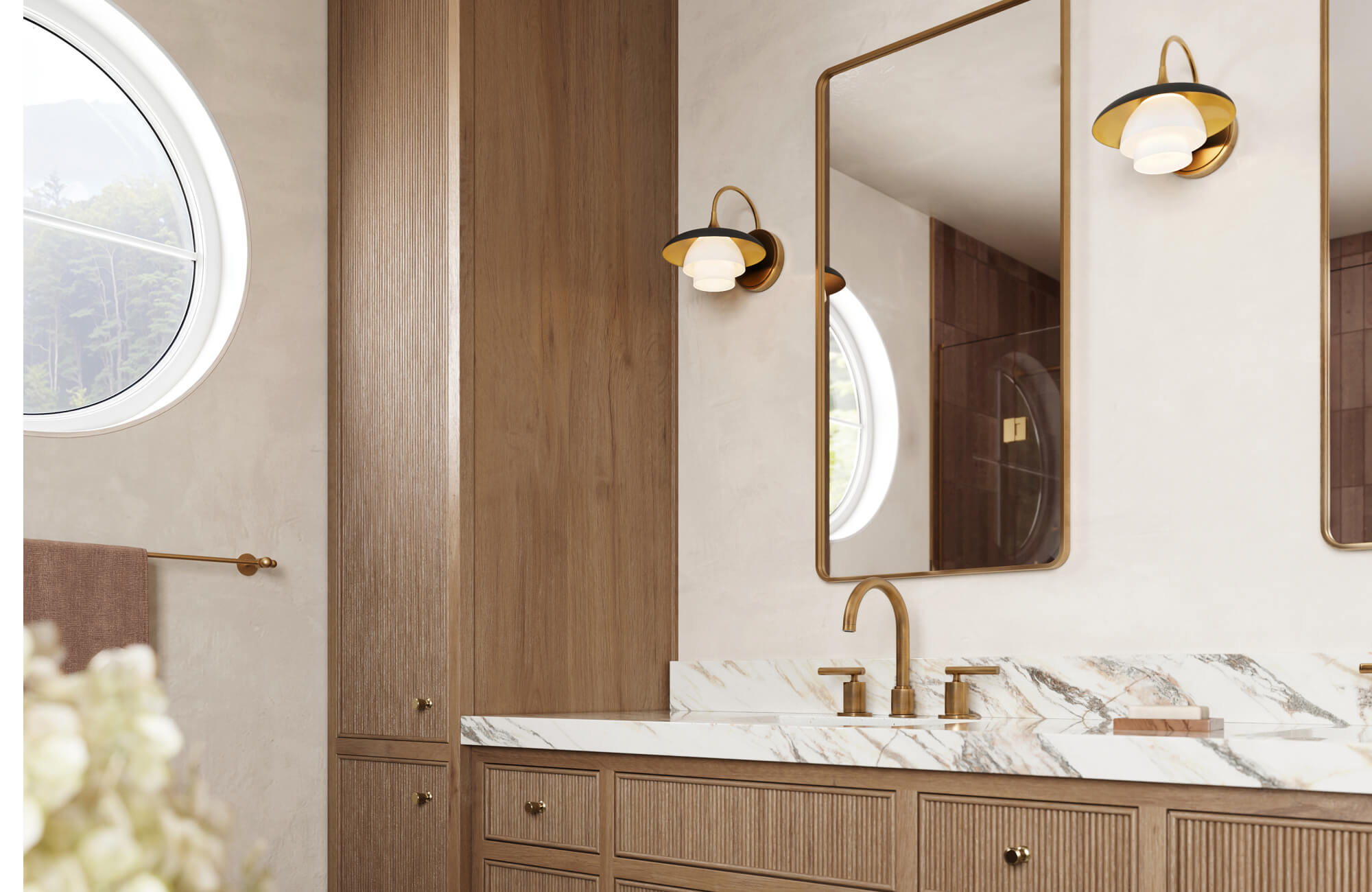
Beyond personal space, the extra width opens the door to more advanced features. You can include dedicated storage towers, seated makeup areas, or built-in organizers that cater to specific needs. Wider units also offer plenty of surface space for items that would normally need to be put away immediately, making daily use more relaxed and efficient. A perfect example is our Rosalie 72" Double Vanity in Amber Birch with 3 cm White Zeus Quartz Top, shown in the image above. Its warm finish, often recognized as a natural honey-toned wood color, pairs beautifully with its sleek quartz top to create a balanced blend of style and function. In larger bathrooms, vanities like this do more than serve a practical purpose. They become a central design anchor, adding presence, warmth, and a sense of thoughtful craftsmanship to the entire room.

Sink Configuration and Spacing Considerations
Although the overall width of a double vanity establishes the basic footprint, the way the sinks are arranged within that width ultimately determines how comfortable and functional the space will feel. Proper sink spacing is essential for avoiding daily frustration; anything under 30 inches center to center can cause users to bump elbows or compete for mirror space, while expanding to 36 inches creates a more intuitive division between personal zones. At the same time, the type of sink you choose directly shapes how much usable countertop space is available. Undermount sinks maximize surface area and streamline cleaning, vessel sinks add height and visual drama but require more width to avoid crowding, and integrated sinks offer seamless aesthetics but limit customization because their bowl positions are fixed. The vanity shown in the photo above is a great example of thoughtful sink placement, beautifully represented by our Bridgette 60" Double Vanity in Serenity Blue with 3 cm White Zeus Quartz Top. Its soft, pastel blue finish pairs naturally with undermount sinks to preserve counter space while maintaining an airy, elegant feel.
In addition, the placement and configuration of plumbing beneath the sinks significantly influence the cabinet layout and storage potential. When both sinks rely on a single, centrally located waste line, horizontal pipes often cut through the cabinet interior, reducing the amount of usable drawer space. By contrast, giving each sink its own dedicated plumbing allows for more versatile cabinetry, such as full-depth drawers or U-shaped designs that neatly wrap around necessary components. Although optimizing plumbing may require additional planning or remodeling investment, the long-term payoff is considerable: improved storage functionality, better internal organization, and a vanity that feels thoughtfully tailored to the way your household actually uses the bathroom.

Storage Strategy and Internal Organization
A spacious vanity doesn’t automatically prevent clutter; instead, the true difference comes from how that space is structured and used. When a shared bathroom serves multiple people, organization becomes essential to keeping daily routines efficient and stress-free. Establishing clearly defined storage zones helps each user maintain control over their items, reducing the likelihood of misplaced essentials or crowded drawers. By assigning areas such as left and right drawer stacks or individualized under-sink cabinets, you create personal boundaries that turn shared storage into an orderly, intuitive system. Complementing these zones with tailored organizers, adjustable shelves, and modular dividers further enhances usability, making it easy for everyone to locate and store their daily essentials without friction.
In addition to personal zones, the depth and style of storage significantly impact how functional the vanity feels. Deep drawers and cabinets offer room for bulkier items, backup toiletries, and tools, while shallow drawers keep frequently used items within immediate reach. Balancing these options allows you to support both long-term storage and everyday accessibility. Likewise, blending hidden and open storage creates an environment that is both practical and visually calm: concealed compartments hide clutter, while selective open shelving provides quick access to towels or decorative baskets. By aiming for a thoughtful mix, mainly hidden storage with strategic open elements, you achieve a vanity setup that maintains order, supports daily habits, and elevates the overall flow of a shared bathroom.

Measuring a Bathroom to Determine the Ideal Double Vanity Size
Before choosing a double vanity, it’s essential to understand exactly how the piece will fit into your bathroom, both in terms of physical space and how it affects movement, comfort, and overall functionality. Accurate measurements ensure that the vanity feels naturally integrated into the layout rather than squeezed into a tight corner or positioned where it disrupts daily flow. By considering the space around doors, drawers, and walkways, as well as structural details and vertical elements like lighting and mirrors, you can avoid common installation mistakes and confidently select a vanity size that enhances your bathroom’s usability.
One of the most important steps is ensuring that all moving components in the bathroom have sufficient room to operate freely. Doors, drawers, and shower enclosures must open fully without colliding with the vanity, which means measuring both the vanity’s depth and the distance to nearby obstacles. A minimum of 21 inches of clearance is needed for basic access, though 36 inches creates a more comfortable walkway and allows two people to move around simultaneously. Additionally, assessing the true usable wall width helps you avoid issues with uneven surfaces or architectural features like vents or sloped ceilings that might interfere with installation. Finally, considering the alignment of mirrors, lighting, and backsplash height ensures that the vanity feels visually balanced and functionally optimized from top to bottom.

Style, Materials, and Long-Term Durability
Although size determines how a vanity functions, materials and construction quality determine how long it will last and how well it fits into your bathroom’s overall design. The right combination of durability and style ensures your double vanity remains both beautiful and dependable for years to come.
The Impact of Countertop Materials on Size Selection
As the vanity width increases, so does the importance of selecting the right countertop material. Heavier surfaces like quartz, marble, and granite add visual luxury and lasting performance but also place more stress on the cabinet structure, especially with spans over 60 inches. If you're installing a wall-mounted or floating vanity, these dense materials may require reinforced wall blocking or specialty brackets to bear the additional weight without sagging or pulling away over time.
Lightweight alternatives like laminate, solid surface, or engineered composites offer more flexibility for larger vanities and simplify installation. However, they may show wear more quickly, especially around busy areas like the sink edges or faucet base. For oversized designs, particularly those extending 72 inches or more, you may also need to consider material continuity. Natural stone slabs, for instance, have size limits, so you might need to introduce seams or breaks. In these cases, choose patterns or colors that help disguise joints and maintain visual flow.
Cabinet Construction and Moisture Resistance
No matter how beautiful a vanity appears, it must be built from moisture-resistant materials to withstand daily bathroom conditions. Plywood cabinetry is often praised for its strength in high-humidity environments, but high-quality medium-density fiberboard (MDF) can also perform exceptionally well when properly sealed. Because MDF has a smooth, uniform surface, it is ideal for painted finishes and detailed craftsmanship, giving vanities a refined, modern look.
Wider vanities also require stronger framing, since longer spans are more susceptible to sagging over time, especially when paired with heavy countertops. To maintain structural integrity, reinforced joinery, sealed finishes, and quality hardware all play an important role in supporting long-term performance. It is helpful to choose moisture-resistant finishes or multi-step sealants as well to protect the exterior from splashes and condensation. In addition, features like toe-kick supports, solid back panels, and interior bracing are more than construction upgrades. They function as long-term investments in stability and durability, ultimately enhancing both the strength and appearance of the vanity.
Matching the Vanity Size to Overall Design Goals
Your vanity shouldn’t just fit your space; it should fit your style. The right size needs to harmonize with the rest of the bathroom’s design language. For example, minimalist spaces often favor long, floating vanities with clean lines and integrated sinks, creating a sleek, open feel. These work well with modern materials like matte quartz or seamless solid surfaces and often shine in larger widths, where horizontal lines can stretch uninterrupted across the room.
On the other hand, more traditional or transitional bathrooms often call for furniture-style vanities with decorative legs, paneling, and detailed moldings. These visually “heavier” designs feel more balanced at mid-range sizes, such as 60 to 72 inches, where they can serve as a focal point without overwhelming the room. If your bathroom has a bold tile pattern, strong architectural features, or custom lighting, the vanity should enhance rather than compete with those elements.
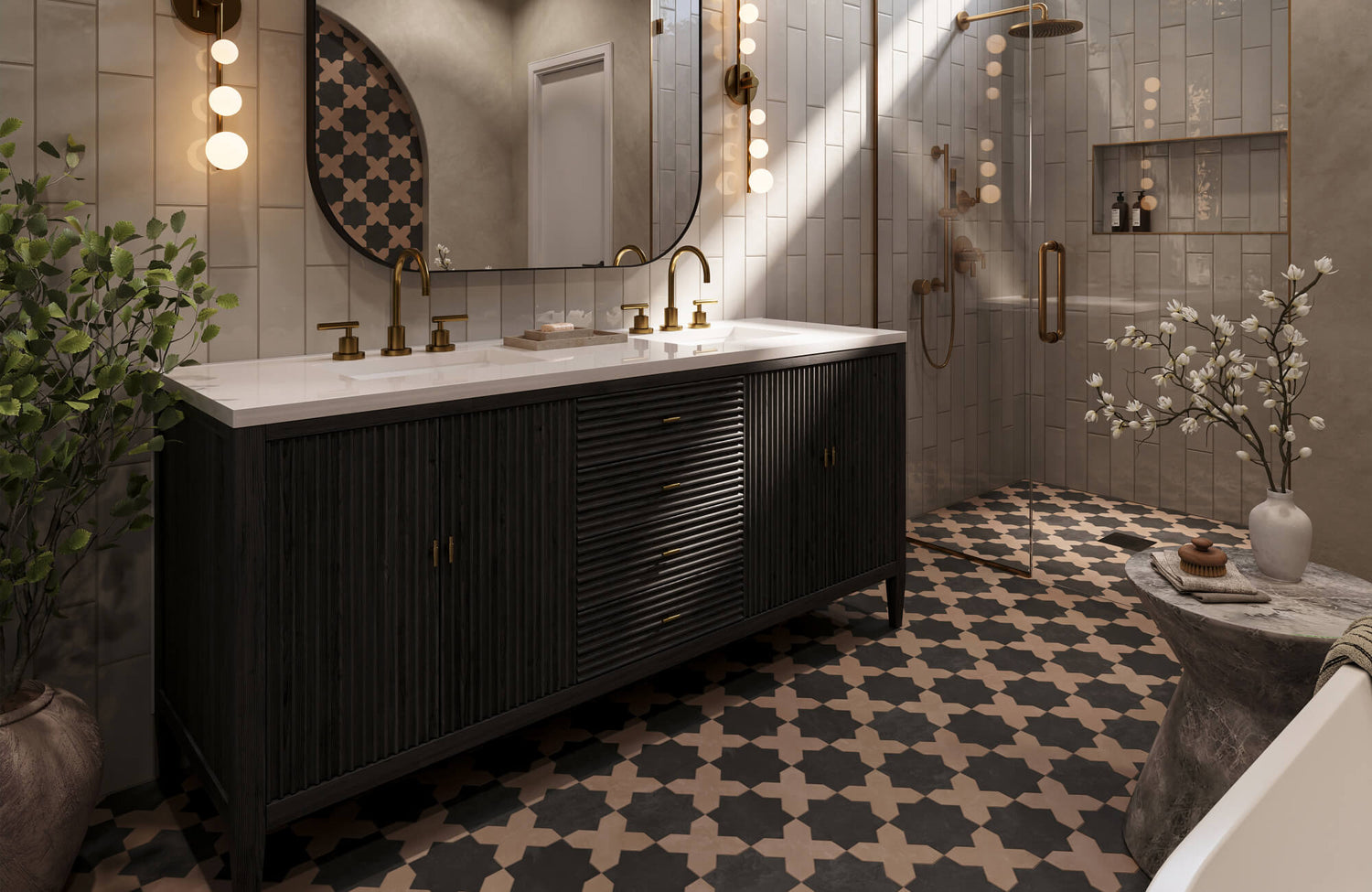
In the bathroom picture seen above, the space features a beautifully textured aesthetic that pairs perfectly with a warm, natural wood finish. A comparable option that captures this same inviting character is our Trisha 72" Double Vanity in Whitewashed Walnut with 3 cm White Zeus Quartz Top. Its dark brown tone blends effortlessly with organic textures, muted tilework, and brass fixtures. This example illustrates how choosing the right size and finish can help the vanity anchor the room while reinforcing the overall design vision.
Choosing the Best Double Vanity Size with Confidence
The best double vanity size is the one that matches the way your household lives, not just the dimensions of your bathroom. When you consider how many people use the room, how they move within the space, what storage they need, and how materials will hold up over time, you can confidently choose a width that genuinely supports daily routines. With a thoughtful balance of comfort, organization, and long-term durability, the right vanity transforms a shared bathroom into a space that feels harmonious, functional, and beautifully tailored to everyone who relies on it.
If you need help selecting the perfect size or want expert guidance on styles, materials, and layout, our team is ready to support you. Our specialists can walk you through measurements, make personalized recommendations based on your bathroom’s unique layout, and help you compare vanity configurations that match both your aesthetic preferences and daily needs. Reaching out through our contact page allows you to get tailored advice, ensuring your next vanity choice feels intentional, confident, and perfectly suited to your shared space.