
)
)
)
)
)
)
)
)
Is It Good To Put A Mirror In The Dining Room?
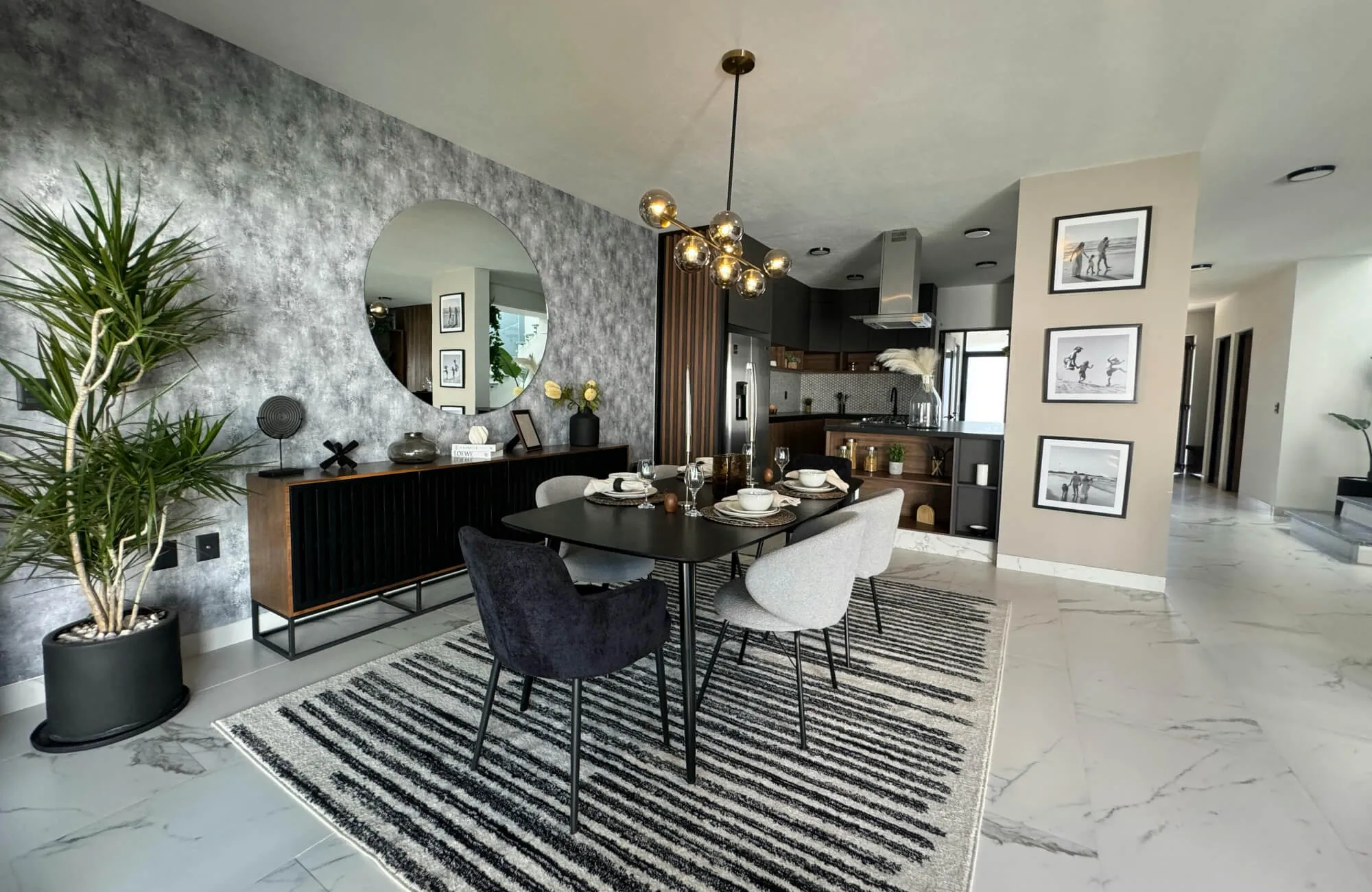
A dining room mirror can shape the experience of the space, and deciding whether to include one depends on what you want to feel and notice each time you gather at the table. For many households, the dining room serves as a space to connect, unwind, and host, so adding a mirror can subtly influence its atmosphere and purpose. In this article, we’ll explore the design, functional, cultural, and practical considerations that can help you make an informed decision whether a mirror will enhance your dining room in a meaningful and balanced way.
The Design Impact Of A Dining Room Mirror
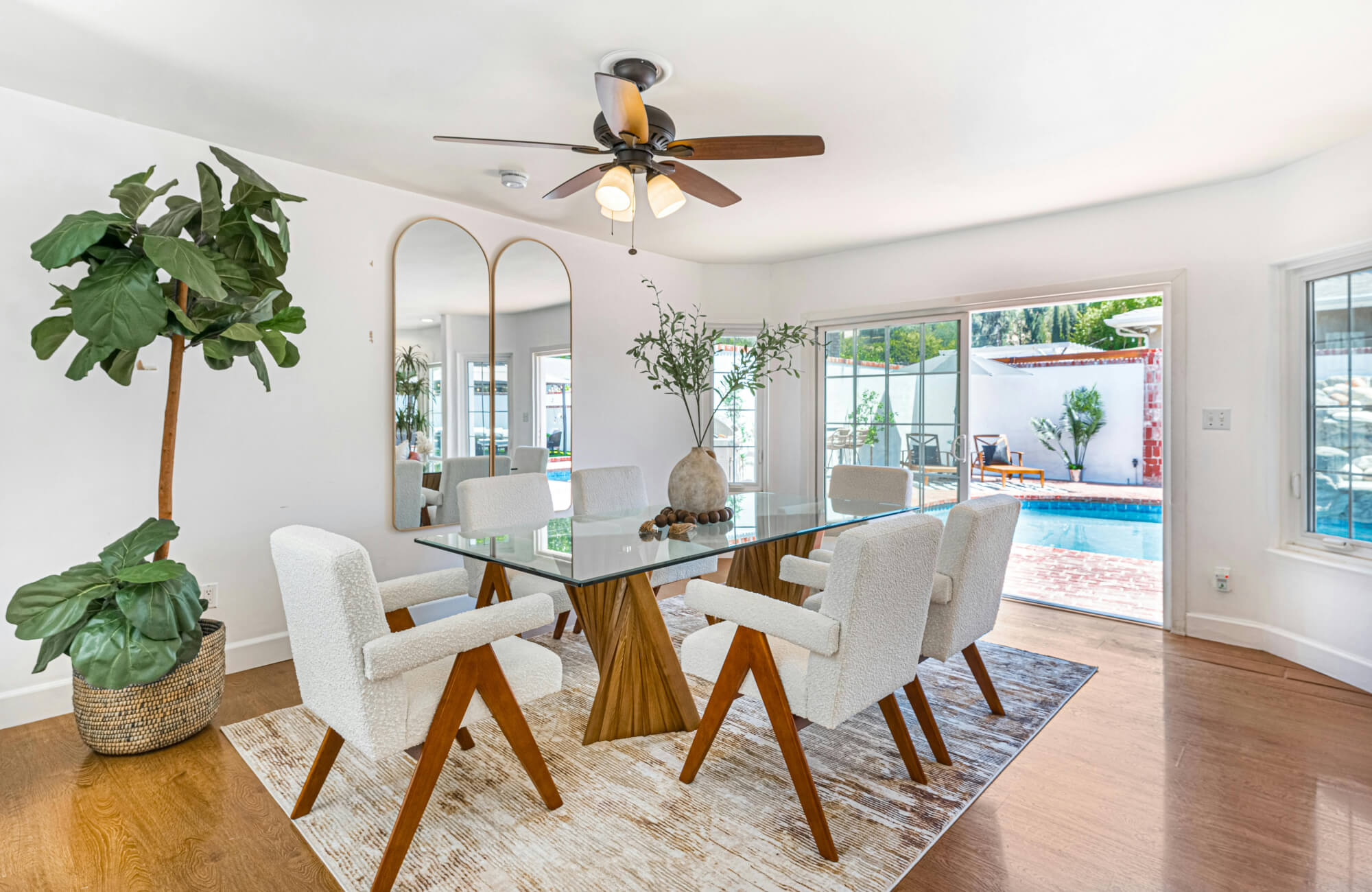
A mirror can reshape the atmosphere of a dining room by affecting how you perceive openness, proportion, and visual flow. It’s often helpful to begin with the design influence because it tends to be the most immediate and noticeable change when a mirror becomes part of the space.
Enhances Perceived Space
Placing a mirror where it reflects open areas can create a sense of visual expansion, helping the dining room feel more spacious. This effect is especially noticeable in smaller rooms, where even a modest mirror can influence how the space is perceived. As you consider placement, pay attention to what the mirror will capture. When it reflects a doorway or an unobstructed path, the added depth feels intentional rather than overwhelming. This approach supports the room’s architecture and avoids introducing unnecessary visual clutter.
Shapes The Room’s Focal Points
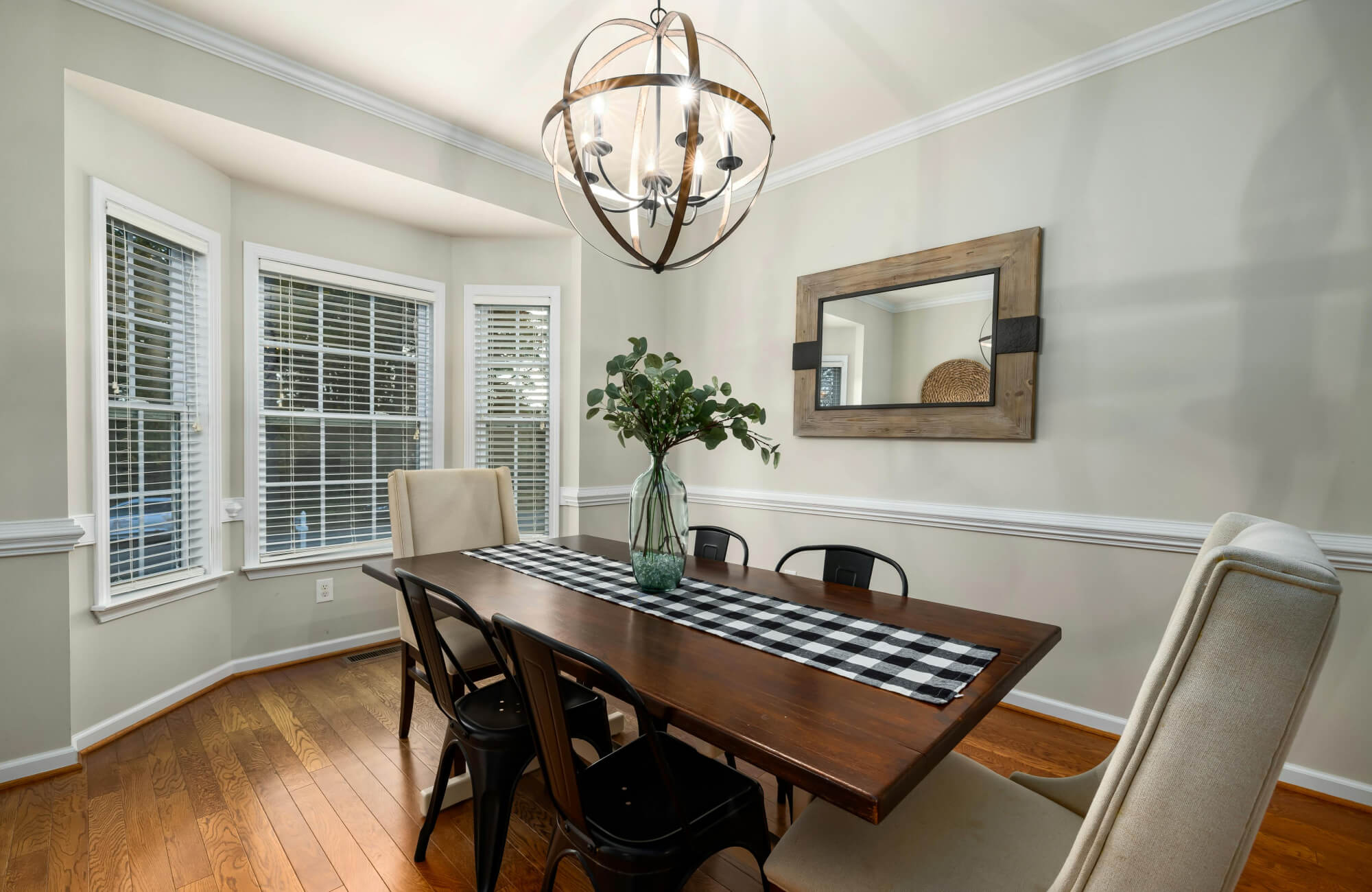
A mirror can help direct attention toward specific features in the dining room, making it useful when you want to highlight a design element. For example, if you have a pendant light, an accent wall, or another detail you want to show, angling the mirror to reflect it creates a subtle, natural emphasis. This approach allows you to influence what people see first when they enter the room, creating a more curated experience. Over time, the dining area develops a clearer sense of intention, helping each element feel connected within the overall design.
Complements Specific Styles
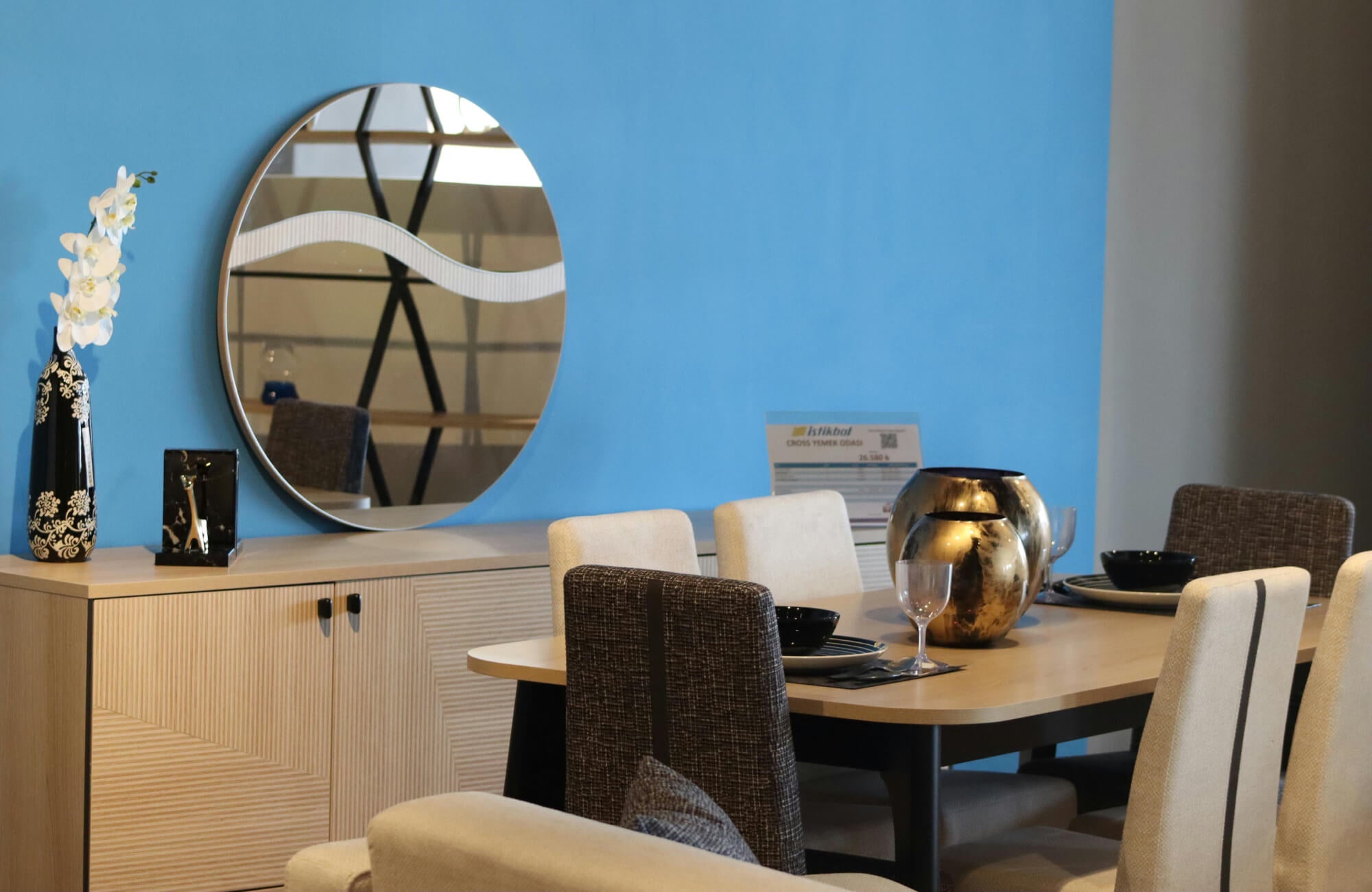
Mirrors come in a variety of shapes and frames, and choosing the right one can strengthen the overall style of your dining room. Rounded mirrors, such as Edward Martin’s Esmeralda Round Mirror in Polished Brass, can soften the clean lines of modern or minimalist spaces by introducing a gentle curve into the room. In contrast, framed rectangular designs often complement more traditional interiors. As you consider different options, think about how the mirror interacts with the table, seating, and surrounding architectural details. When these elements work together, the mirror feels naturally integrated rather than added as simple decoration, creating a more cohesive and balanced environment.
Light Optimization Through Mirrors
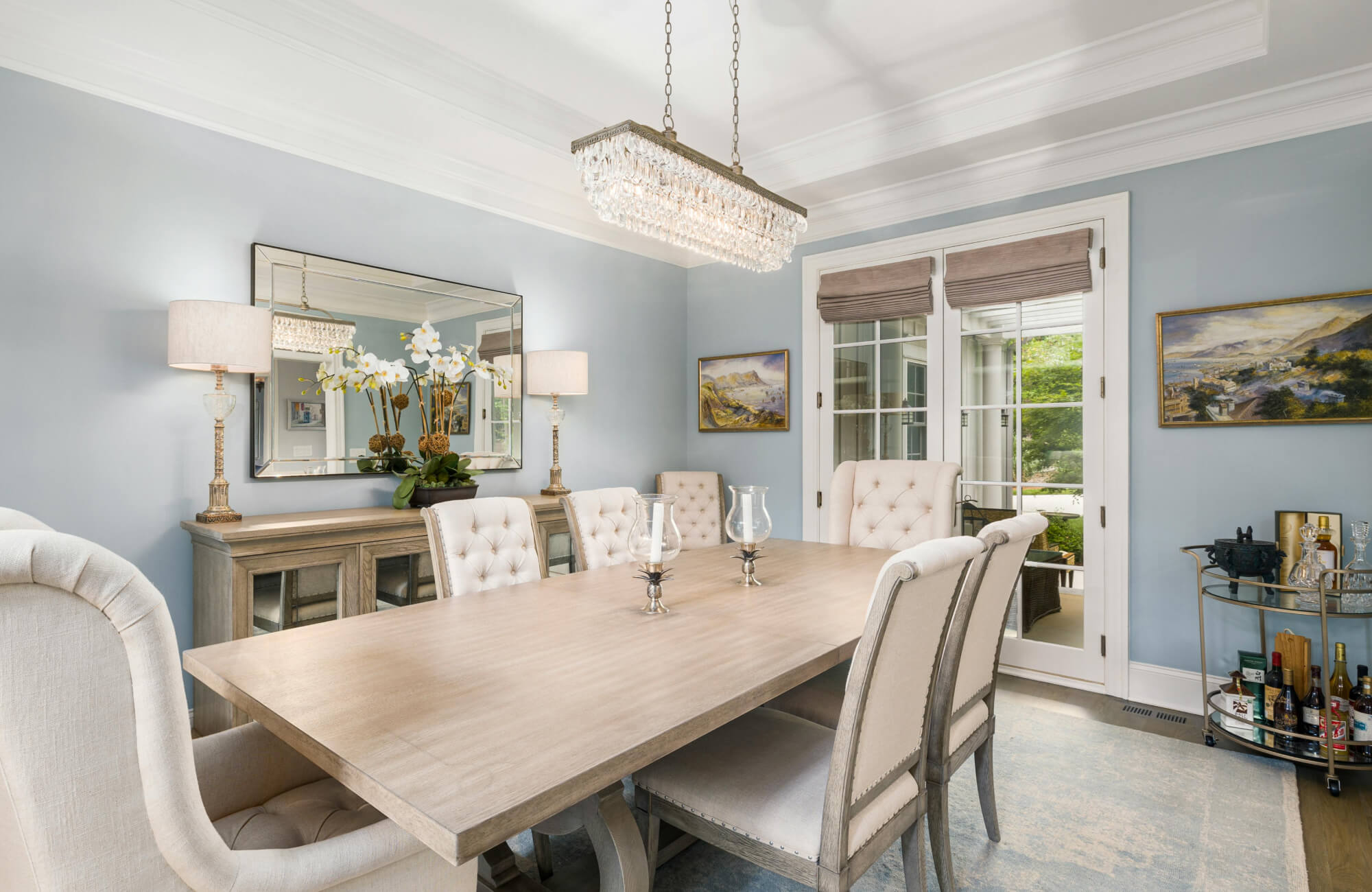
Mirrors shape the way light travels through a dining room, and when placed with intention, they can noticeably enhance the lighting experience. They can help brighten dim areas, soften evening illumination, or reinforce the warmth or coolness of your existing lighting, depending on the atmosphere you want to create.
Boosts Natural Light Reach
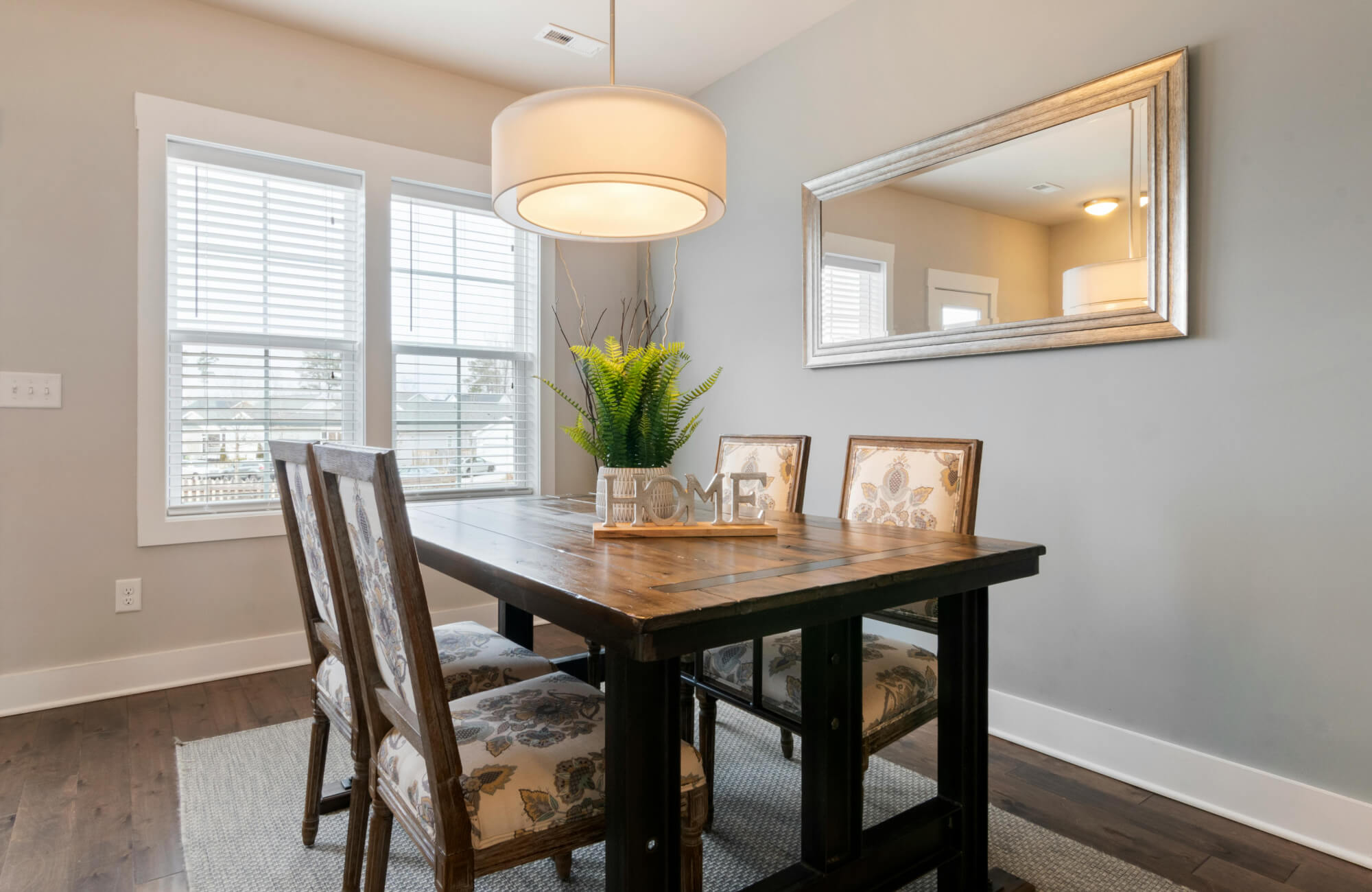
Placing a mirror where it can reflect natural light helps brighten areas that the window cannot illuminate on its own. When placed across from or slightly angled toward the window, the daylight spreads more evenly throughout the dining room. This approach is also helpful in spaces with a single window or a layout that limits direct light. As the mirror redirects the brightness, the room often feels softer and more uniform, creating a more welcoming atmosphere for daytime meals.
Strengthens Ambient Lighting
If you prefer softer lighting in the evenings, a mirror can help extend that illumination, making the room feel more evenly lit. When it reflects light from pendant fixtures or sconces, the glow extends farther into the space, which can be especially useful in rooms with darker walls or substantial furnishings. By adjusting the angle, you can fine-tune the reflection until it feels gentle rather than intense. This added layer of light supports a warm, comfortable atmosphere that also works well for relaxed gatherings or quiet dinners at home.
Refines Mood Lighting
A mirror can also influence the atmosphere of the dining room by enhancing the color tone of your lighting. When the light is warm, the reflection adds a sense of depth and softness, while cooler lighting appears clearer and more defined without feeling harsh. A piece like the Raelynn Mantel Mirror in Polished Brass can subtly amplify these effects, reflecting light in a way that enriches the room’s overall mood. This gentle influence gives you more control over the space’s character, helping you shape an atmosphere that matches the mood you want to create. In this way, a mirror becomes a simple tool for experimenting with lighting without adding more fixtures.
Functional And Spatial Benefits
Aside from appearance and light, a dining room mirror can also offer practical advantages that make the space easier and more comfortable to navigate. Many people are often surprised by how much a mirror can influence movement patterns and contribute to a clearer sense of organization.
Improves Navigation And Visual Flow
When the dining room has limited space around the table or narrower passageways, a mirror can help the area feel less confined. By directing the eye outward, it creates the impression of greater openness even when the furniture arrangement remains unchanged. This shift often encourages smoother movement and eases the sense of tightness that can develop in compact layouts. In effect, the mirror provides a visual pathway that makes the room feel more comfortable to walk through.
Supports Multi-Use Dining Spaces
If your dining room serves multiple purposes, a mirror can help clarify the different roles within the space. Whether part of the room is used for homework, work-from-home tasks, or creative projects, the mirror provides a visual distinction without the need for physical dividers. This subtle separation keeps the dining area feeling intentional while still accommodating multiple activities. As a result, the boundary between mealtime and non-mealtime tasks becomes clearer, which often leads to better overall organization.
Highlights Decorative Displays
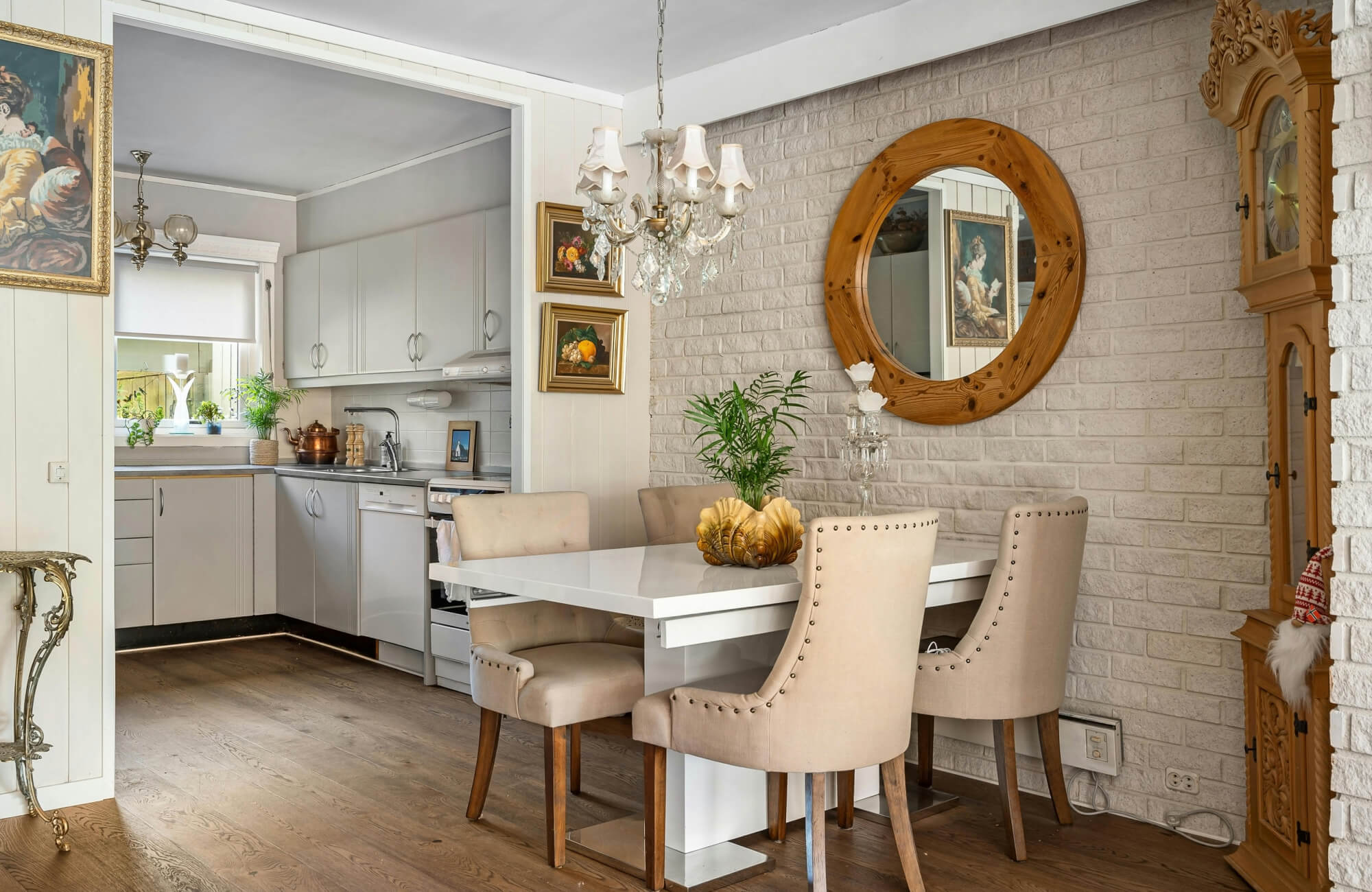
Placing a mirror behind a sideboard, shelving unit, or curated display can enhance the presence of those pieces by reflecting their forms and details. A piece like Edward Martin’s Tristan Square Mirror in Polished Brass can work especially well in this context, adding depth while complementing the arrangement in front of it. Rather than adding more objects to fill open areas, the reflection creates a sense of layered composition. This approach is particularly effective if you prefer a minimal layout that still feels visually engaging. It also helps smaller decorative accents appear more intentional without adding clutter to the room.
Psychological And Emotional Influence
Mirrors contribute to the emotional atmosphere of a dining room, influencing how people feel when they gather for a meal. Because dining rooms often serve as social spaces, the psychological impact of a mirror can also play a more significant role than many expect.
Encourages Social Energy
During gatherings, the reflection of people interacting can make the dining room feel more lively and engaging. This added sense of movement often encourages conversation and brings a natural energy to the occasion. Instead of competing with what’s happening in the room, the mirror subtly extends the activity, making the space feel more vibrant. For those who enjoy spirited meals, this can also be a welcome way to enhance the social atmosphere without relying on extra decor.
Affects Personal Comfort
People respond differently to seeing movement or activity reflected while they eat. For some, it adds interest to the room, while others prefer a calmer visual field. Because of this, personal comfort becomes an equally important factor when choosing the size and placement of a dining room mirror. If the mirror feels too large or sits too close, it may introduce a sense of self-awareness that distracts from the meal. By selecting a size that feels balanced, you can stay at ease while still enjoying the sense of openness a mirror brings to the space.
Shapes Perceived Abundance
In many design perspectives, reflecting food or a set table is associated with a sense of plenty. Even without cultural context, seeing the table mirrored can make the meal feel more generous and complete. This subtle cue often enhances the dining experience, particularly during gatherings. By amplifying what the table represents, the mirror offers a visual reminder of hospitality and the moments shared around it.
Cultural Considerations And Symbolic Meaning
Cultural traditions and personal beliefs often influence whether a dining room mirror feels suitable for your home. Understanding these interpretations can help you choose a placement that aligns with your values and supports the atmosphere you want to create.
Mirrors In Feng Shui
In Feng Shui, dining room mirrors are often viewed positively because they symbolize abundance. To reinforce this idea, the mirror is ideally positioned to reflect the table or another element associated with nourishment. However, it should avoid capturing clutter, sharp architectural angles, or areas that feel unsettled. When the reflection conveys balance and harmony, the mirror is thought to support the overall energy of the home.
Cultural Interpretations Of Reflection
Different cultures assign varied meanings to mirrors, which can also influence how they are used in dining spaces. In some traditions, a dining room mirror represents clarity, balance, or togetherness, making it a natural addition to a room where people gather. In others, mirrors near eating areas may be avoided due to associations with distraction or heightened self-awareness. Considering these perspectives allows you to make a choice that respects your background and supports a dining environment where everyone feels at ease.
Aligning Mirrors With Family Rituals
Families often develop their own dining habits, and a mirror should complement those routines rather than interrupt them. For instance, if your household prefers calm, focused meals with little visual movement, placing the mirror off to the side can help maintain that atmosphere. On the other hand, if your meals are lively and social, a more prominent placement may enhance that energy. By considering how your family interacts with the dining room, you can position the mirror in a way that supports your rituals instead of complicating them.
Practical Considerations For Choosing And Placing A Mirror
Choosing a dining room mirror involves more than selecting a design that appeals to you. The size, placement, and installation should suit the space so the mirror enhances comfort, supports safety, and feels appropriate for everyday use.
Choosing The Right Size
Larger mirrors often work well on long walls or when you want to create a greater sense of openness in the dining room. A piece like our Esmeralda Wide Mirror in Polished Brass can serve this purpose effectively, offering a broad reflective surface that complements an extended wall. In contrast, smaller mirrors often work better above a sideboard or in compact spaces where a larger surface might feel overwhelming. As you compare options, consider how the mirror relates to the surrounding furniture and the height of the walls. When the proportions feel aligned, the mirror appears more natural and helps maintain visual harmony.
Safe And Secure Installation
Dining rooms are active spaces where people move chairs, serve food, and gather closely. Because of this movement, a mirror needs to be securely anchored. For this reason, selecting strong brackets and proper hardware is essential to ensure long-term stability. Additionally, the height of the mirror plays an important role. By hanging it at a level that avoids accidental contact and prevents glare from hitting the eyes, you also help maintain both comfort and safety in the room.
Minimizing Glare And Visual Distraction
A mirror can enhance the dining room’s appearance, but only if the reflection feels comfortable and intentional. Before installing it, using temporary markers to test placement allows you to see what the mirror captures throughout the day. This helps you spot reflections from bright windows, active hallways, or other distracting areas. By adjusting the angle or height, you can create a cleaner and more enjoyable visual experience that supports the atmosphere you want in the dining room.
Using A Mirror In The Dining Room
A mirror can be a good addition to a dining room, especially when your goal is to enhance light, create a sense of openness, or influence the room’s overall mood. Its impact depends on how well it suits the space, your comfort level, and the way your household uses the room. When these considerations align, a mirror becomes a thoughtful feature that supports the dining experience rather than feeling like an afterthought. Ultimately, it can be a worthwhile choice if it contributes to the atmosphere and functionality you want in your dining room.
If you’re planning to update your space and would like guidance on choosing the right mirror, you’re welcome to contact us for assistance. Our design service can help you explore options, understand placement, and create a dining room that feels cohesive, comfortable, and aligned with your goals.
Follow us on Instagram
@EDWARD.MARTIN
)
)
)
)
)
)
)
)
)
)
)
)
)
)
)
)