

)
)
)
)
)
)
)
)
How To Layer Lighting In A Dining Room For Ambience And Function
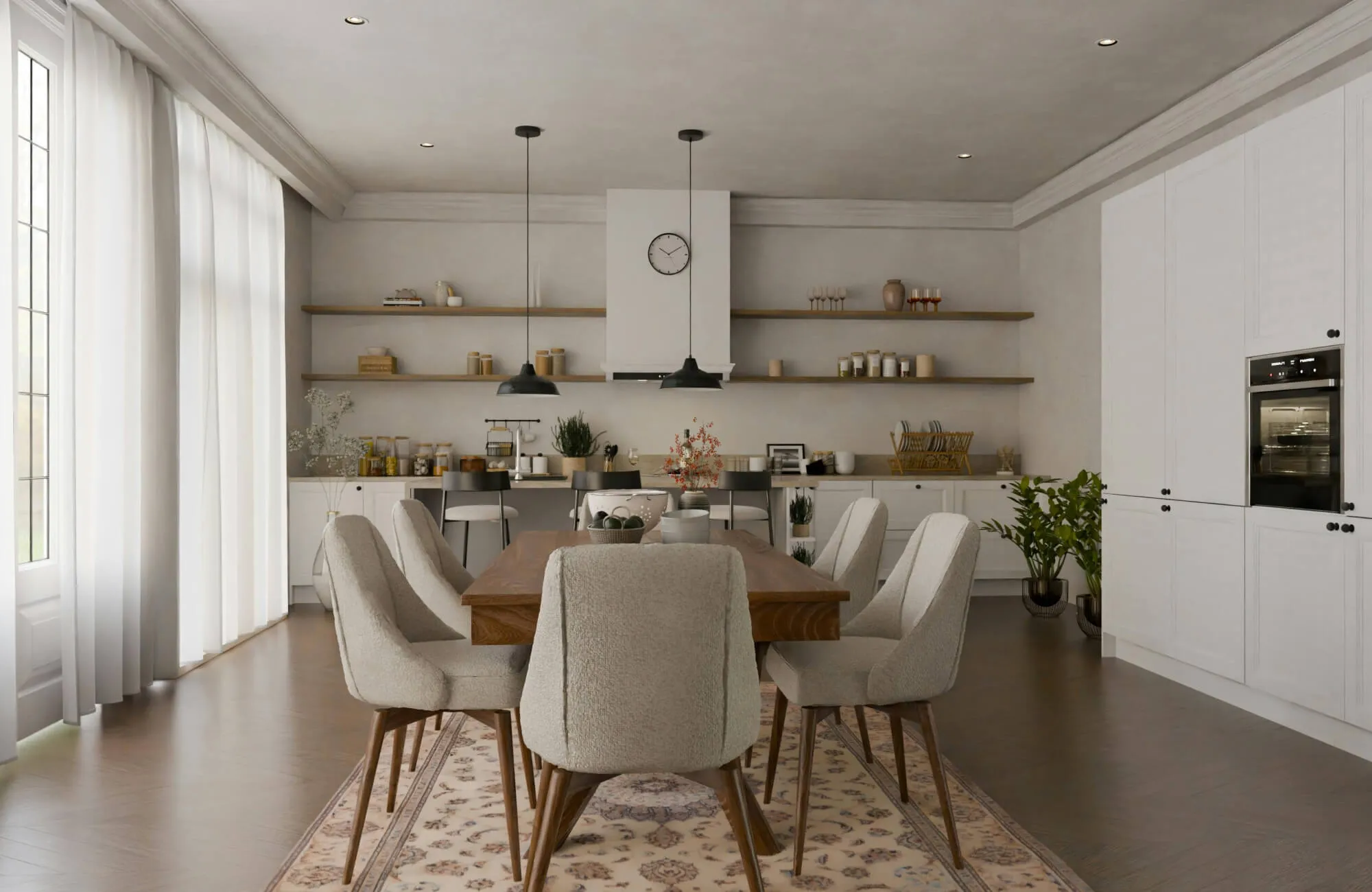
Most dining rooms are used in more than one way, yet the lighting rarely reflects that. The same table hosts quick weekday meals, long conversations, and occasional gatherings, but one overhead light is often expected to handle it all. That’s where layered lighting makes a difference. In this blog, we’ll walk through how to layer lighting in a dining room so it feels practical for daily use while still supporting ambience when the moment calls for it.
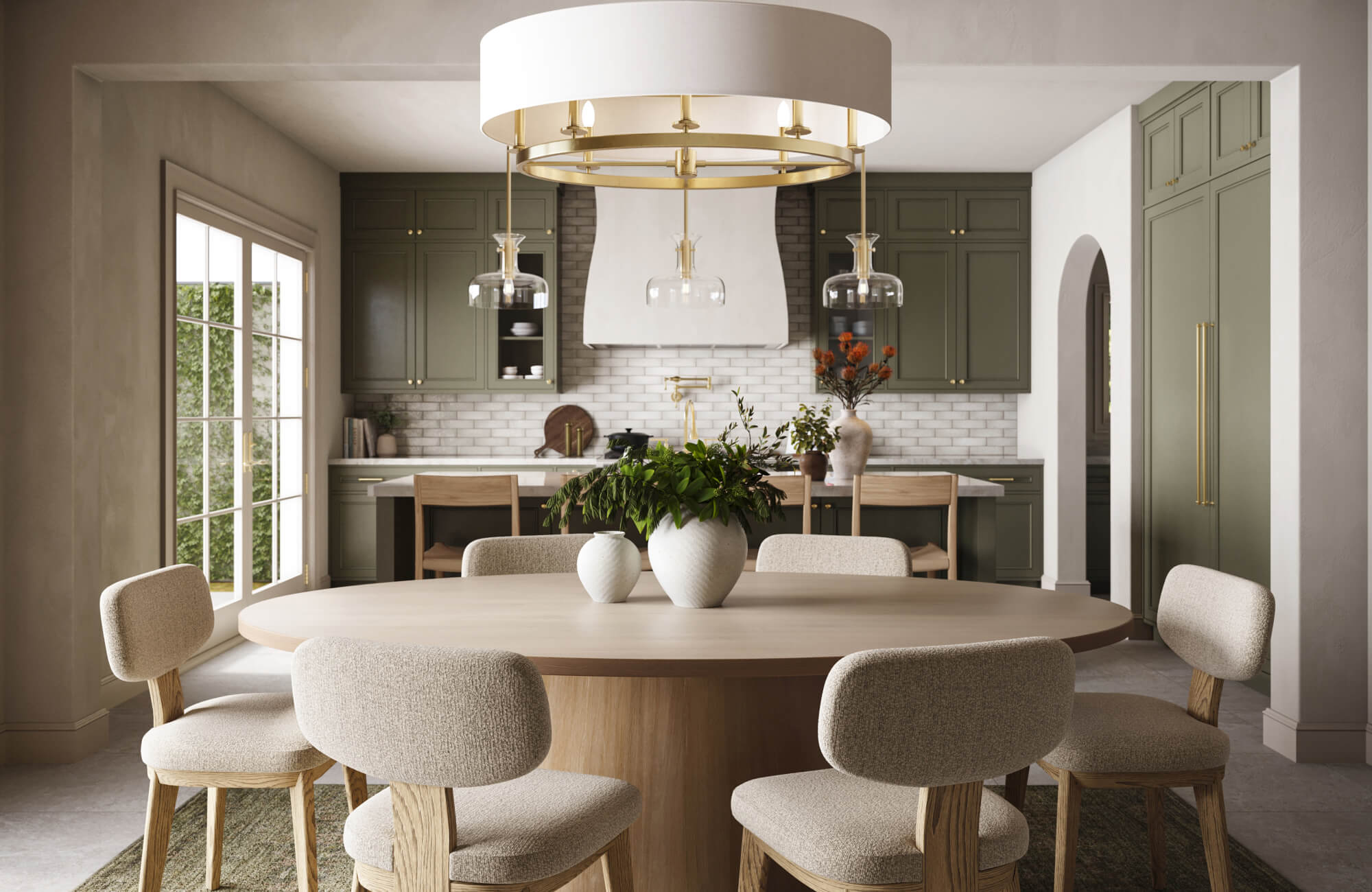
Why Layered Lighting Matters In Dining Rooms
Dining rooms serve more than one purpose, which is why a single lighting source rarely meets every need. Layered lighting combines different types of light to support both everyday meals and special gatherings without constantly adjusting the room. When done well, it makes the space feel more comfortable, flexible, and inviting throughout the day.
Why One Overhead Light Is Rarely Enough
Relying on a single overhead light often leaves a dining room feeling flat and overly bright or, in some cases, too dim around the edges. While it may provide basic visibility, it doesn’t adapt well to different moments like casual dinners or longer conversations after a meal. Shadows can form easily, especially in larger or open dining spaces. Because all the light comes from one source, the room lacks depth and warmth. Over time, this can make the space feel less welcoming. Layering light helps break up that harshness and creates a more balanced feel.
Balancing Atmosphere With Practical Illumination
A dining room needs to feel inviting, but it also has to function well during meals and gatherings. Layered lighting makes it easier to strike that balance by combining softer ambient light with more focused illumination. For example, ambient lighting sets the mood, while additional light ensures faces, food, and table settings are clearly visible. This approach keeps the room from feeling too dark or overly bright. It also allows the space to shift naturally from everyday use to entertaining. Because the lighting works together, the room feels intentional rather than improvised.
How Dining Room Activities Change Lighting Needs
Lighting needs shift depending on how the dining room is being used. Everyday meals may call for comfortable, even lighting, while hosting guests often benefits from a warmer, more layered glow. Longer dinners and conversations also require lighting that feels easy on the eyes over time. With layered lighting, the room can adjust to these changes without relying on a single harsh source. This flexibility makes the space more enjoyable to use in different ways. It also helps the dining room feel ready for both routine and special occasions.
The Relationship Between Light Levels and Comfort
Light levels play a big role in how comfortable a dining room feels. Too much brightness can feel harsh and distracting, while too little light can make the space feel closed off. Layered lighting allows for better control over these levels by spreading light throughout the room. This creates a softer, more even glow that’s easier to live with. It also reduces eye strain during longer meals or gatherings. When light levels feel right, the entire dining experience becomes more relaxed and enjoyable.
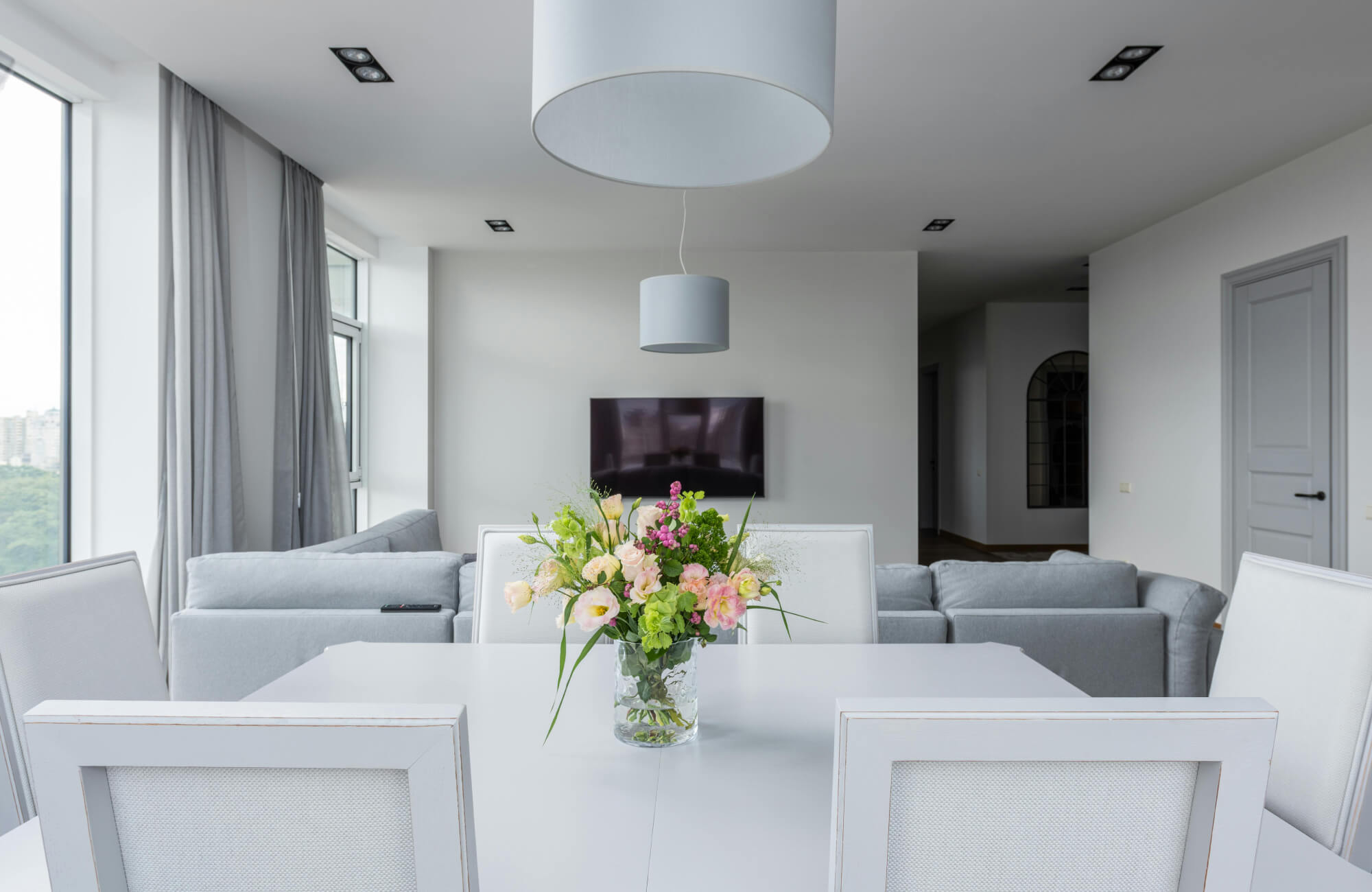
Choosing The Right Ceiling Lighting Foundation
Ceiling lighting sets the tone for the entire dining room because it provides the base layer that everything else builds on. When this foundation is done well, the room feels evenly lit and comfortable from the moment you turn the lights on.
Ceiling Lighting as the Primary Ambient Layer
Ceiling lighting acts as the main source of overall brightness in a dining room. Its role is to fill the space with even, comfortable light rather than draw attention to itself. When this layer works properly, the room feels usable without relying on additional lights right away. It also helps eliminate dark corners that can make the space feel smaller or less inviting. Because this lighting stays on most of the time, it should feel natural rather than overpowering. A strong ambient base creates a smoother transition into more decorative layers.
Flush Mount Lighting for Low or Standard Ceilings
Flush-mount lighting is often the most practical choice for dining rooms with low or standard ceiling heights. Because these fixtures sit close to the ceiling, they provide good coverage without visually lowering the room. This helps maintain a sense of openness while still delivering enough light for everyday use. Flush mounts also tend to distribute light evenly across the space. That makes them a reliable foundation for layered lighting. In many dining rooms, they quietly do their job without competing with other elements.
Linear Lighting for Long Dining Tables
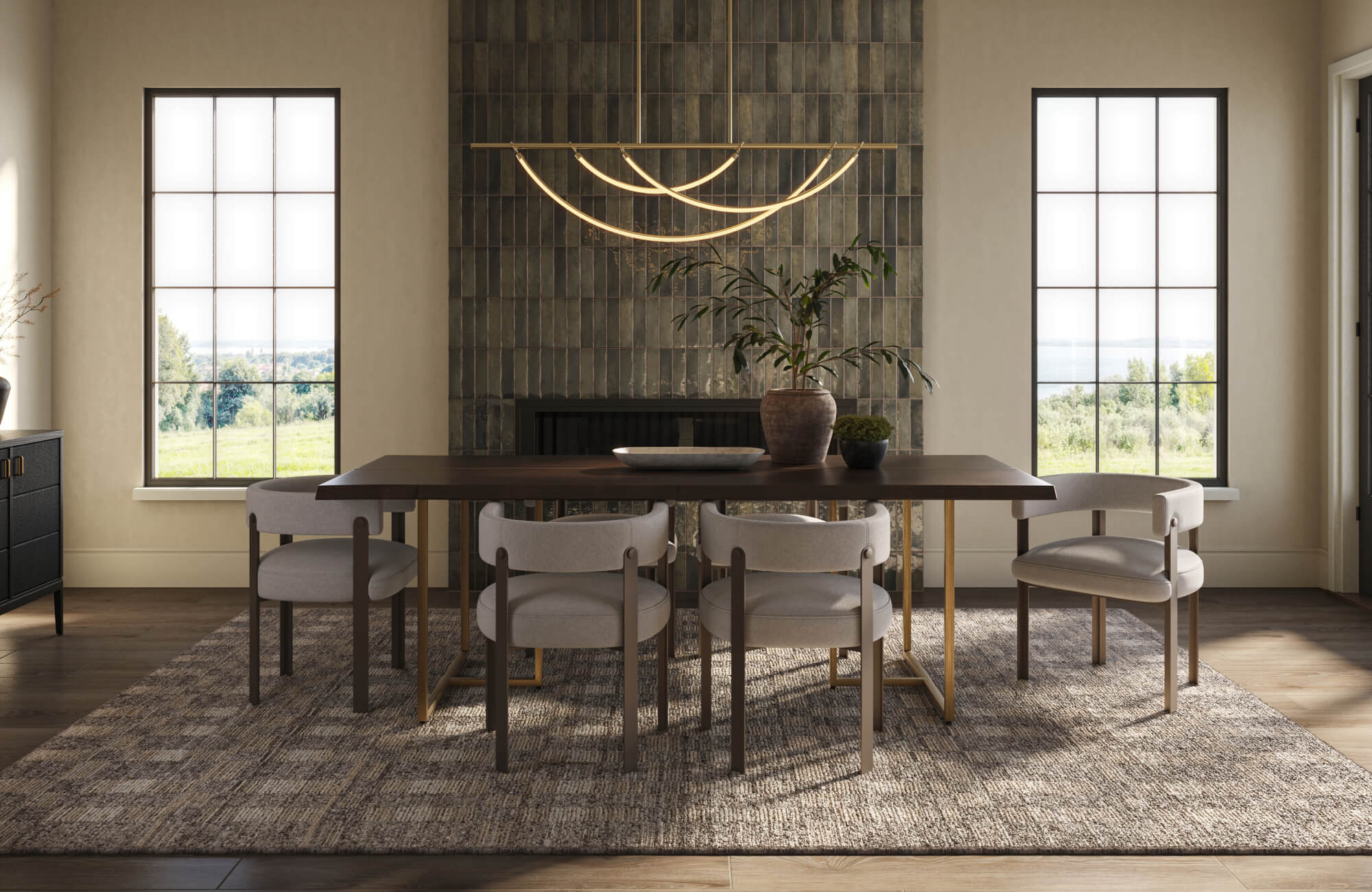
Linear ceiling lighting works especially well in dining rooms with long tables or rectangular layouts. Spreading light across a wider area helps ensure the entire table is evenly illuminated. This can be important during gatherings where people are seated along the full length of the table. Linear fixtures also support better visual balance in elongated spaces. Rather than concentrating light in one spot, they guide it along the table’s shape. This creates a more cohesive and functional dining environment.
Semi-Flush Mount Lighting for Added Dimension
Semi-flush mount lighting, such as our Odessa Semi Flush In Aged Brass, offers a middle ground between flush fixtures and more decorative ceiling lights. These fixtures hang slightly below the ceiling, which adds depth without overwhelming the space. They work well in dining rooms that need a bit more character but still rely on ceiling lighting for ambient brightness. Because the drop is minimal, they don’t interfere with sightlines or make the ceiling feel lower. This makes them a flexible option for many dining room layouts. They add interest while still supporting the overall lighting foundation.
Recessed Ceiling Lighting for Even Coverage
Recessed lighting can be a helpful addition when even, unobtrusive illumination is the goal. These lights sit within the ceiling, keeping the focus on the room rather than the fixtures themselves. When spaced thoughtfully, they help fill in shadows and support the primary ambient layer. Recessed lighting works especially well in open or shared dining spaces. It also pairs easily with pendants or chandeliers over the table. Used correctly, it enhances brightness without drawing attention.
When Ceiling Lighting Should Stay Subtle
In some dining rooms, ceiling lighting works best when it blends into the background. If the goal is to create a warm, layered atmosphere, overly bright or attention-grabbing ceiling fixtures can feel distracting. Subtle ceiling lighting allows other layers to shine without sacrificing visibility. It also helps the room feel calmer and more refined. This approach is especially useful in spaces designed for hosting or long meals. Keeping the ceiling layer understated supports a more relaxed dining experience.
Using Pendants And Chandeliers To Define The Dining Table
Lighting over the dining table plays a major role in how the room feels and functions. Pendants and chandeliers help anchor the table visually while adding warmth and character to the space. When chosen thoughtfully, they create a clear focal point without overwhelming the rest of the room.
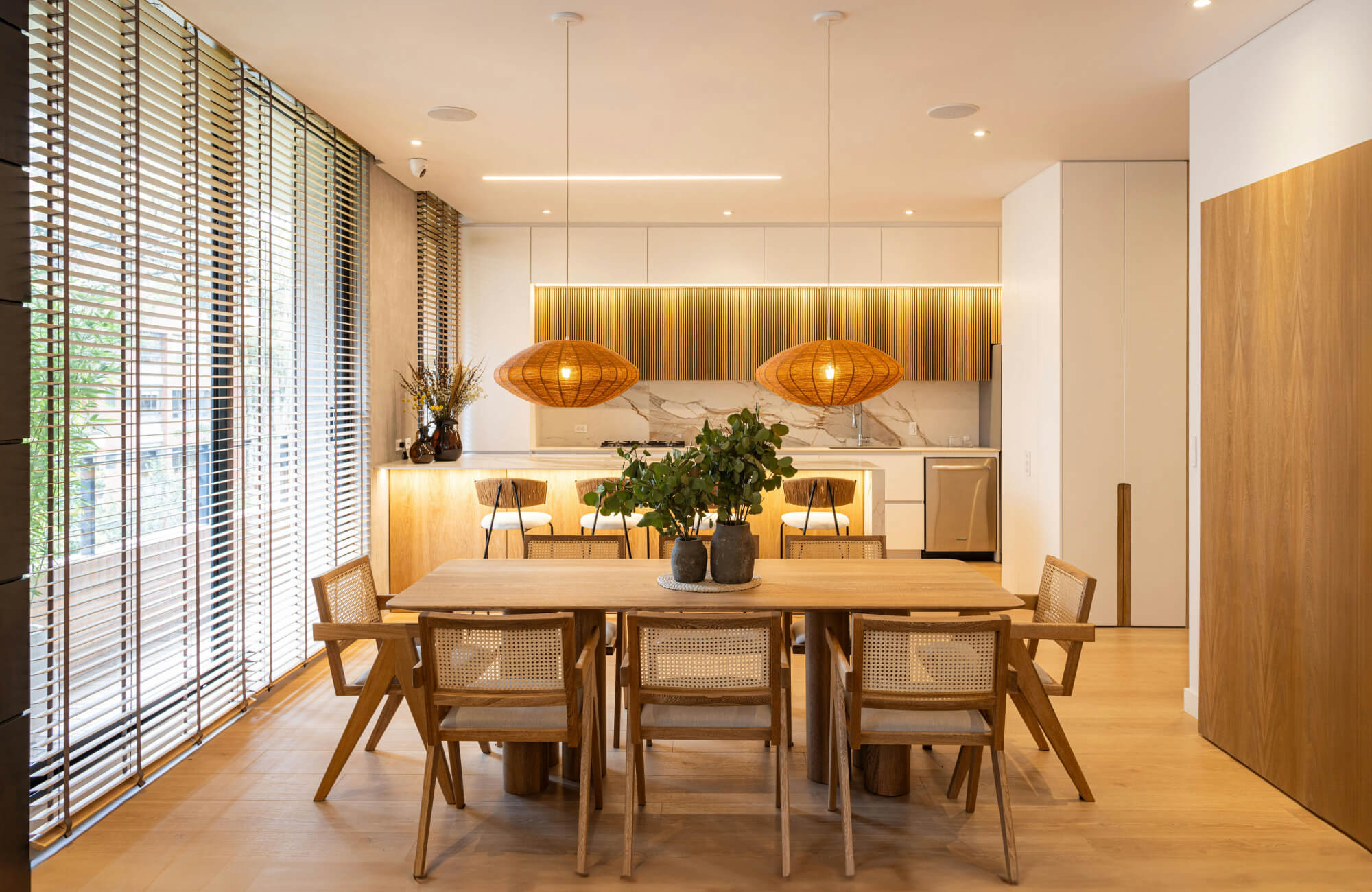
Pendants as a Focused Task and Visual Lighting
Pendants work well over dining tables because they deliver light exactly where it’s needed. They help illuminate the table surface while also adding a decorative element that draws the eye downward. This makes meals feel more intimate and intentional, especially during evening use. Pendants also offer flexibility in style, which allows them to blend in or stand out depending on the room’s overall look. Because the light is more focused, the surrounding space can stay softer. That contrast helps the dining area feel defined without feeling closed in.
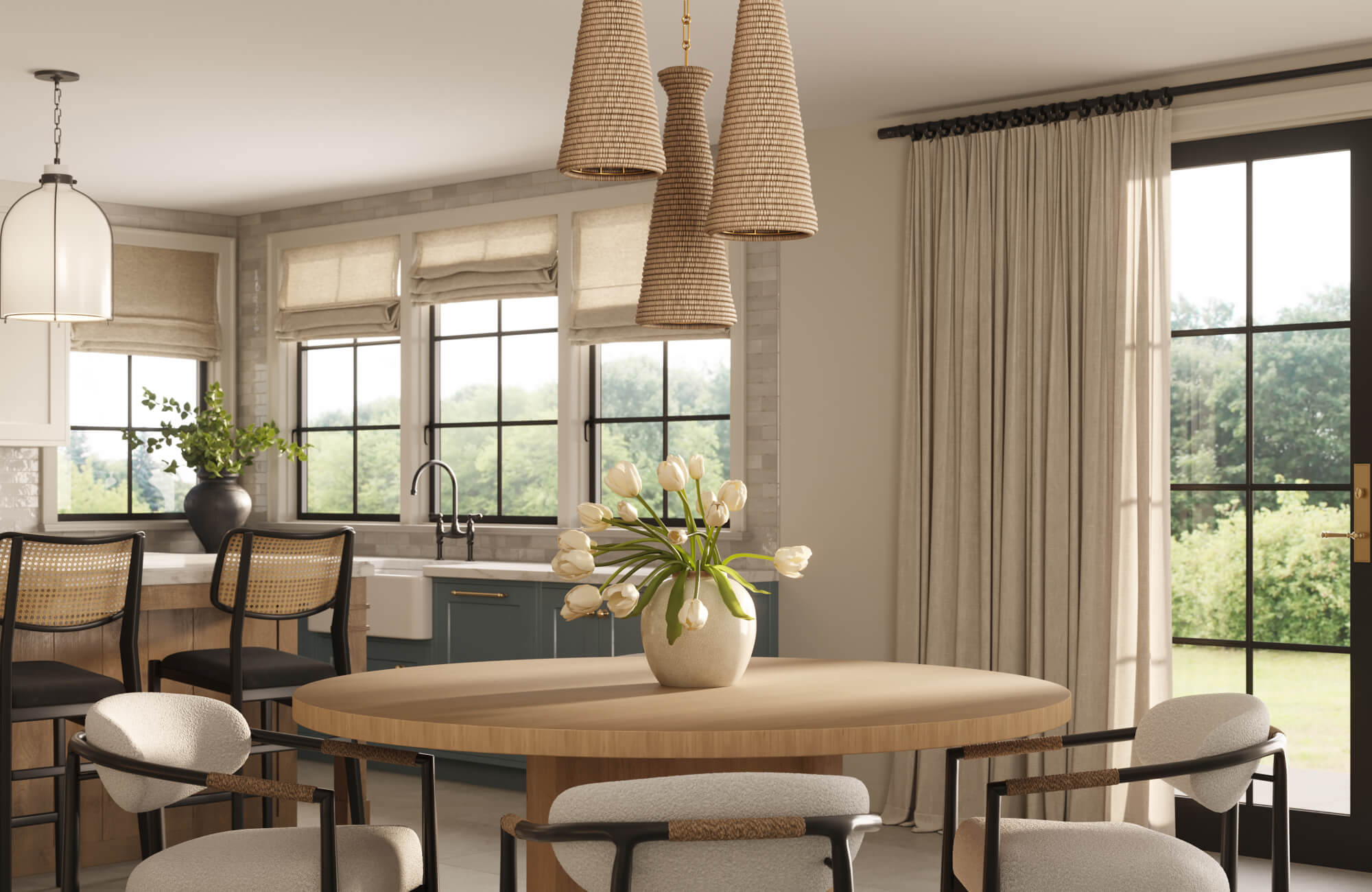
A great example of this is our Santos Pendant in Vintage Gold Leaf above, which shows how pendants can deliver focused light while adding sculptural presence. Its tapered, handwoven wood-bead shade draws the eye down toward the table, helping define the dining zone without overpowering the room. The warm gold leaf finish softly reflects light, creating a glow that feels intimate rather than harsh. When used over a dining table, this type of pendant balances task lighting with visual warmth, reinforcing both function and ambience.
Chandeliers for Statement and Ambient Glow
Chandeliers are often chosen when the goal is to make the dining table the visual centerpiece of the room. Rather than providing sharp, focused light, they tend to cast a softer, more diffused glow. This creates an inviting atmosphere that works well for hosting and longer meals. Chandeliers also help establish scale, especially in dining rooms with higher ceilings. Because they’re visually prominent, they often influence the rest of the room’s design. When balanced with other light layers, they add drama without overwhelming the space.
Choosing Between Pendants and Chandeliers
Deciding between pendants and chandeliers often comes down to how you want the dining room to feel. Pendants usually feel more modern and controlled, while chandeliers lean toward a classic or statement-driven look. The size of the table and the height of the ceiling also play a role in that decision. For example, a long table may benefit from multiple pendants, while a round table often pairs well with a single chandelier. Both options can work beautifully when matched to the room’s proportions. The key is choosing a fixture that complements the table rather than competing with it.
Sizing and Spacing Lights Over the Table
Proper sizing and spacing help pendants and chandeliers feel comfortable rather than overwhelming. A fixture that’s too large can dominate the table, while one that’s too small may feel disconnected. Spacing also matters because lights placed too close together or too far apart can throw off the balance of the room. Ideally, the light should be centered over the table and aligned with its shape. This keeps the focus where it belongs and supports even illumination. When the proportions feel right, the dining area naturally feels more inviting.
Layering Wall Lighting For Warmth And Depth
Wall lighting plays an important role in dining rooms by adding softness and dimension that overhead lighting alone can’t achieve. By spreading light across vertical surfaces, wall-mounted fixtures help the room feel warmer and more layered. This added depth makes the dining space feel more comfortable and visually balanced.
Wall Lighting as the Supporting Layer
Wall lighting acts as a supporting layer that fills in gaps left by ceiling fixtures. Instead of lighting the room from above, it introduces light at eye level, which feels more natural and relaxing. This helps soften shadows and reduce contrast, especially during evening meals. Wall lighting also allows the dining room to feel complete even when overhead lights are dimmed. Because it works quietly in the background, it rarely draws attention to itself. Instead, it supports a calm, welcoming atmosphere.
Wall Sconces for Ambient and Accent Light
Wall sconces are one of the most versatile ways to introduce wall lighting into a dining room. They provide gentle ambient light while also highlighting specific areas, like a sideboard or architectural detail. This dual purpose makes them especially useful in layered lighting plans. Sconces can help frame the room and create visual rhythm along the walls. They also contribute to a softer glow that feels less formal than overhead lighting. When used thoughtfully, they add warmth without overpowering the space.
If you want to achieve this kind of soft, layered effect, our Jodie Wall Sconce in Antique Brass Iron is a great fixture to consider. Its frosted glass shades gently diffuse light, creating a warm glow that works well alongside overhead lighting rather than competing with it. The curved arms and earthy brass finish add subtle visual interest to the wall, helping frame the dining space without drawing too much attention.
Picture Lights to Highlight Artwork or Buffets
Picture lights are often associated with artwork, but they can also enhance functional areas in a dining room. Mounted above art or a buffet, they draw attention to focal points while adding a subtle layer of light. This helps break up large wall surfaces and adds visual interest. Picture lights also contribute to a more curated, intentional feel. Because the light is focused and controlled, it doesn’t compete with other layers. Instead, it adds character and depth to the room.
Bathroom Vanity Lighting Concepts Applied to Dining Rooms
Bathroom vanity lighting concepts can surprisingly work well in dining rooms, especially when adapted thoughtfully. These fixtures are designed to provide even, flattering light at eye level, which translates nicely to dining spaces. Using similar ideas, such as balanced side lighting, can reduce harsh shadows and improve overall comfort. This approach works particularly well near mirrors or reflective surfaces. It also adds a subtle design connection between rooms. When applied carefully, vanity-style lighting can feel both practical and refined in a dining setting.
Creating Balance Between Ambience And Function
A well-lit dining room feels inviting because the lighting adapts easily to different moments. Coordinating ceiling and wall lighting helps the space transition smoothly from everyday meals to hosting without feeling overdone. When the layers work together, the room feels cohesive, comfortable, and easy to live with.
Adjusting Light Levels for Different Occasions
Different occasions call for different light levels, even within the same dining room. Brighter lighting works well for everyday meals, homework, or setup, while softer lighting feels more appropriate for longer dinners and gatherings. Layered lighting makes these shifts feel natural rather than abrupt. Instead of relying on a single source, you can adjust the balance between ceiling and wall lights. This flexibility helps the room feel prepared for both casual and formal use. Over time, those small adjustments make the space more enjoyable.
Using Dimmers to Control Mood and Brightness
Dimmers are one of the simplest ways to bring flexibility into a dining room lighting plan. They allow you to fine-tune brightness without changing fixtures or layers. With dimmers, the same lights can support a lively dinner or a relaxed evening meal. This control helps prevent lighting from feeling too harsh or too dim. It also makes transitions between activities feel smoother. Because of this, dimmers often become an essential part of layered lighting.
Coordinating Light Color and Warmth
Light color plays a big role in how welcoming a dining room feels. Warmer light tends to create a relaxed, inviting atmosphere, while cooler light can feel more functional and alert. In a layered setup, keeping color temperatures consistent helps the room feel cohesive. Mixing tones too dramatically can make the space feel disjointed. Choosing complementary warmth across layers supports a smoother visual flow. This consistency helps the dining room feel intentional and well-thought-out.
How Layered Lighting Enhances the Dining Experience
Layered lighting shapes how people experience the dining room beyond just visibility. It influences mood, comfort, and how long guests want to linger at the table. A well-lit space feels relaxed without being dim and functional without being harsh. This balance supports conversation, dining, and hosting with ease. Over time, thoughtful lighting becomes part of what makes the room enjoyable. When ambience and function align, the dining room truly comes together.
Making Layered Lighting Work For Everyday Dining
Layered lighting brings together comfort and function in a way a single fixture never can. By combining ceiling, table-focused, and wall lighting, a dining room becomes more adaptable for everyday meals, hosting, and special occasions. This approach helps control mood, reduce harsh shadows, and make the space feel welcoming throughout the day. When lighting layers work together, the dining experience naturally feels more relaxed and intentional.
If you’re unsure how to layer lighting in your own dining room, a design consultation can help you make sense of the options. Our design consultation looks at your layout, ceiling height, and how you actually use the space to create a lighting plan that feels balanced. Small adjustments in fixture placement or light levels can make a noticeable difference. With expert guidance, it becomes easier to create a dining room that feels comfortable, flexible, and thoughtfully designed.
Follow us on Instagram
@EDWARD.MARTIN
)
)
)
)
)
)
)
)
)
)
)
)
)
)
)
)