A bathroom mirror is never just a reflective surface—it is a defining element that shapes the atmosphere, balance, and flow of the entire room. The right mirror shape can expand sightlines, distribute light with precision, and bring harmony between architectural lines and decorative finishes. Designers also view mirrors as both functional tools and sculptural accents, selecting each silhouette to complement vanities, tiles, and lighting in thoughtful proportion. From timeless rectangular mirrors that ground a space with structure to organic shapes that introduce artistic individuality, every choice carries both practical and aesthetic weight. By understanding how these mirror shapes perform in different settings, homeowners can create bathrooms that feel cohesive, refined, and timelessly elegant.

Rectangular Bathroom Mirrors
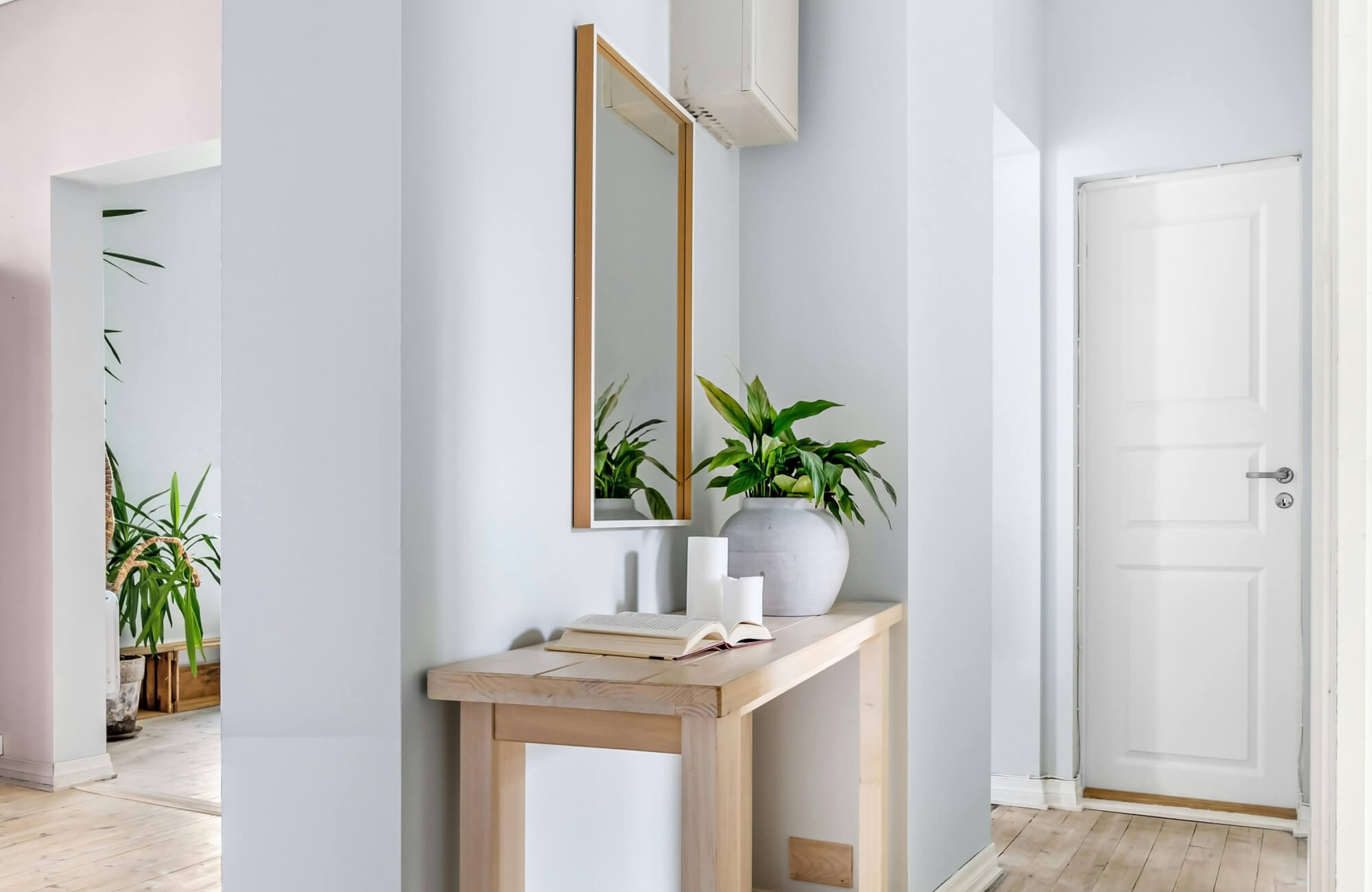
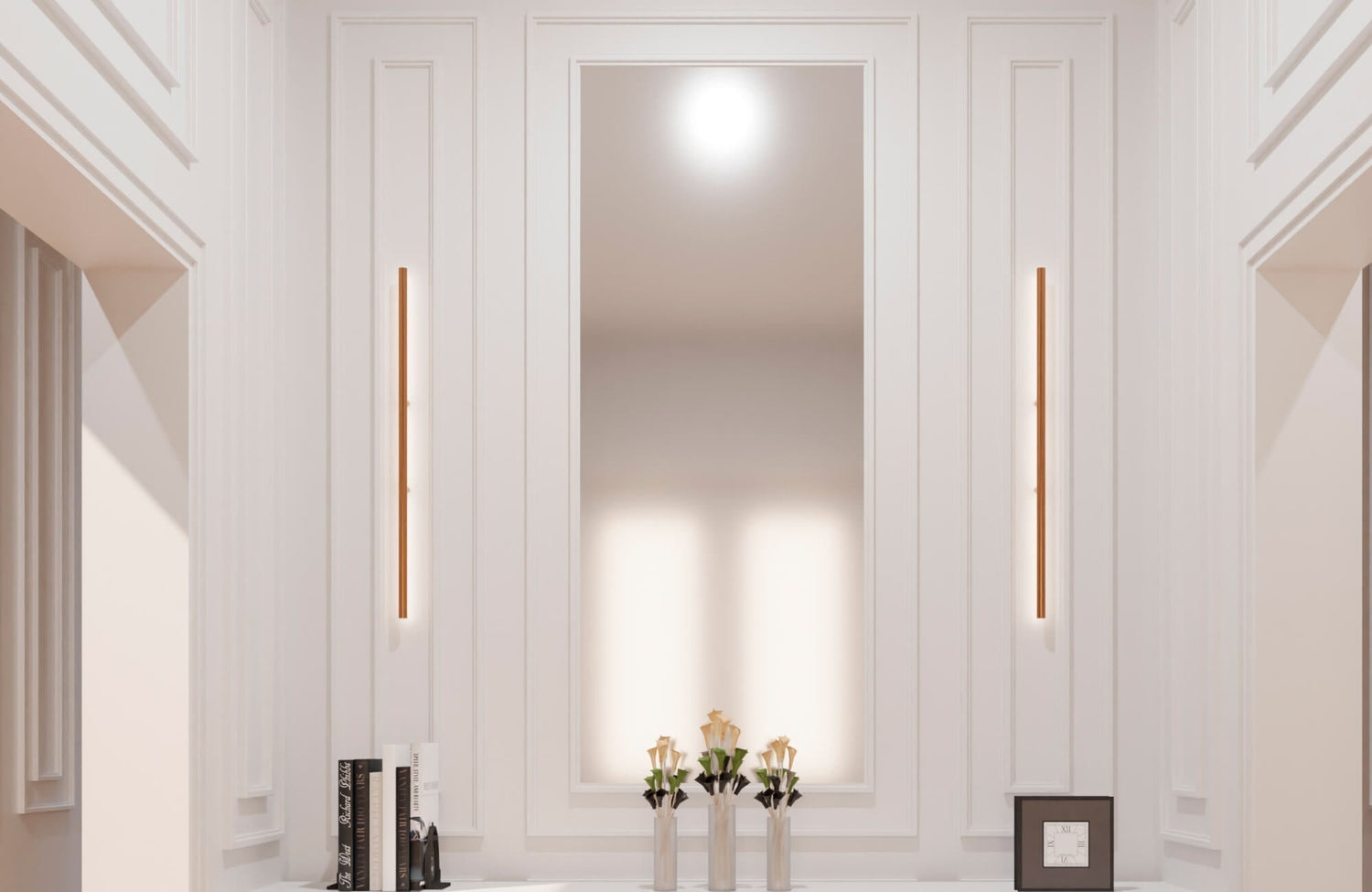
Rectangular mirrors remain the most specified choice in bathroom design because they align naturally with vanities and cabinetry. Their structured geometry offers maximum reflective coverage while ensuring proportional balance across different layouts.
Proportional Alignment
When scaled properly, rectangular bathroom mirrors appear seamlessly integrated with the vanity beneath them. Designers typically recommend mirrors that match or fall one to two inches short of the vanity width, as this subtle margin preserves symmetry without overpowering the wall. In narrow powder rooms, vertically oriented rectangles elongate sightlines and enhance the perception of height. For expansive master baths, horizontally mounted mirrors spanning dual vanities provide continuous reflection that reinforces balance. This careful attention to width and orientation prevents awkward gaps or visual overcrowding. By observing proportional alignment, the mirror becomes a natural extension of the bathroom architecture.
Functional Enhancements
Beyond their shape, rectangular bathroom mirrors often incorporate advanced technology that improves daily use. Many models now feature integrated LED backlighting, which eliminates harsh shadows and distributes light evenly across the face. Anti-fog coatings further enhance functionality by keeping the surface clear even in high-humidity environments. Additional upgrades, such as touch-sensitive brightness controls or color temperature adjustments, make them adaptable to different grooming tasks. Designers also favor smart versions with Bluetooth speakers, which combine entertainment and convenience in a single fixture. These innovations elevate rectangular mirrors into multifunctional design solutions that blend technology with timeless form.
Design Versatility
The rectangular format adapts easily to a variety of bathroom aesthetics, which explains its enduring popularity. For instance, frameless designs create a sleek, minimalist look, while beveled edges add depth without distracting from the overall composition. For rustic or farmhouse interiors, wood-framed mirrors also introduce warmth and natural character. Conversely, slim metallic frames in finishes such as matte black or brushed brass reinforce modern or industrial design languages. Designers intentionally coordinate these frame choices with faucets, handles, and lighting fixtures to establish visual harmony. This broad versatility ensures that rectangular mirrors remain relevant across both current trends and timeless styles.

Round Bathroom Mirrors
Round mirrors soften the rigid geometry often found in bathrooms while introducing visual flow that feels natural and calming. Their organic form makes them a frequent choice for designers aiming to balance sharp architectural lines with subtle curvature.
Softening Geometric Rigor
Bathrooms dominated by angular tile grids, linear vanities, and structured fixtures can feel overly rigid. Round mirrors break this repetition with curves that soften the composition and establish a gentler focal point. The circular outline also encourages smoother transitions between different surfaces within the room. This subtle shift helps reduce visual tension, preventing bathrooms from appearing too clinical or sterile. Designers value how this shape balances function with serenity, creating environments that feel both efficient and inviting. By tempering harsh geometry, round mirrors cultivate a more harmonious spatial rhythm.
Scale and Placement
Proper scaling ensures that round bathroom mirrors enhance rather than disrupt design flow. For example, oversized circles above single vanities expand vertical sightlines, while precise centering above faucets avoids awkward asymmetry. Floating vanities also often benefit from round mirrors because the curves highlight negative space below, reinforcing minimalism. Lighting choices are equally important; pendants or balanced sconces positioned around the circle provide even illumination. A good example is Edward Martin’s Fitz Mirror in Antique Silver, which demonstrates how a pair of round mirrors can be perfectly scaled above a double vanity, creating balanced reflections while leaving enough wall space for vertical sconces. When proportioned thoughtfully, as displayed in the photo above, round mirrors act as functional anchors that elevate composition without overwhelming the wall.
Stylistic Impact
Round mirrors integrate seamlessly into design philosophies that prioritize simplicity and natural flow. Scandinavian bathrooms use them to reinforce understated elegance, while Japandi-inspired spaces favor them for their calming balance of form. Frameless designs also emphasize clean minimalism, whereas wood or metallic frames introduce subtle definition. Designers often pair round mirrors with organic textures such as timber, linen, or stone to enhance cohesion. Their ability to complement both neutral and coastal-inspired palettes adds to their versatility. This stylistic adaptability makes round mirrors a reliable choice for creating timeless bathroom environments.

Oval Bathroom Mirrors
Oval mirrors combine the elongated practicality of rectangles with the softness of curves, offering a hybrid geometry that adapts to diverse bathroom styles. Their versatility allows them to enhance both contemporary and traditional settings without feeling out of place.
Space Elongation
The vertical orientation of oval mirrors directs the eye upward, creating an illusion of greater height in rooms with low ceilings. This elongating effect makes compact bathrooms appear more spacious and balanced. In wider layouts, horizontally placed ovals also stretch sightlines outward, giving vanities a broader presence. Moreover, the curved edges soften the strict lines often created by cabinetry and tilework. Designers value this balance of height and width adjustment because it subtly modifies spatial perception without altering structure. By elongating proportions, oval mirrors achieve a functional enhancement that is both subtle and effective.
Finish Coordination
Frames significantly influence how oval mirrors interact with the surrounding design. Warm finishes like brass and brushed nickel integrate seamlessly into transitional bathrooms, echoing faucet and hardware tones. Matte black or polished chrome, on the other hand, resonates with modern or industrial interiors. Designers also carefully coordinate these finishes to maintain consistency across hardware, preventing visual disconnection. This attention to detail ensures mirrors appear intentionally integrated rather than added as afterthoughts. Harmonized finishes, therefore, reinforce cohesion and elevate the overall bathroom scheme.
Style Adaptability
Oval mirrors serve as adaptable elements capable of bridging multiple design aesthetics. In ornate bathrooms, decorative frames and beveled glass details emphasize classic sophistication. In minimalist spaces, frameless ovals also maintain a pared-down simplicity while adding visual softness. Designers appreciate their ability to blend into both heritage and contemporary interiors without losing relevance. This versatility makes them particularly attractive for long-term design planning. By uniting timeless curves with functional elongation, oval mirrors secure their place as enduringly practical design solutions.

Square Bathroom Mirrors
Square mirrors emphasize symmetry and structure, making them impactful in bathrooms that rely on geometric precision. Their equal dimensions bring clarity and balance to both compact and formal layouts.
Centerpiece Functionality
Square mirrors naturally attract attention due to their strong geometry. When positioned above pedestal sinks or compact vanities, they act as anchoring focal points that stabilize the composition. Designers also often recommend generous scaling to maximize presence while aligning edges carefully with the vanity below. A striking example, as featured in the picture above, is our Tristan Square Mirror in Polished Brass, which demonstrates how a square silhouette with softly rounded corners can anchor a double vanity while introducing warmth through its metallic frame. Paired with brass fixtures and vertical sconces, it highlights symmetry while reinforcing a cohesive design language. With thoughtful placement, mirrors like this elevate bathrooms into balanced, cohesive environments where geometry and finish work in harmony.
Lighting Considerations
Proper lighting integration is essential for square mirrors, as their symmetry magnifies any misalignment. Designers favor evenly spaced sconces on either side to achieve shadow-free illumination. Overhead lighting can also be used, but it must align precisely with the mirror’s centerline. Poorly positioned fixtures risk creating glare or uneven coverage across the face. By contrast, well-planned lighting ensures the mirror performs effectively for grooming while enhancing the square’s geometric strength. This careful orchestration underscores the importance of pairing strong shapes with precise illumination.
Styling Opportunities
Square mirrors provide opportunities for creative customization while preserving clarity of form. For instance, frameless edges highlight modern minimalism, while beveled cuts introduce understated ornamentation. Thick wood frames also bring warmth into rustic or farmhouse bathrooms, and slim metallic borders complement contemporary or industrial schemes. Designers often use these variations to harmonize mirrors with tiles, vanities, and wall colors. This flexibility allows square mirrors to adapt across diverse design narratives without losing their structural integrity. By combining precision with personalization, square mirrors achieve both boldness and versatility.

Arched Bathroom Mirrors
Arched mirrors merge straight vertical lines with graceful curves, delivering architectural elegance that enhances both modern and classical interiors. Their unique silhouette introduces vertical lift while softening structural rigidity.
Vertical Lift
The arched crest naturally directs attention upward, creating the impression of greater ceiling height. This effect is particularly beneficial in compact bathrooms or older homes with limited vertical dimensions. Designers strategically place arched mirrors above vanities to maximize this elongating quality. The curve also softens transitions between wall and ceiling, reducing harshness in rigid layouts. This interplay of form and illusion fosters an open, airy atmosphere. By combining function with elegance, arched mirrors transform confined bathrooms into visually expansive spaces.
Architectural Integration
Arched mirrors often echo other architectural features within the bathroom, such as arched doorways, niches, or windows. This repetition establishes continuity and strengthens overall cohesion in the design. When positioned to reflect similar shapes, they also amplify rhythm and create visual dialogue between elements. Designers rely on this integration to connect architectural details into a unified scheme. The result is a bathroom that feels intentionally composed rather than assembled in parts. Through this approach, arched mirrors elevate design from functional necessity to architectural statement.
Balance of Softness and Structure
The arched silhouette combines the stability of straight sides with the elegance of a curved top. This hybrid geometry avoids the severity of rectangular forms while maintaining a sense of order. Designers also often recommend it to clients who want sophistication that is graceful but not overly whimsical. A beautiful example is the Esmeralda Wide Mirror in Polished Brass (shown in the photo above), which demonstrates how a broad arch can introduce softness while the metallic frame reinforces structure and cohesion. Paired with brass fixtures and fabric-shaded sconces, it creates a balance of warmth and refinement that feels intentional. By embodying both strength and softness, mirrors like this cater to varied design goals and remain versatile features across shifting style preferences.

Irregular and Organic-Shaped Bathroom Mirrors
Irregular mirrors stand apart as sculptural design statements, bringing individuality into bathrooms that might otherwise feel predictable. Their asymmetry introduces a sense of artistry that blends creativity with utility.
Artistic Expression
Organic mirrors often draw inspiration from natural forms such as stones, droplets, or flowing curves. These shapes break away from conventional symmetry, creating dynamic focal points. Designers also specify them to inject personality and uniqueness into the bathroom environment. A striking example, as displayed in the photo above, is our Shirley Small Mirror in Antique Brass Iron, which showcases how an irregular outline framed in warm metal can double as both a functional surface and a sculptural accent. Paired with brass fixtures and soft-shaded sconces, it enhances the wall with a curated elegance that feels intentional yet expressive. By fusing creativity with reflection, mirrors can transform utility into design innovation while adding individuality to the space.
Technical Considerations
Unconventional shapes require specialized approaches to mounting and stability. Designers often collaborate with fabricators to create custom brackets or concealed supports that match unique contours. Attention to weight distribution is also critical, since asymmetry can highlight misalignment more visibly than standard shapes. In addition, precision during installation prevents mirrors from appearing crooked or unstable. These extra steps ensure that irregular mirrors maintain both functionality and visual harmony. When installed thoughtfully, they perform as reliably as more traditional options while offering greater individuality.
Lighting Integration
Lighting irregular mirrors requires careful adaptation to their unconventional outlines. Designers frequently use recessed ceiling lights or adjustable sconces to ensure even illumination. Pendant fixtures may also be offset intentionally to highlight the sculptural edges. By carefully layering light, shadows are minimized while contours are emphasized. This integration ensures the mirror remains practical for grooming while celebrating its artistic qualities. Through strategic illumination, irregular mirrors achieve a balance between dramatic form and everyday usability.
The Enduring Influence of Mirror Shapes
Bathroom mirrors hold the power to transform a utilitarian space into one of balance, elegance, and character. Each shape, from the structured rectangle to the sculptural irregular form, offers distinct advantages that enhance both proportion and atmosphere. When chosen with attention to scale, finish, and lighting, a mirror becomes an architectural statement as well as a functional necessity. Through thoughtful selection, mirrors elevate bathrooms into spaces of refinement that remain timeless in both style and purpose.
For homeowners seeking expert guidance in achieving this balance, Edward Martin’s design services provide tailored solutions that align mirror choices with vanities, lighting, and overall architectural flow. To begin creating a bathroom that feels cohesive, refined, and timelessly elegant, we invite you to contact us and explore how our expertise can bring your vision to life!