
)
)
)
)
)
)
)
)
What’s The Best Mirror Shape For An Entryway?
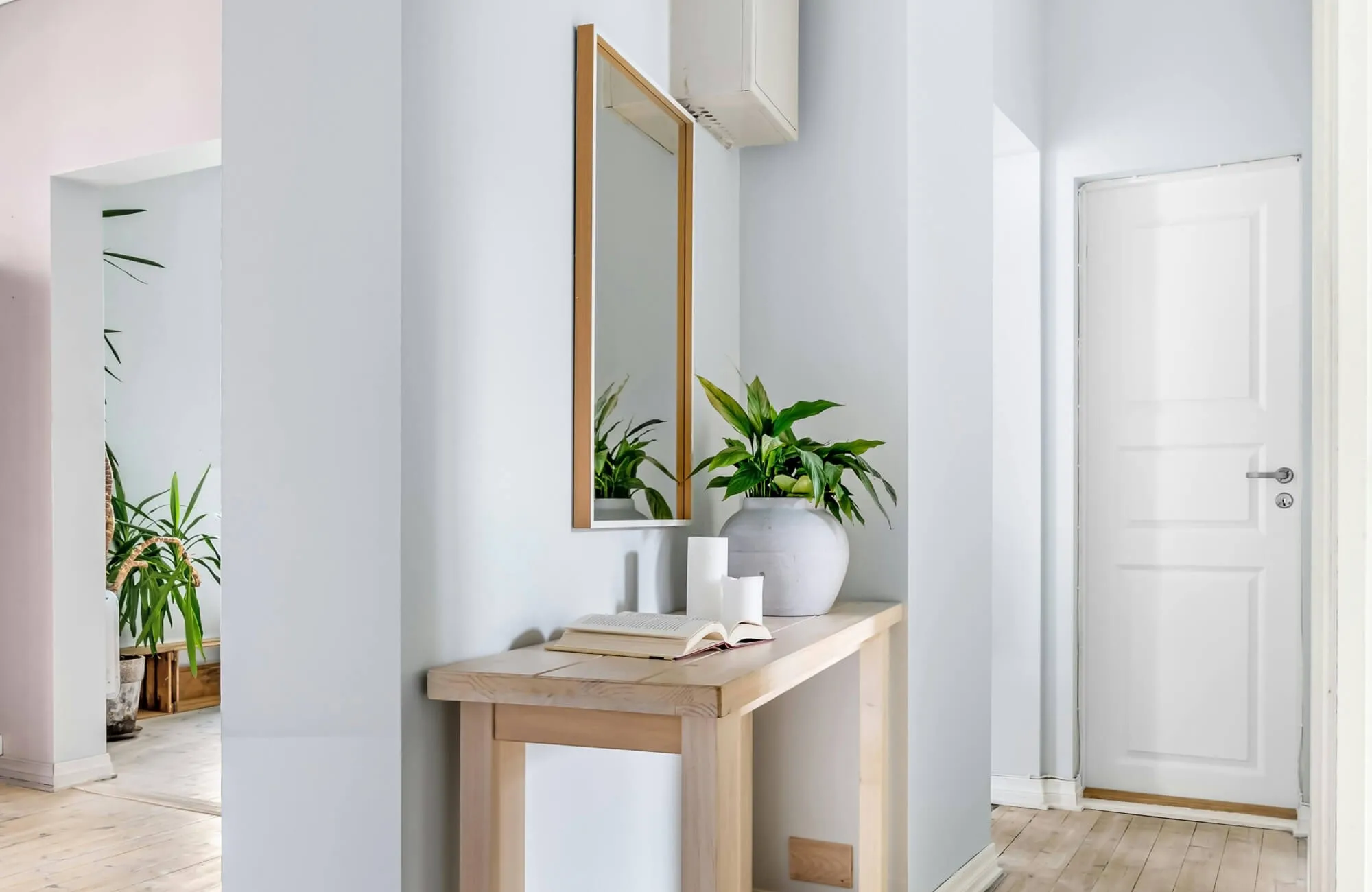
Your entryway sets the tone for the rest of your home, and the mirror you choose can make a lasting impact. The right shape not only elevates style but also affects how the space functions, feels, and flows. Looking at mirrors from different angles shows how their shape shapes perception and seamlessly complements your home’s design. The right mirror can transform even a simple entryway into a purposeful, welcoming space that makes every arrival and departure more enjoyable. But with so many options, how do you know which mirror shape is best for your entryway?
In this article, we’ll explore a variety of mirror shapes, examine how each one influences both design and function, and help you decide which works best for your home.
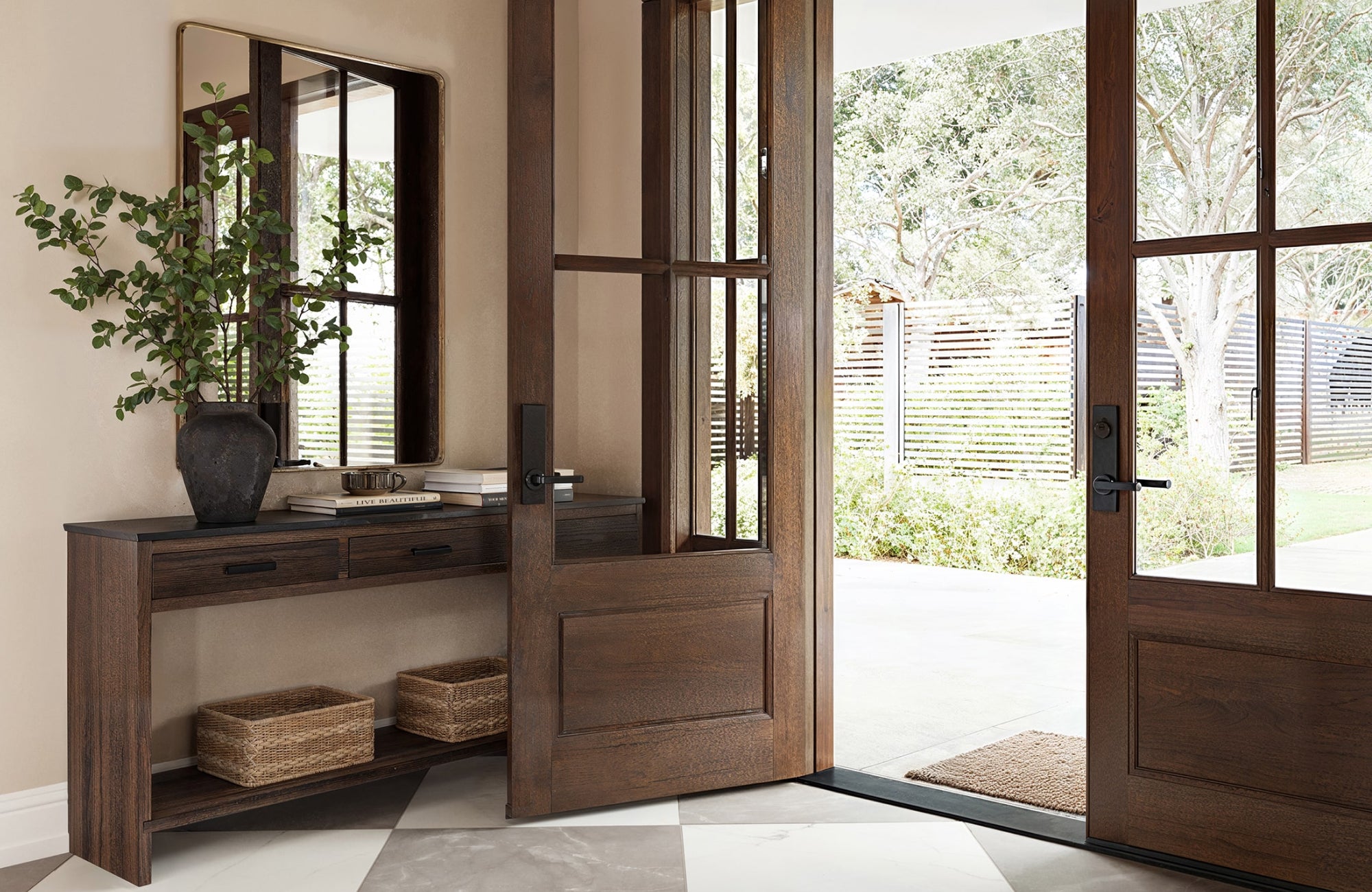
The Role of Mirrors in Entryways
Mirrors are more than decorative accents. In an entryway, they serve a practical purpose while also shaping the mood of the space. The shape you choose can influence how inviting your home feels, how light flows through the area, and even how you experience the room each time you step in or out.
Mirrors and First Impressions
Your entryway is the first glimpse visitors have of your home, and a mirror plays a big part in setting the tone. A tall rectangular mirror can create a sense of structure and formality, while a large round mirror introduces warmth and softness. The shape you choose frames more than just a reflection; it also frames the impression you want to leave the moment someone walks through the door.
Functionality and Quick Checks
Mirrors in an entryway aren’t just about style; they also serve a practical role. The shape you choose influences how practical the mirror will be in your everyday routine. A tall rectangular mirror allows you to check your entire outfit before heading out, while a smaller oval or round mirror gives you a quick check without overwhelming the wall. Considering how you’ll actually use the mirror makes the choice more personal and purposeful.
Impact on Light and Space
The shape of a mirror can change the way light moves through your entryway. For instance, a wide rectangular mirror spreads natural light across a long hallway, making the space feel larger and more open. In contrast, a round or oval mirror reflects light in a focused way, bringing a softer and more inviting glow. Meanwhile, irregular shapes can scatter light unpredictably, adding visual interest and helping a smaller entryway feel brighter and more dynamic.
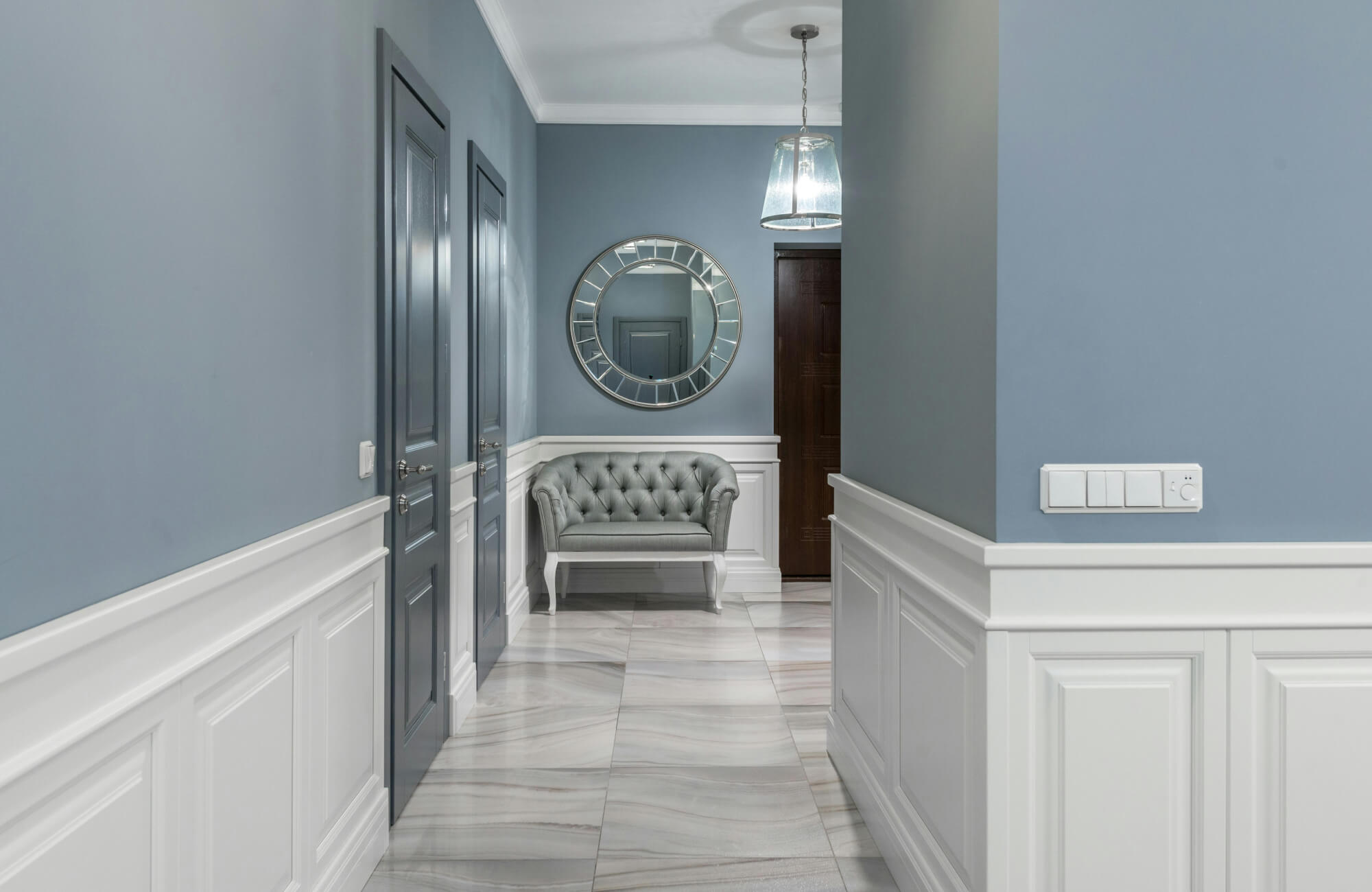
Exploring Classic Mirror Shapes
Some shapes have earned their place in entryways over time. They’re familiar, versatile, and work well with a wide range of interiors. Choosing a classic shape can help you create a space that feels polished without overcomplicating design decisions.
Rectangular Mirrors
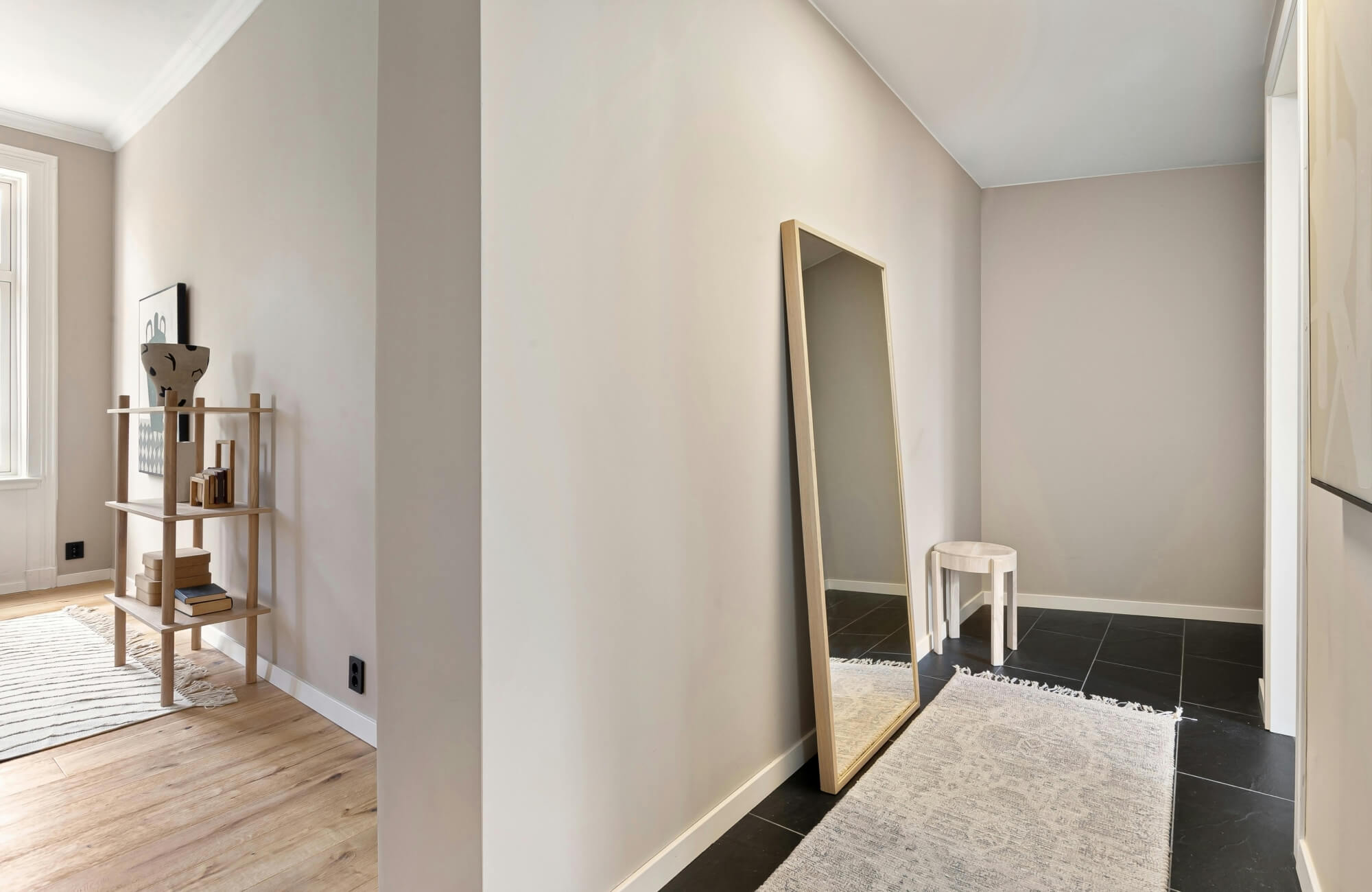
Rectangular mirrors add a sense of order to an entryway. Their clean lines can emphasize either height or width, and they align naturally with doors, windows, or console tables. A tall rectangle draws the eye upward, making ceilings feel higher, while a wider version helps balance long walls. This classic shape works just as well in minimalist spaces as it does in traditional ones, offering a timeless look that adapts seamlessly.
Round Mirrors
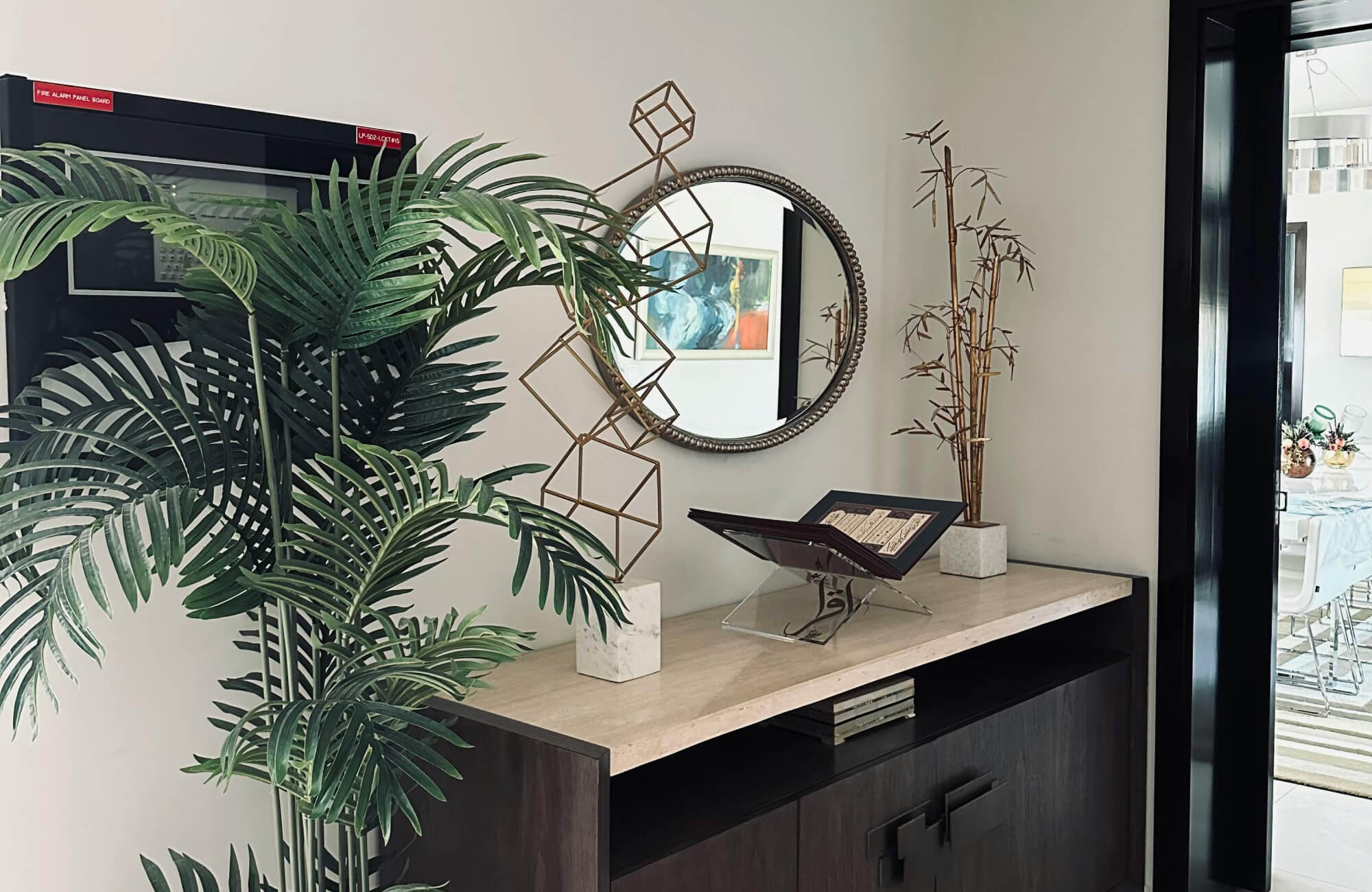
Round mirrors can help soften sharp edges and bring balance to angular furniture or architectural lines. They’re especially popular in modern spaces because they add contrast without overwhelming the design. For example, placing a large round mirror above a slim console table creates a focal point that feels polished without requiring extra décor. A piece like Edward Martin’s Fitz Mirror in Antique Silver embodies this effect, offering both elegance and approachability. With no corners to impose structure, this shape feels welcoming, making it a natural choice for entryways where you want guests to feel at ease.
Oval Mirrors
Oval mirrors offer a balance between the structure of a rectangle and the softness of a circle. Their elongated curves make them versatile for both narrow and tall entryways, adding refinement without overpowering the space. They work especially well in homes that combine traditional and contemporary styles, bringing a touch of elegance that feels graceful yet relaxed.
Statement Shapes That Stand Out
Classic shapes bring comfort and familiarity, but distinctive designs can transform an entryway into a true focal point. These mirrors go beyond their functional purpose, acting as design elements that express personality and style. If you want your entryway to feel bold and memorable, adding an unconventional shape is another effective way to achieve it.
Arch and Windowpane Styles
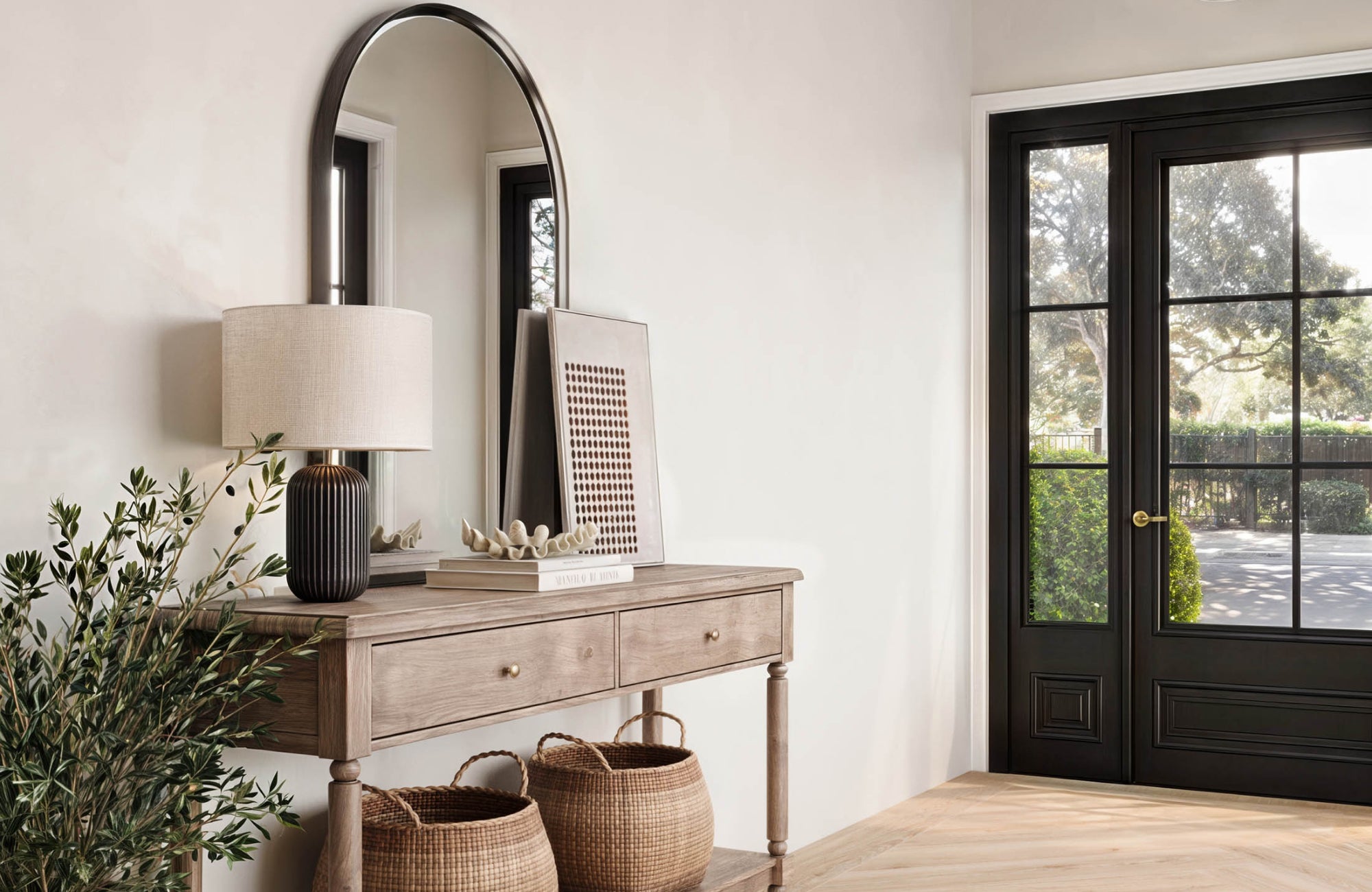
Arched mirrors can add an architectural feel to an entryway, with their curved tops naturally guiding the eye upward to make ceilings seem taller and spaces more open. Windowpane mirrors, with their grid-like design, echo architectural details while adding visual texture, often eliminating the need for extra wall décor. Both styles can create depth and dimension, making them especially effective in larger entryways where you want to add character and presence. Edward Martin’s Esmeralda Wide Mirror in Polished Brass is a good example of how an arched design can anchor a wall, enhance vertical lines, and bring a refined sense of balance to the space.
Abstract and Organic Forms
Irregular mirrors, such as freeform or wavy designs, can add a sense of creativity to an entryway. Instead of blending into the background, they act more like artwork, turning a functional piece into a striking focal point. These mirrors don’t just reflect; they also start conversations and leave a lasting impression. A design like Edward Martin’s Shirley Small Mirror in Antique Brass Iron captures this idea, offering an organic shape that feels distinctive and artistic. Because they break away from strict symmetry, abstract mirrors are especially effective in entryways with eclectic or creative styles.
Geometric Mirrors
Shapes like hexagons, diamonds, and other angular designs can add a modern edge to an entryway. Unlike traditional forms, they introduce bold lines that immediately shift the character of the space. A cluster of smaller geometric mirrors can create a striking wall feature, while one oversized piece can anchor the room with confidence. These mirrors work especially well in contemporary interiors where sharp forms and strong visual interest are key design elements.
Matching Mirror Shape to Entryway Size and Layout
Not every mirror will suit every entryway. The size of the space, its proportions, and the layout of the walls all play an important role in your decision. Choosing a shape that complements these elements makes the mirror feel like a natural part of the design rather than something placed without thought.
Narrow Entryways
In a small entry or tight hallway, a tall mirror helps the space feel more open. A slim rectangular or oval design provides practical use while also drawing the eye upward, creating the impression of added height. This vertical emphasis reduces the boxed-in feeling that narrow entryways often create, making the area feel lighter and less confined.
Wide Walls and Open Spaces
In spacious entryways, mirrors need to make a strong statement without getting lost against the size of the wall. An oversized rectangular mirror or a pair of round mirrors can balance wide surfaces and prevent them from feeling bare. The key is proportion; choosing a mirror that fills the space in a way that feels intentional. A piece like our Esmeralda Round Mirror in Iron Matte Black is a great example, as its generous scale can ground an open wall while maintaining a polished and inviting look.
Corners and Small Nooks
Not every entryway comes with a full wall to work with, and that’s where smaller mirrors shine. Round or oval designs are especially effective in tight corners, as their softer shapes fit naturally into limited spaces without feeling crowded. By reflecting glimpses of the room, these mirrors add depth and help compact areas feel more layered and welcoming.
How Mirror Shapes Influence Energy and Flow
Mirrors also carry symbolic and psychological associations. The shapes you choose can subtly shift how your entryway feels, guiding both energy and mood. Exploring these effects helps you think beyond surface design.
Feng Shui and Balance
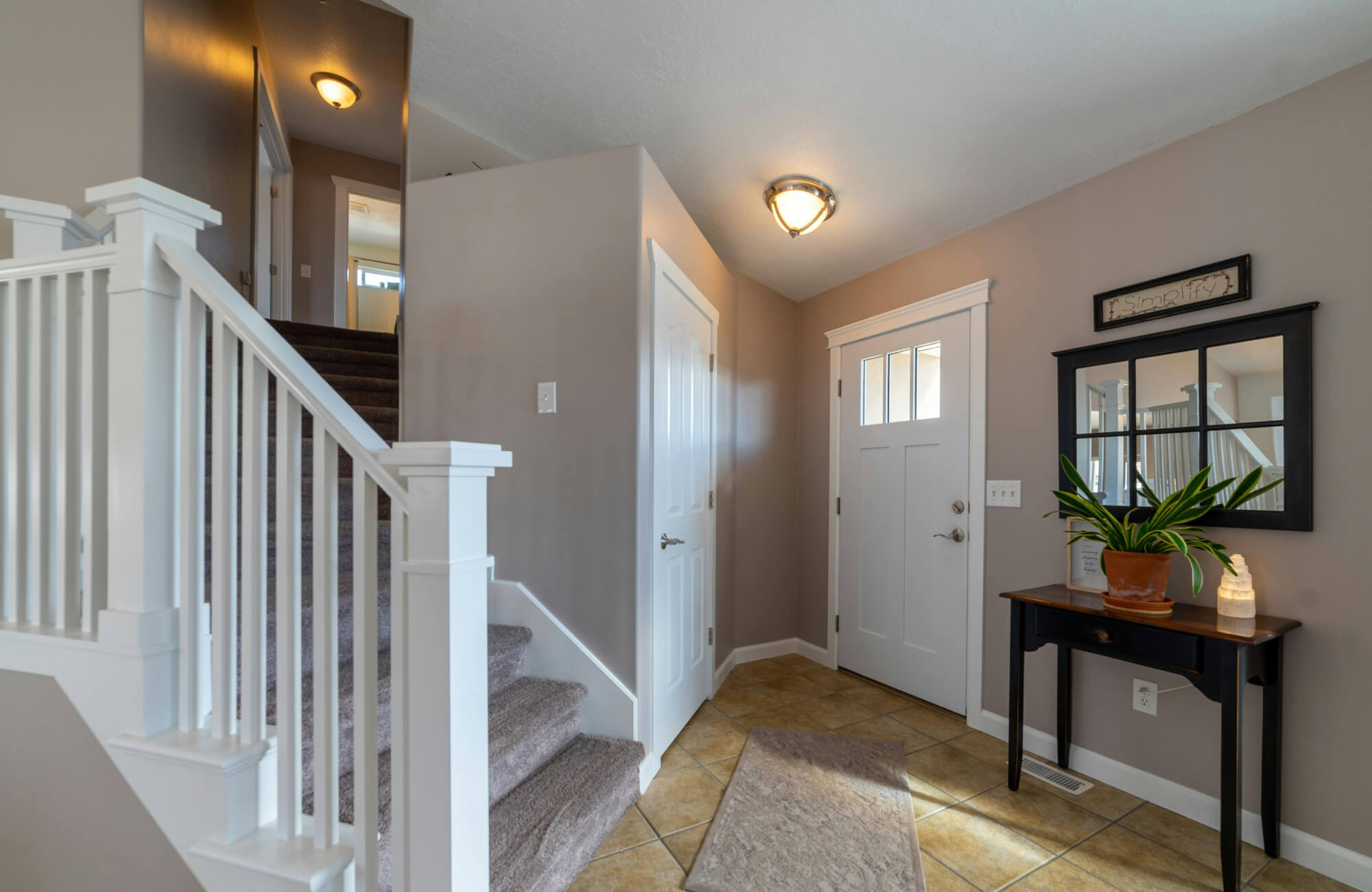
In Feng Shui, mirrors are considered tools for balance and the flow of energy. Square and rectangular mirrors are often connected with stability, while round mirrors are seen as symbols of harmony. Placing these shapes thoughtfully in the entryway is believed to invite positive energy into the home. A piece like Edward Martin’s Clancy Small Mirror in Antique Brass reflects this approach, offering a form that emphasizes balance while adding a touch of refinement. While interpretations can vary, many people appreciate choosing mirror shapes that align with their own sense of harmony and calm.
Psychological Effect of Shapes
The shapes we surround ourselves with can influence how a space feels. Sharp angles often suggest structure and confidence, while curved shapes introduce softness and a sense of ease. A diamond-shaped mirror, for example, can energize an entryway, while a round mirror may create a calming effect. Choosing a mirror shape is about more than appearance; it’s also about how it makes you feel each time you step through the door.
Placement for Flow
The position of a mirror influences how energy moves through your entryway. Positioning a mirror directly opposite the door reflects light and movement, bringing more life into the space. Setting it at an angle, on the other hand, can create a gentler sense of flow. Shape also plays a role; tall rectangles draw the eye upward, while wide ovals spread the energy outward, helping the room feel more balanced.
Styling Mirrors with Furniture and Decor
A mirror never stands alone; it’s part of the larger entryway design. Its effect depends on how well it works with furniture, lighting, and surrounding details. By considering these relationships, you can make sure the mirror enhances the overall space instead of competing with it.
Over Console Tables
When you hang a mirror above a console table, proportion makes all the difference. A rectangular mirror often echoes the shape of the table, reinforcing clean, straight lines. A round mirror, in contrast, introduces softness and creates visual balance against the table’s edges. The goal is harmony; the mirror should connect with the furniture below without overwhelming it.
Pairing with Lighting
Lighting and mirrors work hand in hand to set the mood of an entryway. A pair of sconces beside a tall mirror creates symmetry, while a pendant reflected in a round mirror can double its glow. The shape you choose should complement your lighting style; angular mirrors pair seamlessly with sleek, modern sconces, while curved mirrors work beautifully with softer, more diffused light.
Accessorizing Around Mirrors
The decor surrounding a mirror helps frame it and adds depth to the entryway. Plants can soften hard edges, artwork adds dimension, and trays or bowls on a console table help visually anchor the mirror. Let the mirror’s shape guide your choices: a round mirror pairs beautifully with cascading greenery, while a rectangular mirror works well alongside neatly arranged artwork. When styled thoughtfully, these elements come together to create an entryway that feels polished and cohesive.
Choosing the Right Shape for Your Entryway
The best mirror shape for an entryway depends on the space’s size and the atmosphere you want it to convey. Round and oval mirrors add softness and warmth, making them an excellent choice for smaller entryways or spaces that call for a welcoming touch. Rectangular and arched mirrors can provide structure and can visually expand narrow or tall spaces by drawing the eye upward or outward. Full-length mirrors can bring both practicality and brightness, while geometric or organic designs create striking focal points that showcase personality. Ultimately, the best choice is the one that complements your entryway’s layout, aligns with your lifestyle, and reflects the way you want your home to feel the moment you step inside.
If you’d like personalized guidance, contact us today to explore our curated collection or connect with our design services—we’ll help you find the perfect mirror shape to elevate your entryway!
Follow us on Instagram
@EDWARD.MARTIN
)
)
)
)
)
)
)
)
)
)
)
)
)
)
)
)