Choosing the right decorative pillow colors can completely transform how your space looks and feels. More than just accents, pillows have the ability to tie together different elements in a room, adding depth, contrast, and a sense of cohesion. When thoughtfully combined, they guide the eye naturally across the space, creating a layered and inviting atmosphere that feels both intentional and effortless.
Achieving the perfect combination goes beyond simply picking colors you like. It involves understanding how hues interact, how textures influence perception, and how patterns and proportions work together. As you explore these elements, you’ll discover that well-coordinated pillow colors can elevate your space, making it feel balanced, dynamic, and uniquely your own.

The Color Wheel
Understanding the color wheel allows you to create combinations that feel intentional rather than accidental. By recognizing how hues interact, you can build palettes that guide the eye and shape the overall mood of your space.
Monochromatic Layering
A monochromatic palette may seem simple at first, but its strength lies in how you build variation within a single hue. Instead of relying on different colors, you work with shifts in tone, shade, and intensity to create contrast. This layered approach adds depth and prevents the space from feeling flat or one-dimensional.
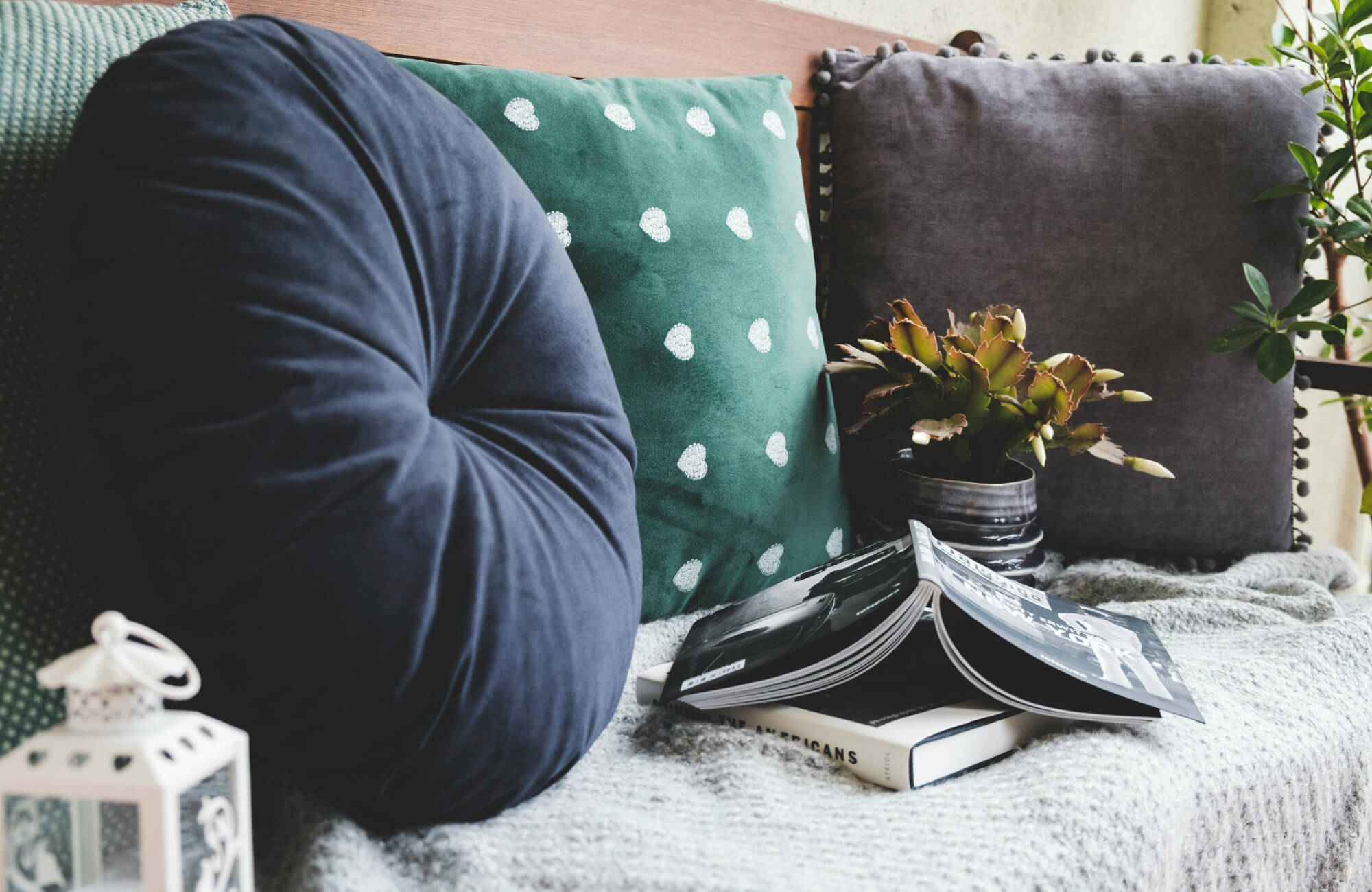
As you explore this method, you’ll notice how subtle transitions create a refined visual rhythm. For instance, starting with a deep navy and gradually introducing mid-tone slate and lighter sky-blue accents allows your eye to move effortlessly across the space. Because everything stays within the same color family, the result feels cohesive while still offering enough variation to remain visually engaging.
Complementary Pairings
Complementary color schemes introduce energy by pairing hues that sit opposite each other on the color wheel. These combinations naturally create tension, which, when balanced correctly, feels vibrant rather than overwhelming. The key is to control how much of each color is used so the space feels curated.
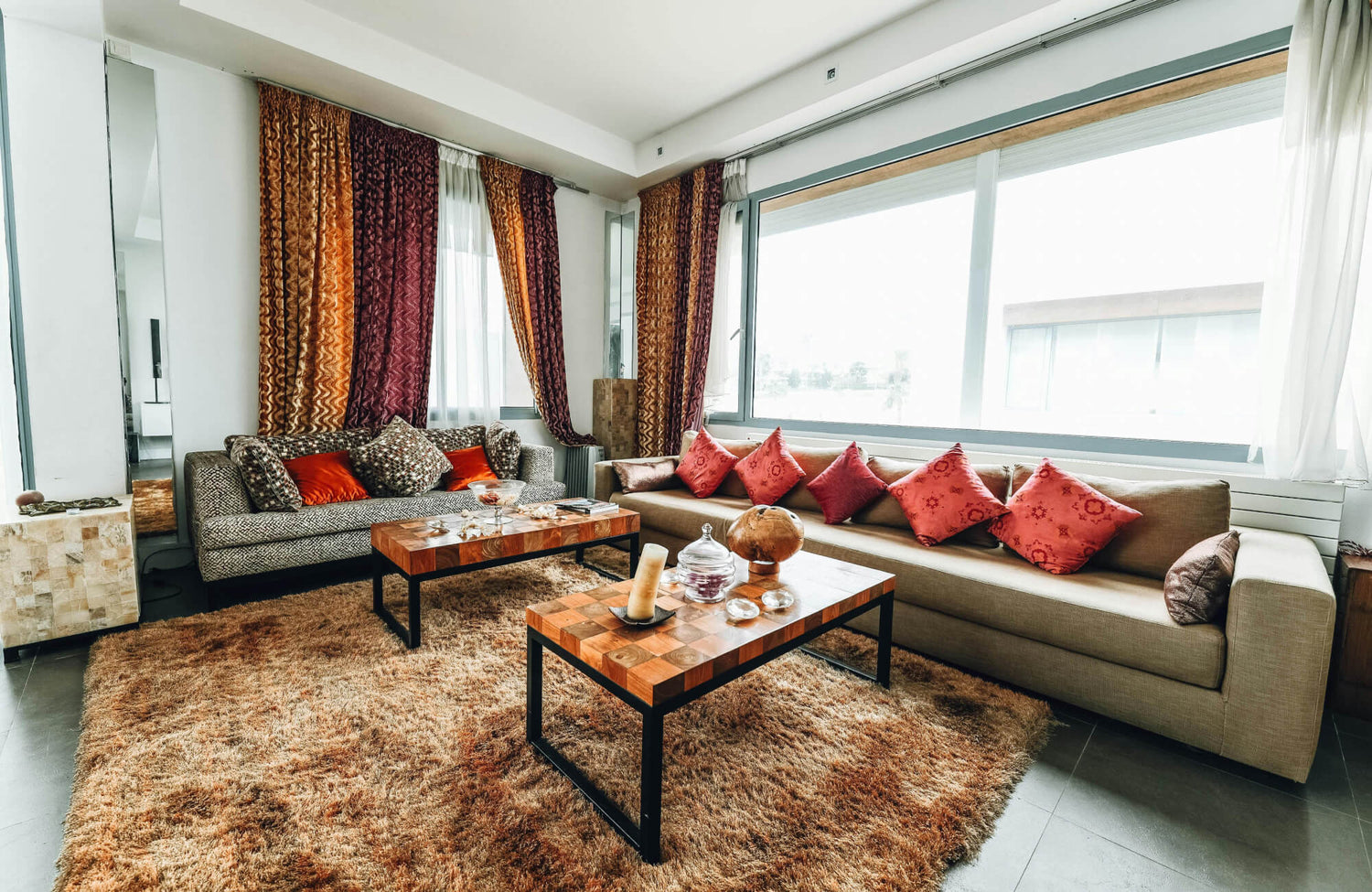
When you apply this approach, one color should take the lead while the other acts as an accent. For example, a dominant terracotta tone paired with touches of teal creates a dynamic yet balanced composition. This interplay between warm and cool tones adds visual interest while maintaining a sense of harmony throughout the space.
Analogous Blends
If you prefer a softer and more cohesive look, analogous color schemes offer a seamless transition between hues. These palettes use colors that sit next to each other on the wheel, which means they naturally share undertones and blend effortlessly. This creates a calming effect that feels easy on the eyes. As you layer these neighboring shades, subtle differences in tone keep the palette from becoming monotonous. A mix of sage, moss green, and soft yellow, for example, brings a gentle, nature-inspired feel into your space. The result is a balanced composition that feels both tranquil and thoughtfully designed.
As seen in the image above, an analogous palette comes to life through a thoughtful blend of warm, neighboring hues that feel both cohesive and inviting. Pieces like the Merelle 13" x 21" Down Pillow in Terracotta and Merelle 22" x 22" Down Pillow in Terracotta establish a rich, grounding base, while the Brielle 18'' x 18'' Down Pillow in Natural / Mustard introduces a soft, sunlit warmth that gently lifts the arrangement. To complete the composition, the Merelle 22" x 22" Down Pillow in Tan adds a neutral layer that bridges the deeper and brighter tones. Together, these colors flow seamlessly, creating a layered look that feels balanced, relaxed, and visually harmonious without relying on strong contrast.
Split Complementary
For a more nuanced take on contrast, split complementary schemes offer a refined alternative. Instead of pairing direct opposites, you combine one base color with the two hues adjacent to its complement. This creates contrast while softening the intensity typically associated with complementary pairings.
Because of this balance, you can introduce vibrancy without overwhelming the space. For instance, pairing a rich blue with muted coral and warm amber tones creates a layered, dynamic palette that still feels harmonious. This approach allows you to experiment with contrast while maintaining a sense of control and cohesion in your overall design.

Navigating Materiality and Color Perception
Color is never experienced on its own, as it is always shaped by the material it lives on. As you explore different surfaces, you’ll notice how texture, sheen, and light interaction can completely transform how a hue is perceived.
Light Reflection on Lustrous Fabrics
Lustrous materials such as silk, satin, and velvet interact with light in a way that gives color a sense of movement and depth. Instead of appearing static, these fabrics shift in tone throughout the day, depending on how light hits their surface. This creates a dynamic visual effect that makes even a single color feel layered and alive.
As you incorporate these materials, pairing them with more subdued textures can enhance their impact. For instance, a rich navy velvet pillow may appear luminous in natural light and deeper in shadow, especially when contrasted with matte fabrics. This interplay allows you to build dimension without introducing additional colors, making the arrangement feel both cohesive and visually engaging.
The Muting Effect of Heavy Textures
Heavier textures like bouclé or coarse linen absorb light rather than reflect it. This softens the intensity of bold hues, giving them a more grounded and approachable appearance. Because of this, these materials are especially useful when you want to tone down vibrant colors without losing their presence.
In this context, pieces like the Merelle 22" x 22" Down Pillow in Ivory and the Merelle 13" x 21" Down Pillow in Olive work as excellent grounding elements. As shown in the photo above, their textured surfaces diffuse light, allowing their colors to appear softer and more integrated within the palette. This makes them ideal for balancing richer tones while adding depth through subtle variation rather than shine.
When you layer these textures thoughtfully, you create a balanced composition that feels intentional rather than overwhelming. A vivid mustard pillow, for example, becomes more refined when paired with a textured charcoal fabric. The contrast between softness and structure adds depth, while the muted finish ensures the overall palette remains harmonious and easy to live with.
Balancing Matte and Sheen
To achieve a well-rounded look, it helps to combine materials with different light responses. Matte finishes provide stability and subtlety, while glossy or reflective surfaces introduce highlights and variation. When used together, they create a layered effect that keeps the eye moving without disrupting the overall harmony.
As you experiment with this balance, you’ll find that even a limited color palette can feel rich and multidimensional. By simply varying how surfaces reflect or absorb light, you can elevate your space and make each element feel more considered and complete.

Sophisticated Neutrals
Neutrals do more than fill empty space, as they help anchor bold colors and bring balance to your overall palette. When used thoughtfully, they connect contrasting tones and ensure that vibrant hues feel cohesive rather than overwhelming.
Warm Neutrals
Warm neutrals such as cream, beige, and greige naturally complement earthy tones like rust, olive, and ochre. Because these colors share similar undertones, they blend seamlessly and create a smooth visual transition. This harmony makes the space feel inviting and grounded, rather than overly styled.
As you build your palette, choosing softer whites like the Merelle 13" x 21" Down Pillow in Ivory instead of stark, bright ones can also make a noticeable difference. These warmer shades maintain a sense of continuity and prevent the overall look from feeling too sharp or disconnected. The result is a layered, comfortable environment that feels both cohesive and relaxed.
Cool Neutrals
Cool neutrals such as slate gray, crisp white, and pewter introduce a sharper, more contemporary edge. These tones work particularly well with jewel colors like sapphire or emerald, allowing their richness to stand out without competing for attention. The contrast feels clean and deliberate, giving the space a polished finish. When you incorporate these combinations, the overall effect becomes more structured and refined. The cool undertones also help define each element clearly, creating a sense of order while still allowing bold colors to make a strong visual impact.
Layering Neutrals
Beyond choosing between warm and cool tones, layering different neutrals can add quiet depth to your space. By combining varying shades and textures within the same neutral family, you create a nuanced backdrop that supports more vibrant elements without fading into the background. As you experiment with this approach, you’ll notice how even subtle shifts in tone can enhance the overall composition. This layered neutrality also allows bold accents to shine while ensuring the entire palette feels balanced, intentional, and visually complete.

Scaling Patterns Within a Color Story
Patterns bring energy and character into your space, but without careful balance, they can quickly feel overwhelming. By thoughtfully scaling and coordinating prints, you can create a layered look that feels cohesive rather than chaotic.
The Rule of Three in Print Selection
One of the most effective ways to balance patterns is by working with three distinct scales. A large-scale pattern naturally draws attention and sets the tone, while a medium-scale design adds movement and supports the overall composition. To complete the arrangement, a solid or minimally patterned piece provides visual rest, allowing the eye to reset.
As you combine these elements, color becomes the unifying thread. Even if the patterns differ in style or complexity, sharing a common hue ties everything together. This approach allows you to mix prints with confidence, knowing the result will feel intentional and well-structured.
Micro-Prints as Solid Alternatives
Although bold patterns make a statement, micro-prints play a quieter but equally important role. From a distance, they often read as solid, yet up close, they reveal intricate detailing that adds subtle interest. This duality makes them especially useful when you want to soften transitions between larger, more expressive designs.
Because of their understated nature, micro-patterns help maintain balance within a layered arrangement. They introduce depth without adding visual noise, allowing the overall composition to feel rich but controlled. This makes them an ideal choice when you want to build complexity while still preserving a sense of calm.
Mixing Organic and Structured Patterns
Combining organic and structured patterns can create a more dynamic yet balanced look. Organic prints, such as florals or abstract forms, bring softness and fluidity, while geometric patterns introduce order and rhythm. When used together, they create contrast that feels engaging rather than disjointed. As you experiment with this mix, keeping your color palette consistent ensures everything works in harmony. This balance between structure and spontaneity allows your space to feel layered and expressive, while still maintaining a clear and cohesive visual direction.

Seasonal Shifts and Chromatic Longevity
Decorative pillows give you an easy way to refresh your space as the seasons change without starting from scratch. By keeping a consistent foundation, you can introduce subtle updates that feel natural and cohesive throughout the year.
Transitional Bases for Year-Round Appeal
A strong foundation begins with versatile base colors that remain relevant across seasons. Shades like navy, charcoal, or forest green provide a steady backdrop that works equally well with both lighter and deeper accents. These tones ground the overall look, allowing you to build around them without disrupting the flow of the space.
Incorporating a staple piece like the Merelle 22" x 22" Down Pillow in Navy reinforces this sense of stability, offering a rich, adaptable base that pairs effortlessly with shifting seasonal hues. As you maintain these core elements, your design retains a sense of continuity, so even when you introduce new accents, the space still feels connected and intentional. This consistency ultimately makes it easier to evolve your décor while preserving a balanced aesthetic.
Swapping the Focal Point
Once your base is established, you can shift the mood of your space by updating your accent pillows. During warmer months, lighter tones such as blush, soft yellow, or pale blue bring in a sense of airiness and brightness. As the seasons transition, deeper hues like burgundy, rust, or amber introduce warmth and a more grounded feel. Because these changes are focused on key accents, the transformation feels effortless rather than drastic. This approach also allows your space to evolve gradually, reflecting seasonal shifts while maintaining a cohesive and comfortable environment.

Psychology and the Emotional Weight of Color
Color plays a powerful role in shaping not just how your space looks, but how it feels and functions on a daily basis. As you become more intentional with your choices, you begin to see how warm, vibrant tones such as burnt orange, coral, and mustard yellow can energize a room, encouraging interaction and liveliness, while cooler hues like soft blue, sage green, and lavender create a sense of calm and openness that supports rest and relaxation. Because of this, selecting the right color combinations allows you to align each area of your space with its intended purpose, whether it is for socializing, unwinding, or focusing.
At the same time, achieving the right emotional balance is just as important as choosing individual colors. By thoughtfully combining energizing tones like terracotta or golden amber with calming shades such as dusty blue or muted olive, you can prevent a space from feeling too intense or too subdued. This layered approach creates a more dynamic yet harmonious environment, where different moods can coexist without conflict. Ultimately, understanding the emotional weight of color allows you to design spaces that feel not only visually cohesive but also deeply comfortable and responsive to your everyday needs.
Creating Cohesive and Balanced Pillow Color Combinations
The colors of decorative pillows that go well together are those that balance contrast, harmony, and depth while aligning with the overall mood of your space. By combining principles from the color wheel, layering textures, and incorporating both bold and neutral tones, you can create arrangements that feel visually engaging without becoming overwhelming. As you bring these elements together, your pillow combinations become more than decorative accents. They act as a unifying force that enhances the room’s character, allowing you to achieve a look that feels polished, adaptable, and thoughtfully curated over time.
If you need guidance in selecting the right combinations or refining your overall palette, reaching out for expert advice can make the process more seamless. You can explore personalized recommendations or get answers to your design questions by connecting through the contact page, helping you create a space that feels cohesive and truly your own!