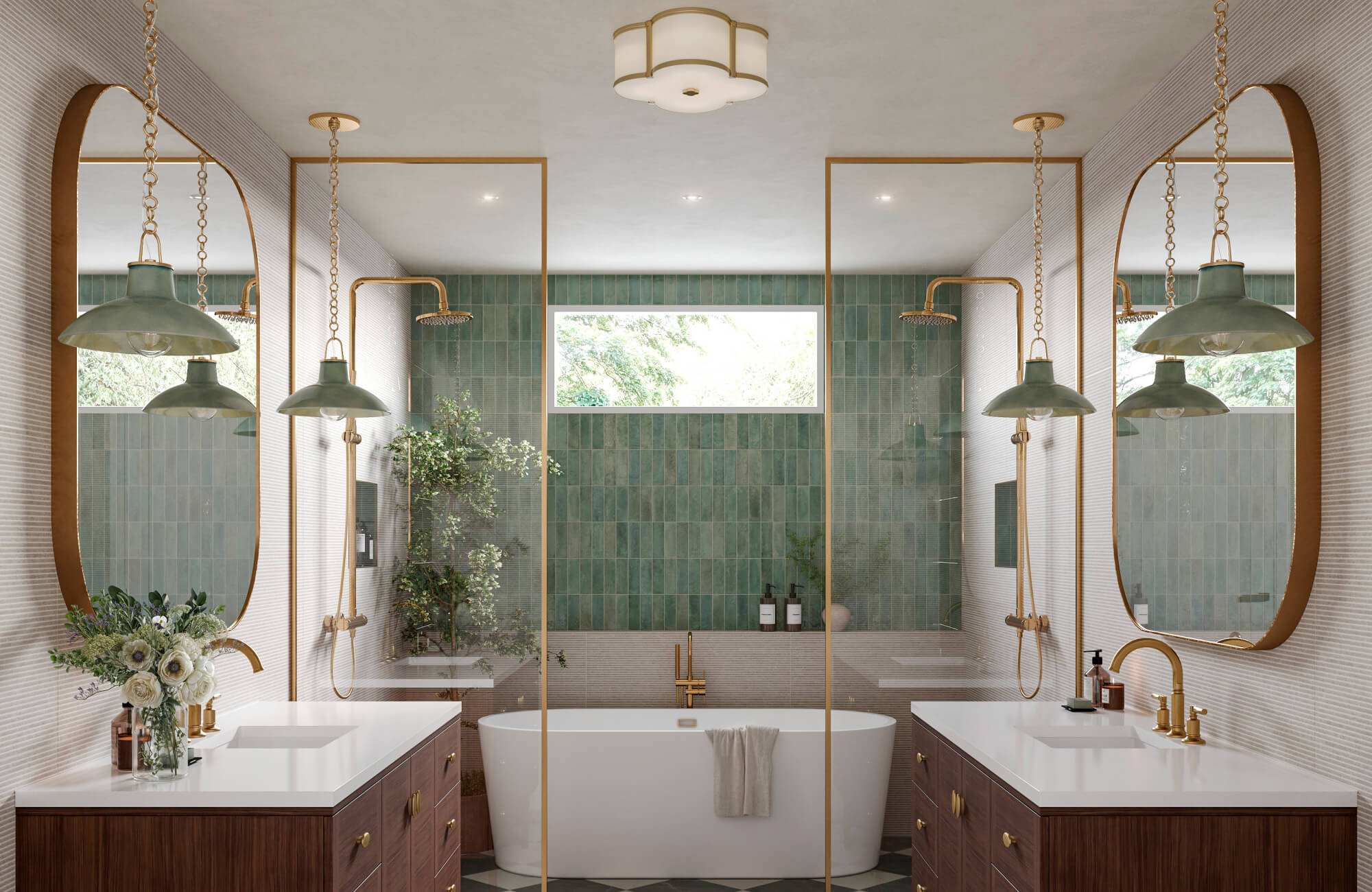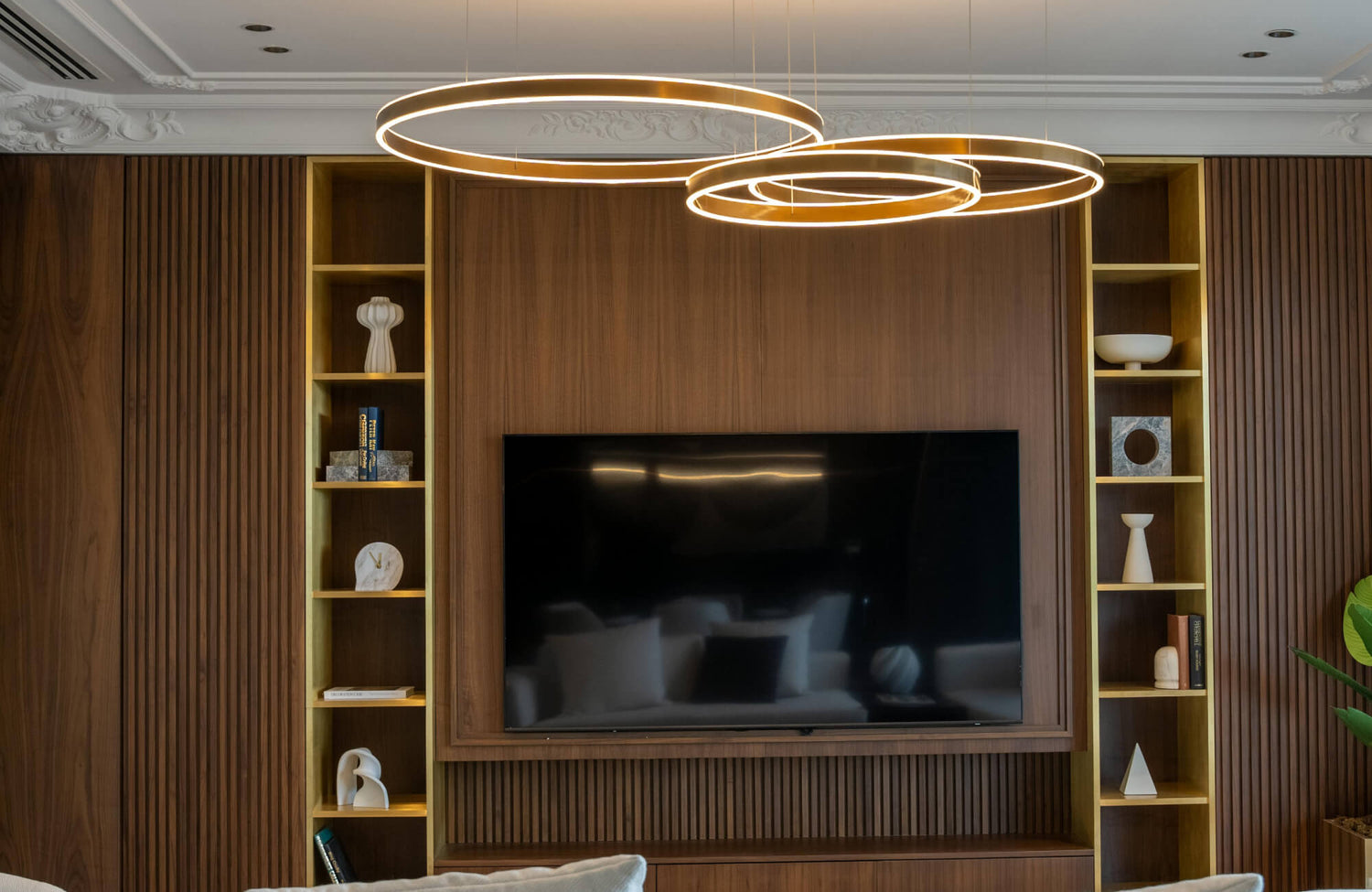
Graceful, commanding, and timeless, chandeliers are more than just lighting fixtures—they are architectural centerpieces that define the ambiance and character of any space. From modern minimalist chandeliers in sleek lofts to opulent crystal chandeliers in grand ballrooms, their ability to merge function with artistry makes them a favored choice in high-end interior lighting design.
Yet behind their striking beauty lies a balance of practical considerations, including light distribution, installation complexity, energy efficiency, and long-term maintenance. Choosing the perfect chandelier involves understanding both its visual impact and how it integrates with the unique demands of a room. In this article, we explore the pros and cons of chandeliers to help you make confident, design-forward lighting decisions that combine elegance with lasting value.

Aesthetic Enhancement and Visual Impact
Chandeliers have a unique ability to shape not only how a room looks, but also how it feels. Their presence can redefine spatial dynamics, introduce stylistic cohesion, and elevate a room’s overall design narrative with minimal effort.
Focal Point Creation and Vertical Emphasis
Chandeliers serve as instant focal points, guiding the eye upward and bringing attention to the height and volume of a space. This vertical emphasis adds architectural drama, especially in double-height foyers, stairwells, or vaulted living rooms where unused overhead space can feel vacant. Materials such as cut crystal, matte brass, or smoked glass also enhance the chandelier’s sculptural effect while contributing richness and texture. When proportioned correctly, the fixture creates visual balance and anchors the surrounding décor without overpowering it. This harmony between vertical draw and ambient presence helps establish the chandelier as a centerpiece, making it a defining element in high-end residential and commercial lighting design.
Style Versatility Across Design Themes
Modern chandeliers are no longer limited to ornate, traditional settings—they now exist in a wide array of forms suited for diverse design aesthetics. From sleek linear fixtures and modern cluster globes in minimalist homes, like Walsh 7-Light Chandelier in Clear Glass & Black Gunmetal, to geometric orb chandeliers in industrial lofts, these fixtures offer a level of adaptability that allows seamless integration across a range of interior styles.
Materials and finishes such as matte black, brushed nickel, or frosted glass further expand their design potential. This variety enables interior designers to incorporate statement ceiling lighting without disrupting the overall visual language. By bridging function with form, chandeliers can tie together eclectic elements within transitional or open-concept interiors. Their flexibility makes them one of the most versatile decorative lighting options available today.
Perceived Value and Luxury Signaling
Beyond their lighting capabilities, chandeliers often symbolize refinement, prestige, and elevated taste. High-end models crafted from Swarovski crystal, Murano glass, or bespoke metalwork instantly communicate investment in design quality. Their presence reinforces the idea of thoughtful curation, adding weight to the overall aesthetic. In premium real estate or luxury hospitality spaces, chandeliers are frequently used to increase visual appeal and signal exclusivity. They contribute to a sense of permanence and craftsmanship that’s hard to replicate with simpler fixtures. As such, chandeliers offer not only aesthetic returns but also measurable impact on property value and market perception.

Lighting Functionality and Photometric Behavior
Although chandeliers are admired for their beauty, their real-world performance as lighting fixtures depends on how effectively they distribute and adapt light within a given space. Understanding their photometric behavior is crucial when planning a well-balanced lighting layout.
Ambient Illumination and Diffusion Pattern
Chandeliers excel at providing ambient illumination, casting a soft, uniform glow that contributes to the overall lighting envelope of a room. This effect is especially pronounced in multi-arm or tiered designs, which promote even light distribution while minimizing harsh shadows and reducing contrast in large central areas. The use of materials like translucent shades, glass diffusers, or faceted crystal also enhances light diffusion and creates a sense of warmth and luxury. However, their central placement often leaves corners or perimeters underlit, particularly in expansive floor plans. To compensate, chandeliers should be layered with complementary light sources such as wall sconces or recessed fixtures. This approach ensures balanced light levels and consistent visual comfort.
Limitations in Task and Accent Lighting
While chandeliers create a welcoming atmosphere, they fall short in areas requiring focused, high-lumen illumination. Because their output is diffused and positioned overhead, they are ill-suited for tasks like food preparation, reading, or grooming. These functions are better served by under-cabinet lighting, table lamps, or directional track lighting. Chandeliers also struggle to deliver the narrow beam angles needed for accent lighting, which is essential for highlighting artwork, textures, or architectural features. Without the ability to direct light precisely, their function becomes more atmospheric than utilitarian. To achieve a balanced and effective lighting scheme, integrating task and accent lighting alongside chandeliers brings both beauty and functional depth to the overall design.
Dimming Capabilities and Smart Integration
Chandeliers have evolved significantly with the introduction of LED technology and smart lighting controls. Many contemporary models are compatible with dimmable drivers, allowing users to adjust light intensity to match various activities or times of day. Smart-enabled chandeliers go a step further, offering app-based control, voice activation, and automation through systems like Alexa or Google Home. This level of customization improves both comfort and energy efficiency, especially in multi-use spaces like open-concept living and dining areas. Moreover, color-tunable LEDs can shift from warm to cool light, aligning with circadian lighting strategies. These innovations make chandeliers not only elegant but also highly adaptive to modern lifestyles.

Installation Requirements and Spatial Planning
Installing a chandelier is a technical and spatial exercise that demands forethought, precision, and sometimes structural modification. Achieving both safety and visual harmony requires a thorough understanding of the physical space and its limitations.
Load-Bearing and Mounting Considerations
The weight of a chandelier can range from 15 pounds to over 200 pounds, depending on materials and size, necessitating a strong and secure mounting infrastructure. Standard ceiling junction boxes are often insufficient for heavier fixtures and must be replaced or reinforced with blocking between ceiling joists. Professional installers may use safety cables, crossbars, or toggle bolts to distribute weight evenly. In high-ceiling areas, additional suspension accessories such as chains or downrods are required to position the fixture at the proper height. These components must be both load-rated and aesthetically compatible with the fixture. Ensuring structural integrity is essential to avoid safety risks and maintain long-term stability.
Clearance Standards and Proportioning
Correct chandelier sizing and placement are vital to ensure comfort, functionality, and visual proportion. In dining rooms, the bottom of the chandelier should hang 30 to 36 inches above the table surface, providing ample clearance while maintaining intimacy. For open spaces or foyers, a minimum of 7 feet from floor to fixture is necessary to avoid interference with foot movement. The fixture’s diameter should also reflect the scale of the room; designers often recommend using the sum of the room’s length and width (in feet) as the chandelier’s width in inches. Striking the right balance is crucial—while oversized chandeliers can overwhelm the space, those that are too small tend to lose their visual impact and presence.
Electrical Access and Placement Constraints
Older homes or retrofit projects often lack the electrical infrastructure needed to support modern chandeliers, particularly those with smart features or multiple lighting circuits. New wiring, upgraded dimmer switches, or smart control modules may be required to support advanced functionality. Placement can also be complicated by architectural elements such as beams, HVAC ducts, or ceiling fans. In such cases, custom canopy mounts or offset suspension rods may be necessary to achieve optimal alignment. In addition, accurate electrical planning can ensure that the chandelier functions as intended and aligns with furniture or spatial layouts. Addressing these constraints early simplifies installation and improves design execution.

Maintenance Demands and Fixture Longevity
Although chandeliers are designed to endure, maintaining their appearance and performance over time involves careful, regular attention. From cleaning delicate components to replacing aging hardware, proper care ensures they remain both functional and visually impressive.
Cleaning Complexity and Accessibility
Over time, chandeliers accumulate dust, grease, and airborne particles that can dull crystal clarity or degrade finish quality. Regular cleaning is essential, especially in open kitchens or high-ceiling areas exposed to cooking residue or HVAC currents. Depending on the fixture’s complexity, cleaning may involve disassembly or the use of specialized tools like telescoping wands or microfiber gloves. In some cases, motorized chandelier lifts can be installed to lower the fixture for easier access. For particularly intricate or valuable pieces, professional chandelier cleaning services are recommended. A consistent maintenance schedule preserves both the beauty and performance of luxury lighting fixtures.
Bulb Replacement and Burnout Management
Chandeliers with traditional halogen or incandescent bulbs often require frequent replacement due to their shorter lifespans and higher energy consumption. This maintenance becomes especially challenging for fixtures installed at significant heights or in hard-to-reach areas, where access is limited. In contrast, LED chandelier bulbs offer a far more efficient alternative, with lifespans ranging from 25,000 to 50,000 hours and significantly reduced replacement frequency. In addition, their lower heat output minimizes thermal stress on delicate glass or metal components, preserving the fixture's finish over time. Taking this efficiency a step further, some modern chandeliers feature integrated LED modules, eliminating the need for bulb changes entirely. As a result, these advancements not only simplify upkeep but also contribute to reduced maintenance costs and enhanced long-term performance.
Material Degradation and Environmental Exposure
Chandeliers located in humid or coastal environments are particularly vulnerable to corrosion, tarnishing, and other forms of material degradation. Salt air, moisture, and UV exposure can cause finishes to fade or surfaces to pit, especially in lower-quality metal or untreated crystal. With this, choosing fixtures with marine-grade stainless steel, sealed finishes, or corrosion-resistant coatings is crucial for long-term durability. Regular inspections also help detect early signs of wear, including loose connections or rust on support hardware. Moreover, preventative care, paired with quality materials, extends the chandelier’s lifespan and preserves its aesthetic integrity even in challenging environments.

Cost Considerations and Energy Efficiency
While chandeliers are often viewed as luxury investments, their true value lies in how well they balance upfront costs with long-term energy efficiency and aesthetic return. Evaluating all financial aspects, beyond the sticker price, offers a clearer picture of total ownership.
Initial Purchase and Installation Expenses
The cost of a chandelier can vary dramatically based on size, craftsmanship, materials, and brand, ranging from a few hundred to several thousand dollars. Designer pieces with hand-blown glass or custom metalwork typically command higher prices due to their artistry and exclusivity.
A striking example is Edward Martin’s Brie Chandelier in Vintage Gold Leaf, which exemplifies the fusion of organic texture and refined design. Crafted from handwoven Abaca rope, this coastal-inspired shade wraps around a glossy opal glass globe, suspended by rustic golden hardware that lends a warm, patinated elegance. Its wave-like contours and natural fibers create a sculptural lighting effect, while the luminous gold finish shifts beautifully when lit, adding movement and depth to any space.
Equally commanding, as shown in the photo above, is the McKay Chandelier in Burnished Brass, a modern cluster fixture composed of 20 clear glass globes suspended from a burnished brass canopy via sleek black cords. Each globe contains a pin-style light that adds both precision and sparkle, making it an ideal centerpiece for double-height ceilings or expansive open-concept interiors. Its sculptural geometry and striking use of contrast also reflect high-end craftsmanship, while the number of light points increases both visual drama and functional output—factors that influence both price and installation complexity.
While such fixtures elevate a room’s character, their installation, especially in high ceilings or retrofitted spaces, often involves added labor and specialized mounting, which should be factored into the total investment. That said, the visual and emotional impact of a thoughtfully selected statement chandelier often far outweighs the upfront cost, making it a lasting and worthwhile addition to any well-curated interior.
Operational Efficiency and Energy Consumption
Older chandeliers equipped with incandescent bulbs are energy-intensive, leading to higher electricity bills and increased environmental impact. For example, a 12-arm fixture using 60W bulbs draws 720 watts, while an LED version with the same lumen output may require less than 100 watts. Modern LED chandeliers, on the other hand, offer substantial savings through reduced energy usage, minimal heat emission, and compatibility with dimmers or automation systems. Energy Star-certified chandeliers also ensure compliance with national efficiency standards and sustainability goals. Adding smart features like timers or motion sensors can further optimize energy consumption. Transitioning to energy-efficient chandelier lighting supports both cost savings and eco-conscious design.
Return on Investment and Lifecycle Value
Though initial costs may be high, well-chosen chandeliers often yield excellent return on investment through durability, visual appeal, and low maintenance. With premium materials, such as those featured in our Cornelius Chandelier in Vintage Brass, the need for frequent repairs or replacements is greatly reduced, making it a smart and stylish choice for elevated interiors.
In real estate, a thoughtfully placed chandelier can elevate perceived property value and help a listing stand out in competitive markets. Beyond aesthetics, smart-enabled models offer adaptability to evolving technologies, reducing the likelihood of costly future retrofits. Viewed through a broader lens, the chandelier functions not just as a decorative element but as a lasting contributor to both functionality and spatial elegance. This long-term perspective underscores the chandelier’s lifecycle value, reinforcing its role as a strategic investment in interior design.
The Beauty and Practicality of Chandeliers in Interior Design
As icons of elevated design, chandeliers bring timeless elegance and sculptural lighting into spaces both classic and contemporary. Their visual impact is undeniable, yet their value truly shines when balanced with functionality, efficiency, and thoughtful integration. Whether illuminating a grand foyer or enhancing a modern dining area, the right chandelier transforms light into a design statement. By understanding their strengths and limitations, you can confidently select a chandelier that reflects your style while meeting the practical needs of your space.
If you're considering a chandelier for your home or project, Edward Martin’s expert design team can help you choose and implement a lighting solution tailored to your space and style. To begin your design journey or speak with a specialist, we invite you to contact us and discover how refined lighting can elevate every detail of your interior!