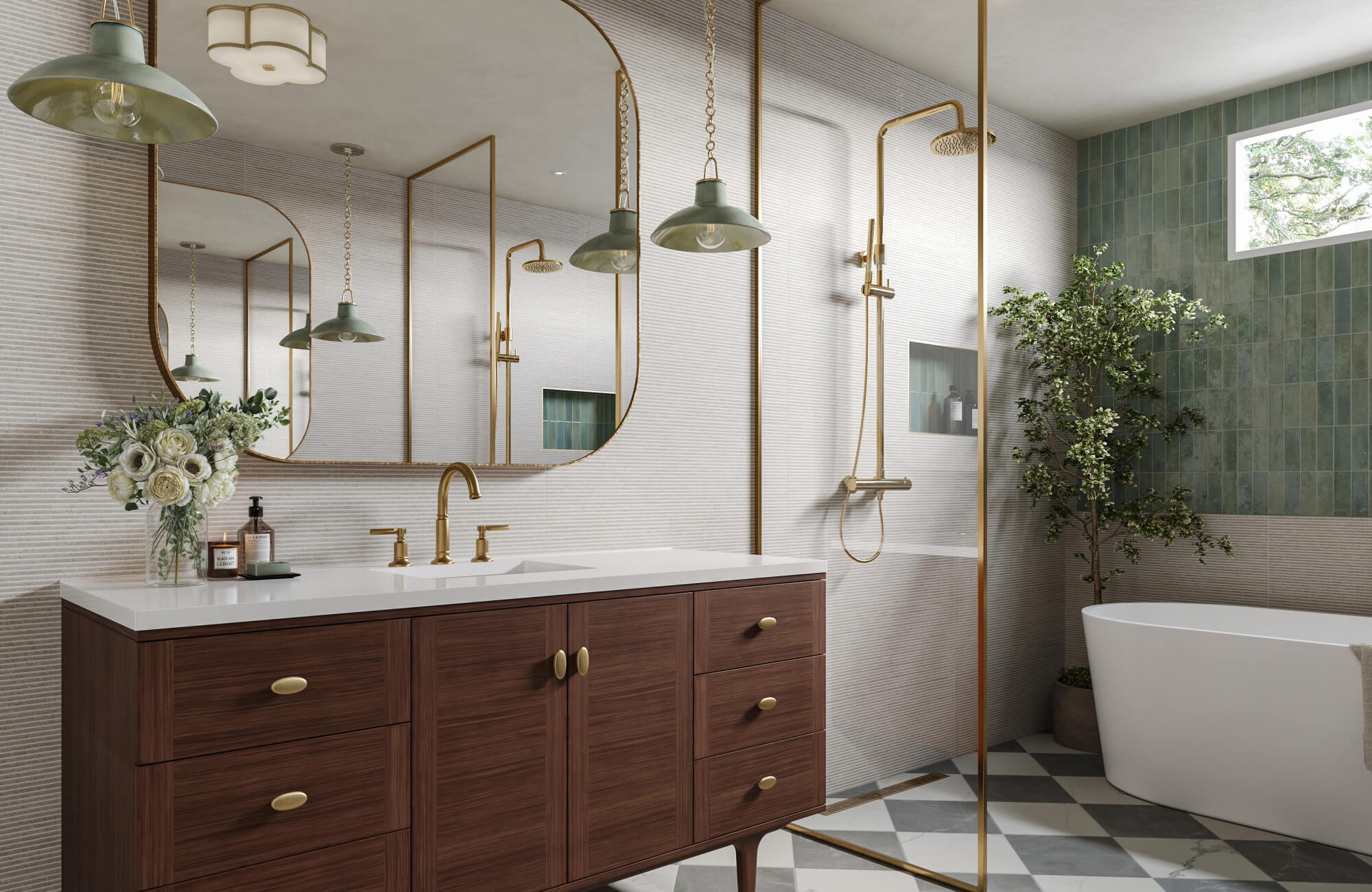
A 48 inch bathroom vanity is more than just a place to wash your hands; it's the centerpiece of your bathroom, a crucial element that combines style, storage, and functionality. Whether you're renovating or starting fresh, understanding what features matter most can help you make a smart, lasting investment.
In this comprehensive guide, we'll explore the essential components of a 48 inch vanity, from materials and construction to design and plumbing. By the end of this article, you'll be equipped with the knowledge to confidently choose a vanity that elevates your bathroom's aesthetic and enhances its practicality.

The Foundation Material and Construction Quality
To choose a vanity that lasts, you’ll want to start with its core, the materials and construction. The quality of what’s behind the finish determines how well your vanity stands up to daily use, humidity, and wear over time.
Cabinetry Materials
From solid wood to engineered options, each has unique strengths worth considering in a bathroom environment.
Solid wood
Hardwoods like oak, maple, and birch are prized for their durability and resistance to moisture, making them excellent choices for bathroom cabinetry. Kiln-dried wood is particularly valuable, as the drying process minimizes expansion, warping, and cracking. For example, the Josephine 48" Single Vanity by Edward Martin, as shown in the photo above, features thick oak veneers in a Satin Drifted Black finish that balances structural integrity with modern elegance.
Plywood
A popular alternative to solid wood, high-quality plywood resists warping, thanks to its layered, cross-grain construction. For best results, choose panels rated as “marine-grade” or “furniture-grade,” which use water-resistant adhesives and offer greater durability in damp environments.
MDF (Medium-Density Fiberboard)
MDF is a cost-effective, engineered material made from compressed wood fibers and resin. While it provides a smooth surface for painted finishes, it must be sealed or laminated to withstand moisture. For bathroom applications, opt for high-density MDF with an MR (moisture-resistant) rating.
Particleboard
Often found in low-budget vanities, particleboard is made from wood particles and resin. It’s the least durable option and especially vulnerable to water damage. For high-humidity bathrooms, it’s generally best avoided.
Construction Techniques
Once you've selected a sturdy material, construction details further define the vanity's strength and longevity.
Joinery
Dovetail joints, commonly used in drawer boxes, are a reliable indicator of craftsmanship. Their interlocking design offers superior strength compared to stapled or glued alternatives.
Box construction
Whether framed or frameless, the structure of the vanity cabinet is key to overall stability. Full box construction using solid wood or plywood panels is ideal. In particular, frameless (European-style) cabinets can still offer lasting durability when constructed with thick, reinforced panels.
Drawer slides and hinges
Look for full-extension, soft-close metal drawer slides, such as undermount ball-bearing tracks, for a smooth, durable experience. Similarly, concealed and adjustable soft-close hinges not only improve function but also contribute to a clean, refined appearance.
Finish and sealing
A protective finish is essential. High-quality vanities are typically sealed with polyurethane or catalyzed lacquer to defend against moisture, steam, and daily use. Multiple coats further enhance color depth and surface durability.
Back panel and base
Lastly, don’t overlook the structure behind the scenes. A full back panel increases rigidity and simplifies installation, while a sealed base, paired with furniture-style legs or a recessed toe-kick, helps protect against potential floor moisture.

Countertop Sink and Faucet Configuration
Once the foundation is solid, the next step is selecting the right countertop, sink, and faucet setup. These elements affect not only how your vanity looks, but also how it functions day to day.
Countertop Materials
Your countertop isn’t just a surface; it’s a workhorse that needs to withstand moisture, spills, and daily wear. The right material will offer lasting performance while complementing your vanity’s overall style.
Quartz
Engineered quartz remains a top choice for bathroom countertops, thanks to its non-porous surface that resists stains, bacteria, and moisture infiltration. Made from natural quartz crystals and resin, it offers the luxurious look of stone with more consistency and less upkeep. Edward Martin’s Demi 48" Single Vanity in Mid-Century Walnut with a 3 cm White Zeus Quartz Top, as featured in the photo above, perfectly illustrates how quartz can balance durability with sleek, modern appeal.
Marble
For those drawn to timeless elegance, marble brings a distinctive richness through its veining and soft texture. However, as a porous and softer stone, it’s more susceptible to staining and etching, particularly from acidic products. With regular sealing, marble can be a beautiful option for non-busy or guest bathrooms where wear is limited.
Granite
Known for its strength and heat resistance, granite offers natural beauty with one-of-a-kind mineral patterns. When properly sealed, it becomes highly durable and moisture-resistant. Just note that its unique appearance can make coordination with other design elements a bit more complex.
Solid Surface
Materials like Corian provide a smooth, contemporary alternative by seamlessly blending sink and countertop. These surfaces are non-porous, easy to clean, and even repairable, ideal for minimalist designs where functionality and hygiene take priority.
Ceramic and Porcelain Tile
While not as common for full vanity tops today, tiled surfaces offer budget-friendly customization. That said, the presence of grout lines means more maintenance and less practicality in high-use bathrooms.
Sink and Faucet Arrangement
Once your countertop is chosen, it’s time to consider how your sink and faucet will integrate with both the surface and the space.
Sink Types
Most 48" vanities can accommodate either a single large sink or two smaller ones, depending on layout and preference. For instance, undermount sinks deliver a sleek look and make countertop cleaning easier. Vessel sinks, on the other hand, offer striking visual presence and added counter space, though they can be trickier to clean around. For a seamless, low-maintenance option, integral sinks molded directly into the countertop are both hygienic and practical.
Faucet Mounting Styles
The type of sink often dictates faucet mounting. Deck-mounted faucets are standard and install directly into the countertop or sink deck. Wall-mounted faucets, though more visually streamlined and space-saving, require precise plumbing behind the wall. In either case, professional installation is strongly recommended to ensure a safe, code-compliant result.
Hole Configurations
It’s important to match faucet hole spacing with the fixture design, typically centerset (4"), widespread (6–16"), or single-hole. Choosing a countertop with the correct pre-drilled or flexible hole configuration minimizes retrofitting and simplifies installation.
Water Efficiency and Compliance
Modern faucet design isn’t just about looks. Choosing WaterSense®-labeled faucets helps conserve water without sacrificing performance. If accessibility is a concern, be sure to select ADA-compliant options, which account for factors like sink height, reach depth, and knee clearance, especially useful in shared or public settings.

Storage Solutions and Ergonomic Design
With form and surface in place, it’s time to think about how the vanity supports your routine. Smart storage and ergonomic features ensure everything you need is within reach and easy to use.
Maximizing Storage Capacity
Choosing the right combination of drawers and cabinets makes all the difference in how your space functions day to day.
Drawer vs. cabinet configuration
Most 48" vanities feature a combination of drawers and cabinet doors. Drawers, especially deep, full-extension types, are ideal for organizing toiletries, cosmetics, and grooming tools. Unlike standard cabinets, they allow quick access without requiring users to reach into the back. Soft-close glides also reduce noise and wear over time. Edward Martin’s Paxton 48" Single Vanity in Pebble Oak with a 3 cm White Zeus Quartz Top, as displayed in the picture above, demonstrates this balance beautifully, offering three drawers and a tip-out tray that maximize storage without compromising design.
Interior features
To keep everything in its place, many vanities now include built-in dividers, adjustable shelves, and pull-out trays. These options reduce clutter and adapt easily to changing storage needs. For households with multiple users, vertical solutions like integrated linen towers or tall side cabinets can make the most of limited square footage. Even narrow tilt-out trays below the sink can reclaim otherwise unused space.
Plumbing considerations
Efficient storage depends on how well the vanity accommodates plumbing. For example, U-shaped drawers or offset sink placements help preserve drawer space while still allowing access to pipes and connections, ideal for maximizing usable interior volume.
Hidden and specialized storage
For added convenience, some vanities include built-in power outlets, hair dryer holsters, or heat-resistant compartments for styling tools. These features keep surfaces clear and cords tucked away. Higher-end models may also offer soft-lined drawers for jewelry or locking compartments for valuables and medications, smart upgrades for shared or master baths.
Ergonomics and Accessibility
Beyond storage, ergonomic design ensures that your vanity supports comfort, safety, and ease of use for everyone in the household.
Vanity height
While standard vanity height ranges from 32" to 34", many homeowners now prefer comfort-height models (36") that align more naturally with modern sink fixtures and reduce strain on the back. For homes with young children or multigenerational needs, lower or adjustable-height vanities may be more appropriate.
Reach and clearance
Functional access is just as important as storage volume. Drawers and shelves should open smoothly and without obstruction, allowing users to reach essentials without excessive bending or awkward angles. For those with mobility challenges, ADA-compliant vanities are essential as they require a minimum knee clearance of 27" high, 30" wide, and 19" deep to accommodate wheelchair users. Additionally, toe-kick spaces, typically 3½" to 4" high and 3" deep, improve comfort and ergonomics for those standing at the sink.
Handle and hardware design
Ease of grip also plays a crucial role in accessibility, especially for individuals with arthritis or limited dexterity. Wide, D-shaped pulls offer better control than small knobs, while features like soft-close or push-to-open mechanisms minimize the need for forceful or repetitive movements.
Lighting integration
While not a structural element, integrated lighting within drawers or cabinet interiors can significantly improve visibility, particularly in dim bathrooms or during nighttime use. It also adds a layer of sophistication and safety by reducing eye strain and enhancing organization.

Style Finishes and Aesthetic Details
Finally, the details bring it all together. The finish, hardware, and design style you choose will define your vanity’s personality and tie it into the overall look of your bathroom.
Navigating Different Design Styles
Whether you’re after timeless charm or clean modern lines, your choice of design style can ground the space in a clear visual identity.
Transitional
Blending classic and contemporary elements, transitional vanities offer exceptional versatility. With clean silhouettes, paneled fronts, and muted color palettes, they suit spaces that strike a balance—neither too modern nor too traditional.
Modern and Contemporary
Minimalist by nature, modern vanities feature flat-panel cabinetry, sleek hardware, and integrated or vessel sinks. Popular finishes include matte lacquers and engineered surfaces like quartz or solid surface, emphasizing both efficiency and streamlined design.
Traditional
Rooted in classic design, traditional vanities often resemble freestanding furniture, with raised-panel doors, decorative legs, and rich wood finishes like cherry, walnut, or espresso. These styles offer a sense of formality and timelessness.
Rustic and Farmhouse
Warm and textural, rustic styles embrace reclaimed wood, natural finishes, and aged hardware. Common details include open shelving, shiplap, and apron-front sinks that create a welcoming, lived-in atmosphere.
Coastal and Cottage
Airy and relaxed, coastal styles use whitewashed or painted wood finishes in soft blues and greens. Beadboard paneling, louvered doors, and casual storage elements add to the breezy, beach-inspired feel. Edward Martin’s Gwen 48" Single Vanity in Pebble Oak with a 3 cm White Zeus Quartz Top, as shown in the photo above, captures this lighthearted look with its geometric wood detailing and gently textured finish.
Choosing the Perfect Finish and Hardware
With the style in place, finish and hardware choices complete the look, and influence how the vanity performs over time.
Finish Types
Painted finishes in shades like white, navy, and charcoal are popular for their crisp, adaptable appearance but may show wear more easily. In contrast, stained finishes highlight the wood’s natural grain, offering warmth and better resistance to everyday marks and smudges.
Sheen Levels
The sheen of a finish affects both appearance and maintenance. Matte finishes offer a soft, modern look but can show fingerprints more readily. Satin and glossy finishes strike a useful balance, providing subtle shine while remaining easy to clean.
Distressing and Glazing
Artisanal finishes such as glazing and distressing add texture and depth, often used to achieve a vintage or rustic effect. These techniques can also help disguise minor imperfections over time.
Hardware Selection
Hardware is more than just a practical detail; it serves as a design accent that ties the vanity into the broader room style. For instance, brushed nickel, chrome, and matte black work well in modern settings, while oil-rubbed bronze and antique brass offer a more traditional or vintage touch. Coordinating your hardware with fixtures and lighting creates visual harmony, but mixing metals intentionally can also create a curated, designer feel.
Customization Options
For those seeking a tailored finish, many high-end vanities offer customizable features, such as interchangeable hardware, multiple stain or paint colors, and unique inlays or accents. These options make it easy to personalize the piece to suit your space and design goals.
Final Considerations for Selecting the Ideal 48" Vanity
The ideal 48" bathroom vanity combines substance with style. From structural materials and efficient storage to the aesthetic touches that elevate the space, every detail should align with your practical needs and design vision.
To help you make confident, informed choices, Edward Martin offers a personalized design consultation service tailored to your project’s goals and style preferences. If you need guidance with vanity selections or support coordinating tile, rugs, or furniture, don’t hesitate to contact Edward Martin for expert recommendations and thoughtful assistance!