Subway tiles are celebrated for their timeless appeal and versatility, making them a classic and modern interior design staple. From polished neutrals to bold hues, these tiles offer endless possibilities for personal expression and seamlessly blend with various styles. To showcase their appeal, this article uncovers the most popular subway tile colors, their impact on design and ambiance, practical uses in kitchens and bathrooms, and tips for achieving a cohesive aesthetic.

Why Subway Tiles Remain a Timeless Favorite
Rooted in history yet perfect for today’s interiors, subway tiles seamlessly bridge the gap between classic elegance and contemporary trends. Their enduring popularity is a testament to their practicality and design adaptability.
First introduced in New York City’s subway system in the early 1900s, subway tiles were initially prized for their durability and ease of maintenance. Their neat, rectangular shape and glossy finish soon caught the attention of homeowners and designers. Today, they’re a beloved feature in homes and commercial spaces worldwide, blending utility with timeless style.
The appeal of subway tiles extends beyond their aesthetic value. Their uniform shape simplifies installation, while their moisture resistance and durability make them ideal for high-use areas such as kitchens and bathrooms. These practical benefits ensure their status as a design favorite.
With clean lines and smooth surfaces, subway tiles complement various design styles—from vintage charm to sleek modern minimalism. They provide a versatile backdrop, whether arranged in a classic brick pattern or a creative herringbone layout. Grout color choices and layout patterns add further customization, enhancing depth and character in any space.

How Subway Tile Colors Shape Your Space’s Mood
The color of subway tiles can influence how a room feels just as much as the layout or lighting. Because these tiles often cover large areas like backsplashes or shower walls, their color naturally sets the tone for the space. Choosing the right color allows homeowners to shape the atmosphere of a kitchen or bathroom while still maintaining the clean, structured look subway tiles are known for.
White Subway Tiles: Clean, Bright, and Open
White subway tiles remain a perennial favorite for creating a sense of openness and cleanliness. Available in shades ranging from cool to warm, they can suit diverse design preferences. In kitchens, white subway tiles enhance natural light and create a bright, inviting atmosphere. In bathrooms, their crisp, clean appearance fosters a spa-like ambiance, making the space feel fresh and hygienic. Their versatility allows them to pair perfectly with bold or neutral accents, offering endless design possibilities.
Black Subway Tiles: Bold and Sophisticated
Black subway tiles deliver bold sophistication, often used for statement walls or striking backsplashes. Their dramatic appearance pairs beautifully with lighter elements for a high-contrast effect. In modern interiors, they exude luxury and create a sense of depth, especially when combined with metallic or textured finishes. Black subway tiles are ideal for adding a touch of drama and elegance to kitchens and bathrooms, transforming them into visually captivating spaces. Whether used sparingly or as a dominant feature, they leave a lasting impression.
Grey Subway Tiles: Neutral Yet Timeless
Grey subway tiles offer a subdued sophistication that complements a variety of palettes. From light silvery tones to deep charcoal, grey tiles harmonize with bold colors and muted hues alike. These tiles are particularly effective in transitional spaces, effortlessly bridging contemporary and classic styles. In kitchens, they create a calm, balanced backdrop for vibrant cabinetry or countertops. In bathrooms, grey subway tiles evoke a sense of understated elegance, making them a practical choice for homeowners seeking versatility and timeless appeal.
Beige and Cream Subway Tiles: Warm and Inviting
For homeowners who want something softer than bright white, beige and cream subway tiles offer a warm and welcoming alternative. Their gentle undertones create a comfortable atmosphere that feels relaxed and lived-in rather than overly crisp. These shades tend to work especially well with natural materials like wood, limestone, or brushed brass finishes, which reinforce the warmth of the palette. In kitchens, they provide a light backdrop that still adds subtle depth to cabinetry and countertops. In bathrooms, cream-toned tiles often help create a calm, spa-like setting that feels both soothing and inviting. Because of this balance between warmth and simplicity, beige and cream subway tiles remain a dependable choice for interiors that aim to feel timeless yet approachable.

Trending Subway Tile Colors for Modern Interiors
Subway tile colors continue to evolve as homeowners look for ways to make their interiors feel more personal and expressive. While classic neutrals still dominate many kitchens and bathrooms, newer palettes are gaining attention for the character and warmth they bring to a space. These color trends show how subway tiles can move beyond traditional white while still maintaining the clean structure that makes them so popular.
Earthy Subway Tile Colors: Natural and Grounding
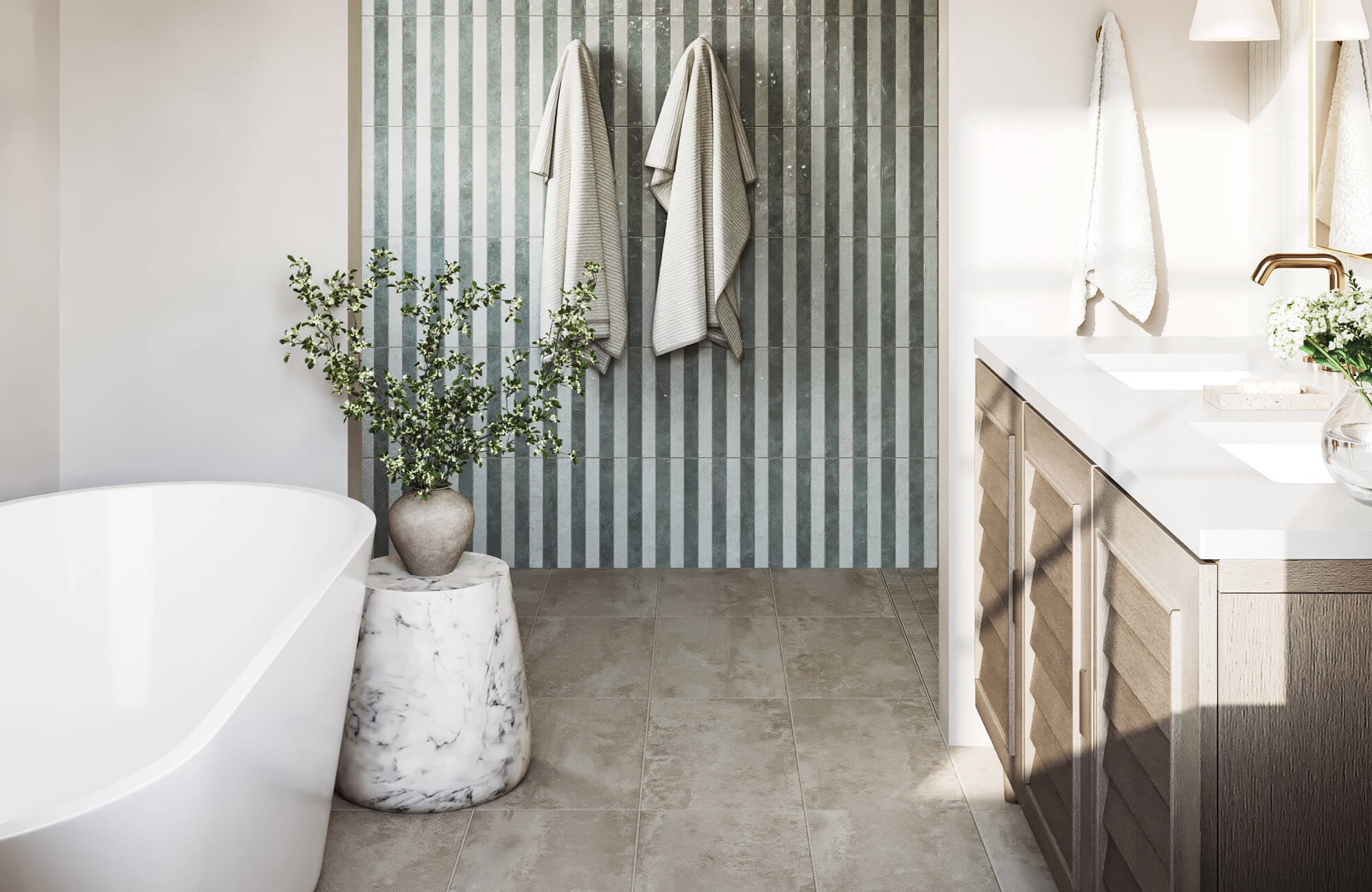
Earth-inspired shades like terracotta, sage green, and clay bring the calming essence of nature indoors. These tones evoke a sense of tranquility and groundedness, resonating with the biophilic design movement. They’re particularly effective in creating cozy, inviting spaces. These colors are versatile enough to complement both rustic and modern decor, making them ideal for blending styles. Additionally, earthy tones can create a seamless transition between indoor and outdoor spaces, enhancing the connection to nature.
For example, our Ellie 2.5x8 Matte Ceramic Tile in Moss, as displayed in the image, captures the essence of natural greens with its rich, matte finish, bringing a grounding and serene feel to any bathroom or kitchen. Its understated elegance allows it to blend effortlessly with wood or stone accents, making it a perfect choice for those seeking a harmonious and earthy aesthetic.
Metallic Subway Tiles: Glamorous and Industrial
Metallic subway tiles offer a striking alternative for interiors that aim to feel bold or refined. Finishes such as brushed gold, bronze, or pewter introduce a reflective surface that interacts beautifully with light. In smaller spaces, this subtle reflection can help brighten the room while adding visual depth. These tiles often appear in modern or industrial-inspired kitchens and bathrooms where contrast plays an important role in the design. When paired with darker cabinetry, natural stone, or matte finishes, metallic subway tiles create a layered and sophisticated look.
Bold Subway Tile Colors: Vibrant and Eye-Catching
Bold subway tile colors are becoming more common in interiors that embrace personality and creative expression. Shades such as mustard yellow, deep magenta, or burnt orange can instantly energize a space and draw attention to a backsplash or accent wall. These colors are often used in contemporary or eclectic interiors where contrast and individuality are part of the design approach. Because subway tiles maintain a structured layout, even vibrant colors can feel balanced rather than chaotic. When paired with neutral cabinetry or simple fixtures, bold subway tiles can become a confident focal point that brings life to the room.

Regional Influences on Subway Tile Color Choices
Subway tile colors are often shaped by the surroundings and design preferences of a particular region. Local architecture, natural landscapes, and lifestyle trends all play a role in influencing the palettes homeowners choose. Because of this, the same tile format can take on very different personalities depending on where it is used.
Coastal Subway Tile Colors: Inspired by Ocean Hues
In coastal areas, shades of blue and turquoise dominate subway tile choices. These hues mimic the natural beauty of the ocean and sky, bringing a refreshing, serene vibe to bathrooms and kitchens. Light, airy tones like aqua or periwinkle can make spaces feel larger and more open, ideal for smaller coastal homes. Combining these tiles with natural materials like wood or rattan enhances the breezy, beach-inspired aesthetic.
A perfect example is our Reagan 2x10 Matte Ceramic Tile in Teal shown above, which captures the calm, deep tones often associated with the sea. Its matte finish softens the color slightly, while the elongated format adds a modern touch to the overall look. This combination allows the tile to feel both contemporary and naturally inspired. Whether used in a shower surround or as a backsplash, it introduces ocean-inspired color without overpowering the space.
Urban Subway Tile Colors: Modern Shades for City Living
Urban interiors often favor neutral palettes such as grey, charcoal, and soft concrete tones. These shades support the clean, streamlined look that many city apartments and modern homes aim to achieve. Because they are understated, neutral subway tiles allow other elements like cabinetry, lighting, or furniture to stand out. Matte finishes are especially popular in these settings because they add a refined texture while helping conceal smudges and fingerprints. When paired with metallic fixtures or darker accents, these tiles can bring subtle contrast and personality to a minimalist space.
Suburban Subway Tile Colors: Balanced and Versatile Tones
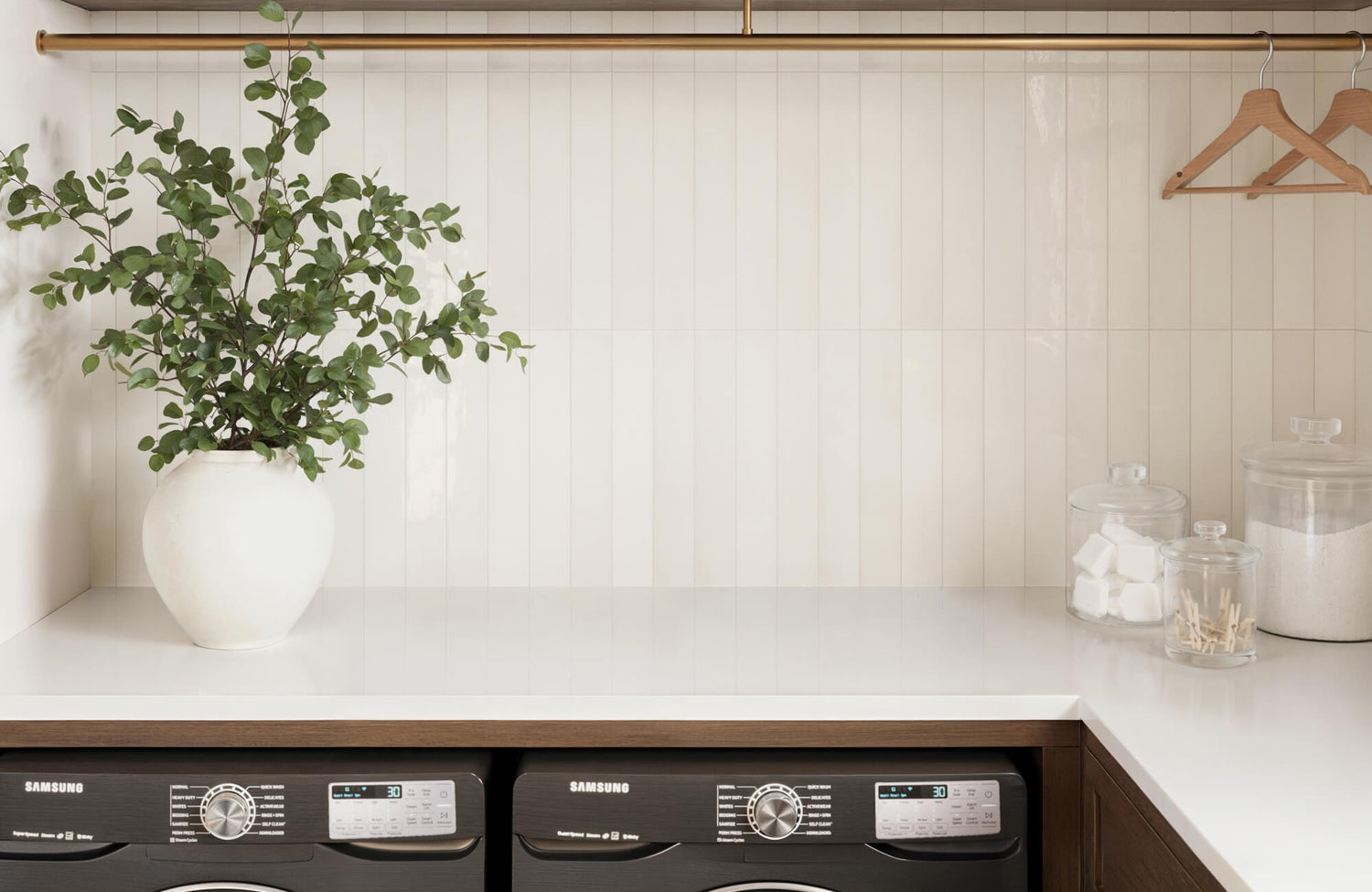
In suburban homes, subway tile colors often lean toward balanced tones such as soft greys, creamy whites, and gentle pastels. These shades create a comfortable middle ground between the sleek feel of urban interiors and the warmth of more traditional homes. Many homeowners choose tiles with slight tonal variation or texture to introduce subtle visual interest without making the space feel busy. This approach helps kitchens and bathrooms feel inviting while still maintaining a clean and timeless appearance. Because of their versatility, these tiles can easily connect different spaces in the home, from kitchens and mudrooms to laundry areas, creating a cohesive overall look.
To make choosing the perfect subway tile colors even easier, Edward Martin offers an Augmented Reality (AR) tool. This cutting-edge technology allows you to visualize various tile shades, patterns, and layouts in real time within your space. By simulating the final look, you can confidently select options that align with your design vision and functional needs.

Practical Tips for Choosing Subway Tile Colors
Choosing the right subway tile color means balancing visual style with the practical needs of the space. Lighting, surrounding materials, and how the room is used can all influence which color works best. Taking these factors into account helps ensure the tiles look beautiful while still performing well in everyday use.
Consider How Natural and Artificial Light Affect Color
Lighting can significantly change how subway tile colors appear once installed. In rooms with strong natural light, lighter tiles can feel even brighter and more expansive, while darker tones gain depth and contrast. Spaces with limited lighting may benefit from glossy or lighter-colored tiles that reflect light more effectively. Artificial lighting also plays a role, as warm lighting can soften colors while cooler lighting may emphasize blue or grey tones. Viewing tile samples in the actual room before installation can help ensure the color looks the way you expect throughout the day.
Coordinate Tile Colors with Cabinets, Countertops, and Fixtures
Subway tile colors work best when they complement the surrounding materials in the space. Cabinets, countertops, flooring, and fixtures all contribute to the overall palette, so the tile color should support that visual balance. Neutral tiles such as white, beige, or soft grey often create a flexible backdrop that works with many materials. Darker or more colorful tiles can become a focal point when paired with simple cabinetry or natural stone surfaces. Considering how these elements interact helps create a design that feels cohesive rather than disconnected.
Use Grout Color to Influence the Final Look
Grout color can dramatically change the way subway tiles appear once installed. Matching grout with the tile color creates a softer, more seamless surface that feels calm and continuous. In contrast, darker grout against lighter tiles highlights the rectangular layout and adds graphic definition. This contrast can emphasize patterns such as brick, stacked, or herringbone layouts. Because grout plays such a visible role in subway tile installations, choosing the right shade can be just as important as selecting the tile itself.
Elevating Your Space with Subway Tile Colors
Subway tiles have earned their place as a timeless design staple, offering versatility and style that adapts to both traditional and modern interiors. From classic neutrals to daring contemporary hues, they provide endless opportunities for creativity. By carefully selecting colors and layouts, homeowners can craft spaces that are not only visually stunning but also functional and reflective of their personal style. Whether you prefer the elegance of white tiles or the boldness of black, subway tiles are a proven way to elevate any interior.
For those seeking expert guidance, Edward Martin’s design services provide the perfect blend of creativity and practicality. Our team ensures a seamless process, from selecting the ideal subway tile colors to customizing layouts that elevate your space. We also provide handpicked samples that make it easier to visualize your design ideas. Whether you’re redesigning your kitchen, bathroom, or another area of your home, our tailored solutions bring your vision to life with precision and style.edwaMichelle Tawayedw