
)
)
)
)
)
)
)
)
Easy Cleaning Tips For Ceramic Subway Tile
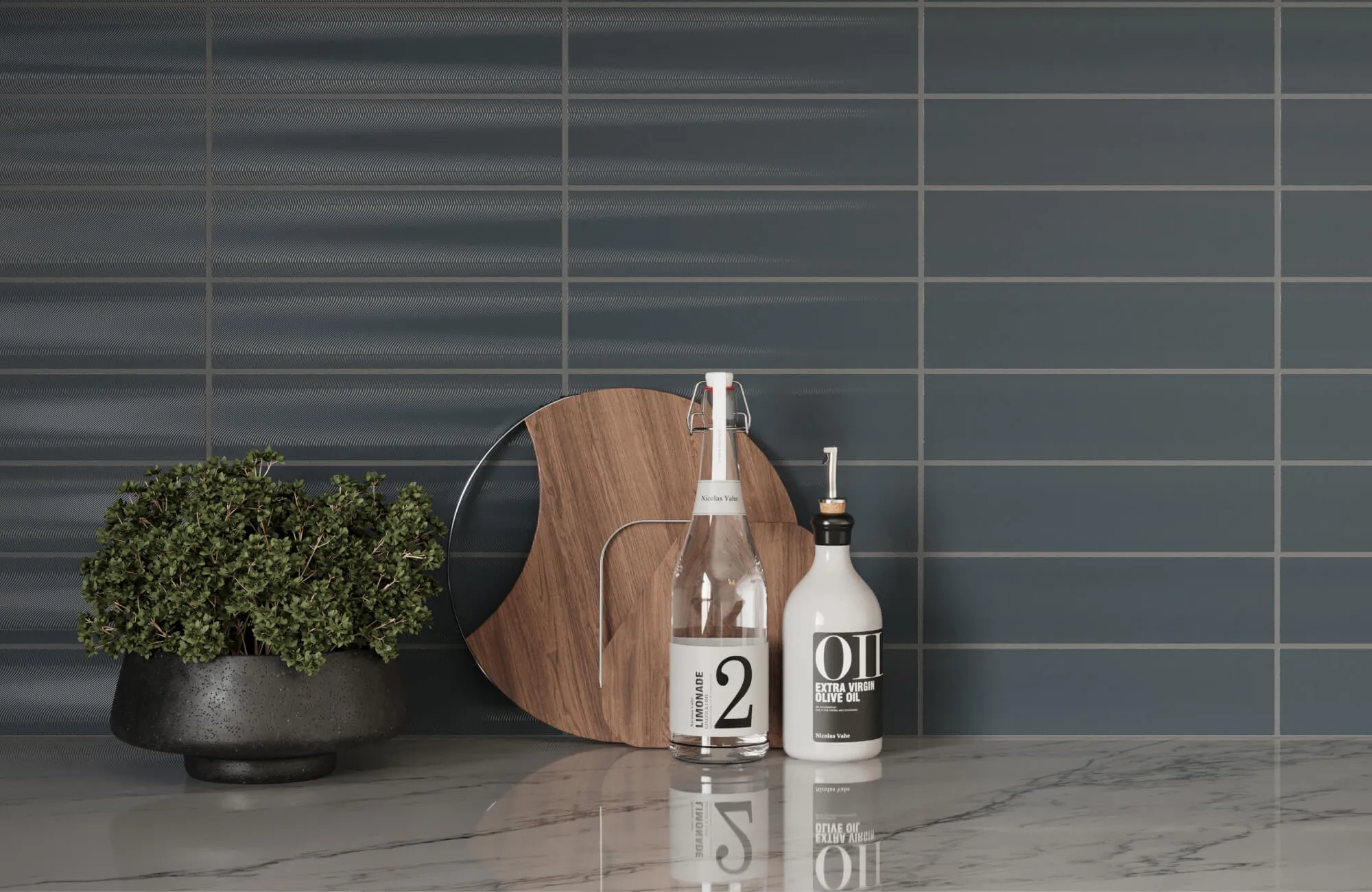
Ceramic subway tiles are known for their timeless appeal, adding clean lines and subtle charm to kitchens, bathrooms, and more. But like any beautiful surface, they require regular upkeep to maintain their fresh, polished look. From everyday cleaning to handling stubborn spots, the right methods can make all the difference in preserving their style and longevity.
In this guide, we’ll walk through easy and effective ways to keep your ceramic subway tiles looking their best. Whether you're dealing with greasy splatters or cloudy grout lines, these practical tips can help you stay ahead of the mess and extend the life of your tiles.
Keeping Subway Tiles Sparkling
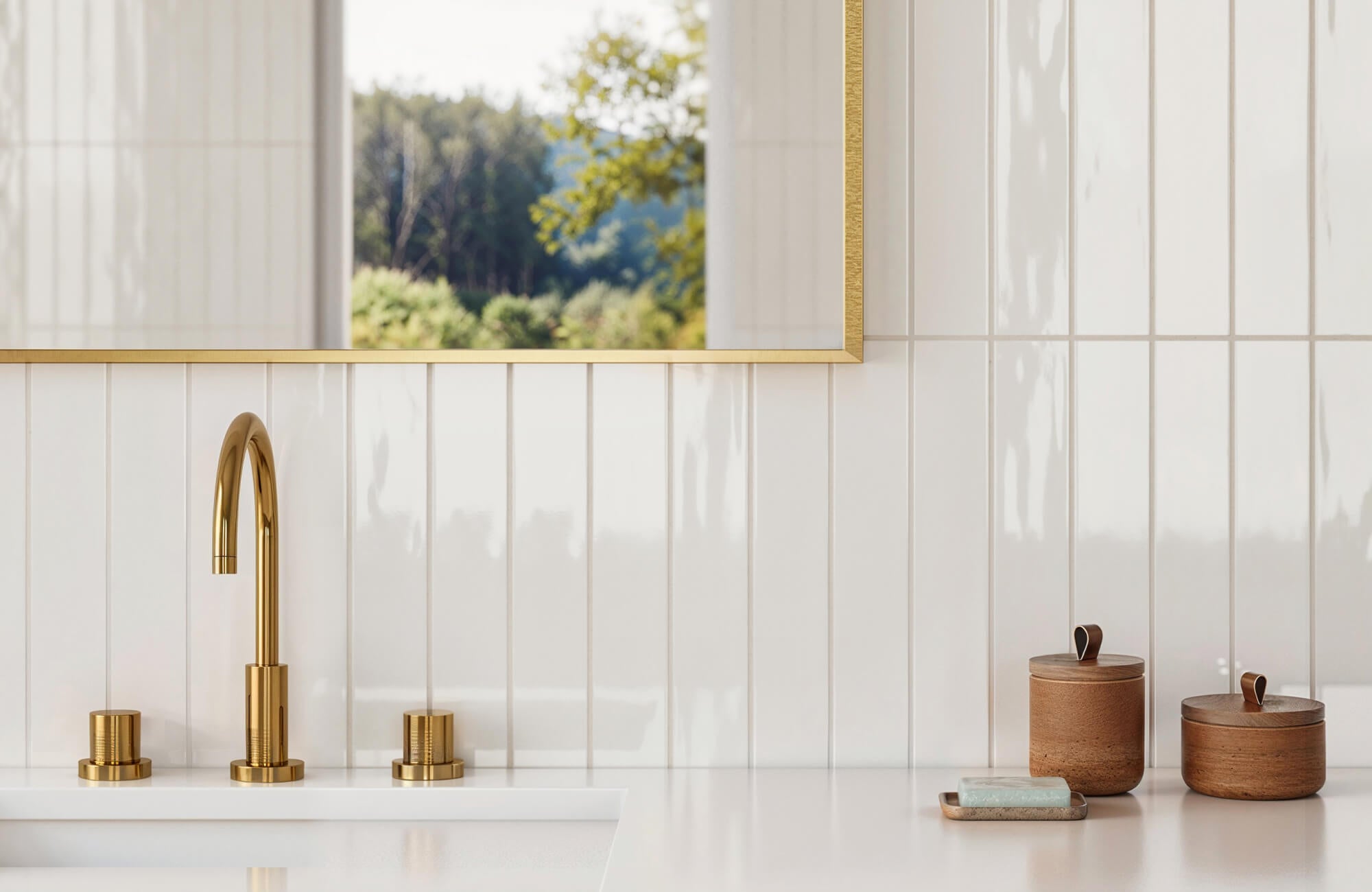
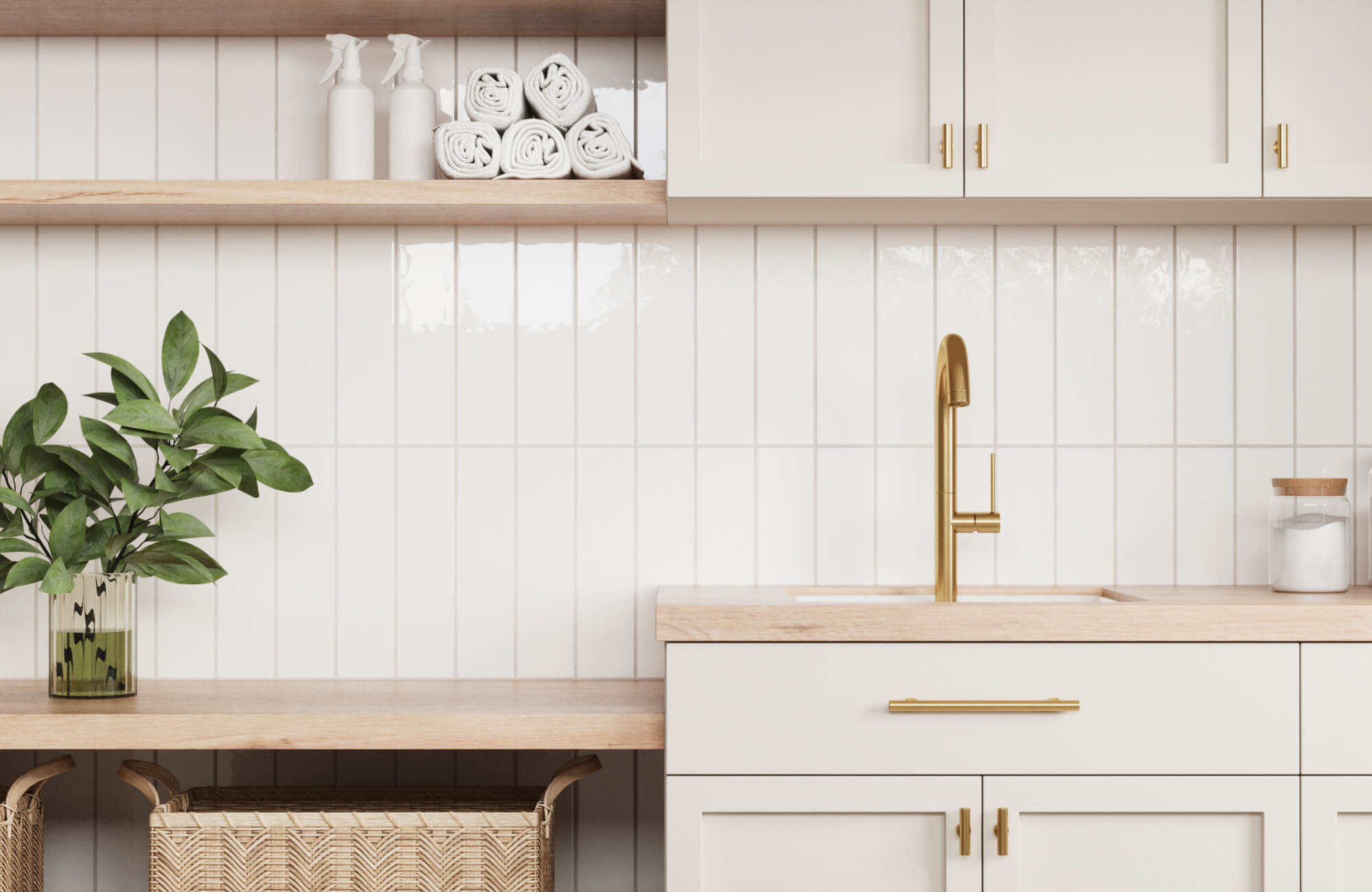
While ceramic subway tiles, such as our Jaden 2.5x16 Glossy Ceramic Tile in Eggshell above, are easy to maintain, regular cleaning is still key to keeping them looking crisp and polished. Over time, everyday buildup like dust, grease, or splashes can dull their surface. With the right tools and a simple routine, you can keep your tiles shining without much hassle.
Daily and Weekly Cleaning Routine
A consistent cleaning schedule helps prevent dirt and grime from settling on your tile surface. For everyday upkeep, a quick wipe-down with warm water and a soft cloth goes a long way. On a weekly basis, a gentle solution of vinegar and dish soap offers a deeper clean without being too harsh. This keeps your tiles looking fresh and prevents buildup from becoming harder to manage later on.
How to Make and Use a DIY Cleaning Solution
One of the easiest ways to clean ceramic subway tiles is by mixing one ounce of vinegar, a few drops of mild dish soap, and water in a spray bottle. This combination is gentle yet effective, especially for lifting surface grime and grease. Spray it evenly across your tiles and let it sit for a few minutes to break down residue. Then, wipe it clean with a damp cloth or sponge to reveal a fresh, streak-free finish.
Finishing Touches to Prevent Streaks
Once your tiles are wiped down, drying them properly helps prevent water spots or dull streaks from forming. You can use a clean microfiber towel or paper towels for this final step. This is especially helpful for glossy tiles, which tend to show smudges more easily. Adding this small detail to your routine can make a big difference in how polished your tile surface looks day to day.
When to Follow Manufacturer Guidelines
While vinegar-based cleaning solutions work well for most ceramic tiles, it’s still a good idea to double-check your tile manufacturer’s care recommendations. Some finishes or sealants may require specific products or methods. Using the wrong cleaner could damage the surface or affect long-term durability. Always treat DIY solutions as supplemental, especially if your tiles came with tailored maintenance guidance.
Keeping Surfaces Scratch-Free
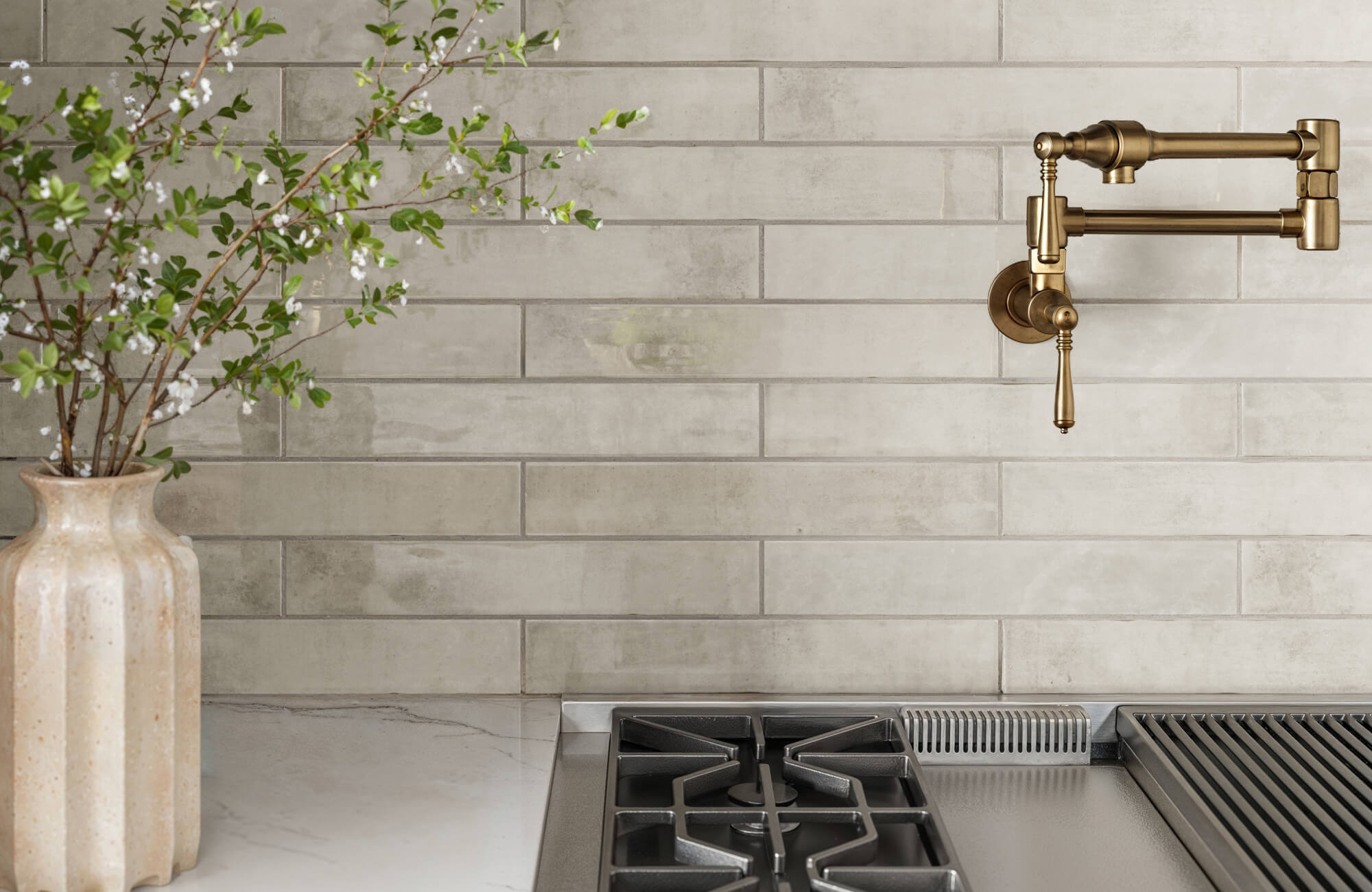
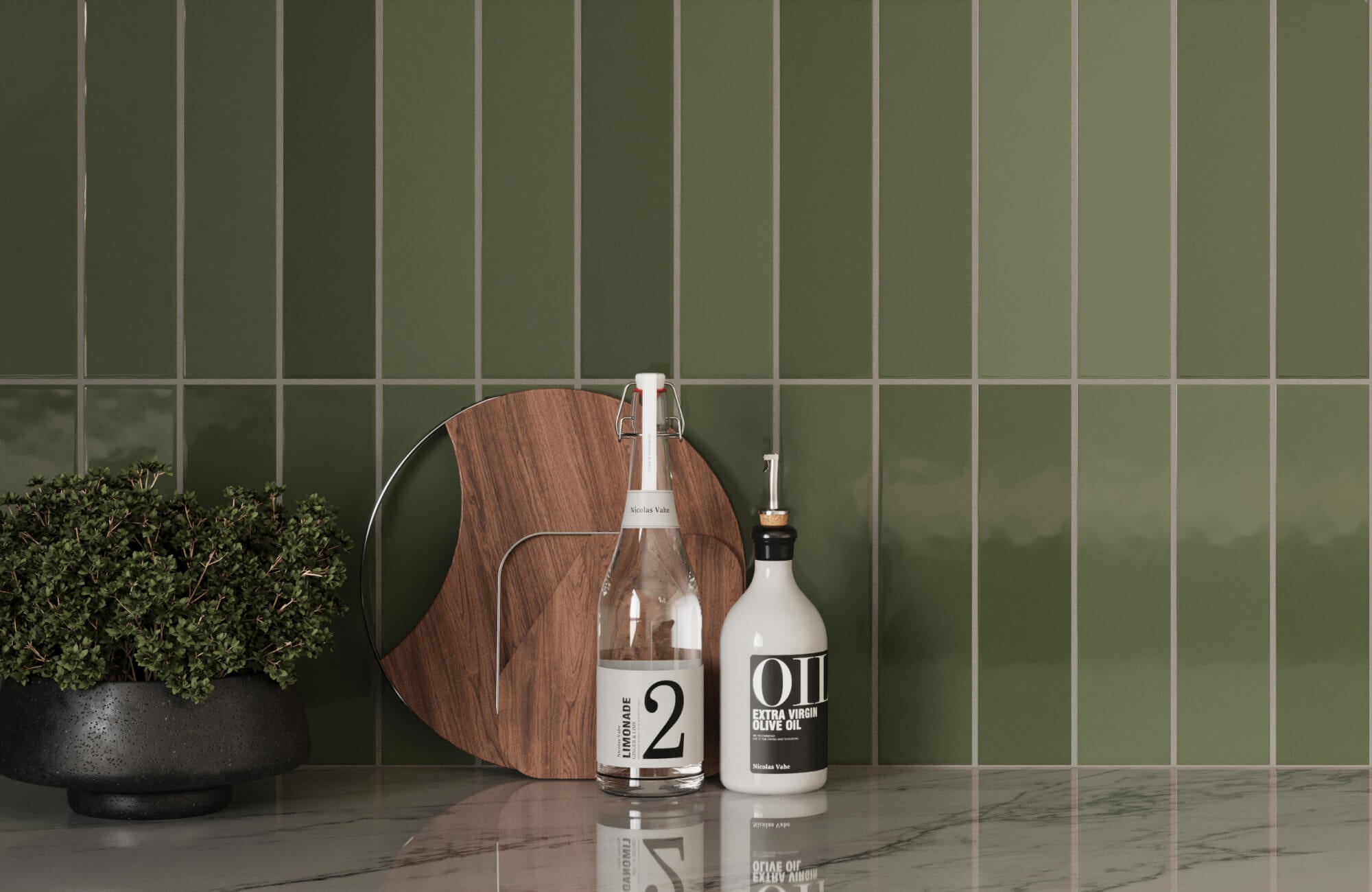
Ceramic subway tiles, like our Jaden 2.5x16 Glossy Ceramic Tile in Tender Gray above, are durable and long-lasting, but they're not completely immune to scratches. Daily wear and contact with gritty debris or hard objects can dull their finish over time. With a few simple habits, you can protect your tiles and keep them looking smooth and polished for years to come.
Vacuum and Sweep Frequently
Dirt, sand, and other small particles can act like sandpaper when dragged across your tile surface. Regular sweeping or vacuuming, especially with a soft brush attachment, helps clear debris before it has a chance to cause damage. This step is particularly important in busy areas like entryways or kitchen floors. Keeping the surface free of grit is one of the easiest ways to maintain the tile’s clean look and smooth texture.
Avoid Abrasive Tools and Cleaners
Using the wrong tools or harsh chemicals can wear down the surface of your ceramic tiles. Instead of abrasive scrubbers or steel wool, opt for soft microfiber cloths or sponges paired with gentle, tile-safe cleaners. These options are just as effective for daily cleaning and much safer for your tile’s glaze. Over time, this careful approach helps preserve the tile’s original finish and prevents micro-scratches that can collect grime.
Be Mindful of Furniture and Heavy Items
Furniture legs, heavy kitchenware, or even dropped tools can leave visible scratches or chips if not handled with care. It’s a good idea to place felt pads under chairs and tables, especially if they sit on tiled surfaces. When moving heavy items, always lift rather than drag them to avoid marking the floor. Taking these small precautions helps maintain the integrity of your tiles while extending their lifespan.
Keeping Grout Looking New
Even the cleanest tiles can lose their charm if the grout in between looks stained or worn. Grout tends to absorb moisture and grime over time, making regular maintenance essential for keeping your tiled surfaces looking fresh. With a few easy habits, you can keep your grout clean, bright, and low-maintenance for the long haul.
Basic Grout Cleaning Routine
For everyday upkeep, a simple mix of hot water and a stiff-bristled brush can work wonders on grout lines. This method helps lift dirt and debris without introducing harsh chemicals into your routine. It’s especially effective in bathrooms and kitchens, where grout is most exposed to splashes and buildup. A quick scrub every week or two can make a big difference in maintaining a clean, consistent look.
Deep Cleaning With Baking Soda and Vinegar
When grout starts to show signs of discoloration, it’s time for a deeper clean. A paste made from baking soda and water can be applied directly to the grout lines, followed by a light spray of vinegar. Let it bubble and sit for a few minutes before scrubbing gently with a brush. This natural combo is effective for loosening tougher grime while still being gentle on the tiles.
Preventing Future Grime Buildup
To keep your grout looking clean between deep cleanings, regular upkeep is key. A diluted vinegar and water spray used weekly can help inhibit mold, mildew, and everyday residue from settling in. This small step can go a long way in maintaining a consistently fresh appearance. You can also keep a soft brush or cleaning cloth nearby to quickly wipe down high-splash areas after use.
Considering Stain-Resistant or Sealed Grout
If you want to reduce your grout cleaning time even further, consider using stain-resistant grout or applying a grout sealant. These options create a barrier that helps prevent dirt, spills, and moisture from seeping in. Sealed grout is particularly helpful in wet areas like showers or backsplashes. While it may require some upfront effort, sealing your grout can make long-term care much easier and more manageable.
Keeping Your Subway Tiles at Their Best
Keeping ceramic subway tiles looking their best doesn’t require complicated steps. With a little consistency and the right approach, you can easily maintain their classic appeal. From routine wipe-downs to simple grout care, small efforts made regularly help preserve both the function and beauty of your tile surfaces. Whether you're cleaning up after a week of cooking or refreshing a bathroom wall, staying on top of maintenance keeps everything looking crisp and clean.
To further protect your installation, consider sealing your grout and using tile-safe products recommended by your manufacturer. These added precautions help reduce wear over time and make cleaning even easier. If you're planning a refresh or starting a new tile project, feel free to contact our team for expert guidance or explore our AR tool to preview how your selected tile will look in your space. With the right care, your subway tiles can remain a beautiful and durable part of your home for years to come.
Frequently Asked Questions
Even with a solid routine, questions often come up when it comes to cleaning and maintaining ceramic subway tiles. From handling stains to preventing scratches, knowing what works and what to avoid can save you time and effort. Below, we answer some of the most common questions, but always refer to your manufacturer’s care instructions to get the best results for your specific tiles.
Is porcelain a better choice than ceramic for subway tiles?
Porcelain is denser and more moisture-resistant than ceramic, making it a great option for wet areas or busy spaces. While ceramic is easier to cut and typically more affordable, porcelain tends to offer greater long-term durability. Choosing between the two depends on your space, usage, and budget.
Can I use bleach on ceramic subway tiles?
Bleach can be too harsh for routine use and may damage certain glazes or lighten grout over time. It’s best to use milder solutions unless your manufacturer specifically approves bleach-based products. For heavy-duty cleaning, spot-test in an inconspicuous area first.
Should I seal my ceramic subway tile or just the grout?
Most ceramic subway tiles are glazed and don’t require sealing, but grout is typically porous and benefits from a protective seal. Sealing grout helps resist moisture, staining, and mildew over time. Reapplying a grout sealer every year or so can extend its performance and appearance.
How can I clean hard water spots on subway tiles?
A vinegar and water spray can help dissolve mineral deposits, especially around sinks and showers. Let it sit for a few minutes, then gently scrub with a soft brush or cloth. Avoid harsh scrubbing tools to keep the glaze intact.
Follow us on Instagram
@EDWARD.MARTIN
)
)
)
)
)
)
)
)
)
)
)
)
)
)
)
)