Outdoor dining chairs are no longer treated as basic patio pieces that only need to survive the weather. Today, they can help shape how your outdoor space looks, feels, and functions, whether you use it for quiet breakfasts, weekend dinners, or casual gatherings with family and friends.
The latest outdoor dining chair trends are making it easier to create a space that feels comfortable, stylish, and practical. Instead of choosing chairs based on looks alone, you can now find designs with better materials, softer shapes, confident colors, flexible layouts, and lasting value that support the way you actually dine and relax outdoors.

Comfort Is Becoming A Bigger Part Of Outdoor Dining
Outdoor dining chairs are now designed for more than quick meals, with comfort playing a bigger role in how people choose them. The latest styles use better proportions, supportive angles, and practical cushion options so you can sit longer without the chair feeling bulky or too casual.
Deeper Seats
One noticeable trend is the move toward slightly deeper and wider seats. A deeper seat gives you more room to settle in, which makes a difference during longer dinners or relaxed weekend meals. It also gives the chair a more generous feel without making the whole dining setup look oversized.
However, depth needs to be balanced with table height and legroom. If the seat is too deep, shorter guests may not sit comfortably with their backs supported. If it is too wide, the table may feel crowded once every chair is pulled in. Before choosing an outdoor dining chair, it helps to check the seat depth, the distance from the floor to the seat, and how easily the chair slides under the table.
This is especially important if your dining area is compact. A chair can look comfortable in a product photo but feel awkward in a real patio layout if it takes up too much space. The best deeper-seat designs give you a relaxed feel while still allowing smooth movement around the table.
Supportive Backs
Supportive backs are another major improvement in outdoor dining chair design. Older patio chairs often had flat backs or rigid frames that worked for short sitting but became uncomfortable during longer meals. Newer designs are paying more attention to posture, back angle, and how the chair supports the body.
A gently angled back can make the chair feel more relaxed while still keeping you upright enough for dining. Some chairs use shaped frames, flexible sling materials, or contoured backs to provide support without needing thick cushions. This is useful if you want comfort but prefer a cleaner, lower-maintenance setup.
When comparing options, look at how the backrest meets the seat. A chair with a slightly reclined back and a supportive lower section often feels better than one with a straight vertical frame. If you plan to use your outdoor dining area for slow meals, drinks, or casual work during the day, back support should be one of your first considerations.
Performance Cushions
Cushions are becoming more practical as outdoor dining chairs move toward slimmer padding, quick-dry foam, outdoor fabric, and removable covers. These details add comfort while keeping the chair easier to clean, dry, and maintain.
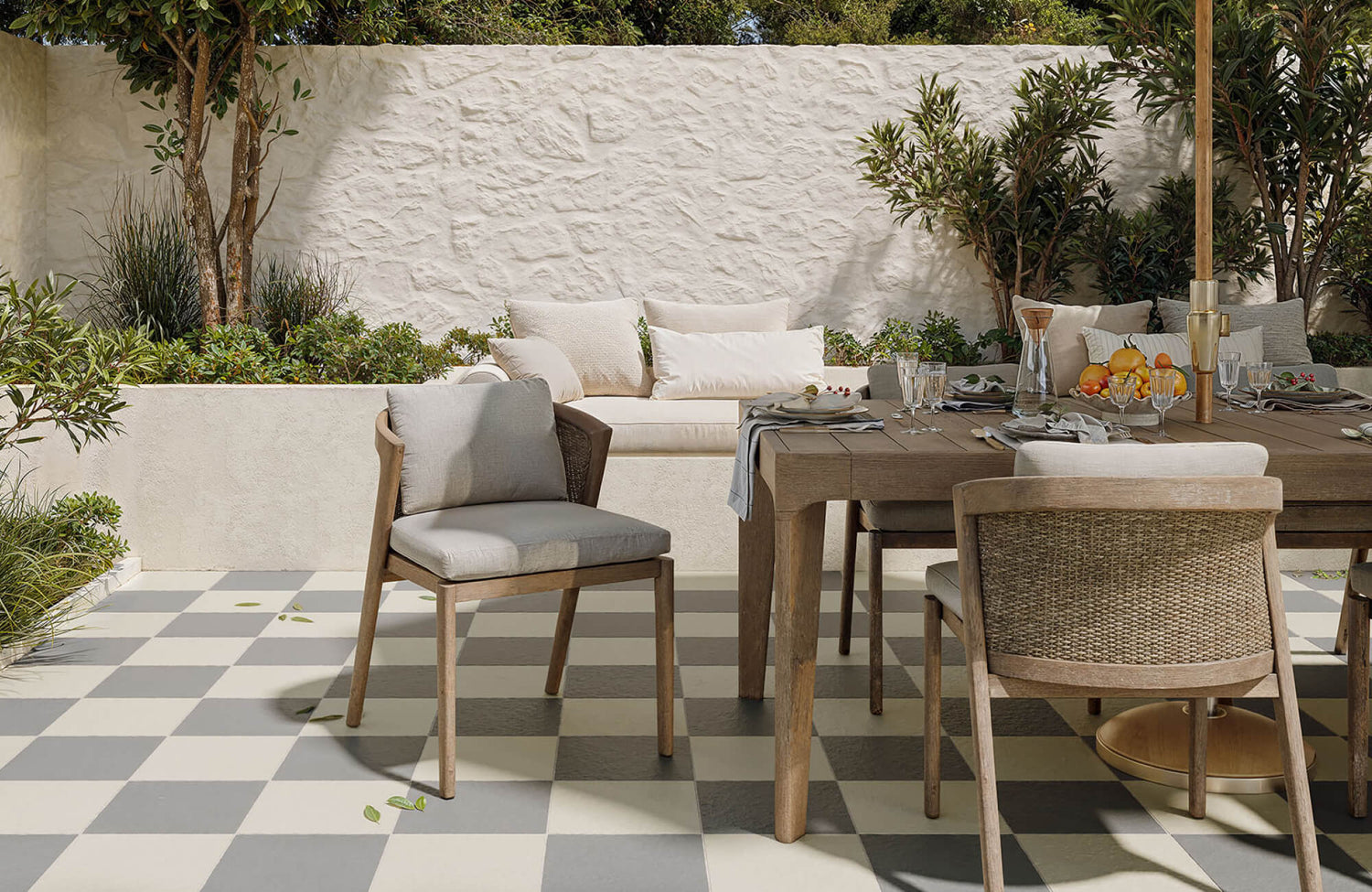
The photo featured above captures this balance through Edward Martin’s Hightide Outdoor Dining Armchair in Stained Aged Grey and Alessi Linen. Its softly curved backrest, streamlined armrests, cushioned seat, and Italian performance fabric create an inviting feel without adding visual weight around the dining table.
These cushion features are especially useful in dining areas exposed to sun, humidity, or occasional rain. UV-resistant fabric helps reduce fading, removable covers simplify cleaning, and secure fastenings help keep cushions in place during daily use.
For a clean and comfortable setup, choose cushions that support the chair’s shape rather than overpower it. A thin seat pad may suit a woven or sling chair, while a firmer cushion can improve comfort on wood or metal frames without making outdoor dining feel difficult to maintain.

Weather Smart Materials Are Defining The New Look
Outdoor dining chairs are now using materials that look refined while holding up to everyday use. Current designs combine weather resistance with texture, warmth, and finishes that help the chair suit your climate, table, and overall setting.
Teak And Wood Warmth
Teak and other outdoor-grade woods remain popular because they add warmth and a natural feel to outdoor dining areas. Wood can soften patios made of concrete, stone, or tile, and it pairs well with both modern and traditional homes. It also gives the space a grounded feel that many metal or plastic chairs cannot easily create.
Teak is especially valued for its natural oils, which help it withstand outdoor conditions. Over time, it can develop a silvery patina if left untreated, which many homeowners like for a relaxed, lived-in look. If you prefer a warmer golden tone, regular care may be needed, but that decision depends on how much maintenance you want to take on.
Wood dining chairs work well when you want the outdoor area to feel connected to the landscape. They are also a strong choice if your patio already includes plants, stone planters, woven accessories, or neutral cushions. The result feels calm and natural while still looking polished, especially when the chair has a clean, well-proportioned shape.
Powder Coated Aluminum
Powder-coated aluminum continues to trend because it offers a practical balance of strength, lightness, and style. It does not rust like some untreated metals, and it is easier to move than heavier materials such as iron or solid wood. This makes it useful for dining areas where chairs are often rearranged, stacked, or stored.
Aluminum outdoor dining chairs now look more refined than the basic metal patio sets many people may remember. Matte finishes, slim frames, and softer colors make aluminum chairs feel more current. Black, bronze, white, taupe, and muted green finishes are especially versatile because they work with wood tables, stone tops, and mixed outdoor materials.
If your home is near the coast or in a humid location, aluminum can be a smart option because it handles moisture well when properly finished. It is also helpful for smaller patios because the frames tend to look visually light. That means you can have a full dining setup without making the area feel heavy or crowded.
Rope And Woven Texture
Rope, synthetic wicker, and woven strap details are becoming more popular because they add texture to outdoor dining chairs without relying on bold colors or bulky shapes. These materials create visual interest while keeping the chair comfortable and breathable. A woven chair can make an outdoor dining area feel more relaxed, especially when paired with a simple table. Rope details work well in modern spaces because they soften metal or wood frames. Synthetic wicker can feel more classic or coastal, depending on the weave pattern and frame shape.
When choosing woven outdoor dining chairs, pay attention to tension and construction. The weave should feel secure, not loose or uneven. It is also worth making sure the material is designed for outdoor use, since indoor woven materials can fade, sag, or wear out quickly when exposed to the elements. A well-made woven chair brings texture and comfort while still feeling suitable for everyday dining.
Recycled Materials
Another growing trend is the use of recycled and more responsibly sourced materials. Many outdoor dining chairs now feature recycled plastic, reclaimed components, or wood from carefully managed sources, giving you options that feel more considered and less disposable.
The photo displayed above brings this idea to life with Edward Martin’s Kendra Outdoor Dining Chairs in Natural, Set of 2. Their solid teak frame, light natural finish, and woven texture feel right at home against the surrounding greenery and stone surfaces; their 100% recyclable nature also makes them a more responsible choice for outdoor dining.
The key is to look for clear product details rather than broad eco-friendly claims. Material source, recycled content, repair options, and expected lifespan can tell you more about a chair’s long-term value. Recycled plastic chairs are another practical option because they often resist moisture, fading, and cracking better than cheaper plastics. If sustainability matters to you, choose outdoor dining chairs that pair responsible materials with a design you will still want to use years from now.

Softer Shapes Are Replacing Rigid Patio Seating
Outdoor dining chairs are moving toward softer, more considered shapes instead of stiff, purely functional forms. Curves, slimmer frames, and sculptural details can make the entire dining area feel more relaxed, modern, or thoughtfully designed before anyone even sits down.
Curved Frames
Curved frames are one of the strongest design trends in outdoor dining chairs. Rounded backs, arched arms, and barrel-inspired forms help soften spaces with hard surfaces, straight table edges, or angular architecture, making the setting feel more welcoming without extra decoration. A curved chair works especially well when you want to balance sharper lines in the surrounding space. The photo featured above shows this through Edward Martin’s Leticia Dining Chair in Cream, where the rounded back, soft seat, and slim frame bring a gentler shape to the poolside dining area without making the layout feel heavy.
The curve does not need to be dramatic to make an impact. Even a gently rounded back can make an outdoor dining area feel less rigid, especially when paired with stone flooring, concrete walls, geometric paving, or a structured table. This is a style-focused choice, but it can also make the space feel more approachable. If your outdoor dining area feels too plain or sharp, curved chairs are a simple way to introduce movement and ease.
Slim Lines
Slim outdoor dining chairs are trending because many people want outdoor spaces that feel open rather than crowded. Narrow frames, tapered legs, and thin profiles help keep the dining area visually light. This is useful on balconies, smaller decks, and patios where every piece of furniture affects how spacious the area feels. A slim chair does not have to feel weak or uncomfortable. Many designs use aluminum, steel, or reinforced frames to keep the structure strong while reducing visual bulk. Others combine slim frames with woven seats or sling materials to create a lighter appearance.
If your outdoor dining table is large or visually heavy, slim chairs can help balance it. They allow the table to remain the anchor without making the whole setup feel dense. This approach works well when you want a clean, modern look that still feels easy to use.
Statement End Chairs
Another current approach is to place statement chairs only at the table end. Instead of choosing a full set of bold dining chairs, you can use sculptural armchairs at the heads of the table and keep the side chairs simpler. This creates interest without overwhelming the space.
Statement end chairs can have a fuller shape, a different material, or a more distinctive frame. For example, you might pair simple aluminum side chairs with woven armchairs at each end. You could also use the same color throughout, but vary the shape for a more layered look.
This trend works because it gives the dining area a designed feel while staying practical. Side chairs remain easy to move, while the end chairs add presence. It is a good option if you want your outdoor dining set to feel collected rather than overly matched.

Color Is Becoming More Confident Outdoors
Outdoor dining chairs are no longer limited to black, white, gray, or natural wood tones. More designs now use earthy, muted, or bold colors to help the dining area feel intentional and better connected to the surrounding space.
Earthy Neutrals
Earthy neutrals are a strong choice for outdoor dining chairs because they feel warm while staying easy to live with. Shades like clay, sand, olive, mushroom, warm taupe, and terracotta offer more character than basic gray but still blend naturally with outdoor surroundings. These colors work especially well in gardens, patios with stone flooring, and spaces with wood or rattan accents. The photo featured above shows this clearly through Edward Martin’s Marinell Outdoor Dining Chair in Faux Hyacinth, where the woven texture and warm neutral tone help the dining area feel connected to the surrounding greenery and stone pavers.
If you want a chair color that feels current without demanding too much attention, earthy neutrals are a practical direction. A clay-colored metal chair can look modern with a concrete table, while olive, sand, or faux hyacinth tones can feel relaxed beside teak, cream finishes, and woven textures. The advantage is versatility. These shades give the space depth and warmth without making future updates difficult.
Soft Muted Shades
Soft muted shades are also gaining attention, especially for homeowners who want outdoor dining chairs with a lighter, more relaxed mood. Pale sage, dusty blue, muted blush, and faded yellow can brighten a patio without making it feel overly playful.
These colors work best when they are balanced with natural materials. A pale sage chair beside a wooden table feels calm and garden-inspired. Dusty blue works especially well near a pool, in a coastal setting, or against a white exterior. Muted blush can add warmth when paired with stone, cream cushions, or simple planters.
The key is to choose softened tones rather than overly bright ones if you want the look to feel mature. Muted color gives your outdoor dining area personality while still letting the table, landscaping, and architecture feel connected to the overall design.
Bold Accents
Bold color is appearing in more controlled ways. Instead of covering the entire outdoor dining area in bright shades, many people are using bold chairs as accents. This might mean colorful bistro chairs, vibrant stackable chairs, or brighter end chairs at a neutral table.
This approach works well if the rest of your outdoor space is simple. A red, blue, green, or yellow chair can become a focal point when paired with a restrained table and minimal accessories. It also gives you more freedom to experiment, since chairs are easier to change than built-in features or large outdoor structures.
Bold accents are especially effective in casual spaces, small patios, and outdoor areas used for entertaining. They add energy without requiring a full redesign. If you like color but want control, use it on chairs first and keep the surrounding materials more grounded.

Flexible Seating Is Changing How Outdoor Dining Sets Are Planned
Outdoor dining areas now serve more than one purpose, from weekday meals and quiet coffee to weekend gatherings and family celebrations. As a result, flexible seating is becoming a key trend, with chairs chosen for how well they adapt to your routine, not just how they look.
Stackable Chairs
Stackable outdoor dining chairs are becoming more stylish and more common. They are no longer limited to basic event-style seating. Many newer stackable designs have cleaner frames, better colors, and more refined proportions, making them suitable for everyday patios and dining terraces.
The biggest benefit is control over space. If you only need four chairs most days but host eight people on weekends, stackable chairs let you add seating when needed and store extras when not in use. This keeps the dining area from feeling crowded all the time.
When choosing stackable chairs, check how neatly they stack and whether the material will scratch easily. A poorly stacking chair can be hard to store, while one with a durable finish can be moved often without showing wear too quickly. For many homes, stackable seating is one of the most practical ways to keep an outdoor dining area flexible.
Mixed Seating
Outdoor dining sets are also becoming less rigidly matched. Instead of using the same chair in every position, many spaces now combine side chairs, armchairs, benches, or stools. This creates a more relaxed and personal look. The key is to keep one shared detail so the mix feels intentional. That detail could be the same frame color, a repeated wood tone, matching cushion fabric, or similar seat height. Without a shared element, mixed seating can look accidental. With one clear connection, it feels layered and natural.
Mixed seating is useful when you want the dining area to serve different needs. A bench can fit children or extra guests, while armchairs make the ends of the table feel more comfortable and complete. Lightweight side chairs can be moved around easily. This gives your outdoor setup more range without requiring every piece to do the same job.
Compact Layouts
Small outdoor spaces are shaping chair choices in a major way. Balconies, narrow patios, and small decks need chairs that provide comfort without blocking movement. This is where armless chairs, folding designs, narrow frames, and round table pairings become especially useful. A round table often works well in a small space because it removes sharp corners and makes it easier to arrange chairs around it. Armless dining chairs can slide in closer and usually take up less room. Folding chairs are helpful when the dining area needs to disappear after meals.
Before buying a full set, measure more than the table itself. You also need room to pull out each chair and walk around the dining area comfortably. A compact chair should not only fit when tucked in, but also work when people are seated.

Longevity And Low Maintenance Are Driving Smarter Choices
Homeowners are paying closer attention to how outdoor dining chairs age, how much care they need, and whether they can stay useful beyond a single season. The best choices still look good, but they also suit your climate, fit your routine, and remain realistic to maintain.
Climate Fit
Climate should guide your final choice more than any single trend. A chair that works well on a dry, covered patio may not be the best fit for a humid, coastal, or fully exposed space, so your local climate should guide the material choice. For humid or coastal areas, powder-coated aluminum is often a practical choice because it resists rust when properly finished. In hot climates, breathable mesh or woven seats can feel more comfortable because they allow air to pass through, while teak and other outdoor-grade woods can be strong options for many conditions, though they may change color over time.
The photo featured above brings this idea into focus with Edward Martin’s Calandor Outdoor Dining Chair in Vintage Natural. Its woven construction feels breathable for a sunlit setting, while the warm natural tone suits the surrounding stone, greenery, and relaxed outdoor dining layout.
This is where buying becomes more personal. If your dining area gets strong sun, prioritize UV-resistant finishes and fabrics; if it gets frequent rain, look for quick-dry construction and materials that do not trap moisture. A chair that suits your climate will be easier to use, enjoy, and keep in good condition over time.
Replaceable Parts
Replaceable parts are becoming more important because outdoor furniture naturally faces more wear than indoor furniture. Chair feet, cushion covers, straps, glides, and fabric panels may need care over time, even if the main frame remains sturdy.
A chair with replaceable parts can last longer because you can fix a worn piece instead of replacing the whole chair. This is especially valuable if you are buying a full dining set. Replacing a cushion cover or foot glide is much easier than replacing every chair.
Before investing, check whether the seller provides replacement cushions, covers, hardware, or care information. This may not seem exciting at first, but it can make a major difference after several seasons of use. A chair that can be refreshed is often a better long-term choice than one that must be replaced when a small part wears out.
Easy Care Finishes
Low-maintenance finishes are also shaping the way people choose outdoor dining chairs. Many homeowners want chairs that can be wiped clean, moved easily, and kept presentable without constant sealing, scrubbing, or repainting.
Powder-coated frames, UV-stable plastics, outdoor fabrics, and mildew-resistant cushions all support easier care. These features are especially useful if your outdoor dining space is used often or if you do not want to bring everything inside after every meal.
A simple care routine is usually enough for well-chosen chairs. Clean the frames seasonally, store or cover cushions during harsh weather, and remove leaves or moisture that collects around woven areas. When maintenance is easy, you are more likely to use the space often instead of treating it as something that requires too much effort.
Choosing Chairs That Fit The Way You Dine Outdoors
The latest trends in outdoor dining chairs are ultimately about making outdoor spaces more comfortable, useful, and personal. Deeper seats, supportive backs, weather-smart materials, softer shapes, expressive colors, flexible layouts, and low-maintenance finishes all help create a dining area that feels thoughtfully planned instead of temporary.
As you compare options, start with how you use the space, how many people you usually seat, how much room you have, and what your climate requires. When a chair looks good, feels comfortable, fits your layout, and holds up over time, it becomes more than a place to sit; it becomes part of how you enjoy dining outdoors. For help choosing the right outdoor dining chairs or creating a complete outdoor setup, contact us or explore our design service for guidance tailored to your space.