Decorative pillows have long been considered the finishing touch that elevates a sofa from functional to exceptional. In thoughtfully designed interiors, they are not mere accessories but carefully curated elements that introduce depth, texture, and personality into a space. Whether you are styling a contemporary living room or refining a more traditional setting, the right combination of pillows can transform the visual narrative of your home.
Yet, achieving that polished, designer-quality look is not as simple as layering a few cushions together. Many homeowners fall into common traps, overmatching fabrics, neglecting texture, or choosing poorly structured inserts, that result in arrangements that feel flat or unintentional. Understanding the nuanced balance between pattern, scale, material, and color is essential for creating a cohesive yet dynamic composition. This guide explores the key dos and don’ts of mixing decorative pillows, helping you craft a sofa arrangement that feels both luxurious and effortlessly curated.

Do Master The Rule Of Three For Pattern Mixing
A well-balanced pillow arrangement often begins with a strategic approach to pattern mixing. Designers frequently rely on the rule of three, which involves combining three distinct pattern types to create visual interest without overwhelming the space. This method ensures harmony while still allowing for contrast and individuality.
Identifying The Dominant Statement Pattern
The foundation of this approach lies in selecting a dominant statement pattern that anchors the entire arrangement. This is typically the most visually impactful design, often featuring bold motifs, intricate florals, or large-scale prints. The purpose of this pattern is to draw the eye and establish the tone of the space, whether that leans toward modern sophistication or classic elegance.
When choosing this statement element, consider how it interacts with the surrounding decor, such as rugs, upholstery, or wall finishes. A thoughtfully selected dominant pattern should echo the room’s broader design language while still standing out as a focal point. Its color palette will often guide the selection of accompanying pillows, making it the cornerstone of the overall composition.
Introducing A Supportive Small Scale Geometric
Once the primary pattern is established, the next layer involves introducing a smaller-scale geometric design. This secondary pattern acts as a subtle complement, offering contrast without competing for attention. Geometric prints, whether subtle chevrons, refined stripes, or understated lattice designs, add structure and rhythm to the arrangement.
The key is to ensure that this pattern complements the dominant one in both color and proportion. While the statement pillow captures attention, the geometric element provides balance, preventing the overall look from feeling too busy or chaotic. This interplay between bold and restrained patterns creates a sense of intentional layering that defines high-end interiors.
Grounding The Arrangement With An Essential Solid
To complete the trio, a solid-colored pillow acts as a visual anchor. This element introduces moments of calm within the arrangement, allowing the eye to rest and appreciate the surrounding patterns. Far from being an afterthought, the solid pillow is essential for maintaining clarity and cohesion.
Selecting the right solid involves pulling a color directly from the dominant pattern or introducing a complementary tone that enhances the palette. Rich, saturated hues can add depth, while softer neutrals create a more relaxed and understated effect. This final layer ties the entire composition together, ensuring that the mix of patterns feels deliberate rather than accidental.

Don't Rely On A Single Fabric Texture
While pattern mixing is crucial, texture is equally important in creating a visually engaging pillow arrangement. Relying on a single fabric type can make even the most carefully chosen patterns feel flat and uninspired. Texture introduces dimension, allowing light and shadow to interact with the surfaces in subtle yet impactful ways.
Embracing High Contrast Tactility
A sophisticated pillow arrangement often incorporates a range of tactile experiences, from smooth and refined to plush and richly textured. High contrast in texture enhances the visual depth of the arrangement, making it feel layered and dynamic. For example, pairing a sleek cotton or silk blend with a heavily textured boucle or woven fabric creates an interplay that elevates the overall aesthetic, much like Edward Martin’s Merelle 13" x 21" Down Pillow in Ivory, seen in the image above, which balances subtle texture with a clean, tailored finish.
This contrast is particularly effective in neutral or monochromatic palettes, where texture becomes the primary source of interest. By thoughtfully combining materials with varying finishes, you can achieve a look that feels both cohesive and multidimensional.
The Luxury Of Mixing Velvet And Linen
Few combinations embody refined comfort as effortlessly as velvet and linen. Velvet introduces a sense of opulence with its soft sheen and plush surface, while linen offers a more relaxed, organic texture that feels breathable and timeless. Together, they create a balance between elegance and ease that is characteristic of well-designed interiors.
This pairing works across a wide range of styles, from contemporary to transitional spaces. The richness of velvet can deepen the color palette, while linen softens the overall composition, preventing it from feeling overly formal. The result is a harmonious blend that feels both luxurious and inviting.
Avoiding The Showroom Match Mistake
One of the most common pitfalls in pillow styling is the tendency to purchase matching sets. While coordinated collections may appear convenient, they often lack the depth and individuality that define truly curated spaces. A perfectly matched arrangement can feel static, resembling a showroom display rather than a lived-in environment.
Instead, aim for a collected look that reflects thoughtful selection over time. Mixing different fabrics, finishes, and subtle variations in tone creates a sense of authenticity and character. This approach not only enhances visual interest but also allows the arrangement to evolve alongside the rest of your interior design.

Do Vary The Scale And Shape Of Your Pillows
Beyond pattern and texture, variation in size and shape is essential in achieving a balanced and visually appealing arrangement. Uniformity can quickly become monotonous, while thoughtful variation introduces movement and depth.
Starting With A 22 Inch Foundation
A strong foundation often begins with larger pillows, typically around 22 inches in size. These serve as the backdrop for the entire arrangement, providing both visual weight and physical comfort. Positioned at the back of the sofa, they create a structured base upon which smaller pillows can be layered.
The larger scale allows for more expansive patterns or solid colors to be showcased effectively. These foundational pieces set the tone for the arrangement, making it easier to build a cohesive composition with additional layers.
Stepping Down To 20 Inch Squares
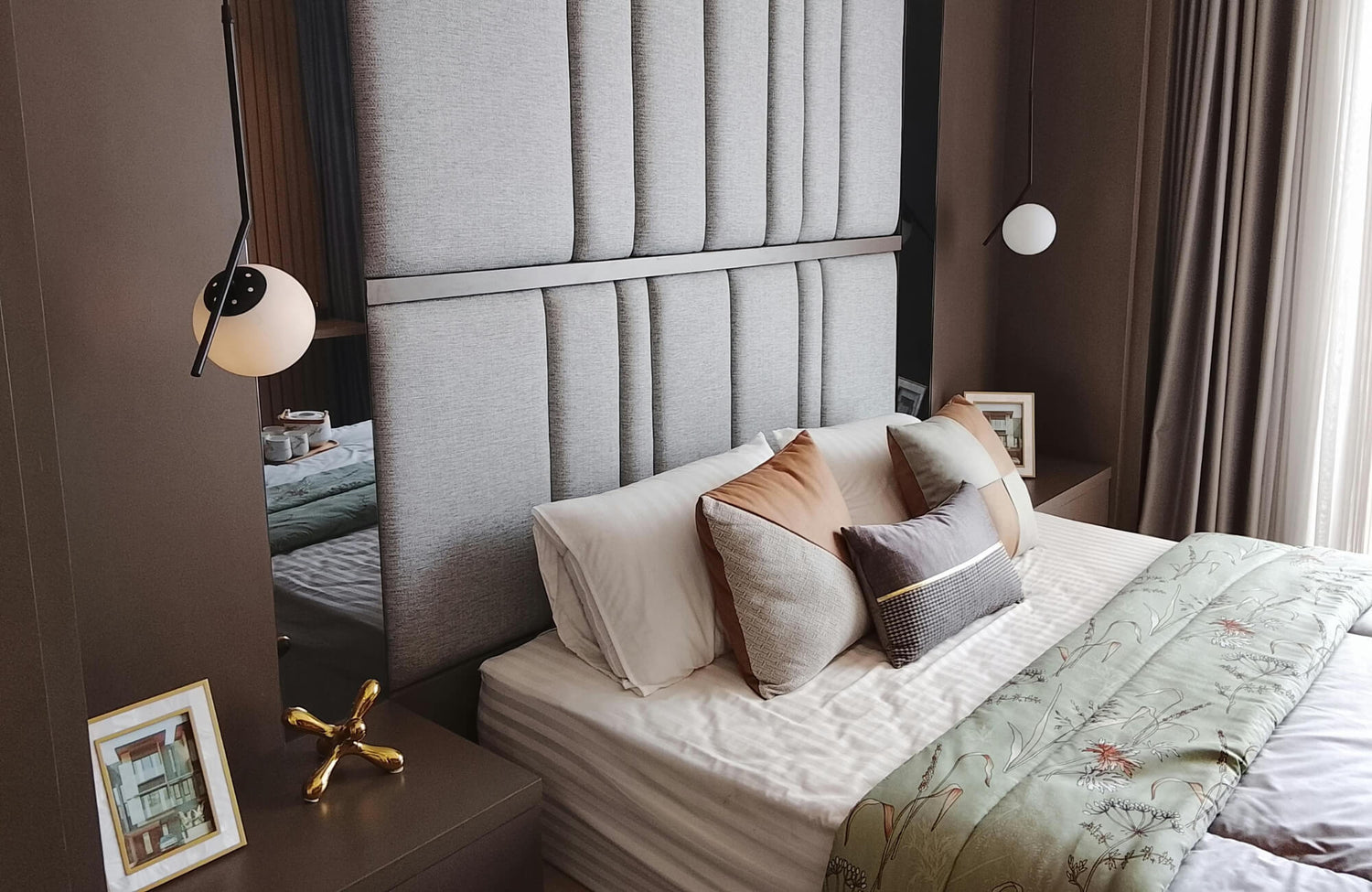
Introducing slightly smaller pillows, such as 20-inch squares, creates a natural progression in scale. This subtle shift adds dimension without disrupting the overall balance. These mid-sized pillows often carry secondary patterns or complementary colors, bridging the gap between the larger base pillows and any accent pieces, as seen with Edward Martin’s Merelle 13" x 21" Down Pillow in Tan paired with the more elongated Edward Martin’s Marisette 12" x 27" Down Pillow in Black in the image above, offering both tonal warmth and graphic contrast.
The transition in size helps guide the eye across the arrangement, ensuring that each element feels connected. This layered approach contributes to a sense of depth that is characteristic of professionally styled interiors.
Breaking The Grid With Lumbar Pillows
To avoid a rigid, overly structured appearance, incorporating lumbar pillows introduces variation in both shape and orientation. Their elongated form contrasts with the symmetry of square pillows, adding a sense of movement and informality.
Placed at the front of the arrangement, lumbar pillows can serve as a focal point or a finishing detail. They are particularly effective for showcasing intricate patterns or textured fabrics, as their unique shape naturally draws attention. This final layer softens the overall composition, making it feel more inviting and less formulaic.

Don't Ignore The Importance Of The Insert
While much attention is given to pillow covers, the insert inside is equally influential in determining both comfort and appearance. Overlooking this element can undermine even the most carefully curated arrangement.
The Downfall Of Stiff Polyester Foam
Inexpensive polyester inserts are often overly firm and lack the flexibility needed for a refined look. These inserts tend to create a rigid, boxy appearance that detracts from the softness and elegance associated with high-quality interiors. They also fail to adapt to the natural contours of the pillow cover, resulting in an awkward fit.
Over time, polyester inserts can lose their shape, further diminishing the overall aesthetic. For those seeking a polished, designer-inspired look, this option often falls short.
Investing In Premium Down For Malleability
Premium down or down-alternative inserts offer a superior level of comfort and adaptability. Their malleable nature allows the pillow to conform to both the cover and the user, creating a more relaxed and luxurious appearance. This flexibility is essential for achieving the soft, inviting look that defines high-end styling.
Down inserts also provide a fuller, more rounded shape, enhancing the visual appeal of the arrangement. Their durability ensures that the pillows maintain their structure over time, making them a worthwhile investment for any thoughtfully designed space.
Achieving The Designer Karate Chop
One of the subtle hallmarks of professionally styled pillows is the gentle indentation at the top, often referred to as the “karate chop.” This effect is only possible with soft, pliable inserts that respond to light pressure.
The result is a pillow that appears effortlessly styled rather than overly structured. This small detail adds a touch of refinement, signaling attention to craftsmanship and quality. While seemingly minor, it contributes significantly to the overall impression of the arrangement.

Do Unify The Arrangement With A Strict Color Palette
Color serves as the unifying element that ties together patterns, textures, and shapes. Without a cohesive palette, even the most thoughtfully selected pillows can feel disjointed.
Pulling Inspiration From Statement Rugs
A reliable way to establish a harmonious color palette is by drawing inspiration from a statement rug. Rugs often feature a carefully balanced combination of hues, making them an ideal reference point for selecting complementary pillow colors, as illustrated by Edward Martin’s McGowan Rug in Midnight / Sand in the image above, where muted neutrals and soft contrast tones create a cohesive foundation.
By echoing tones found within the rug, you create a sense of continuity throughout the space. This approach ensures that the pillow arrangement feels integrated rather than isolated, enhancing the overall cohesiveness of the room.
The Sophistication Of Tone On Tone Layering
Tone-on-tone layering involves working within a single color family while varying shades and intensities. This technique creates depth and sophistication without relying on high contrast. For example, combining soft taupe, warm beige, and deep mocha can produce a rich, layered effect that feels both subtle and refined.
This method is particularly effective in minimalist or contemporary interiors, where understated elegance is key. The nuanced variation in tone allows for visual interest while maintaining a calm and cohesive aesthetic.
Using High Contrast Solids As Punctuation
While a unified palette is essential, introducing moments of high contrast can add definition and energy to the arrangement. A bold solid pillow in a contrasting hue acts as punctuation, drawing attention and breaking up more subdued tones.
This strategic use of contrast should be carefully considered to avoid disrupting the overall harmony. When executed thoughtfully, it enhances the composition, adding a dynamic edge that elevates the entire design.
Curating A Flawless Sofa
Creating a beautifully styled sofa with decorative pillows is both an art and a science. By mastering the rule of three, embracing varied textures, and refining details such as inserts and proportions, you can achieve an arrangement that feels both intentional and effortlessly elegant. Thoughtful guidance, such as Edward Martin’s design consultation, can further help translate these principles into a cohesive and well-balanced space.
Ultimately, the goal is not perfection but harmony. A well-curated pillow arrangement should reflect your personal style while maintaining cohesion and refinement. As your space evolves, reaching out through the Edward Martin contact page offers a natural next step for continued design insight and support.