Decorating a rental home often comes with a few limitations, especially when it comes to the walls. Many leases restrict drilling, painting, or installing permanent fixtures, which can make personalizing the space feel challenging at first. Fortunately, there are many creative ways to introduce wall art without damaging the surface or violating lease agreements. From lightweight framed pieces to removable murals and textile wall décor, renters have more flexible options than ever before. In this blog, we’ll explore wall art ideas that help rental spaces feel stylish, expressive, and easy to update.

Decorating Rental Walls Without Permanent Changes
Decorating the walls of a rental home often requires a bit more creativity than decorating a space you own. Many lease agreements limit drilling, painting, or installing permanent fixtures, which can make traditional wall décor feel difficult to achieve. With the right approach, though, renters can still personalize their homes and create a polished interior while keeping the walls intact.
Why Rental Agreements Often Limit Wall Modifications
Most rental agreements include restrictions on wall modifications because landlords want to keep the property easy to maintain between tenants. Drilling multiple holes, installing heavy hardware, or repainting walls can lead to repairs that take time and money once a lease ends. Because of this, many property owners prefer to keep wall surfaces as close to their original condition as possible. For renters, this can initially feel limiting when trying to decorate a new space. However, these guidelines simply encourage a more flexible approach to styling the home. Once renters explore alternative wall décor methods, it becomes clear that many stylish options still work within these boundaries.
How Temporary Décor Solutions Can Still Feel Stylish
Temporary decorating solutions have come a long way in recent years, offering renters plenty of ways to style their walls without permanent changes. Lightweight framed art, removable hanging systems, and peel-and-stick décor make it possible to create visually interesting walls with minimal effort. These options allow renters to experiment with layouts, colors, and styles without worrying about damaging the surface underneath. In many cases, temporary solutions even make it easier to update the space when personal tastes change. This flexibility often leads to more creative arrangements than traditional fixed décor. When used thoughtfully, these removable options can look just as polished and intentional as permanent installations.
Balancing Personal Style With Lease Restrictions
Decorating a rental home often means finding a comfortable balance between personal style and the limitations of the lease agreement. Instead of viewing these restrictions as obstacles, many renters treat them as design boundaries that encourage creative thinking. A carefully chosen piece of art or a thoughtfully arranged wall display can still express personality without requiring major changes to the space. Over time, renters often develop a decorating style that feels adaptable and easy to update. This approach also makes moving to a new home simpler since many décor pieces can transition easily from one space to another. By working within these guidelines, renters can still create a home that feels welcoming and uniquely theirs.
Choosing Wall Art That Is Easy to Remove
Selecting wall art that can be removed easily makes decorating a rental far more practical. Lightweight frames, canvas prints, and flexible décor pieces often work best because they do not require heavy mounting hardware. These types of artwork can usually be hung with removable hooks or adhesive strips designed for temporary use. When it is time to move out, the pieces can come down quickly without leaving noticeable marks behind. This approach allows renters to enjoy personalized walls throughout their lease without worrying about repairs later. Over time, choosing removable décor becomes a simple habit that makes rental living much more convenient.
As seen above, our Hollow Morning Wall Art is one of those pieces that instantly makes a space feel more considered without needing anything permanent. It draws from antique textiles, so you get that layered, lived-in look through its faded beige and dark gray tones and detailed geometric pattern. Since it comes wood-framed with hardware already attached, it’s easy to hang now and just as easy to take down later. It’s also crafted by local artisans in Egypt, which gives it a bit more character compared to more mass-produced wall décor.

Lightweight Framed Art That Works With Temporary Hanging Solutions
Lightweight framed artwork is one of the most practical ways renters can decorate their walls without making permanent changes. Smaller frames can usually be hung with removable hooks, adhesive strips, or other temporary hanging systems that leave little to no damage behind. With options such as prints, photography, and illustrations, renters can still introduce personality and interest while keeping the walls easy to restore when it is time to move.
Choosing Lightweight Frames for Easy Hanging
Selecting lighter frames makes decorating rental walls much easier. Thin metal frames, lightweight wood frames, and acrylic styles tend to work well because they do not require heavy mounting hardware. These options also reduce the risk of damaging the wall since removable hooks can support them comfortably. Many renters prefer simple frame styles that blend with different décor, so the artwork can move easily from one room to another. Over time, a collection of lightweight frames creates flexibility while still allowing the walls to feel thoughtfully styled.
Using Removable Hooks and Adhesive Strips
Removable hooks and adhesive strips have become essential tools for renters who want to hang wall art. These products are designed to support lighter frames while keeping the wall surface protected. When applied correctly, they allow artwork to stay secure without requiring nails or drilling. Many homeowners appreciate how easy it is to adjust or reposition art when experimenting with different layouts. When it is time to remove them, the hooks typically peel away cleanly without leaving noticeable marks. This convenience makes them one of the most reliable options for rental decorating.
Creating Small Art Clusters Instead of One Large Piece
Rather than relying on a single large artwork, renters often find that smaller art clusters create a similar visual impact. Arranging several lightweight frames together allows the wall to feel filled without requiring heavy pieces. This approach also offers more flexibility since individual frames can be repositioned or replaced easily. Many renters enjoy experimenting with different arrangements until the grouping feels balanced. Over time, these clusters can grow as new artwork is added. The result is a wall display that feels personal while still remaining easy to adjust.
Mixing Photography, Prints, and Illustrations
Combining different types of framed artwork can bring more character to rental walls. Photography often introduces realistic detail, while illustrated prints can add color and graphic interest. Mixing these styles helps create a layered display that feels collected rather than uniform. Renters often enjoy curating art that reflects their travels, interests, or favorite artists. When arranged together in lightweight frames, the pieces form a cohesive gallery that still feels relaxed and personal. This variety helps the wall feel engaging without relying on permanent installations.
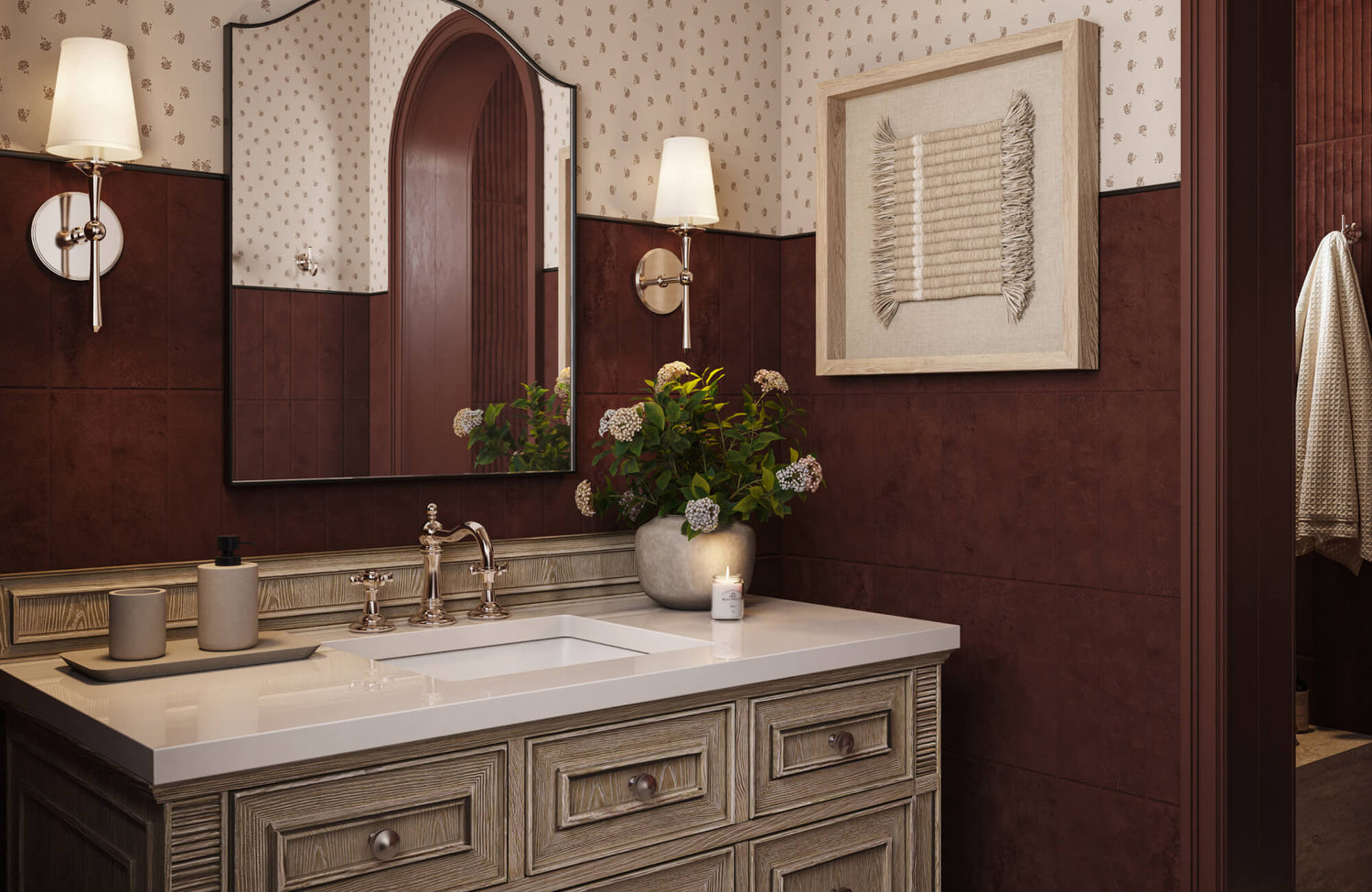
If you want your wall to feel a bit more layered and less predictable, bringing in a textile piece like our Golden Drift Wall Art above can really shift the look. It stands out through its hand-formed knots, where wool and jute come together in a dimensional surface, with earthy tones moving subtly through the weave. The vertical pattern keeps everything visually grounded, while the soft fringe at the bottom introduces a more relaxed, organic finish. It’s lightweight and comes ready to hang, so it works well with temporary setups while still adding depth that framed prints alone sometimes miss.

Leaning and Layering Artwork for a Relaxed Look
Leaning artwork against the wall is a simple styling approach that allows renters to decorate without hanging anything at all. Frames can rest comfortably on console tables, shelves, mantels, or even the floor when working with larger pieces. This method creates a relaxed, layered look that still feels intentional while keeping the walls completely untouched.
Leaning Frames on Consoles and Sideboards
Leaning framed artwork on a console table or sideboard is one of the easiest ways to introduce wall art in a rental home. Instead of mounting the frame, the artwork simply rests against the wall while the furniture supports it. This arrangement allows renters to style their walls without worrying about holes or adhesives. It also makes rearranging the display effortless since pieces can be moved whenever the room needs a refresh. Many homeowners enjoy pairing artwork with small decorative objects like vases or books to create a layered vignette. With the right balance, the setup feels relaxed yet thoughtfully arranged.
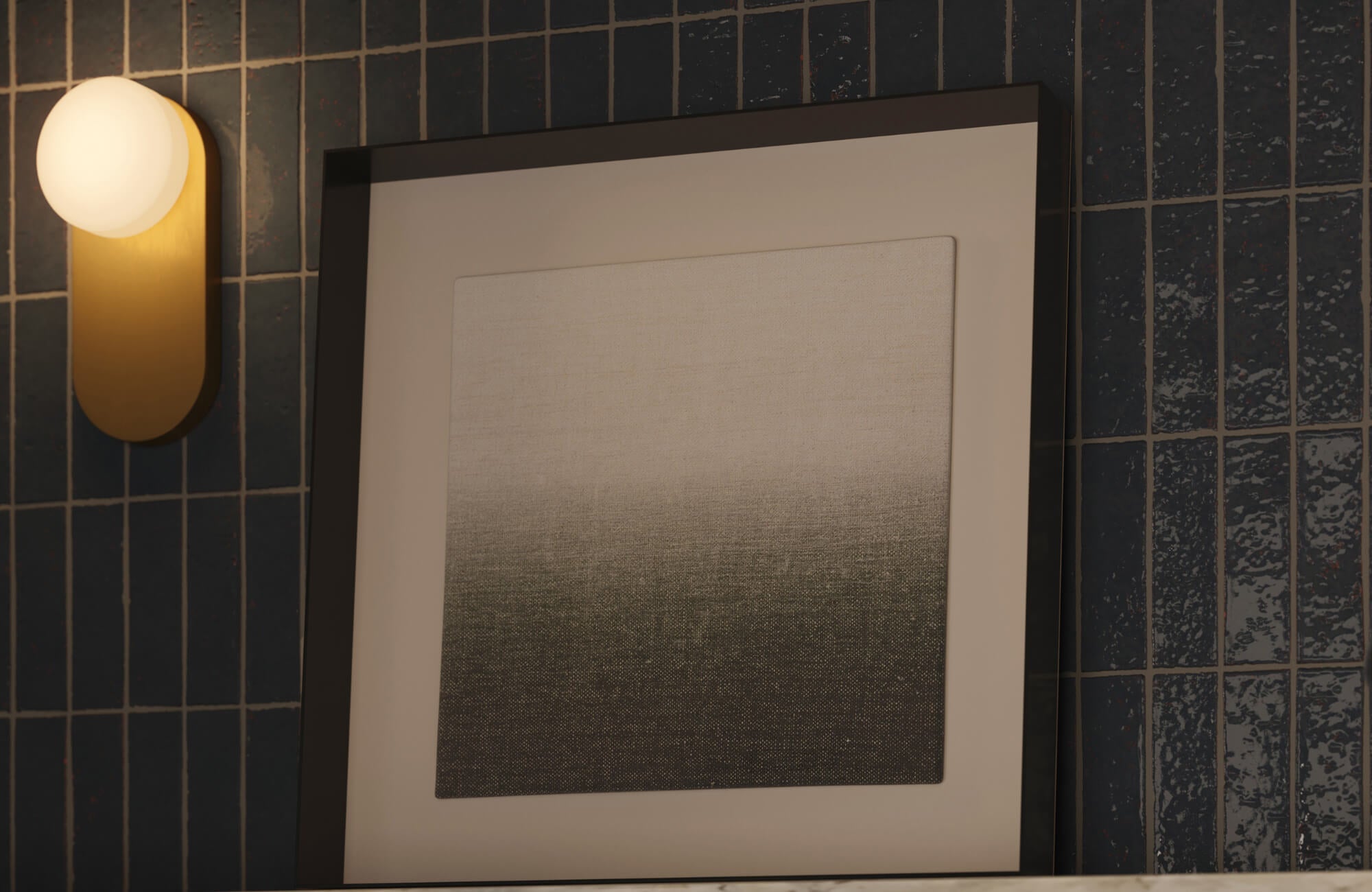
When you’re styling a console or sideboard, leaning a piece like our Greyward Vale Wall Art above can instantly make the setup feel more grounded without adding anything permanent. It features a softly woven surface that shifts through a subtle gradient, moving from pale neutrals into deeper, earthy tones that almost feel like a horizon line. That quiet transition adds depth without competing with surrounding décor, which makes it easy to pair with books, ceramics, or greenery. Since it’s lightweight and comes ready to hang, you can move it around freely or lean it in different spots as your layout changes.
Layering Artwork in Front of Each Other
Layering artwork by placing one frame slightly in front of another creates a casual, collected appearance. This technique works well when several pieces share a similar color palette or theme. Instead of spreading art across the entire wall, the frames overlap gently to create visual depth. The layered look often feels more relaxed than perfectly spaced arrangements while still maintaining a sense of intention. Many designers use this approach to keep styling flexible since pieces can be swapped or repositioned easily. When done thoughtfully, the result feels personal and naturally curated.
Using Larger Floor-Leaning Art Pieces
Larger framed artworks can also be styled by leaning them directly on the floor against the wall. This approach works especially well for oversized photography, paintings, or framed prints that might otherwise require heavy mounting hardware. When placed near a console table, plant, or chair, the artwork becomes part of the room’s overall composition. Many renters appreciate this technique because it creates a strong visual impact without altering the wall surface. It is important to keep the piece stable and positioned where it will not be bumped or shifted easily. With careful placement, floor-leaning art can make a bold statement while still maintaining a relaxed aesthetic.
Styling Shelves With Framed Artwork
Shelves provide another natural place to lean and layer framed artwork. Instead of filling the shelf entirely with small objects, placing a frame behind decorative items creates depth and visual interest. The artwork becomes part of the display while still acting as a backdrop for other décor. This approach works especially well for renters who want to change their styling frequently. Frames can be swapped out, rotated, or repositioned without any effort. Over time, shelf styling like this helps the room feel more dynamic while keeping the walls free from permanent changes.

Removable Wall Decals and Peel-and-Stick Art
Removable wall decals and peel-and-stick art give renters a flexible way to decorate walls without making permanent changes. These designs adhere easily to painted surfaces and can usually be removed cleanly when it is time to move or refresh the space. With options ranging from small accents to larger wall graphics, peel-and-stick décor allows renters to introduce personality while keeping the walls protected.
Decorative Wall Decals for Subtle Accents
Decorative wall decals are a simple way to add visual interest without covering the entire wall. These smaller designs often feature shapes, illustrations, or repeating elements that introduce character while keeping the space light and balanced. Renters frequently use them above desks, near entryways, or around shelving where a small accent can make the wall feel more complete. Because decals are lightweight and easy to reposition, they also allow for experimentation with layout. If the placement does not feel right, the design can usually be adjusted without damaging the surface. This flexibility makes decals a convenient choice for renters who want subtle wall decoration.
Peel-and-Stick Murals for Larger Statement Walls
Peel-and-stick murals offer a way to create a bold focal point without committing to permanent wall treatments. These larger designs can transform a blank wall into a landscape scene, abstract composition, or artistic pattern. Many modern murals are printed with high-quality detail, which allows them to resemble painted artwork or custom wallpaper. Renters often use them behind sofas, beds, or dining areas where a statement wall can define the space. Because the panels are removable, they can be taken down easily when the lease ends. This makes murals an appealing option for renters who want a strong visual impact without altering the wall permanently.
Minimal Graphic Designs for Modern Rentals
Minimal graphic wall art works especially well in rental homes that favor a clean and contemporary look. Simple shapes, line drawings, or geometric accents can introduce personality while keeping the overall design calm and uncluttered. These designs tend to blend easily with modern furniture and neutral color palettes. Renters often choose minimal graphics when they want the wall art to complement the room rather than dominate it. The removable nature of these pieces also allows them to shift with the layout if furniture is rearranged. With the right placement, minimal wall graphics can give a rental space a polished and thoughtfully styled appearance.

Textile Wall Art That Adds Warmth Without Hardware
Textile wall art offers renters a soft and flexible alternative to traditional framed pieces. Items such as woven hangings, fabric panels, and decorative tapestries introduce texture and visual interest while remaining lightweight and easy to display. Because these pieces often require minimal hardware or simple hanging methods, they allow renters to decorate their walls while keeping the surface intact.
Woven Wall Hangings for Natural Texture
Woven wall hangings are a popular choice for renters who want to introduce texture without relying on framed artwork. These pieces often feature natural fibers and handcrafted patterns that add warmth to the room. When placed above a sofa, bed, or console table, the woven texture softens the surrounding surfaces and makes the space feel more inviting. Many homeowners appreciate how these pieces bring a relaxed, organic look that pairs well with wood furniture and neutral décor. Their lightweight structure also makes them easy to hang using simple hooks or removable hardware. With thoughtful placement, woven wall hangings can become a subtle focal point that enhances the overall atmosphere of the room.
Decorative Tapestries for Larger Walls
Decorative tapestries provide a practical way to fill larger wall areas without installing heavy artwork. These fabric pieces often feature intricate patterns, artistic scenes, or abstract designs that create visual interest across a wider surface. Because tapestries are lightweight, they can usually be hung with minimal support while still covering a substantial portion of the wall. Many renters use them behind beds or sofas where a large decorative element helps define the space. The soft fabric also introduces a sense of warmth that framed artwork sometimes lacks. When chosen carefully, a tapestry can anchor the room while still maintaining a relaxed and welcoming atmosphere.
Fabric Panels That Introduce Soft Pattern
Fabric wall panels offer a simple way to introduce pattern while keeping the wall décor light and flexible. These panels often feature repeating designs or subtle motifs that bring movement to the wall without overwhelming the room. Because they are made from fabric, the patterns tend to appear softer than printed posters or framed art. Renters often appreciate how fabric panels can complement other textiles in the room, such as curtains or cushions. This connection helps the space feel cohesive and thoughtfully styled. When arranged carefully, fabric panels create a decorative backdrop that feels calm yet visually engaging.
Lightweight Macramé Wall Décor
Macramé wall décor adds handcrafted detail that feels both artistic and relaxed. These pieces typically feature knotted cotton cords arranged in flowing patterns that create depth against the wall. Because macramé designs rely on open weaving, they bring texture without making the wall feel visually heavy. Many renters enjoy placing macramé pieces in living rooms, bedrooms, or entryways where a soft decorative accent can enhance the space. The neutral tones commonly used in macramé also blend easily with a wide range of interior styles. With its lightweight construction and distinctive craftsmanship, macramé wall décor provides a stylish way to decorate rental walls without permanent changes.

Creating Temporary Gallery Walls in Rental Spaces
Even in a rental home, it is still possible to create a gallery wall that feels personal and thoughtfully styled. With removable hanging methods and lightweight frames, renters can arrange artwork in a way that adds rhythm and character to an otherwise blank wall. The key is planning the layout carefully so the arrangement stays balanced and remains easy to adjust if the room changes later.
Planning a Flexible Gallery Layout
Before hanging anything, it helps to plan the gallery layout so the arrangement feels intentional from the start. Many renters like to lay the frames on the floor first to experiment with spacing and placement. This step makes it easier to see how the pieces work together before committing to the wall. Some people even mark the arrangement lightly with painter’s tape to visualize the layout. A flexible plan allows the display to evolve as new artwork is added or furniture shifts in the room. With a little preparation, the gallery wall feels natural rather than overly rigid.
Using Matching Frames for a Cohesive Look
Matching frames can bring a sense of order to a gallery wall, especially when different types of artwork are involved. When the frames share the same finish or color, the arrangement immediately feels more unified. This approach works particularly well in rental homes where the goal is to keep the wall polished without making the display feel overwhelming. Even when the artwork varies in subject or style, consistent frames help tie everything together visually. Renters often appreciate how this simple detail creates a clean and balanced presentation. The wall feels curated while still leaving room for personality.
Mixing Art Styles Without Overcrowding the Wall
Gallery walls often look more interesting when different types of artwork appear together, as highlighted before. Photography, illustrations, prints, and small paintings can all work within the same display when the arrangement feels balanced. Instead of filling every inch of the wall, leaving small gaps between pieces helps the display breathe. This spacing allows each artwork to stand out while still contributing to the overall composition. Renters often find that a thoughtful mix of styles makes the wall feel collected rather than overly coordinated. When arranged carefully, the display becomes a visual story of personal taste and interests.
Leaving Space to Rearrange or Rotate Artwork
One of the advantages of a temporary gallery wall is the ability to change it whenever inspiration strikes. Leaving a little open space within the arrangement makes it easier to swap pieces in and out later. Renters might add new prints, rotate seasonal artwork, or adjust the layout when furniture moves around the room. Because removable hanging methods are used, the process remains simple and low-stress. This flexibility allows the wall to grow and evolve without requiring a complete redesign each time. A gallery wall that can shift over time keeps the space feeling fresh and personal.
Bringing Personality to Rental Walls
Decorating rental walls does not mean sacrificing style or personality. With the right wall art choices, renters can create spaces that feel expressive, comfortable, and thoughtfully designed without making permanent changes. Options such as lightweight framed art, peel-and-stick murals, textile wall décor, and temporary gallery walls allow for creativity while still respecting lease guidelines. When arranged with care, even a rental home can feel polished, layered, and uniquely personal.
If you are unsure which wall art approach will work best for your rental space, our team at Edward Martin is here to help. Through our personalized design consultation, you can explore artwork styles, layouts, and decorative ideas that complement your furniture and overall interior. Our designers can guide you toward renter-friendly wall art solutions that still bring character and visual balance to your home. With the right guidance, decorating rental walls becomes an opportunity to create a space that truly feels like your own.