It’s not always easy to know which outdoor stool materials actually hold up once they’re exposed to real weather. Between sun, rain, humidity, and everyday use, outdoor furniture faces a much tougher environment than anything inside the home. That’s why the material you choose matters just as much as the style. In this guide, we’ll break down how metals, woods, synthetics, and mixed-material designs perform outdoors so you can pick something that truly lasts.

What Makes an Outdoor Counter or Bar Stool Durable?
Outdoor counter or bar stools deal with constant exposure to sun, moisture, and daily use, so the materials need to hold up under real outdoor conditions. Durability comes from how well a stool resists weather changes, maintains its structure, and stays stable over time. Below, we’ll look at the key factors that determine whether a stool can truly perform outside year-round.
How Climate Affects Material Performance
Climate plays a major role in how outdoor stool materials age, especially in areas with strong sun, humidity, or coastal air. Heat can cause certain plastics to warp, while moisture may lead to swelling or deterioration in materials that aren’t properly sealed. Even metals react differently depending on the environment, with some resisting corrosion better than others. Understanding how your climate behaves throughout the year helps you choose materials that won’t weaken or discolor prematurely. When a stool matches the conditions of your region, it stays dependable and visually consistent for much longer.
UV, Moisture, and Temperature Considerations
Sun exposure, rain, and shifting temperatures all influence how well outdoor stools maintain their finish and structural integrity. UV rays can fade colors or weaken surface coatings, while ongoing moisture may lead to mold, rust, or material expansion if the construction isn’t weather-ready. Sudden temperature swings can also stress certain materials, causing cracks or loosening joints over time. Choosing stool materials designed to withstand these elements ensures they keep their shape and strength through seasonal changes. When the materials are built for outdoor realities, maintenance stays simple and the stool remains reliable.
Weight, Stability, and Daily Use
The weight and structure of an outdoor stool directly affect how stable and long-lasting it feels in everyday use. Lightweight materials are convenient but may shift or tip easily, especially in open patios where wind is a factor. Heavier or well-balanced frames provide a grounded feel that holds up through frequent movement, gatherings, and repeated use. Stability also depends on strong joints, durable footrests, and frames that resist wobbling over time. When a stool combines solid construction with comfortable daily usability, it naturally performs better outdoors for years.

Best Metal Materials for Outdoor Counter or Bar Stools
Metal options are some of the most reliable choices for outdoor stools because they balance strength, longevity, and resistance to the elements. The right metal can handle sun, moisture, and daily use without warping or weakening over time.
Aluminum
Aluminum is one of the most dependable outdoor stool materials thanks to its natural resistance to rust and corrosion. Its lightweight structure makes it easy to move around patios or rearrange seating without effort. Even in humid or coastal environments, aluminum holds up well because it doesn’t absorb moisture or degrade. It also stays comfortable to the touch since it doesn’t retain heat as intensely as some metals. For homeowners who want durability with minimal upkeep, aluminum offers a practical long-term option.
Stainless Steel
Stainless steel provides a strong, refined look while maintaining impressive resistance to corrosion and structural wear. It performs especially well in climates with fluctuating temperatures because it holds its shape without bending or weakening. Its added weight gives stools a stable feel, making them less likely to tip or shift during daily use. Stainless steel also brings a modern, polished appearance that suits contemporary outdoor spaces. When you want strength paired with a clean aesthetic, stainless steel is a reliable choice.
Powder-Coated Steel
Powder-coated steel offers a sturdy base material combined with a protective coating that helps resist sun, moisture, and surface wear. The powder coating forms a sealed layer that reduces the risk of rust and improves long-term durability, especially in high-exposure areas. This finishing process also allows for a wide range of colors and textures, making it easy to match different outdoor styles. While heavier than aluminum, its weight contributes to overall stability. For spaces where stools face consistent weather exposure, powder-coated steel provides both strength and lasting performance.

Best Wood Options for Outdoor Counter or Bar Stools
Wood brings warmth, texture, and a natural feel to outdoor seating, but the right species makes all the difference in long-term performance. Some woods handle sun, moisture, and seasonal changes better than others, and choosing wisely helps your stools age beautifully rather than deteriorate quickly.
Teak
Teak is widely considered the top-performing wood for outdoor furniture thanks to its exceptional natural oils that resist moisture, rot, and pests. Even with constant sun exposure, it maintains its structural integrity and ages into a soft silvery patina that many homeowners love. Teak’s density also keeps it from warping or cracking during temperature shifts. Because it withstands weather so well, it remains stable season after season with minimal upkeep. For anyone wanting premium longevity with timeless style, teak is the strongest choice.
Acacia & Eucalyptus
Acacia and eucalyptus offer a more affordable alternative to teak while still providing good outdoor resilience when cared for properly. Both woods have a tight grain that gives them durability, but they benefit from periodic sealing to preserve their color and slow down weathering. They’re great options for covered patios or semi-sheltered areas where moisture exposure is controlled. Over time, they can develop a softer, rustic look that suits natural outdoor settings. When managed well, these woods provide solid performance without the premium cost.
How Wood Tones Influence Style and Maintenance
Wood’s natural tones play a major role in the overall look of an outdoor space, and each shade carries its own design personality. Lighter woods feel airy and coastal, while deeper tones introduce warmth and richness. These tones also change with sun exposure, with most species gradually fading or mellowing unless sealed regularly. Understanding how the color evolves helps you choose a wood that fits your long-term aesthetic. Whether you embrace natural weathering or prefer preserving the original tone, the wood’s color sets the visual tone for your seating area.
Weathering and Patina
All outdoor woods develop a patina as they age, and this natural transformation can be one of the most appealing qualities of real wood furniture. Sunlight, moisture, and air exposure gradually shift the color, often creating a soft, silvery finish. Some homeowners love this organic, time-worn look, while others choose to maintain the original tones with periodic sealing. Understanding this aging process helps set realistic expectations before choosing a wood type. If you enjoy a look that evolves gracefully, natural weathering can be a beautiful part of the material’s charm.
Sustainability and Sourcing Considerations
Sustainably sourced woods offer an eco-conscious alternative without sacrificing durability. Certifications like FSC ensure the wood comes from responsibly managed forests, which is especially important when selecting teak or eucalyptus. Choosing certified materials supports long-term forest health while still providing you with strong, weather-ready furniture. Many homeowners also appreciate knowing their outdoor pieces contribute to a more sustainable supply chain. For those who value environmental responsibility, sourcing is just as important as the wood’s performance.

Resin, Plastic, and Synthetic Materials
Synthetic materials have become some of the most reliable options for outdoor stools thanks to their durability, fade resistance, and wide range of styles. Whether you want something that looks natural or distinctly modern, these materials hold up well to sun, rain, and daily use.
HDPE & Recycled Plastic
HDPE and recycled plastics are among the most weather-resistant materials available for outdoor seating, offering excellent fade protection even under strong UV exposure. Their dense composition keeps them from absorbing moisture, which prevents warping, cracking, or swelling. Many styles mimic the look of real wood without the upkeep, giving you a natural aesthetic with long-term durability. These materials are also easy to clean, requiring little more than a quick rinse to stay fresh. For homeowners who want reliability with minimal maintenance, HDPE-based stools are a smart, eco-conscious choice.
Resin Wicker
Resin wicker offers the charm of traditional woven seating while standing up far better to sun, moisture, and temperature changes. Unlike natural rattan, synthetic wicker won’t fray, rot, or unravel outdoors, making it far more dependable in humid or rainy climates. Its lightweight feel makes rearranging or storing stools easy, especially in multipurpose outdoor spaces. Many styles wrap resin wicker over rust-resistant frames, combining flexibility with structure. If you love a natural, textural look without the vulnerability of real fibers, resin wicker provides the perfect balance.
Molded Plastic
Molded plastic stools deliver a sleek, modern aesthetic with impressive resilience against outdoor elements. Their one-piece construction means no joints or seams to weaken over time, helping them withstand daily wear, moisture, and UV exposure. They’re also lightweight, making them easy to move around larger outdoor setups or compact balcony spaces. Molded plastic designs often lean more contemporary, offering clean silhouettes that work well in modern patios or poolside areas. For those who want bold color options and a sculptural, minimalist look, molded plastic is a reliable and stylish choice.

Fabric, Cushion, and Upholstery Considerations
Outdoor cushions add comfort, but they also need to stand up to sun, moisture, and daily use. Choosing the right fabrics and foams helps ensure your stools stay inviting without wearing down quickly.
Weatherproof Fabrics That Resist Mold and Fading
High-quality outdoor fabrics like solution-dyed acrylics are engineered to resist fading, moisture buildup, and mold growth, even under strong sunlight or humid conditions. Because the color is infused into the fibers rather than applied on the surface, these textiles maintain their vibrancy far longer than standard fabrics. They also dry quickly, reducing the chance of mildew forming after rain or spills. Many outdoor cushions use performance fabrics inspired by brands like Sunbrella, giving you both comfort and durability. If you want cushions that can stay outside without constant upkeep, weatherproof textiles are the most dependable option.
Quick-Dry Foam vs. Standard Cushioning
Quick-dry foam uses an open-cell structure that lets water pass through instead of soaking into the cushion, helping it dry far more quickly after rain. This design reduces lingering moisture, which in turn helps prevent mildew, unpleasant odors, and internal deterioration over time. By contrast, standard cushioning may feel soft and plush initially, but it tends to hold water, making it less ideal for uncovered outdoor areas. Quick-dry foam also maintains its shape and support well after repeated use, offering a more reliable feel day after day. For rainy climates or poolside seating, it delivers a clear advantage in both comfort and long-term durability.
How to Choose Upholstery Based on Sun Exposure
Sun exposure plays a big role in determining which upholstery materials will hold up best over time. In full-sun areas, fabrics with strong UV protection maintain their color and texture longer, preventing bleaching or brittleness. Partially shaded or covered patios allow for a wider range of textiles, as the exposure is less intense. It's also helpful to match cushion thickness to your environment—thicker cushions feel plush but take longer to dry in damp climates. By choosing upholstery that reflects your patio’s sun conditions, you get a setup that stays comfortable, attractive, and practical.

Blended and Mixed Materials for Style and Strength
Mixed materials often perform exceptionally well outdoors because they balance durability with visual interest. Combining textures like metal, rope, wood, or wicker helps a stool stay sturdy while adding dimension to your design. Below, we’ll look at why these blends work and how they support both long-term performance and a more versatile aesthetic.
Metal and Rope
Metal and rope pair together beautifully because each material offers something the other lacks. The metal frame provides structure, stability, and long-term weather resistance, while the rope adds softness and flexibility for comfortable seating. This balance creates a modern, textural look that works well in contemporary and coastal-inspired patios. Outdoor rope is often made from UV-resistant synthetics, allowing it to withstand sun and moisture without fraying. For spaces that need durability with a softer touch, this combination hits the right balance.
Wood and Metal
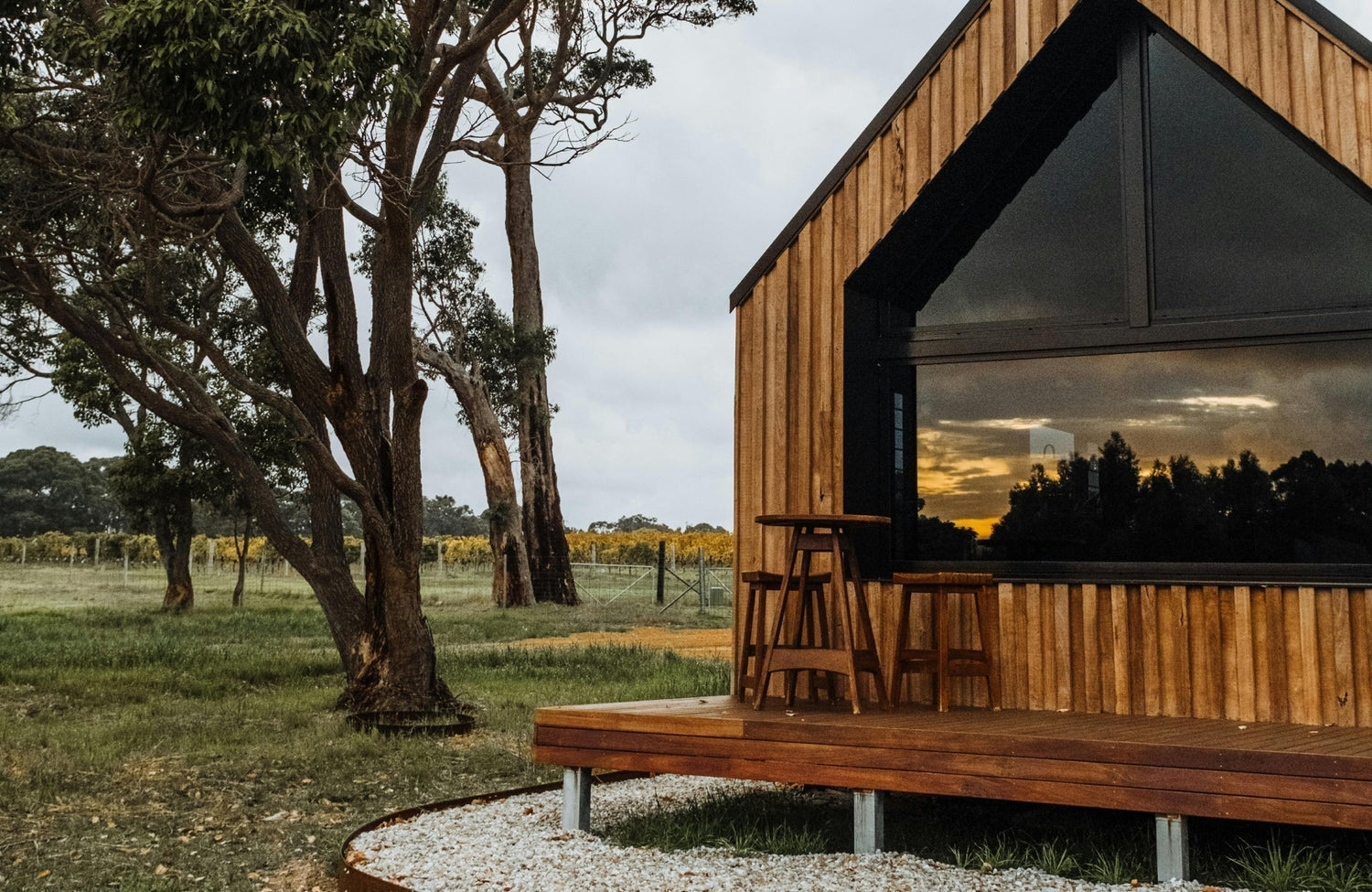
Wood and metal create a timeless blend that brings both warmth and strength to outdoor seating. The wood adds an organic, natural feel that softens harder architectural lines, while the metal ensures the stool remains sturdy over time. This pairing works well across rustic, modern, and transitional outdoor spaces because it feels grounded without being too heavy. When exposed to the elements, each material ages differently, giving the piece a layered, lived-in character. If you want a look that feels both inviting and solid, this combination is a reliable choice.
Wicker and Aluminum
Wicker and aluminum remain a popular duo because they offer durability without unnecessary weight. The aluminum frame resists rust and maintains its structure, even in humid or coastal environments, while the wicker exterior adds texture and a more relaxed, natural feel. Synthetic wicker is designed to resist fading and moisture, making it far more resilient than traditional woven fibers. Together, they create stools that are easy to move, comfortable to use, and dependable in changing weather. For patios where you want a breezy, low-maintenance look, wicker and aluminum are a standout pairing.
A great example of this balance is our Darcy Outdoor Counter Stool in Cream, which pairs handwoven all-weather polyethylene wicker with a streamlined, powder-coated aluminum frame. Its warm, organic texture brings natural character to an outdoor setup, while the durable performance fabric and quick-dry construction make it practical for everyday use. This blend of comfort, resilience, and artisan detail shows how resin wicker can feel both inviting and outdoor-ready.

Choosing the Right Material for Your Space and Lifestyle
The right outdoor counter or bar stool material depends on how you live, from the climate you’re in to how often you use the space and how much upkeep you prefer. Every material responds differently to the sun, moisture, and daily wear, so it helps to think about what will hold up best where you live.
Best Materials for Humid, Rainy, or Coastal Locations
Moisture-heavy climates demand materials that can handle frequent rain, salt exposure, and fluctuating humidity without breaking down. Metals like aluminum and stainless steel stay resilient because they resist rust and corrosion, even when placed near the coast. HDPE and other high-quality synthetics also hold up extremely well, maintaining their shape and color despite constant dampness. These options stay dependable through changing weather patterns, making them strong choices for homes exposed to long rainy seasons or ocean air.
Wood can still be an option in wet or coastal environments, but only when you choose species that naturally withstand moisture. Teak is the strongest performer, thanks to its dense composition and protective natural oils that guard against swelling or decay. Composite or resin wicker can also do well since they don’t absorb water and dries quickly after storms. When paired with fast-drying cushions and breathable fabrics, these materials help create an outdoor setup that stays comfortable and long-lasting in damp conditions.
Low-Maintenance Options for Everyday Outdoor Living
If you prefer furniture that performs well without constant upkeep, certain materials make outdoor living far easier. Aluminum and HDPE are among the simplest to manage because they resist fading, rust, and general wear with little to no seasonal care required. Resin wicker also stays low-maintenance thanks to its ability to keep its shape and color through sunlight and humidity. These materials let you spend more time enjoying your outdoor space instead of cleaning or refinishing it.
Cushion fabrics matter too, especially if you want an easygoing setup. Solution-dyed acrylics stay vibrant longer and resist mold, mildew, and UV damage better than standard outdoor textiles. Quick-dry foam makes seating usable shortly after rain, eliminating the hassle of storing cushions daily. When your goal is convenience, pairing low-maintenance frames with weather-ready fabrics creates a setup that supports your lifestyle with minimal effort.
Balancing Durability With Your Preferred Style Direction
Every material brings its own design personality, so the best choice is often the one that matches both your climate needs and your visual goals. Wood adds warmth and a more natural look, making it popular in coastal, organic, and transitional outdoor spaces. Metals like stainless steel or powder-coated frames deliver a sleek, modern feel while still offering long-term strength. Wicker and synthetics land somewhere in between, offering texture and softness without compromising durability.
Choosing the right material also depends on how bold or relaxed you want your patio to feel. Clean-lined metals create a crisp, minimalist direction, while warm woods introduce depth and familiarity. Resin wicker and rope accents add movement and dimension, ideal for spaces that need a softer visual balance. When you align material performance with your preferred style, your outdoor area feels both functional and beautifully cohesive.
If you’re furnishing both indoor and outdoor areas, we also offer a full range of indoor counter and bar stools for those who prefer softer materials, upholstered finishes, or styles better suited to interior spaces. These options give you the flexibility to match the look and comfort level you want inside while keeping your outdoor selections weather-ready. It’s an easy way to create a cohesive flow throughout your home without compromising on performance or style.
Bringing Your Outdoor Seating Vision Together
Choosing the best outdoor counter or bar stool material becomes much easier once you know how climate, maintenance, and daily use affect long-term performance. Each material brings its own strengths, from the effortless durability of aluminum and HDPE to the natural warmth of teak or the texture of resin wicker. When you understand what your space truly needs, you can narrow your options with confidence and create a setup that feels comfortable, resilient, and naturally aligned with the way you live outdoors.
If you’d like guidance choosing the perfect combination of materials, finishes, and styles for your patio or outdoor bar, our design team is here to help. Book a personalized design consultation today and start building an outdoor space that feels balanced, functional, and beautifully put together.