
)
)
)
)
)
)
)
)
Round Vs. Oval Mirrors: Which Shape Works Best For Your Space?
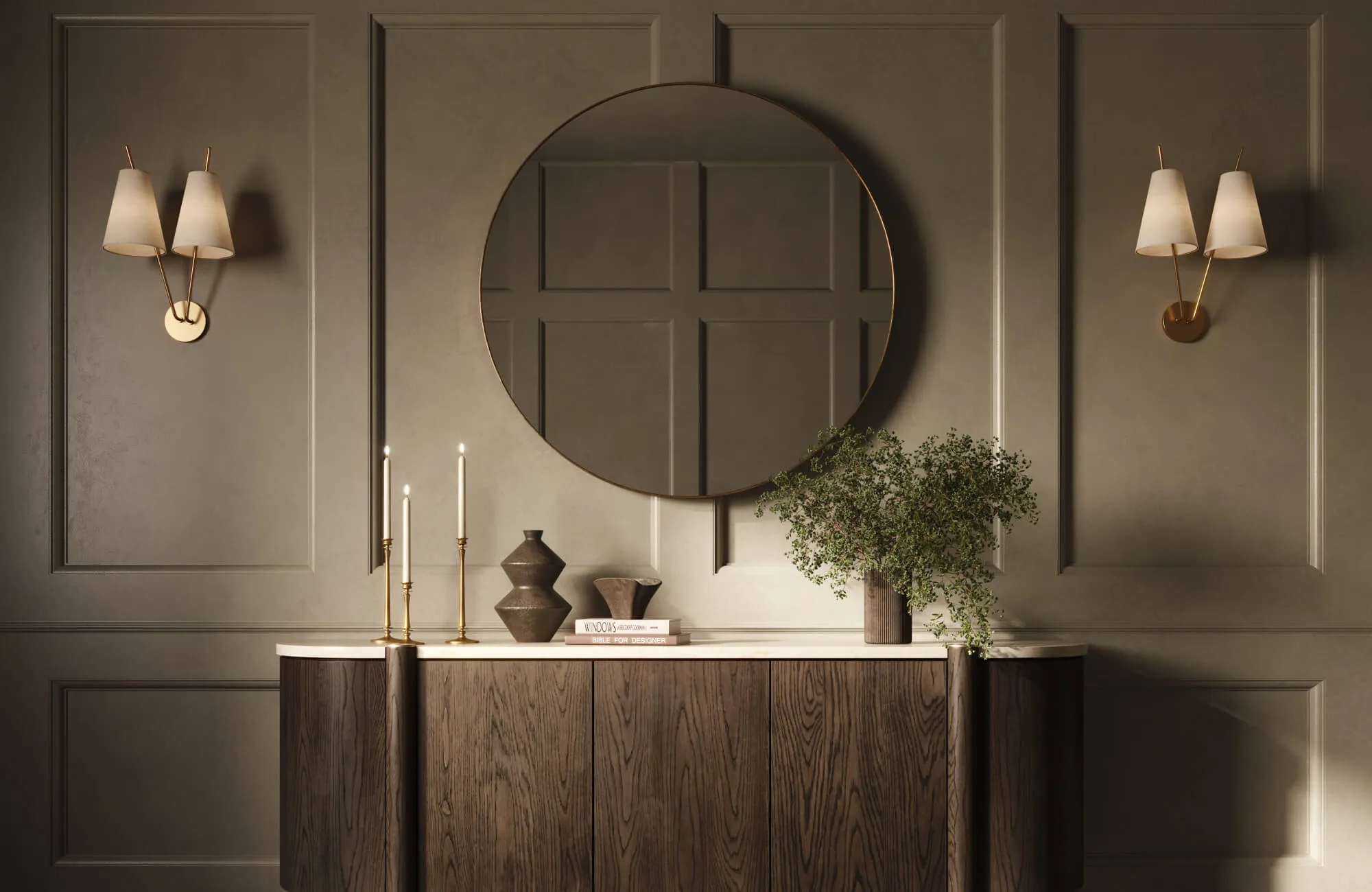
The mirror you choose has a surprising influence on how a room looks, feels, and comes together. The right shape can soften strong lines, highlight architectural features, or bring better balance to the layout, depending on what the space needs. In this guide, we’ll explore how round and oval mirrors perform in different settings so you can choose the one that best supports your style and the atmosphere you want to create.
The Look You Want for Your Space
The mirror you choose should reflect more than your appearance; it should support the mood, balance, and overall direction you want your space to express. The shape you pick influences everything from how soft or structured the room feels to how the design flows the moment you step inside.
How Mirror Shape Influences Style and Mood
Mirror shape has a strong influence on how a room feels, shaping everything from its overall mood to the visual flow you experience when you walk in. Certain silhouettes can make the space feel calmer and more relaxed, while others introduce structure and a clearer sense of direction. The shape you choose can highlight architectural features, balance areas that feel too rigid, or reinforce the aesthetic you naturally gravitate toward. It also helps express your preferred design style, whether you lean minimal, transitional, or warm and textured.
Soft, Rounded Silhouettes vs. Structured Lines
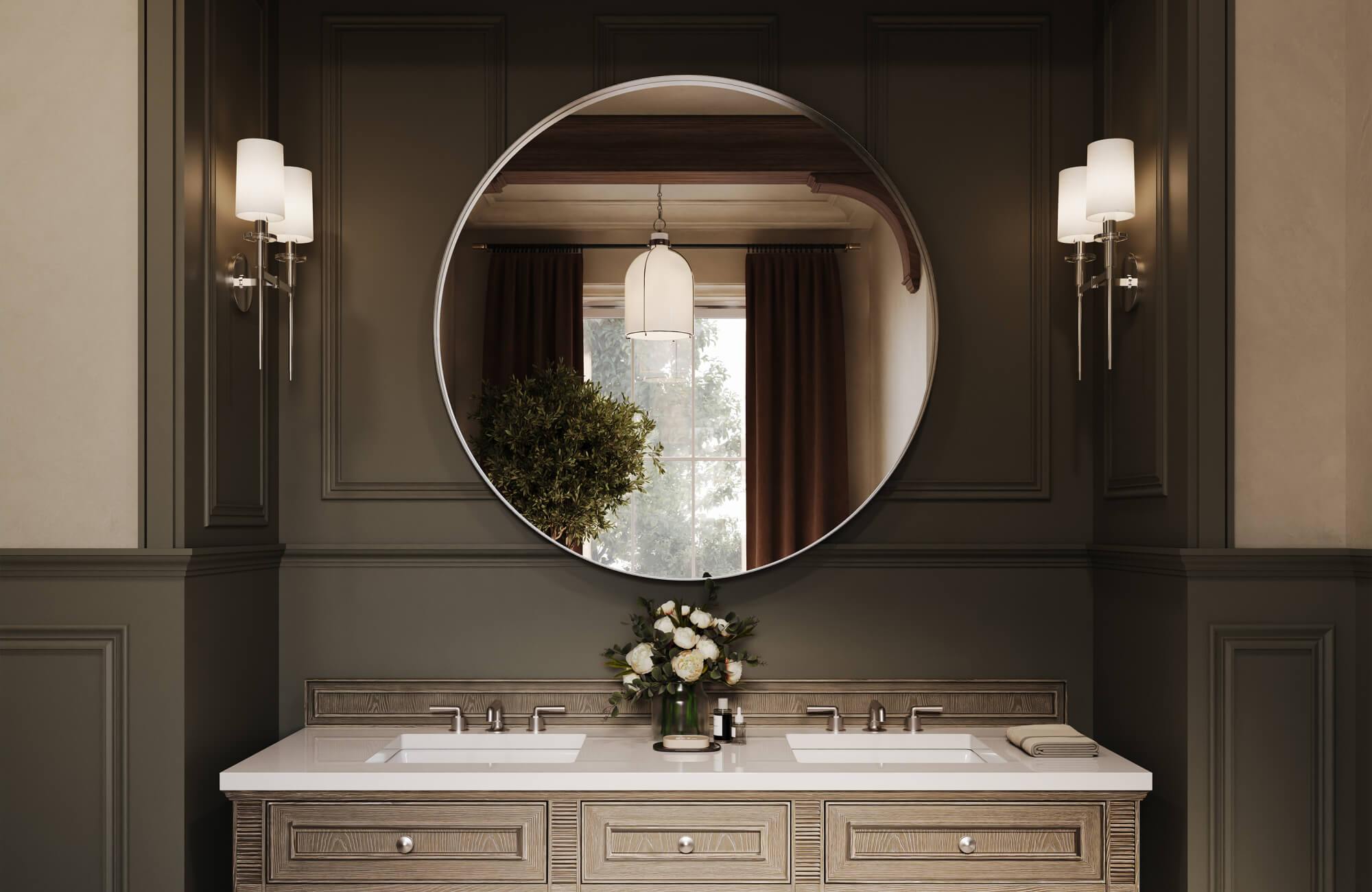
Rounded mirrors, such as our Tristan Round Mirror in Shiny Steel above, naturally add softness, making them great for rooms that feel boxy or areas where you want a more relaxed, welcoming touch. Their curves help break up straight edges from furniture, walls, or architectural trim, creating a smoother visual flow. On the other hand, structured shapes like ovals or angled silhouettes introduce clarity and definition, giving the space a more tailored look. These firmer lines can also highlight height, symmetry, or strong architectural features in the room. Choosing between soft or structured shapes comes down to the kind of balance you want the room to express.
Matching Mirror Shape to Your Home’s Architectural Features
Your home’s architecture often provides helpful cues for choosing the mirror shape that feels most natural in the space. Rounded shapes pair beautifully with arched doorways, curved windows, or softer interior detailing, creating a sense of continuity. In contrast, rooms with strong verticals, angular moldings, or geometric trim often feel more cohesive with structured silhouettes that echo those lines. Paying attention to these nearby details ensures your mirror doesn’t compete with the architecture but instead works with it to enhance the room’s layout. When mirror shape and architectural elements align, the entire space feels more balanced and intentionally designed.
When a Round Mirror Works Best
Round mirrors are a great choice when you want to bring softness and a sense of ease to a room. Their curved silhouette creates a gentle visual flow that works beautifully in spaces that feel too angular or compact. Below, we’ll look at where round mirrors shine and how they can instantly improve the balance of a room.
Creating a Calm, Minimalist Look
Round mirrors naturally support a calm and minimalist aesthetic because their curved shape introduces softness without extra visual weight. They help reduce the sharpness of surrounding lines, making the room feel more relaxed and balanced. This makes them especially appealing in modern, Scandinavian, or understated interiors where simplicity is central. Their shape also keeps the focus clean and uncluttered, which reinforces a sense of ease. When used thoughtfully, round mirrors bring a peaceful, streamlined look to any space.
Round Mirrors for Tight or Asymmetrical Spaces
Compact or asymmetrical areas often benefit from round mirrors because the shape creates a sense of openness without competing with irregular lines. Their even curvature helps soften corners and makes tight walls feel less restrictive. In awkward layouts, a round mirror can act as a neutral visual anchor that pulls the room together. This helps reduce the feeling of imbalance that comes from slanted walls or uneven spacing. For rooms with layout challenges, round mirrors offer a simple, elegant solution.
Using Round Mirrors to Soften Angular Architecture
Rooms with strong angles, sharp trim, or bold architectural lines can feel more welcoming with the introduction of a round mirror. The curved shape breaks up the rigidity created by right angles, giving the eye a place to rest. This contrast helps create a more comfortable visual flow that feels intentional and thoughtfully arranged. Round mirrors can also balance out boxy furniture or rectangular wall features, reducing the sense of harshness. When paired with angular architecture, they create a harmonious blend of structure and softness.
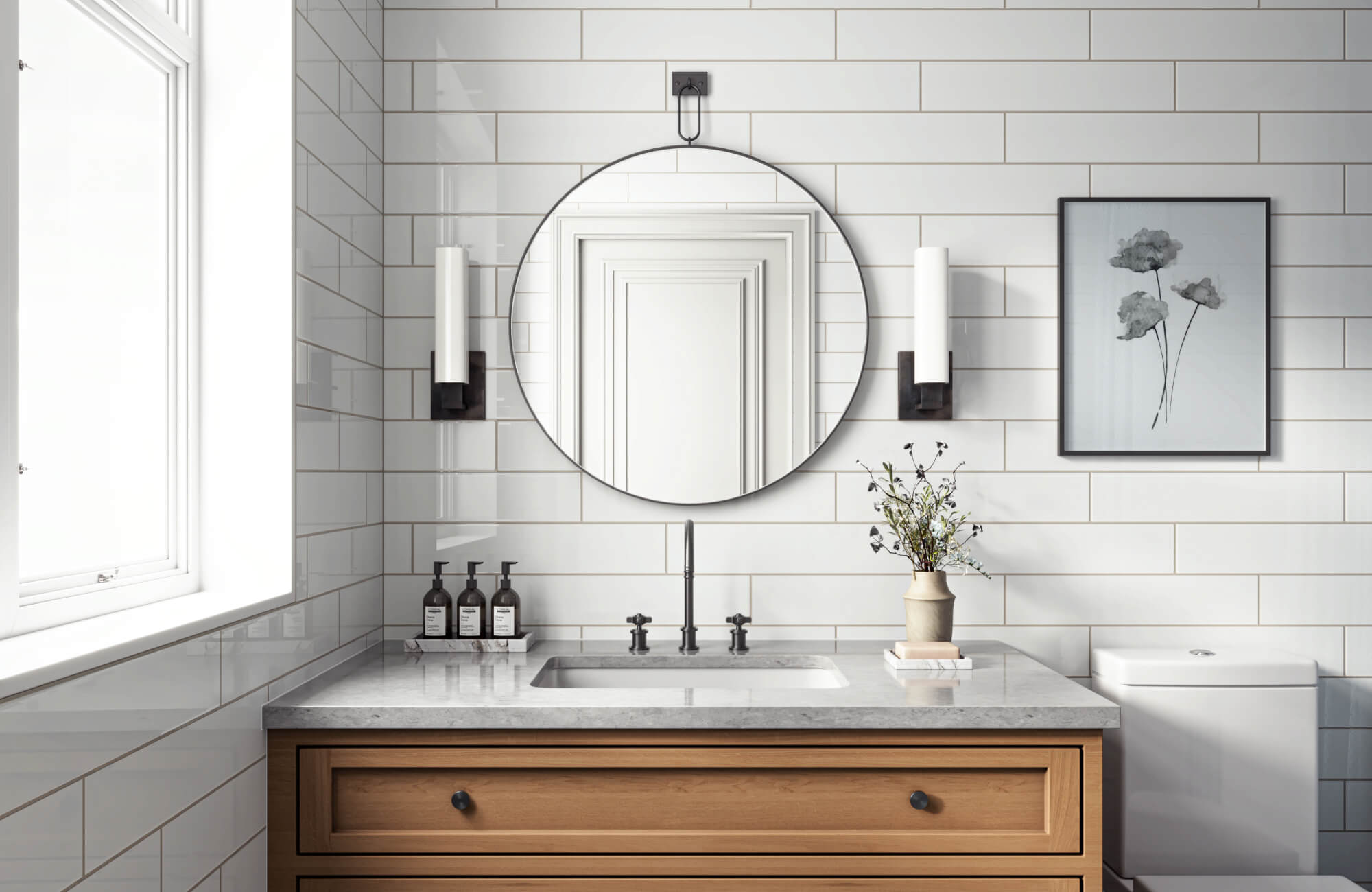
A great example is our Fitz Mirror in Antiqued Iron above, which shows how a round silhouette can instantly soften strong architectural lines. Its slender frame and muted patina add warmth without weighing down the wall, making it a natural fit for spaces that feel sharp or boxy. This balance of subtle detailing and clean structure helps the mirror calm the room’s geometry while still feeling modern and intentional.
When an Oval Mirror Is the Better Choice
Oval mirrors bring a refined balance of height and softness, making them a strong choice for rooms that need a little vertical lift or a gentler silhouette. Their elongated curve helps open up narrow or compact areas while adding a touch of grace to more traditional or transitional spaces. Below, we’ll look at where oval mirrors work especially well and how their proportions can elevate the feel of a room.
Enhancing Vertical Space With Oval Proportions
Oval mirrors are excellent for emphasizing height, especially in rooms that feel low or visually compressed. Their elongated form naturally draws the eye upward, making ceilings seem taller and improving the overall sense of openness. This vertical lift also helps balance wide wall layouts by introducing a graceful, stretched silhouette. Because the shape feels airy rather than heavy, it adds presence without overwhelming the room. When you want subtle height and a refined vertical pull, an oval mirror is a strong choice.
Oval Mirrors for Bathrooms and Narrow Walls
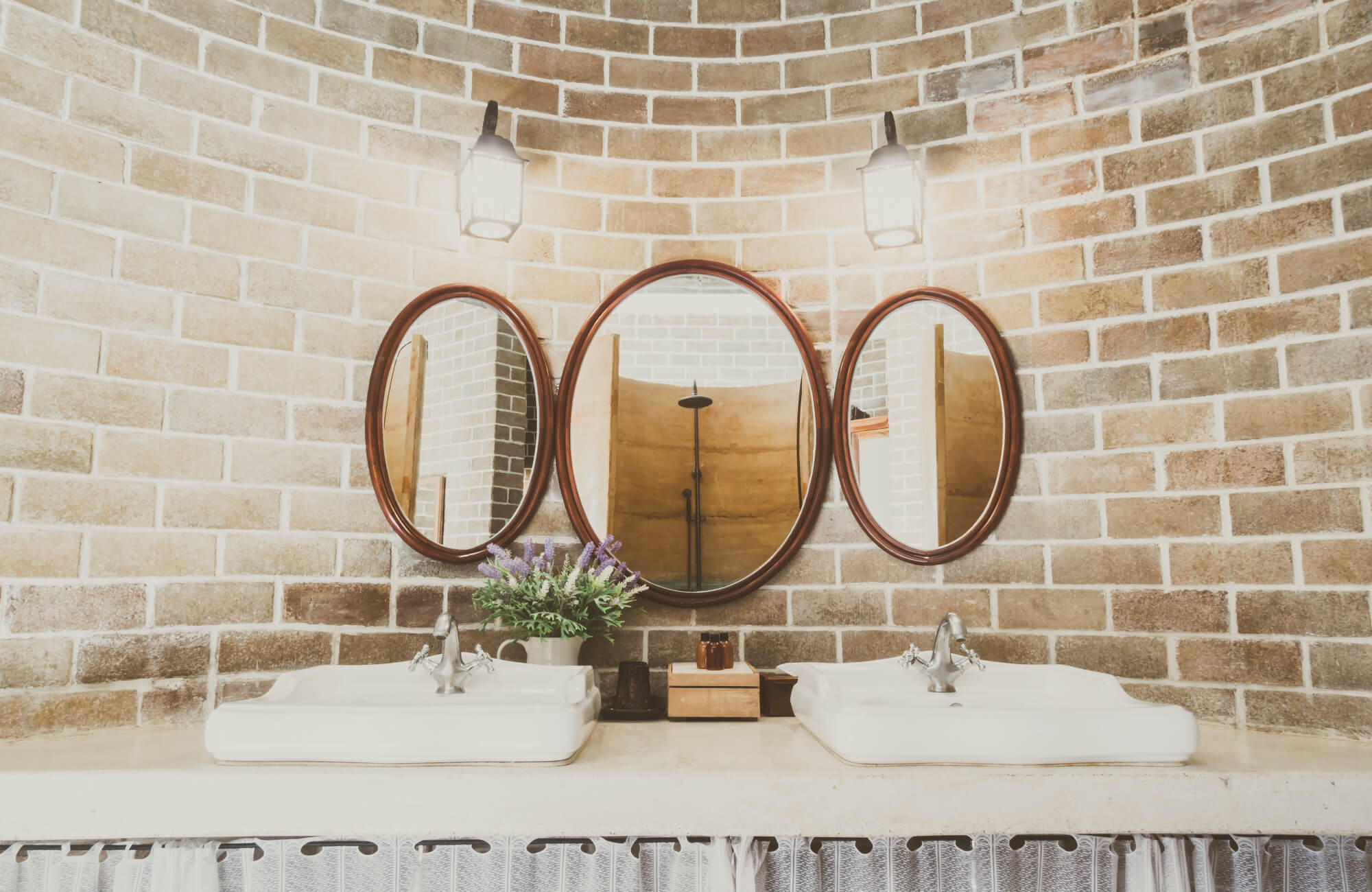
Bathrooms and narrow wall sections benefit greatly from oval mirrors because their proportions maximize usable reflection without demanding extra width. The shape fits comfortably above single vanities or tight spaces while still offering generous coverage. In narrow hallways or compact entries, an oval mirror helps elongate the visual field, preventing the area from feeling boxed in. The softer, tapered lines also feel more fluid in tight layouts compared to rigid rectangular shapes. This makes oval mirrors especially practical in rooms where space efficiency and style both matter.
Why Oval Shapes Suit Classic and Transitional Styles
Oval mirrors naturally complement classic and transitional interiors thanks to their balanced mix of softness and structure. The curved edges add a touch of elegance, while the elongated proportions keep the look tailored and refined. These qualities blend well with traditional trim, curved moldings, and warm, timeless materials. Transitional spaces also benefit from the shape because it bridges modern simplicity with classic detail. When you want something sophisticated yet adaptable, an oval mirror aligns beautifully with these styles.
Choose the Right Mirror Finish for Your Design Style
A mirror’s finish can completely influence how the room feels, especially when it sits near lighting, hardware, or architectural accents. The right finish helps tie these elements together so the space feels coordinated rather than pieced together.
Brass Finishes
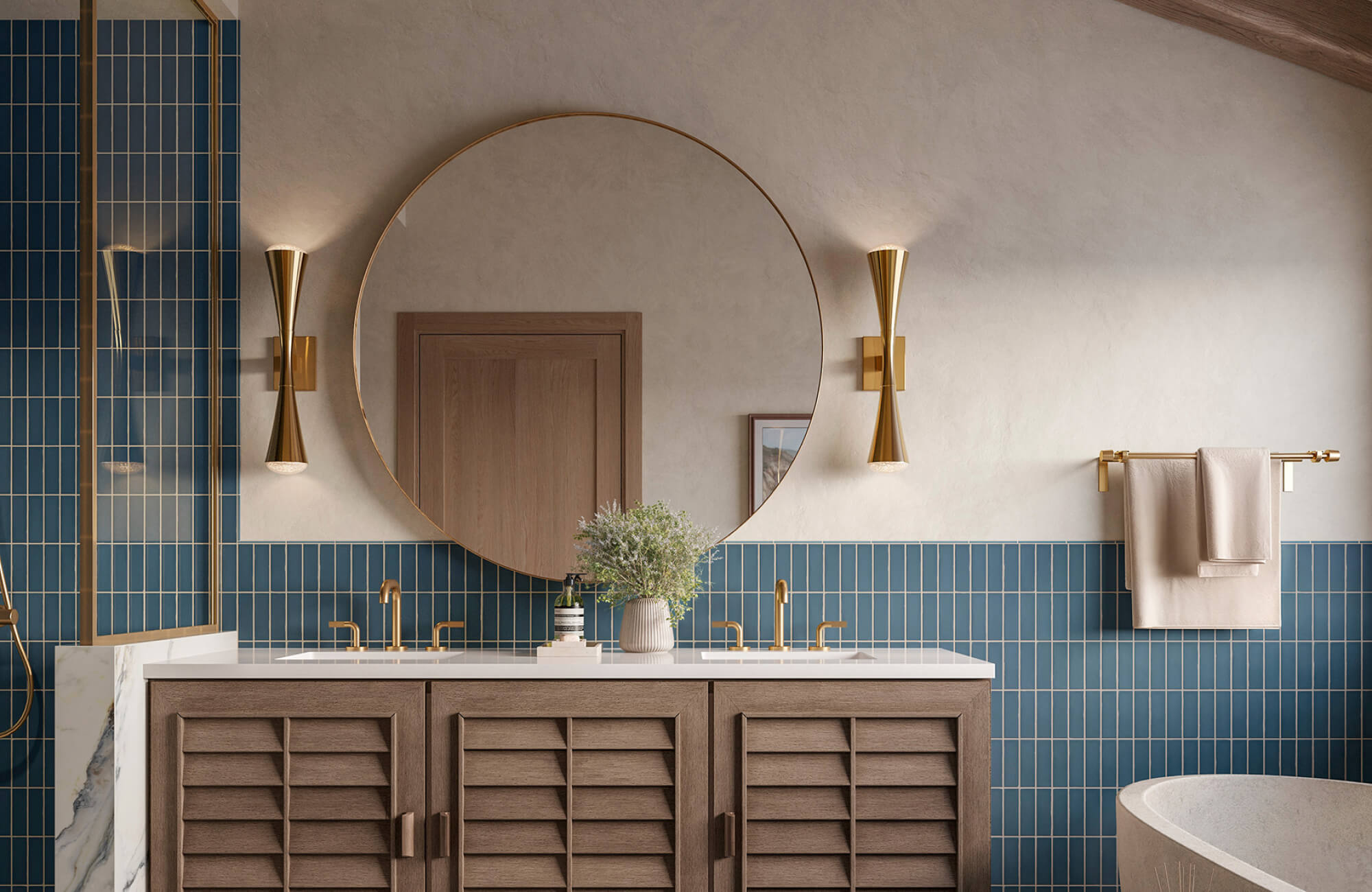
Brass finishes, like our Tristan Round Mirror in Polished Brass above, bring warmth and sophistication, making them a popular choice for spaces that lean classic, transitional, or elevated farmhouse. Their soft golden tone pairs beautifully with warm woods, creamy wall colors, and natural textures. Brass also adds a subtle glow that feels inviting without being too bold or overpowering. When used alongside warm lighting, it creates a cohesive sense of refinement throughout the room. If your goal is to introduce warmth with a polished edge, brass is a dependable finish that ages gracefully.
Matte Black
Matte black offers a clean, grounded look that works well in modern, contemporary, and farmhouse-inspired spaces. Its subtle, non-reflective finish creates contrast without feeling harsh, helping anchor lighter color schemes or neutral palettes. Matte black mirrors also coordinate easily with black hardware, metal accents, or industrial-style lighting. This makes them especially versatile in rooms where you want a crisp, structured look. When used thoughtfully, matte black adds depth and definition to the layout.
Chrome and Nickel
Chrome and nickel finishes bring a fresh, polished feel ideal for bathrooms, bright entryways, or spaces with cool undertones. Their reflective surfaces help brighten the room, especially when paired with glass, tile, or lighter wall colors. Chrome tends to feel sleek and contemporary, while nickel, particularly brushed variants, offers a softer, more approachable sheen. Both finishes pair well with clean lines and simple silhouettes, keeping the overall aesthetic streamlined. If you’re aiming for a crisp, polished look, chrome and nickel are dependable options.
Mixed Finishes
Mixed finishes offer a flexible approach for spaces that blend modern, rustic, or transitional elements. Combining tones like black and brass, or nickel and bronze, allows the mirror to connect with multiple accents throughout the room. This layering creates a more collected, personalized look that feels intentional rather than overly coordinated. Mixed finishes also help soften the visual weight of a bold fixture by distributing contrast more evenly. When used well, they bring depth and dimension to the room without overwhelming the design.
Alternative Mirror Shapes to Consider
Different mirror shapes can completely reshape the mood of a room, adding softness, height, structure, or movement depending on what your space needs. Exploring shapes beyond the usual round and oval options opens up more ways to balance proportions and highlight key features.
Arched
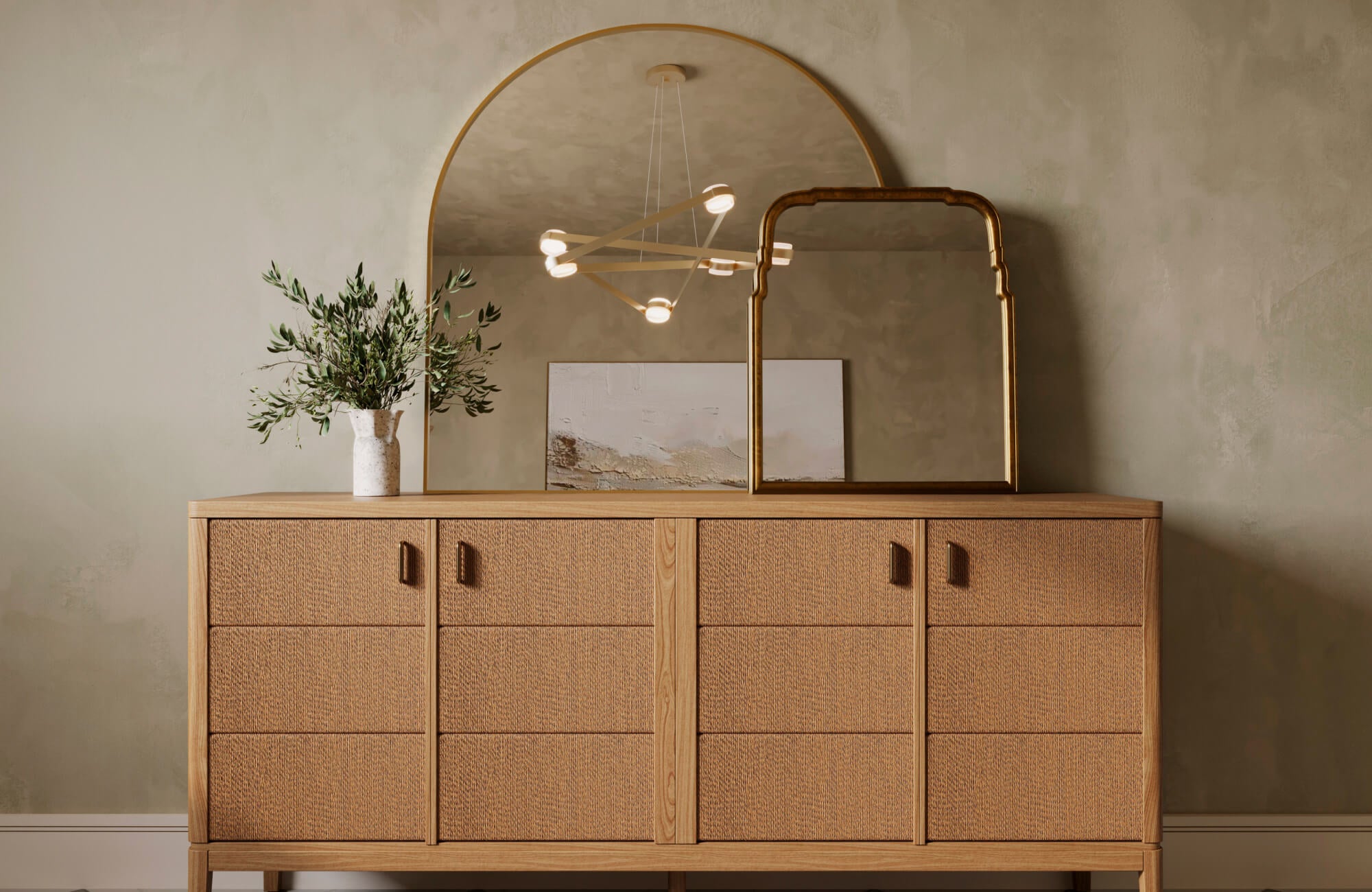
Arched mirrors, for example, our Esmeralda Wide Mirror in Polished Brass above, bring a sense of height and elegance, making them perfect for rooms that need a subtle vertical lift. Their curved top softens the formality of rectangular frames while still maintaining a structured, tailored silhouette. This combination works beautifully in traditional, transitional, or even modern interiors. Arched mirrors also pair well with architectural elements like arched doorways or tall windows. If you want a mirror that feels graceful without losing structure, the arched shape is a strong option.
Square
Square mirrors introduce a clean, geometric presence that suits contemporary and modern spaces. Their even proportions create a sense of stability and symmetry, which helps anchor walls with other structured elements. Square shapes also work well above consoles or bathroom vanities because they reinforce crisp lines and balanced layouts. In smaller areas, a square mirror can bring clarity and order without feeling too dominant. When you want something bold yet straightforward, a square silhouette delivers a polished look.
Organic
Organic mirrors add a sense of movement and visual interest with their freeform silhouettes. These shapes soften rigid layouts and create a more relaxed, artistic feel in the room. They work especially well in neutral or minimalist spaces where you want a unique focal point without introducing heavy ornamentation. Organic mirrors also help break up repetitive rectangular forms in furniture and architecture. If your goal is to bring a touch of character and fluidity to the room, an organic shape is a natural fit.
Frameless
Frameless mirrors offer a sleek, understated look that blends effortlessly into any style. Because they lack a border, they feel lighter and more open, making them especially effective in small bathrooms or tight wall spaces. The clean edges also pair well with modern or minimalist layouts, where simplicity is key. Frameless mirrors let the reflection itself become the focal point, creating a subtle yet refined presence. When you want a shape that disappears into the design while still adding clarity and brightness, a frameless mirror is a great choice.
Pulling Your Round-or-Oval Choice Together
Choosing between a round or oval mirror becomes much easier once you think about the mood you want your space to give off and how each shape supports the room’s proportions. Round mirrors bring softness and calm, especially when a room feels too sharp or compact. Oval mirrors, on the other hand, add height and a hint of elegance without overwhelming the wall. Once you understand what your room needs structurally and visually, the right shape tends to make itself clear.
If you’d like a bit of guidance narrowing down your options, our design team can walk you through proportions, finishes, and placement so everything feels cohesive. We can help you compare shapes, consider how they pair with your architecture, and choose a style that suits both your space and your daily routine. Book a personalized design consultation and start creating a room that feels intentional, balanced, and beautifully put together.
Follow us on Instagram
@EDWARD.MARTIN
)
)
)
)
)
)
)
)
)
)
)
)
)
)
)
)