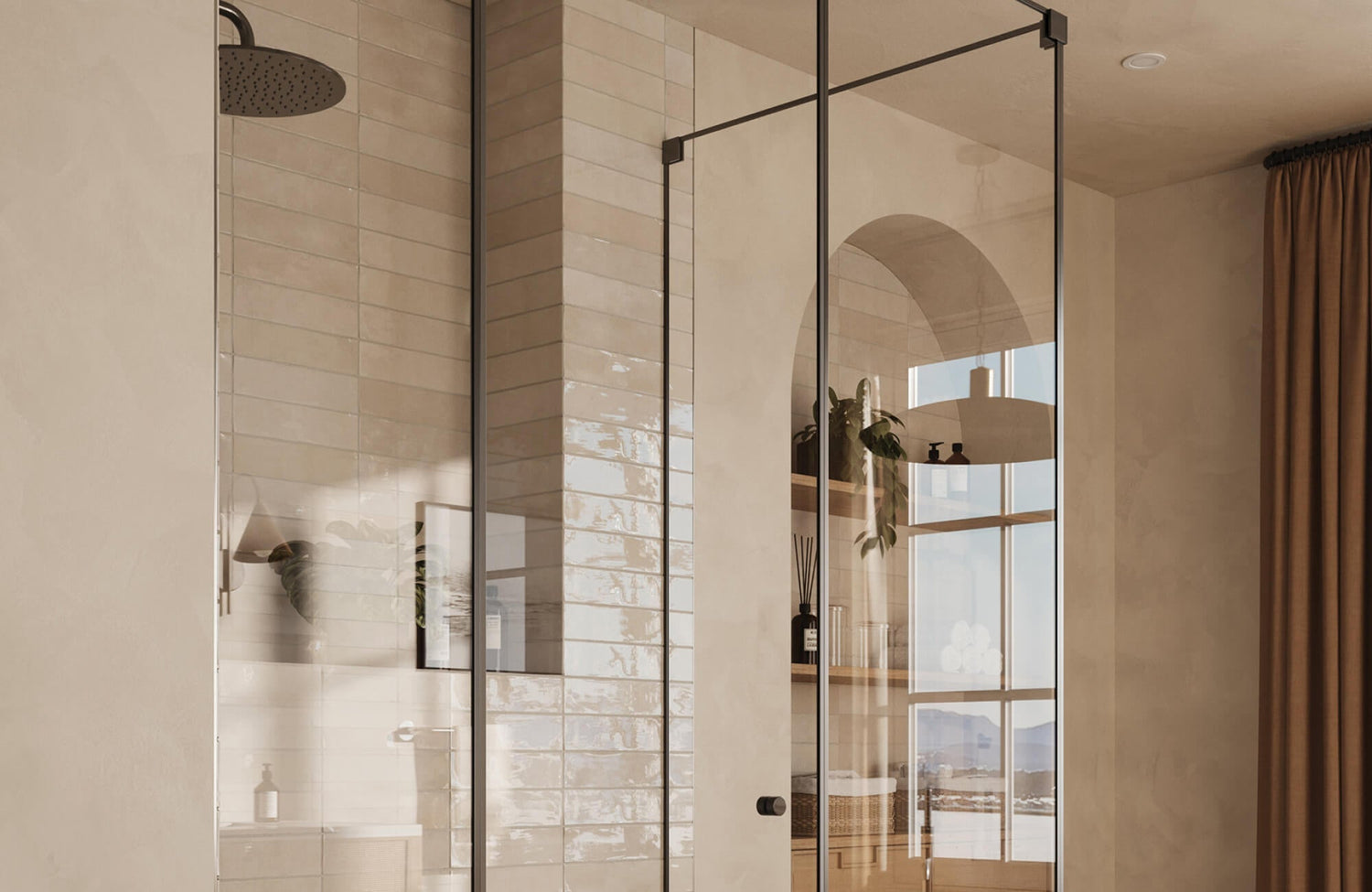
A well-designed bathroom relies heavily on its wall finish, and choosing between a glossy or matte surface can shape how the room looks, feels, and functions. This decision extends beyond appearance and impacts how you experience and utilize the space each day. As we walk through the options, our goal is to explain how each finish performs so you can confidently choose the one that aligns with your needs and preferences.

Light Behavior And Visual Impact
The way light interacts with a wall finish plays a major role in shaping the mood and overall feel of a bathroom. By understanding how reflection, spatial perception, and color appearance differ between glossy and matte surfaces, you can make a choice that better supports the look and experience you want for the space.
How Light Reflects
Glossy surfaces reflect natural and artificial light with noticeable intensity, which can be especially helpful if your bathroom receives limited daylight and needs a brighter, more vibrant feel. In contrast, matte surfaces absorb more light, creating a softer appearance that minimizes glare and helps settle overly bright or reflective areas. In the photo displayed above, you can see how Edward Martin’s Natasha 2x6 Glossy Porcelain Tile in Ice captures and disperses sunlight across the room, enhancing brightness and adding depth. This degree of reflectivity helps glossy tiles brighten the room and create a more open atmosphere, which is especially useful in bathrooms that feel dim or enclosed.
How Space Appears
Because glossy finishes reflect more light, they can help a compact bathroom feel more open. This effect is especially useful in narrow rooms or spaces with low ceilings, where even a slight increase in visual height or width can make a meaningful difference. In contrast, matte finishes create a more grounded look, which works well in bathrooms that already have generous dimensions. As you compare options, it helps to consider how your bathroom’s proportions interact with each finish, since some layouts benefit from added openness while others feel more balanced with a steadier, more anchored appearance.
How Colors Shift
The level of reflectivity plays a key role in how wall colors appear once applied. Glossy surfaces accentuate undertones and make colors appear more defined, while matte finishes soften the appearance and maintain the color's stability as the lighting changes throughout the day. To make a confident choice, consider painting samples on different walls and observing how they respond to shadows, sunlight, and overhead fixtures. You can also use our AR tool to preview both finishes in real time, helping you see how each option behaves before you commit. This straightforward step ensures the final color looks how you envision it once the bathroom is complete.

Maintenance Patterns And Everyday Wear
Bathroom walls experience more exposure to moisture, splashes, and frequent use, so their finish needs to withstand daily demands. Understanding how glossy and matte surfaces respond to routine cleaning and ongoing environmental changes can help you choose a finish that fits your lifestyle and maintenance preferences.
Cleaning Demands
Glossy surfaces tend to wipe clean with less effort because they resist buildup from soaps and lotions. If you prefer something easy to maintain, you may appreciate how well a glossy finish responds to mild cleaners and soft cloths. Matte finishes can show fingerprints or streaks more easily, so they often require gentler cleaning methods. Using tools such as microfiber cloths or soft sponges helps protect the surface and avoid marks. For both tiles and grout, it is always best to follow the manufacturer’s cleaning recommendations to ensure the finish performs as intended.
Moisture Tolerance
Bathrooms often shift quickly from dry to humid, and each finish reacts differently to these changes. For instance, glossy surfaces manage condensation well because moisture stays on top of the finish rather than settling in. Matte surfaces can retain moisture for a longer period, which is why proper ventilation becomes especially important if you prefer this look. With steady airflow in place, both finishes can dry more effectively after showers, helping the walls stay in good condition over time.
Longevity Concerns
Over time, wall finishes naturally reveal signs of use. Glossy paint can reveal small scuffs more quickly, while matte paint may conceal them but develop a slight haze in areas that are touched often. If the bathroom is used or sees regular activity, consider how each finish will age in your particular environment. Choosing a finish that fits your routine can also help you maintain the space comfortably without frequent touch-ups.

Style Direction And Interior Aesthetics
Your bathroom’s design style plays a significant role in determining which finish feels most at home in the space. Rather than focusing on light or upkeep, this part explores how glossy and matte finishes contribute to the overall aesthetic and complement the décor you already have or plan to build.
Design Compatibility
Glossy walls work well with contemporary styles that feature clean lines, reflective accents, or polished materials. If you enjoy a modern aesthetic, the added shine of a glossy surface can help reinforce that look. In the photo featured above, Edward Martin’s Makenna 3x11 Glossy Porcelain Tile in Indigo adds depth and a refined sheen to the room, pairing beautifully with the Hennessy Wall Sconce in Aged Brass and the streamlined vanity.
Matte walls, on the other hand, can enhance more relaxed or natural styles by pairing well with gentle textures and understated details. By considering the atmosphere you want to create, you can choose a finish that supports the overall direction of your design.
Material Harmony
Bathrooms often feature a mix of materials such as stone, tile, and metal fixtures, and each of these elements interacts differently with wall finishes. Incorporating a stone-look tile, for instance, can add depth and natural texture that pairs beautifully with both glossy and matte surfaces. Glossy walls pair smoothly with polished details like chrome or glass, creating a clean, unified aesthetic that stands out against the richness of stone-look materials. Matte walls, however, complement brushed metals, natural stone, and textured wood tones, giving the room a more grounded and balanced feel. As you compare finishes, consider how each one interacts with the materials already in your bathroom so the overall design feels cohesive and well-integrated.
Mood Intentions
Every finish contributes to the emotional tone of a bathroom. Glossy walls create a livelier impression with their shine and crisp appearance, while matte walls provide a calmer, more relaxing feel that suits quieter routines. By identifying the atmosphere you want to cultivate, you can choose a finish that supports the kind of experience you hope to create in the space.

Performance In Challenging Bathroom Conditions
Some bathrooms face environmental challenges that extend beyond everyday use, and the wall finish you choose can influence how well the space holds up over time. By understanding how glossy and matte surfaces respond to limited ventilation or consistently high moisture, you can make a choice that better suits your home’s specific conditions.
Low Ventilation Situations
Bathrooms without windows or with limited airflow tend to withstand humidity for longer periods, which can influence how well a wall finish performs. Glossy surfaces usually handle slow-drying moisture more effectively because condensation remains on top of the finish instead of soaking in. Matte finishes can still be used in these settings, though they benefit from consistent mechanical ventilation to help keep moisture in check. If your bathroom is located in the interior of your home, it’s worth considering these conditions carefully before deciding which finish will serve you best.
High-Humidity Homes
If you live in a climate where humidity stays high throughout the year, your bathroom walls may require extra protection to remain in good condition. Glossy finishes tend to perform well in these environments because their smooth surface sheds moisture more easily. Matte finishes are still an option, but they benefit from support such as humidity monitors or enhanced airflow systems to help manage excess moisture. With these measures in place, you can maintain a finish that withstands well despite the consistently damp conditions.
Frequent Shower Usage
In homes where showers happen several times a day, steam can accumulate quickly and place added demands on the wall finish. Glossy surfaces tend to manage this steady exposure well because they resist moisture absorption. Matte finishes can still be used, but they benefit from closer attention to ventilation to prevent dampness from settling into the surface. In the photo shown above, Edward Martin’s Cleo 2x6 Glossy Ceramic Tile in Sage demonstrates how a glossy finish can perform effectively in a high-steam environment, helping the walls shed moisture more easily during repeated use. When comparing finishes, consider how often your household uses the bathroom and how much moisture tends to build up during daily routines.

Budget Planning And Value Considerations
Cost is another key factor to consider when choosing a bathroom wall finish, especially if you are planning around a specific budget. Each option brings its own pricing structure and long-term financial implications, so understanding these differences can help you choose a finish that suits both your design goals and your overall investment plans.
Initial Cost Breakdown
Glossy finishes sometimes require more preparation because surface flaws are more visible, which can influence labor pricing. Matte finishes may require additional coats to achieve an even appearance, which can increase material costs. If you want to manage expenses, you can ask your painter whether small adjustments in product type or application technique can help meet your budget without compromising quality.
Long-Term Cost Behavior
Over time, repainting needs can differ depending on the finish you choose. Glossy surfaces often require fewer full repaints but may need small touch-ups more frequently, while matte finishes sometimes need a fresh coat sooner to maintain their original appearance. To understand the long-term value of each option, consider how often you plan to update the room and how much ongoing upkeep you are comfortable managing.
Resale And Perceived Value
Potential buyers tend to pay close attention to the condition of a bathroom, often forming an impression within the first few moments. A glossy finish can create a polished, eye-catching look, while a matte finish provides a softer, more understated appearance that can appeal to those who prefer subtle design. In the photo featured above, Edward Martin’s Chantel 24x48 Matte Porcelain Tile in Imperial demonstrates how a matte surface can still achieve a high-end, sophisticated feel, which often resonates with buyers who appreciate a modern yet refined aesthetic.
If you plan to sell your home, consider which finish best fits the overall style of the property and is most likely to appeal to a wide range of buyers. The right choice can help the bathroom feel well-maintained and welcoming.

Practical Selection Framework
By now, you have a clearer picture of how each finish performs in terms of light, moisture, style, and cost. The next step is to apply those insights to your own bathroom, helping you move forward with a choice that feels both informed and confident.
Functional Priorities
Every person values different qualities in a bathroom. Some prefer a brighter room with reflective surfaces, while others lean toward walls that feel soft and understated. Before choosing a finish, try outlining what matters most to you, whether it’s ease of cleaning, color stability, or a specific atmosphere. Clarifying these priorities helps narrow your options and guide your decision.
Home Context Factors
Your bathroom is part of a larger environment, and the rest of your home plays an important role in determining which finish will feel most appropriate. The overall style, the number of people using the bathroom, and even the age of the building can all influence which option suits the space. When the finish complements its surroundings, the bathroom feels more unified and naturally connected to the rest of your home.
Hybrid And Zoned Approaches
Your bathroom’s surroundings can influence which finish will serve you best. Factors such as your home’s overall style, the number of people using the bathroom, and even the age of the building can all affect how a finish performs and looks over time. When the wall finish aligns with the character of the surrounding spaces, the bathroom feels more cohesive and visually connected to the rest of the home.
Choosing With Confidence
Choosing between glossy and matte bathroom walls becomes easier once you understand how each finish performs in different conditions. When you consider your bathroom’s lighting, layout, moisture levels, and long-term plans, the option that best supports your needs often becomes more apparent. Whether you are aiming for a brighter look, a more relaxing atmosphere, or a finish that supports everyday family use, there is a solution that can work well for your space. By taking time to assess these factors, you can create a bathroom that feels comfortable, practical, and aligned with your daily routine.
If you ever need help visualizing your ideas or refining your plans, our design team is always ready to guide you through the process and help you bring your vision to life.