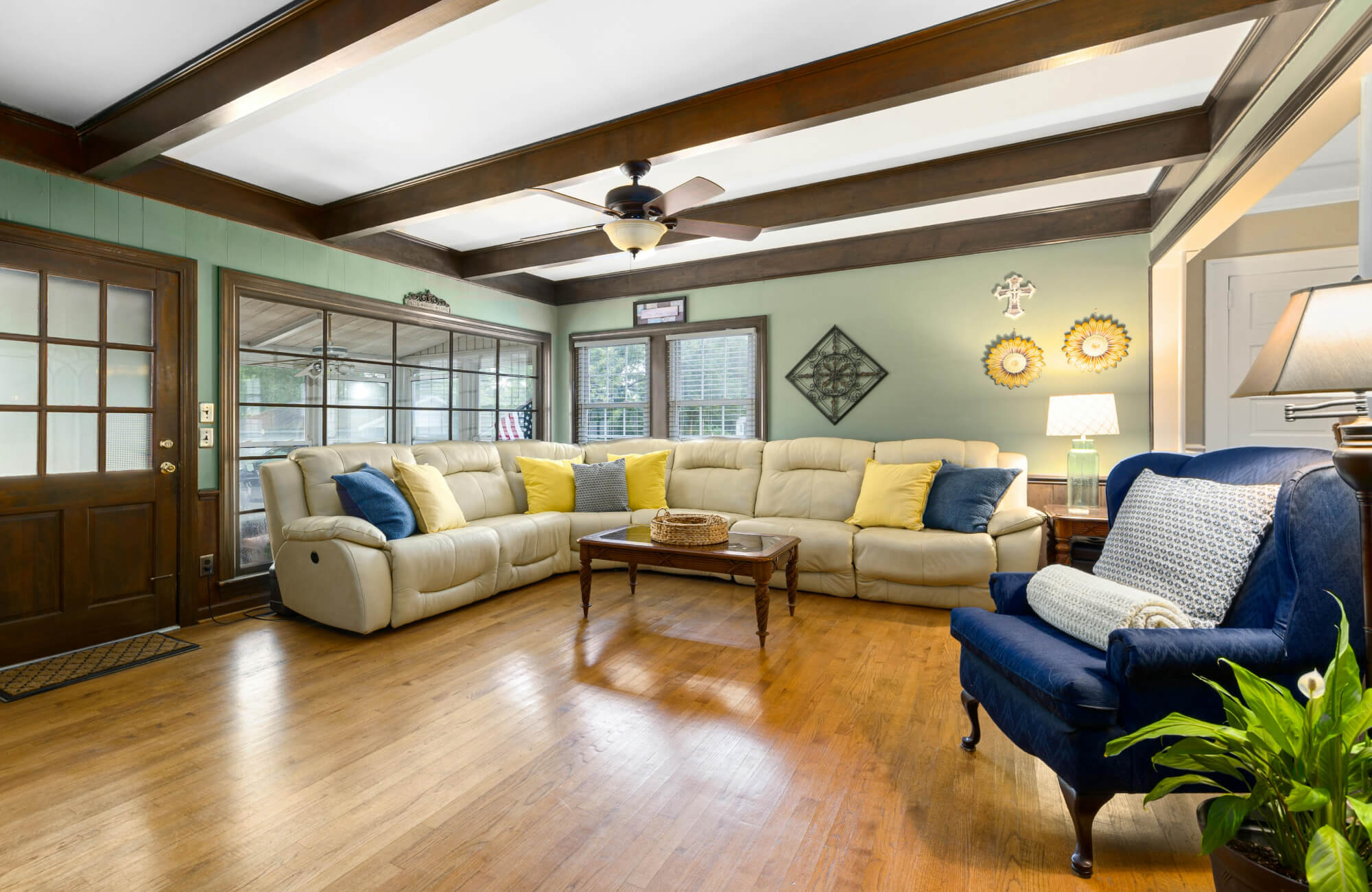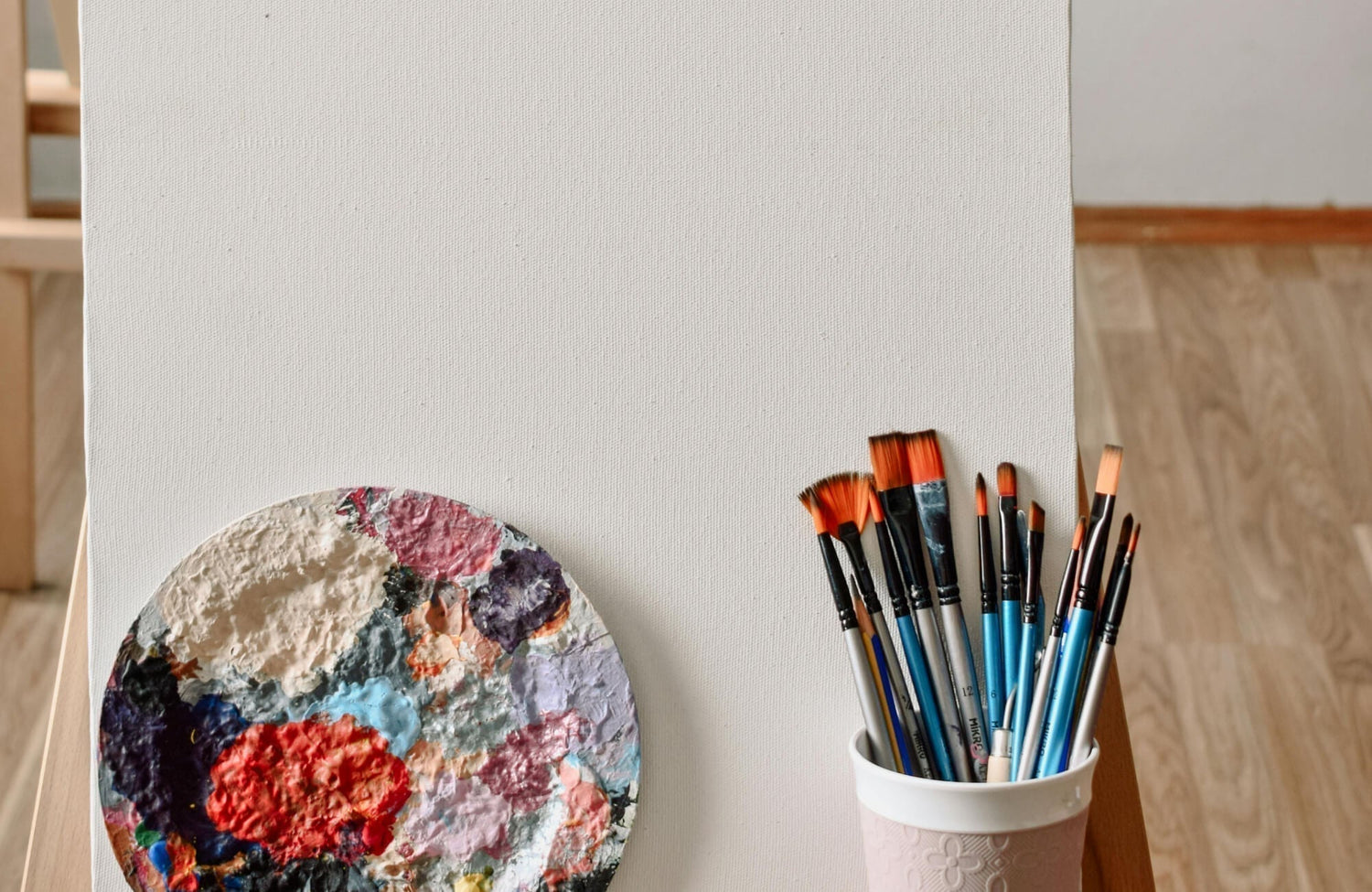
Canvas painting embodies a refined balance between artistic expression and interior sophistication, transforming blank walls into curated visual narratives. Through thoughtfully selected canvas wall art, spaces gain depth, character, and a heightened sense of design cohesion. Whether defined by expressive abstraction or structured composition, each canvas artwork contributes to the overall atmosphere with intention and clarity. The interplay of color, texture, and technique, particularly in wall art painting and oil paintings on canvas, creates layered visual experiences that elevate modern interiors. By exploring a range of styles, it becomes possible to identify canvas painting ideas for wall decor that integrate artistry seamlessly with spatial elegance.

Abstract Canvas Painting Ideas for Modern Wall Art Decor
Abstract compositions introduce expressive movement and layered depth, making them a compelling choice for modern canvas artwork that emphasizes visual rhythm and nuanced color relationships. Their inherent flexibility allows them to serve as either striking focal points or cohesive elements that subtly unify contemporary interiors.
Color Field and Gradient Techniques
Color field painting centers on expansive areas of blended hues, gradually establishing mood and spatial continuity within canvas wall art. Through controlled processes such as glazing and wet-on-wet blending, tonal transitions emerge seamlessly, softening contrasts while preserving visual interest. As a result, this technique is often applied in large-scale wall art painting for open-concept living environments, where cohesion is essential. The gentle modulation of color also allows oil paintings on canvas to suggest depth without the need for defined forms. As the viewer’s gaze moves across the surface, these transitions unfold gradually, creating a calm yet immersive visual field. This refined approach lends itself particularly well to modern interiors that favor understated yet sophisticated canvas artwork.
Gestural Brushwork and Expressive Forms
Gestural abstraction, by contrast, relies on dynamic brushwork and spontaneous mark-making to convey movement and emotional intensity within canvas artwork. Through techniques such as dry brushing and layered strokes, variations in opacity and texture naturally emerge, enriching the composition. Consequently, this approach is often seen in wall art painting where expressive energy becomes the central visual driver. Oil paintings on canvas further enhance this method, as their extended drying time allows for fluid manipulation and blending of strokes. As successive layers accumulate, the composition also develops depth while retaining a sense of immediacy and motion. In this way, gestural abstraction aligns seamlessly with interiors that prioritize artistic dynamism and visual impact.
Textured Abstract Surfaces
Textural abstraction introduces a tactile dimension, elevating conventional canvas wall art into more immersive compositions. By incorporating impasto techniques and specialized mediums such as acrylic gels, artists build raised surfaces that interact dynamically with light. This interplay also enhances shadow and highlights, giving the wall art painting a more engaging visual presence. Oil paintings on canvas can similarly achieve this effect through the application of thick, sculptural pigment layers. As lighting conditions shift throughout the day, these textured surfaces reveal subtle variations that continually enrich the viewing experience. Such canvas artwork is particularly well-suited for statement walls, where material depth and visual complexity are desired.

Nature-Inspired Canvas Painting for Organic Interior Aesthetics
Nature-inspired canvas artwork introduces a sense of calm and equilibrium by translating organic forms and environmental elements into wall art. In doing so, these compositions align with biophilic design principles, subtly reinforcing the connection between interior spaces and the natural world.
Botanical and Floral Compositions
Botanical canvas wall art emphasizes organic structure through intricately rendered foliage and floral arrangements. With techniques such as layered brushwork and fine detailing, artists achieve a balance between realism and softness. As a result, this style is frequently incorporated into wall art painting for bedrooms and tranquil spaces where a serene atmosphere is desired. Oil paintings on canvas also enhance these compositions through rich pigmentation and controlled blending, allowing subtle tonal variations to emerge. As natural forms unfold across the surface, they introduce rhythm without overwhelming the surrounding design. This enduring quality makes botanical canvas artwork a refined and timeless choice for calming interiors.
Landscape and Scenic Perspectives
Landscape-based canvas artwork employs depth cues such as atmospheric perspective and tonal gradation to simulate spatial distance. As transitions between foreground and background elements become more gradual, a sense of openness naturally develops within the wall art painting. This characteristic proves particularly beneficial in compact spaces, where canvas wall art can visually extend the perceived dimensions of a room. Oil paintings on canvas further support this effect through nuanced color mixing, capturing subtle shifts in natural light. As the composition progresses, the viewer’s gaze is gently guided across layered scenery. In turn, this creates an immersive visual experience that enhances the overall interior environment.
Oceanic and Water-Inspired Themes
Water-inspired canvas wall art introduces fluidity and motion through the depiction of waves, reflections, and shifting surfaces. Techniques such as blending and glazing allow artists to achieve the translucent qualities often associated with oil paintings on canvas. Consequently, these compositions are well-suited for wall art painting in coastal, spa-like, or relaxation-focused interiors. The interaction of light and shadow across fluid forms also enhances realism while maintaining a tranquil visual tone. As the eye follows the movement within the composition, a gentle rhythm emerges, reinforcing a sense of calm. This makes ocean-inspired canvas artwork an effective choice for spaces centered on balance and serenity.

Geometric and Minimalist Canvas Art for Structured Interiors
Geometric and minimalist canvas wall art emphasizes clarity, proportion, and precision, making it particularly suitable for modern interiors that value order and restraint. Through carefully controlled compositions, these styles introduce visual structure while maintaining a refined and understated aesthetic.
Symmetrical and Pattern-Based Designs
Geometric canvas artwork frequently incorporates repetition and symmetry to establish a sense of visual harmony. By employing techniques such as masking and hard-edge painting, clean and sharply defined lines are achieved within the wall art painting. This precision also makes such designs especially appropriate for office environments and contemporary residential spaces. In addition, oil paintings on canvas can subtly soften these rigid forms by introducing texture within defined boundaries. As patterns repeat across the surface, they create a consistent rhythm without overwhelming the composition. The result is canvas wall art that balances structure with visual sophistication.
Minimalist Color Blocking
Minimalist canvas wall art reduces composition to its essential elements, often relying on restrained color palettes and simplified forms. Through this approach, wall art painting achieves clarity without sacrificing visual interest. Oil paintings on canvas also enhance this style through smooth transitions and controlled pigment layering. As contrast is carefully introduced, each element maintains its visual significance within the composition. The inclusion of negative space further reinforces balance, allowing the artwork to breathe within its environment. This makes minimalist canvas artwork particularly effective in modern interiors where simplicity and spatial clarity are prioritized.
Line Art and Linear Composition
Line-based canvas artwork focuses on continuous or fragmented lines to define structure and movement. With a restrained use of color, often monochromatic, this approach brings a sense of precision to wall art painting. Oil paintings on canvas can subtly enrich these compositions through tonal variation along each line. As the viewer’s eye follows these linear paths, a natural flow emerges across the surface. This balance between structure and fluidity also makes the technique especially suitable for contemporary interiors. Ultimately, the result is canvas wall art that conveys elegance through simplicity.

Textured and Mixed Media Canvas Art for Dimensional Wall Decor
Textured and mixed media canvas artwork introduces dimensionality by combining varied materials and layered techniques within a single composition. As a result, wall art painting evolves beyond flat imagery, engaging both visually and tactilely through its interaction with light and surface.
Impasto and Thick Paint Application
Impasto techniques involve the deliberate application of thick paint layers, creating raised surfaces within canvas wall art. This method allows light to interact with the artwork dynamically, emphasizing texture and depth. Oil paintings on canvas are particularly well-suited for this technique due to their dense consistency and extended drying time. As layers accumulate, the composition develops a sculptural presence that extends beyond two-dimensional form. This added dimension also enhances the visual weight of the wall art painting. Consequently, impasto-based canvas artwork is often used in statement pieces designed to command attention.
Mixed Media Layering Techniques
Mixed media canvas artwork integrates materials such as fabric, paper, and metallic accents to enrich surface variation. Through careful layering, these elements introduce contrast while maintaining compositional cohesion within the wall art painting. Oil paintings on canvas can also be seamlessly combined with these materials, ensuring visual continuity across different textures. As each layer interacts with the others, the composition gains depth and complexity. This evolving surface responds uniquely to lighting conditions, further enhancing its visual appeal. Such canvas wall art is particularly suited for interiors that seek a more distinctive and layered aesthetic.
Relief and Sculptural Elements
Relief techniques elevate canvas artwork by incorporating raised or embedded elements that extend from the surface. In doing so, traditional wall art painting transforms into a more interactive visual experience. Oil paintings on canvas can support these additions while maintaining structural integrity and visual balance. As light moves across the raised forms, shadows naturally develop, adding depth and dimension. This interplay between surface and illumination also creates a dynamic composition that changes throughout the day. Such canvas wall art is especially effective for feature walls that benefit from strong visual impact.

Personalized and Conceptual Canvas Painting for Unique Wall Art Decor
Personalized and conceptual canvas artwork shifts the focus toward meaning and individuality, embedding narrative elements into wall art paintings. Through this approach, interiors gain not only aesthetic value but also a deeper sense of identity and personal expression.
Typography and Lettering Art
Typography-based canvas wall art utilizes text as both a visual and conceptual element within the composition. Through techniques such as hand-lettering and layered texturing, depth and character are introduced into the artwork. Oil paintings on canvas enhance this effect by allowing subtle tonal variation within each letterform. As words integrate with the overall design, they also contribute structure while conveying meaning. This style is frequently used in personalized wall art painting that reflects values or sentiments. The result is canvas artwork that balances clarity with expressive intent.
Portrait and Figurative Painting
Portrait-based canvas artwork captures human expression through carefully controlled rendering and composition. Techniques such as chiaroscuro and fine blending are often employed in oil paintings on canvas to achieve depth and realism. These works naturally become focal points within wall art painting, drawing immediate visual attention. As facial features and forms are gradually refined, a strong narrative presence emerges. This depth of expression allows the artwork to resonate on a more personal level. As a result, such canvas wall art is well-suited for interiors that emphasize individuality and character.
Symbolic and Conceptual Art
Conceptual canvas artwork weaves symbolism and abstraction into layered visual narratives that invite interpretation. By combining multiple techniques within a single wall art painting, artists create compositions that are both visually and intellectually engaging. Oil paintings on canvas also support this complexity through smooth transitions and nuanced detailing. As symbolic elements interact, they encourage viewers to explore meaning beyond the surface. This interpretive quality adds depth and longevity to the artwork. Consequently, such canvas wall art becomes a compelling addition to spaces that value creativity and storytelling.

Textile and Fiber-Based Wall Art Alternatives to Canvas
Beyond traditional canvas wall art, textile-based compositions offer a tactile and artisanal alternative that introduces warmth, softness, and dimensional texture into interior spaces. These pieces often bridge the gap between wall art painting and craft, presenting layered surfaces and natural materials that enrich visual depth.
Woven Macramé and Fiber Wall Art
This type of textile wall art features handwoven fibers arranged in structured yet organic patterns, often incorporating knots, loops, and braided elements. The use of natural yarns in neutral tones, complemented by muted greens and warm browns, creates a grounded palette that harmonizes with contemporary interiors. Framed compositions, as seen in woven fiber artwork, refine the presentation while preserving its handcrafted character.
The interplay of raised knots and soft fringe introduces depth similar to textured canvas artwork, allowing the piece to function as both decor and tactile expression. A piece like Edward Martin’s Golden Drift Wall Art, as displayed in the photo above, exemplifies this approach, combining intricate weaving with a balanced composition that enhances warmth and visual interest. As light interacts with the fibers, subtle shadows emerge, reinforcing its dimensional quality while making it a refined alternative to traditional oil paintings on canvas.
Neutral Fabric Patchwork Wall Art
Patchwork textile art like the Open Province Wall Art assembles layered fabric panels with visible stitching, creating a composition defined by subtle variation and material contrast. The use of raw, undyed textiles in off-white and beige tones produces a quiet, understated aesthetic that complements minimalist interiors. Fine stitching details and slight imperfections contribute to its artisanal authenticity, distinguishing it from conventional wall art painting. The softness of fabric also introduces a gentle visual texture that contrasts with the rigidity of canvas artwork. As the eye moves across the surface, the layered construction reveals nuanced shifts in tone and weave. This style is particularly suited for spaces that emphasize calm, neutral palettes and tactile subtlety.
Tufted Textile Relief Wall Art
Tufted wall art features raised, looped fibers arranged in layered formations, often creating sculptural compositions with organic contours. The use of graduated earth tones, from deep greens to warm terracotta, adds depth while maintaining a cohesive color story. Unlike flat canvas wall art, this technique introduces a plush, almost topographic surface that enhances visual and tactile engagement. The layered bands mimic abstract forms, bridging the gap between textile art and contemporary canvas artwork. As light falls across the raised fibers, the piece reveals shifting highlights and shadows. This makes tufted textile wall decor like our North of Here Wall Art a compelling alternative for interiors seeking dimensionality and softness.
Elevating Interiors Through Thoughtful Canvas Art Selection
Selecting canvas wall art requires a thoughtful consideration of composition, technique, and spatial harmony, ensuring that each piece contributes cohesively to the interior environment. From expressive canvas artwork to refined oil paintings on canvas, each style offers distinct visual qualities that enhance wall art painting. As these elements are carefully integrated, they also establish focal points while guiding the overall visual flow of a space. The balance of texture, color, and form allows canvas artwork to adapt seamlessly across diverse interior styles. In essence, well-chosen canvas painting ideas for wall decor transform interiors into curated spaces defined by both sophistication and artistic intent.
To further elevate your experience, Edward Martin’s design services provide personalized guidance in selecting timeless wall art suited to your space and aesthetic vision. Contact us to begin curating enduring statement pieces that seamlessly blend creativity with refined architectural design!