Originally developed for New York City’s subway stations in the early 1900s, subway tiles were valued for their durability, ease of maintenance, and clean, bright appearance. Their simple rectangular form and glossy finish offered both practicality and understated style, leading to their widespread adoption beyond public transit spaces.
Today, subway tiles remain a timeless design element—but what are they used for in modern interiors? From kitchen backsplashes and bathroom walls to commercial and hospitality environments, they provide a versatile solution that balances function with aesthetic appeal.
In this guide, we’ll explore the many ways subway tiles are used, where they perform best, and how they can enhance a variety of spaces with their classic yet adaptable design.

Common Uses in Residential Spaces
Subway tiles are widely used throughout the home due to their durability, versatility, and timeless appeal. From high-moisture areas to decorative features, they offer practical solutions while enhancing the overall design. Here are some of the most common ways subway tiles are used in residential spaces.
Kitchen Backsplashes and Counter Walls
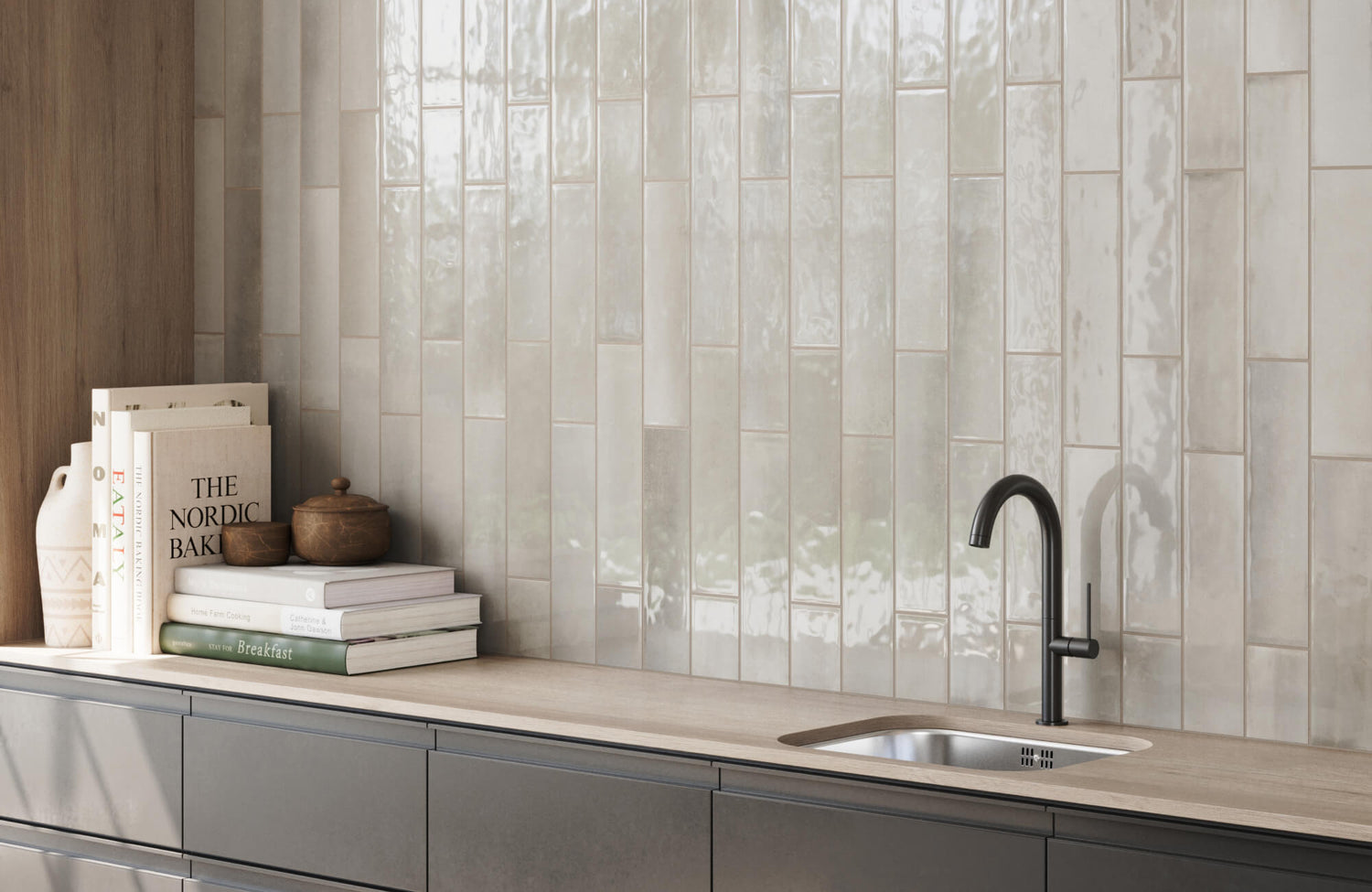
One of the most common uses for subway tiles is in kitchen backsplashes and counter walls, where they provide both protection and visual appeal. Their smooth, non-porous surface, especially in porcelain options, resists stains and moisture, making them well-suited for areas exposed to cooking spills and splashes. Whether in a busy home kitchen or a professional setting, subway tiles offer a durable, low-maintenance solution without compromising style. Their glossy finish also reflects light, helping to brighten the space and create a more open, inviting feel.
A great example of this is Edward Martin’s Cleo 2x6 Glossy Ceramic Tile in Greige, as displayed in the photo above, which highlights how a soft, neutral-toned subway tile can enhance a kitchen with subtle texture and warmth. Its glossy surface gently reflects light, complementing both natural wood elements and modern fixtures while maintaining a clean, cohesive look.
In addition to backsplashes, subway tiles are often extended along counter walls to create a seamless and cohesive look. This approach creates a seamless connection between the countertop and upper cabinetry while protecting walls from everyday wear and making cleanup easier.
Shower and Bathtub Surrounds
Another common use for subway tiles is in shower enclosures and bathtub surrounds, where durability and moisture resistance are essential. Ceramic and porcelain subway tiles are especially well-suited for these areas, as they can withstand constant exposure to humidity and water without warping, peeling, or discoloring. Unlike painted or wallpapered surfaces, subway tiles maintain their appearance over time while requiring minimal maintenance. Their smooth, non-porous surface also helps repel water, reducing the risk of mold and mildew buildup—a key advantage in bathroom settings.
This makes subway tiles both a practical and stylish choice for wet areas. Whether used in classic neutral tones or deeper, more dramatic shades, they can enhance a wide range of bathroom styles while maintaining a clean, polished look that lasts over time.
Accent Walls for a Stylish Touch
Subway tiles are also used to create accent walls, adding a decorative element that goes beyond their typical functional applications. Their clean lines and versatility make them ideal for introducing texture, color, and visual interest without overwhelming the space. Rather than limiting subway tiles to backsplashes or shower surrounds, they can be used as statement features that enhance the overall design.
In bathrooms, subway tiles are often applied behind vanities or mirrors to form a refined focal point that elevates the space. Choosing a bold color or a unique finish, such as beveled or handcrafted textures, can further enhance the visual impact. In kitchens, subway tiles may extend beyond the backsplash to cover an entire wall, creating a cohesive and polished look. Floor-to-ceiling applications, especially in open-concept layouts, can also make the space feel more expansive while adding a layer of sophistication.

Uses Beyond Kitchens and Bathrooms
Subway tiles are not limited to kitchens and bathrooms; they are also used in various other areas of the home where both durability and style are important. From fireplace surrounds to entryways and utility spaces, they offer a practical yet visually appealing solution that extends their versatility beyond traditional applications.
Fireplace Surrounds for a Contemporary Twist
Subway tiles are also used for fireplace surrounds, offering a clean and modern alternative to traditional materials such as brick or stone. Their simple, structured design helps create a more refined look, making them well-suited for both contemporary and transitional interiors. Unlike heavier materials, subway tiles introduce a lighter, more polished aesthetic that can complement a wide range of styles, from minimalist to more dramatic spaces.
A great example is Edward Martin’s Everett 2x10 Matte Ceramic Tile in Almond, as featured in the photo above, which showcases an elongated subway tile with an artisanal brick look. Its warm, earthy tones and matte finish bring subtle texture and depth to the fireplace, creating a cozy yet elevated focal point that blends seamlessly with natural wood elements and soft, neutral furnishings.
Additionally, their uniform shape allows for precise installation, resulting in a sleek, tailored finish that enhances the overall appearance of the fireplace area.
Entryways and Hallway Wall Cladding
Subway tiles are also used in entryways and hallways as wall cladding, offering both protection and visual appeal in busy areas. Their durable surface helps guard against everyday wear, such as scuffs, dirt, and moisture, making them a practical alternative to painted walls. Whether applied as wainscoting for a classic look or extended to full-wall height for a more modern statement, subway tiles enhance these transitional spaces by combining function with a clean, polished aesthetic.
Laundry Rooms and Mudrooms for a Clean Finish
Subway tiles are also used in laundry rooms and mudrooms, where durability and easy maintenance are essential. These areas are often exposed to moisture, dirt, and frequent use, making water-resistant and low-maintenance surfaces especially important. Subway tiles provide a protective barrier against splashes, spills, and humidity, while their smooth, non-porous surface helps prevent grime buildup and keeps the space easy to clean.
Beyond their practical use, subway tiles can also enhance the overall look of these functional spaces. When paired with cabinetry, countertops, or shelving, they create a clean, cohesive backdrop that makes laundry rooms and mudrooms feel more organized and visually refined.

Subway Tiles in Commercial and Hospitality Spaces
Subway tiles are also widely used in commercial and hospitality settings, where durability, ease of maintenance, and visual appeal are essential. Their versatility makes them a practical choice for busy environments while still supporting a clean and polished design.
Restaurant and Café Interiors
Subway tiles are widely used in restaurants and cafés, where they serve both functional and aesthetic purposes. They are commonly applied as backsplashes behind counters, coffee bars, and food preparation areas, providing a durable, easy-to-clean surface that withstands moisture, grease, and daily use. Their non-porous finish also supports hygiene standards, making them a practical choice in busy food service environments.
A great example is Edward Martin’s Makenna 3x11 Glossy Porcelain Tile in Forest, as displayed in the photo above, which shows how rich, glossy subway tiles can be used to create a striking feature wall in a café setting. Its deep green tone adds warmth and character, while the reflective finish enhances light and contributes to a more inviting, elevated atmosphere.
Beyond functionality, subway tiles are used to enhance the overall look and atmosphere of these spaces. In open-kitchen layouts, they help create a sense of cleanliness and transparency, while in dining areas, tiled walls or counters can add a polished, inviting backdrop. This combination of practicality and visual appeal makes subway tiles a reliable choice for creating cohesive and well-designed restaurant and café interiors.
Hotel Bathrooms and Lobbies
Subway tiles are widely used in hotel bathrooms and lobbies, where they help balance durability with a refined, high-end appearance. In bathrooms, they are commonly applied to walls, showers, and vanity areas, creating a clean, spa-like environment that is easy to maintain. Their moisture-resistant and non-porous surface ensures long-lasting performance, while their reflective finish can enhance lighting and make smaller spaces feel more open and inviting.
Beyond bathrooms, subway tiles are also used in hotel lobbies to elevate the overall design. They can be incorporated into reception desks, feature walls, or seating areas to create a polished and welcoming first impression. Whether in classic white or more refined materials like marble or glass, subway tiles offer a versatile solution that meets both the aesthetic and functional demands of busy hospitality spaces..
Retail and Office Spaces
Subway tiles are also used in retail and office spaces, where they provide a balance of style, durability, and easy maintenance. In retail environments, they are often applied to accent walls, checkout areas, and fitting rooms, helping create a polished and inviting atmosphere. Their clean lines and reflective surfaces can also enhance lighting, making spaces feel brighter, more modern, and well-maintained.
In office settings, subway tiles are commonly used in reception areas, break rooms, and office kitchens. They can help create a clean, professional look while protecting walls from everyday wear, such as spills and scuffs. Their smooth, easy-to-clean surface also makes them a practical choice for busy work environments, supporting both functionality and a refined overall appearance.

Creative Ways to Use Subway Tiles
Aside from their traditional applications, subway tiles are also used in more creative ways to add visual interest and character to a space. From unique layouts to unexpected material pairings, these applications highlight how subway tiles can be used not just functionally, but as a key design feature.
Alternative Layouts for Added Dimension
Subway tiles are also used in a variety of layout patterns to create visual interest and enhance the overall design of a space. While the classic brick pattern remains popular, alternative layouts offer more dynamic and customized ways to use subway tiles in both residential and commercial interiors.
Patterns such as herringbone, vertical stacking, and basketweave each bring a distinct look while serving the same functional purpose. Herringbone layouts, arranged in a zigzag pattern, add movement and are often used to make smaller spaces feel more dynamic and visually engaging. Vertical stacking, on the other hand, creates clean, linear lines that can make walls appear taller, making it a popular choice in modern and minimalist settings. Meanwhile, basketweave patterns introduce a more decorative, textured look, often used to add character to backsplashes, bathroom walls, or feature areas.
A great example of this versatility can be seen with Edward Martin’s Natasha 2x6 Matte Porcelain Tile in Blue Grass, as shown in the photo above, where the varied layout adds depth and visual texture to the shower walls while maintaining a cohesive, calming look. By using subway tiles in different layouts, you can transform a simple surface into a design feature while still benefiting from their durability and ease of maintenance.
If you’d like to explore different subway tile layouts before making a decision, our augmented reality (AR) tool lets you visualize designs directly in your own space. It lets you experiment with various patterns and colors, helping you choose an option that complements your interior with confidence.
Contrasting Grout for Dramatic Effect
Subway tiles are also used with different grout colors to influence the overall look and feel of a space. The choice of grout plays a key role in defining the final appearance, affecting both visual depth and design style.
Light grout paired with white subway tiles creates a seamless, airy look that enhances brightness and keeps the surface feeling clean and unified. This approach works especially well in minimalist or Scandinavian-inspired interiors, where a soft, understated aesthetic is preferred. It’s also a practical choice for smaller spaces, as subtle grout lines reduce visual clutter and help the area feel more open.
In contrast, darker or contrasting grout is used to highlight the shape and layout of the tiles, creating a more defined and graphic effect. Black or charcoal grout with white tiles, for example, adds bold contrast and a sense of structure, making it a popular choice in contemporary or industrial-style spaces. Medium to dark gray grout offers a softer alternative, adding contrast while maintaining a balanced, timeless look. Aside from its visual impact, darker grout also helps conceal stains and wear, making it well-suited for frequently used areas.
For a more creative approach, colored grout can be used to introduce a subtle personality. Soft tones or earthy hues can enhance the overall design without overpowering it, offering a refined way to customize subway tile installations.
Mixed Materials for Textural Contrast
Subway tiles are also used in combination with other materials to create layered, visually engaging spaces. Pairing them with elements like wood, metal, or stone adds depth and dimension, turning a simple tiled surface into a more dynamic design feature. The smooth finish of subway tiles contrasts beautifully with the natural grain of wood, the sleekness of metal, and the texture of stone, creating a balanced and cohesive look.
In kitchens, for example, a subway tile backsplash paired with floating wooden shelves adds warmth while maintaining a clean, modern feel. In more industrial or contemporary spaces, combining subway tiles with materials like stainless steel, black iron, or brass can create a striking contrast that enhances the overall design. Similarly, using subway tiles alongside exposed brick or natural stone can add depth and character, blending classic and modern elements in a seamless and visually compelling way.

Why Subway Tiles Are a Popular Choice
Subway tiles are widely used not only for their timeless appearance but also for their practical advantages. Their durability, ease of maintenance, and cost-effectiveness make them a reliable choice across both residential and commercial spaces.
Durability and Water Resistance
One of the main reasons subway tiles are used is their durability and moisture resistance. Subway tiles are typically made from materials like ceramic, porcelain, glass, or natural stone. While each option performs a little differently, all are designed to handle everyday wear in busy spaces.
Ceramic and porcelain subway tiles are the most durable and water-resistant options. Porcelain, with its dense composition and low water absorption, is especially suited for floors and high-moisture areas such as bathrooms, kitchens, and even outdoor settings. Ceramic tiles, while slightly lighter, are ideal for walls and still offer excellent resistance to stains and humidity, making them a practical choice for backsplashes and shower surrounds.
This level of durability is also evident in Edward Martin’s Kai 3x12 Matte Porcelain Tile in Whisper, as shown in the photo above, where its refined matte finish and resilient porcelain body make it well-suited for moisture-prone environments while maintaining a clean, modern look.
Glass and natural stone options offer distinct visual appeal but require more maintenance. Glass tiles are non-porous but more susceptible to scratches and visible smudges, while natural stone is porous and requires regular sealing to protect against moisture damage. Despite their aesthetic value, these materials are less commonly used in high-demand areas compared to ceramic and porcelain due to their upkeep requirements.
Low Maintenance and Easy Cleaning
Subway tiles are also widely used because they are easy to clean and maintain, making them ideal for busy areas like kitchens, bathrooms, and laundry rooms. Ceramic and porcelain tiles, in particular, feature a smooth, non-porous surface that resists dirt, moisture, and stains. In most cases, a simple wipe with a damp cloth or mild cleaner is enough to keep them looking clean and polished.
In contrast, glass and natural stone tiles require more frequent care. Glass surfaces tend to show fingerprints and water spots, while natural stone needs regular sealing and specialized cleaning to maintain its appearance. For those prioritizing convenience and long-term upkeep, ceramic and porcelain remain the most practical choices.
Cost-Effective Solution for Stylish Interiors
Another key reason subway tiles are used is their affordability and design flexibility. Their standardized size and widespread availability make them more budget-friendly than many custom or specialty tiles. They are also relatively easy to install, which can help reduce labor costs.
While pricing varies by material, ceramic and porcelain options are generally the most budget-friendly, offering a strong balance of cost, durability, and style. Glass and natural stone tiles tend to be more expensive due to their specialized features and higher maintenance needs.
Overall, subway tiles provide a cost-effective way to achieve a clean, polished look without compromising performance. Their versatility allows them to adapt to a wide range of spaces and styles, making them a practical and enduring design choice.
Elevating Spaces with Subway Tiles
Subway tiles are used in a wide range of applications, including kitchen backsplashes, bathroom walls, shower surrounds, accent walls, and even commercial spaces like cafés, hotels, and retail interiors. Their versatility allows them to serve both functional purposes, such as protecting surfaces, and decorative roles that enhance the space’s overall design.
Because of this adaptability, subway tiles remain a practical and stylish solution for many different interior uses. If you’re considering subway tiles for your next project, feel free to contact us for expert guidance and tailored recommendations.