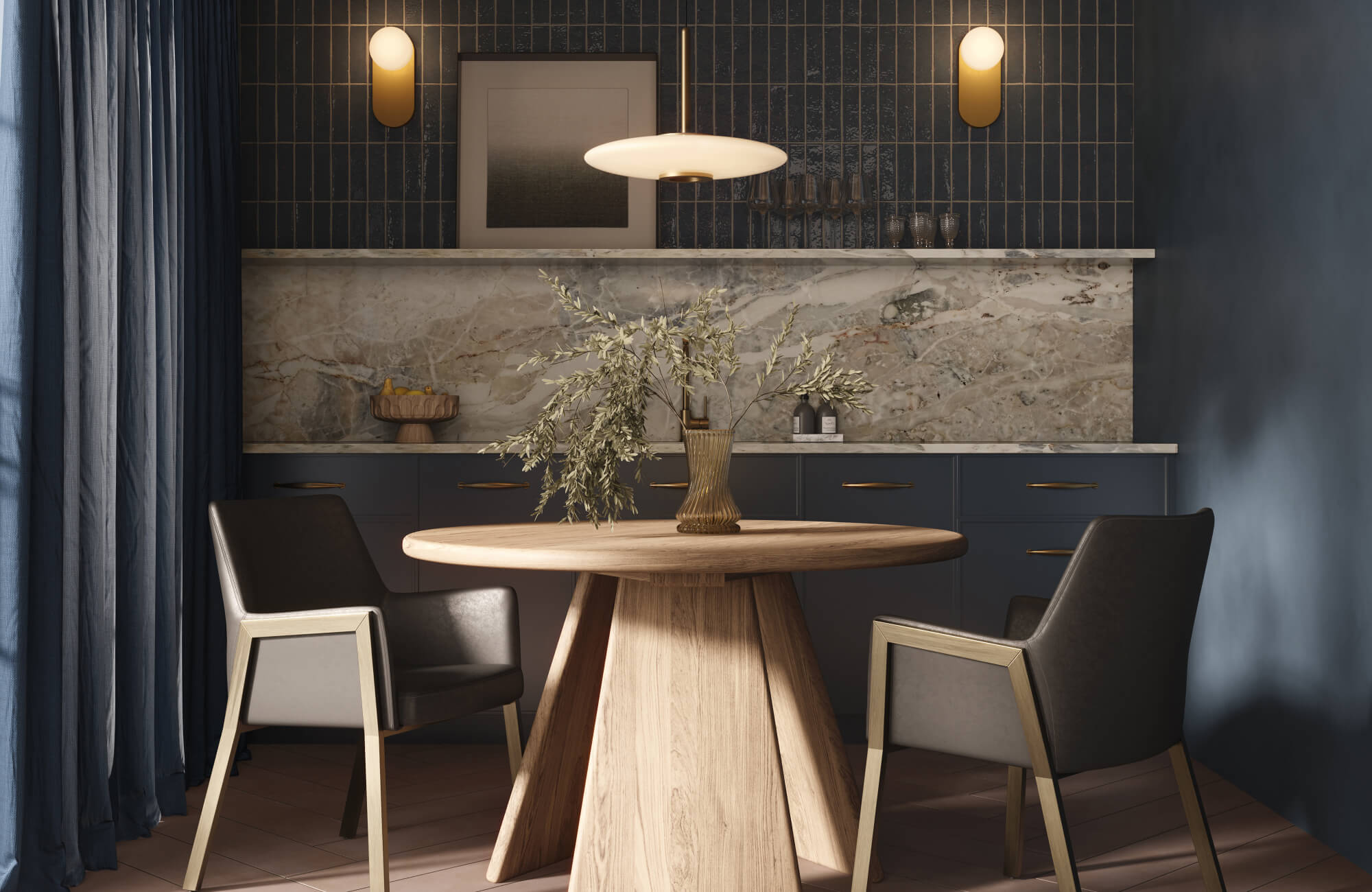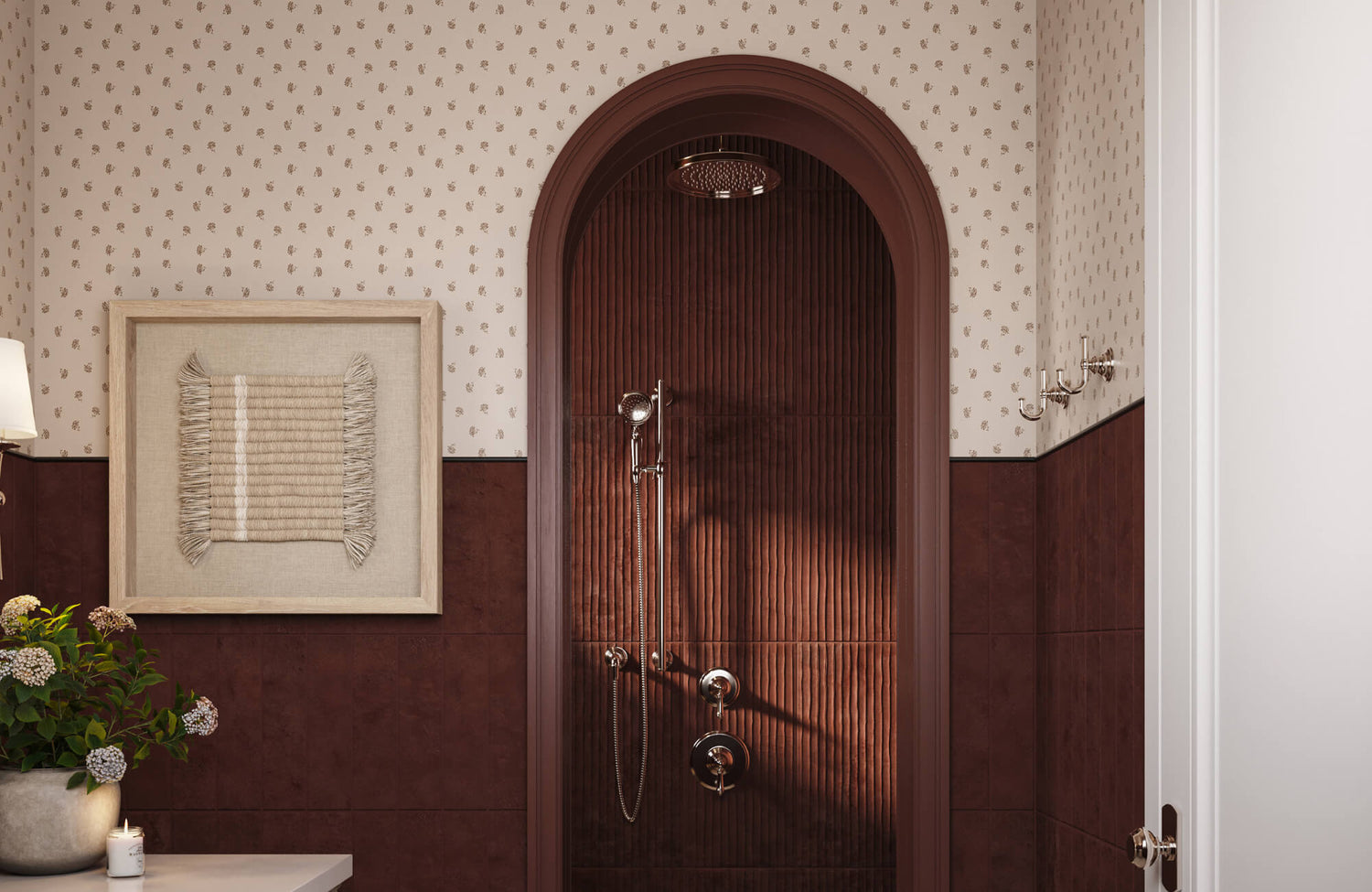
Wallpaper has become a defining feature in modern luxury bathrooms, offering a powerful way to introduce texture, pattern, and personality into a space traditionally dominated by tile and stone. In a master bathroom, the right wallpaper can elevate the entire atmosphere, complementing premium vanities, elegant lighting, and refined décor.
However, bathrooms present unique challenges that make wallpaper installation more complex than in other rooms. Heat, humidity, and water exposure can quickly undermine even the most beautiful design if critical details are overlooked. Understanding the most common mistakes before installation ensures your wallpaper remains as flawless and sophisticated as the rest of your bathroom.

Mistake 1 Overlooking Critical Moisture And Ventilation Needs
Before choosing patterns or materials, it is essential to understand how bathroom conditions affect wallpaper performance. Moisture and airflow are key factors in determining whether wallpaper will maintain its beauty or quickly begin to fail.
The Physics Of Condensation On Wallpaper Adhesive
Warm air holds more moisture than cool air. When a hot shower fills a bathroom with steam, the moisture-laden air eventually cools as it contacts walls and ceilings. This cooling process forces water vapor to condense into liquid droplets. When wallpaper is installed in such conditions without adequate ventilation, condensation can accumulate behind or within the wallpaper layers.
Adhesive bonds are particularly vulnerable to this process. Most wallpaper adhesives rely on consistent surface contact to maintain their hold. When condensation repeatedly forms between the wallpaper backing and the wall, the adhesive gradually weakens. Over time this leads to bubbling, peeling edges, and visible seams. In severe cases, moisture trapped behind wallpaper can create a breeding ground for mildew, which not only damages the wall but also affects indoor air quality.
High-quality bathroom design therefore requires careful management of humidity levels before wallpaper is even installed. Understanding the physical behavior of steam and condensation allows homeowners to anticipate how moisture interacts with decorative surfaces.
Upgrading Exhaust Fans Before Installation
One of the simplest yet most overlooked upgrades before installing wallpaper is improving the bathroom’s ventilation system. A powerful exhaust fan removes humid air from the room before it has time to condense on walls and decorative surfaces.
Many bathrooms are equipped with older fans that lack sufficient airflow capacity for modern bathroom sizes. A luxury master bathroom featuring a large walk-in shower or soaking tub often requires a more powerful unit measured by higher cubic feet per minute airflow ratings. Installing an upgraded exhaust fan prior to wallpaper installation dramatically reduces moisture buildup and helps preserve wall coverings.
Equally important is ensuring the fan is properly vented to the exterior rather than simply circulating air within the ceiling cavity. Continuous ventilation after showers allows the walls to dry quickly, protecting the wallpaper adhesive and maintaining the crisp appearance of the installation, and because ventilation upgrades often involve electrical work and code requirements, it is best handled by a licensed professional who can ensure the system meets local building standards.

Mistake 2 Selecting Non Washable Or Natural Fiber Materials
Once the environmental conditions of a bathroom are addressed, the next crucial decision involves selecting the right wallpaper material. Not all wall coverings are designed to withstand the humidity and occasional splashes common in master bathrooms.
The Downfall Of Delicate Grasscloth And Silk
Grasscloth wallpaper has become popular in upscale interior design due to its natural texture and handcrafted appearance. Similarly, silk wall coverings introduce an unmistakable sense of luxury and refinement. As a form of sophisticated wall art, these materials can create striking visual depth in living rooms or bedrooms, but they rarely succeed in bathrooms.
Natural fiber wallpapers are porous by nature. They absorb humidity from the air and can easily stain when exposed to water droplets or condensation. Grasscloth in particular is extremely sensitive to moisture and cleaning products. Even gentle wiping may cause discoloration or fiber damage, leaving permanent marks on the wall surface.
Silk wall coverings present similar vulnerabilities. Moisture exposure can weaken the adhesive backing while leaving water stains that are difficult to remove. In a master bathroom where steam and occasional splashes are inevitable, these delicate materials often deteriorate quickly. What begins as a luxurious design statement may soon become a maintenance challenge.
The Superiority Of Solid Vinyl And Vinyl Coated Options
For bathrooms, durability and washability should guide wallpaper selection. Solid vinyl and vinyl-coated wallpapers offer the ideal balance of aesthetic sophistication and moisture resistance. These materials feature a protective surface layer that prevents water from penetrating the wallpaper structure.
Vinyl wallpapers are specifically engineered for environments where humidity and cleaning are expected. Their non-porous surfaces allow homeowners to wipe away water droplets or residue without damaging the design. This makes them particularly suitable for bathrooms where condensation frequently forms on walls.
In addition to durability, modern vinyl wallpapers have evolved significantly in design quality. Advanced printing techniques allow manufacturers to replicate the textures of natural materials, fabrics, and even stone surfaces. The result is a luxurious visual effect combined with practical resilience. Selecting high-quality vinyl wallpaper ensures that the beauty of the installation remains intact even in the demanding conditions of a master bathroom.

Mistake 3 Skipping The Crucial Wall Preparation Phase
Even with the correct material in place, the success of wallpaper installation ultimately depends on the condition of the surface beneath it. Proper wall preparation is often overlooked, yet it is one of the most important steps in achieving a flawless finish.
Smoothing Out Unforgiving Textures
Many homes feature walls with subtle textures applied during construction. While these textures may be acceptable under paint, they become highly visible once wallpaper is installed. Raised patterns, drywall seams, and patchwork repairs can all create uneven surfaces that interfere with smooth wallpaper adhesion.
Before installation, walls should be carefully inspected and smoothed using appropriate skim coating techniques. This process involves applying a thin layer of joint compound across the wall to create a perfectly even surface. Once sanded and refined, the wall becomes an ideal substrate for wallpaper application.
Without this preparation, textured surfaces prevent the wallpaper from making full contact with the wall. Air pockets can form beneath the paper, leading to bubbles and loose edges over time. A smooth foundation ensures that the wallpaper lies flat and maintains its crisp appearance.
Why Standard Paint Primer Will Not Work
Another overlooked detail is the use of proper wallpaper primer. Many homeowners assume that standard paint primer provides adequate preparation for wallpaper installation. In reality, paint primers are formulated for entirely different purposes and often fail to create the necessary surface conditions for wallpaper adhesives.
Wallpaper primers are specifically designed to seal the wall while maintaining the right level of adhesion. They prevent the wall from absorbing moisture from the adhesive while allowing the wallpaper to bond evenly across the surface. In addition, specialized primers create a barrier that simplifies future wallpaper removal without damaging the drywall.
Using standard paint primer instead can lead to uneven adhesion, making wallpaper difficult to install and more prone to peeling. In a bathroom environment where humidity already challenges adhesive performance, the correct primer becomes essential for long-term durability, which is why installers typically recommend following the manufacturer’s specific preparation guidelines or consulting a professional wallpaper installer when wall conditions or materials vary.

Mistake 4 Miscalculating The Pattern Repeat And Ordering Short
With the wall surface properly prepared, attention must shift to the technical details of wallpaper planning. Pattern alignment and accurate measurements are essential for ensuring the final installation appears seamless and cohesive.
Understanding The Vertical Pattern Repeat
The concept of pattern repeat refers to the vertical distance between identical points in a wallpaper design. When installing wallpaper with repeating patterns, each new strip must be aligned to match the pattern from the previous strip. This alignment requires trimming portions of the roll so that the design flows seamlessly across the wall. Designs with intricate botanical layouts, such as Edward Martin’s Botanique Wallpaper in Winter, 52" x 132", shown in the image above, often feature pronounced repeats that require careful planning during installation.
Larger patterns require more trimming, which increases the amount of wallpaper needed for the installation. For example, a wallpaper with a large botanical or architectural motif may require several inches of adjustment between panels. Without accounting for this pattern repeat, installers may underestimate the total quantity required.
Understanding pattern repeat ensures that enough material is available to maintain perfect alignment across the entire wall surface.
The Rule Of Ordering Twenty Percent Extra
Experienced designers and installers typically recommend ordering approximately twenty percent more wallpaper than the calculated wall coverage requires. This additional allowance accounts for pattern matching, trimming waste, and potential installation errors.
Ordering extra material also protects against the possibility of future repairs. If a section of wallpaper becomes damaged years later, having additional rolls from the same production batch ensures that replacements match the original installation perfectly.
In a luxury master bathroom where wallpaper often serves as a focal design element, consistency is essential. The cost of ordering extra wallpaper is minor compared to the disruption of reordering mismatched batches or redesigning the space due to shortages.

Mistake 5 Placing Wallpaper In Direct Water Splash Zones
Even the most durable wallpaper materials have limitations when exposed to direct and repeated water contact. One of the most significant mistakes homeowners make is installing wallpaper too close to areas where water splashes occur regularly.
In master bathrooms, these splash zones typically include areas immediately surrounding showers, bathtubs, and sinks. While moisture-resistant wallpaper can handle humidity in the air, constant water exposure creates conditions that eventually weaken adhesives and damage surface finishes. A refined botanical design like Edward Martin’s Bower Wallpaper in Taupe I, 52" x 132", visible in the image above, works best when positioned thoughtfully within the space rather than in areas exposed to daily splashing.
Wallpaper performs best when installed on walls that remain largely dry but benefit from decorative enhancement. Feature walls opposite a freestanding tub, spaces above wainscoting, or areas adjacent to vanities are ideal locations for wallpaper installation. These placements allow the wallpaper to contribute visual interest without exposing it to excessive water contact.
In contrast, surfaces inside shower enclosures or directly behind sinks are better suited for waterproof materials such as porcelain tiles or stone slabs. Combining wallpaper with durable surfaces in strategic areas allows homeowners to achieve both visual elegance and functional performance.
Thoughtful placement ensures that wallpaper remains a long-lasting design feature rather than a vulnerable surface exposed to daily wear.
A Flawless Finish For Your Luxury Bathroom
Installing wallpaper in a master bathroom can dramatically elevate the space, but success depends on thoughtful planning and the right materials. By addressing moisture and ventilation, selecting durable wallpaper, preparing the wall surface properly, calculating pattern needs accurately, and avoiding direct splash zones, homeowners can ensure their wallpaper remains both beautiful and long-lasting.
For those seeking expert guidance, Edward Martin offers a personalized design consultation to help you select the right wallpaper and complementary elements for your bathroom. If you have questions or would like assistance with your project, you can also contact Edward Martin for professional support and design insights tailored to your space.