
)
)
)
)
)
)
)
)
What Is The 2/3 Rule For Wall Art?
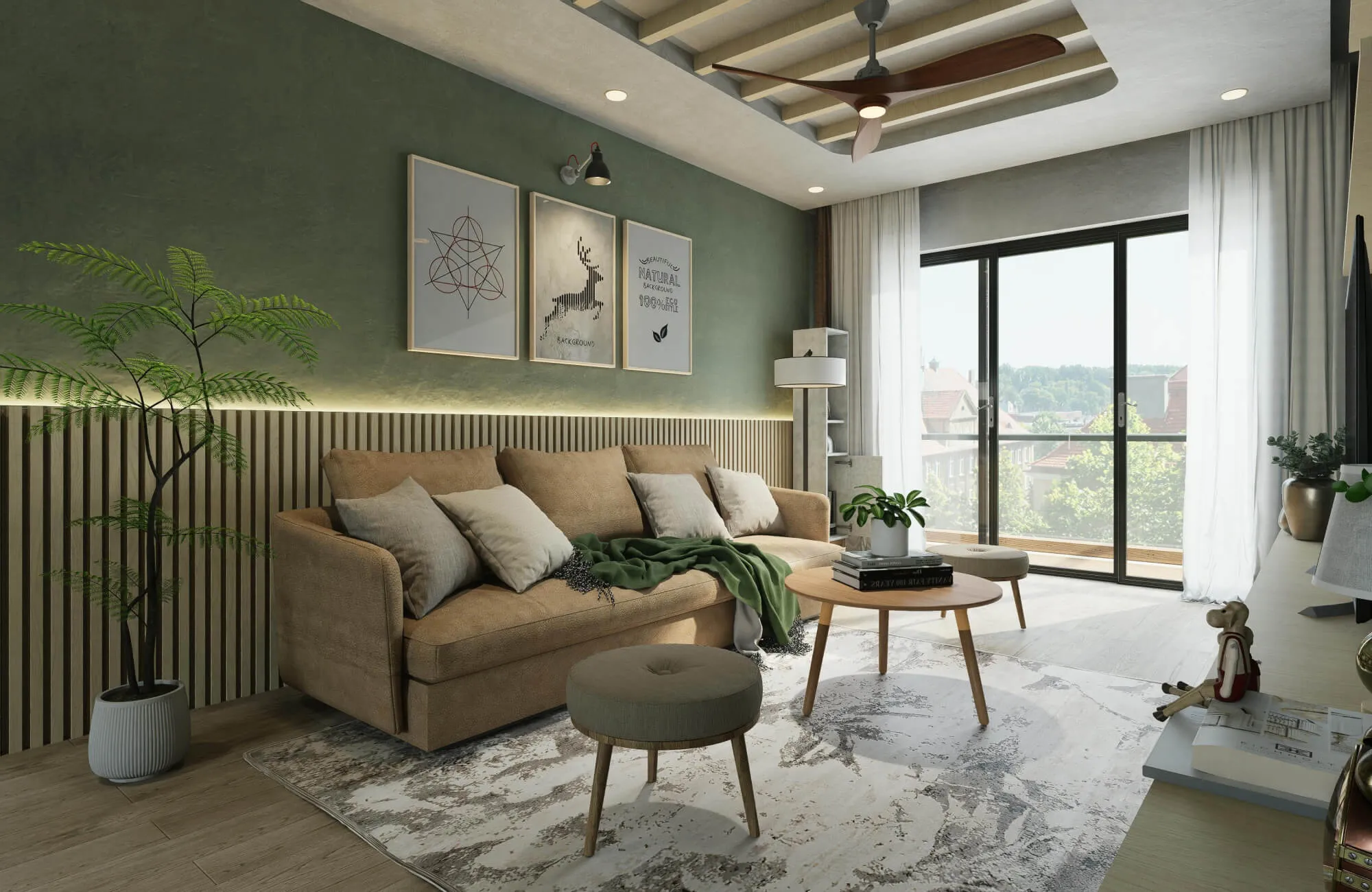
A well-balanced wall can transform a space from feeling incomplete to thoughtfully styled, and one of the most reliable ways to achieve this is through the 2/3 rule for wall art. This design principle focuses on proportion, guiding you in sizing and positioning artwork relative to the furniture beneath it for a more cohesive look. By covering roughly two-thirds of the furniture’s width, the arrangement feels visually anchored without overwhelming the space. It also helps create a natural sense of balance, making the entire setup appear more intentional and harmonious. In this article, you’ll learn how to apply the 2/3 rule across different settings, choose the right artwork, and refine placement for a polished, well-proportioned result.
The Principle Behind The 2/3 Rule
The 2/3 rule is a proportional guideline that helps determine the ideal width of your wall art in relation to the furniture beneath it. Rather than relying on preference alone, it creates a more intentional and balanced visual relationship between the two elements.
Defining The 2/3 Ratio
At its core, the rule suggests that your artwork should span roughly two-thirds the width of the furniture it sits above. This proportion provides a practical reference point, helping you avoid pieces that feel either too small or overly dominant. For example, if your sofa measures 90 inches wide, your wall art or arrangement should cover about 60 inches. Following this guideline creates a natural visual connection between the two elements, allowing them to work together rather than compete for attention. In turn, the artwork feels properly anchored, contributing to a more cohesive and balanced overall composition.
How Visual Balance Works
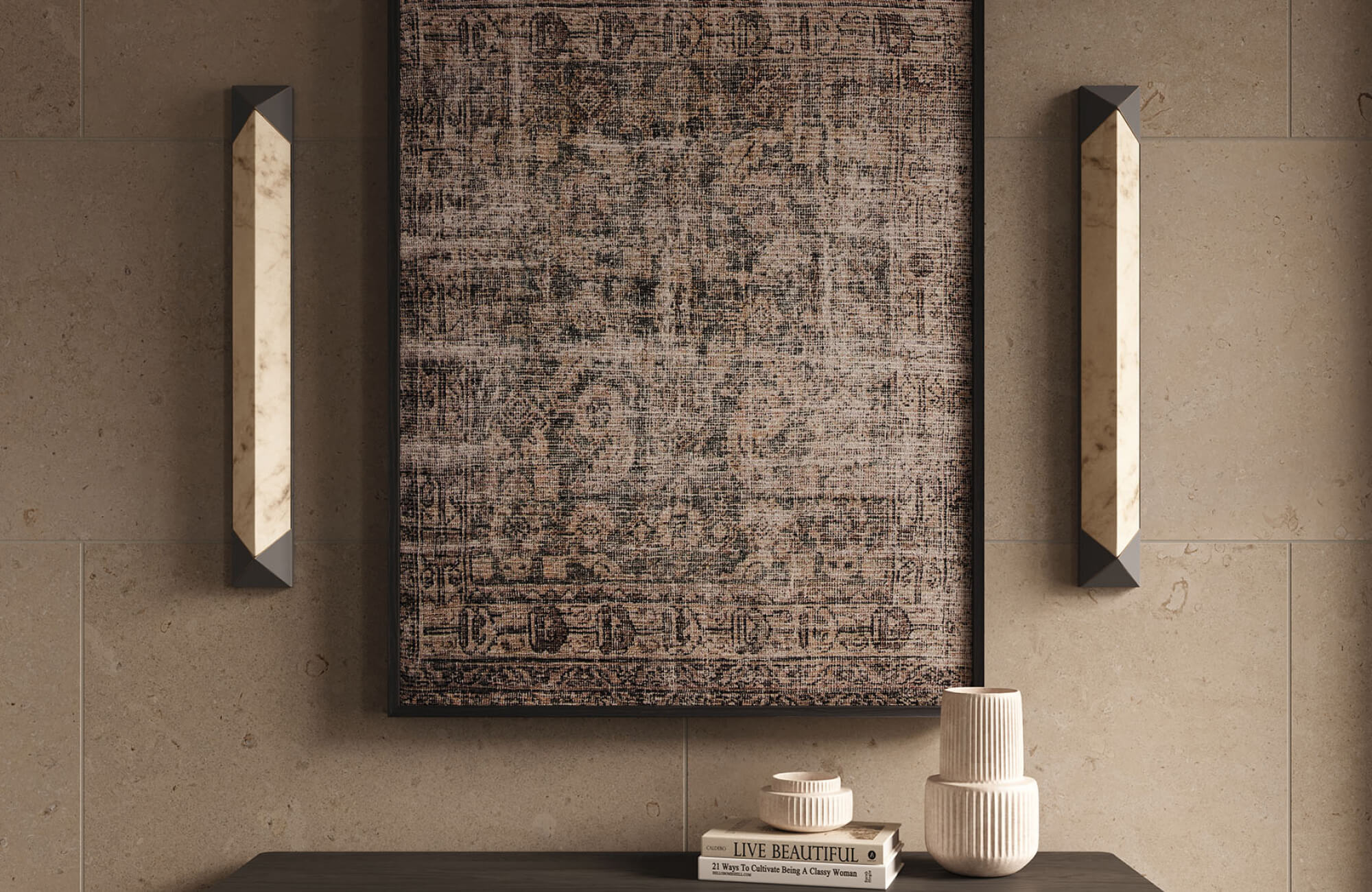
When you look at a room, your eyes naturally seek alignment and proportion among its elements. Artwork that is too small can feel disconnected, while oversized pieces may overwhelm the furniture beneath them. The 2/3 guideline helps establish a sense of visual stability by keeping proportions in check. This creates a balanced composition in which each element complements the others without competing for attention. In the photo above, Edward Martin’s Dusk Fold Wall Art follows the 2/3 rule by maintaining a proportionate width to the console, reinforcing a cohesive and visually anchored arrangement.
The Role Of Negative Space
Negative space refers to the empty area surrounding your artwork, and it plays a crucial role in how the overall arrangement is perceived. Allowing enough space on either side helps the artwork stand out while still maintaining a connection to the furniture. This breathing room prevents the wall from feeling cluttered or visually heavy. When used effectively, negative space enhances clarity and gives the entire composition a more refined, cohesive appearance.
Adapting The Rule To Different Furniture Settings
Once you understand the principle, you can begin applying it in various areas of your home. Each type of furniture introduces a different context, influencing how artwork should be sized and positioned. Rather than following a rigid formula, the 2/3 rule can be adjusted to suit the scale and function of each setting. This flexibility allows you to maintain visual balance while tailoring the arrangement to fit the space naturally.
Above Sofas And Sectionals
In living areas, sofas and sectionals often serve as the primary visual anchor. When placing artwork above them, maintaining strong horizontal alignment helps mirror the seating’s length while creating a balanced look. If a single piece does not achieve the desired width, combining multiple artworks can help you reach the appropriate proportion. This approach ensures the arrangement feels cohesive while properly scaled to the furniture below.
Over Beds And Headboards
Bedrooms benefit from a softer approach, focusing on creating a calm, centered arrangement. Artwork should align closely with the width of the bed or headboard, without extending too far beyond it. Whether you choose a single piece or a pair, keeping the layout centered enhances symmetry. This sense of balance contributes to a more restful and visually comfortable environment.
Styling Entry And Console Areas
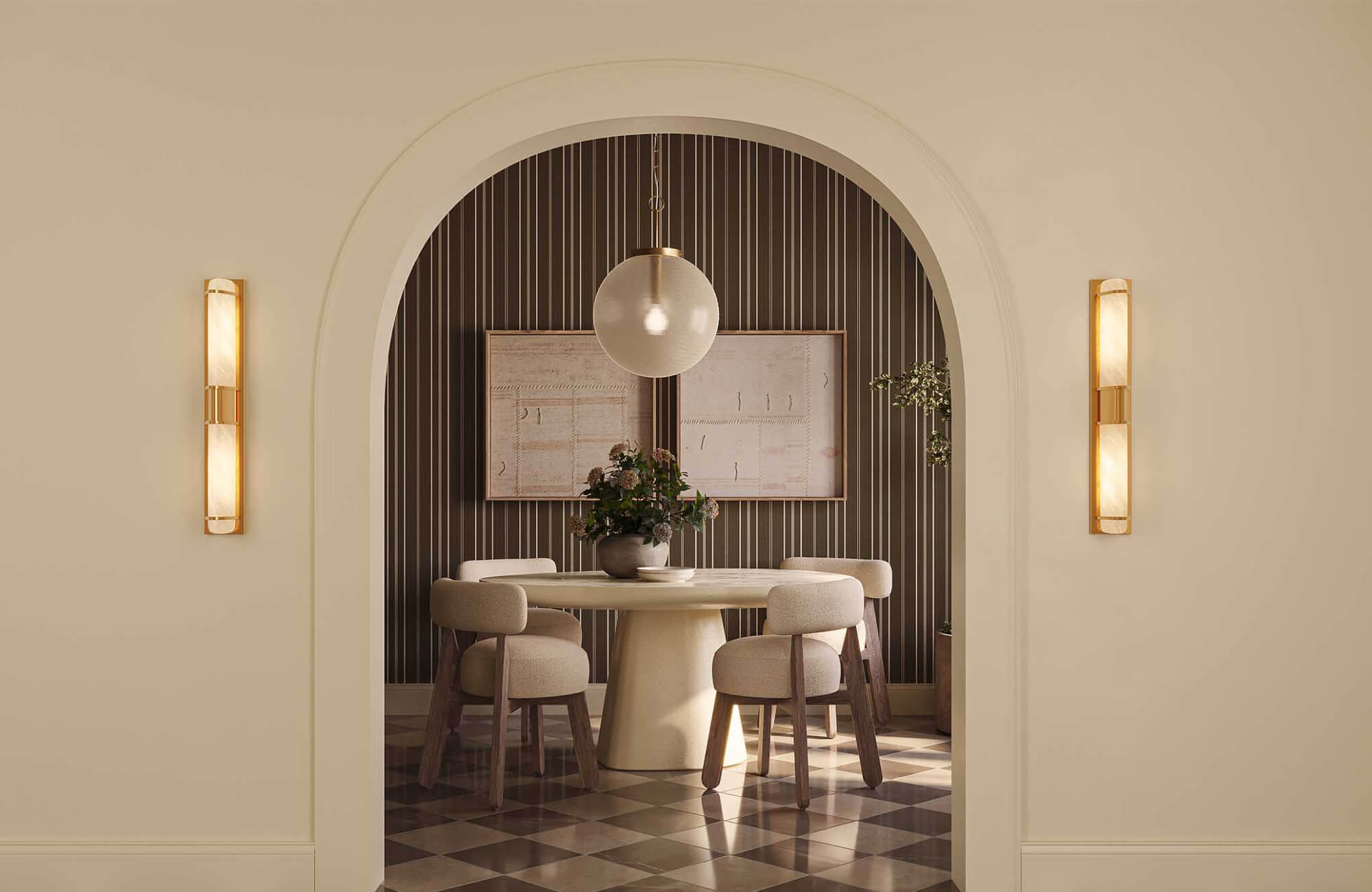
Entryways and console tables often feature narrower surfaces, requiring a more scaled-down approach to wall art. Rather than filling the entire wall, focus on creating a composition that aligns with the furniture’s width. This helps maintain proportion while keeping the arrangement visually contained, as shown in the photo featured above, where Edward Martin’s Borrowed Dawn Wall Art is thoughtfully positioned above the sideboard, flanked by wall sconces and paired with a decorative vase that adds height and texture. These complementary elements help refine the space, creating a balanced and layered composition without overwhelming it.
Selecting Artwork That Fits The Proportion
Choosing artwork goes beyond style, as it should also fit naturally within the 2/3 framework. Considering proportion alongside aesthetics helps create a more balanced and cohesive arrangement.
Using One Statement Piece
A single artwork can be highly effective when it closely aligns with the recommended width. This approach creates a clear focal point, allowing the piece to stand out without competing elements. To achieve the right balance, the artwork should have enough visual presence to relate to the furniture beneath it. When properly scaled, it feels intentional and anchors the overall composition.
Building A Cohesive Gallery Wall
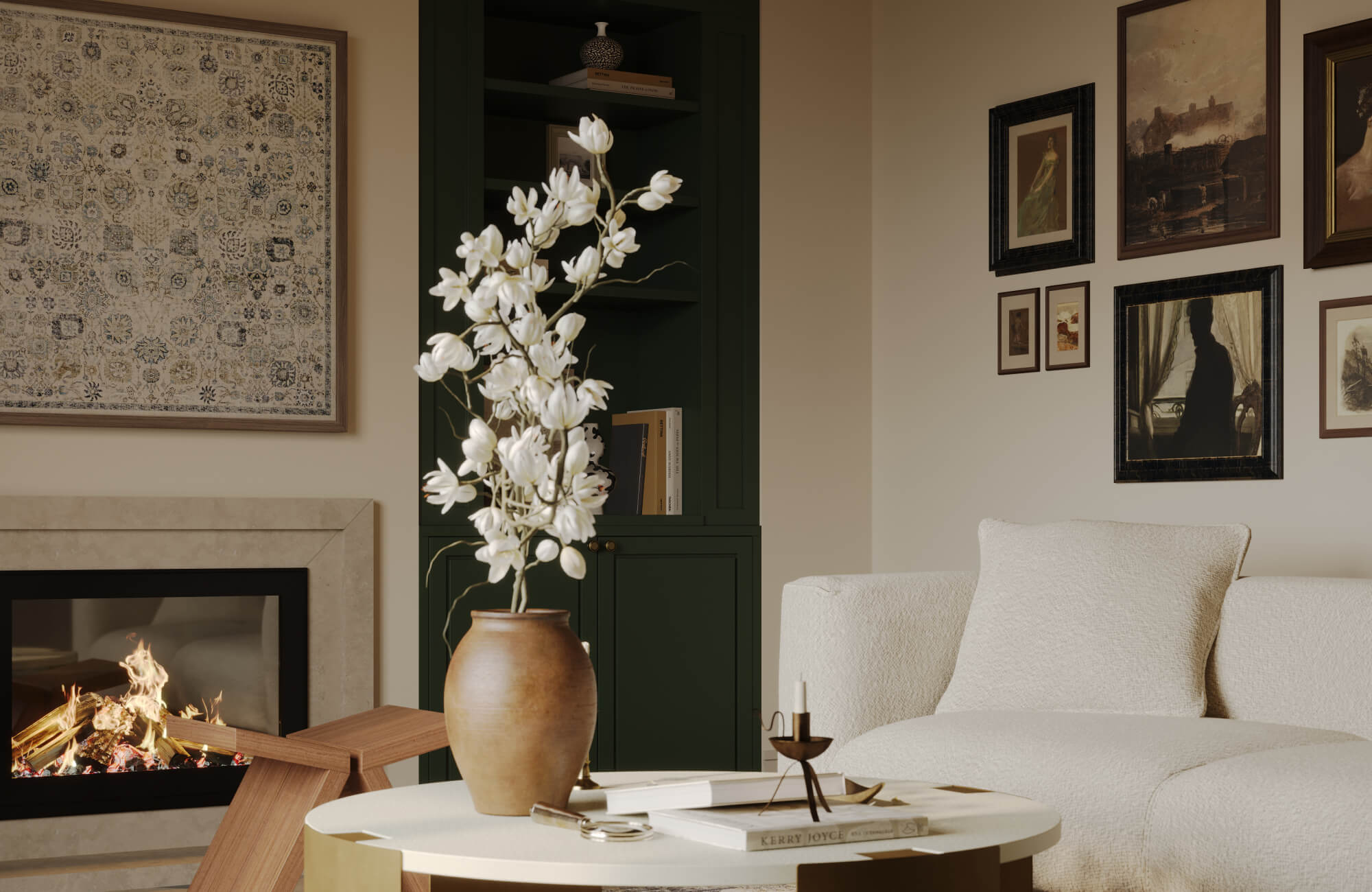
If one piece is not sufficient, a gallery wall offers a way to combine multiple artworks into a unified display. When arranged thoughtfully, the collection should read as a single visual unit that follows the same proportional guidelines. Consistent spacing and alignment help maintain structure and prevent the layout from feeling scattered. In the photo above, Edward Martin’s Quiet Study Wall Art anchors the arrangement above the fireplace, while the surrounding pieces come together to create a balanced and visually cohesive composition.
Choosing Orientation And Shape
The shape of your artwork plays a key role in how the space is perceived. Horizontal pieces emphasize width and pair well with longer furniture, reinforcing a sense of balance. Vertical pieces, on the other hand, draw the eye upward and can enhance the feeling of height in narrower areas. Choosing the right orientation ensures the artwork complements the room’s proportions and overall layout.
Fine-Tuning Placement And Alignment
After selecting your artwork, precise placement helps ensure the arrangement feels intentional and well-considered. Even small adjustments in height and spacing can significantly influence how balanced and cohesive the composition appears.
Setting The Correct Height
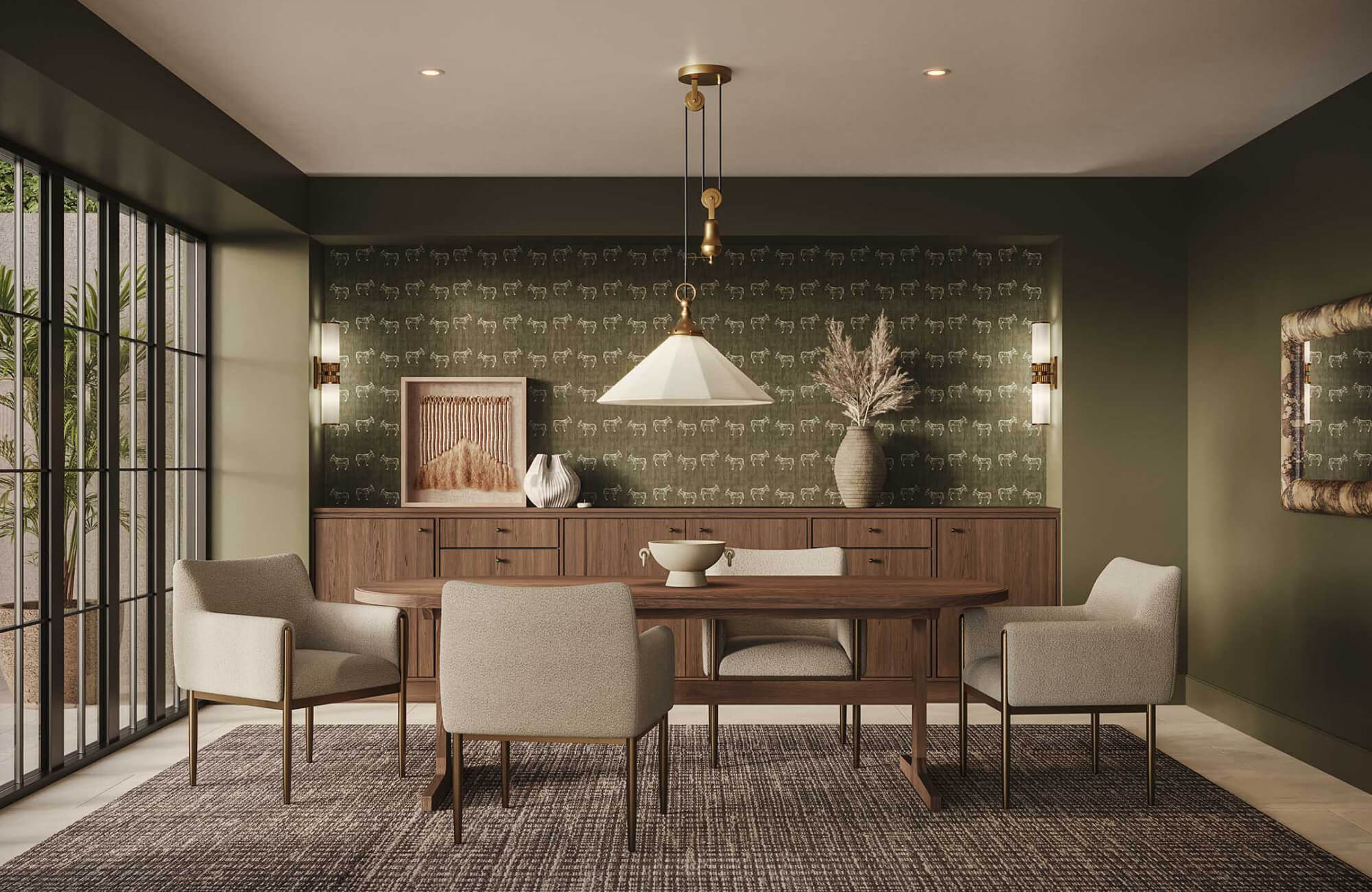
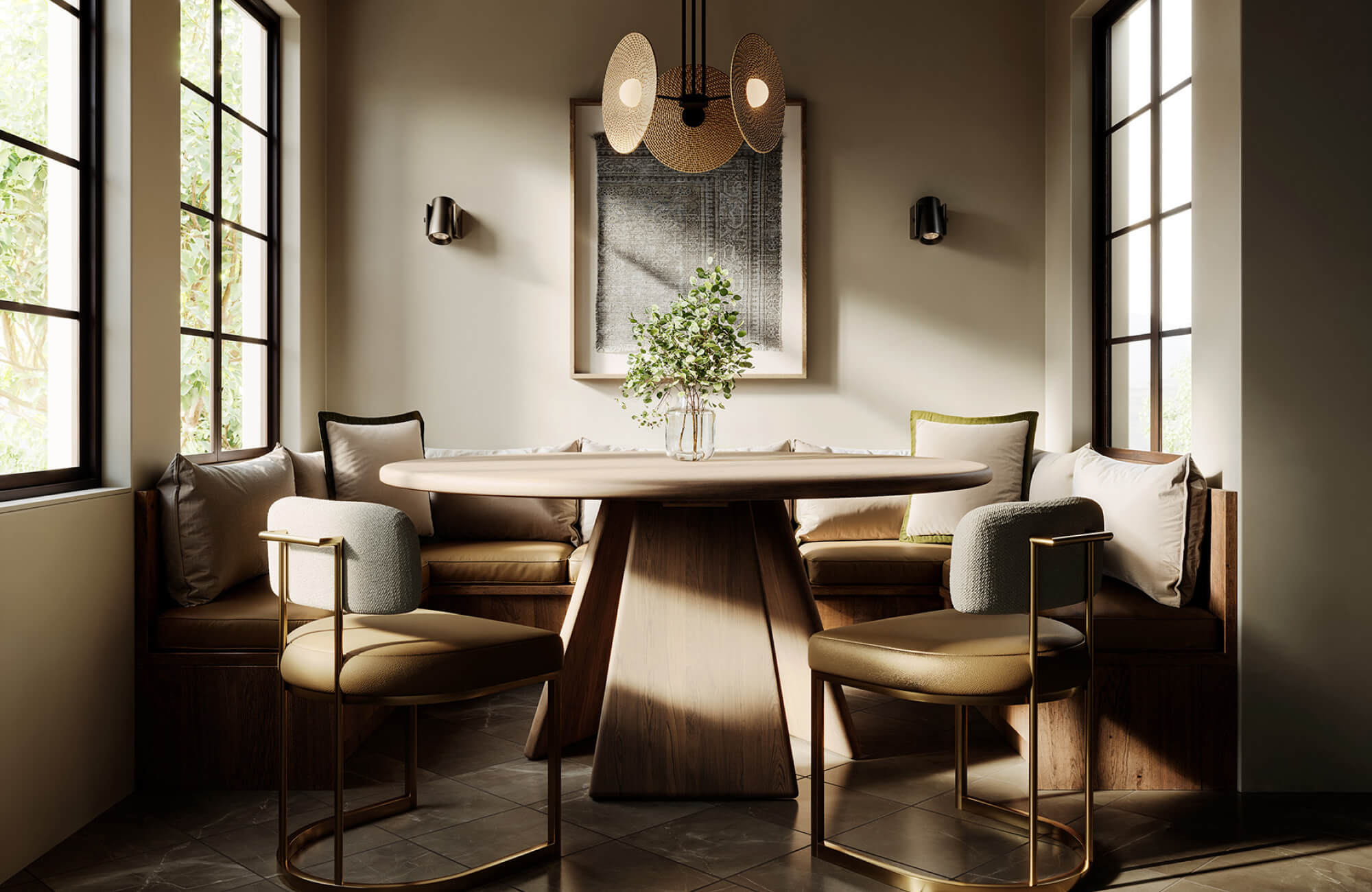
Artwork should be hung at a height that feels visually connected to the furniture below. When placed too high, it can appear detached and disrupt the overall composition. Keeping it within a comfortable viewing range helps unify the elements into a single, cohesive arrangement, as seen in the photo featured above, where Edward Martin’s Shaded Distance Wall Art and Lowland Path Wall Art are positioned at an ideal height relative to the dining table, maintaining a clear visual connection. This placement creates a more natural flow, allowing the artwork and furniture to relate seamlessly.
Managing Distance From Furniture
The distance between your furniture and artwork plays a key role in maintaining visual cohesion. If the gap is too wide, the connection between the two elements can feel broken. A closer, more intentional spacing helps anchor the artwork and reinforces the overall composition. This balance ensures the arrangement feels grounded rather than disconnected.
Maintaining Side Margins
Even spacing on both sides of your artwork is essential for achieving a balanced layout. Uneven or overly tight margins can make the composition feel off-center or visually constrained. Maintaining consistent side spacing helps create a sense of symmetry and order. This attention to detail allows the entire wall to feel thoughtfully arranged and well-proportioned.
Identifying Imbalance And Correcting It
Even with a clear guideline in place, some arrangements may still feel slightly off. Recognizing these imbalances allows you to make thoughtful adjustments that restore a sense of proportion and visual harmony.
Undersized Artwork
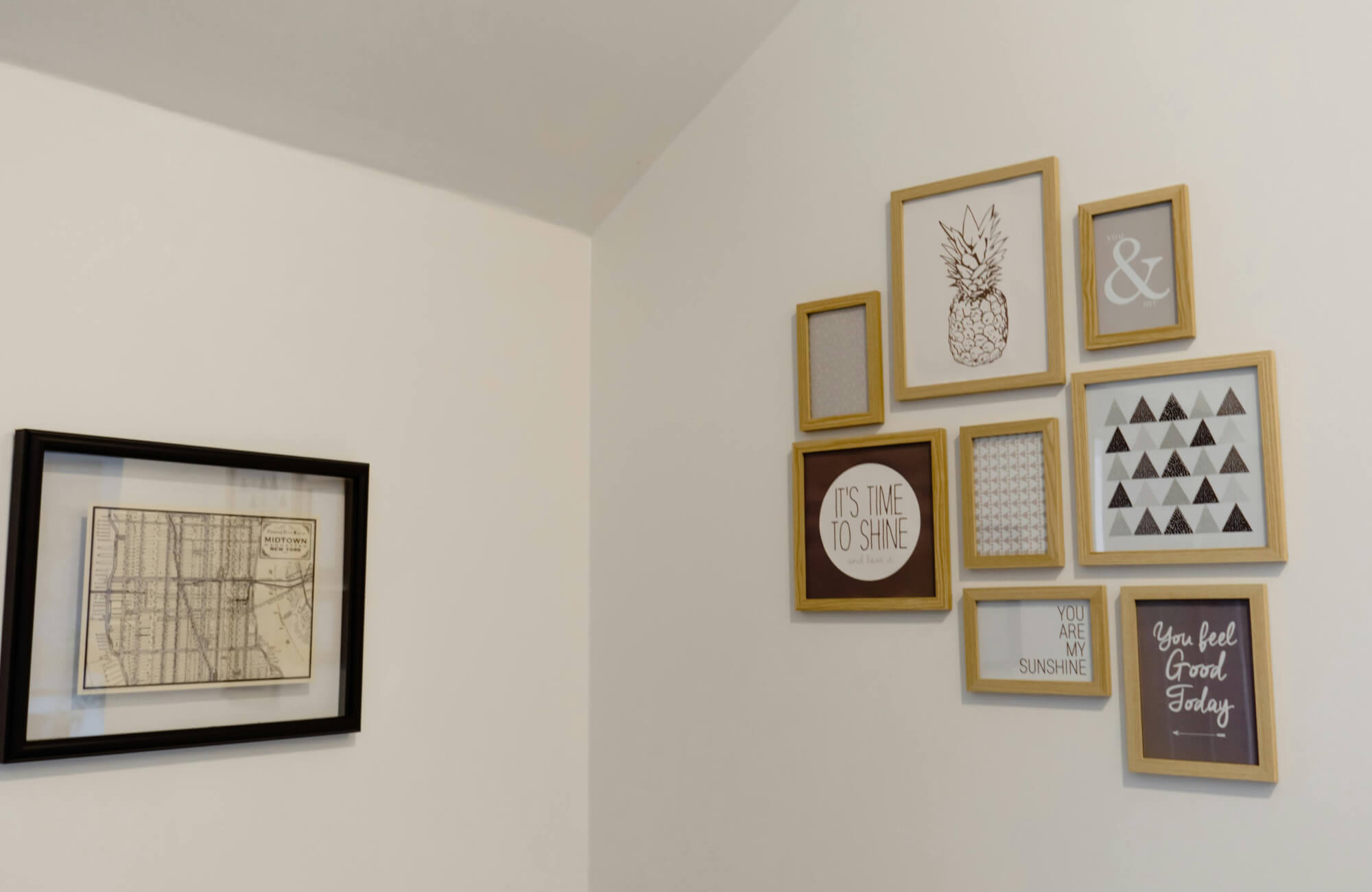
When artwork is too small, it struggles to relate to the furniture beneath it. This often creates a disconnected look, leaving the wall feeling incomplete or underwhelming. Expanding the arrangement or introducing additional pieces can help bridge the gap. Alternatively, choosing a larger artwork can restore proper proportion and create a more cohesive result.
Misaligned Layouts
Artwork that is not properly centered or evenly spaced can disrupt the visual flow of a room. Even slight misalignment can make the arrangement feel unintentional or off-balance. Aligning the composition with the furniture below helps establish a clearer sense of structure. This adjustment brings order to the space and enhances overall visual clarity.
Overfilled Arrangements
Filling too much of the wall with artwork can make the space feel heavy and visually cluttered. When elements are packed too closely together, the composition loses definition and impact. Allowing for open space around the artwork helps each piece stand out more clearly. This balance creates a cleaner, more refined look while maintaining visual harmony.
Using The Rule Flexibly In Real Spaces
While the 2/3 rule provides a helpful framework, it is not meant to limit your creativity. In practice, it can be adapted to suit the layout, scale, and character of your space while still maintaining visual balance.
Scaling For Large Walls
In larger rooms with higher ceilings, standard proportions may need to be adjusted to maintain visual balance. Artwork that is too small can easily feel lost against a more expansive backdrop. Increasing the size or extending the arrangement helps the composition hold its presence within the room. This ensures the wall feels intentionally styled rather than underutilized.
Designing Layered Or Eclectic Walls
More expressive interiors often embrace a mix of styles, textures, and visual elements. In these settings, focusing on overall visual weight can be more effective than following exact measurements. Balancing the distribution of pieces helps maintain cohesion despite the variety. This approach allows for creative flexibility while still achieving a harmonious arrangement.
Combining Art With Functional Decor
Artwork does not have to stand alone, especially in spaces where function and style overlap. Incorporating elements like mirrors, shelves, or lighting can add both practicality and visual interest. The key is to ensure these pieces work together as a unified composition. When balanced correctly, the combination enhances the space without overwhelming it.
Creating A Balanced And Intentional Wall
The 2/3 rule for wall art is a simple yet effective guideline that helps create visual balance by sizing artwork in proportion to the furniture beneath it, typically covering about two-thirds of its width. By following this principle, artwork feels naturally connected to its surroundings, resulting in a more cohesive and intentional arrangement. Over time, applying the rule becomes less about exact measurements and more about developing a confident visual sense of proportion. This allows you to style your walls in a way that feels both refined and effortlessly well-composed.
If you need guidance in selecting or arranging artwork for your space, our team is here to help—feel free to contact us or explore our design services for personalized support in creating a beautifully balanced interior.
Follow us on Instagram
@EDWARD.MARTIN
)
)
)
)
)
)
)
)
)
)
)
)
)
)
)
)