Walls hold remarkable potential to shape the atmosphere, character, and visual identity of a home. When thoughtfully curated, wall art becomes more than decoration—it transforms blank surfaces into refined expressions of style, creativity, and personal narrative. From statement-making oversized canvases to carefully arranged gallery displays and textured sculptural pieces, the right wall décor can elevate an interior with depth and intention.
Exploring creative wall art ideas that add personality to modern interiors allows homeowners to balance color, scale, and composition while reinforcing the architectural rhythm of a room. Through carefully selected, stylish wall art décor for living rooms, bedrooms, and contemporary spaces, walls evolve into elegant design features that bring personality, visual harmony, and lasting style to every corner of the home.

Gallery Walls for Layered Visual Storytelling
Among the most versatile wall art strategies, the gallery wall offers a dynamic way to display multiple pieces while creating a cohesive visual narrative. Rather than showcasing a single artwork, this approach allows homeowners to curate an arrangement of framed photography, illustrations, prints, and personal memorabilia that collectively reflect their interests, travels, and experiences. When thoughtfully arranged, the collection forms a layered composition that feels intentional rather than cluttered.
To maintain visual harmony, designers often rely on structured layout techniques such as grid formations, linear alignments, or salon-style arrangements that vary frame sizes while maintaining balance. Consistent spacing, typically between two and four inches, also helps unify the composition and ensures that each piece maintains its presence within the arrangement. At the same time, cohesive frame finishes such as matte black, brushed brass, or natural wood can visually tie together artworks that may differ in style or subject matter. Through this careful balance of variety and structure, gallery walls become an effective way to introduce both personality and artistic depth into living rooms, hallways, and staircases.

Oversized Statement Art for Dramatic Impact
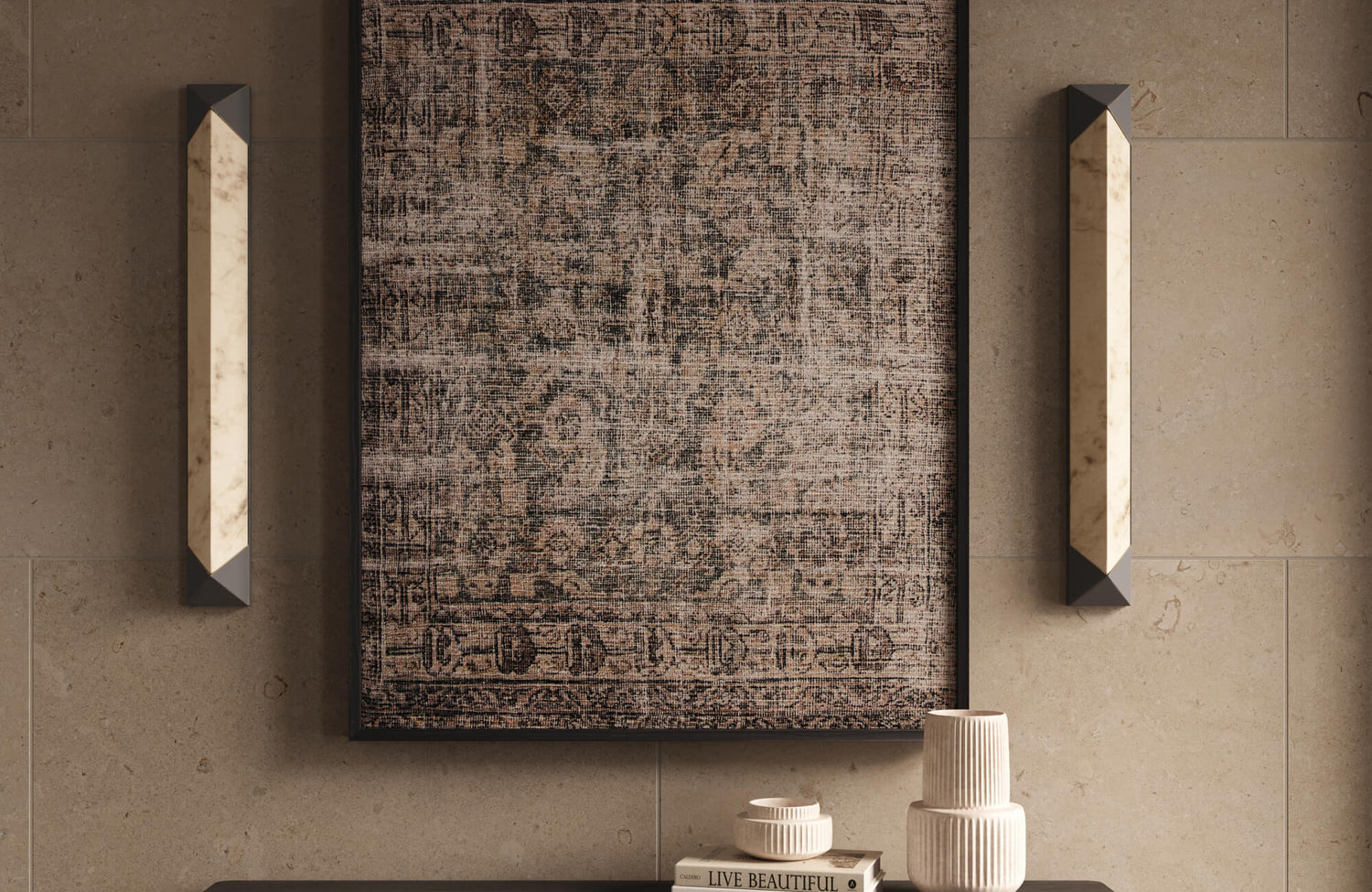
While gallery walls rely on multiple elements, oversized artwork achieves its impact through scale and simplicity. A large-scale piece, generally measuring at least thirty-six inches in width or height, naturally draws the eye and establishes a strong focal point within a room. Because of its commanding presence, this type of artwork works particularly well above large furniture pieces such as sofas, beds, or dining room sideboards, where it helps visually anchor the space.
In modern interiors, abstract paintings, minimalist line art, and bold color-block canvases are frequently chosen for oversized wall art displays. Their expansive surfaces also allow color, texture, and brushwork to become central design features without the need for additional decorative elements. Proper placement is equally important, with designers often positioning the center of the artwork approximately fifty-seven to sixty inches from the floor to align with average eye level. When paired with accent lighting such as picture lights or directional wall washers, oversized artwork gains additional dimension, allowing subtle textures and tonal variations to stand out more vividly.

Sculptural Wall Installations for Dimensional Design
While framed artwork traditionally dominates wall décor, sculptural installations introduce an entirely different design experience by adding depth, texture, and shadow to vertical surfaces. Unlike flat artwork, three-dimensional wall pieces interact with light and perspective, creating visual movement that evolves throughout the day.
Materials such as hand-forged metal, carved wood, ceramic elements, or mixed-material panels are commonly used in these installations. As natural or artificial light shifts, these textured surfaces cast subtle shadows that enhance the sculptural quality of the piece. In contemporary homes, designers often install multi-panel sculptural arrangements that span a significant portion of a wall, transforming the surface into a striking architectural feature rather than a simple decorative backdrop. This approach is also particularly effective in entryways, double-height living rooms, or open-concept spaces where large vertical surfaces benefit from added visual interest.

Textile Wall Art for Warmth and Texture
Textile wall art offers a distinctive way to soften interiors while introducing tactile richness that contrasts beautifully with hard architectural surfaces. Materials such as woven fibers, macramé knots, embroidered fabrics, and handwoven tapestries bring warmth and texture to spaces that might otherwise feel visually rigid or overly polished.
This type of wall décor is especially popular in interiors influenced by bohemian, Scandinavian, or organic-modern design aesthetics, where natural materials and artisanal craftsmanship play a central role. Beyond their visual appeal, textile installations can also contribute subtle acoustic benefits by helping absorb sound, making them a thoughtful addition to rooms with high ceilings or minimal soft furnishings.
To create a cohesive look, designers often echo colors and patterns found in the textile wall art throughout the room, incorporating similar tones in area rugs, upholstery, or decorative pillows. By repeating these visual cues across different elements, the overall design feels balanced and intentionally layered.
The warmth and tactile beauty of fiber art can be seen in pieces like Edward Martin’s Golden Drift Wall Art (shown in the photo above), where woven textures and soft fringe detailing create a handcrafted focal point that instantly softens surrounding surfaces. Framed against a neutral backdrop, its layered yarn pattern and earthy tones also add subtle dimension, making it a natural complement to interiors that emphasize organic materials and relaxed, textured design.

Framed Architectural Drawings and Blueprints
For those who appreciate technical precision and design history, architectural drawings and vintage blueprints provide a sophisticated alternative to traditional artwork. These pieces highlight detailed linework, geometric proportions, and drafting techniques that reveal the structural logic behind buildings and design concepts.
When framed and displayed thoughtfully, prints of elevation drawings, sectional diagrams, or historic building plans introduce a sense of intellectual depth to a space. Their restrained color palettes and technical composition also make them particularly suitable for minimalist, industrial, or modern interiors where clean lines and subtle details are emphasized.
Grouped together, architectural illustrations can form a cohesive gallery that celebrates design heritage while reinforcing a refined and professional atmosphere. As a result, they are frequently used in home offices, libraries, or creative studios where both aesthetic inspiration and technical appreciation are valued.

Mirrors as Functional Wall Art
Mirrors occupy a unique position within wall décor because they combine aesthetic appeal with functional benefits. In addition to serving as decorative accents, mirrors reflect light and visually expand the perceived dimensions of a room, making them especially valuable in smaller interiors.
Large mirrors with architectural frames or distinctive silhouettes, such as arched, sunburst, or geometric designs, also often function as statement pieces that rival traditional artwork. When strategically placed opposite windows or near natural light sources, they amplify brightness by redistributing daylight throughout the space.
Designers frequently treat mirrors as sculptural objects, selecting frames crafted from materials like brushed brass, wrought iron, or carved wood to complement the room’s overall design language. Through this combination of visual impact and practicality, mirrors become both an artistic and spatial enhancement.
A refined example of this approach, as displayed in the picture above, is the Meliora Mirror in Cream, whose sculptural circular frame introduces subtle texture and warmth while reflecting surrounding light to brighten the room. Its softly ridged surface and warm neutral finish allow it to function as both a mirror and a decorative focal point, making it a sophisticated complement to interiors that emphasize natural materials and modern organic design.

Mixed-Media Wall Art for Contemporary Interiors
Mixed-media artwork introduces a compelling layer of complexity by blending multiple materials and artistic techniques within a single composition. By combining elements such as acrylic paint, wood panels, metal accents, and textured resin, artists create layered surfaces that capture attention through both visual contrast and material diversity.
These artworks also often blur the line between painting and sculpture, offering depth and dimensionality that flat canvases cannot easily achieve. As light interacts with the different materials, subtle shifts in reflection and shadow enhance the overall dynamism of the piece.
Because of their experimental nature, mixed-media artworks are particularly well-suited for contemporary living rooms, creative studios, and open-concept lofts. In these environments, bold artistic expression and innovative design elements help reinforce a modern, forward-thinking aesthetic.

Botanical and Nature-Inspired Wall Art
Nature-inspired artwork continues to resonate with homeowners seeking interiors that feel calming, organic, and connected to the natural world. Botanical illustrations, landscape photography, and framed pressed plants introduce imagery that evokes tranquility while adding visual softness to interior spaces.
Large botanical prints, especially those inspired by scientific plant illustrations or watercolor foliage studies, have also become increasingly popular within biophilic interior design. This design philosophy emphasizes the integration of natural elements into built environments in order to promote well-being and visual comfort.
When paired with indoor greenery, natural wood finishes, or stone textures, botanical wall art strengthens the connection between interior spaces and nature. The result is an environment that feels fresh, balanced, and visually soothing.
A refined interpretation of this aesthetic can be seen in our Evenfall Wall Art, as featured in the photo above, where intricate floral motifs and delicate vine patterns create a graceful composition inspired by nature. Framed against a soft textile backdrop, its detailed botanical design introduces subtle color and organic movement, making it a sophisticated addition to interiors that embrace botanical décor and timeless nature-inspired wall art.

Curated Art Shelves for Flexible Displays
Art shelves, often referred to as picture ledges, offer a flexible alternative to traditional wall mounting while allowing homeowners to experiment with layered displays. Instead of permanently hanging each piece, frames can be leaned against the wall and easily rearranged, making the display adaptable over time.
This method is particularly appealing for those who enjoy rotating artwork seasonally or gradually expanding their art collection. By layering frames of different sizes alongside books and small sculptural objects, art shelves also create a sense of depth and visual hierarchy that feels curated yet relaxed.
Because of their versatility, picture ledges are frequently used in living rooms, bedrooms, and home offices, where they provide an evolving display that can adapt as personal tastes and décor preferences change.
Designing Walls That Reflect Style and Personality
Thoughtfully chosen wall décor has the power to transform interiors by turning blank surfaces into expressive design elements that reflect both personality and aesthetic vision. Whether through oversized statement wall art for living rooms, layered gallery displays, or sculptural installations that add texture and depth, each approach contributes to a more dynamic and visually balanced space. By carefully considering scale, composition, lighting, and material contrast, homeowners can create stylish wall art arrangements that enhance modern interior design while maintaining visual harmony throughout the room. Ultimately, exploring creative wall art ideas that bring personality and style to your space allows interiors to feel curated, expressive, and beautifully complete.
For a more tailored approach, Edward Martin’s design services offer personalized support to help you curate wall décor that harmonizes beautifully with your interior. If you’re ready to elevate your space with carefully selected materials and styling, contact us to explore design solutions that bring your vision to life!