
)
)
)
)
)
)
)
)
Timeless Kitchen Design Ideas That Won’t Go Out Of Style
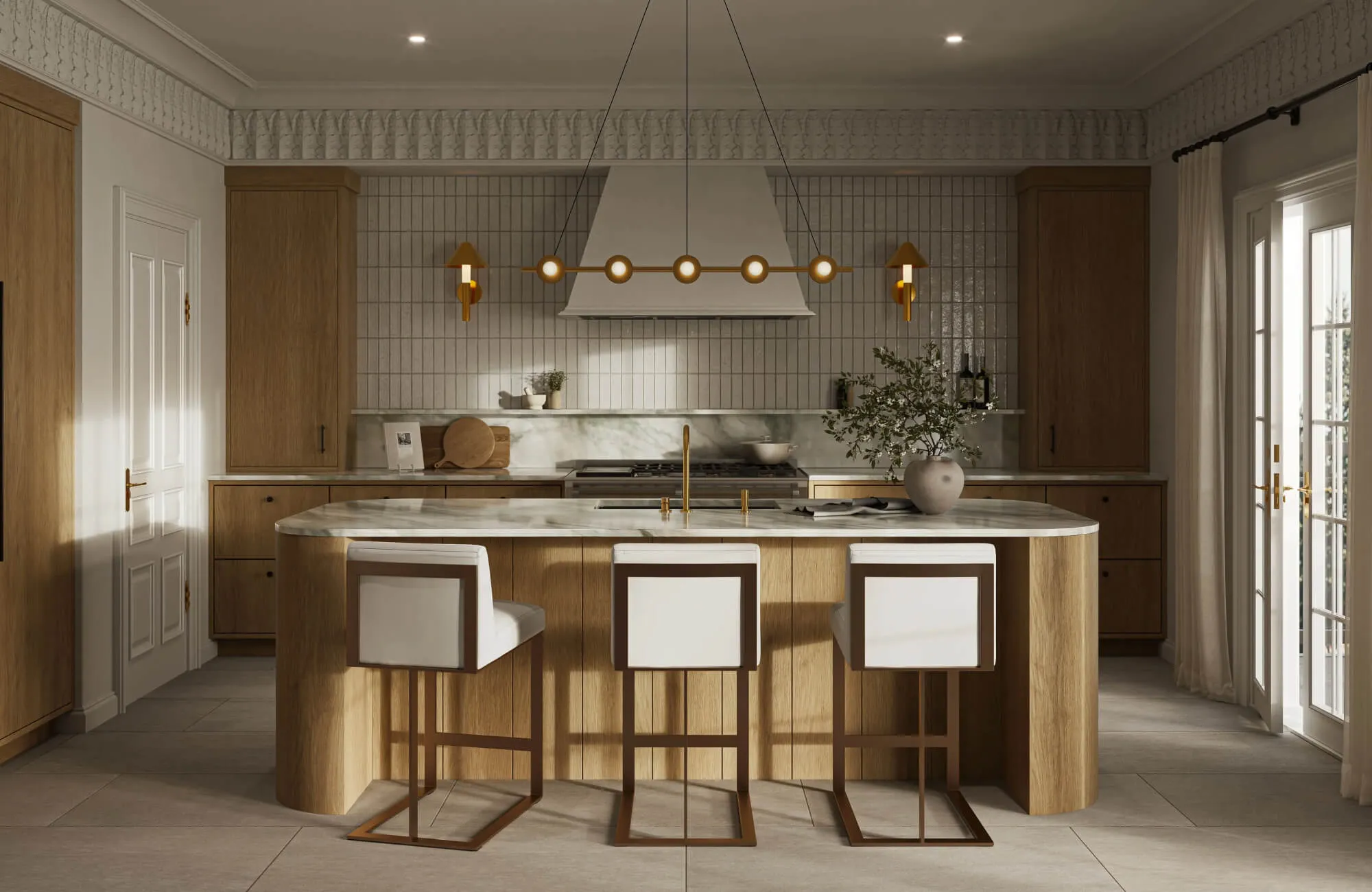
Design trends constantly evolve, but focusing on timeless kitchen design helps create spaces that remain relevant, functional, and visually appealing over time. By prioritizing durable materials, well-established layouts, and classic finishes, kitchens can adapt more easily to changing lifestyles and personal preferences. Timeless kitchens offer long-term value, support resale potential, and minimize the need for frequent updates. In this article, we outline essential design principles that have proven to endure over time, helping you to make thoughtful design choices rather than relying on short-lived trends.
Classic Color Schemes
Color selection plays a key role in creating a kitchen that feels enduring rather than dated. Choosing classic palettes establishes a foundation that adapts easily as décor and accents change over time.
White and Neutral Palettes
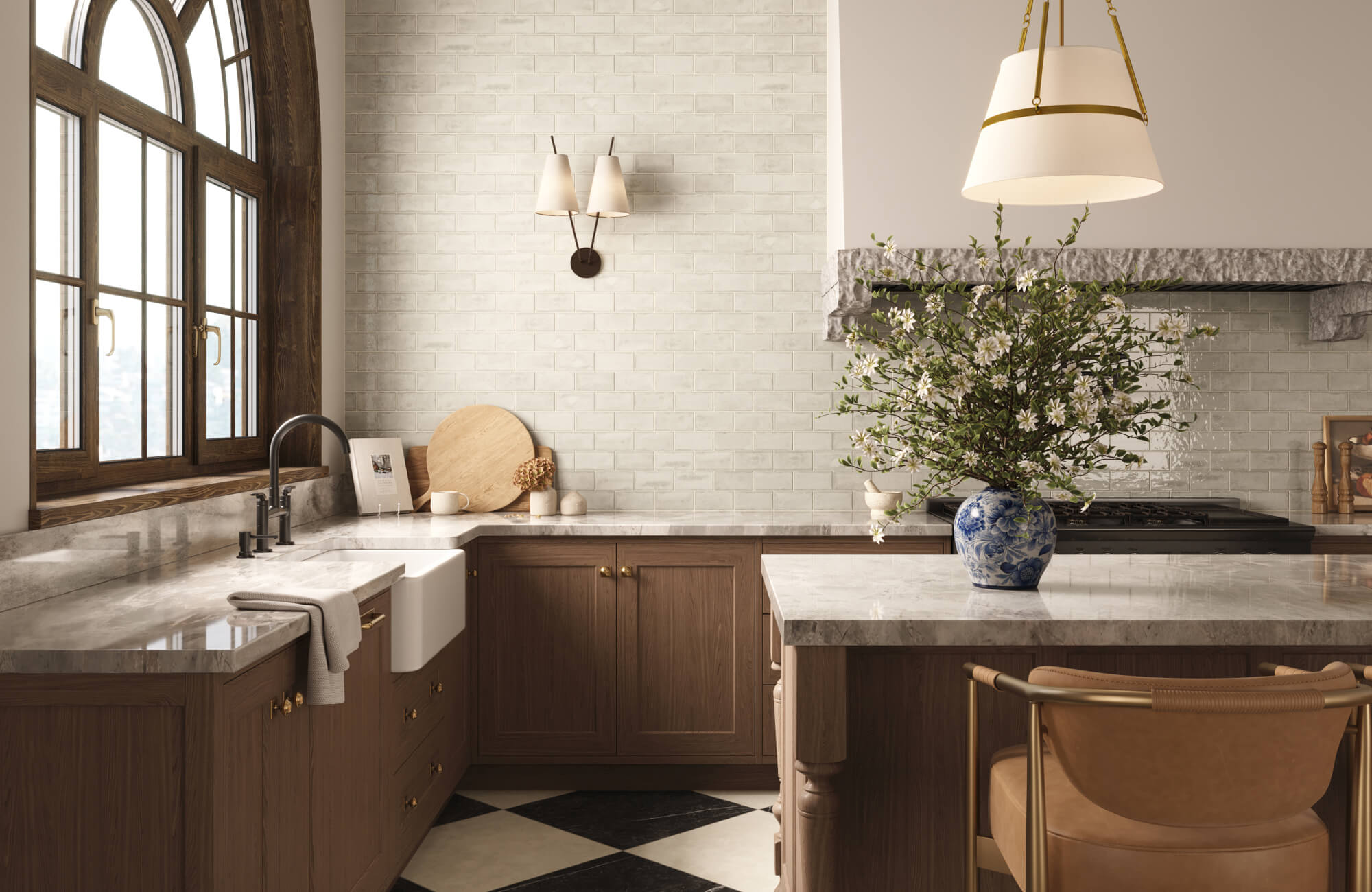
Clean, bright, and highly adaptable, whites and soft neutrals create a versatile backdrop that pairs effortlessly with any accent color or finish. These palettes help kitchens feel open and well-balanced, making them easier to update as décor or hardware changes over time. Their understated nature also supports a wide range of design styles, from traditional to contemporary. A subtle example of this approach can be seen in the photo featured above, where Edward Martin’s Graham 3x6 Glossy Ceramic Tile in Off White introduces gentle warmth and texture, reinforcing how neutral surfaces add depth without overpowering the space.
Black-and-White Combinations
This timeless contrast brings structure and sophistication while maintaining a balanced, intentional look that remains enduring. Black-and-white schemes offer clear visual definition, allowing architectural details and cabinetry to stand out naturally. When applied thoughtfully, the contrast adds depth and interest without overwhelming the space. An example of this effect can be seen through the use of Leona 24x24 Checkerboard Matte Porcelain Tile in Calacatta and Nero Marquina, which reinforces visual order while anchoring the kitchen with a classic, graphic foundation.
Soft Greys and Earth Tones
Muted greys, warm beiges, and natural earth tones add depth and comfort, offering a calm aesthetic that remains relevant across decades. These hues create a grounded, welcoming atmosphere while bridging cool and warm elements within the kitchen. Their subtle variation allows for flexibility as materials and finishes change over time. A complementary example can be seen with the Charlise Rug in Slate / Dove, which reinforces how soft grey and earth-toned accents can add warmth and balance without disrupting a timeless color palette.
Natural Materials
Incorporating natural materials adds warmth, texture, and authenticity to the kitchen—qualities that remain relevant regardless of changing design trends. These materials also tend to age gracefully, developing character over time while maintaining their visual and functional appeal.
Stone Countertops
Granite, marble, and quartz provide durability and organic beauty. Their natural veining and variation introduce visual interest while standing up well to everyday kitchen use. These surfaces also pair easily with a range of cabinet styles and color palettes, supporting long-term flexibility. In addition, their long lifespan makes them a practical choice for kitchens designed with longevity in mind.
Hardwood Flooring
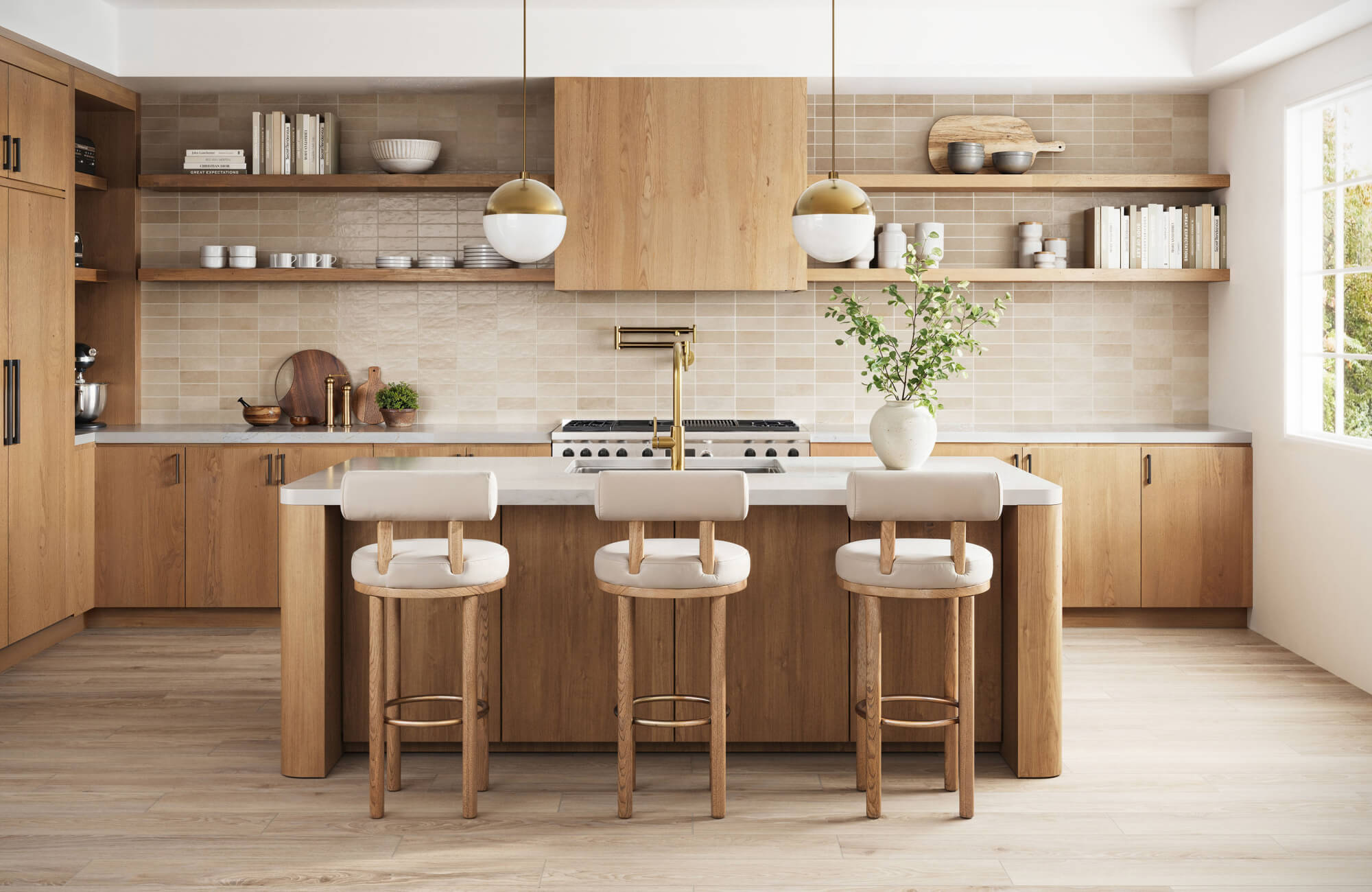
Hardwood floors offer timeless appeal, visual warmth, and lasting performance. Their natural grain adds texture to the space, while their ability to be refinished helps extend their lifespan. Over time, hardwood develops character that contributes to a more lived-in, enduring look, making it a reliable option for kitchens that balance everyday use with long-term design consistency. A similar sense of warmth and continuity is reflected in the photo featured above, where Edward Martin’s Jameson 8x48 Matte Porcelain Tile in Latte captures the look of natural wood while offering the added durability and ease of maintenance associated with porcelain surfaces.
Wood Cabinetry
Solid wood cabinets, whether painted or stained, deliver depth and longevity. Natural wood tones add warmth and visual balance, helping the kitchen feel grounded rather than trend-driven. Their adaptability allows them to work well with both traditional and modern design elements. With proper care, wood cabinetry maintains its structure and appearance for many years.
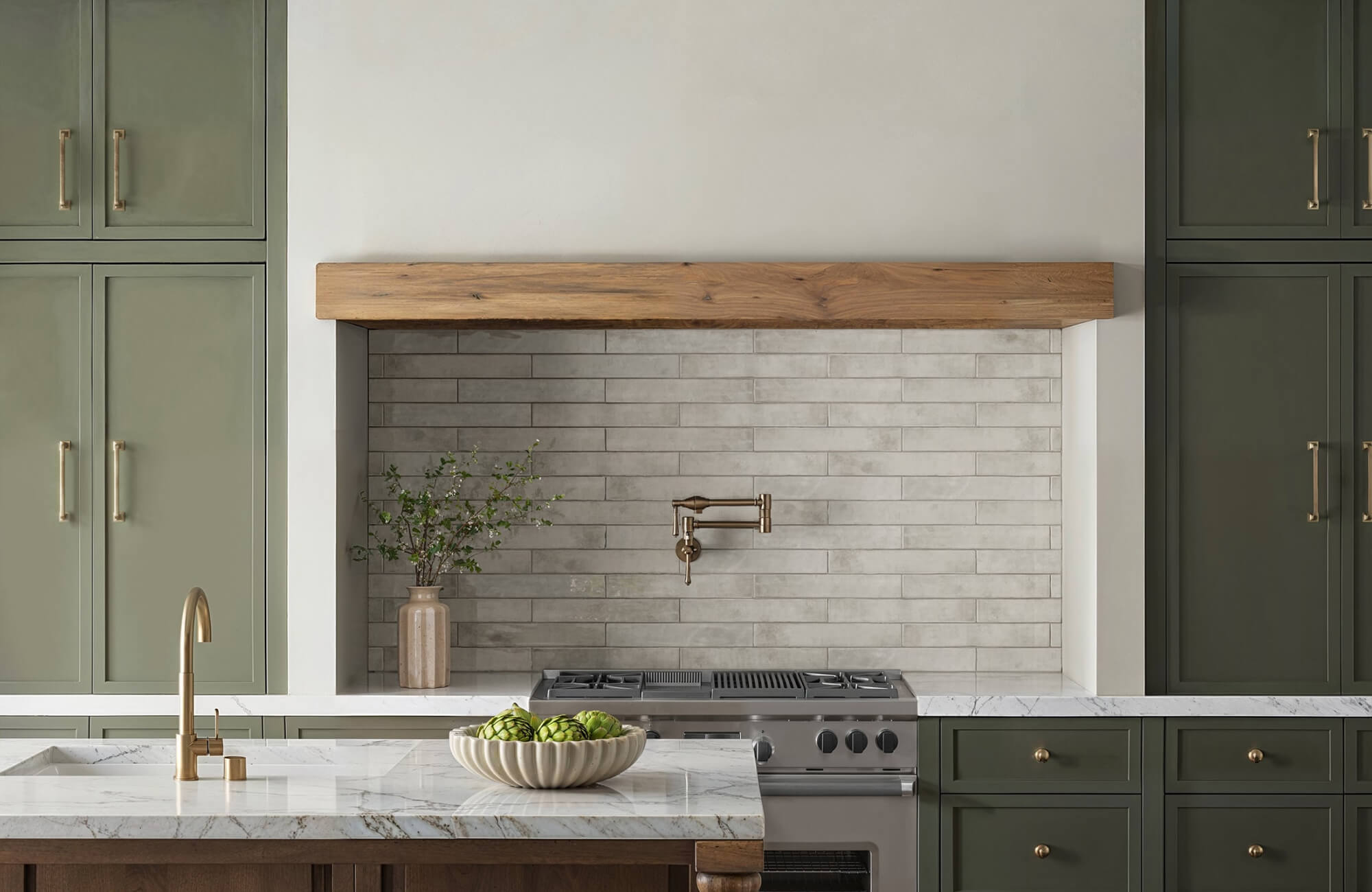
Shaker-Style Cabinets
Shaker-style cabinets remain a cornerstone of timeless kitchen design. Defined by clean lines, subtle detailing, and a focus on function, they offer a balanced look that feels both simple and refined. Their restrained design allows them to adapt easily to a wide range of interiors, from traditional to contemporary. Because they avoid excessive ornamentation, Shaker cabinets maintain their relevance over time and provide a flexible foundation for evolving finishes, hardware, and layout choices.
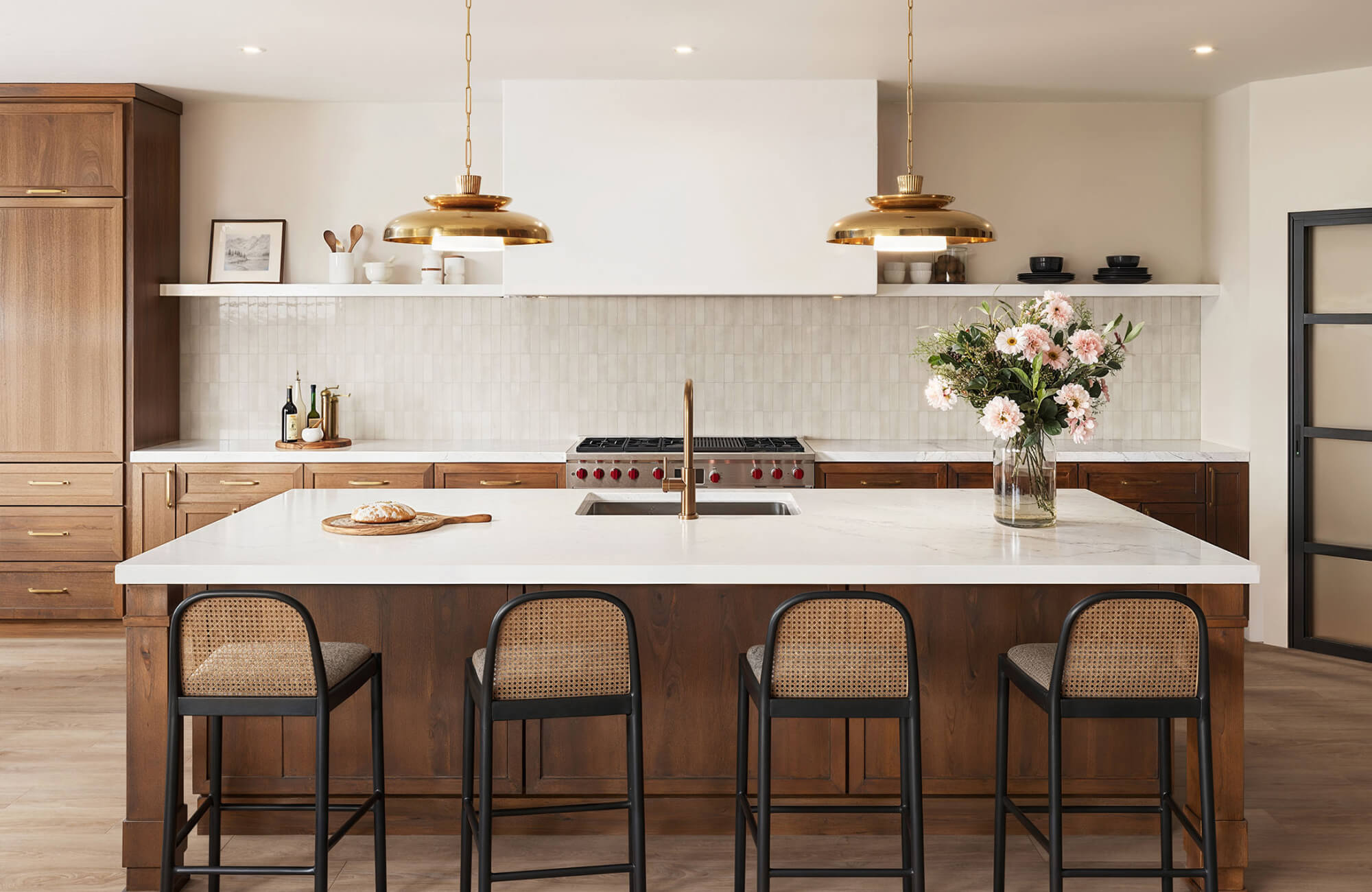
Subway Tile Backsplash
Subway tile backsplashes remain a reliable classic in kitchen design. Their simple geometry and clean lines help brighten the space while maintaining a sense of visual order and balance. This style works well across a range of kitchens, from traditional to modern, without feeling tied to a specific era. A softer, more tonal application is shown in the photo featured above, where Edward Martin’s Natasha 2x6 Glossy Porcelain Tile in Oat adds warmth and subtle texture while preserving the backsplash’s enduring, timeless character.
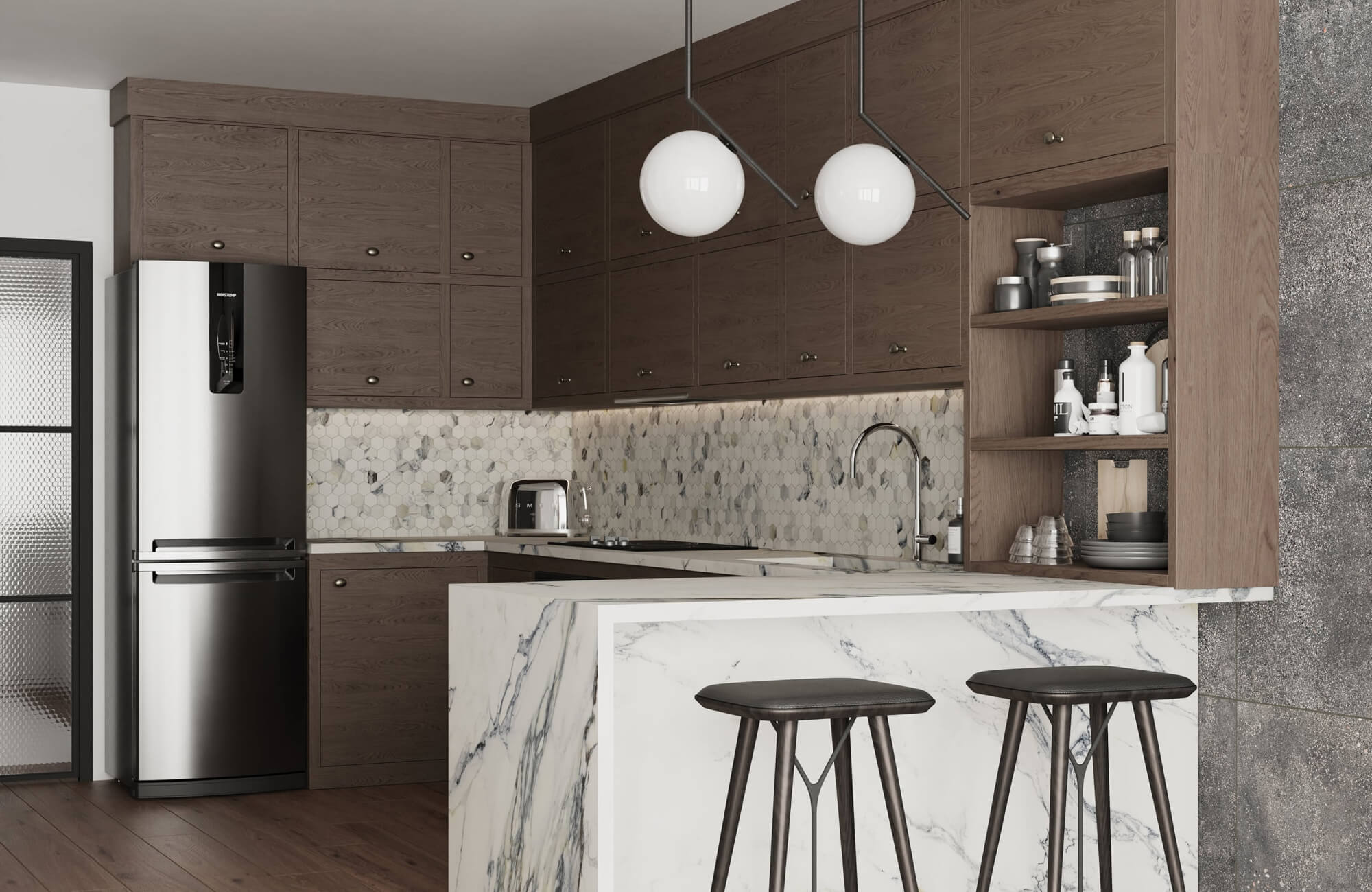
Functional Layouts
A timeless kitchen succeeds not only visually but functionally. When we design for efficiency and flow, the kitchen remains practical for everyday living. Thoughtful layouts also help the space adapt more easily to changing needs and routines over time.
The Work Triangle
This time-tested layout positions the sink, stove, and refrigerator to support efficient movement and ease of use during daily routines. Minimizing unnecessary steps and limiting overlapping movement helps create a more comfortable and functional workspace. Its lasting relevance reflects how effectively it balances practicality with everyday usability. The layout also supports consistency in kitchen design, regardless of changes in style or layout preferences.
Open Layouts
Open kitchens promote better flow, encourage connection, and integrate seamlessly with adjacent living spaces, ideal for both entertaining and daily life. This approach allows natural light to travel more freely, helping the space feel larger and more welcoming. Open layouts also support flexibility, making it easier to adapt the kitchen to changing household needs. By reducing visual barriers, they create a more cohesive relationship between cooking, dining, and living areas.
Kitchen Islands
Islands add valuable prep space, storage, and seating while serving as a visual anchor that enhances flexibility and functionality. They help define the kitchen area, especially in open layouts, without interrupting flow. Islands also support a range of activities, from casual meals to food preparation and gathering. Their adaptable design allows them to remain useful as household needs and routines change over time.
Quality Fixtures and Hardware
Fixtures and hardware may seem like small details, but they play an important role in long-term performance and appearance. Choosing well-crafted pieces with classic finishes helps maintain a cohesive look and reduces the need for frequent updates over time.
Timeless Finishes
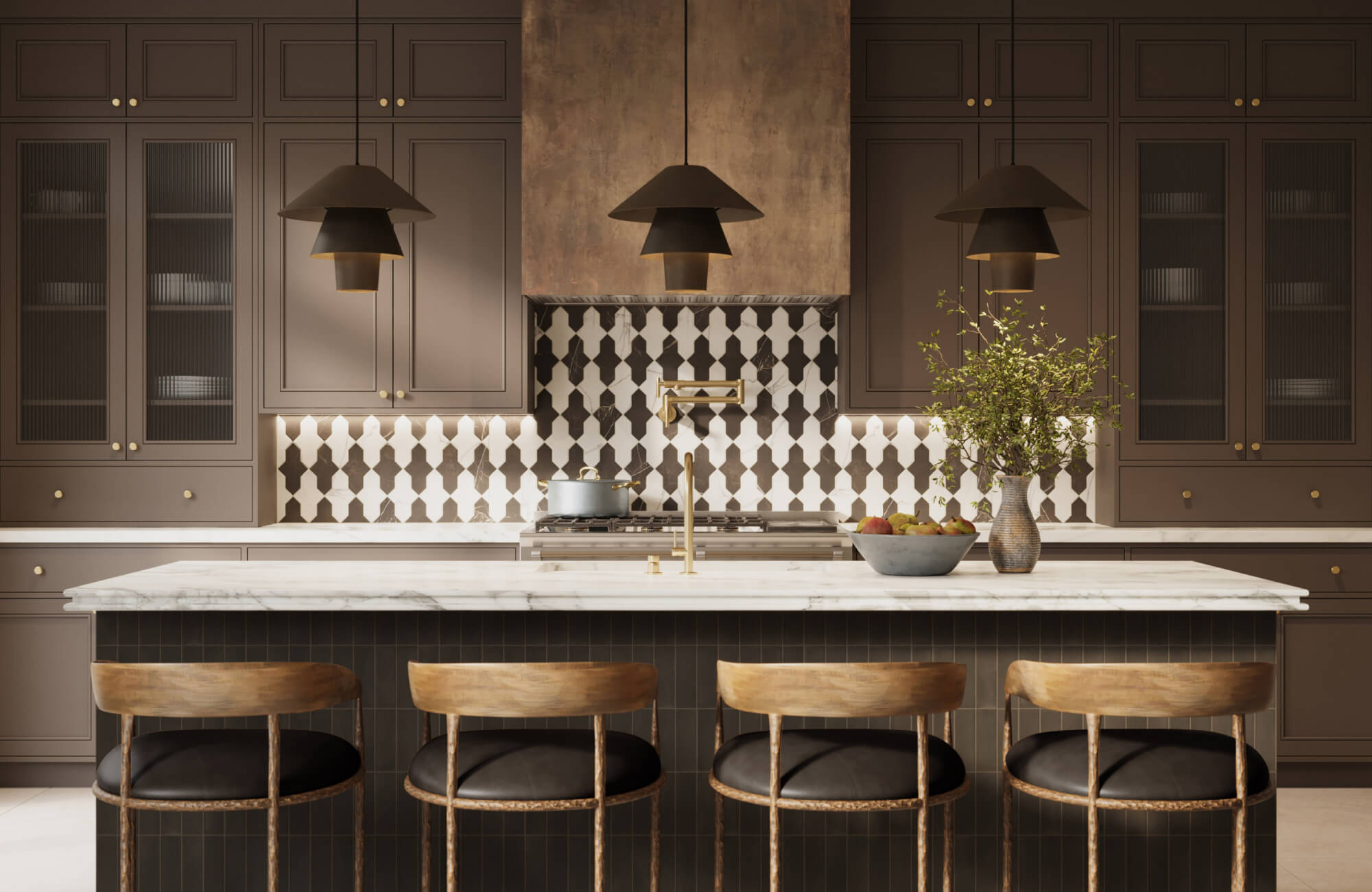
Brushed nickel, matte black, and antique brass work across multiple styles and color palettes, ensuring long-term appeal. These finishes offer visual interest while remaining restrained, allowing them to stay relevant as surrounding elements change. Their subtle character helps prevent the space from feeling overly decorative or tied to a specific trend, supporting consistency and cohesion throughout the kitchen. This approach is reflected in the photo featured above, where Edward Martin’s Oswald Pendant in Dusty Iron demonstrates how kitchen pendant lights finished in classic metal tones can add definition and warmth without overpowering the overall design.
Undermount Sinks & Classic Faucets
Clean-lined sinks and traditionally styled faucets deliver functionality and visual clarity without unnecessary ornamentation. Undermount sinks create a streamlined surface that is easy to maintain and visually unobtrusive. Classic faucet designs offer reliable performance while blending naturally with a wide range of cabinetry and finishes. Together, they contribute to a kitchen that feels both practical and enduring.
Steer Clear of Trends
Avoiding novelty designs helps keep the kitchen from feeling dated too quickly. Simple forms, quality materials, and solid craftsmanship are more likely to maintain their value over time. By emphasizing function and proportion over decorative excess, the design supports long-term use. This sense of restraint allows the kitchen to adapt more easily as preferences and needs evolve.
Integrated and Built-In Appliances
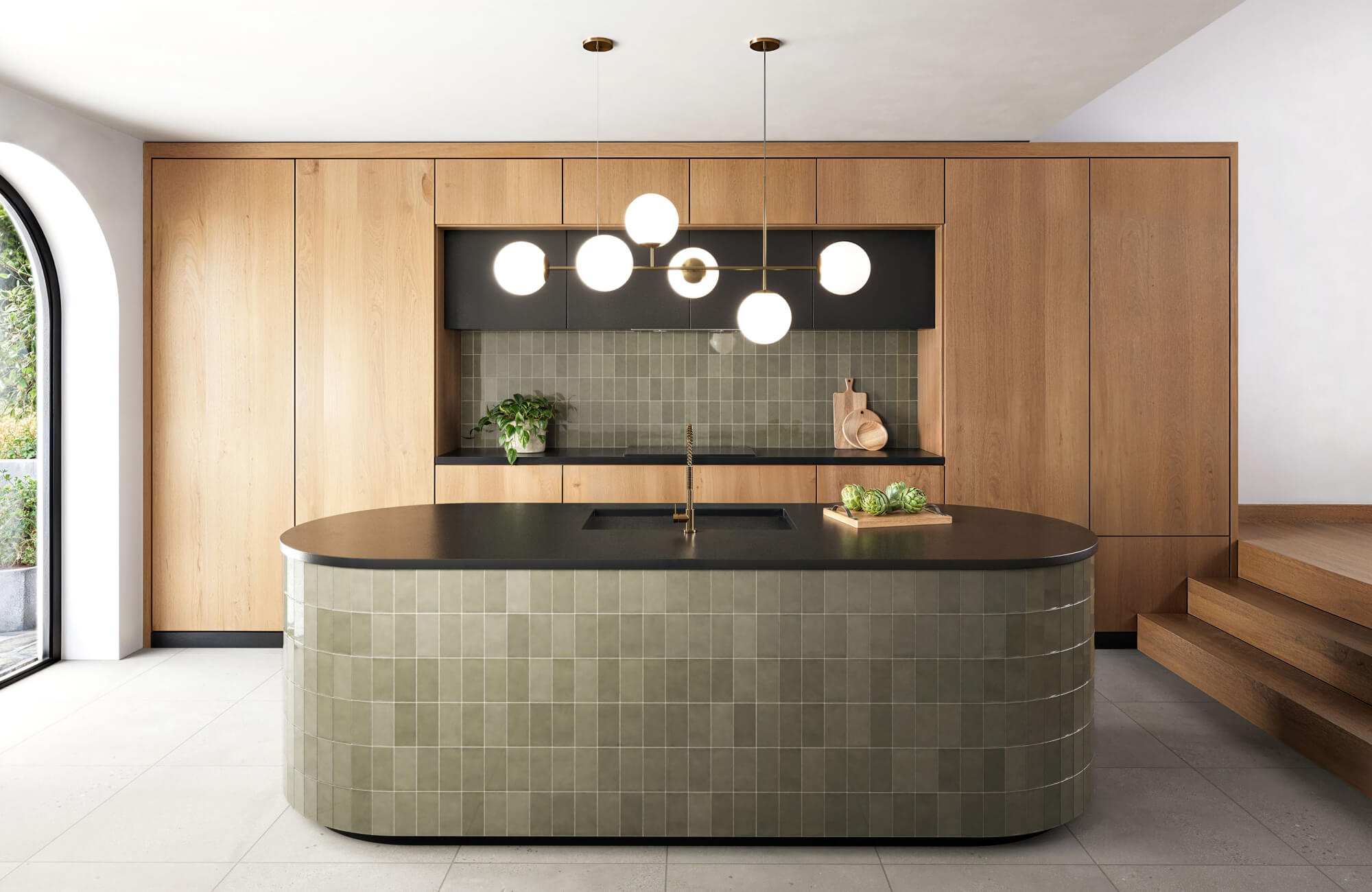
Built-in and integrated appliances help maintain a cohesive, uncluttered kitchen design, which is especially important in open-concept spaces. Panel-ready and flush-mounted options help appliances blend into the cabinetry, allowing the overall design to take visual priority. This approach supports continuity across the kitchen and adjacent living areas, creating a calm, unified appearance. By reducing visual interruptions, integrated appliances also make the space easier to update over time as layouts or finishes evolve.
Designing a Kitchen That Stands the Test of Time
By focusing on thoughtful layouts, durable materials, and classic design choices, kitchens can remain stylish, functional, and adaptable over time. Timeless design is not about removing personality, but about selecting elements that support lasting beauty and everyday use. When enduring design principles are paired with thoughtful personal touches, the kitchen remains comfortable, relevant, and well-suited to changing needs. If you would like guidance applying these ideas to your own space, contact us to explore design services that support informed, well-planned kitchen decisions.
FAQs
Below are a few commonly asked questions that help clarify key considerations when planning a kitchen designed to remain functional, adaptable, and visually relevant over time. These answers address topics not covered in detail above, offering additional guidance for long-term decision-making.
1. How do timeless kitchens perform in terms of resale value?
Timeless kitchens generally appeal to a broader range of buyers because they avoid strong stylistic statements. This wide appeal can help reduce objections during resale and support long-term property value.
2. Is symmetry important in timeless kitchen design?
While not required, symmetry often contributes to a sense of balance and order, which helps a kitchen feel calm and enduring. Even subtle symmetry in cabinetry or lighting placement can enhance long-term visual comfort.
3. How does ceiling height influence timeless kitchen design choices?
Ceiling height can affect proportions, cabinet scaling, and lighting selection. Designs that respect the room’s vertical proportions tend to feel more intentional and age better over time.
4. Are integrated storage solutions part of a timeless kitchen?
Yes. Thoughtful storage that reduces visual clutter helps kitchens remain functional and visually clean. Hidden or well-organized storage supports longevity by keeping the space adaptable and easy to live with.
5. How often should a timeless kitchen need updates?
A well-designed, timeless kitchen typically requires only minor updates over many years, such as changing hardware, lighting, or accessories. The core materials and layout are designed to remain relevant over the long term.
Follow us on Instagram
@EDWARD.MARTIN
)
)
)
)
)
)
)
)
)
)
)
)
)
)
)
)