
)
)
)
)
)
)
)
)
Is Slate Tile Safe And Practical For Bathroom And Shower Use?
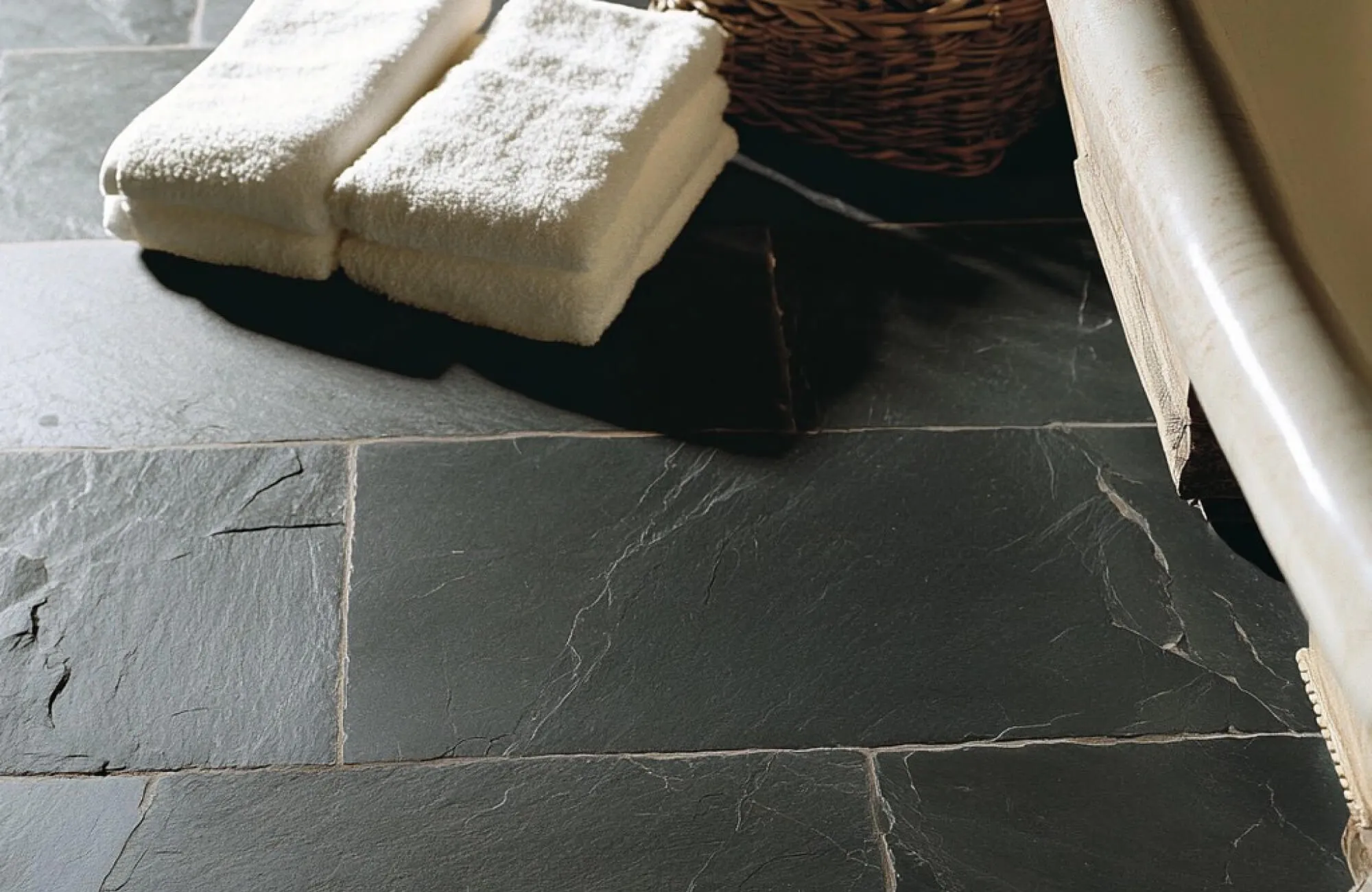
Slate tile is often praised for its natural texture and grounded look, but bathrooms and showers demand more than visual appeal alone. Moisture, slip resistance, sealing, and long-term upkeep all play a role in whether slate truly makes sense for daily use. In this blog, we’ll take a practical look at how slate behaves in bathrooms and showers, where it excels, where it requires extra care, and when stone look porcelain might be the smarter choice.
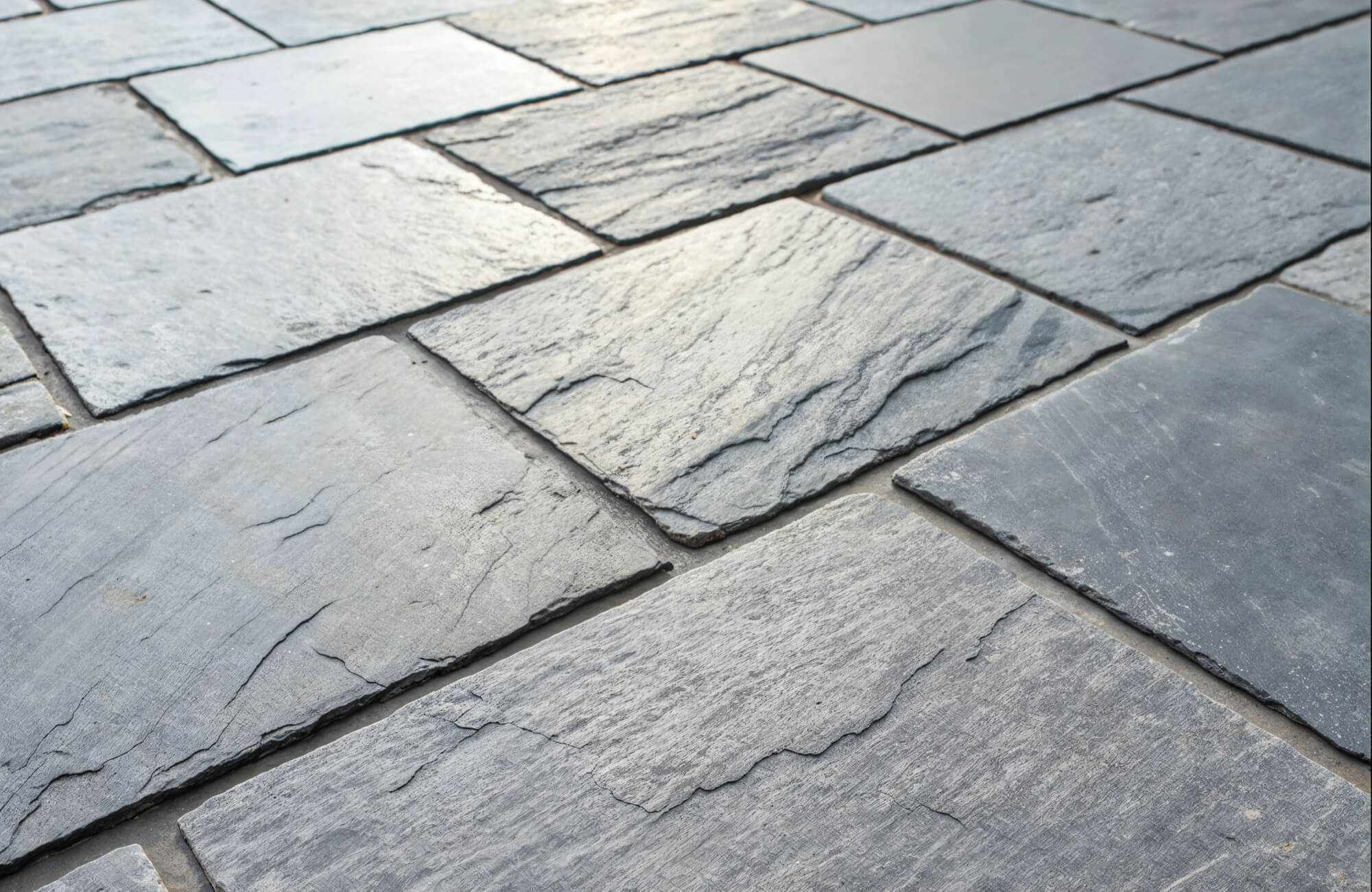
What Makes Slate Tile Different From Other Bathroom Flooring Options
Slate stands apart from many bathroom flooring options because its performance is closely tied to how it forms in nature. Its layered structure, surface texture, and natural variation all influence how it looks and feels underfoot in wet spaces. Below, we’ll take a closer look at what those traits really mean for bathrooms and showers.
The Natural Layers That Give Slate Its Grip
Slate forms in thin, compact layers that naturally create subtle ridges and texture on the surface. Unlike manufactured tiles that rely on added finishes for traction, slate’s grip comes from its structure rather than a coating. This layered surface helps provide resistance underfoot, which is especially noticeable in damp bathroom conditions. Because the texture is part of the stone itself, it doesn’t feel artificially rough or patterned. Instead, it offers a more grounded, stone-like feel when walked on. That natural grip is one of the main reasons slate is often considered for wet environments.
Why Slate Feels More Organic Than Ceramic or Porcelain
Slate tends to feel more organic because no two tiles are exactly alike. Variations in color, texture, and surface movement come from the stone’s natural formation rather than a printed design. Ceramic and porcelain tiles, while consistent and precise, often repeat patterns that can feel more uniform. Slate’s subtle shifts give floors a more relaxed, natural presence, which can soften the overall feel of a bathroom. This organic quality often works well in spaces aiming for a spa-like or nature-inspired atmosphere. At the same time, that character means slate feels less controlled than factory-made alternatives.
How Slate Reacts to Moisture Compared to Other Stone Tiles
Slate is denser than many people expect, especially when compared to softer natural stones. Its tightly layered composition allows it to handle moisture exposure without breaking down easily. In bathrooms and showers, this means slate generally holds up well against humidity and surface water. Unlike more porous stones, slate is less likely to feel fragile when exposed to damp conditions. That said, it still behaves like a natural material, responding to moisture differently than ceramic or porcelain. Understanding this balance helps explain why slate feels both durable and distinctly natural in wet spaces.
Where Slate’s Natural Variation Can Be a Strength or a Challenge
One of slate’s most defining traits is its natural variation, which can be both appealing and demanding. Differences in thickness, texture, and color create visual depth that many homeowners appreciate. In bathrooms, this variation can add warmth and character that smooth tiles sometimes lack. However, it also means the surface may feel less uniform underfoot. Some people enjoy that tactile quality, while others prefer a flatter, more consistent floor. Knowing how you respond to that variation helps determine whether slate feels like a strength or a compromise in your space.
Slip Resistance and Safety in Wet Areas
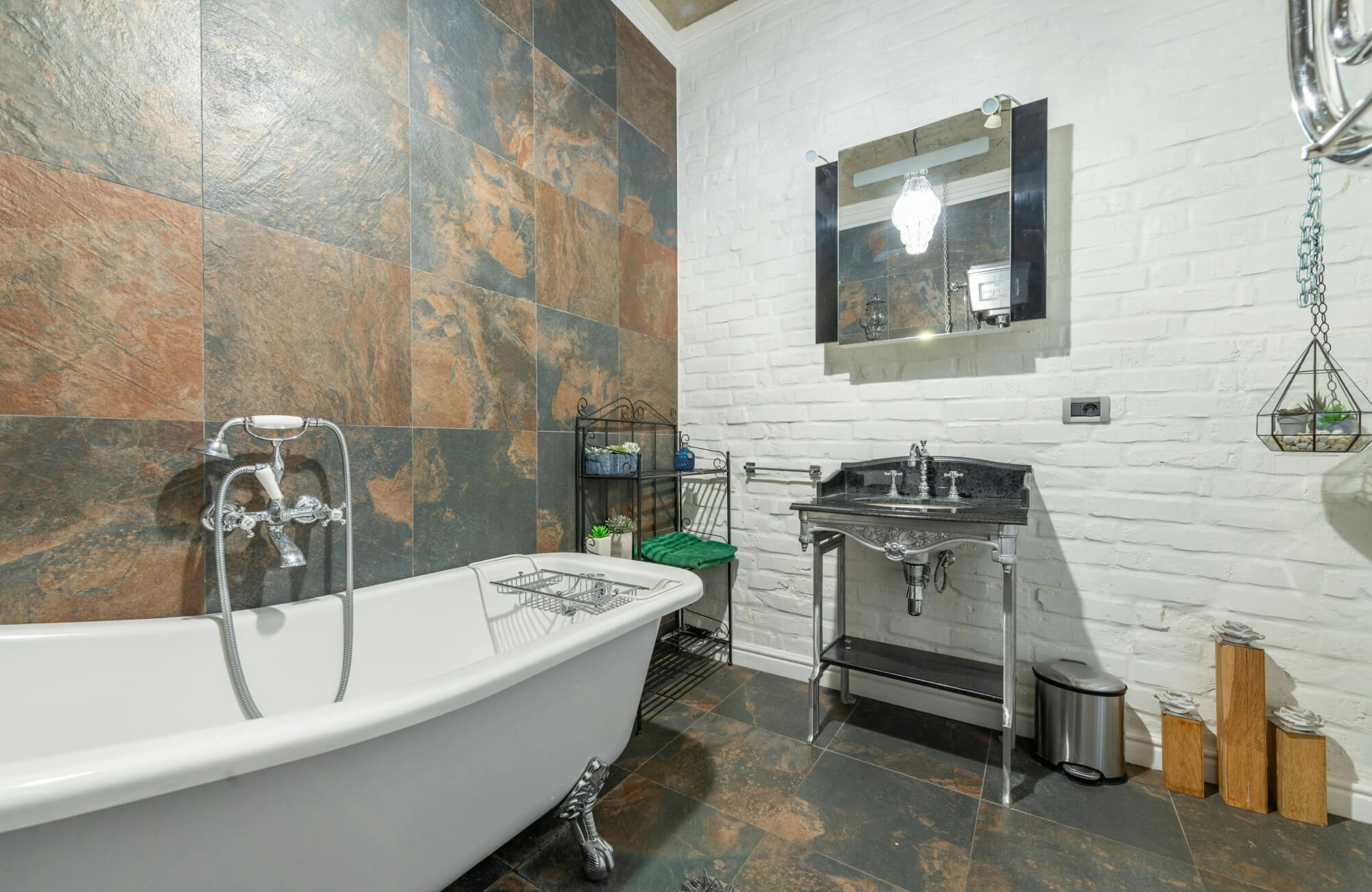
Slip resistance is one of the biggest reasons homeowners consider slate for bathrooms and showers. Its natural surface texture plays a major role in how it behaves underfoot when exposed to water. Below, we’ll break down how slate’s finish and placement affect traction in real, everyday wet conditions.
Why Slate Is Commonly Used on Shower Floors
As mentioned earlier, slate is commonly used on shower floors because its naturally uneven surface helps create traction where it matters most. The stone’s layered structure produces subtle ridges and texture that give feet something to grip, even when water is flowing. Unlike glossy tiles that can feel slick the moment soap is introduced, slate tends to maintain a more grounded feel. This makes stepping, turning, and standing in the shower feel more secure overall. Many homeowners notice the difference immediately, especially in comparison to smoother finishes. Over time, that added sense of stability becomes one of slate’s most appreciated qualities.
Natural Cleft vs Honed Slate Underfoot
The finish you choose plays a major role in how slate feels underfoot, particularly in wet areas. Natural cleft slate retains more of the stone’s original texture, which usually translates to stronger traction in showers and splash zones. Honed slate, on the other hand, has a smoother surface that feels softer on bare feet but slightly reduces grip. This difference becomes more noticeable once water, soap, or shampoo is involved. Some people prefer the comfort of a honed finish, while others prioritize the added security of natural cleft slate. Understanding how each finish behaves helps set realistic expectations for daily use.
Areas Where Slate Performs Best for Safety
Slate tends to perform best in areas where moisture is constant but expected, such as shower floors, walk-in shower entries, and bathroom floors near tubs. In these locations, the stone’s texture works with the environment rather than against it. The surface helps reduce slipping without feeling abrasive or uncomfortable. Slate can also be a good option in transitional wet zones where water tends to collect or splash. Placement matters because the same tile may feel different depending on how water moves through the space. Thinking about path patterns and moisture exposure helps slate perform at its best.
When Additional Grip Support Still Helps
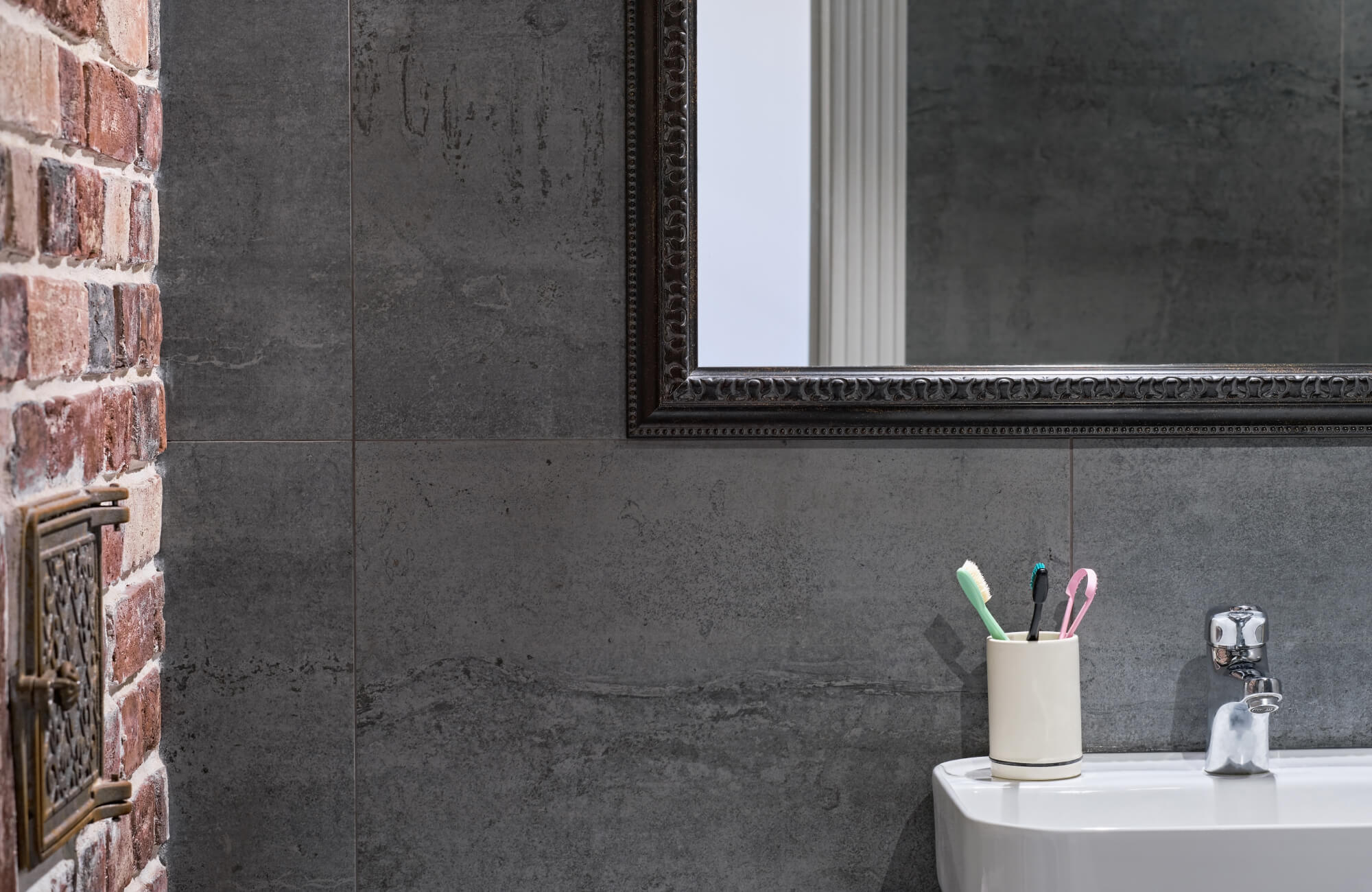
Even with slate’s natural traction, there are situations where extra grip support can make sense. Bathrooms that see heavy daily use, shared family showers, or frequent soap buildup may still feel slippery at times. In these cases, design choices like smaller tile formats can increase grout lines, which naturally improves footing. This doesn’t mean slate isn’t suitable, but rather that real-life use varies from space to space. Some homeowners simply prefer added reassurance in wet environments. Considering who uses the bathroom and how often helps guide those decisions more thoughtfully.
Sealing Slate Tile for Bathroom and Shower Use
Sealing plays a critical role in how slate performs in bathrooms and showers, especially in spaces exposed to constant moisture. Because slate is naturally porous, sealing helps protect the stone while also influencing how it looks and feels over time. Here, we’ll walk through why sealing matters, how different sealers behave, and what to expect in high-moisture environments.
What Happens If Slate Isn’t Properly Sealed
When slate isn’t properly sealed, it becomes more vulnerable to moisture absorption and surface staining. Water can slowly penetrate the stone, which may lead to darkening, uneven discoloration, or a damp appearance that never fully dries out. In bathrooms and showers, this exposure happens repeatedly, not just occasionally. Over time, soap residue and minerals from water can also settle into the stone more easily. While slate is durable by nature, unsealed surfaces tend to show wear faster in wet environments. Sealing helps prevent these issues before they become noticeable or difficult to reverse.
Penetrating Sealers vs Surface Sealers for Bathrooms
Different types of sealers interact with slate in different ways, which matters in damp spaces. Penetrating sealers soak into the stone and protect it from within, helping repel moisture while keeping the surface feeling natural. Surface sealers sit on top of the slate and create a visible barrier, which can offer extra protection but may slightly change how the tile feels underfoot. In bathrooms, the choice often comes down to balancing protection with traction and appearance. Some finishes benefit from a more natural feel, while others call for added surface protection. Understanding this distinction helps set expectations for both performance and look.
How Sealing Affects Color and Finish
Sealing can subtly or noticeably change the appearance of slate, depending on the product used. Some sealers deepen the stone’s natural tones, making colors appear richer and more saturated. Others aim to preserve the original look, keeping the surface closer to its raw, untreated state. In bathrooms, this visual shift can affect how light reflects and how the tile pairs with surrounding finishes. The change isn’t necessarily better or worse, but it should be intentional. Knowing how sealing influences color helps avoid surprises once the tile is installed.
How Often Slate Needs Resealing in High-Moisture Spaces
In high-moisture areas like showers, slate generally needs more frequent attention than it would in dry rooms. Constant exposure to water, steam, and cleaning products gradually wears down the protective barrier. How often resealing is needed depends on usage patterns, ventilation, and the type of sealer originally applied. Busy bathrooms may require more frequent upkeep than guest spaces used occasionally. The good news is that regular sealing helps extend the stone’s lifespan and keeps it performing as intended. Planning for this maintenance upfront makes the slate easier to live with long-term.
Maintenance Expectations for Everyday Bathroom Use
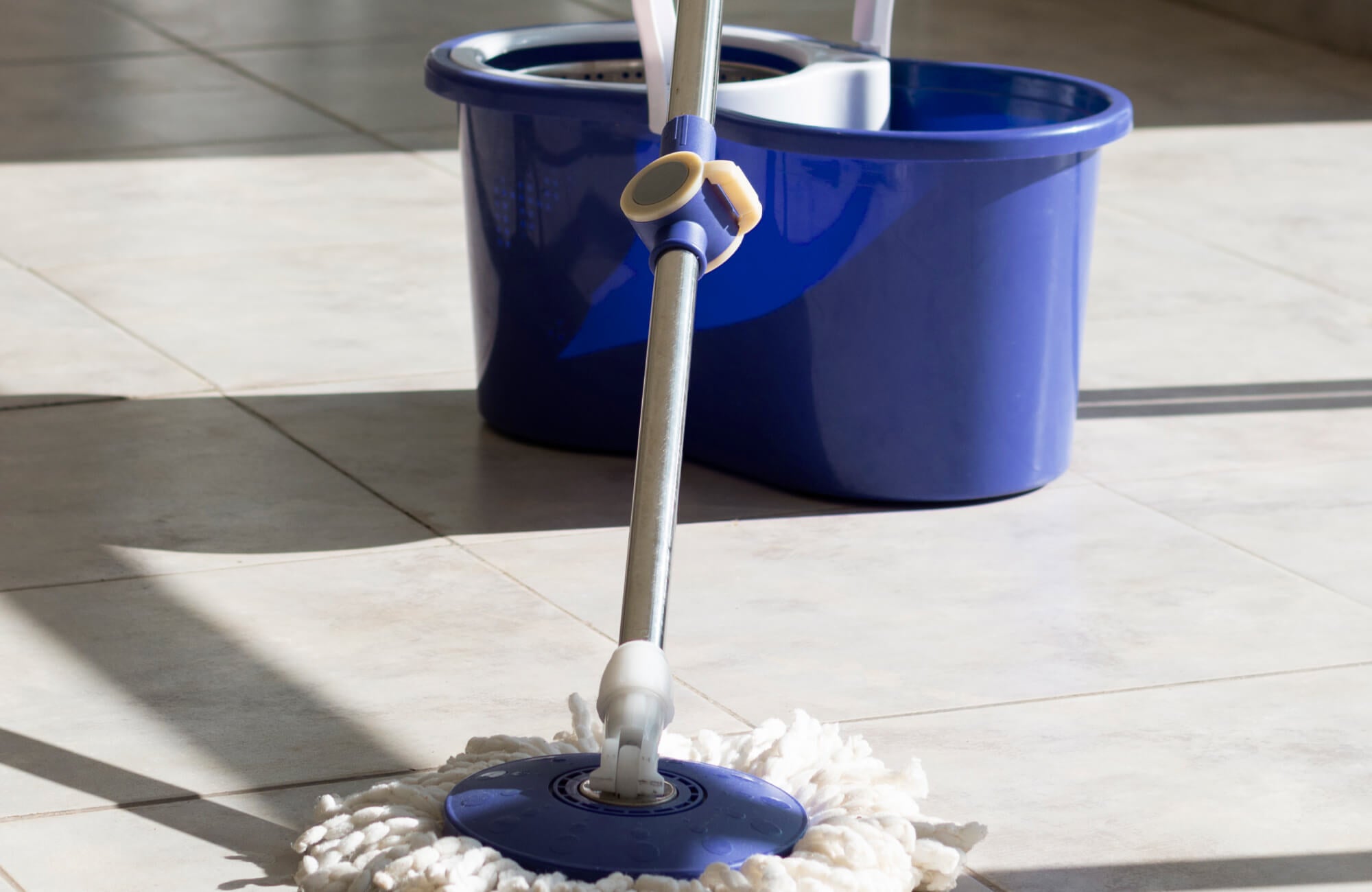
Slate can be a great bathroom material, but it helps to understand what everyday upkeep actually looks like before committing to it. Maintenance is less about constant effort and more about building simple habits that protect the stone over time.
Daily Cleaning Habits That Protect Slate
Daily care for slate is mostly about preventing buildup rather than aggressively cleaning the surface. Regularly wiping down wet areas helps limit moisture that can sit on the stone and affect its finish over time. In showers, this habit reduces residue from soaps and body products that can dull the surface. On bathroom floors, light cleaning helps remove grit that could wear down the sealant gradually. Slate responds best when dirt and moisture are addressed early rather than left to accumulate. When these habits become routine, the stone tends to age more evenly and predictably.
Products You Should Never Use on Slate Tile
Slate is more sensitive to harsh cleaners than many people expect, especially in bathrooms where cleaning happens often. Acidic solutions, abrasive powders, and strong chemicals can damage the sealant and the stone itself. Even common household cleaners that work well on ceramic or porcelain may be too aggressive for natural slate. Over time, repeated exposure can leave the surface looking etched, dull, or uneven. This damage often appears gradually, which makes it easy to overlook at first. Avoiding the wrong products is one of the simplest ways to extend slate’s lifespan.
Managing Soap Scum and Hard Water Marks
Soap scum and hard water deposits are common issues in slate bathrooms, particularly on shower walls and floors. These residues tend to sit on the surface and become more visible on textured stone. If left in place, they can make slate look cloudy even when it’s structurally sound. Regular rinsing and drying help prevent buildup from settling into the stone. Good airflow also plays a role by reducing lingering moisture after showers. Staying ahead of residue keeps the tile looking intentional rather than worn.
How Maintenance Changes Between Floors and Walls
Slate maintenance looks different depending on whether the tile is installed on floors or walls. Floors are exposed to foot contact, debris, and repeated moisture, which means wear can appear faster if upkeep slips. Wall installations, including shower surrounds, are more affected by water exposure and product buildup than by abrasion. Because of this, cleaning priorities shift based on placement. Floors benefit most from keeping grit under control, while walls require more attention to moisture management. Understanding these differences helps maintain the slate without overcleaning or neglecting certain areas.
When Slate Starts to Show Wear Over Time
Slate will naturally show signs of use as time passes, even with proper care. This often appears as a softened texture, subtle color shifts, or a more matte finish in frequently used spots. In many bathrooms, this wear adds character rather than detracting from the space. However, uneven wear can signal that maintenance habits need adjusting. The goal isn’t to preserve a brand-new look forever, but to support consistent aging. When slate wears evenly, it continues to feel intentional and well cared for.
Durability and Longevity in Bathrooms and Showers
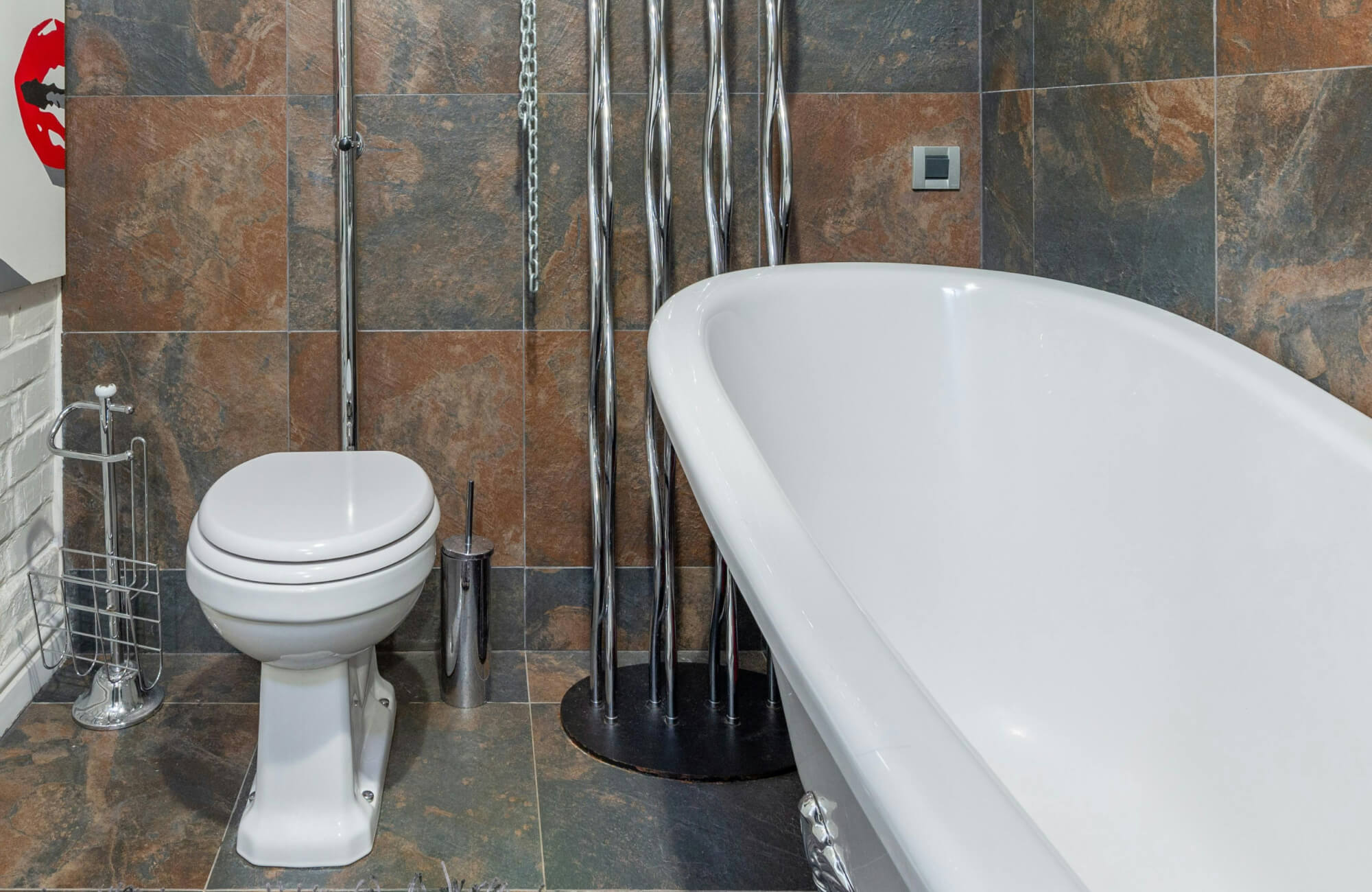
Slate is often chosen for bathrooms because it feels solid and naturally resilient, but its long-term performance depends on where and how it’s used. Moisture, steam, temperature changes, and daily wear all affect slate differently than they would in other rooms.
How Slate Handles Heat and Steam
Slate generally handles heat and steam well, which is why it’s commonly used in shower environments. The stone’s dense structure allows it to tolerate temperature changes without expanding or cracking easily. In bathrooms where steam builds up regularly, slate tends to remain stable as long as moisture is managed properly. That said, prolonged exposure to trapped steam can still stress the surface if ventilation is poor. Over time, this can affect the seal rather than the stone itself. When airflow and humidity control are in place, slate typically maintains its integrity in steamy conditions.
Chipping, Flaking, and Natural Cleavage Concerns
Because slate forms in layers, natural cleavage is one of its defining characteristics, but it can also be a durability concern in certain installations. Some slate tiles may shed small flakes over time, especially if the stone is softer or unevenly split. This doesn’t necessarily mean the tile is failing, but it can affect surface texture in busy areas. Chipping is more likely along edges or corners, particularly in high-contact zones. Bathrooms with heavy daily use can reveal these traits faster if the slate isn’t well-suited to the space. Choosing the right grade and placement helps minimize these issues.
The Difference Between Interior-Grade and Exterior-Grade Slate
Not all slate is created equal, as hinted above, and grade plays a significant role in durability. Interior-grade slate is often thinner and more decorative, which can make it less resilient in wet, high-use environments. Exterior-grade slate is denser and designed to withstand harsher conditions, including moisture and temperature swings. In bathrooms, this added density can translate to better longevity, especially in showers and on floors. While both types can work indoors, exterior-grade slate usually performs more consistently over time. Understanding the distinction helps avoid premature wear or surface breakdown.
Where Slate Lasts Longest in a Bathroom Layout
Slate tends to perform best in areas of the bathroom where it isn’t constantly exposed to direct impact or repeated abrasion. Shower walls, feature walls, and other low-contact surfaces often hold up beautifully over time because they avoid the daily wear that floors experience. Bathroom floors, especially in frequently used spaces, naturally take on more stress from foot contact, tracked-in debris, and regular cleaning. This doesn’t mean slate isn’t suitable for floors, but it does mean placement plays an important role in how well it ages. When slate is used intentionally within the layout, its durability becomes easier to appreciate.
Visual Impact of Slate Tile in Bathroom Design
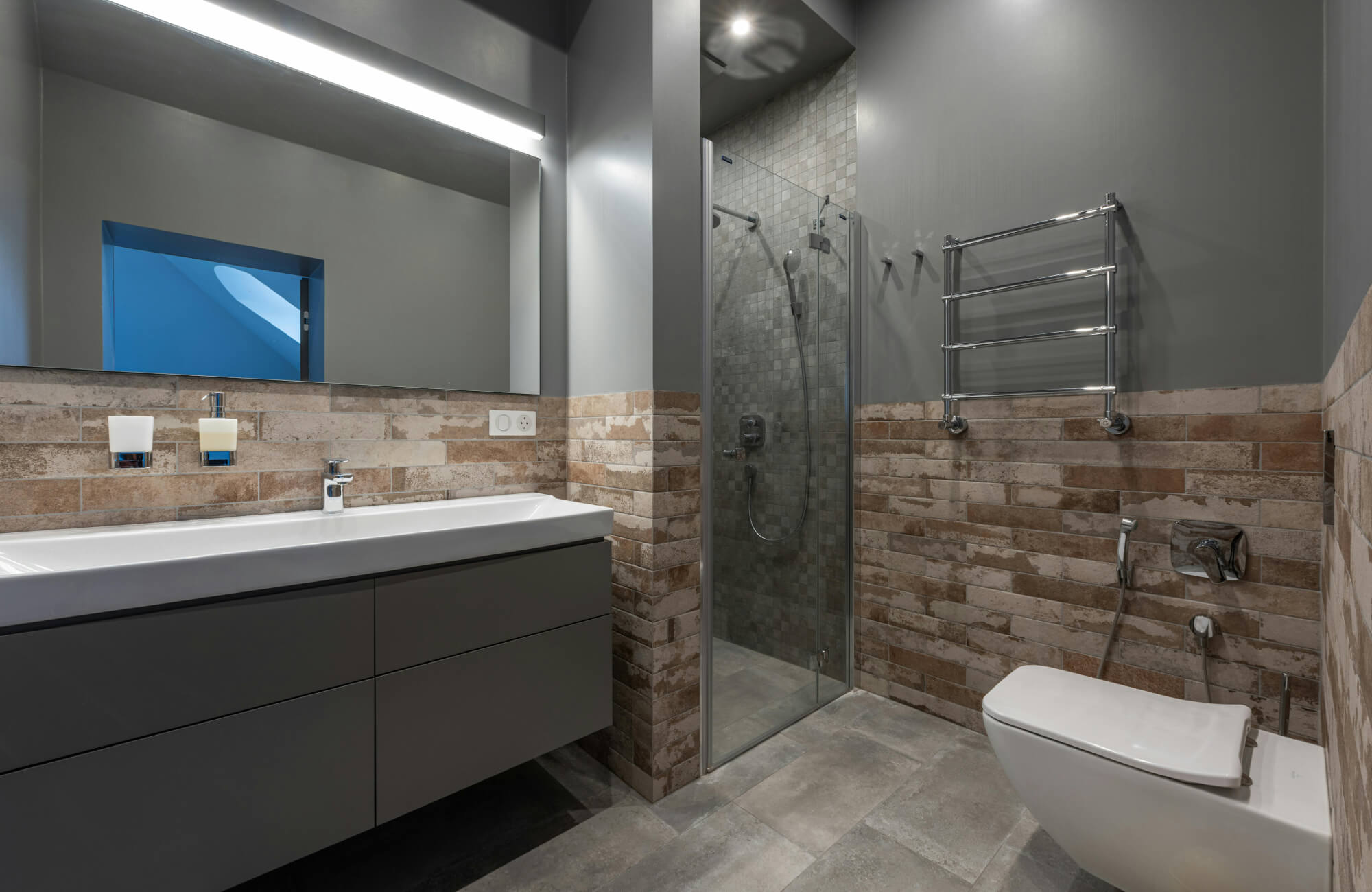
Slate has a strong visual presence that goes beyond color alone, shaping how a bathroom feels the moment you step into it. Its natural variation and textured surface influence brightness, mood, and even how spacious the room appears. In here, we’ll look at how slate affects the overall visual balance of a bathroom without getting into full styling territory.
Dark Slate vs Light Slate in Small Bathrooms
Dark slate can create a dramatic, grounded look, but in smaller bathrooms, it needs to be used thoughtfully. Deep charcoal or black slate tends to absorb light, which can make tight spaces feel more enclosed if it dominates the room. Lighter slate tones, such as soft grays or muted greens, usually feel more open while still offering texture and depth. This doesn’t mean dark slate should be avoided entirely, but it often works best as an accent rather than a full-floor or full-wall application. In compact bathrooms, balance matters more than color preference alone.
How Slate Absorbs and Reflects Light
Unlike polished surfaces, slate typically has a matte or lightly textured finish that absorbs more light than it reflects. This quality gives bathrooms a calmer, more natural atmosphere, but it also means lighting plays a bigger role in the final look. In rooms with limited natural light, slate can feel heavier if artificial lighting isn’t thoughtfully placed. On the other hand, in well-lit bathrooms, slate’s subtle variations catch light softly rather than bouncing it back harshly. This creates a more relaxed, spa-like feel. This means understanding how slate interacts with light helps prevent the room from feeling flat or dim.
Pairing Slate With Modern Fixtures and Finishes
Slate often pairs well with modern fixtures because its organic texture balances cleaner, more refined elements. Sleek metals, simple silhouettes, and minimal detailing help offset slate’s natural movement without competing with it. This contrast keeps the bathroom from feeling overly rustic or visually busy. For example, streamlined fixtures allow slate to remain the focal material rather than just a backdrop. When both elements are restrained, the space feels intentional instead of styled for effect. Slate works best when it’s allowed to ground the room, while modern finishes keep things visually crisp.
When Slate Can Feel Too Heavy for the Space
Slate can start to feel overwhelming when it’s used too broadly in a bathroom without visual breaks. Large expanses of dark or heavily textured slate may dominate the room, especially in spaces with low ceilings or minimal light. This heaviness often isn’t about the material itself, but how much of it is visible at once. Breaking up with lighter surfaces or limiting it to specific zones can make a big difference. When slate is applied with restraint, it feels intentional rather than imposing. Recognizing that the tipping point helps maintain balance and comfort in the space.
In situations where slate starts to feel visually heavy, a stone-look porcelain alternative can help strike a lighter balance. Prized for its ethereal beauty since Egypt’s second dynasty, onyx finds new life in our Astrid 12x24 Matte Porcelain Tile in Slate, which brings soft movement and depth without the dense, shadowed feel of natural slate. Its bluish gray base and delicate gold and light gray veining reflect light more gently, helping bathrooms feel brighter and more open. The matte surface keeps the look grounded while reducing glare, making it a refined option when slate feels overpowering.
Stone-Look Porcelain Tiles as a Slate Alternative
Stone-look porcelain tiles are often considered the most practical alternative to slate, especially in bathrooms and showers where moisture and maintenance matter more. They’re designed to capture slate’s texture and color variation while offering more consistency and easier care.
How Stone-Look Tiles Replicate Slate Texture
Stone-look porcelain tiles are created using high-resolution imaging and textured molds that closely echo the layered look of natural slate. Many designs feature subtle ridges, tonal variation, and surface depth that resemble cleft slate when viewed in a finished bathroom. While this texture is carefully engineered rather than naturally formed, it’s often convincing enough that the difference is hard to notice at a glance. Because of that, porcelain works well for homeowners who want the visual richness of slate without relying on natural variation.
At the same time, the texture in stone-look porcelain is more controlled and consistent than real slate. This predictability can actually be a benefit, especially in bathrooms where large areas of tile need to feel cohesive. You still get the sense of movement and depth, but without unexpected highs or lows underfoot. For many people, that balance between realism and reliability feels reassuring rather than restrictive.
Slip Resistance Ratings Compared to Natural Slate
Stone-look porcelain tiles are usually engineered with clear slip-resistance ratings, which makes them easier to evaluate for bathroom and shower use. Many options are specifically tested for wet areas, so homeowners can quickly understand how the tile is expected to perform under real conditions. This level of consistency removes much of the guesswork that often comes with natural slate, where traction can vary depending on the quarry, finish, and even individual tiles. Because of that predictability, porcelain often feels like a more reliable choice for safety-focused spaces.
Natural slate can still provide excellent grip, especially when it has a cleft or textured surface, but its slip resistance depends heavily on the specific stone selected. By comparison, porcelain delivers the same traction level from tile to tile, which can be reassuring in daily use. This becomes especially important in homes with children, frequent guests, or aging family members. Knowing exactly how a surface will perform underfoot adds a layer of confidence in wet zones like showers and bathroom floors.
Maintenance Differences You’ll Notice Right Away
One of the most noticeable differences between natural slate and stone-look porcelain shows up almost immediately in everyday maintenance. Porcelain does not require sealing, which simplifies care from the very beginning and removes an entire layer of long-term upkeep. Cleaning tends to be more forgiving as well, since spills, splashes, and residue are less likely to absorb into the surface or leave lasting marks. Because of that, porcelain works especially well in bathrooms that see regular use and frequent moisture.
Slate, by comparison, asks for a bit more attention to keep it looking and performing its best. Even when properly sealed, it can be sensitive to certain cleaning products, as well as soap residue and hard water buildup over time. Porcelain avoids most of these concerns, which makes maintenance feel more straightforward and less restrictive. For homeowners who love the look of slate but prefer a lower-effort routine, stone-look porcelain often feels like a practical and welcome alternative.
Why Porcelain Often Works Better in Showers
Showers place constant demands on tile because they’re exposed to water, steam, temperature shifts, and daily use all at once. Porcelain handles these conditions especially well, largely because it is non-porous and extremely stable in wet environments. It does not absorb moisture, which helps prevent staining, discoloration, and the gradual wear that can develop over time. This built-in resistance makes porcelain a dependable choice for enclosed shower spaces where moisture is unavoidable.
Slate can still work in showers, but it relies much more heavily on proper sealing and consistent upkeep to maintain that performance. If maintenance slips, prolonged water exposure can begin to affect the stone’s surface and appearance. Porcelain avoids much of that risk by design, which makes it easier to live with long-term. For many homeowners, that reliability and peace of mind ultimately outweigh the appeal of using natural stone in a shower setting.
Situations Where Stone-Look Tiles Are the Smarter Choice
Stone-look porcelain tiles often make more sense in busy households, rental properties, or shared bathrooms where daily wear is unavoidable. In these settings, ease of care and long-term durability tend to matter more than subtle differences in natural material character. Porcelain stands up well to frequent cleaning, constant humidity, and regular use without requiring extra attention. Because of that, it becomes a reliable option for spaces that need to perform consistently over time.
They’re also a strong choice when visual consistency is important, such as large shower walls, continuous floor runs, or open bathroom layouts. Since porcelain tiles are manufactured to be uniform, the finished space feels more controlled and visually cohesive. While natural slate brings organic variation and character, porcelain offers predictability and peace of mind. In many real-world bathrooms, that balance between appearance and practicality simply works better.
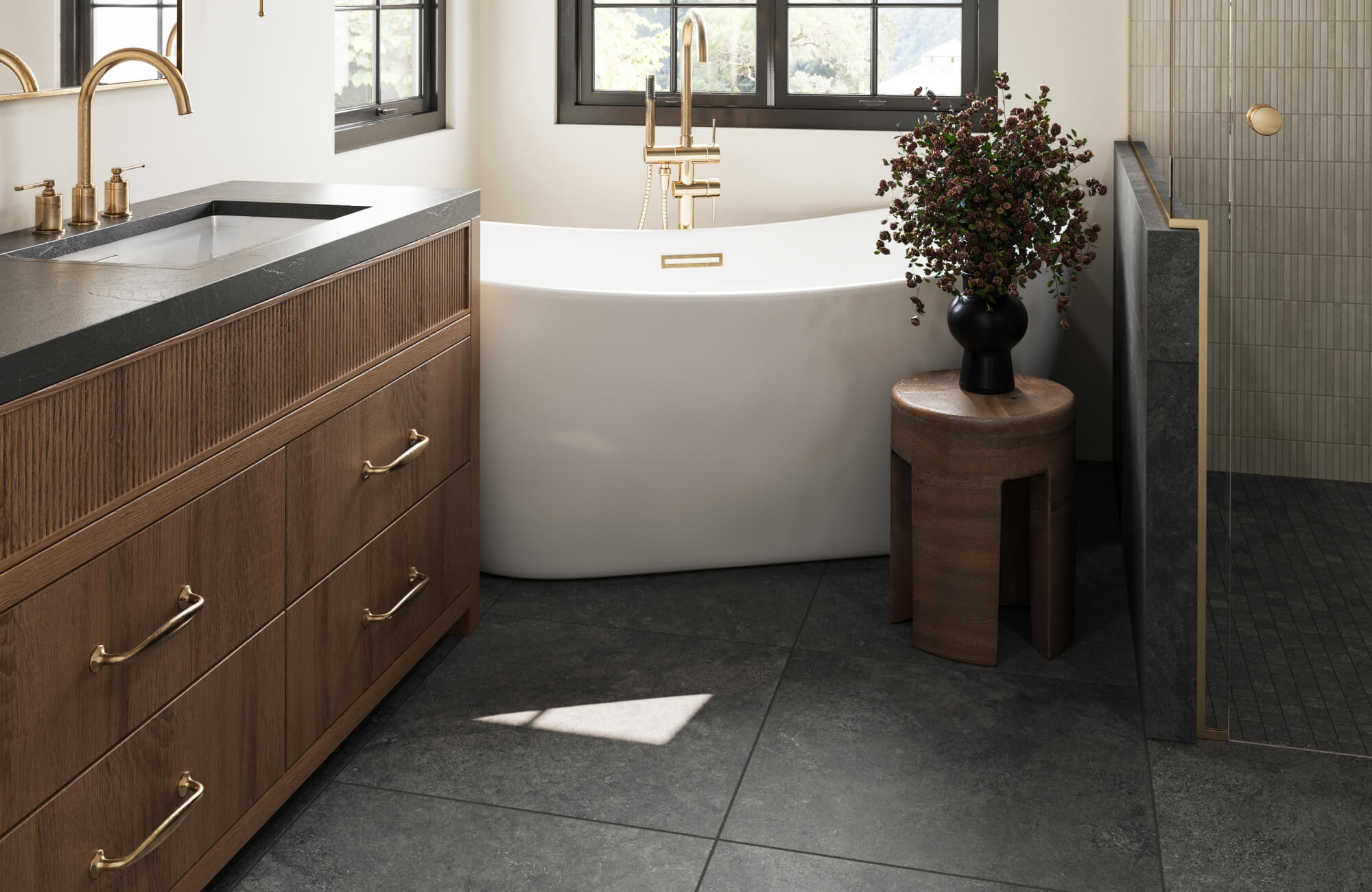
A great example of this reliability is our Adeline 24x24 Matte Porcelain Tile in Midnight above. Its sandy black tones and fine-grained surface bring the depth and character of natural stone, while the matte finish adds subtle grip that feels reassuring in wet shower environments. The large-format design reduces grout lines, which not only looks cleaner but also simplifies upkeep over time. Together, these qualities make it a strong choice for bathrooms that need to balance visual warmth with everyday practicality.
Deciding What Works Best for Your Bathroom and Shower
Slate tile can be a safe and practical choice for bathrooms and showers when its natural qualities are understood and used with intention. Its layered texture, organic variation, and grounded appearance bring a sense of depth that many homeowners find appealing in wet spaces. However, slate also asks for thoughtful placement, proper sealing, and realistic maintenance expectations to perform well over time. When those factors align, slate can age beautifully and feel purposeful rather than demanding.
For homeowners who want a similar look with fewer upkeep concerns, stone-look porcelain tiles are often worth serious consideration. They capture much of slate’s texture and visual movement while offering greater consistency, easier maintenance, and reliable performance in showers. If you’re deciding between slate and a porcelain alternative, our design consultation can help clarify what truly fits your bathroom and daily routine. We look at how your space functions, where moisture and wear occur, and how each material will feel long-term, so your final choice feels confident, balanced, and easy to live with.
Follow us on Instagram
@EDWARD.MARTIN
)
)
)
)
)
)
)
)
)
)
)
)
)
)
)
)