Lighting is the art and science that transforms a simple room into a curated experience, shaping both atmosphere and function with effortless precision. The right balance of brightness, color temperature, and carefully chosen fixtures enhances architecture, complements interior design, and supports the natural rhythm of daily life. From the warm elegance of layered ambient lighting to the precision of task-focused illumination, every detail contributes to comfort and visual harmony. With advancements in LED technology, smart controls, and human-centric lighting design, today’s solutions offer both sustainability and sophistication. This article explores the essentials of choosing the right lighting, blending technical expertise with timeless design principles to create spaces that are as functional as they are beautiful.

Core Principles of Light Quality and Performance
The measurable characteristics of light determine how a space feels and functions, influencing everything from energy efficiency to visual comfort. By mastering these fundamentals, it becomes easier to select lighting that enhances clarity, maintains accuracy, and provides long-term value.
Color Temperature (Kelvin Scale)
Color temperature, measured in Kelvin, defines the visual warmth or coolness of a space, and this directly impacts mood and functionality. Warmer tones between 2700K and 3000K create welcoming and intimate environments, making them a preferred choice for bedrooms and living areas. As the spectrum shifts to neutral white around 3500K to 4100K, spaces achieve a balance between comfort and clarity, making this range ideal for kitchens and offices. By contrast, cooler tones above 5000K replicate natural daylight, enhancing alertness and accuracy for task-oriented activities such as cooking or working. To accommodate different needs, choosing tunable LED fixtures that allow seamless adjustment across this range ensures flexibility throughout the day. Ultimately, color temperature becomes not just a technical specification but a powerful tool for shaping both atmosphere and performance.
Brightness and Lumens vs. Watts
While watts measure energy consumption, lumens provide the true measure of brightness, making them a more reliable standard for lighting design. Thanks to modern LED technology, high lumen-per-watt efficiency—often exceeding 100 lm/W—delivers strong illumination with minimal energy use. For example, a 10-watt LED can easily match the brightness of a 60-watt incandescent bulb, offering substantial savings without compromising clarity. Focusing on lumens also helps ensure consistent brightness levels across different lamp types, regardless of their energy draw. In practice, spaces that demand precision, such as kitchens and home offices, benefit from higher lumen output, while areas like living rooms and bedrooms are best served with softer illumination. By prioritizing lumens over watts, lighting plans can be designed to balance energy efficiency with visual performance.
Color Rendering Index (CRI)
The Color Rendering Index (CRI) measures how accurately a light source reproduces colors compared to natural daylight, making it an essential factor in design. In general, a CRI of 80 or higher is acceptable for most residential spaces, while areas where color accuracy is critical—such as dressing rooms, art studios, or retail—require ratings above 90. When CRI is too low, lighting can distort colors, leaving fabrics, artwork, and even food looking dull or inaccurate. Fortunately, modern LED technology now delivers high CRI performance while maintaining excellent efficiency, making it the preferred choice for demanding environments. Prioritizing a higher CRI not only preserves the vibrancy of interiors but also supports confidence in tasks where accurate color perception matters. When considered alongside brightness and color temperature, CRI helps ensure that lighting design achieves a seamless balance of science and aesthetics.

Layered Lighting for Depth and Dimension
A single light source often leaves a space flat and uninspiring, but combining multiple layers creates balance and versatility. By blending ambient, task, and accent lighting, each room gains dimension, adaptability, and visual richness.
Ambient Lighting
Ambient lighting establishes the foundational glow of a room, setting a comfortable baseline of visibility. For instance, ceiling-mounted fixtures, recessed downlights, and pendants spread light evenly, ensuring spaces feel open and balanced. This uniform brightness helps reduce eye strain and integrates seamlessly with natural daylight. The flexibility of dimmable fixtures allows the same space to transition from lively gatherings to restful evenings. With the right design, ambient light not only provides functional clarity but also supports the layers of task and accent lighting. Ultimately, it serves as the stage upon which other forms of lighting can add depth and drama.
Task Lighting
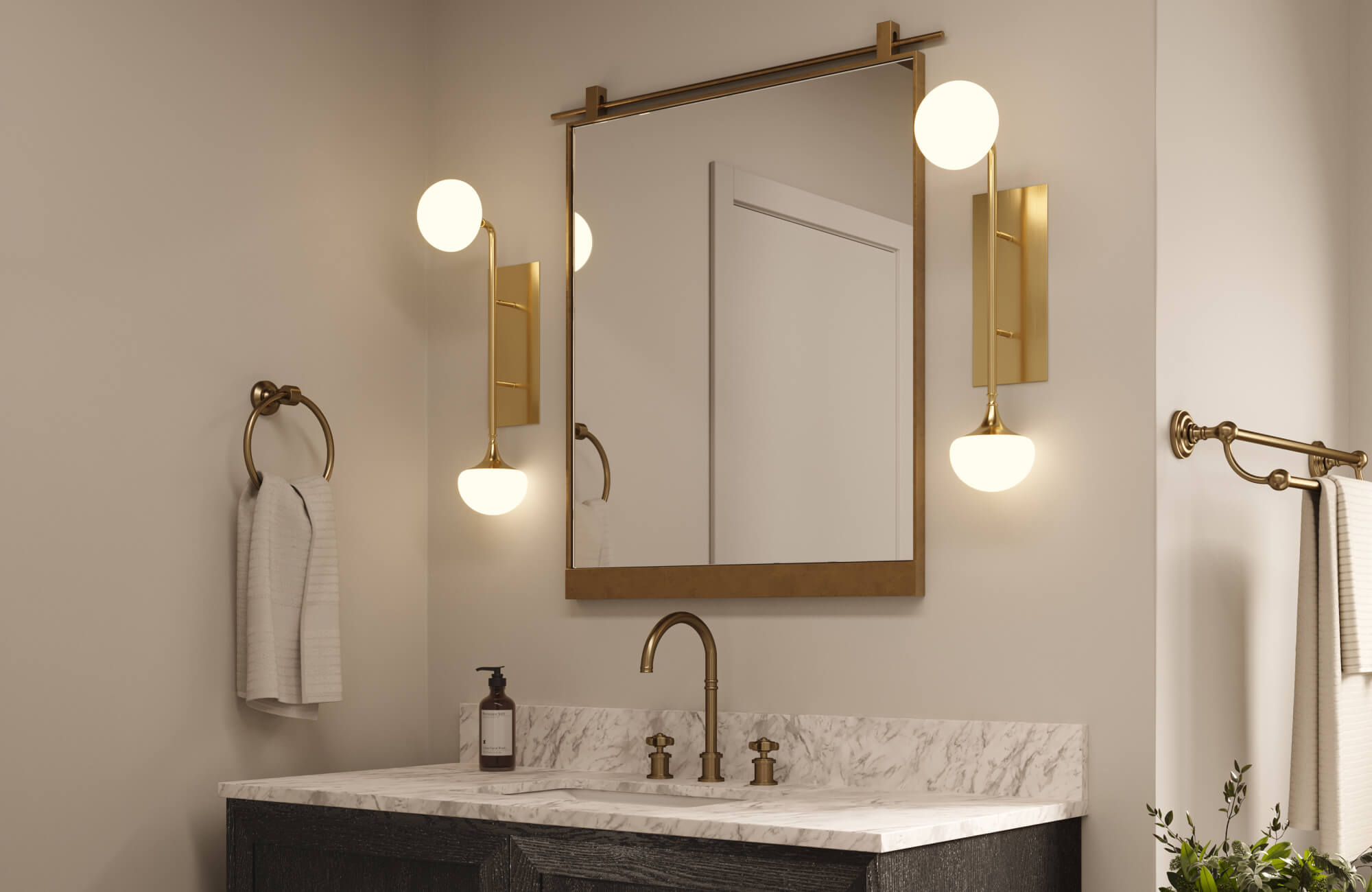
Task lighting is about precision, focusing illumination exactly where it is needed for work, reading, or preparation. Under-cabinet LEDs in kitchens, in particular, eliminate shadows, ensuring safety during food preparation. Adjustable desk lamps with directional heads also provide concentrated light for office work, reducing glare and visual fatigue. In bathrooms, vertical sconces like Edward Martin’s Enola Wall Sconce in Aged Brass, as displayed in the picture above, create balanced illumination when placed beside mirrors without harsh shadows. Properly positioned task lighting allows activities to be completed comfortably while preserving a sense of atmosphere. When layered effectively, it bridges the gap between ambient brightness and focused functionality.
Accent Lighting
Accent lighting brings depth by highlighting textures, art, and architectural details that might otherwise go unnoticed. For instance, track lights and picture lights can draw attention to specific features, while wall washers bathe large surfaces in subtle, even light. Uplighting, when placed at the base of walls or furniture, also adds striking vertical emphasis and drama. These techniques prevent spaces from appearing static, instead creating visual movement and interest. Additionally, adjustable fixtures make it easy to change focal points depending on the occasion or layout. As a result, accent lighting elevates interiors from purely functional to truly dynamic.

Room-by-Room Lighting Strategies for Maximum Impact
Each room carries its own character and function, requiring lighting strategies tailored to enhance both performance and ambiance. By carefully layering illumination and considering placement, lighting becomes an integral part of how spaces are experienced.
Kitchen Lighting Design
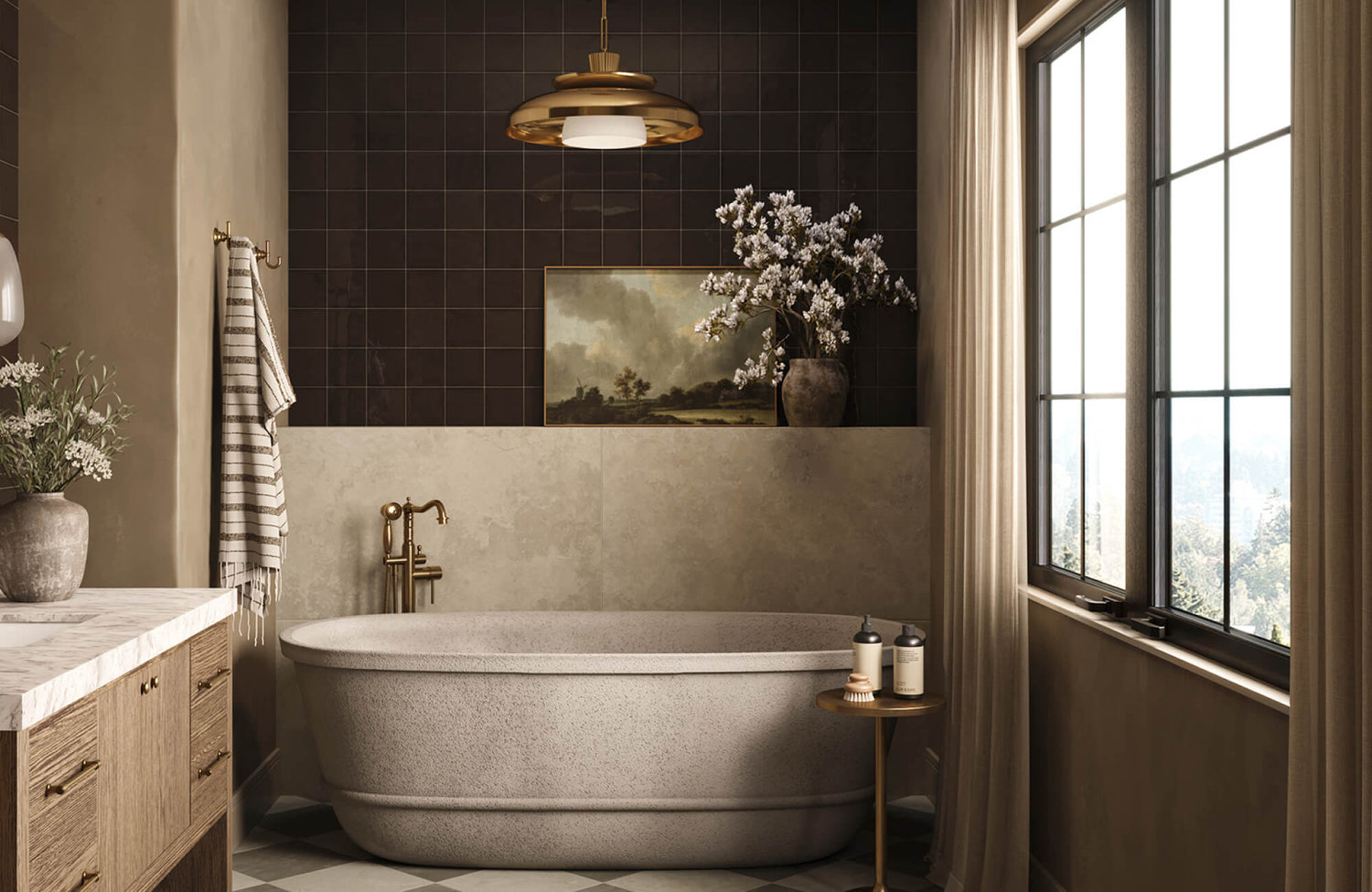
Kitchens demand a balance of brightness and precision, which makes layered lighting essential for both safety and aesthetics. For instance, recessed downlights provide even ambient coverage, while pendants over islands add both visual interest and functional clarity. In addition, under-cabinet LED strips help eliminate shadows on countertops, ensuring accurate food preparation. High CRI values above 85 are also recommended, since they allow ingredients to appear natural and vibrant. To further enhance versatility, incorporating dimmers makes it easy to shift from task-oriented brightness to a softer evening ambiance. As shown in the photo above, the Barnes 14" Pendant in Aged Antique Distressed Bronze is a perfect example, bringing timeless character and warm illumination to kitchen islands, much like the pendants shown in this space, where statement lighting enhances both function and style.
Bathroom Lighting Design
Bathrooms require careful attention to placement and color temperature to achieve both practicality and comfort. Vertical sconces placed at eye level on either side of mirrors help reduce shadows, creating ideal conditions for grooming. At the same time, ceiling-mounted fixtures or recessed lights also provide ambient brightness for general use. To maintain a natural look, a color temperature of 3000K–3500K offers flattering reflection without appearing harsh. For added flexibility, dimmable options make it easy for bathrooms to shift from energizing morning routines to relaxing evening retreats. Taken together, these strategies create a thoughtful balance of clarity and relaxation, turning bathrooms into spaces that are both functional and restorative.
Living Room Lighting Design
Living rooms serve multiple purposes, from social gatherings to quiet relaxation, and lighting should reflect this versatility. Ceiling fixtures establish the base layer of illumination, while wall sconces bring added warmth and depth along vertical planes. To support specific tasks, floor lamps and table lamps also provide focused light for reading or other activities. At the same time, accent lighting aimed at artwork or architectural details creates focal points that elevate the overall atmosphere. With dimmable controls, the room can easily shift from bright settings for entertaining to a softer glow for evening unwinding. When layered thoughtfully, these elements work together to transform living rooms into adaptable spaces with a welcoming and dynamic appeal.
Bedroom Lighting Design
Bedrooms benefit from warm, low-intensity lighting that fosters relaxation while still meeting practical needs. Bedside lamps with directional shades offer focused illumination for reading without disturbing the rest of the room. To enhance the sense of calm, integrated LED strips in headboards or coves provide a soft, indirect glow. Overhead fixtures with dimming capability add another layer of flexibility, adjusting easily to different moods and activities. Warm white tones around 2700K work especially well, as they align with natural circadian rhythms to encourage restfulness. When layered thoughtfully, these elements come together to transform the bedroom into a sanctuary of comfort and rejuvenation.
Outdoor Lighting Design
Outdoor spaces call for fixtures that combine durability with functionality, ensuring safety while enhancing curb appeal. Pathway lights not only guide movement but also define architectural features within the landscape. Uplighting adds another layer by drawing attention to trees, facades, or stonework, creating dramatic focal points that enrich the overall setting. To ensure longevity, weatherproof LEDs with IP65 or higher ratings deliver reliable performance against the elements. Motion-activated fixtures further strengthen security while conserving energy in areas with less frequent use. Together, these strategies create outdoor environments that are both safe and inviting, with a strong visual impact.

Energy Efficiency and Intelligent Control Systems
Energy-efficient lighting not only lowers utility costs but also aligns with sustainability goals while embracing modern convenience. Advances in LED technology and smart controls now allow lighting systems to operate with both precision and adaptability.
LED Technology
LEDs have transformed the lighting industry by consuming up to 80% less energy than incandescent bulbs while offering lifespans of 25,000 to 50,000 hours. Their efficiency means fewer replacements, lower heat output, and improved safety across residential and commercial applications. Compact form factors also allow LEDs to integrate into cove lighting, recessed fixtures, and architectural accents with ease.
Many high-performance models achieve over 120 lumens per watt, maximizing both brightness and efficiency. Additionally, LEDs now offer diverse color temperatures and CRI levels, ensuring flexibility for different design needs. A striking example, as featured in the photo above, is our Esme 26" Wall Sconce in Aged Brass, featuring a one-of-a-kind alabaster shade with an integrated LED light, blending timeless elegance with cutting-edge efficiency to elevate modern interiors.
Smart Lighting Controls
Smart lighting systems allow seamless adjustments of brightness, scheduling, and even color temperature through mobile apps or voice commands. This convenience ensures that illumination is delivered only when necessary, avoiding wasted energy. Features such as dimming extend lamp lifespan while reducing consumption, making efficiency effortless. Integration with home automation also enables lighting scenes that adapt to activities, from work to relaxation. Personalized controls further allow transitions between bright task-oriented settings and softer evening atmospheres with ease. These innovations merge energy management with lifestyle customization, redefining how spaces are illuminated.
Daylight Harvesting and Sensors
Daylight harvesting systems use sensors to measure natural light levels and automatically reduce artificial output. This maintains consistent illumination while conserving energy during daytime hours. Occupancy sensors also add another layer of efficiency by switching lights off in unused spaces. Motion-activated fixtures are especially beneficial for outdoor pathways and commercial environments where constant visibility is not always needed. By combining daylight integration with automated controls, lighting systems become more responsive and sustainable. These solutions ensure that efficiency is achieved without compromising comfort or safety.

Human-Centric Lighting and Circadian Rhythm Support
Lighting has a direct influence on biological processes, and when designed thoughtfully, it can enhance health, mood, and productivity. Human-Centric Lighting aligns artificial illumination with natural circadian rhythms to create environments that support overall well-being.
Morning and Daytime Light
As mentioned, cool white tones between 5000K and 6500K naturally signal the body to awaken, stimulating serotonin and boosting both focus and energy. These invigorating qualities make morning light especially valuable in kitchens, offices, and classrooms where concentration and clarity are essential. With tunable LED systems, brightness and color temperature can also shift gradually, ensuring the transition from dawn to full activity feels seamless. By replicating the freshness of daylight, morning lighting fosters an energized environment that supports alertness and productivity from the very start of the day.
Afternoon Balance
As energy levels stabilize, neutral white tones around 3500K to 4100K provide consistent brightness that sustains focus without creating overstimulation. This balanced spectrum is best achieved by layering overhead fixtures with supportive task lighting, which together prevent visual fatigue during extended work or study sessions. Tunable systems can also adjust output in small increments, mirroring the natural softening of daylight as the afternoon progresses. This gradual shift helps maintain steady productivity while creating a sense of ease in the environment. By blending clarity with comfort, afternoon lighting supports both performance and long-term eye health.
Evening Warmth
When the day winds down, warm tones between 2700K and 3000K signal the body to prepare for rest by encouraging melatonin release. Soft, dimmable lighting in bedrooms creates a calming atmosphere that eases the mind into sleep, while living spaces take on a more intimate character under layered warm light. Tunable fixtures also allow the transition from cooler daytime settings to evening warmth to feel natural and unforced, aligning the space with the body’s need for recovery. This shift fosters deeper relaxation, improves sleep quality, and transforms the home into a sanctuary of rest and restoration.

Fixture Selection, Material Choices, and Application by Space
The right fixture choice merges technical performance with stylistic cohesion, ensuring each room achieves its intended purpose. By considering materials, beam control, and placement, lighting becomes both durable and design-conscious.
Fixture Materials and Finishes
Durable materials such as stainless steel, aged brass, and powder-coated aluminum are valued for their ability to withstand wear while resisting corrosion in humid or outdoor environments. To balance function with atmosphere, glass diffusers distribute light evenly across a room, while fabric shades soften illumination to create a more intimate feel. Decorative finishes, ranging from polished brass to matte black, further allow fixtures to harmonize with a variety of design styles and interiors.
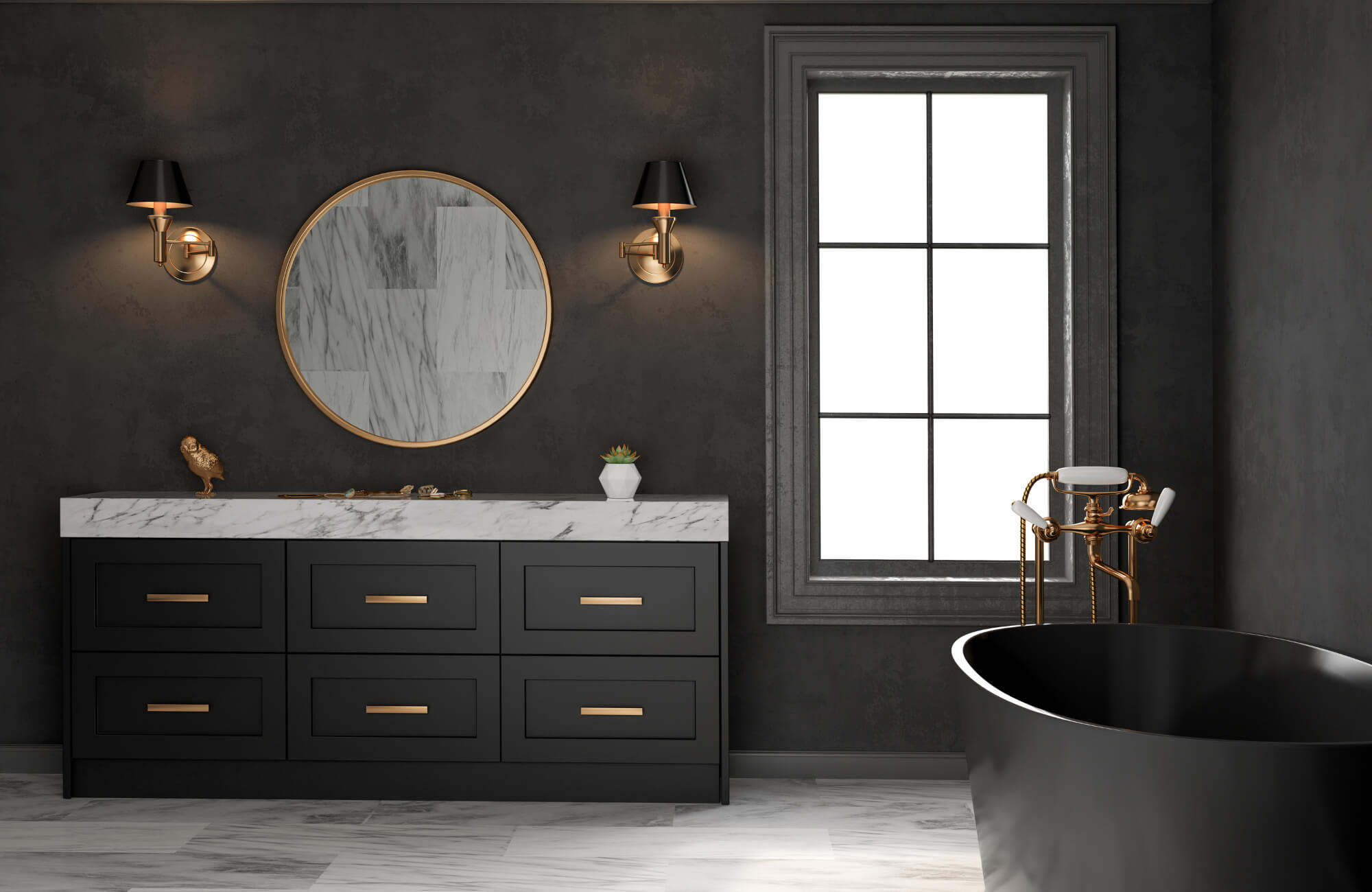
Beyond visual appeal, high-quality materials also contribute to longevity, ensuring fixtures remain both reliable and beautiful over time. When finish and function are thoughtfully aligned, lighting becomes a seamless extension of the overall design concept. Among these choices, aged brass stands out for its timeless patina, which not only resists tarnish but also develops character as it matures. This enduring beauty is exemplified by our Kaley 16" Pendant in Aged Brass and Wilma Wall Sconce in Aged Brass, both of which showcase metallic warmth that brings depth, durability, and elegance to bathroom spaces.
Beam Angles and Light Distribution
The angle of a beam determines how light spreads, directly shaping both the perception and usability of a space. Narrow beams between 15° and 30° are ideal for creating dramatic highlights on artwork or architectural details, drawing the eye to specific focal points. In contrast, wider beams over 60° provide generous coverage, making them better suited for open areas that require uniform illumination. For spaces that demand flexibility, adjustable gimbal fixtures offer precise control, allowing lighting to adapt as layouts or functions evolve. Achieving even distribution across the room also helps reduce harsh contrasts, ensuring a comfortable visual experience. When chosen thoughtfully, beam angles move beyond utility, turning lighting into a refined design tool that enhances both aesthetics and atmosphere.
Room-Specific Applications
Each room requires a lighting strategy tailored to its unique balance of function and ambiance. Kitchens, for example, benefit from layered designs with recessed downlights, pendants, and under-cabinet LEDs that deliver accurate task lighting with high CRI values. Bathrooms achieve clarity and comfort through vertical sconces placed beside mirrors, complemented by ceiling fixtures that add ambient brightness. In living rooms, flexibility is key—dimmable ceiling lights, wall sconces, and task lamps create adaptable layers that suit both gatherings and quiet evenings.
Bedrooms are best supported by warm, low-intensity lighting paired with bedside lamps, which foster relaxation while still providing light for nighttime reading. On the other hand, outdoor spaces demand durability as well as beauty, with IP65-rated weatherproof fixtures combining the safety of path lights with the drama of decorative uplighting. By tailoring solutions to the needs of each environment, lighting design ensures performance, comfort, and a cohesive visual flow throughout the home.
Creating Lasting Impressions with the Right Lighting
The true power of lighting lies in its ability to blend function with beauty, shaping spaces that feel both purposeful and inspiring. When color accuracy, layered illumination, and energy-efficient technology come together, interiors achieve a balance that enhances daily living. Human-centric lighting elevates this further, aligning comfort and wellness with sophisticated design. By choosing the right lighting with intention and expertise, every space becomes a lasting expression of style, performance, and harmony.
For those seeking tailored guidance, Edward Martin’s professional design services offer curated solutions that merge technical precision with timeless elegance. Contact us today to transform your vision into a beautifully illuminated reality!