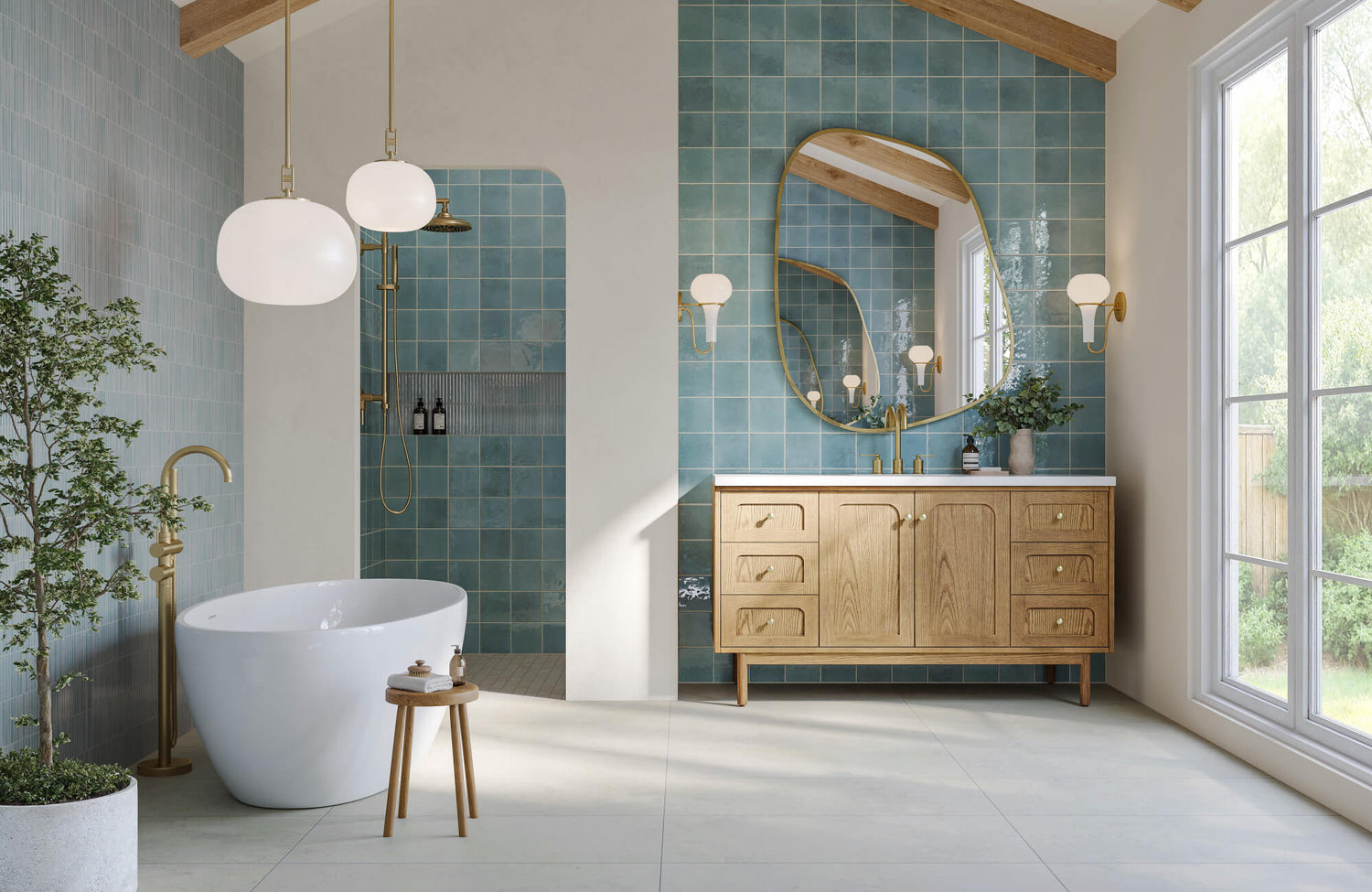
When designing or renovating a bathroom, the decision between small and large floor tiles might seem purely visual at first, but it has a profound impact on nearly every aspect of the space. From how large the room feels to how safe it is under wet conditions, tile size directly shapes your experience in both subtle and practical ways.
This article explores much more than surface aesthetics. It also dives into how tile size affects installation complexity, long-term maintenance, and the overall design language of different bathroom styles. Whether you're aiming for a sleek modern look or a cozy vintage feel, understanding the pros and cons of each tile format will help you choose a floor that suits your needs, your lifestyle, and your vision for the space.

Visual Perception and Space Dynamics
One of the most impactful ways tile size influences your bathroom is through its effect on spatial perception. Depending on how you want the space to feel—open and expansive or cozy and contained—the right tile size can help achieve that illusion.
How Large Tiles Create a Seamless Visual Flow
Large format tiles reduce the number of grout lines across the bathroom floor, creating a more uninterrupted, monolithic surface. This visual continuity allows your eyes to move effortlessly across the space without constant stops, which subtly tricks the brain into perceiving the room as larger than it really is. For bathrooms with limited square footage, large tiles can also help blur boundaries and reduce the sense of confinement.
In addition to visual flow, large bathroom tiles naturally lend themselves to minimalist design aesthetics. Their broad surface area emphasizes simplicity and openness, which are key principles in creating a clean and calming environment. For instance, incorporating a tile like the Brody 24x24 Matte Porcelain Tile in Sand can instantly elevate the room. Its warm, sandy beige color and expansive format reinforce a serene atmosphere while enhancing visual continuity across the floor.
Why Small Tiles Can Make a Bathroom Feel Intimate
On the other end of the spectrum, small bathroom tiles add visual texture and complexity that large tiles simply can’t replicate. The network of grout lines creates subtle divisions that make the floor feel more grounded and detailed. This granularity also draws your attention inward, inviting a closer, more personal connection with the space.
When used thoughtfully, small tiles can turn a plain bathroom into a warm, welcoming retreat. Their intricate patterns and tactile surfaces encourage a sense of charm and craftsmanship, especially if you’re leaning toward vintage or eclectic design themes. In rooms where comfort and personality matter more than visual scale, small tiles deliver the intimacy you’re after.
A great example is the Catalina 2x16 Matte Porcelain Tile in Mushroom, a soft taupe shade that brings warmth and subtle elegance to intimate bathroom spaces. As seen in the photo above, its elongated shape adds visual interest without overwhelming the room, making it ideal for compact layouts where texture matters. The matte finish also enhances the cozy, handcrafted feel, perfectly complementing vintage accents or layered, eclectic designs.
Using Tile Orientation to Modify Perceived Dimensions
No matter what bathroom tile size you choose, how you lay them has a major impact on how the room feels. For example, laying tiles diagonally pulls the eye toward the corners of the room, making it appear wider or longer. This technique works especially well in tight, boxy spaces where you want to add visual movement.
In addition to diagonal placement, other layout strategies can dramatically alter the room’s proportions and texture. Rectangular tiles, for instance, set perpendicular to the longest wall can also visually stretch a narrow room, while intricate layouts like herringbone or basketweave introduce rhythm and structure that contribute to a heightened sense of scale. These patterns become even more effective when paired with the right size tile; small ones emphasize detail, while larger ones emphasize flow. By combining size and layout intentionally, you also gain more control over how your bathroom is visually experienced.

Slip Resistance and Safety Considerations
Safety should never be an afterthought in bathroom flooring, especially in wet zones like showers. Tile size directly affects traction, and thoughtful selection can significantly reduce the risk of slips and falls.
The Role of Grout Lines in Small Tile Grip
Smaller bathroom tiles inherently come with more grout lines packed into a given area, and these grout lines are more than just visual separators; they serve as vital friction points. When you walk across a bathroom floor with small tiles, the texture and separation of the grout joints create additional resistance underfoot. This can be particularly reassuring in areas that are frequently wet, such as showers, around bathtubs, or near sinks, where slipping is a real concern.
For spaces that include children, elderly individuals, or anyone with mobility challenges, the traction provided by small bathroom tiles offers an added layer of everyday safety. The micro-variation across the surface helps break up water and gives your feet something to grip. It also minimizes the potential for hydroplaning on smooth surfaces, giving you peace of mind whether you're hopping out of the shower or assisting someone with limited balance.
Large Tiles with Textured Finishes for Safety
Although large bathroom tiles don’t provide the natural grip of abundant grout lines, they aren’t off-limits when safety is a priority. Because of their advances in tile manufacturing, many large format options are now available with slip-resistant finishes that significantly improve traction. Textured glazes or matte surfaces with high Dynamic Coefficient of Friction (DCOF) ratings also allow large tiles to perform reliably in wet settings, especially when chosen specifically for bathroom use.
Shower Zone Versus Dry Zone Safety Strategy
One of the most effective approaches to bathroom tile safety is to combine the strengths of both tile sizes. Use small, high-traction tiles in the shower zone where constant moisture increases the risk of slipping, and switch to large, visually expansive tiles in drier areas near the vanity or entrance. This strategy also allows you to focus safety efforts where they're most needed while still enjoying the sleek appearance that large bathroom tiles can offer.
A cohesive example of this approach can be seen in the pairing of the Wren 2x2 Matte Porcelain Mosaic Tile in Dune and the Wren 24x48 Matte Porcelain Tile in Dune. As shown in the picture above, the 2x2 mosaic format, used in the shower zone, provides enhanced slip resistance thanks to its dense grout lines, making it ideal for wet areas. Meanwhile, the 24x48 large format version continues the same soft, sandy-beige tone across the main floor, visually expanding the room with its clean, uninterrupted surface. Together, these two formats offer a seamless blend of safety and style, unifying the space through consistent color and finish while adapting to the functional demands of each zone. It's a thoughtful solution that balances elegance with everyday practicality.

Installation Complexity and Cost Impact
Behind every tiled bathroom floor lies a complex balance of time, labor, materials, and skill. Tile size plays a central role in determining how challenging and costly the installation process will be. Although DIY tiling may be tempting, professional installation is strongly recommended since improper leveling, spacing, or adhesive application can lead to long-term issues like cracking, uneven surfaces, or water damage. Investing in a skilled installer also ensures that both small and large tiles are properly handled for a durable, polished result.
Labor Intensity of Small Bathroom Tile Layouts
When working with small tiles, every inch of progress is more meticulous. The installer must pay close attention to alignment, spacing, and pattern accuracy, all of which demand more time and expertise. Even when small bathroom tiles come pre-mounted on mesh sheets, achieving a perfectly flat, seamless finish isn’t guaranteed. The more detailed the layout, the more potential there is for uneven edges or visual inconsistency if not handled with care.
This meticulous process naturally increases labor costs. More time spent laying tiles, checking alignment, and applying grout equates to a longer project duration and higher charges. You’ll also be using more grout overall, which adds to material costs and requires additional sealing and cleanup. If you're on a tight budget or timeline, it's important to factor in these variables before choosing small bathroom tiles, especially for large floor areas.
Challenges of Large Tile Leveling on Uneven Floors
Larger bathroom tiles bring their own set of challenges, particularly when it comes to floor leveling. Because they cover more surface area, any imperfection in the subfloor, such as slight dips or bumps, becomes much more noticeable. These irregularities can lead to "lippage," where adjacent tiles are misaligned in height, which not only looks unprofessional but can also create tripping hazards and long-term durability issues.
To properly install large format bathroom tiles, your subfloor must be exceptionally smooth and level. Achieving that often involves using self-leveling compounds, patching materials, or underlayment boards to create the ideal base. This adds steps to the process, along with added expense. You’ll also need an installer who is experienced with large tiles specifically, as the technique differs significantly from smaller-tile setups and requires extra precision to prevent cracking or stress fractures over time.
Waste and Breakage During Cutting
Although large bathroom tiles might look seamless when installed, getting them to fit around drains, pipes, and tight corners is no easy feat. The bigger the tile, the harder it is to make precise cuts without chipping or breaking the material. You may also find yourself discarding larger portions of cut-off tile, especially in bathrooms with irregular layouts, which can increase material waste and raise the overall tile quantity needed.
Small bathroom tiles, on the other hand, are more adaptable in these situations. They conform more easily to irregular shapes and transitions, making them better suited for tight corners, curves, or areas around plumbing fixtures. Less material is wasted, and adjustments are generally quicker. If your bathroom features multiple angles, built-ins, or obstructions, small tiles can save time and reduce costly mistakes during installation.

Cleaning Requirements and Long-Term Maintenance
Ease of cleaning is a long-term concern that’s often overlooked during bathroom tile selection. Tile size, grout line frequency, and surface finish all play critical roles in how much maintenance your bathroom will require over time. It’s also important to follow manufacturer recommendations for cleaning methods, sealants, and approved products, as using the wrong materials or techniques can damage your tile or void warranties. Always refer to product guidelines to ensure your bathroom floor remains both beautiful and protected for years to come.
Grout Volume and Stain Potential in Small Bathroom Tiles
When it comes to small tiles, one of the biggest maintenance challenges lies in the grout. With more grout lines per square foot, there’s simply more surface area where dirt, soap residue, and mildew can accumulate. Over time, this makes the floor look dull and requires more frequent scrubbing to maintain a clean appearance. In humid bathroom environments, grout can also become a breeding ground for bacteria and mold if not properly sealed or maintained.
To reduce the burden, you can opt for advanced grout options like epoxy or stain-resistant formulations, which are less porous and more durable than traditional cement-based grout. These alternatives resist moisture and staining much more effectively but come at a higher initial cost. If you stick with cement grout, regular sealing is non-negotiable. Keeping grout clean and protected isn’t just about aesthetics. It’s also about hygiene and long-term tile integrity.
Large Tiles and Ease of Mopping
Large bathroom tiles offer a significant advantage in cleaning efficiency, thanks to their wide surface areas and minimal grout lines. Fewer joints mean fewer places for grime to settle, allowing you to mop the floor quickly without having to constantly maneuver around crevices. This streamlined surface is especially useful in busy spaces where speed and simplicity matter.
In addition to being easier to clean, large bathroom tiles reduce the overall need for deep grout maintenance. With less grout exposure, there’s less opportunity for discoloration or mildew to develop. This also makes them a great choice for main bathrooms where consistent moisture and daily use are unavoidable. If your cleaning style favors quick, low-effort routines, large format tiles will support that approach effortlessly.
Tile Finish and Its Role in Maintenance
Beyond size and grout, the finish of your bathroom tile has a major influence on how easy it is to keep clean. Glossy tiles, while sleek and reflective, tend to highlight every water spot, footprint, and speck of dust. They also require more frequent wiping to retain their shine, especially in well-lit bathrooms where surface blemishes are easily visible.
Matte or textured finishes, on the other hand, are far more forgiving. They mask minor dirt and smudges while providing an understated, modern aesthetic. These surfaces still clean up easily but don’t demand constant polishing. If you're looking for a tile that delivers long-term practicality, consider pairing large, matte-finished tiles with darker, stain-resistant grout. This combination not only simplifies cleaning but also maintains a polished look with far less upkeep.

Design Styles and Aesthetic Compatibility
The tile size you choose significantly impacts the style, mood, and visual balance of your bathroom. Different aesthetics call for different scales, and your tile choice should support the overall design narrative of the space.
Contemporary Styles Favoring Large Tiles
Contemporary bathrooms emphasize minimalism, geometry, and unbroken visual lines, and large format tiles are a natural extension of that aesthetic. With fewer grout lines, these tiles create an expansive, streamlined floor that enhances the clean lines of modern fixtures. The result is a space that feels open, airy, and visually decluttered, especially when paired with monochromatic color schemes or seamless glass enclosures.
One excellent example is the Leona 24x24 Matte Porcelain Tile in Marfil, which reinforces a sense of calm and continuity. Its soft cream-beige tone offers a warm yet refined base that reflects light gently, while the matte finish keeps the look grounded and sophisticated. With a balanced, neutral palette and generous scale, it’s an ideal choice for contemporary spaces that prioritize simplicity, openness, and architectural elegance.
Large tiles also support the architectural features often found in modern bathrooms, such as floating vanities or walk-in showers without thresholds. Their size subtly shifts focus away from the floor and onto the overall form of the room, allowing light and shadow to play a larger role. If your design sensibility leans toward bold simplicity and open layouts, large tiles will help you achieve that cohesive modern look.
Traditional and Vintage Styles Pairing With Small Tiles
Traditional and vintage-style bathrooms are all about character, ornamentation, and detail, qualities that small tiles embody beautifully. Patterns like penny rounds, hexagons, or basketweave layouts evoke a sense of timeless craftsmanship. These smaller formats also add visual interest through repetition and scale, echoing the historic charm of early 20th-century design.
In the photo shown above, the hexagonal floor tile plays a key role in establishing that warm, nostalgic tone. Edward Martin’s Catalina 7x8 Hexagon Matte Porcelain Tile in Mushroom, with its soft taupe hue and velvety matte finish, complements the traditional soaking tub and brass accents beautifully. Its classic shape also feels rooted in vintage style, while the neutral palette makes it incredibly versatile, perfect for adding depth and charm without overwhelming the space.
When surrounded by classic elements like clawfoot tubs, pedestal sinks, or intricate moldings, small bathroom tiles provide an ideal canvas that reinforces the vintage feel. Their ability to form decorative borders or central medallions adds yet another layer of visual depth. If you want your bathroom to feel rooted in tradition or inspired by old-world elegance, small tiles also offer the scale and detailing necessary to bring that vision to life.
Mixing Tile Sizes for Transitional Styles
If you’re drawn to both modern clarity and vintage charm, a transitional style offers the best of both worlds. In this design approach, mixing large and small bathroom tiles allows you to create a nuanced, customized space that doesn’t feel locked into one aesthetic. Large tiles may dominate the open floor area, establishing a clean base, while small tiles can highlight functional zones or serve as accent elements.
For example, you might use small hex tiles on the shower floor for texture and grip, while continuing large format tiles across the rest of the bathroom to maintain flow. Or perhaps a mosaic backsplash contrasts against oversized floor tiles to create a visual focal point. By combining sizes strategically, you give the bathroom both personality and polish, creating a timeless design that adapts to evolving tastes.
If you’re unsure how these combinations will look together, our augmented reality (AR) tool allows you to preview tile choices directly in your own space, helping you confidently experiment with layout, size, and style before making your final selection. This way, you can fine-tune every visual element and ensure your design feels intentional and fully personalized.

Making The Right Choice Based On Bathroom Type
The ideal tile size for your bathroom often depends on the room’s purpose, size, and user needs. Each type of bathroom presents its own set of functional priorities and design opportunities, making it essential to choose a tile size that aligns with both.
Master Bathroom
Master bathrooms often provide the space and lighting needed to take full advantage of large format tiles. These expansive surfaces help reinforce a sense of openness and luxury, especially when paired with sleek, modern fixtures or spa-inspired design elements. The minimal grout lines also allow light to travel cleanly across the floor, contributing to a polished, high-end look that feels cohesive and calming.
However, even in a space designed for indulgence, functionality matters. Wet areas like showers or the space in front of a soaking tub require added traction for safety. Incorporating small bathroom tiles in those specific zones provides grip without disrupting the aesthetic. With careful coordination of finish and color, you can also integrate both tile sizes seamlessly, maintaining the visual flow while prioritizing safety where it matters most.
A great way to achieve this look is by combining the Sloane 24x24 Matte Porcelain Tile in Pearl with its smaller format counterpart, the Sloane 2x2 Matte Porcelain Mosaic Tile in Pearl. As displayed in the photo above, the large tiles provide a smooth, expansive base in a soft pearl-grey tone that reflects light beautifully, while the coordinating 2x2 mosaics add traction and texture in shower floors or wet zones without breaking visual continuity. This pairing also allows you to prioritize luxury and safety at once, all while maintaining a calming, monochromatic palette that feels cohesive and spa-like.
Guest Bathroom or Powder Room
In guest bathrooms or powder rooms, tile becomes more than a surface; it becomes an opportunity for personality. These smaller, often non-busy spaces don’t carry the same demands for practicality, which frees you to get creative with design. Small format tiles offer rich detail and decorative potential, whether you go with bold geometric mosaics, vintage-inspired penny rounds, or a herringbone layout in a statement color.
Because these bathrooms are typically used less frequently, long-term wear and cleaning aren't as much of a concern. This gives you more freedom to choose tiles based on aesthetics rather than maintenance. If you want to transform a compact space into a visual highlight of your space, small tiles also provide the scale and flexibility to experiment with pattern and texture in a meaningful, stylish way.
Kids or Elderly-Accessible Bathrooms
Bathrooms used by children or older adults require thoughtful design centered around safety and usability. Small tiles with matte finishes and high-traction grout lines offer a safer walking surface that reduces the chance of slipping, especially when floors are wet. These tiles also create subtle friction underfoot, making them ideal for users who are more vulnerable to falls.
At the same time, safety doesn’t have to mean sacrificing aesthetics. Neutral tones, soft textures, and even gentle patterns can bring style to a space designed for function. Keeping the visual design clean and easy to navigate also supports accessibility, particularly for individuals with limited vision or mobility. When safety and simplicity are your guiding principles, small, slip-resistant bathroom tiles become a practical and stylish solution.
Choosing Bathroom Tile Size
Ultimately, deciding between small and large bathroom tiles comes down to what you value most in your space. If your priorities include a minimalist aesthetic, easier cleaning, and a spacious look, large format tiles deliver beautifully. On the other hand, small tiles offer greater slip resistance, intricate styling, and flexibility in tight or uneven spaces. For many bathrooms, the smartest solution is actually a thoughtful mix of both—using large tiles to create a sense of openness and continuity, while incorporating small tiles in moisture-prone or busy areas for added safety and texture. By combining sizes strategically, you can achieve a bathroom that’s not only visually compelling but also safer, smarter, and tailored to real-life use.
To ensure that your tile selection truly enhances the space, it can be invaluable to work with professionals who understand how to translate design goals into practical solutions. Our design services provide personalized guidance that takes the guesswork out of the process, whether you're aiming for contemporary elegance or classic charm. By collaborating with our experienced team, you can confidently select tile sizes, materials, and layouts that reflect your vision while aligning with your bathroom's architectural needs.