Pillow shams and decorative pillows are often discussed as if they belong to entirely separate categories, but the distinction is more nuanced. A pillow sham is decorative by nature, since it is designed to dress a bed pillow and contribute to the finished look of a room. Yet in everyday design language, “decorative pillows” usually refers to accent pillows such as throw pillows, lumbar pillows, bolsters, and other pieces selected for shape, color, texture, and visual emphasis.
The real difference is less about whether one is decorative and more about how each element functions within a composition. Shams give the bed structure, height, and polish. Decorative pillows bring in contrast, softness, pattern, and personality. Understanding that distinction helps create a bed that feels considered rather than crowded, and a room where every layer contributes to the larger design.

Merelle 13" x 21" Down Pillow in Navy uses strong color contrast, visible stitching, and an elongated form to highlight how decorative pillows can bring structure and detail to a soft furnishing arrangement.
What Is a Pillow Sham, and How Is It Different from a Pillowcase?
A pillow sham is best understood as a decorative cover for a bed pillow. It may resemble a pillowcase at first glance, but its purpose is different. A pillowcase is usually selected for comfort and daily use, while a sham is selected for presentation. In a well-styled bedroom, shams often act as the visual bridge between the practical pillows used for sleeping and the more expressive decorative pillows placed in front. They create a clean backdrop, introduce scale near the headboard, and help define the bed as the focal point of the room.
The Purpose of a Pillow Sham
The primary purpose of a pillow sham is to make a bed feel more tailored. It covers a standard, king, or Euro pillow and gives that pillow a more finished face. Depending on the design, a sham may feature a flange, border, envelope closure, zipper, contrast stitching, woven texture, embroidery, pattern, piping, or a fabric that coordinates with the bedding.
Unlike loose accent pillows, shams are usually tied to the architecture of the bed. They sit near the headboard, either behind sleeping pillows, in front of them, or layered with Euro pillows to create height. Their visual effect is structural. A pair of standard shams can make a bed feel more orderly, while Euro shams can add a taller, more substantial backdrop that works especially well against a high headboard.
This is why shams are often part of the bed’s foundation rather than its final accent. They can be subtle or decorative, tonal or patterned, but their main contribution is a sense of polish and completion.
Pillow Sham vs. Pillowcase
A pillowcase is primarily functional. It covers the pillow used for sleeping and is usually chosen for softness, breathability, and ease of regular use. Its design is often simple, even when it coordinates with the rest of the bedding.
A sham is more display-oriented. It may cover a pillow that could technically be used, but its main purpose is decorative presentation. It is often removed before sleep, rearranged in the morning, or used as a supportive layer when sitting up in bed. The fabric, detailing, and closure tend to be more considered than those of a basic pillowcase because the sham is meant to be seen.
That same distinction becomes clear when looking at decorative pillow construction. Edward Martin's Merelle 13" x 21" Down Pillow in Navy uses a deep navy face, ivory contrast, visible edge stitching, and an elongated lumbar shape to make the pillow’s surface and silhouette part of the design. A standard pillowcase would rarely need that level of visual detailing because its purpose is comfort and coverage. A sham, by contrast, belongs closer to this display-oriented category: it is designed to contribute to the bed’s finished appearance, not simply protect the pillow inside.
There is some variation in terminology across brands and retailers. Dimensions, closures, insert recommendations, and naming conventions can differ, so it is always worth reviewing individual product specifications before purchasing shams or pillow covers for a particular bed.
Common Types of Pillow Shams
The most common sham types are standard shams, king shams, and Euro shams. Standard shams are sized for standard pillows and are often used on twin, full, and queen beds. King shams are wider and are typically used on king or California king beds. Euro shams are square and often placed behind other pillows to create height and a more layered presentation.
Some shams are designed to match a duvet cover, quilt, or coverlet, creating a coordinated and serene bedscape. Others are intentionally contrasting, offering a way to introduce pattern, texture, or tonal variation without relying entirely on accent pillows. In either case, the sham remains closely tied to bed styling. It is decorative, but it is decorative in a structured, bedding-specific way.

Merelle 22" x 22" Down Pillow in Terracotta and Merelle 13" x 21" Down Pillow in Terracotta create a warm layered arrangement, balancing square and lumbar proportions with woven textures and natural accents.
What Counts as a Decorative Pillow?
A decorative pillow is any pillow chosen primarily for visual effect, but in interior design and retail language, the term usually points to accent pillows rather than shams. Their flexibility is what makes them so useful in a room. A decorative pillow can soften a sofa, add depth to an accent chair, bring color to a bed, finish a bench, or connect a seating area to a nearby rug, mirror, tile finish, or lighting detail. Where shams help organize the bed, decorative pillows help articulate the mood of the space.
Decorative Pillows as an Accent Category
Decorative pillows are accent pieces. They are often chosen for the qualities that make a room feel layered: texture, color, pattern, shape, scale, and material contrast. A velvet pillow can add depth to a linen sofa. A patterned pillow can echo the colors in a rug. A woven lumbar pillow can bring warmth to a crisp bedding arrangement. A sculptural or oversized pillow can make a simple chair feel more inviting.
This category is broad because decorative pillows are not limited to the bed. They can be used across living rooms, bedrooms, entry benches, reading corners, outdoor lounges, and layered seating arrangements. In a premium interior, they are rarely random additions. The best decorative pillows relate to the surrounding materials, whether that means pulling a muted shade from tile, softening the geometry of a vanity area, or connecting upholstery to a nearby rug.
Throw Pillows, Lumbar Pillows, Bolsters, and Accent Pillows
A throw pillow is one of the most familiar types of decorative pillow. It is often square or rectangular and used on sofas, beds, chairs, benches, or outdoor seating. Throw pillows can introduce pattern, color, softness, or contrast, depending on the room’s needs. Edward Martin's Merelle 22" x 22" Down Pillow in Tan is a clear example of how a larger square pillow can serve as a grounding layer, especially when its warm neutral tone and woven texture sit among deeper rust and cream accents. By contrast, the Brielle 18'' x 18'' Down Pillow in Natural / Mustard shows how a smaller square pillow can act as a lighter accent, using its mustard edge detail to sharpen the palette without overwhelming the arrangement.
Lumbar pillows are longer and narrower, which makes them especially useful when a room needs a cleaner front layer. On a bed, a single lumbar pillow can sometimes replace several smaller pillows, creating a composed look with less visual clutter. On a bench or accent chair, a lumbar pillow can emphasize horizontal lines and provide a tailored finishing note.
Bolster pillows are cylindrical and can feel more traditional, formal, or sculptural depending on the fabric and setting. Accent pillows, meanwhile, is a broad term often used interchangeably with decorative pillows. The vocabulary may vary, but the design intent is consistent: these pieces add character, dimension, and visual connection. In a layered window seat, sofa, or bed arrangement, the difference between an 18-inch accent and a larger 22-inch pillow is not just size. It changes which pillow recedes, which one comes forward, and how the full composition balances color, texture, and scale.
Is a Pillow Sham a Decorative Pillow?
A pillow sham is decorative, but it is more accurate to describe it as a decorative cover for a bed pillow rather than as a decorative accent pillow. This distinction matters because shams and decorative pillows usually do different work in a room.
A sham belongs to the bed’s structure. It frames the pillow arrangement, supports the bedding composition, and gives the bed a finished backdrop. A decorative pillow, in the more common styling sense, is the accent layer. It brings in the expressive qualities of the room: a contrasting fabric, a distinctive shape, a seasonal color, or a pattern that connects with other furnishings.
So the answer is not simply yes or no. A sham is decorative in purpose, but it is not usually what people mean when they refer to decorative pillows. The clearest way to understand the difference is this: shams structure the bed, while decorative pillows finish the arrangement.

Corvello Banquette in Brown, Vivara Mirror in Natural/Bone, Medium, and Rue Bath And Vanity Light In Aged Brass create a composed setting where layered pillows soften the structured furniture, patterned wallpaper, and warm lighting.
Pillow Shams vs. Decorative Pillows: The Key Differences That Matter
The most useful comparison is not based on whether one is decorative and the other is functional. Both can be decorative. The stronger distinction comes from purpose, placement, shape, scale, and design flexibility. Shams are usually tied to the bed and its bedding layers. Decorative pillows can move more freely across the room and often carry more expressive visual weight.
Quick Comparison Table
The table below summarizes the practical differences between pillow shams and decorative pillows.
| Feature | Pillow Shams | Decorative Pillows |
| Primary role | Create structure and polish on a bed | Add accent, contrast, texture, or personality |
| Common placement | Near the headboard or behind/front of sleeping pillows | Usually placed in the front layer or on seating |
| Typical shape | Standard, king, or Euro pillow shapes | Square, rectangular, lumbar, round, bolster, or custom forms |
| Main setting | Beds | Beds, sofas, chairs, benches, outdoor seating |
| Styling effect | Tailored, layered, finished | Expressive, flexible, decorative |
| Best for | Building the foundation of a styled bed | Adding color, pattern, shape, and visual interest |
| Category nuance | Decorative bedding element | Broader decor accent category |
The table highlights why the two categories can overlap without becoming interchangeable. A sham may be decorative, but its form and placement are usually connected to the bed’s structure. Decorative pillows have a wider design vocabulary and can be selected more freely based on the character of the room.
Difference by Function and Placement
Function is the clearest point of separation. A sham typically supports the bed’s composition. It creates a visual layer between the headboard and the smaller accent pillows that may sit in front. This gives the bed a sense of order, especially in rooms where the bed is the primary architectural focus.
Decorative pillows are more flexible. On a bed, they often sit at the front of the arrangement, where they can introduce a final note of color, texture, or contrast. Edward Martin's Merelle 22" x 22" Down Pillow in Ivory and the Merelle 13" x 21" Down Pillow in Olive illustrate this relationship well. The larger ivory square has enough scale and softness to read as a quiet backdrop, while the olive lumbar pillow sits forward with a lower, more horizontal profile. Together, they show how placement can assign different jobs to pillows that are both decorative: one steadies the arrangement, while the other creates the focal accent.
On a sofa, decorative pillows may soften the seat depth or break up a long upholstery plane. On a chair, they can add comfort and visual interest. On an outdoor sectional, they can connect upholstery to tile, stone, greenery, or exterior finishes. This difference in placement affects how each item is perceived. Shams tend to look integrated with the bed. Decorative pillows often read as accents chosen to complete the larger design story.
Difference by Scale, Shape, and Visual Weight
Scale changes everything in pillow styling. A Euro sham can make a bed feel taller and more architectural. A pair of king shams can stretch the visual width of the bed and emphasize symmetry. Standard shams can create a quieter, more classic foundation.
Decorative pillows give more freedom to adjust visual weight. A pair of square pillows can add fullness, while a single lumbar pillow can make the arrangement feel cleaner and more contemporary. A bolster can soften a formal bed or bring a tailored curve to an otherwise rectangular composition. The right choice depends on the bed size, headboard height, bedding volume, and surrounding furniture.
For example, a tall upholstered bed may support Euro shams and layered decorative pillows without feeling overfilled. A low-profile platform bed may look stronger with simpler shams and one elongated lumbar pillow. The goal is not to add more pieces, but to choose pieces with the right proportion for the setting.

Preston 8 x 48 Matte Porcelain Tile in Poplar brings a natural wood-look foundation to the bedroom, balancing the gray upholstered bed, textured throw, and warm brown bedding with a grounded material backdrop.
How Shams and Decorative Pillows Work Together on a Styled Bed
A well-styled bed is not built from decorative pieces alone. It is built through hierarchy. Each layer should have a reason for being there, whether it supports comfort, structure, color, texture, or balance. When shams and decorative pillows are used thoughtfully, they help the bed feel composed without making it feel overworked.
The Visual Hierarchy of a Styled Bed
Think of a bed in visual layers. Sleeping pillows create the functional base. Shams create the decorative structure. Decorative pillows create the front-facing design moment. A throw, quilt, coverlet, or folded duvet can then reinforce the palette, soften the foot of the bed, or add another material note.
This hierarchy helps prevent the common mistake of treating every pillow as equal. If all pillows are similar in size, color, and placement, the bed can feel flat. If every pillow competes for attention, the bed can feel crowded. Shams are useful because they create a stable middle or back layer, allowing decorative pillows to be more selective and intentional.
For a refined look, the most expressive pillow does not need to be the largest. A quiet linen sham, a tonal square pillow, and a textured lumbar pillow can create more sophistication than a crowded arrangement of unrelated patterns.
Simple Pillow Layering Formulas
A minimal arrangement might include sleeping pillows and shams only. This works well in rooms with strong architectural details, patterned wallpaper, statement lighting, or richly textured bedding. The simplicity allows the surrounding design to breathe.
A balanced arrangement might include sleeping pillows, shams, and one lumbar pillow. This is often one of the most livable formulas because it gives the bed a finished look without requiring several pillows to be removed each evening. A long lumbar pillow can visually anchor the front layer and make the bed feel complete.
A more layered arrangement might include sleeping pillows, Euro shams, standard or king shams, two decorative pillows, and a lumbar or bolster. This approach suits larger beds, taller headboards, guest rooms, and spaces where the bed is intended to feel especially dressed. The key is proportion. If the headboard is low or the bedding is already voluminous, fewer pillows may create a stronger result.
Coordinating Pillows with the Full Room
The most successful pillow arrangements do not stop at the bed. They respond to the room. A decorative pillow might draw out a warm tone from a rug, echo the metal finish of nearby lighting, soften the strong lines of tile, or balance the visual weight of a mirror above a vanity or dresser. In a bedroom with patterned wallpaper, quieter shams can provide restraint while a single accent pillow repeats one color from the wallcovering.
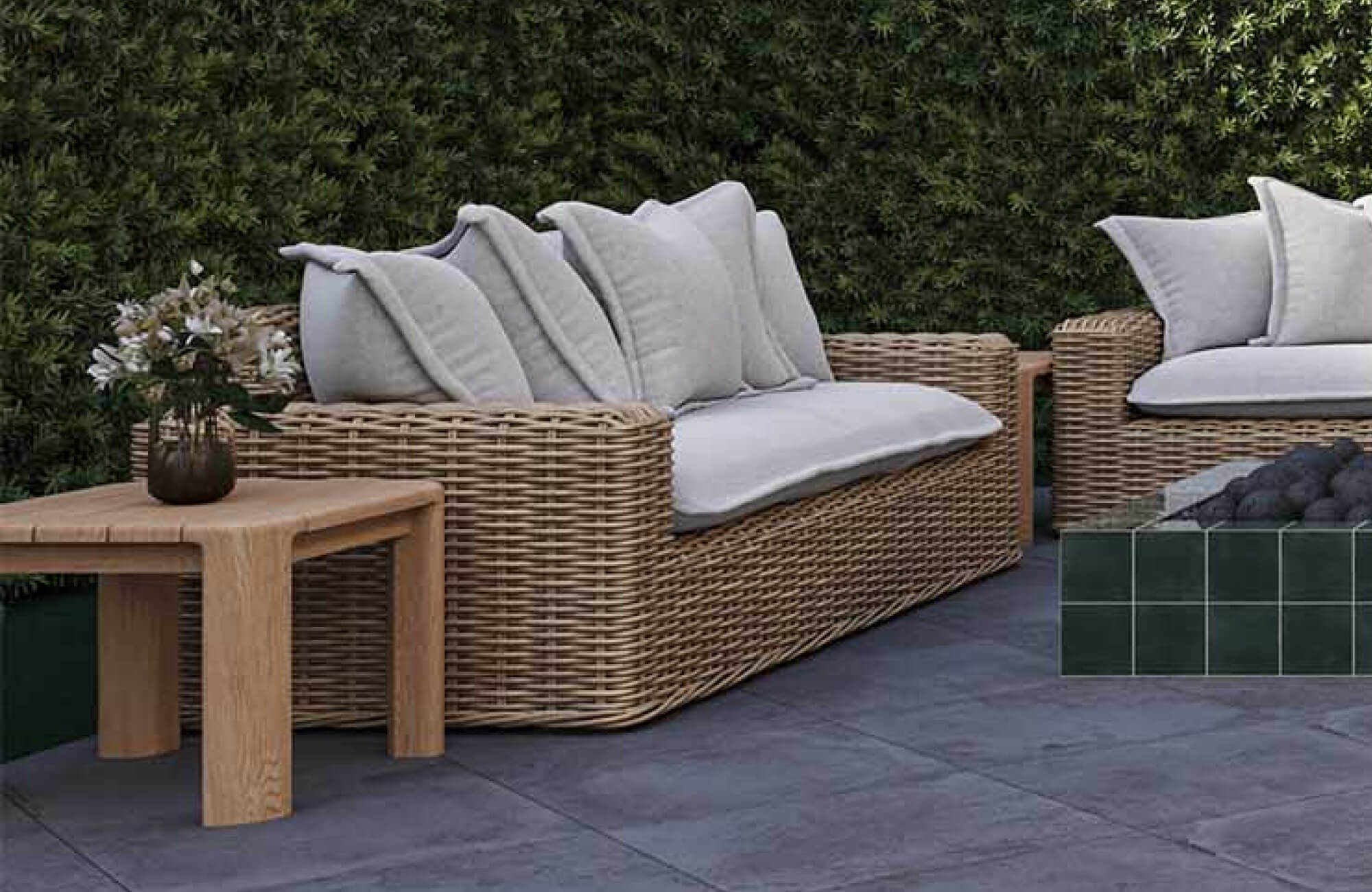
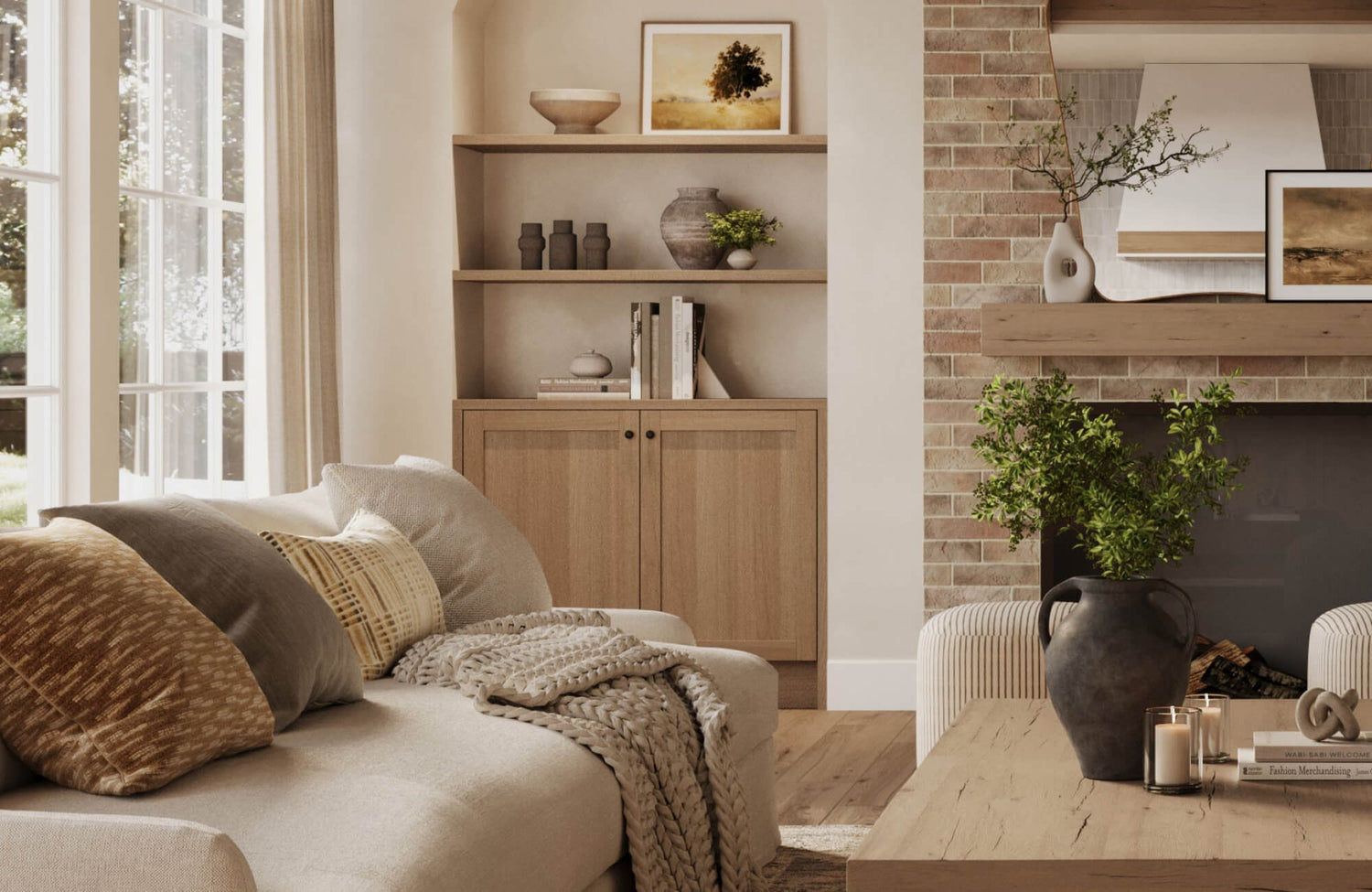
This same thinking applies beyond bedrooms. In a living room, decorative pillows can connect a sofa to an area rug or introduce contrast against wood, stone, or upholstered furniture. In an outdoor setting, pillows can help relate lounge seating to surrounding tile, greenery, and exterior finishes. The pillow arrangement becomes part of the room’s material conversation rather than an isolated decorative gesture.
For larger projects where pillows need to coordinate with rugs, tile, lighting, furniture, mirrors, outdoor furnishings, or adjacent spaces, Edward Martin’s design services can be a useful resource. This type of guidance is especially valuable when a room involves several finishes and the goal is to create a cohesive palette rather than simply match individual pieces.

Essex Wallpaper in Terracotta II, 52" x 132", Zevara Square Dining Table in White Oak, 60", and Genevieve Dining Chairs in Black, Set of 2 create a warm dining nook where pillows, wood tones, patterned walls, and dark seating add layered contrast.
How to Choose Between Shams, Decorative Pillows, or Both
Choosing between shams and decorative pillows is rarely an either-or decision. It depends on the room’s style, the bed’s proportions, the amount of daily maintenance one is willing to accept, and the level of visual layering desired. A calm primary bedroom may call for a restrained arrangement, while a guest room or showpiece bedroom may benefit from more texture and depth.
Choose Shams When You Want Structure
Shams are the better starting point when the bed needs polish. They help establish order, especially in rooms where the bedding is simple or the headboard is a major feature. A pair of shams can make a bed feel complete even without several additional accent pillows.
They are especially effective when the design goal is tailored, traditional, hotel-inspired, or quietly layered. In a room with a strong rug, sculptural lighting, or richly grained furniture, shams can support the composition without introducing unnecessary visual noise. They give the bed presence while allowing other elements in the room to remain prominent.
Shams are also useful for those who prefer a cleaner daily routine. A bed with sleeping pillows and shams can still look intentional, particularly when the fabric, color, or stitching relates to the rest of the bedding.
Choose Decorative Pillows When You Want Flexibility
Decorative pillows are the stronger choice when the room needs movement, contrast, or a more expressive finishing layer. They can shift the mood of a room without requiring changes to larger pieces. A new lumbar pillow can warm up a neutral bed. A patterned throw pillow can connect a sofa to a rug. A textured accent pillow can bring depth to a chair, bench, or outdoor seating area.
Because decorative pillows are not limited to standard pillow dimensions, they allow more freedom with proportion. Edward Martin's Brielle 18'' x 18'' Down Pillow in Natural / Green demonstrates how a square pillow with a light natural center and green border can add definition without dominating a built-in bench or banquette. Edward Martin's Merelle 22" x 22" Down Pillow in Olive offers a different kind of flexibility: its larger scale and muted green tone can ground a layered seating arrangement, echo surrounding natural materials, or bring depth to a neutral bedroom palette.
They are also one of the most effective ways to connect color across a room. Rather than matching every element exactly, a decorative pillow can repeat a tone from the rug, pick up a shade from artwork, or soften the transition between bedding and furniture finishes. In rooms with woven textures, wood tones, patterned walls, or warm lighting, a pillow’s border, fabric texture, and color temperature can help the space feel intentionally composed rather than simply accessorized.
Use Both When You Want a Finished, Layered Look
Shams and decorative pillows work best together when each one has a clear purpose. The shams should establish the bed’s structure. The decorative pillows should add the finishing note. If the shams are patterned or richly textured, the decorative pillows may need to be quieter. If the shams are simple and tonal, the decorative pillows can carry more color, pattern, or tactile interest.
This approach works especially well in primary bedrooms, guest rooms, and spaces where the bed is central to the design. It also helps when the surrounding room includes multiple materials, such as an upholstered bed, wood nightstands, a patterned rug, metal lighting, or a nearby vanity and mirror. The pillows can help mediate those elements so the room feels collected rather than assembled piece by piece.
Before purchasing, review product dimensions, insert recommendations, material details, and color information carefully. Fabric appearance can vary depending on lighting, screen settings, nearby finishes, and the scale of the room. For questions about product specifications, availability, or suitability for a particular space, Edward Martin’s contact page is the most practical place to seek support.
The Real Difference Is How Each One Completes the Room
Pillow shams and decorative pillows are closely related, but their design work is different. A sham gives the bed structure, height, and a more finished foundation. A decorative pillow adds the expressive layer, whether through color, texture, shape, pattern, or contrast. One brings order; the other brings emphasis.
The strongest interiors recognize that both restraint and detail matter. A bed does not need an excess of pillows to feel complete, nor does a simple arrangement need to feel unfinished. When shams and decorative pillows are selected with intention, they do more than complete a bed. They help connect the bed to the surrounding rug, lighting, furniture, wall finishes, mirrors, and decor. That is the real difference worth understanding: shams and decorative pillows are not just soft accessories, but small design decisions that influence how a room feels as a whole.