A backsplash is more than a practical surface—it is the visual heart of the kitchen or bathroom, where form meets function in perfect harmony. Whether composed of intricate mosaics that shimmer with texture and light or the timeless geometry of subway tiles that exude refined simplicity, each design choice tells a story of craftsmanship and style. The contrast between these two iconic tile types defines not only the character of a space but also its rhythm, ambiance, and sense of proportion. As materials evolve, both mosaic tile backsplashes and subway tile backsplashes continue to offer endless opportunities for creative expression and lasting beauty. Choosing between them becomes less about trends and more about how you wish your space to feel—artful and expressive, or serene and enduringly elegant.

Aesthetic and Design Versatility
Both mosaic and subway tiles influence how a space feels, directing light and depth to create distinct visual rhythms. Recognizing how each tile type alters proportion, texture, and focal balance helps determine which design language best suits your project.
Expressive Detailing of Mosaic Tiles
Mosaic tiles capture artistry through a sophisticated interplay of glass, ceramic, metal, or stone tesserae, each reflecting light differently to create depth and texture. Their modular patterns, ranging from hexagon and herringbone to arabesque and gradient blends, allow endless creative freedom without overwhelming the design. When used in smaller kitchens or powder rooms, their reflective surfaces also visually expand the space, adding brilliance and motion. Moreover, each piece contributes to a cohesive tapestry, where subtle variations in color and finish introduce visual intrigue. Textured or metallic mosaics contrast beautifully against smooth cabinetry, while iridescent options enhance ambient light for an elevated look.
Among today’s standout examples, Edward Martin’s Shea 12.5x15 Matte Porcelain Leaf Mosaic Tile in Warm Blend, as displayed in the picture above, perfectly embodies this expressive artistry. Its sculpted leaf-shaped tesserae form an organic rhythm that softens geometric rigidity, while the warm, tonal blend of neutrals creates a natural interplay of light and texture. This design complements both modern and transitional interiors, offering movement and visual warmth without overpowering surrounding materials. The matte finish also enhances its tactile character, emphasizing the craftsmanship that defines mosaic surfaces.
Classic Simplicity of Subway Tiles
Subway tiles exemplify clean geometry and balance, embodying a timeless aesthetic that adapts to nearly any interior style. Their familiar 3x6-inch format, along with updated elongated or beveled variations, enables a wide range of compositions from understated to modern. Arranged in stacked, offset, or vertical patterns, they manipulate spatial perception—making rooms appear taller or broader depending on layout. Smooth surfaces and subtle finishes also ensure a calm visual flow that complements bolder elements like statement hardware or colorful cabinetry. Additionally, a soft grout contrast can emphasize their crisp lines, while tone-on-tone grout achieves seamless harmony for minimalist spaces.
A refined example of this modern reinterpretation is the Maisie 2.5x16 Glossy Ceramic Tile in Pistachio, which elevates the traditional subway format through its elongated proportions and luminous glaze. The extended 2.5x16 size enhances visual continuity and introduces a sense of height and fluidity, while the soft pistachio hue adds a refreshing contemporary accent that retains the timeless charm of classic subway design. The result is a surface that feels quietly refined, structured, and perpetually relevant.

Material Composition and Surface Performance
Beyond appearance, tile composition dictates resistance to moisture, staining, and thermal stress—qualities essential for lasting performance. Understanding these structural characteristics ensures your backsplash remains as beautiful as it is functional.
Material Fusion and Finish Diversity in Mosaic Tiles
Mosaic tiles achieve a dynamic balance of form and function by combining glass, porcelain, and natural stone materials into one cohesive surface. For instance, glass mosaics excel in reflecting light while resisting water and staining, making them ideal for humid environments such as bathrooms or behind stovetops. On the other hand, natural stone mosaics, including marble or travertine, introduce organic movement and warmth, though they require periodic sealing to preserve integrity.
Recent innovations in porcelain mosaic manufacturing now replicate stone or glass aesthetics with improved density and low porosity. These hybrid designs provide the tactile richness of artisanal materials with the practical resilience of engineered tiles. The seamless interplay of textures also ensures a backsplash that feels vibrant, dimensional, and enduring.
Density and Durability of Subway Tiles
Subway tiles, typically made of glazed ceramic or porcelain, deliver exceptional density and surface stability ideal for long-term use. Porcelain versions undergo high-temperature vitrification, producing nonporous surfaces with water absorption below 0.5%, which prevents moisture infiltration. This composition also ensures lasting resistance to heat, scratches, and cleaning chemicals, maintaining a consistent appearance even under heavy use. In addition, glazed finishes form a smooth protective layer that simplifies cleaning and prevents grease buildup. Subtle textures, from matte to glossy, provide further visual diversity while retaining practical ease.
As shown in the photo above, the Natasha 2x6 Matte Porcelain Tile in Bone exemplifies these qualities through its finely honed porcelain body and understated matte finish, which together offer superior durability and a soft, natural aesthetic. Its neutral bone tone also enhances spatial warmth while the compact 2x6 format reinforces structure and rhythm, creating a serene, cohesive surface that balances resilience with timeless elegance. Together, these traits make subway tiles both durable and visually refined, blending strength with enduring style.

Installation Complexity and Technical Requirements
The method of installation defines both the precision of the final look and the project’s overall efficiency. Differences in size, backing, and grout density affect not only visual outcome but also cost and labor. For best results, professional installation is highly recommended to ensure accuracy, durability, and a flawless finish.
Precision Demands of Mosaic Tile Installation
Installing mosaic tiles is a meticulous process that rewards patience and precision. Because they are mounted on flexible mesh sheets, even a slight misalignment can disrupt pattern consistency or cause uneven spacing. With this, professional installers use thin-set mortar and fine-grain epoxy grout to ensure seamless adhesion and moisture protection. This level of detail also allows mosaics to conform beautifully to curved or recessed surfaces, making them ideal for niches, accent strips, or statement backsplashes. Moreover, leveling and spacing accuracy are crucial to achieving smooth light reflection across the surface. Though the process is time-intensive, the resulting texture and artistry elevate the backsplash into a truly custom design feature.
Efficient Application of Subway Tiles
Subway tiles streamline the installation process through uniform size and rectified edges that ensure consistent grout alignment. Their larger format covers more area per tile, reducing both installation time and material waste. Patterns such as offset brick, stacked bond, or herringbone also introduce visual rhythm without adding significant complexity. To maintain symmetry across wide surfaces, installers typically use thin-set adhesives for secure placement and precision leveling. Minimal grout joints further enhance visual continuity while reducing maintenance needs. This efficiency makes subway tiles an attractive choice for homeowners seeking both aesthetic refinement and practical installation speed.

Maintenance, Longevity, and Practical Performance
Daily exposure to moisture, grease, and temperature fluctuations demands surfaces that retain integrity over time. The ease of cleaning and long-term resilience of each tile type determine how gracefully it ages. For optimum results, always follow the manufacturer’s care and maintenance guidelines to ensure optimal performance and lasting beauty.
Upkeep and Sealing for Mosaic Surfaces
Mosaic backsplashes, while visually captivating, require mindful maintenance due to their extensive network of grout joints. Regular cleaning using pH-neutral cleaners helps prevent buildup of residue that can dull reflective finishes. Moreover, applying penetrating sealers or using epoxy grout significantly enhances stain and moisture resistance, preserving surface vibrancy. Natural stone mosaics also benefit from occasional resealing to protect against etching and mineral absorption. With proper ventilation and periodic care, these surfaces maintain their intricate detailing and color clarity for years. Ultimately, the longevity of mosaics depends on consistency in upkeep, ensuring their beauty endures through changing trends.
Low-Maintenance Efficiency of Subway Tiles
Subway tiles are valued for their effortless care and robust performance, making them particularly well-suited for busy kitchens. Their glazed ceramic or porcelain finish prevents grease, water, and mildew from penetrating the surface. Simple maintenance, typically a quick wipe with a mild detergent, also restores their original sheen without the need for sealers. Because they feature fewer grout joints, discoloration and buildup are minimal, keeping walls looking fresh longer. In addition, the material’s hardness resists everyday impact and abrasion, maintaining crisp lines and clean reflectivity. This balance of practicality and style ensures that subway tiles remain as beautiful on day one as they are years later.

Cost, Value, and Return on Design Investment
Every backsplash decision must weigh aesthetics against long-term financial return. Both tile types offer unique value propositions that align with different project goals and budgets.
Investment Value of Mosaic Installations
Mosaic tiles often command a higher price due to their intricate craftsmanship, multi-material composition, and detailed installation process. Custom designs that incorporate marble, glass, or metallic accents transform surfaces into bespoke works of art that elevate the aesthetic value of any home. Though they require a greater investment, mosaics enrich interiors with textural depth and layered light effects that leave a lasting impression of luxury and artistry.
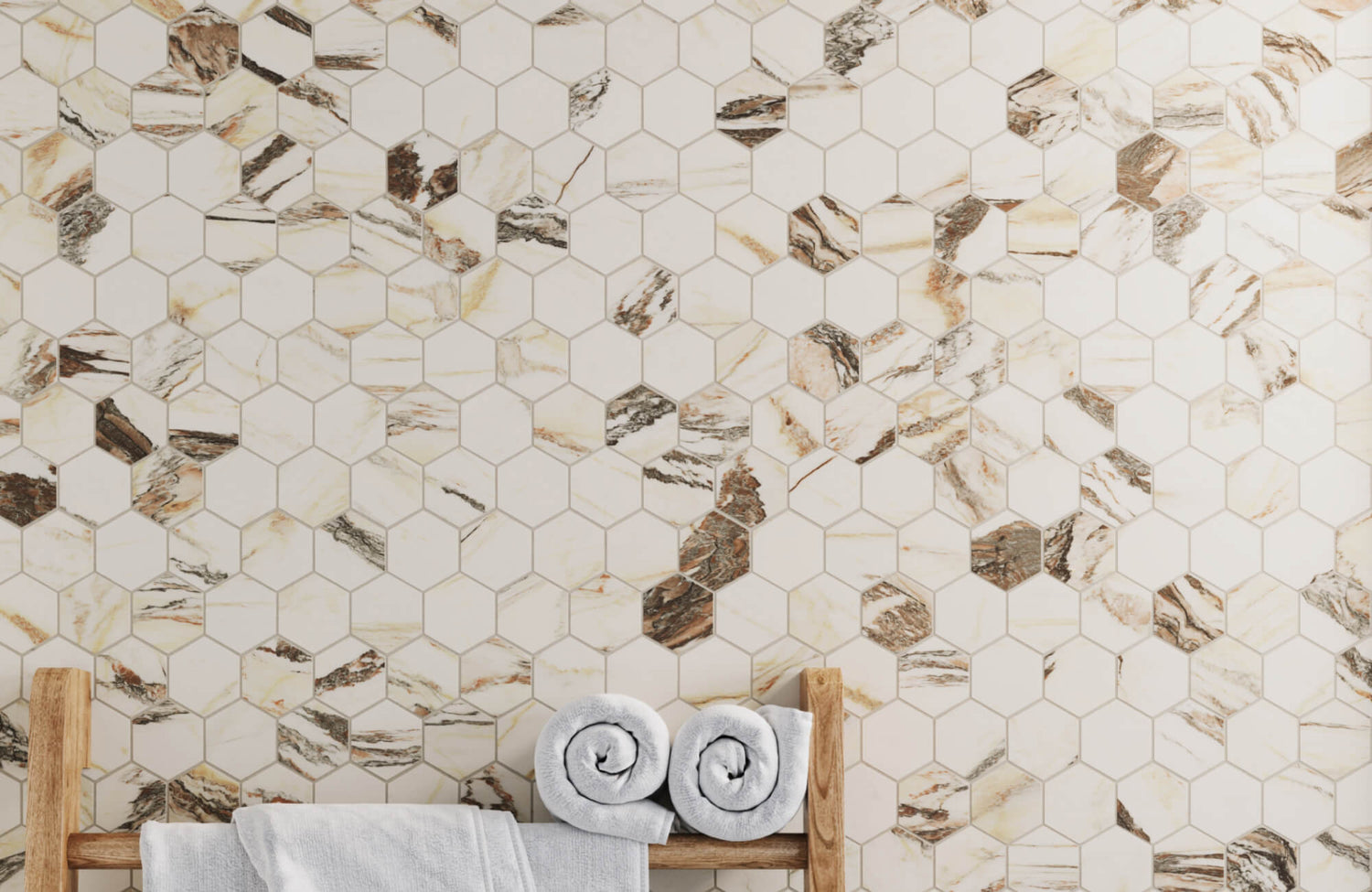
A prime example, as featured in the photo above, is our Aniston 2x2 Matte Porcelain Hexagon Mosaic Tile in Carrara Bianco, a porcelain design that captures the elegant veining and visual softness of marble while offering the durability and ease of maintenance of porcelain. Its matte finish provides a subtle, grounded texture that balances sophistication with practicality, making it ideal for kitchens, bathrooms, or laundry spaces. When paired with thoughtful lighting and complementary materials, this mosaic achieves a luminous yet natural character, demonstrating how even marble-look designs can deliver enduring beauty and exceptional value.
Affordability and Timeless Value of Subway Tiles
Subway tiles offer remarkable value through their combination of affordability, versatility, and lasting style relevance. Their efficient production process and straightforward installation minimize project expenses without compromising quality. Despite their simplicity, they contribute significantly to property value by appealing to a broad range of design tastes. Their adaptability also allows seamless pairing with premium countertops, metals, or natural woods, ensuring future design flexibility. The low maintenance requirements further reduce long-term costs while preserving like-new appearance. For cost-conscious homeowners and builders, subway tiles represent a high-performing balance between practicality and visual sophistication.

Style Suitability and Design Recommendations
Selecting the right backsplash comes down to your desired balance between artistry and restraint. Each tile type complements particular design philosophies, spatial layouts, and lighting conditions.
When to Choose Mosaic Tiles
Mosaic backsplashes excel when the goal is to create a visually striking focal point that embodies texture, depth, and craftsmanship. Their reflective and varied surfaces introduce dynamic dimension and gentle light play, making them perfect for feature walls or areas behind cooking ranges. When glass mosaics are paired with matte finishes, they achieve a refined balance of contrast and cohesion, while stone mosaics lend warmth and organic charm to traditional or rustic settings. Together, these elements create surfaces that celebrate material authenticity and highlight the artistry behind every detail, transforming ordinary walls into expressive design statements.
When paired with minimalist furnishings, mosaics add depth without overwhelming the composition. Edward Martin’s Ramsey 2x2 Polished Porcelain Mosaic Tile in Smoke captures this essence perfectly. As shown in the photo above, its soft gray tones and polished porcelain finish reflect natural light with quiet sophistication, creating a serene yet modern atmosphere. The smooth, mirror-like surface elevates bathrooms and vanity spaces, offering a refined sense of luxury that balances artistry with subtle restraint. This makes them perfect for homeowners aiming to blend luxury artistry with tactile storytelling.
When to Choose Subway Tiles
Subway tiles thrive in interiors that embrace clean lines, timeless order, and a seamless visual flow. Their understated geometry provides a calm, balanced foundation that beautifully offsets bold cabinetry colors or metallic accents, enhancing contrast without overwhelming the space. With their reflective surfaces, glossy finishes amplify natural light and create an airy sense of openness—an ideal choice for compact kitchens or bathrooms. In contrast, matte variations introduce gentle texture and sophistication, lending warmth to Scandinavian, transitional, or contemporary designs. Versatile and enduring, subway tiles pair effortlessly with materials like quartz, marble, or natural wood, allowing limitless styling possibilities that evolve gracefully with your home’s aesthetic.
Our Dani 1.6x5 Matte Ceramic Tile in Sage beautifully exemplifies this understated refinement; its compact 1.6x5 format adds rhythmic texture, while the soft sage hue infuses organic tranquility into modern interiors. Its matte ceramic surface also delivers a smooth, contemporary finish that pairs effortlessly with neutral tones and natural materials, achieving a serene balance between warmth and minimalism. For those prioritizing longevity and effortless elegance, subway tiles provide enduring style with minimal upkeep.
Edward Martin’s augmented reality (AR) Tool allows you to visualize mosaic or subway tiles directly within your own space, previewing how colors, patterns, and finishes interact with natural light. This innovative feature bridges imagination and reality, helping you make confident, design-driven choices before installation.
Finding the Perfect Balance Between Artistry and Timeless Design
Choosing between a mosaic tile backsplash and a subway tile backsplash is ultimately about discovering which aesthetic best reflects your personal design philosophy. Mosaic tiles embody artistic expression through intricate detailing, luminous depth, and handcrafted character that transform walls into visual centerpieces. Subway tiles, on the other hand, offer enduring sophistication through balanced geometry, clean lines, and effortless versatility that adapts to any interior style. Both deliver exceptional durability, low maintenance, and design longevity when installed and maintained with quality materials. The true beauty lies in selecting a backsplash that harmonizes with your home’s architecture, lighting, and overall design narrative.
Edward Martin makes design exploration effortless with the option to request tile samples, allowing you to experience texture, color, and finish firsthand. This tactile preview ensures your chosen mosaic or subway tiles align perfectly with your design vision before final installation!