Wallpaper can look like a commitment, especially when you start thinking about how it will come off later. You might wonder if it will peel away cleanly or turn into a time-consuming project that risks damaging your walls. The reality is that removal is not just about the process, but about the choices made long before you ever pick up a corner. From the type of wallpaper to how the wall was prepared, each factor plays a role in how smoothly it comes off. In this blog, we’ll break down what actually makes wallpaper easy to remove without damaging your walls so you can move forward with confidence, not guesswork.

What Actually Makes Wallpaper Easy or Difficult to Remove
The ease of removing wallpaper often comes down to how it was installed and what’s underneath it. Below, we’ll look at the key factors that influence whether wallpaper peels away cleanly or holds on more stubbornly.
Paste-the-Wall vs Traditional Wallpaper
Modern paste-the-wall wallpaper is designed with easier removal in mind, which is why it tends to perform better when it’s time to take it down. Instead of applying adhesive directly to the paper, the paste is rolled onto the wall, allowing the material to sit more evenly on the surface. This setup reduces how deeply the adhesive bonds, which often makes peeling more controlled. In many cases, the wallpaper can be removed in larger strips rather than breaking apart. That alone can save time and effort. It also lowers the chances of leaving behind residue.
Traditional wallpaper works differently because the adhesive is applied directly to the back of the paper before installation. This method allows the material to absorb moisture and expand slightly, helping it grip the wall more firmly as it dries. While that can be helpful for durability, it often makes removal more demanding later on. The bond tends to be stronger and less forgiving, especially if the wall was not properly prepped. As a result, the paper may tear instead of lifting cleanly. This is why older installations are often associated with more time-consuming removal.
The Role of Adhesives and Primers
Adhesives play a major role in how wallpaper behaves over time, but they do not work alone. When paired with a properly primed wall, adhesive forms a controlled bond that can later be reversed without much trouble. Primer creates a sealed surface that prevents glue from soaking into drywall or paint. This separation makes it easier for wallpaper to release in a more predictable way. Without that barrier, the adhesive can grip too tightly. That is when removal becomes less consistent.
Different types of adhesive also affect how firmly wallpaper sticks and how it responds during removal. Some formulas are designed to stay flexible, which helps the wallpaper lift more easily when pulled. Others are made for long-term durability, which can increase resistance over time. When adhesive bonds directly with an unsealed surface, it tends to create a stronger hold than intended. This is where problems like tearing or residue often begin. A balanced combination of the right adhesive and proper priming makes a noticeable difference in the final outcome.
Wall Surface Condition Before Installation
The condition of the wall before wallpaper is applied has a lasting impact on how it comes off later. Painted drywall that is smooth and sealed provides a stable base that allows wallpaper to sit evenly. This helps the adhesive stay on the surface instead of penetrating too deeply. As a result, the wallpaper is more likely to peel away in a clean and controlled way. Small details like surface smoothness and paint quality matter more than most people expect. They set the foundation for both installation and removal.
Unsealed or damaged walls tend to create the opposite effect. When drywall is exposed or paint is poorly bonded, adhesive can sink into the surface and attach more aggressively. This makes separation more difficult and increases the risk of pulling off parts of the wall during removal. Even minor imperfections can lead to uneven peeling or leftover backing. Over time, these issues become more noticeable as the adhesive settles. Proper wall preparation at the start helps avoid these complications entirely.
How Long the Wallpaper Has Been Installed
Time plays a subtle but important role in how wallpaper behaves when it is removed. As wallpaper stays in place, the adhesive continues to cure and strengthen its bond with the wall. This can make older wallpaper feel more resistant, especially when compared to newer installations. The material itself may also change slightly, becoming less flexible and more prone to tearing. These shifts are gradual but noticeable over the years. They influence how smoothly the wallpaper can be peeled away.
That said, age alone does not always mean removal will be difficult. If the wallpaper was installed properly on a well-prepared surface, it can still come off cleanly even after several years. The difference is that older adhesives may require a bit more patience to release. It may not respond as quickly to peeling or light moisture. Still, when the initial setup is done right, the process remains manageable. This is why both time and preparation need to be considered together.

Types of Wallpaper and How Easily They Come Off
Not all wallpaper removes the same way, and the material itself plays a major role in what you can expect. Below, we’ll look at the most common types and how they typically behave during removal so you can approach the process with realistic but reassuring expectations.
Peel-and-Stick Wallpaper
Peel-and-stick wallpaper is one of the easiest types to remove because it is designed for flexibility from the start. It uses a pressure-sensitive adhesive that allows it to stick securely while still being removable without added moisture. In many cases, you can lift a corner and pull it away in long, continuous strips. This makes the process more controlled and less messy compared to traditional options. It also reduces the need for extra tools or solutions. For most users, this is the most straightforward removal experience available.
This type of wallpaper is especially popular among renters or anyone who plans to update their space more frequently. Because it does not rely on heavy bonding adhesives, it is less likely to leave residue or damage behind when removed properly. That said, the final result still depends on the condition of the wall underneath. Smooth, sealed surfaces tend to deliver the cleanest outcome. When used on uneven or poorly prepared walls, it may not release as evenly. Even so, it remains one of the most forgiving choices overall.
Non-Woven and Modern Wallpapers
Non-woven wallpaper is known for its balanced structure, which allows it to perform well both during installation and removal. It is made from a blend of natural and synthetic fibers, giving it a breathable quality that prevents it from bonding too tightly to the wall. This structure helps the material hold together when pulled, so it often comes off in larger sections. It is also less likely to tear compared to older paper-based options. This makes the process more predictable and easier to manage. Many homeowners find it to be a reliable middle ground.
Modern wallpapers in this category are often labeled as strippable, which means they are designed to be removed without excessive effort. While they may not peel off as effortlessly as peel-and-stick options, they still offer a smoother experience than traditional materials. Their durability during use does not come at the cost of removability. Instead, they are engineered to maintain a controlled bond that can be released when needed. This combination makes them a practical choice for both long-term use and future updates. They offer a good balance between performance and flexibility.
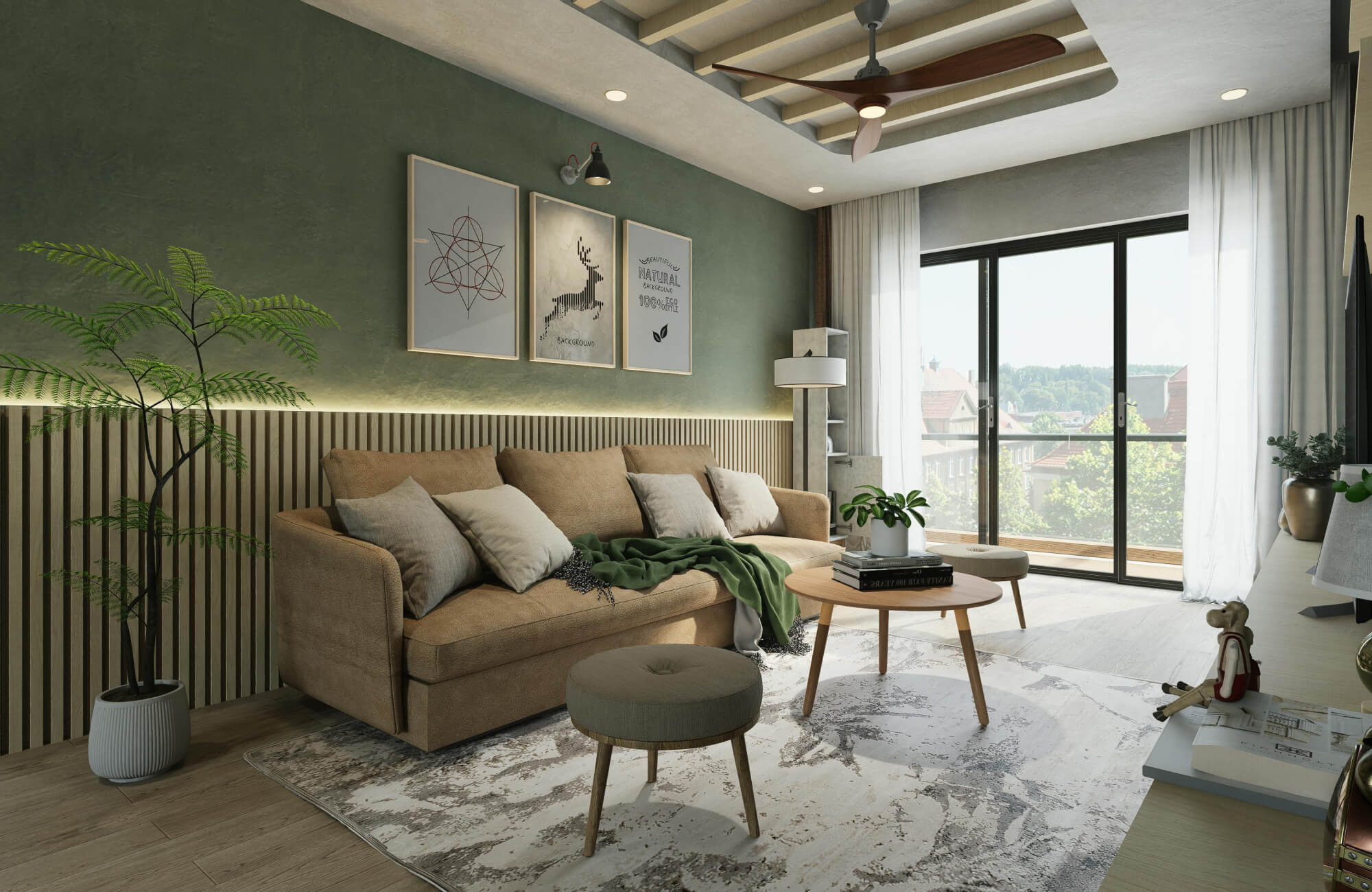
This kind of construction is what allows non-woven wallpaper to come off more cleanly compared to older materials. Our Bower Wallpaper in Taupe II, 52" x 132" above, for example, is digitally printed on lightly textured DreamScape Terralon, which supports a breathable, fabric-like structure rather than a rigid surface. That flexibility helps it peel in larger sections instead of tearing apart. Its full-height format also reduces seams, which can make the removal process more controlled and consistent.
Vinyl and Fabric-Backed Wallpaper
Vinyl and fabric-backed wallpapers are built with durability in mind, which is why they are often used in areas that need extra resistance. These materials are commonly found in kitchens, bathrooms, and other spaces where moisture or frequent cleaning is a concern. Their layered construction gives them strength, but it can also make removal slightly more involved. In many cases, the top layer may peel away first while the backing remains attached to the wall. This creates a two-step process that requires a bit more time and attention. It is manageable, but not as quick as lighter materials.
Despite this, removal is still possible without major issues when approached carefully. The backing layer is usually designed to be softened and lifted with controlled moisture or gentle effort. The key difference is that these materials do not release as easily in one motion. Their strength during use translates to a firmer hold over time. This does not mean they are a poor choice, only that expectations should be adjusted. They are better suited for spaces where durability matters more than quick removal.
Paper-Based Wallpaper and Older Installations
Paper-based wallpaper, especially from older installations, tends to be the most challenging to remove. These materials were often installed using stronger adhesives and without the benefit of modern wall preparation techniques. Over time, the paper can become more fragile, making it prone to tearing instead of peeling cleanly. This can slow down the process and require more careful handling. In some cases, the paper separates into layers rather than coming off all at once. This is where patience becomes especially important.
Even so, not every older wallpaper removal leads to major difficulty. If the wall was properly sealed or maintained, the process can still be manageable. The main difference is that the results are less predictable compared to newer materials. Some sections may release easily, while others need more attention. It helps to approach these situations with realistic expectations rather than assuming the worst. With a steady approach, even older wallpaper can be removed without causing unnecessary damage.

When Wallpaper Removal Goes Smoothly (And Why)
Wallpaper removal can be surprisingly manageable when the right conditions are in place. Here, we’ll look at what “easy removal” actually looks like and why certain setups lead to cleaner, more predictable results.
Proper Installation Leads to Cleaner Removal
When wallpaper is installed correctly, it creates a balanced bond that holds well during use but still allows for clean removal later. This starts with even adhesive application, proper alignment, and careful handling during installation. When everything is applied with control, the wallpaper tends to sit on the surface rather than embedding too deeply. This makes it easier to lift and peel without tearing or leaving heavy residue. The material is more likely to come off in larger sections instead of breaking apart. That alone can make the process feel much more manageable.
Good installation also reduces the chances of uneven bonding across different areas of the wall. When adhesive is applied inconsistently, some sections may release easily while others resist, which complicates removal. A well-installed wall behaves more uniformly, allowing you to work at a steady pace. It also minimizes the need for repeated adjustments or extra effort in certain spots. Over time, this consistency makes a noticeable difference. Clean removal often reflects the care taken during the initial setup.
Removing Wallpaper Within a Reasonable Timeframe
Wallpaper that has not been left in place for too long generally comes off with less resistance. Over time, adhesives continue to cure and strengthen their hold, which can make older wallpaper more stubborn. In contrast, wallpaper removed within a moderate timeframe tends to remain more flexible and responsive. This allows it to peel away with fewer breaks or interruptions. The adhesive has not fully hardened, so it releases more gradually. This creates a smoother and more controlled removal experience.
That said, timing does not have to be exact for removal to go well. Even wallpaper that has been up for several years can still come off cleanly if other conditions are right. The key difference is how much effort is required to get it started and keep it moving. Newer installations often respond more quickly to peeling, while older ones may need a bit more patience. Still, when handled carefully, both can lead to good results. A reasonable timeframe simply increases the likelihood of an easier process.
Walls That Were Properly Primed or Sealed
Walls that have been properly primed or sealed tend to offer the most consistent and damage-free removal results. Primer creates a barrier that prevents the adhesive from bonding directly to drywall or paint. This allows the wallpaper to sit on top of the surface rather than becoming part of it. When it is time to remove the wallpaper, this separation makes a big difference. The material can be lifted away more cleanly without pulling layers underneath. It creates a more controlled and predictable experience overall.
Sealed surfaces also help maintain the integrity of the wall during removal. Without that protective layer, adhesive can grip too tightly and cause paint or drywall paper to lift along with the wallpaper. This is where damage usually begins. When the wall is properly prepared, the adhesive releases instead of resisting. The result is a smoother process with fewer repairs needed afterward. This is why wall preparation is often the most important factor behind easy removal.

Common Issues That Can Lead to Wall Damage
Even though wallpaper removal often goes smoothly, a few common issues can still lead to surface damage if not handled carefully. In here, we’ll walk through what usually goes wrong so you can spot these risks early and keep the process under control.
Peeling Paint or Drywall Paper
Peeling paint or drywall paper usually happens when the wall was not properly sealed before the wallpaper was applied. Without that protective layer, the wallpaper bonds more closely to the surface, making separation less controlled. As you begin to pull it away, parts of the paint or even the top layer of drywall can lift along with it. This leaves behind rough or uneven patches that need extra prep before any new finish can be applied. In some cases, the damage appears in small sections, while in others it spreads across larger areas, depending on how the wall was originally prepared. Keeping an eye on how the surface reacts early on can help you adjust before the issue gets worse.
Over-Saturating Walls During Removal
Moisture is helpful during wallpaper removal, but using too much of it can create problems rather than solve them. When water is applied too heavily, it begins to soften not just the adhesive but also the drywall underneath. This makes the surface more fragile and easier to damage while peeling. Instead of lifting cleanly, the wallpaper may drag against the softened wall, causing dents or slight tearing. It can also make the process feel slower since overly wet areas take longer to dry and handle. Applying moisture in a controlled way keeps the wall stable while still helping the wallpaper release.
Rushing the Process
It can be tempting to move quickly, especially when parts of the wallpaper start coming off easily, but rushing often leads to uneven results. When sections are forced instead of gently lifted, the material is more likely to tear or pull against the surface underneath. This creates spots that require extra effort to fix later, which ends up taking more time overall. Working at a steady pace allows you to respond to how the wallpaper behaves in different areas. Some sections may release easily, while others need a bit more patience and care. Taking your time helps maintain a smoother surface and reduces the need for repairs.
Using Sharp Tools That Gouge the Surface
Tools can be useful during wallpaper removal, but they need to be handled with care to avoid damaging the wall. Applying too much pressure with a scraper or blade can leave behind visible scratches or gouges in the drywall. These marks may seem minor at first, but they often become noticeable once the wall is repainted or refinished. A lighter touch and proper angle make a big difference in keeping the surface intact. It is usually better to rely on peeling methods first and use tools only when necessary. When used carefully, they can help with stubborn areas without creating additional issues.

How to Remove Wallpaper Without Damaging Your Walls
Once you understand what affects removal, the process itself becomes much easier to manage. Below, we’ll walk through a simple and controlled approach that helps you remove wallpaper cleanly while protecting the surface underneath.
Starting with Dry Peeling Methods
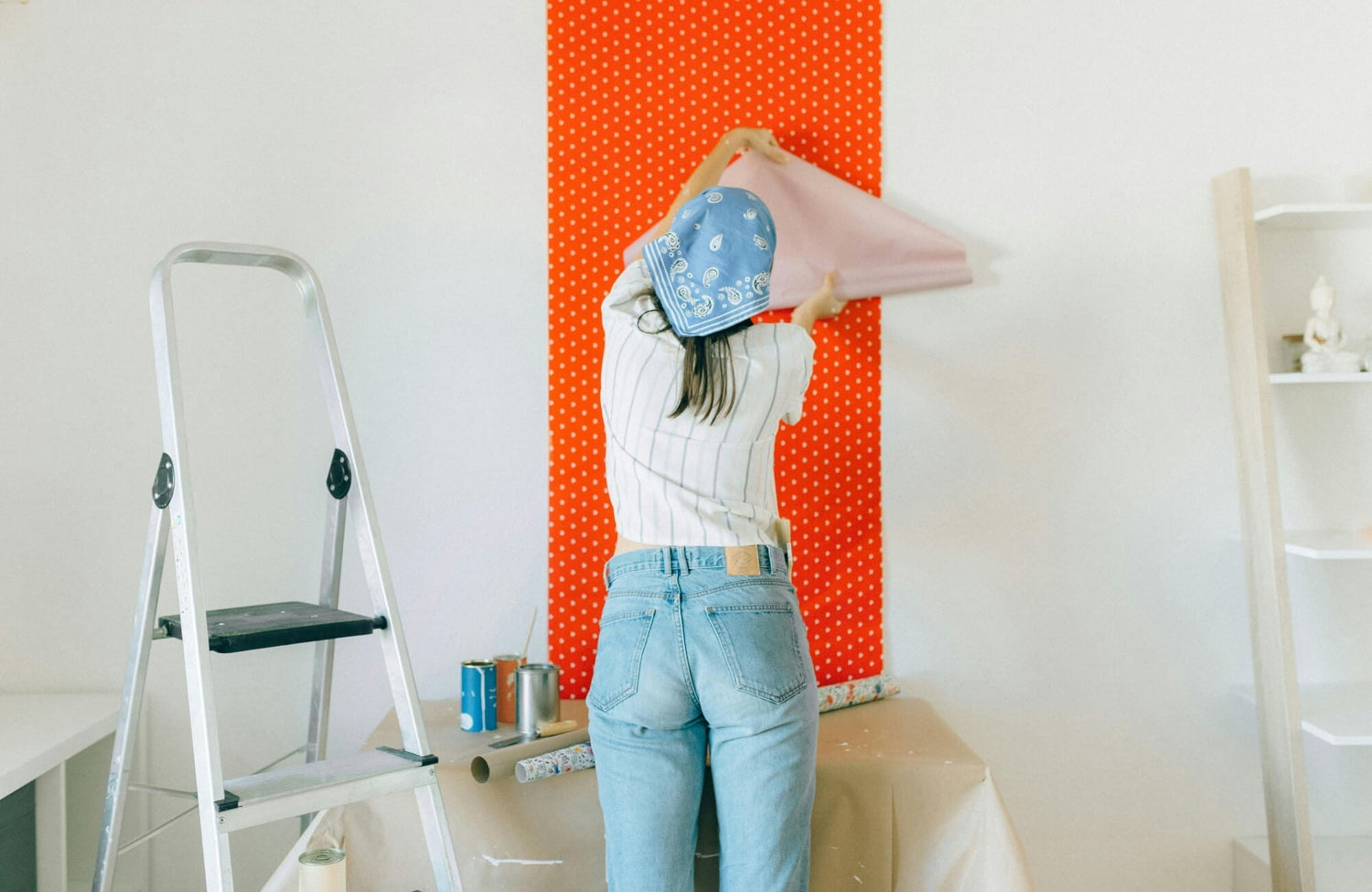
The best place to start is always by testing a dry peel before introducing any moisture. Some wallpapers, especially newer ones, are designed to lift away without the need for water or solutions. Gently pulling from a corner or seam gives you a clear sense of how the material will behave. If it begins to come off in larger strips, you can continue with a steady and controlled motion. This approach keeps the wall intact and avoids unnecessary steps early on. It also helps you understand whether additional methods are even needed.
A helpful tip is to begin at a loose edge, outlet cutout, or seam where the wallpaper naturally lifts more easily. Pull slowly at a low angle rather than straight out, which helps reduce tension on the wall surface. If resistance starts to build, pause instead of forcing it and reassess the area. In many cases, switching directions slightly can help the paper release more evenly. Taking a few extra moments to test different sections can save time later. Starting dry gives you control right from the beginning.
When to Use Water or Removal Solutions
If dry peeling does not work smoothly, adding moisture can help loosen the adhesive and make removal easier. Water or a wallpaper removal solution works by softening the bond, allowing the material to separate with less effort. The key is to apply it gradually rather than soaking the wall all at once. Light, even application, gives the adhesive time to break down without affecting the surface underneath. This makes the process more controlled and less likely to cause damage. It also helps maintain a steady pace as you move across the wall.
A useful approach is to apply moisture in small areas and let it sit briefly before attempting to peel. Using a sponge or spray bottle allows you to control how much liquid is applied at a time. If the wallpaper still resists, a second light application is often more effective than overloading the wall in one go. Keeping a cloth nearby to wipe excess moisture can also help maintain balance. This method keeps the wall stable while still easing the removal process. A controlled application always works better than rushing through it.
Working in Small Sections for Better Control
Breaking the wall into smaller sections makes the entire process more manageable and consistent. Instead of trying to remove large areas at once, focusing on one section at a time helps you stay in control of how the wallpaper releases. This reduces the chances of tearing or pulling unevenly across the surface. It also allows you to adjust your approach based on how each section behaves. Some areas may come off easily, while others need a bit more attention. Working in smaller sections keeps everything predictable.
A practical tip is to mentally divide the wall into manageable zones and complete one before moving to the next. This helps you maintain a steady rhythm and prevents missed spots or uneven progress. If you encounter resistance, you can slow down without affecting the rest of the wall. Keeping your work area organized also makes it easier to track what has already been removed. Small sections may seem slower at first, but they often lead to cleaner and more consistent results. It is a simple shift that makes a noticeable difference.
Cleaning and Prepping Walls After Removal
Once the wallpaper is removed, the wall still needs a bit of attention before it is ready for the next step. Residual adhesive can remain on the surface, even if the wallpaper came off cleanly. This layer can affect how paint or new wallpaper adheres if it is not properly removed. Gently cleaning the wall helps create a smooth and even base. It also reveals any small imperfections that may need to be addressed. Proper prep at this stage sets up a better final result.
A helpful step is to wipe the wall with a damp sponge to remove leftover adhesive, followed by a light pass with a clean cloth. If you notice rough spots, a quick, gentle sanding can help even them out without damaging the surface. Letting the wall dry completely before moving forward is just as important. This ensures that any new finish will adhere properly and look consistent. Taking time to prep the wall properly makes everything that follows much easier.

When to Consider Alternatives Like Wall Art or Murals
Wallpaper remains a strong design choice, but there are moments when alternatives can offer more flexibility depending on your space and goals. Below, we’ll look at a few options that work well alongside wallpaper or in place of it, without taking away from its value.
Wall Art for Flexible and Low-Commitment Styling
Wall art is a practical option when you want to refresh a space without committing to a full wall treatment. It allows you to introduce color, texture, and personality in a way that can be updated at any time. Instead of going through installation and removal, you can simply swap pieces as your style evolves. This makes it especially useful for renters or for rooms that tend to change more often, such as living areas or bedrooms. It also gives you the freedom to experiment with different looks without feeling locked into one direction. While it may not fully replicate the immersive effect of wallpaper, it offers a level of flexibility that is hard to match. In many cases, it works best as a complementary element rather than a direct replacement.
Layering becomes even more effective when you build on an existing backdrop rather than replacing it entirely. In the space pictured above, our Porter Wallpaper in Olive Night I, 52" × 132", sets a structured foundation with its olive tones and hand-sketched motifs, while our Borrowed Dawn Wall Art introduces a softer, woven texture that adds contrast without disrupting the pattern. This combination creates depth while keeping the overall look balanced and cohesive. It also gives you the flexibility to refresh the space by updating the artwork instead of removing the wallpaper. This approach keeps your design adaptable while still feeling intentional.
Murals for Statement Walls Without Repetition
Murals are a great option when you want to create a strong visual impact without repeating patterns across an entire wall. Unlike traditional wallpaper, which often relies on repeating designs, murals present a single large-scale image that feels more continuous and expressive. This makes them well-suited for feature walls where you want to draw attention without overwhelming the space. They also reduce the number of seams, which can help create a cleaner and more cohesive look. Because of their scale, murals tend to feel more like artwork than a patterned surface. They can define a room’s atmosphere in a more direct way while still offering a polished finish. For spaces that benefit from a focal point, murals can be a strong alternative.
Mixing Wallpaper with Other Wall Treatments
Combining wallpaper with other wall treatments can create a more balanced and adaptable design. Instead of covering every wall, you can apply wallpaper to a single section or feature area while keeping the rest of the space more neutral. This approach allows you to enjoy the texture and pattern of wallpaper without committing to full-room coverage. It also makes future updates easier, since only part of the space needs to be changed. Pairing wallpaper with paint, paneling, or other finishes adds depth without making the room feel too busy. It gives you more control over how much visual impact you want to introduce. This method works well when you want a layered look that can still evolve over time.
When Wallpaper Still Makes More Sense
Wallpaper continues to be one of the most effective ways to create a cohesive and fully realized space. It brings together pattern, texture, and color in a way that covers the entire room, rather than focusing on isolated elements. This makes it especially useful when you want a consistent design that ties everything together. Unlike wall art or partial treatments, wallpaper can shape the overall atmosphere from every angle. It works well in spaces where continuity matters, such as bedrooms, dining areas, or feature-heavy interiors. When chosen and installed thoughtfully, it offers both visual depth and long-term appeal. In many cases, it remains the best option for achieving a complete and intentional look.

Choosing Wallpaper That’s Easier to Work With Long-Term
Making the right choice upfront can make future updates far more manageable, especially when it comes to removal. Here, we’ll look at a few practical considerations that help you choose wallpaper that works well not just now, but later on, too.
Looking for Removable or Strippable Labels
One of the simplest ways to make future removal easier is to choose wallpaper labeled as removable or strippable. These labels are not just marketing terms; they indicate how the material is designed to behave when it is time to take it down. Removable wallpaper is typically meant to peel away without the need for added moisture, while strippable options are built to come off in larger sections with minimal effort. Paying attention to these details before buying can help you avoid surprises later. It also gives you a clearer expectation of how much time and effort removal might require. Not all wallpapers are created with the same level of flexibility, so checking these labels helps narrow down better options. A small decision at this stage can make a noticeable difference in the long run.
Planning Ahead for Future Updates
Thinking ahead can make a big difference when choosing wallpaper, especially if you expect your space to evolve over time. If you enjoy refreshing your interiors every few years, it helps to choose materials that support easier changes rather than ones that are built for permanent use. This does not mean sacrificing style, but rather selecting options that balance design with flexibility. Neutral patterns or adaptable finishes can also make transitions smoother when you decide to update the room. It allows you to build a space that can shift without requiring a full reset each time. Even considering where wallpaper is applied, whether full walls or feature sections, can influence how easy updates will be. A little planning now can keep your options open later.
Why Installation Quality Still Matters
Even the most removable wallpaper can become difficult to deal with if it is not installed properly. The way it is applied affects how it bonds to the wall and how it will release in the future. Clean, even application helps the material sit correctly, which supports smoother removal when the time comes. Poor installation, on the other hand, can lead to uneven adhesion that makes certain areas harder to lift. This can create inconsistencies that slow down the process and increase the risk of damage. Paying attention to installation quality helps protect both the look of the wallpaper and the condition of the wall underneath. It is one of the most reliable ways to ensure a better long-term experience.
Plan Your Wallpaper Choices With Long-Term Flexibility in Mind
Wallpaper removal becomes much less stressful when the original choices were made with both installation and future updates in mind. From the type of material to how the wall was prepared, each decision affects how easily everything comes off later. When these elements are aligned, the process feels more controlled instead of unpredictable. It also allows you to refresh your space without worrying about major repairs afterward. Small considerations early on can prevent bigger issues down the line.
If you want a clearer path forward, our personalized design consultation can help you choose wallpaper options that suit both your current style and future plans. We look at your space, wall condition, and design goals to recommend materials and layouts that stay practical over time. This helps you avoid common issues while still achieving a polished, cohesive look. Whether you’re updating a single wall or an entire room, having the right plan makes the process more manageable.