Vinyl plank flooring has become a favorite among those who want the luxurious look of natural materials without the demanding upkeep or high price tag. Its combination of durability, water resistance, and realistic design makes it a versatile choice for nearly any room. However, when it comes to lasting performance and strength, porcelain tile often enters the conversation as a worthy competitor.
This article takes a closer look at what makes vinyl plank flooring unique: its construction, cost efficiency, comfort, and overall design appeal, while also considering how it compares to porcelain tile. By understanding the strengths and trade-offs of each, you can decide whether vinyl plank flooring offers the right balance of style, function, and long-term value for your space.

What Makes Vinyl Plank Flooring Different
Before considering its long-term financial value, it’s important to understand what sets vinyl plank flooring (VPF) apart from other options. This modern flooring material strikes a balance between elegance and practicality, offering the sophisticated look of wood, stone, or tile without the high cost or maintenance. Its multi-layered structure is key to its performance. The durable top wear layer protects against scratches and stains, while the high-definition design layer recreates natural textures with stunning realism. Beneath these is the core, which determines strength and comfort—SPC (Stone Plastic Composite) provides rigidity and resistance to impact, while WPC (Wood Plastic Composite) delivers warmth and softness underfoot. The backing layer, often made from cork or foam, also adds sound insulation and moisture protection, ensuring the floor remains stable and comfortable in both dry and humid environments.
What truly makes vinyl plank flooring different is its adaptability and ease of maintenance. Unlike hardwood, which expands and contracts with changes in temperature and humidity, vinyl plank remains dimensionally stable year-round. It also outperforms laminate in wet conditions because of its waterproof core, making it a dependable choice for kitchens, bathrooms, and basements. Maintenance requires little more than regular sweeping and occasional mopping; no sanding, polishing, or refinishing needed.

Real Cost Analysis Over Time
Although vinyl plank flooring is praised for being budget-friendly, its real financial value becomes clear only when you consider the entire cost of ownership over time. The upfront cost is one of its strongest advantages; materials typically range from two to seven dollars per square foot, while professional installation adds about two to five dollars per square foot. However, many vinyl plank options come with floating click-lock systems that let you install the flooring yourself, saving hundreds or even thousands in labor costs. These systems also require minimal tools and preparation, unlike hardwood or tile, which often need adhesives or extensive subfloor leveling. Some planks even include pre-attached underlayment, reducing the need for additional materials and speeding up installation. The result is a flooring option that saves both money and time from the very beginning, offering practical value that appeals to anyone working within a renovation budget.
Beyond the installation stage, vinyl plank flooring continues to provide long-term savings through its minimal upkeep and lasting durability. You won’t need to sand, seal, or refinish the surface—routine sweeping and occasional mopping are enough to maintain its appearance. Because vinyl is waterproof, it avoids common issues like swelling and warping that often lead to costly repairs in wood or laminate floors. Even if a plank becomes damaged, you can replace just that section instead of redoing the entire floor. High-quality vinyl planks with a thick wear layer and sturdy SPC or WPC cores can also last between fifteen and twenty-five years, which rivals the lifespan of engineered hardwood but at a fraction of the price.

Aesthetic Value and Timeless Appeal
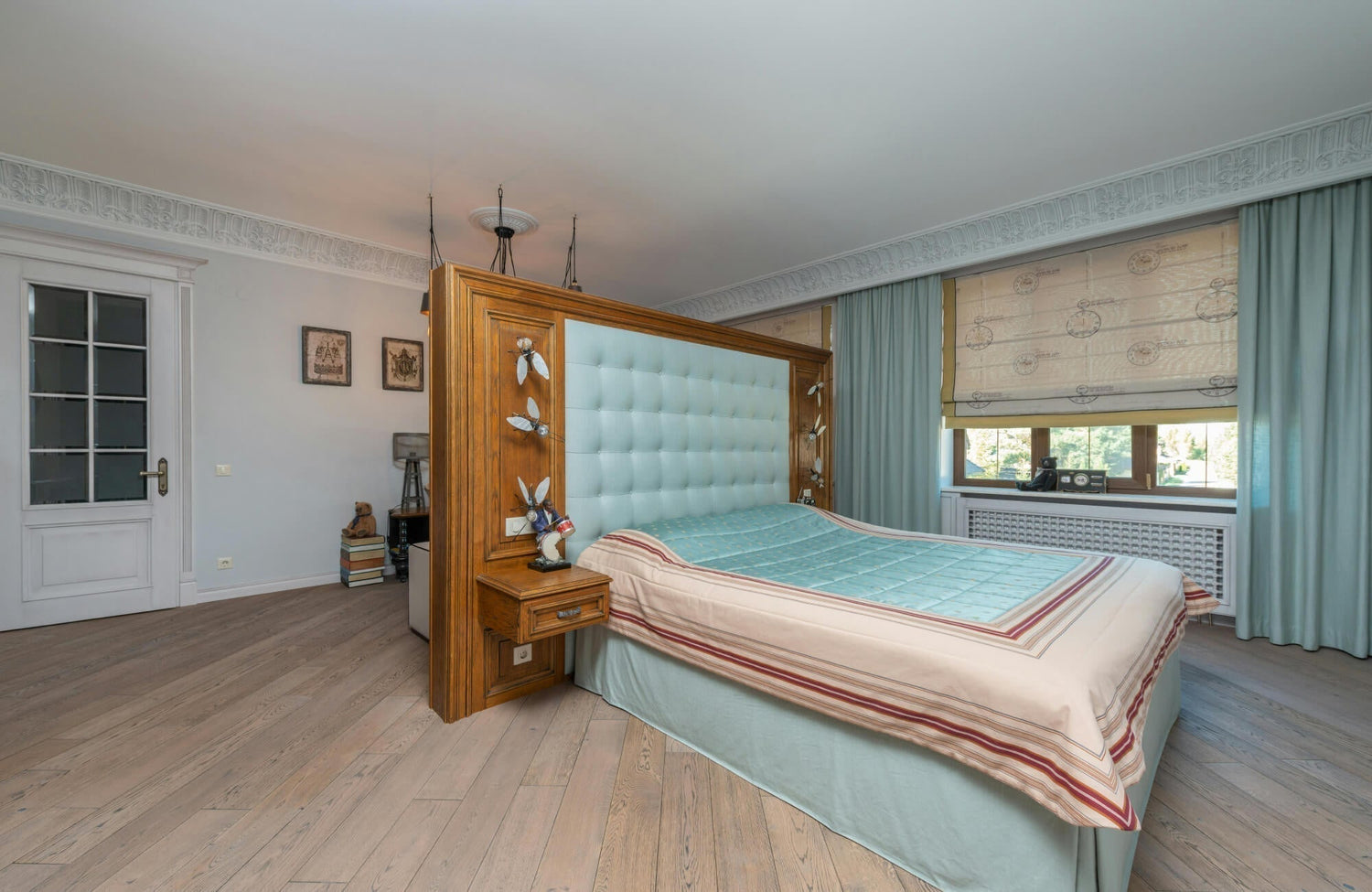
The flooring you choose plays a defining role in shaping your space’s atmosphere, and vinyl plank flooring has transformed into a design-forward option that effortlessly balances beauty and function. No longer seen as a purely practical choice, it now rivals natural materials in realism and versatility. Advances in high-definition printing and texturing technology also allow manufacturers to reproduce the intricate details of wood grain, stone veining, and tile surfaces with stunning precision. Furthermore, the use of Embossing in Register (EIR) ensures that the texture perfectly aligns with the printed design, giving each plank a sense of depth and authenticity that feels as real as it looks. With styles ranging from light oak and hickory to marble and concrete, vinyl plank flooring complements virtually any aesthetic—from rustic and coastal to sleek and contemporary.
Beyond appearance, vinyl plank flooring offers real value in how it influences a space’s overall appeal and market perception. Although hardwood still dominates high-end markets, modern vinyl plank, such as Luxury Vinyl Plank (LVP), has gained considerable respect for its practicality, resilience, and visual impact. When installed consistently throughout a space, it creates a seamless, updated look that feels both stylish and well-maintained. Its waterproof and low-maintenance qualities also make it particularly appealing to buyers who want beauty without the burden of upkeep. Though it may not match the luxury prestige of solid wood, it signals care and quality, attributes that help spaces sell faster and appeal to a wider range of buyers.

When Porcelain Tile Might Be the Better Choice
Although vinyl plank flooring offers an impressive balance of beauty, durability, and value, it isn’t always the ideal solution for every space. In some cases, porcelain tile still stands as the superior option, particularly in environments where long-term performance, water resistance, and lasting strength outweigh installation convenience or comfort. Understanding when porcelain tile outperforms vinyl can help you make a more confident and informed flooring decision.
Durability and Moisture Resistance Comparison
Porcelain tile’s unmatched strength and density make it one of the most resilient flooring materials available. It’s fired at extremely high temperatures during manufacturing, creating a surface that is virtually impervious to moisture. This makes porcelain the go-to choice for areas with continuous exposure to water, such as showers, steam rooms, and even outdoor patios. Our Leona 12x12 Checkerboard Matte Porcelain Tile in Marfil and Amani Grey beautifully demonstrates this durability, combining timeless style with performance. Its matte finish and classic checkerboard pattern, featuring warm beige and cool grey tones, add character and sophistication while offering exceptional resistance to water and wear. Although vinyl plank flooring is waterproof in composition, its surface layer can still dent or scratch under sharp impact, something porcelain easily resists.
If you need a flooring option that can withstand decades of heavy wear without losing its structural integrity, porcelain tile delivers exceptional performance. It doesn’t expand or contract with temperature changes, and it’s fully resistant to mold and mildew, qualities that ensure stability in even the harshest environments. Vinyl plank may hold its own in most residential applications, but in areas that demand extreme durability, porcelain remains the clear winner.
Maintenance and Lifespan Differences
Porcelain tile’s long lifespan is one of its most defining qualities. When properly installed and cared for, it can last fifty years or more, often outliving other flooring types by decades. However, it does require more ongoing maintenance, particularly when it comes to grout lines. Over time, grout can absorb moisture and stains, so periodic sealing and cleaning are essential to maintain both its appearance and performance. For example, our Adeline 12x24 Matte Porcelain Tile in Midnight demonstrates how porcelain can combine lasting durability with striking visual depth. Its rich, dark tone brings a bold yet elegant character to modern interiors, while the matte finish helps conceal everyday smudges and wear. This combination of style and endurance shows how a well-chosen porcelain tile can remain beautiful and functional for decades with minimal effort.
Vinyl plank, by contrast, offers a more hands-off approach. You can keep it looking its best with simple sweeping and mopping, and it rarely requires professional maintenance. The trade-off is longevity; most vinyl plank floors will need replacement after fifteen to twenty-five years, depending on wear. The choice between porcelain and vinyl often comes down to preference: do you value a nearly permanent solution that needs occasional upkeep, or a low-maintenance surface that may eventually require renewal?
Design and Comfort Factors
Porcelain tile brings a refined, timeless aesthetic that easily complements high-end interiors. It offers a luxurious feel and comes in a wide range of finishes—from wood looks to handcrafted designs like zellige tiles, which are prized for their artisanal texture and subtle color variations. These tiles add character and depth, creating a surface that feels truly unique. The kitchen pictured above features our Preston 8x48 Matte Porcelain Tile in White Oak, a perfect example of how porcelain can combine elegance with comfort. Its soft, natural wood tone adds warmth and sophistication while maintaining the practical benefits of porcelain, including durability and moisture resistance. This tile also brings the inviting look of hardwood into spaces like kitchens, where spills and constant use are common, achieving both beauty and lasting functionality in one timeless design.
Vinyl plank flooring, on the other hand, provides a soft and warm feel that enhances everyday comfort. It offers a gentle flexibility underfoot and naturally retains heat better than porcelain, making it an inviting choice for bedrooms, playrooms, and living areas. In cooler climates or spaces without radiant heating, this comfort factor often becomes a deciding advantage, as vinyl plank flooring keeps rooms cozier and more welcoming. However, the same softness that adds comfort can also make vinyl more susceptible to dents from heavy furniture or sharp objects over time. While its cushioning and warmth contribute to a pleasant walking experience, they come at the minor cost of reduced rigidity and slightly lower impact resistance compared to porcelain tile.
Cost and Installation Difficulty
Cost is where porcelain tile and vinyl plank flooring differ most dramatically. Porcelain typically costs between $5 and $15 per square foot, depending on quality, finish, and design complexity. Professional installation adds another $6 to $12 per square foot, as it requires a skilled installer, specialized tools, and considerable preparation, from leveling the subfloor to cutting tiles and applying grout with precision. This process is both time-consuming and labor-intensive, which drives up overall expenses. However, the investment is justified when you consider options like our Aniston 24x48 Matte Porcelain Tile in Calacatta Cremo. With its elegant marble-inspired veining and soft, creamy undertones, this tile embodies timeless sophistication while delivering the unbeatable strength and longevity porcelain is known for. Its large format and matte finish also create a seamless, high-end look that enhances both residential and commercial spaces, ensuring beauty that lasts for decades.
Vinyl plank flooring, on the other hand, provides a much more affordable path to achieving a polished look. Material costs usually range from $2 to $7 per square foot, while professional installation adds about $2 to $5 per square foot. Many vinyl plank options also use a floating click-lock system, allowing you to install them yourself without adhesives, nails, or specialized tools. This DIY capability can cut installation costs entirely, making vinyl an accessible option for budget-conscious individuals. However, its lower cost also reflects its shorter lifespan and lower long-term value, meaning it may need to be replaced sooner and might not offer the same enduring return on investment as porcelain tile.
Choosing the Right Flooring
Vinyl plank flooring offers a practical mix of style, comfort, and affordability, making it an excellent option for many spaces. Its realistic designs and water-resistant properties bring warmth and charm to busy areas without demanding high maintenance. However, when it comes to long-term durability and lasting elegance, porcelain tile remains the superior choice. It resists scratches, moisture, and heavy wear far better than vinyl, maintaining its pristine appearance for decades. Ideal for kitchens, bathrooms, and busy areas, porcelain offers a timeless, high-end finish that elevates any interior. Although vinyl plank flooring provides short-term convenience, porcelain tile delivers enduring strength and beauty, making it the smarter, longer-lasting investment.
If you’re considering porcelain tile for your next project, our design services can help you bring your vision to life with expert guidance and creative insight. We can assist you in selecting the right tile style, color, and layout to complement your space perfectly. To make the process even more seamless, you can use our augmented reality (AR) tool to virtually preview how different tiles will look in your space. This interactive experience allows you to see real-time results, ensuring your choice not only matches your aesthetic goals but also enhances your space with porcelain’s timeless elegance and durability.