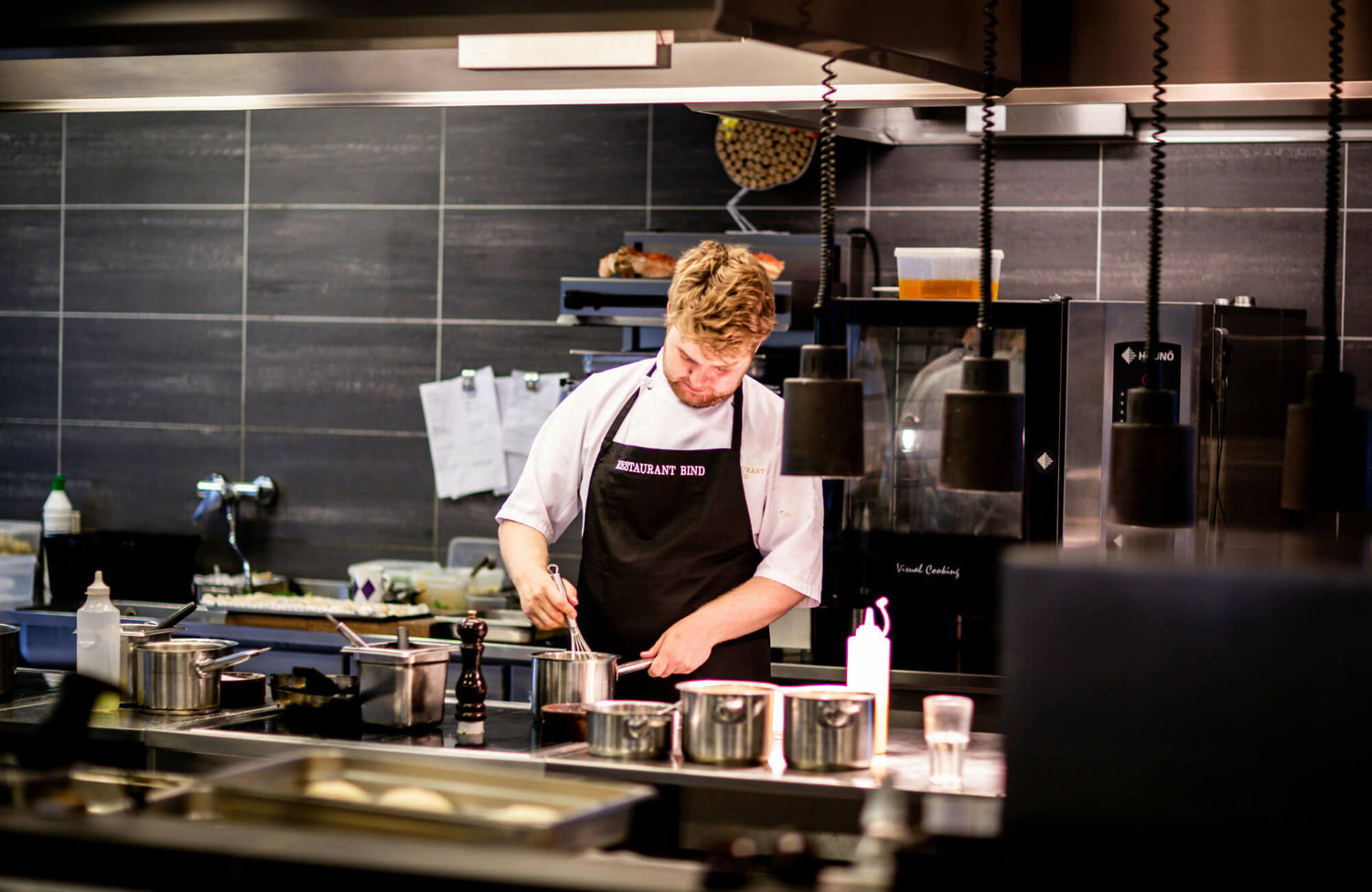
In a commercial kitchen, every surface has to work as hard as the people using it, and the backsplash is no exception. It’s exposed to constant heat, steam, grease, and cleaning, so choosing the right tile is crucial for both durability and hygiene. Beyond protecting the walls, the backsplash helps define the kitchen’s overall look, contributing to a space that feels professional and polished. In this guide, we’ll explore which backsplash tiles perform best in commercial settings, how materials differ in maintenance and longevity, and what design choices keep your kitchen efficient and visually consistent.

The Demands Of A Commercial Kitchen
A commercial kitchen faces intense daily activity, with constant exposure to heat, steam, and heavy cleaning routines. Every surface must perform under these demanding conditions, especially the backsplash, which shields the walls from grease and moisture.
Why Commercial Kitchens Need Durable Surfaces
In a fast-paced kitchen, durability is not optional—it’s essential. Tiles must handle constant exposure to oil splatters, cleaning chemicals, and repeated scrubbing without losing their finish. For instance, weak or porous surfaces can crack or discolor quickly, leading to expensive replacements. Choosing durable materials ensures the backsplash remains intact and easy to maintain, even after years of daily use.
Balancing Hygiene, Maintenance, And Style
While performance comes first, hygiene and appearance go hand in hand in a commercial kitchen. A clean, polished backsplash not only meets food safety standards but also enhances the restaurant’s overall image. For example, non-porous tiles make it easier to remove residue and maintain a spotless look during service hours. Striking the right balance between practicality and design creates a kitchen that functions efficiently while still looking professional.
Meeting Safety And Compliance Standards
Health and safety regulations are strict in commercial settings, and backsplash materials must comply with sanitation codes. Smooth, non-absorbent tiles prevent bacteria and mold from building up in moisture-prone areas. For instance, surfaces that can handle frequent disinfecting without fading or cracking make long-term compliance easier. In addition to that, choosing certified materials simplifies inspections and reinforces trust in your kitchen’s cleanliness.

Key Qualities To Look For In Commercial Backsplash Tiles
Choosing the right backsplash tiles for a commercial kitchen starts with identifying the performance qualities that truly matter. Beyond aesthetics, the best tiles are those that can withstand heavy use, constant cleaning, and exposure to heat and moisture.
Easy-To-Clean And Stain-Resistant Surfaces
Commercial kitchens demand surfaces that can be cleaned quickly and effectively throughout the day. Tiles that resist stains from sauces, oils, and cleaning products help maintain a hygienic workspace without constant scrubbing. For instance, smooth finishes prevent grime from clinging, making it easier to wipe away residue after each shift. Choosing easy-to-clean tiles saves both time and labor while keeping the kitchen spotless and efficient.
A great example is our Juliet 2.5x10 Matte Porcelain Tile in Pearl above, which brings together beauty and practicality in busy kitchen settings. Its smooth matte surface resists stains and buildup, making it easy to maintain through frequent cleaning cycles. The warm cream and off-white tones subtly vary from tile to tile, adding depth without compromising functionality. Crafted for both residential and commercial use, it offers a durable, low-maintenance finish that keeps walls looking clean and polished shift after shift.
Non-Porous Construction For Hygiene
Hygiene is one of the top priorities in any commercial food environment. Non-porous tiles prevent liquids and bacteria from seeping into the surface, reducing the risk of contamination. For example, tiles with sealed finishes block moisture and residue from penetrating, which keeps walls cleaner between deep sanitizations. This construction supports both cleanliness and health compliance, creating a safer cooking environment for staff and customers alike.
Resistance To Moisture And Grease
A busy kitchen exposes backsplash tiles to moisture, steam, and airborne grease throughout the day. Surfaces that repel these elements are easier to maintain and less likely to develop buildup or discoloration. For instance, moisture-resistant tiles prevent swelling or warping near sinks and dishwashing stations, while grease-resistant finishes make post-service cleaning faster. Also, this level of protection extends the life and appearance of your backsplash in high-heat zones.
Durability For Daily Heavy Use
The constant wear and tear of a commercial kitchen means your backsplash must hold up under tough conditions. Tiles should resist chipping, cracking, or fading even after years of exposure to utensils, heat, and heavy cleaning chemicals. For example, impact-resistant tiles can withstand accidental bumps or splashes without showing damage. Investing in durable surfaces not only reduces long-term maintenance costs but also keeps your kitchen looking professional and well-kept.

Best Materials For Commercial Kitchen Backsplashes
In a professional kitchen, the materials you choose for your backsplash determine not only how it looks but how well it performs over time. From resisting stains and heat to simplifying cleaning, each material offers unique strengths suited to specific needs. The goal is to find an option that provides long-term durability, easy maintenance, and compliance with hygiene standards while fitting the pace of a commercial setting.
Porcelain And Ceramic Tiles
Porcelain and ceramic tile remain top choices for commercial kitchens thanks to their unmatched durability, low maintenance, and design flexibility, as seen above with our Mikayla 5x5 Glossy Ceramic Tile in Espresso. They handle heat, moisture, and constant cleaning without fading, warping, or staining. Glazed porcelain tiles, in particular, resist grease and bacteria, making them perfect for areas behind stoves or sinks. Their variety of sizes, finishes, and colors allows them to blend into any kitchen layout while maintaining superior longevity. They’re also more cost-effective over time compared to higher-maintenance materials.
Stainless Steel
Stainless steel delivers excellent durability in high-intensity commercial settings where sanitation and heat resistance are priorities. Its smooth, non-porous surface makes it easy to clean and resistant to moisture and bacteria. It’s a great choice for walls near cooktops or fryers where tiles might face higher thermal exposure. However, it’s more prone to showing fingerprints and scratches, requiring routine polishing to retain its sleek, reflective finish. While practical, it lacks the warmth and texture that porcelain and ceramic can bring to a visible kitchen.
Glass Tiles
Glass tiles offer a contemporary, light-reflective finish that brightens enclosed or smaller prep spaces. Their non-porous surface naturally resists water, stains, and bacteria, making them easy to maintain in busy kitchens. They’re also heat-resistant and can hold up well behind moderate cooking areas. However, glass tiles may chip or crack under heavy impact, and grout maintenance is essential to prevent buildup over time. They’re best suited for accent walls or open kitchens that benefit from a polished, modern appearance.
Natural Stone
Natural stone brings timeless sophistication to commercial interiors, but it demands consistent upkeep to remain sanitary. Marble, granite, and similar stones are durable yet porous, requiring regular sealing to resist grease, acids, and moisture. Over time, unsealed surfaces can absorb oils and discolor under heavy kitchen use. While stone adds organic beauty and depth, it’s not as low-maintenance or stain-resistant as other options. Choosing it works best for lower-impact zones or decorative wall features rather than direct cooking areas.
Engineered Surfaces
Engineered materials like quartz composites are designed for strength, consistency, and resistance to stains and scratches. Their smooth, non-porous surface makes cleaning quick and straightforward, ideal for high-turnover commercial spaces. They maintain a uniform appearance and stand up well to constant cleaning and heat exposure. However, they can be more expensive upfront and limited in texture compared to tile options. While durable, they don’t offer the same variety or customizable look that porcelain and ceramic tiles provide for branded or open-kitchen designs.

Ideal Colors For Commercial Kitchen Backsplashes
Color choice in a commercial kitchen isn’t just about looks; it plays a key role in how the space functions day to day. The tones you choose can influence visibility, make cleaning easier, and even shape the overall atmosphere of the workspace. They can also help reinforce your brand identity, especially in open or guest-facing kitchens.
Light Vs. Dark Tones
Choosing between light and dark tones often comes down to maintenance and lighting conditions. Light-colored backsplashes can make small or enclosed kitchens feel brighter and cleaner, though they may reveal stains or splashes more easily. Darker tones, on the other hand, hide smudges and wear better in high-use areas but can make tight spaces feel smaller. For example, restaurants with strong overhead lighting often pair dark walls with lighter tiles for balance. Also, combining both tones can help create contrast that’s both practical and visually appealing.
Neutral Colors
Neutral shades like white, gray, and beige remain staples in commercial kitchen design for a reason—as seen above with our Lilah 6x6 Glossy Ceramic Tile in Mist, they’re versatile, professional, and easy to maintain. These tones complement stainless steel appliances and bright lighting while keeping the workspace looking clean and consistent. For instance, soft gray tiles pair well with brushed metal finishes, giving the kitchen a polished yet understated look. Additionally, neutrals allow chefs and staff to focus on food preparation without the distraction of bold colors.
Branded Accent Colors
In open or semi-visible kitchens, backsplash color can play a subtle role in extending a restaurant’s brand identity. Adding accent tiles in company colors helps connect the back-of-house with the overall interior design. For example, a café with deep green branding might incorporate a muted sage backsplash for a cohesive look that’s still professional. Also, small pops of brand color in durable tile sections can enhance visibility without overwhelming the workspace.
Warm Tones
Warm colors like terracotta, cream, or honey beige bring a sense of comfort and hospitality to open commercial kitchens. These hues can make large spaces feel more inviting while softening the industrial edge of stainless steel and tile. For instance, a warm-toned backsplash behind a serving counter creates a friendly visual transition between the kitchen and dining areas. Also, warm colors reflect light gently, helping to maintain a balanced atmosphere without harsh glare.
Cool Tones
Cool shades such as soft blues, greens, and light grays are ideal for kitchens that prioritize a sleek, hygienic aesthetic. They give a visual impression of cleanliness and calm while helping offset the heat and intensity of cooking zones. For example, a light blue or gray backsplash can complement white cabinetry and chrome fixtures, enhancing a sense of order and efficiency. In addition, cool tones pair beautifully with bright lighting, ensuring the space feels fresh and professional.

Effective Tile Patterns For Commercial Spaces
Tile patterns play a bigger role in commercial kitchens than many realize. The layout you choose can affect cleaning efficiency, visual flow, and how easily the backsplash withstands daily wear. Selecting the right pattern helps maintain a professional, orderly appearance while supporting a smooth workflow and easy maintenance in high-use areas.
Classic Subway
Subway tile, such as standard offset, stacked horizontal, or running bond, remains one of the most practical options for commercial kitchens because of its clean, uniform appearance. The horizontal alignment creates a structured visual rhythm and makes it easier to identify grease or residue during cleaning. These layouts work especially well in prep zones and open kitchens where hygiene and presentation go hand in hand. Their consistent spacing and balanced proportions keep the design timeless while reducing visual clutter in fast-paced environments.
Large-Format Designs
Large-format tiles are ideal for kitchens that need easy upkeep and a sleek, uninterrupted finish. Because they cover more surface area, they reduce the number of grout lines where grease and moisture can collect. For example, a restaurant kitchen might use oversized tiles to simplify cleaning routines and maintain a more polished appearance. Moreover, their broader surface creates a modern, professional backdrop that enhances lighting and space efficiency.
Vertical Stacking
Vertically stacked tiles bring a modern, refined touch to commercial kitchens while subtly drawing the eye upward. This pattern can help make smaller spaces feel taller and more open, especially in compact prep areas. For instance, placing rectangular tiles in straight vertical lines emphasizes order and symmetry, which suits contemporary layouts. Also, it’s a pattern that complements both neutral and bold tile finishes, adding versatility to the overall design.
Chevron And Herringbone
Chevron and herringbone layouts add character to spaces where design matters just as much as performance. While more intricate, these patterns bring a sense of movement that makes open kitchens or serving areas feel dynamic and stylish. For example, a herringbone backsplash behind a cooking station can become a subtle focal point without overwhelming the space. Also, when sealed properly, these angled layouts remain easy to clean and maintain despite their detailed look.
Full-Height Backsplashes
Extending the backsplash from countertop to ceiling provides maximum coverage and protection in high-moisture, high-heat zones. This approach eliminates exposed wall areas where stains or splashes can settle, keeping the kitchen easier to sanitize. For instance, a full-height backsplash behind stoves or dishwashing stations ensures consistent cleanliness and a cohesive appearance. In addition to that, this design choice helps unify the space visually, giving it a polished, professional finish that supports both hygiene and style.

Installation And Maintenance Considerations
Even the most durable tiles rely on proper installation and regular care to perform their best in commercial kitchens. From choosing the right grout and adhesive to maintaining a consistent cleaning routine, each step plays a role in preserving the backsplash’s strength and appearance.
Choosing The Right Grout And Sealant
Selecting quality grout and sealant is essential to prevent moisture, grease, and bacteria from seeping into tile joints. Epoxy or antimicrobial grout works particularly well in commercial settings since it resists staining and is easier to sanitize. For example, sealing grout lines at least once a year keeps the surface protected from daily wear and frequent cleaning. Also, using a grout color that complements the tile can make upkeep easier by hiding minor discoloration. This combination of durability and aesthetics ensures the backsplash remains both hygienic and visually consistent.
Ensuring Proper Adhesion And Leveling
Proper adhesion and leveling during installation guarantee that backsplash tiles stay secure and aligned over time. Using a high-quality thinset mortar helps tiles bond effectively, even in areas exposed to heat or moisture. Leveling systems are equally important since uneven surfaces can lead to cracking or water pooling between tiles. For instance, installers often use spacers to maintain even grout lines and prevent misalignment. Paying attention to these details ensures a polished finish that holds up under heavy kitchen use.
Scheduling Regular Inspections And Re-Grouting
Regular inspections keep commercial backsplashes in top condition and prevent small issues from becoming costly repairs. Over time, grout may crack or loosen, allowing moisture to penetrate behind the tiles. Scheduling re-grouting every few years or sooner in high-moisture environments helps maintain the integrity of the wall and prevents bacterial growth. For example, if grout begins to discolor or crumble, it’s a clear sign that maintenance is needed. Consistent upkeep not only extends tile life but also maintains a professional, well-cared-for appearance.
Cleaning Routines For High-Use Environments
Establishing a solid cleaning routine is key to preserving tile surfaces in busy commercial kitchens. Daily wipe-downs with mild, non-abrasive cleaners prevent grease and residue buildup, while deeper weekly cleans keep grout and corners fresh. For instance, steam cleaning can be useful for tackling tougher grime without damaging the tile’s finish. It’s also helpful to address spills or splatters as soon as they occur to avoid staining. Consistent cleaning keeps the backsplash both functional and presentable, supporting the kitchen’s overall hygiene standards.
Balancing Functionality And Design
Balancing functionality and design in a commercial kitchen means selecting materials that can endure heavy daily use while still complementing the overall aesthetic. The backsplash plays a crucial role in both performance and presentation, tying together the workspace with visual consistency. Beyond its protective purpose, it influences lighting, cleanliness, and the overall atmosphere of the kitchen. When chosen thoughtfully, the right tile can reinforce your brand identity while maintaining a professional, polished environment.
To achieve this level of balance, consulting with a design professional is a smart step. Our expert guidance helps you choose tiles, colors, and layouts that meet both durability standards and aesthetic goals. By collaborating with professionals, you can turn a purely functional surface into a refined design feature that enhances the entire space.