Tile that looks like wood, often referred to as wood look tile, combines the natural warmth and visual appeal of hardwood with the durability and practicality of ceramic or porcelain. Thanks to advanced manufacturing techniques, these tiles realistically replicate the texture, grain, and color variations of real wood while offering greater resistance to moisture, scratches, and everyday wear. This makes them a popular flooring choice for areas where traditional hardwood may not perform well, such as kitchens, bathrooms, and busy spaces.
A common question homeowners ask is whether tile that looks like wood is expensive compared to other flooring options. In reality, the price can vary widely depending on factors such as material quality, tile size, manufacturing technology, and installation requirements. By understanding these cost factors, you can better determine whether wood look tiles fit your design vision, performance needs, and budget.

Key Factors That Affect the Cost of Wood Look Tiles
Several key elements influence the price of wood look tiles. Understanding these factors helps you navigate your options and ensures you strike the right balance between cost and style.
Raw Material Quality and Its Impact on Cost
The cost of wood look tiles starts with the quality of the raw materials used in their production. High-quality clay and porcelain, prized for their durability and low porosity, often come at a premium. Imported materials, such as Italian porcelain, stand out for their exceptional craftsmanship and realistic finishes, though their specialized production processes make them more expensive. For instance, Italian porcelain tiles are renowned for their lifelike wood finishes and robust structure, appealing to those seeking premium quality.
Advanced Manufacturing Techniques and Pricing
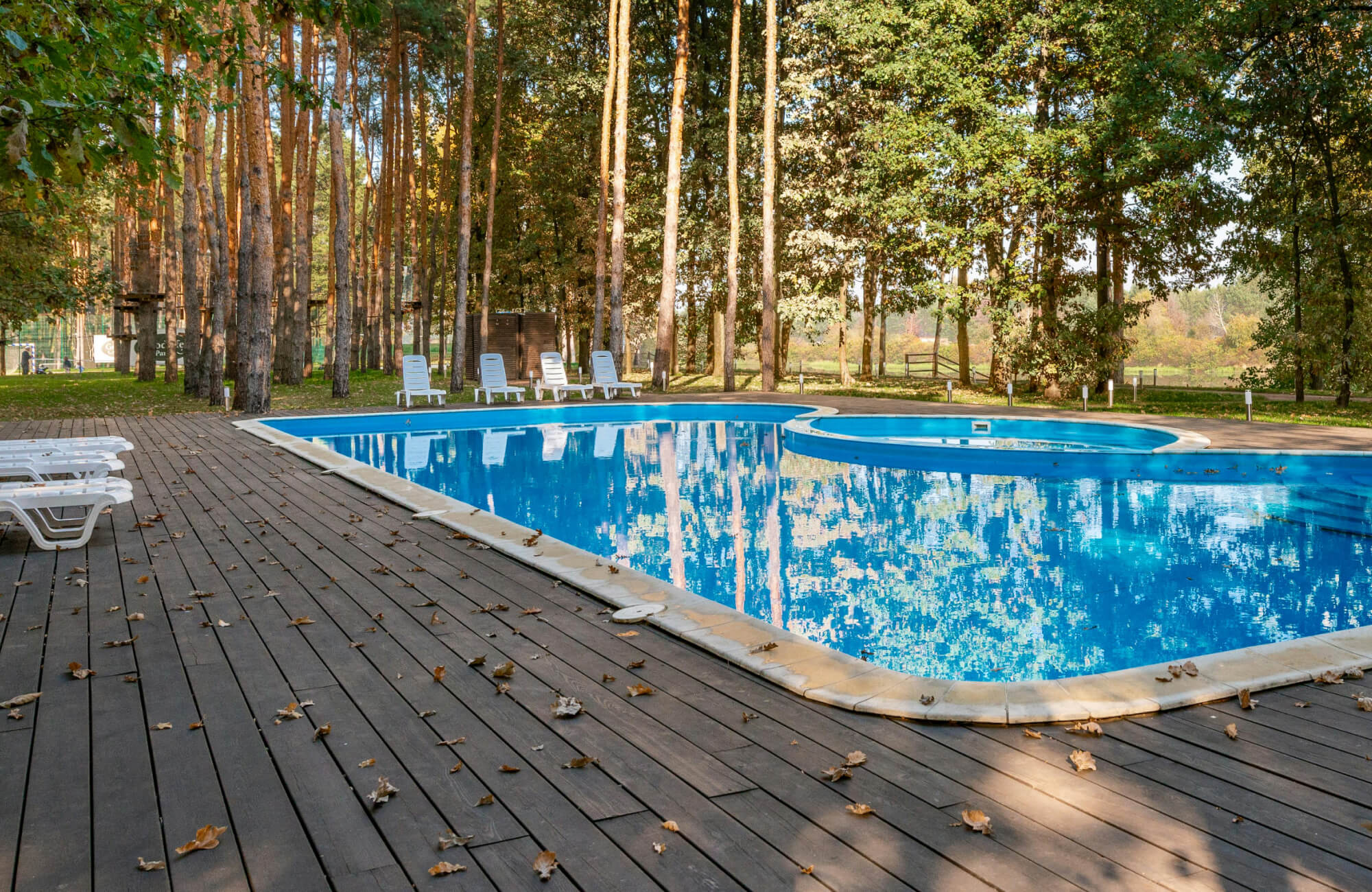
The manufacturing process significantly influences the appearance and price of wood look tiles. Advanced digital printing technology creates intricate wood grain patterns, delivering a remarkably realistic appearance. Moreover, high-precision embossing and multi-layered glazing contribute to the cost due to the advanced equipment and craftsmanship required to achieve these realistic finishes. For instance, the Preston 8x48 Matte Porcelain Tile in Birch, as displayed in the image above, showcases a finely detailed wood grain design that mirrors the natural elegance of real birch wood. Its multi-layered glazing and high-temperature firing further enhance the tile’s depth, texture, and durability, ensuring a premium finish.
Techniques mentioned above give wood look tiles a tactile feel of real wood, elevating the aesthetic appeal and making them an excellent choice for achieving a sophisticated, natural look. While these advanced processes guarantee high-quality results, they also contribute to the overall cost, reflecting the craftsmanship and technology behind such exceptional designs.
How Size and Tile Formats Influence Price
The size and format of wood look tiles significantly influence their cost. Larger tiles, such as 8x48 or 12x72 inches, require more raw materials and precise manufacturing techniques, making them more expensive. Smaller tiles or custom formats, such as pre-cut designs for herringbone or chevron patterns, may use less material but often involve higher labor costs during installation due to their intricate layouts. Striking a balance between material costs, installation budgets, and aesthetic preferences is essential when selecting the ideal tile size for your space.

Comparing Wood Look Tiles with Real Wood Flooring
When deciding between tile that looks like wood and real wood flooring, it’s essential to compare both the upfront and long-term costs, as each has unique advantages.
Upfront Costs of Wood Look Tiles vs. Real Wood
In terms of initial expenses, wood look tiles generally offer a more affordable option than high-end wood flooring. Premium wood species like walnut or mahogany can cost upwards of $8 to $12 per square foot, while wood look tiles range from $3 to $15 per square foot. Though budget-friendly woods like pine may compete with lower-cost tiles, the durability and low maintenance of tiles often provide better value over time.
Installation Expenses: Wood Look Tiles vs. Real Wood
Wood look tile installation tends to be more cost-effective than real wood flooring. The process typically requires less specialized labor, with installation costs averaging $5 to $10 per square foot. In some cases, tiles can be installed over existing floors, reducing preparation expenses and saving time.
In contrast, real wood flooring demands precision in cutting, sanding, and finishing, which can drive installation costs up to $8 to $15 per square foot or more, depending on the type of wood and the complexity of the layout. These higher labor expenses make tile a more budget-friendly option for many homeowners.
Long-Term Costs: Maintenance and Durability
The long-term costs of tile that looks like wood are notably lower due to its durability. Unlike real wood, which is vulnerable to scratches, dents, and moisture damage, tiles, especially made of porcelain, are resistant to these issues and require minimal maintenance. With proper care, such as regular cleaning with a broom or mop, porcelain wood look tiles can last 20-50 years, reducing the need for costly repairs or replacements. In contrast, real wood flooring typically lasts 10-30 years, depending on the type of wood and how well it is maintained, but often requires refinishing and repairs during its lifespan.
Maintaining wood look tiles is far less expensive, with routine upkeep costing as little as $0.10 per square foot annually. By comparison, real wood maintenance involves more intensive care, such as refinishing every 5-10 years, which can cost $3 to $8 per square foot. Additional expenses for cleaning products, protective coatings, and occasional repairs further increase the overall cost. This durability and low-maintenance advantage make wood look tiles a practical and cost-effective choice for the long term.

How to Find Affordable Wood Look Tiles
If you’re looking to balance quality and cost, several strategies can help you find wood look tiles that meet your needs without exceeding your budget.
Comparing Prices
Exploring various options is key to finding the best deals. Local showrooms, online retailers, and home improvement stores often offer a range of choices. Customer reviews and expert recommendations can also provide insights into the quality of different brands. By visiting showrooms or requesting samples, you can assess the texture and finish of the tiles firsthand to ensure they align with your expectations.
Smart Choices with Tile Grades
Tiles are categorized into different grades, which affect their price. First-quality tiles offer consistent finishes, while second and third-quality options may feature slight imperfections. These minor flaws are often invisible after installation, making lower-grade tiles a budget-friendly way to achieve a high-end look.
Exploring Budget-Friendly Tile Formats
While large plank tiles are popular for their seamless, hardwood-inspired appearance, smaller formats or specialized layouts can provide more budget-conscious alternatives. Formats such as shorter planks or pre-cut designs for herringbone and chevron patterns allow you to create distinctive visual interest without relying solely on oversized tiles. Although intricate layouts may slightly increase installation labor, they often open up creative design possibilities that balance style with cost.
To make the selection process easier, Edward Martin’s Augmented Reality (AR) Visualization Tool allows you to preview wood look tiles directly within your own space. By using your device’s camera, you can experiment with different colors, plank sizes, and layouts to see how each option complements your room’s lighting, furniture, and overall design. For added confidence, Edward Martin also offers tile samples, allowing you to experience the texture, color variation, and finish in person before making a final decision. Combining digital visualization with physical samples helps ensure you choose a wood look tile that fits both your aesthetic vision and budget.

Why Wood Look Tiles Are Worth the Investment
Beyond affordability, tile that looks like wood delivers exceptional value through its durability, versatility, and potential to enhance property value.
Durability and Longevity of Porcelain Wood Look Tiles
Wood look tiles, especially porcelain, are highly durable and well-suited for areas prone to moisture or heavy use. Porcelain wood look tiles are dense, non-porous, and water-resistant, making them ideal for kitchens, bathrooms, and outdoor spaces. They also resist scratches, stains, and fading, ensuring their wood-like appearance stays vibrant over time.
Unlike real wood, which is vulnerable to moisture damage, pests, and wear, porcelain wood look tiles provide a long-lasting, low-maintenance alternative. With minimal upkeep, they retain their beauty for years. Their resilience reduces the need for repairs or replacements, making them a smart, practical choice for any home.
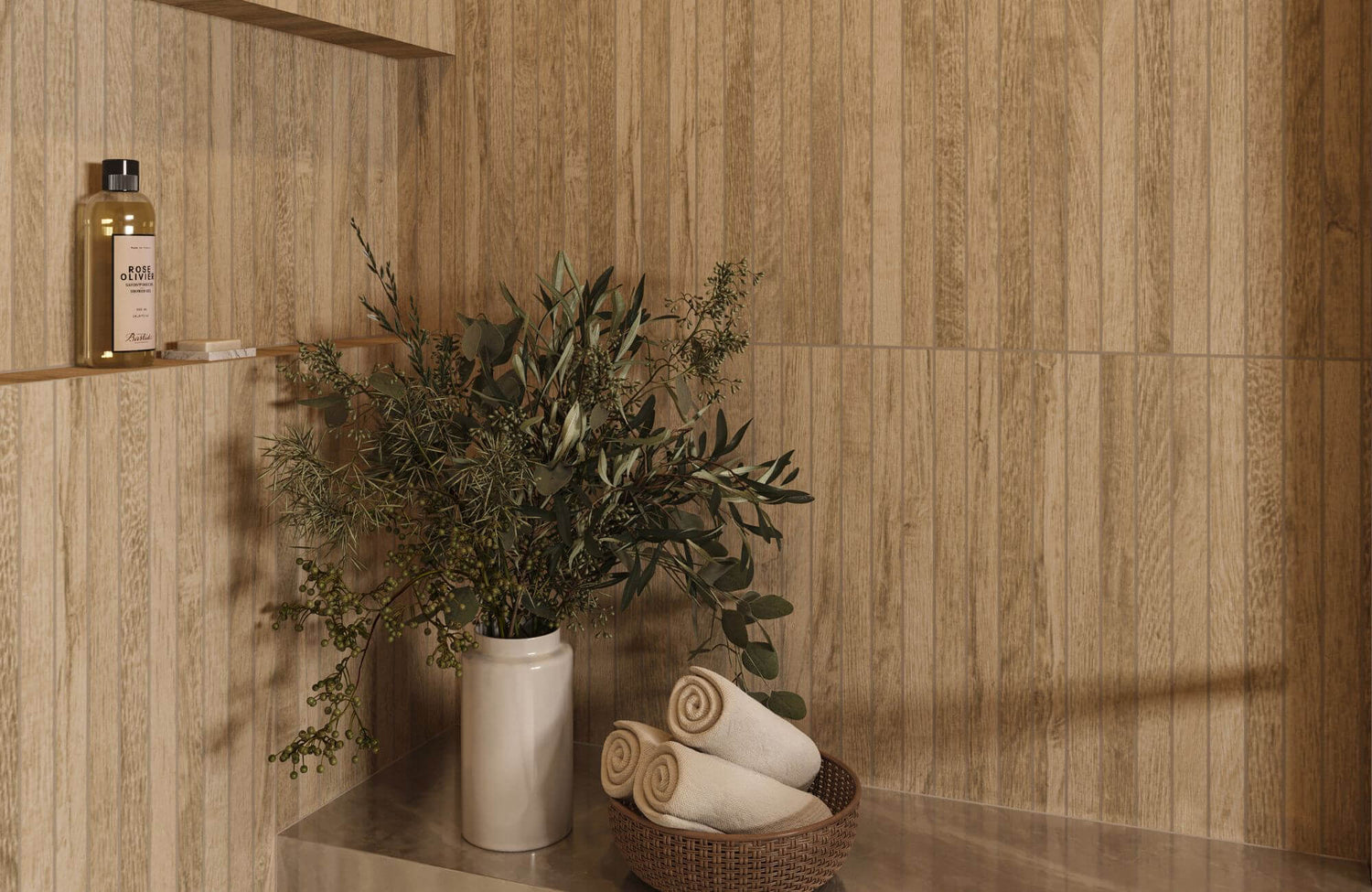
As shown in the picture above, the Jameson 8x48 Matte Porcelain Tile in Camel exemplifies these qualities, making it an excellent choice for wet areas like bathrooms. Its dense, water-resistant composition ensures durability in high-moisture environments, while its realistic wood-look design adds a touch of sophistication. This makes it a practical option for creating a stylish, low-maintenance bathroom that can withstand daily use.
Versatility and Design Options for Every Space
The design options for wood look tiles are vast. From rustic reclaimed wood textures to sleek, polished walnut finishes, there’s a style to suit every preference. Creative layouts, including herringbone and chevron patterns, add a touch of sophistication, transforming ordinary spaces into elegant environments. Their ability to mimic various wood species and finishes ensures compatibility with both traditional and modern interiors. Additionally, wood look tiles are available in formats that work seamlessly for walls, floors, and even outdoor areas, providing endless design possibilities.
Boosting Home Value with Wood Look Tiles
The combination of style, durability, and low maintenance makes tile that looks like wood a desirable feature for potential buyers. Their high-quality appearance and practicality can significantly enhance a home’s market appeal and overall value. Additionally, their longevity ensures homeowners won't need frequent replacements, making them an attractive, long-term investment for future buyers.

Installation and Maintenance
Proper installation and routine care are essential for preserving the appearance and longevity of wood look tiles. Professional installation helps ensure accurate alignment, consistent spacing, and properly applied grout, all of which contribute to a stable and visually appealing surface. Experienced installers can also address subfloor preparation and layout considerations, reducing the risk of uneven surfaces or long-term issues, especially when installing intricate patterns such as herringbone or chevron. Because installation methods may vary depending on the tile product, subfloor condition, and layout design, consulting a qualified installer and following manufacturer recommendations can help achieve the best results.
Maintaining porcelain wood look tiles is relatively simple. Regular sweeping or mopping with mild, pH-neutral cleaners is typically sufficient to keep the surface clean and looking its best. Avoid using abrasive materials, and promptly clean up spills to help protect the tile’s finish and grout lines. Since care requirements can vary slightly between products, following the manufacturer’s maintenance guidelines will help ensure optimal performance and durability over time. With proper installation and consistent upkeep, porcelain wood look tiles can remain a practical and attractive flooring option for many years.
Choosing the Right Wood Look Tile for Your Home
Tile that looks like wood offers a stylish and practical alternative to traditional hardwood flooring. With its ability to replicate the warmth and character of natural wood while providing greater resistance to moisture, scratches, and daily wear, wood look tile has become a popular solution for modern interiors. Its wide range of formats, finishes, and price points also makes it accessible for many different budgets and design preferences.
By understanding the key factors that influence cost, such as material quality, manufacturing technology, tile size, and installation, you can confidently evaluate your options and choose a solution that aligns with your needs. Whether you prioritize durability, visual appeal, or long-term value, high-quality porcelain wood look tiles offer a reliable and attractive flooring option that can enhance the comfort and style of any space for years to come.