Subway tile has long been a go-to choice for homeowners and designers alike—but when it comes to cost, the answer isn’t always as straightforward as its clean, classic look. Is subway tile truly budget-friendly, or can it become a more significant investment than expected?
The cost of subway tile depends on several factors, including material, labor, installation requirements, and even hidden expenses that can arise during a project. In this guide, we’ll break down what influences pricing, explore options across different budgets, and share practical ways to manage costs, helping you decide if subway tile is the right fit for your space.

Breaking Down the Cost of Subway Tile
To better understand whether subway tile is truly affordable, it’s important to look beyond the surface price. Several key factors contribute to the overall cost, each playing a role in shaping your final budget.
How Material Impacts the Cost of Subway Tile
Material choice greatly influences subway tile costs, with each option offering a distinct balance of durability, aesthetics, and price. For a budget-friendly yet stylish option, ceramic tiles are the most economical, priced between $5 and $15 per square foot. They provide a classic look that combines affordability with visual appeal, making them ideal for cost-conscious renovations.
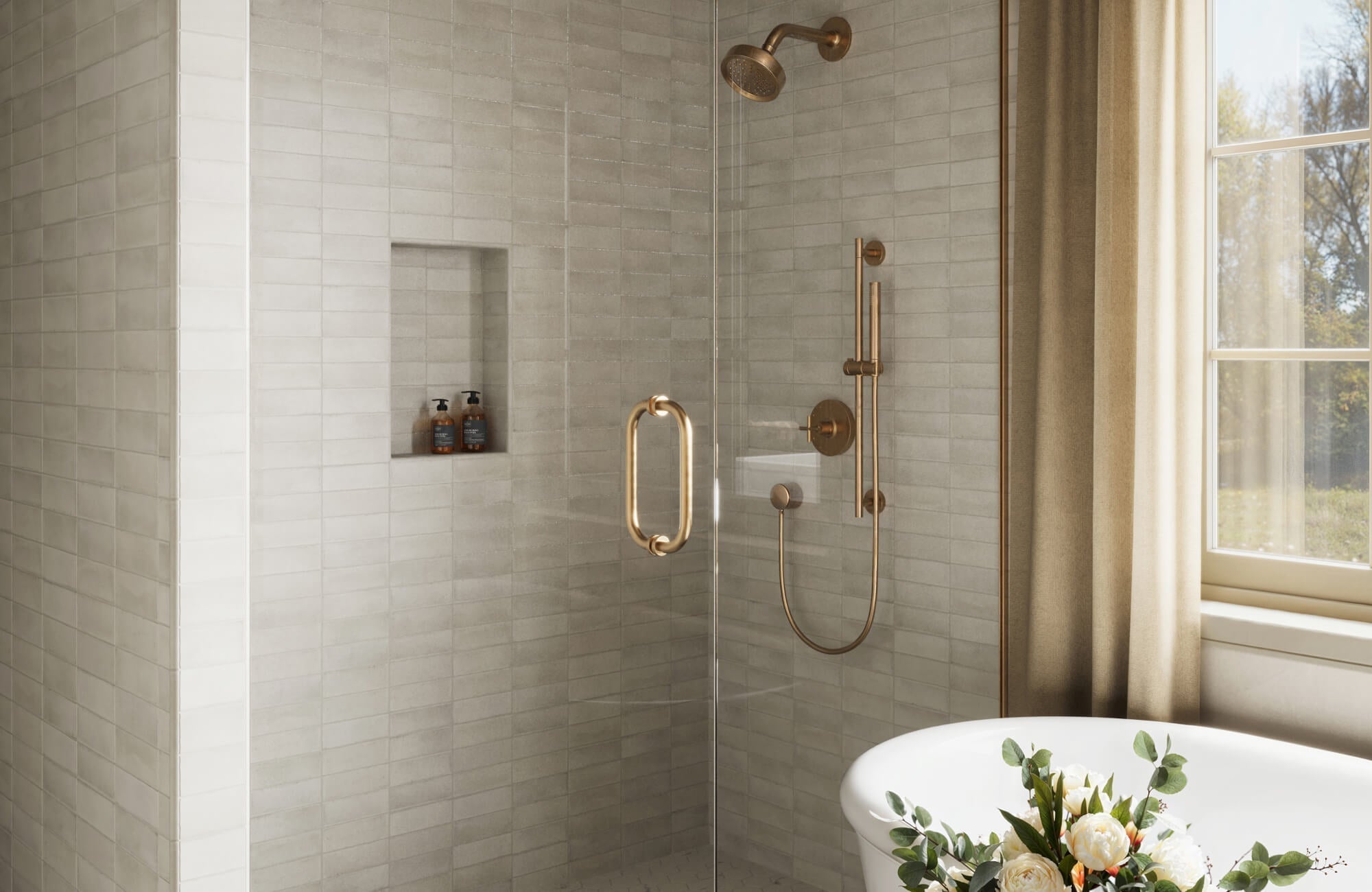
Porcelain subway tiles, typically ranging from $10 to $30 per square foot, are a durable and water-resistant option well-suited for kitchens and bathrooms. As seen in the image above, Edward Martin’s Aniston 3x12 Polished Porcelain Tile in Calacatta Cremo reflects these qualities through its refined marble-inspired veining and resilient surface. Porcelain can convincingly mimic natural stone while offering enhanced resistance to moisture and wear, making it a practical yet elevated choice for long-term use.
For a sleek and modern aesthetic, glass subway tiles offer a distinctive appeal. Priced between $15 and $50 per square foot, they come in a variety of colors and textures that create a luminous, reflective quality. At the luxury end, materials like marble or travertine, ranging from $20 to $100 per square foot, deliver unparalleled elegance.
By understanding how material affects cost, homeowners can select subway tiles that best match their budget and design vision.
How Labor Affects the Total Project Cost
Labor is a significant part of the total cost of subway tile installation. Complex installations requiring intricate patterns or extensive cutting demand more time and expertise, raising labor expenses. Larger spaces also increase costs due to the time and effort involved.
Skilled installers charge between $40 and $100 per hour, but their expertise ensures a polished, durable result. To manage costs, homeowners should request multiple quotes, verify credentials, and select professionals who align with their budget and project needs.
Key Installation Materials for Subway Tile Projects
A successful subway tile project requires additional materials that contribute to the overall budget. Thin-set mortar, priced between $10 and $50 per bag, bonds tiles to the surface. Grout, which fills gaps between tiles, ranges from $10 to $30 per bag for basic cement-based options, while epoxy grout can cost upwards of $50.
Other necessary items include spacers ($5 to $10 per pack) for uniform spacing, backer board ($10 to $20 per sheet) for moisture resistance, and waterproofing membranes ($1 to $3 per square foot) for high-moisture areas. These materials, though often overlooked, are crucial for a professional, long-lasting installation.

Long-Term Value and Resale Benefits of Subway Tile
While upfront costs are important, subway tile also offers value that extends well beyond installation. Its durability and timeless appeal can make a meaningful difference in both everyday use and future resale potential.
Why Subway Tile Is a Durable Choice
Subway tile’s durability makes it a reliable choice for kitchens, bathrooms, and other busy areas. Porcelain subway tiles stand out for their strength, nonporous nature, and water resistance, making them ideal for spaces prone to moisture. Fired at extremely high temperatures, porcelain forms a dense surface that resists scratches, stains, and water damage, ensuring long-lasting performance.
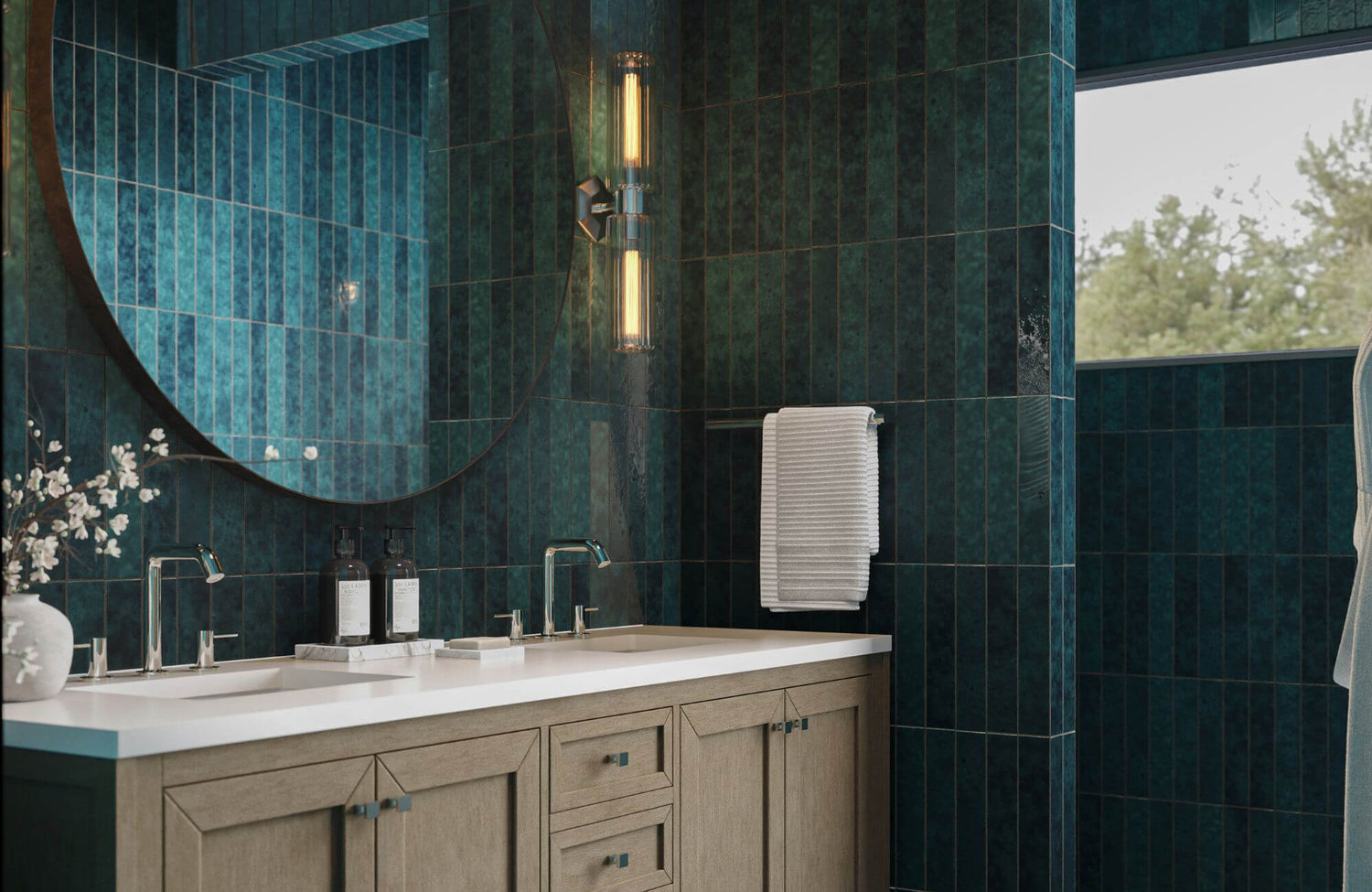
Ceramic tiles are another dependable option, particularly for walls. Crafted from natural clay and fired at high temperatures, they offer a lightweight yet durable structure that’s easy to maintain. This is evident in Edward Martin’s Jaden 2.5x16 Glossy Ceramic Tile in Hunter, featured in the image above, where the rich green tone and glossy finish combine visual depth with everyday practicality. Its smooth surface allows for easy cleaning, making it especially suitable for backsplashes and accent walls.
Glass tiles, with their luminous quality, provide a modern and striking look. However, due to their higher cost and relative fragility, they are best suited for decorative accents in low-impact areas. Overall, porcelain and ceramic remain the most practical, value-driven choices for homeowners seeking durability without compromising style.
How Subway Tiles Enhance Resale Value
Subway tile boosts resale value by combining timeless appeal with practicality. Its clean design complements a variety of styles, creating a polished look in kitchens and bathrooms—key areas that influence buyer decisions. Durable materials like porcelain and ceramic ensure the installation retains its beauty and functionality, reducing the need for costly updates. Whether featured in a backsplash or a larger renovation, subway tile’s universal appeal and reliability make it a standout choice for increasing a home’s market value.

Unexpected Costs to Consider Before Installing Subway Tile
Even with careful planning, not every expense is immediately visible at the start. Being aware of potential hidden costs can help you avoid surprises and keep your project on track.
Preparation and Hidden Costs of Subway Tile Installation
Installing subway tiles often involves preparation that can add to the budget. Demolition of existing surfaces may cost $200 to $1,000, depending on the size and condition of the area. Uneven or damaged surfaces may require additional leveling or bonding agents, further increasing expenses.
Hidden problems like water damage or structural issues can also significantly raise costs. For example, repairing water damage behind walls may add $500 to $2,000 or more to the budget. Consulting a professional early helps identify and address these challenges efficiently, ensuring the project progresses smoothly.
Factors That Increase Installation Costs
Certain choices and adjustments during installation can increase costs. Customizing subway tile patterns, such as herringbone, chevron, or vertical layouts, requires precision and additional time, raising labor expenses. Specialty tiles with intricate designs, unique finishes, or unconventional sizes often come at a premium, adding to the overall budget.
In kitchens and bathrooms, electrical or plumbing adjustments may also be necessary to achieve a seamless tile layout. Relocating outlets, light switches, or plumbing fixtures can cost $100 to $500 or more, depending on the complexity. Planning these changes helps avoid disruptions and ensures the design remains visually appealing.

Strategies to Save Money on Subway Tile Projects
Fortunately, achieving a polished subway tile look doesn’t always require stretching your budget. With the right approach, you can reduce costs while still maintaining quality and style.
How DIY Installation Can Reduce Costs
Taking a DIY approach to subway tile installation is an effective way to cut costs, as labor typically accounts for 30% to 50% of the project’s total expense. Starting with smaller areas, such as backsplashes, allows homeowners to practice and build confidence before tackling larger projects. Learning the basics of tiling also helps homeowners better communicate with contractors for future projects.
However, DIY installations have potential downsides, such as uneven tiles, poor grout application, or improper sealing, which can compromise durability and appearance. Correcting mistakes may require professional intervention, offsetting initial savings. Additionally, DIY projects often take more time, especially for beginners with tight schedules. Homeowners should carefully weigh the risks and benefits, as consulting a professional for complex or large-scale projects ensures accuracy, minimizes errors, and delivers a polished, durable finish.
Opting for Standard Sizes and Simple Patterns
Choosing standard-sized subway tiles and avoiding intricate patterns can significantly reduce both material and labor costs. Standard sizes are typically more affordable and readily available, while simpler patterns require less time and precision during installation. To further manage expenses, subway tile can be used strategically as an accent, such as in a backsplash or decorative border, rather than covering entire walls. These creative approaches allow homeowners to achieve subway tile’s timeless and elegant appeal while staying within budget.
Buying in Bulk or During Sales
Purchasing subway tiles in bulk or during seasonal sales is a smart way to save on costs. Retailers often provide discounts for larger orders, making it cost-effective to buy all the tiles needed for your project in one go. Additionally, shopping during promotions or end-of-season sales can help you maximize your budget while still ensuring high-quality materials.

How Subway Tiles Enhance Aesthetic Appeal
Beyond cost and practicality, subway tile remains a favorite for its ability to elevate the overall look of a space. Its versatility allows it to complement a wide range of design styles with ease.
Why Subway Tile Improves the Look of a Space
In smaller spaces, subway tile’s clean lines can create a sense of height and openness, making the room feel larger and more inviting. Vertical layouts, in particular, draw the eye upward—an effect illustrated in the image above, where Edward Martin’s Maisie 2.5x16 Glossy Ceramic Tile in Ocean introduces a soft, airy tone while enhancing visual height. Its elongated format and subtle sheen help reflect light, contributing to a brighter, more expansive feel.
In larger spaces, subway tile brings structure and cohesion, preventing the design from feeling too sparse or overwhelming. Its simplicity allows other elements, such as fixtures, textures, or accent pieces, to stand out while maintaining a balanced overall look. Thoughtful details like contrasting grout or feature walls can further define areas within open layouts, reinforcing subway tile’s versatility across different scales and styles.
How Subway Tile Adds Lifestyle Value
Beyond cost and resale benefits, subway tile enhances everyday living by combining practicality with timeless design. In the kitchen, it creates a clean, inviting backdrop that makes cooking and gathering more enjoyable. In bathrooms, its smooth, reflective surface contributes to a calm, spa-like atmosphere, while also being easy to maintain. Even in outdoor settings, subway tile introduces a polished, weather-resistant finish that elevates patios or kitchen areas for both relaxation and entertaining.
To help you confidently choose the right design, Edward Martin offers an Augmented Reality (AR) Visualization Tool that allows you to preview subway tile directly in your space. This feature makes it easier to compare colors, layouts, and finishes in real time, ensuring your selection aligns with your overall vision. You can also order tile samples from Edward Martin to experience the texture, tone, and quality firsthand, making it easier to make a well-informed decision before installation.
Making the Best Decision for Your Subway Tile Project
So, is subway tile expensive? The answer ultimately depends on your material choices, installation approach, and overall project scope. While costs can vary, subway tile remains a flexible option that can suit both modest budgets and more premium designs.
By understanding the factors that influence pricing and planning carefully, you can achieve a balance between cost, durability, and style. Whether you opt for a simple, budget-friendly installation or a more customized design, subway tile offers lasting value through its versatility, ease of maintenance, and timeless appeal, making it a smart and reliable choice for a wide range of spaces.