
)
)
)
)
)
)
)
)
Is Mosaic Tile Waterproof?
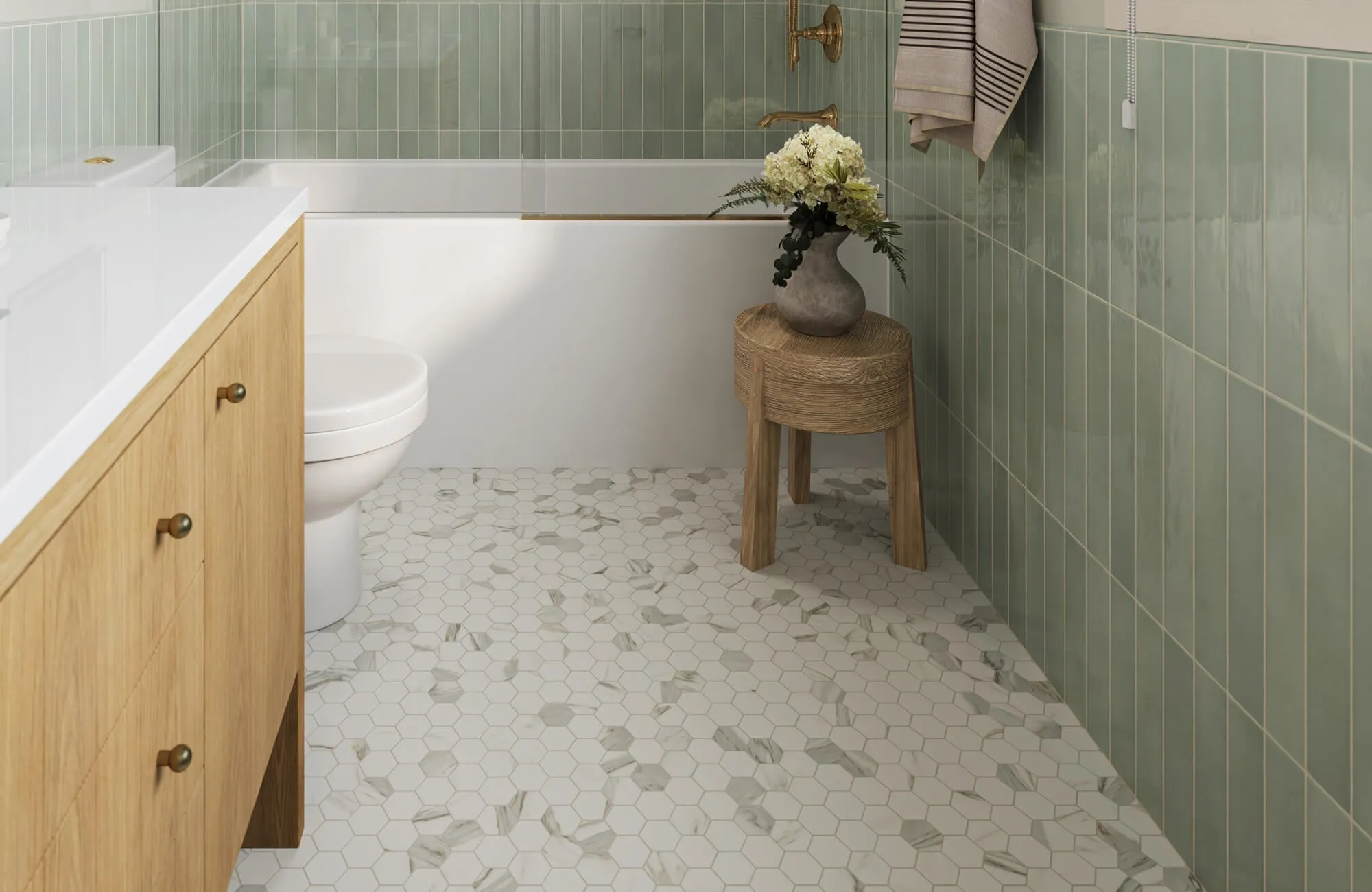
Mosaic tiles are a timeless fusion of artistry and function, bringing intricate detail and visual rhythm to spaces where both beauty and performance are essential. Whether gracing a luxury walk-in shower, enhancing a spa-inspired backsplash, or lining the curved contours of a swimming pool, mosaic tile installations offer unmatched versatility in design and application.
However, when selecting mosaic tiles for wet areas, an important question arises: Is mosaic tile waterproof, and how does it perform in moisture-intensive environments over time? The answer lies in a delicate balance of material science, installation technique, and system integration that collectively determine water resistance. This article explores the technical foundations of waterproof mosaic tile systems, offering insight into their structure, behavior, and long-term reliability in wet conditions.
Material Composition and Moisture Absorption Rates
The extent to which mosaic tile resists water penetration begins with its fundamental material composition. Each tile type exhibits distinct levels of porosity, directly affecting its suitability for waterproof applications.
Porcelain Mosaic Tiles
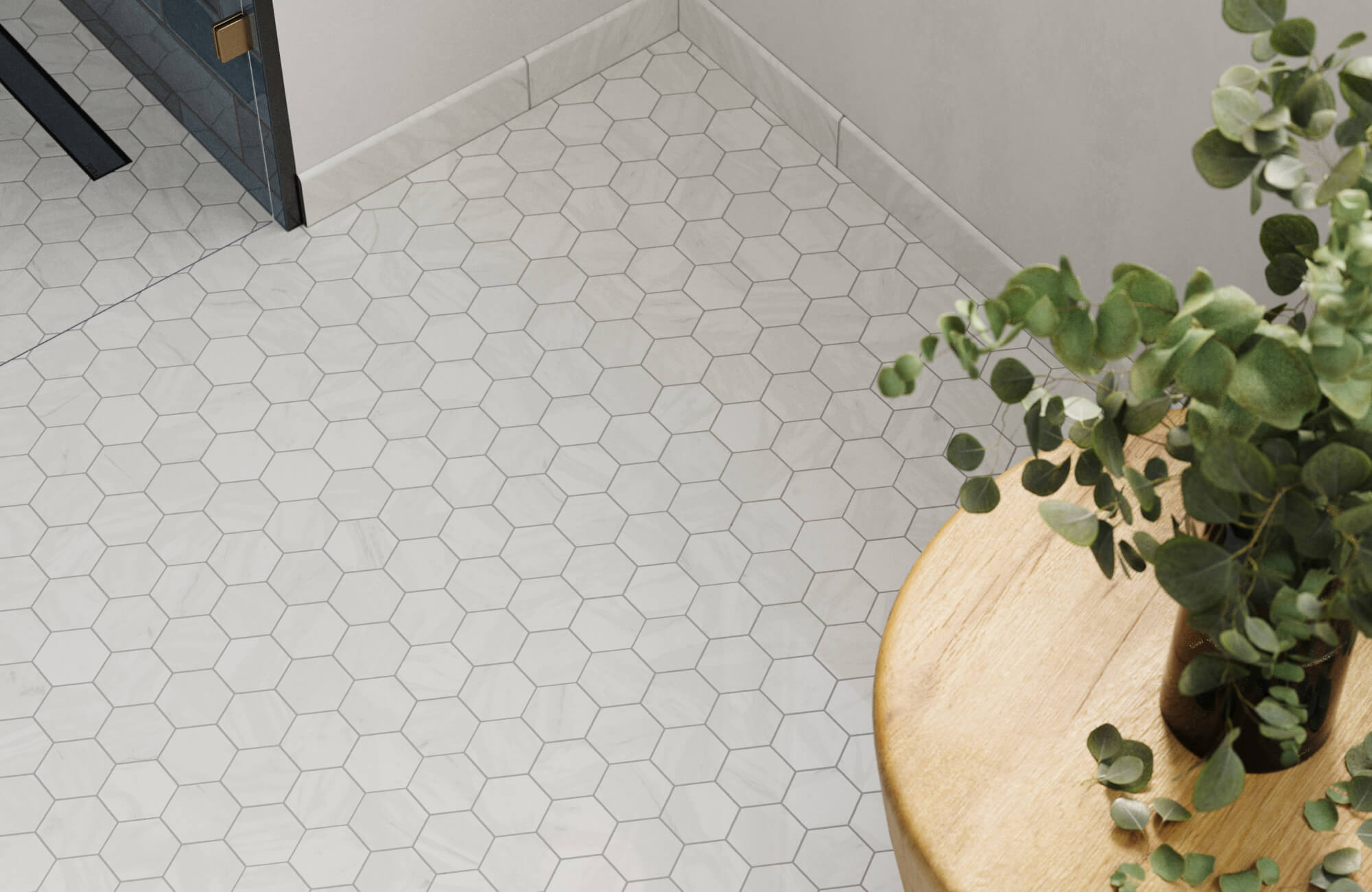
Porcelain mosaic tiles are crafted from refined clay and fired at extremely high temperatures, resulting in a dense, vitrified structure that resists moisture absorption. With water absorption rates below 0.5%, porcelain tiles are classified as impervious under ANSI A137.1 standards, making them exceptionally suitable for high-moisture environments such as shower floors, steam rooms, and pool perimeters.
This low porosity not only ensures long-term performance but also reduces the likelihood of water-related damage like efflorescence or tile warping. Because of their inherent durability and water resistance, porcelain mosaics are often recommended for both indoor and outdoor waterproof tile installations. They even withstand thermal stress and frost cycles, contributing to their popularity in exterior applications.
An excellent example of this performance in action is Edward Martin’s Blair 3x3 Matte Porcelain Hexagon Mosaic Tile in Volakas White, as shown in the photo above, demonstrating both its aesthetic refinement and suitability for moisture-prone areas. For any setting where consistent moisture resistance is essential, waterproof porcelain mosaic tiles remain a top-performing solution.
Ceramic Mosaic Tiles
Ceramic mosaic tiles, while visually similar to porcelain, are fired at lower temperatures and tend to be slightly more porous, with water absorption rates typically ranging from 3% to 7%. They are classified as vitreous or semi-vitreous, which means they can perform well in light to moderate moisture conditions with the proper installation techniques. In wet environments, they do require sealing and, ideally, a waterproofing membrane beneath to prevent water ingress and protect the underlying structure.
Backsplashes and accent walls are ideal applications for ceramic mosaic tiles, where moisture exposure is limited and decorative impact takes priority. Their workability allows for easier cutting and installation in detailed layouts, making them well-suited for creative designs, niche insets, and colorful visual statements. While they may not provide the same level of long-term moisture resistance as porcelain mosaic tile, ceramic options offer exceptional design flexibility and reliable performance in vertical bathroom installations with intermittent water contact.
Glass and Metal Mosaic Tile Properties
Glass mosaic tiles stand out for their non-porous surface, which naturally resists water infiltration, making them a strong choice for areas like steam showers, bathroom backsplashes, and pool waterlines. Their smooth, seamless surface offers easy cleaning and minimizes the chance for mildew or staining, particularly in vertical applications or decorative accents. Metal mosaic tiles, crafted from stainless steel, aluminum, or copper, also feature non-absorbent surfaces, but their ability to perform in wet conditions depends heavily on corrosion-resistant coatings and careful installation.
However, while both glass and metal mosaics offer water resistance, they lack the structural density and durability of porcelain mosaic tiles. Glass, although impervious, is more prone to chipping under impact and is typically unsuitable for floor installations where ongoing pressure or abrasion is expected. In contrast, porcelain mosaics deliver both water resistance and high compressive strength, making them ideal for busy, moisture-prone surfaces like shower floors and spa entryways.
Natural Stone Mosaic Absorption Rates
Natural stone mosaic tiles, such as marble, travertine, and limestone, offer timeless beauty but bring with them a higher degree of porosity that makes them naturally vulnerable to moisture. These materials readily absorb water unless treated with a high-quality penetrating sealer designed to reduce capillary action. Left unsealed or poorly maintained, natural stone can also absorb water that causes staining, mineral efflorescence, or structural deterioration over time.
Moreover, outdoor installations face additional risks from freeze-thaw cycles, where trapped moisture expands and causes surface cracking or flaking. Regular sealing and reapplication are essential to sustain moisture resistance, especially in showers and high-humidity environments. For reliable waterproofing with natural stone mosaics, a layered approach that combines sealers with membrane protection is essential.
To help visualize how different mosaic materials, whether porcelain, ceramic, glass, metal, or natural stone, will look and perform in your space, Edward Martin offers an innovative Augmented Reality (AR) tool. This feature allows you to preview tile designs in real-time using your phone or tablet, making it easier to compare finishes, colors, and textures directly within your intended environment.
Grout Joint Vulnerabilities and Waterproofing Performance
Even the most water-resistant mosaic tile cannot perform independently of the grout that surrounds it. With numerous joints packed tightly between small tile pieces, grout becomes a critical, yet often underestimated factor in determining whether a mosaic tile installation is waterproof.
Cementitious Grout Porosity
Cement-based grout is widely used in mosaic tile applications due to its affordability and ease of use, but it is inherently porous and absorbs water without a protective sealant. As water enters these joints, it can migrate to the underlying substrate, leading to issues such as mold, mildew, or even structural compromise.
Even when sealed initially, cementitious grout also requires regular reapplication of sealers to maintain its water resistance, as exposure to cleaners and moisture wears the sealant away over time. Without consistent maintenance, grout lines may darken, degrade, or harbor microbial growth, particularly in wet areas like shower enclosures and kitchen backsplashes. As such, relying solely on cement grout for waterproofing can result in premature failure of the entire tile assembly. To maintain long-term water resistance, diligent sealing and inspection are necessary components of a cement-grouted mosaic tile system.
Epoxy Grout for Waterproof Applications
Epoxy grout offers a high-performance alternative, designed with synthetic resins that create a dense, non-porous matrix resistant to both water and chemical infiltration. Its structure eliminates the need for sealing while offering enhanced durability, making it especially suitable for submerged or high-humidity environments like commercial kitchens, pools, and medical facilities.
Unlike cement grout, epoxy retains its integrity over time, resisting microbial buildup and preventing moisture ingress through grout lines. While epoxy grout can be more labor-intensive and expensive to install, its long-term performance justifies the investment in critical moisture-controlled spaces. Additionally, its smooth finish and stain resistance contribute to easier maintenance and a cleaner appearance over time. For installations where waterproofing is non-negotiable, epoxy grout ensures lasting protection and reliability.
Grout Joint Density in Mosaic Tiles
The visual appeal of mosaic tiles comes with a trade-off: their high joint density significantly increases the potential surface area for water absorption. With each sheet containing dozens or even hundreds of small tiles, the number of grout lines can far exceed that of traditional tiling, raising the stakes for waterproofing. If joints are not fully packed or if grout is improperly cured, microvoids can develop that trap moisture and allow it to migrate downward into the substrate.
Over time, repeated exposure to water can cause premature grout degradation, staining, and even tile loosening. Additionally, narrow joints can be more challenging to clean, creating small reservoirs for mold or mildew. Therefore, meticulous grouting and thorough joint coverage are essential steps in achieving a watertight mosaic tile surface.
Adhesives and Mounting Systems Impacting Waterproofing
The adhesive used beneath mosaic tiles and the method by which they’re mounted play vital roles in defining the system’s overall resistance to moisture. A strong, continuous bond is critical in preventing water from pooling or seeping beneath the tile layer.
Mesh-Backed Mosaic Tile Concerns
Mesh-mounted mosaic tiles are convenient for installation but can pose significant waterproofing risks if the mesh or its adhesive is not rated for wet conditions. Organic glues often used in mesh backing can soften or degrade over time when exposed to consistent moisture, eventually leading to tile debonding or mold growth beneath the surface.
Moreover, the mesh itself can obstruct thinset penetration, resulting in uneven bonding and the formation of water pockets behind tiles. These risks are amplified in areas like steam showers, pool walls, or backsplashes near sinks, where constant moisture is present. Always consult the product’s ANSI ratings and installation documentation to ensure its suitability for wet environments. For waterproof applications, it is best to use mesh-free options or ensure that the mesh is waterproof-rated.
Paper-Faced and Dot-Mounted Options
Paper-faced mounting systems, commonly used with glass mosaic tiles, allow the tile face to be pressed directly into mortar, achieving excellent thinset coverage and avoiding the issues associated with mesh backing. Similarly, dot-mounted mosaics—where small adhesive dots hold the tiles in position—maximize open tile area for full mortar contact. These mounting systems improve water resistance by ensuring that no backing material interferes with adhesive bonding or creates moisture traps. They also make it easier to back-butter individual tiles for extra strength and water barrier continuity. In moisture-prone areas, these alternatives provide a more reliable foundation for a long-lasting, waterproof mosaic tile installation. Selecting the right mounting system is as important as the tile and adhesive themselves.
Thinset Mortars for Wet Area Bonding
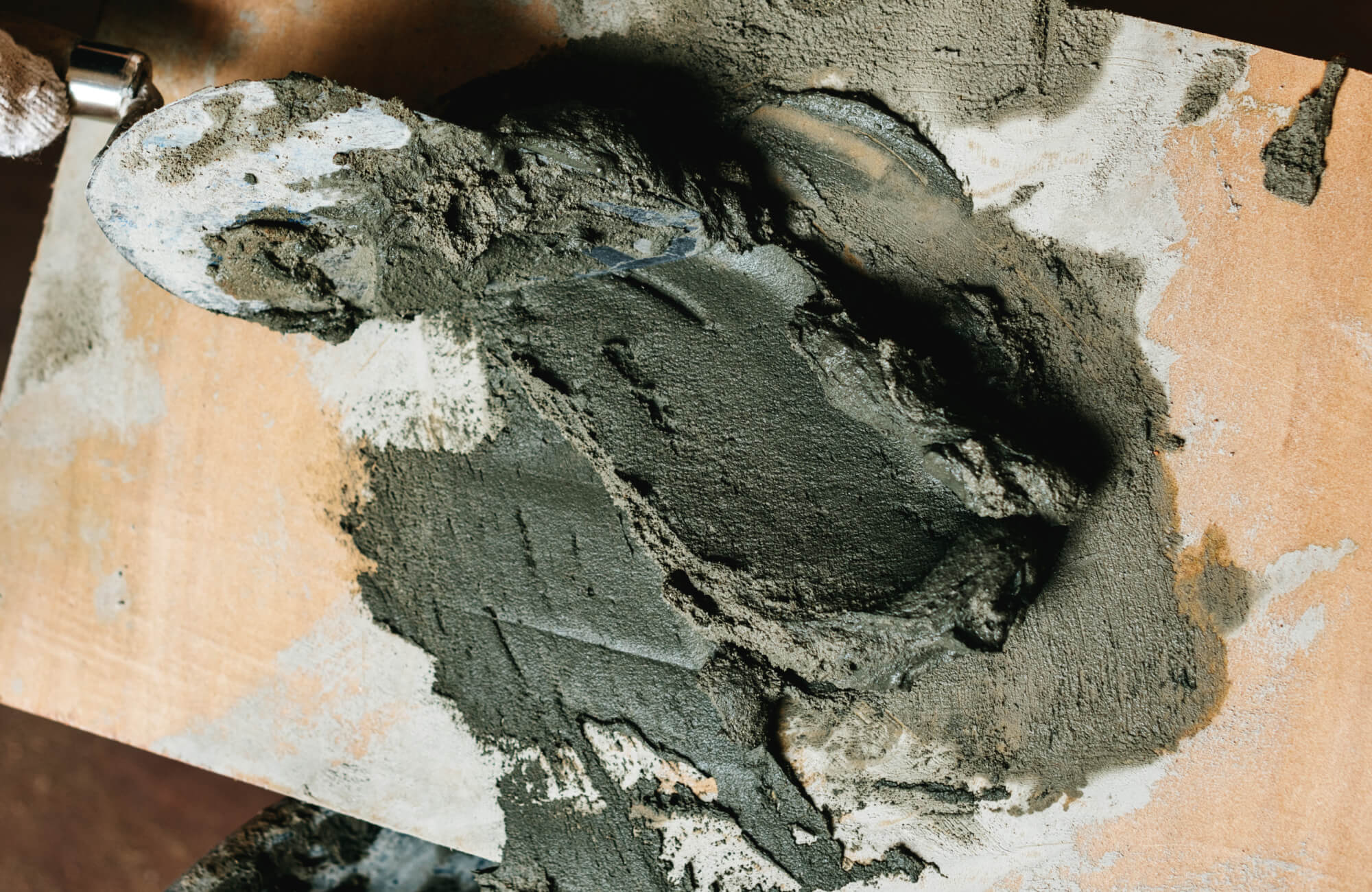
Polymer-modified and latex-modified thinset mortars are engineered to bond securely to both tile and substrate while resisting moisture intrusion, making them ideal for waterproof tile assemblies. Mortars compliant with ANSI A118.4 or A118.15 standards provide greater flexibility, water resistance, and bonding strength compared to unmodified alternatives. These characteristics are also especially critical in wet applications like walk-in showers, pool decks, or exterior walls, where environmental stress and moisture exposure are constant. For maximum waterproofing, some professionals opt for epoxy thinsets, though these require precise mixing and careful application due to their fast setting times. When applied correctly, these mortars create a watertight bond that prevents water from migrating beneath the tile layer. Selecting the right thinset is fundamental to ensuring a moisture-resistant and structurally sound installation.
Integrated Waterproofing Membranes and Installation Practices
No matter how water-resistant the tile or grout may be, lasting waterproof protection can only be achieved by incorporating proper membranes and drainage design beneath the surface. These underlying systems are the true foundation of any successful waterproof mosaic tile installation.
Liquid-Applied Waterproofing Membranes
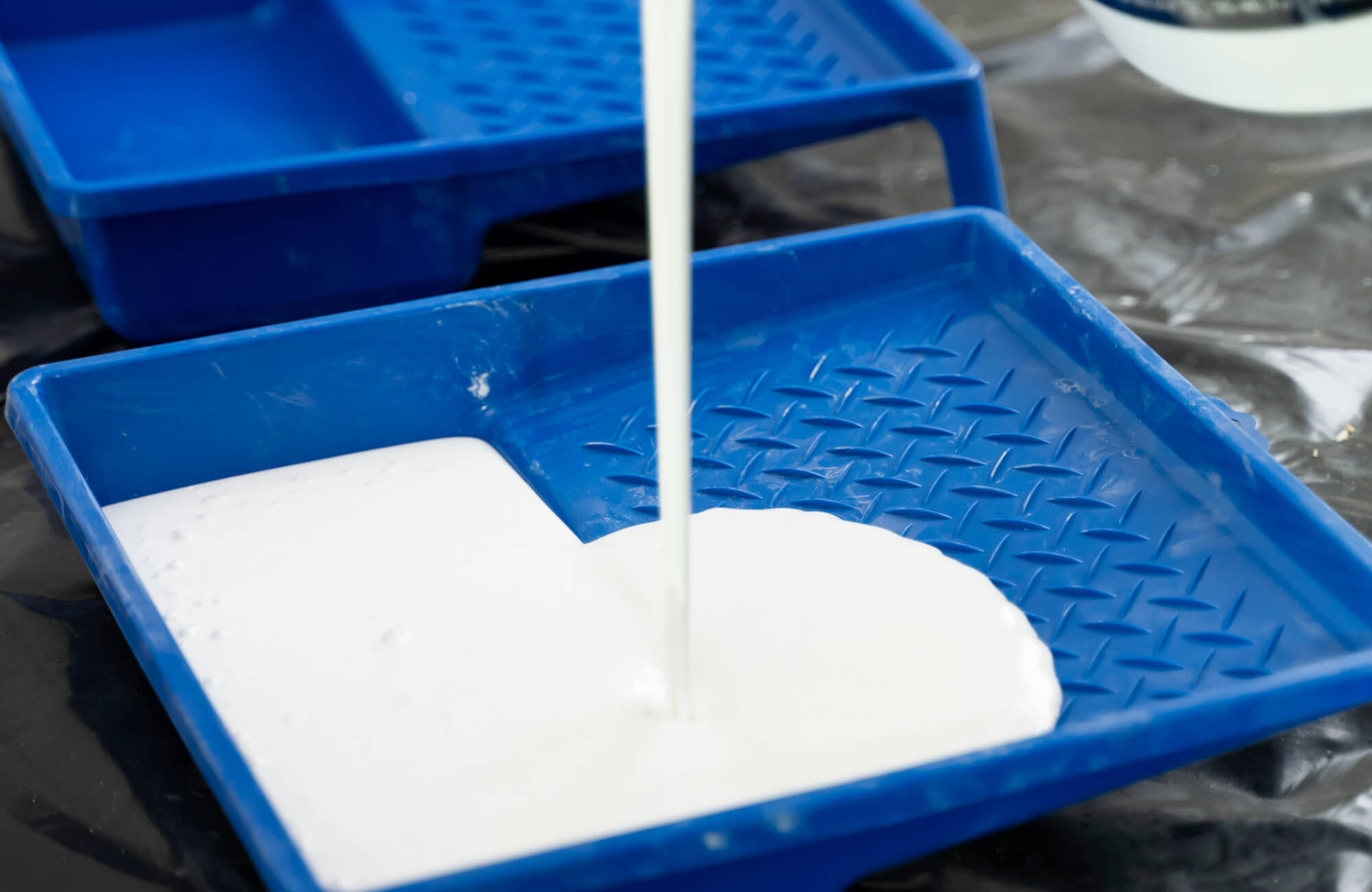
Liquid waterproofing membranes form a continuous, elastomeric barrier across substrates, effectively sealing out moisture while remaining flexible enough to handle minor structural shifts. Products such as RedGard and Hydro Ban are commonly rolled or sprayed onto cement boards, mud beds, or concrete before tile installation, curing into a watertight layer that conforms to irregular surfaces.
Their ability to fill cracks and cover seams makes them particularly useful in showers, wet rooms, and horizontal surfaces like benches or niches. Proper application, including adequate dry film thickness, is crucial to ensure long-term performance, as thin or uneven coats can lead to breaches in the barrier. These membranes also serve as vapor retarders, reducing condensation within wall cavities. When applied with precision, liquid membranes offer durable, seamless waterproofing beneath mosaic tile.
Sheet Membranes and Vapor Control
Sheet membranes provide an excellent combination of uniform thickness and moisture protection, particularly in high-vapor environments such as steam showers or saunas. Systems like Schluter-KERDI or NobleSeal are installed using thinset mortar or proprietary adhesives and can be overlapped and sealed to create a continuous vapor- and waterproof barrier. Their predictable performance and straightforward installation also make them a preferred choice for professionals seeking long-term reliability in critical areas.
Additionally, many of these membranes include integrated drainage features or fleece backings for enhanced bonding strength. Because they offer low perm ratings, sheet membranes are ideal where vapor migration could cause wall cavity moisture or structural degradation. For precise, code-compliant installations in wet areas, sheet membranes are an industry standard.
Slope and Drainage Design
Proper slope-to-drain design ensures that water moves efficiently off the surface and into drains, preventing ponding and extended saturation of the tile assembly. The Tile Council of North America (TCNA) recommends a minimum slope of 1/4 inch per foot for shower floors, balconies, and other horizontal surfaces exposed to water. Without this slope, moisture can linger and gradually penetrate through grout joints or hairline cracks, leading to mold growth or efflorescence.
Drainage mats and weep systems installed beneath the tile layer further improve water management, especially in outdoor or heavy-use environments. When combined with waterproofing membranes, these drainage strategies ensure the system remains dry beneath the surface. A well-executed drainage design is an essential, yet often overlooked aspect of waterproof mosaic tile installations.
Long-Term Performance in Moisture-Intensive Environments
The true test of a mosaic tile installation’s waterproofing lies in its performance over time, particularly under constant or extreme moisture exposure. When properly constructed, these systems provide both durability and visual appeal, even in the most demanding conditions.
Pools and Submerged Installations
In submerged applications such as swimming pools, spas, or water features, every component of the mosaic tile system must be designed to resist prolonged water exposure. Glass mosaic tiles are the preferred choice for these environments due to their impervious nature and ability to resist staining and fading. When installed using epoxy thinset and epoxy grout, the system also forms a fully waterproof barrier capable of withstanding hydrostatic pressure and aggressive pool chemicals. Membranes beneath the tile prevent water from reaching the pool shell or structural concrete, protecting against leaks and long-term damage. Ongoing maintenance, including regular inspections of grout integrity and surface condition, is key to preserving waterproof performance. When properly designed and maintained, mosaic tile installations in submerged environments can remain watertight and beautiful for decades.
Steam Rooms and High-Humidity Spaces
Steam rooms introduce unique challenges due to the combination of heat, moisture, and vapor pressure, which can bypass conventional waterproofing layers. In these environments, sheet membranes with low vapor permeability, paired with epoxy grout and appropriate thinsets, are critical for maintaining a sealed envelope. All seams and transitions must also be reinforced, and any penetrations carefully detailed to prevent steam migration into wall cavities. Without these precautions, vapor can condense within structural assemblies, leading to mold growth and premature failure. Additionally, thermal expansion joints should be included to accommodate material movement without cracking grout or tile. A fully sealed system ensures that the high humidity in steam rooms does not compromise the underlying structure.
Exterior Mosaic Tile Applications
Outdoor installations bring exposure to rain, UV radiation, and temperature swings, including freeze-thaw cycles, which test the resilience of mosaic tile systems. Frost-resistant tiles, flexible adhesives, and breathable yet waterproof membranes are necessary to accommodate these changing conditions.
Proper slope and flashing also help direct water away from the surface, while drainage planes behind the substrate prevent moisture entrapment. Expansion joints must be included to manage thermal expansion, especially on large surfaces like building facades or exterior stairs. If these factors are not accounted for, tiles may crack, debond, or allow water to infiltrate the structure.
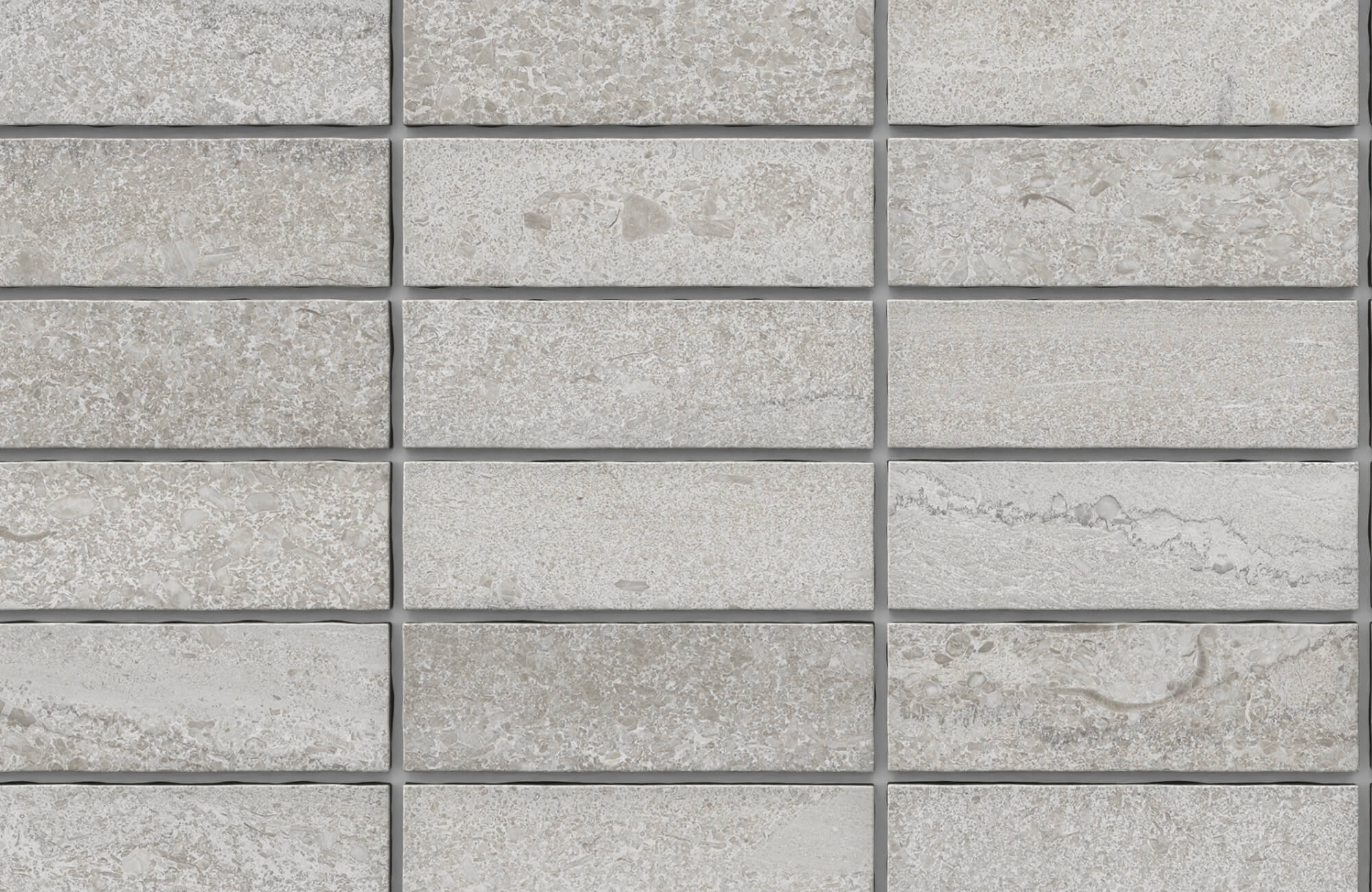
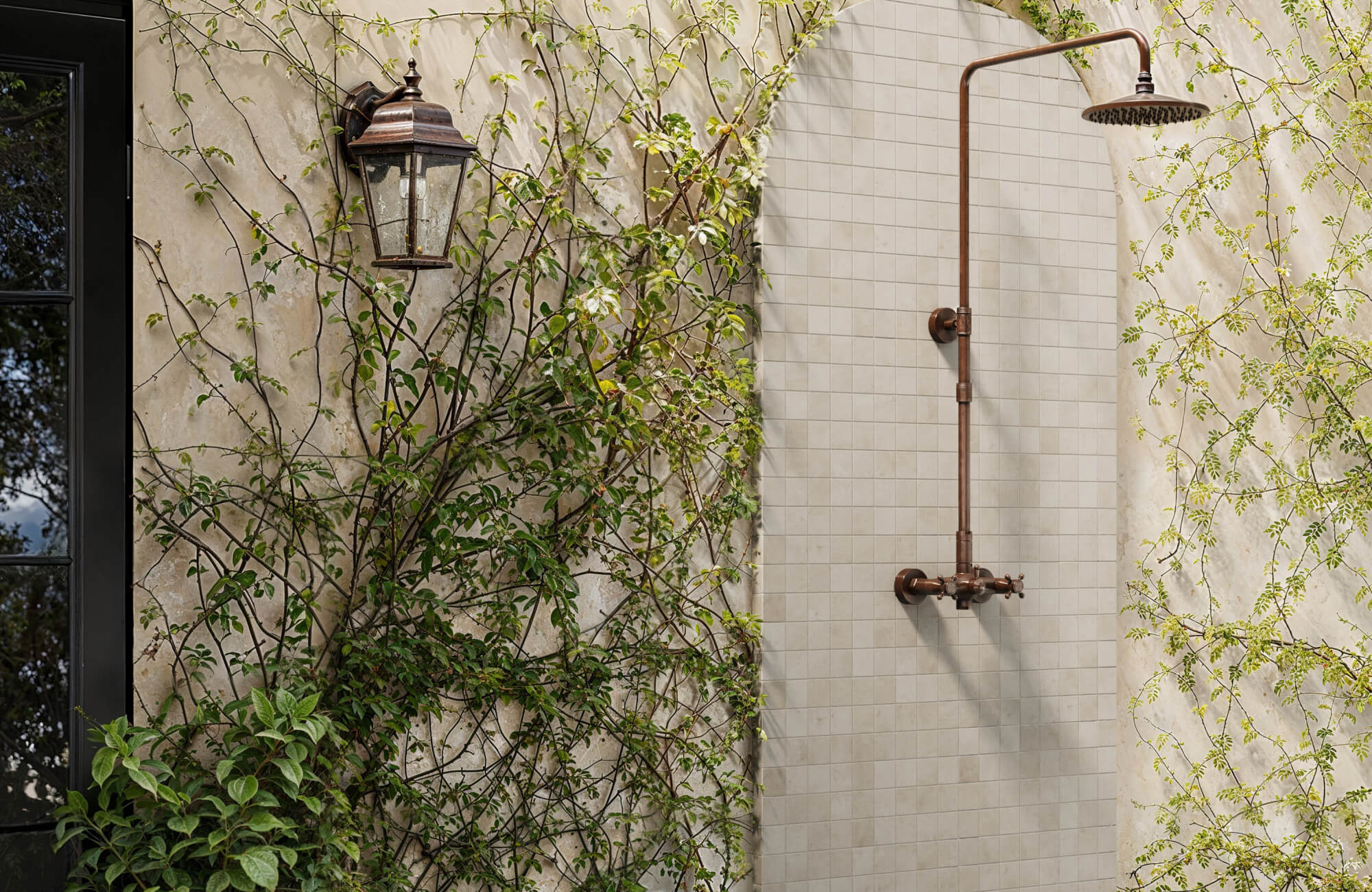
A great example of an exterior-suitable porcelain mosaic, as shown in the photo above, is the Ramsey 2x2 Matte Porcelain Mosaic Tile in Chalk, designed to deliver visual cohesion and exceptional durability in outdoor environments where waterproof performance is essential. A thoughtfully designed exterior mosaic tile system can deliver both aesthetic impact and long-term water protection in even the harshest environments.
Another excellent option is our Declan 3x3 Matte Porcelain Hexagon Mosaic Tile in Brown, which brings both character and performance to outdoor spaces. Inspired by the timeless landscapes of the Moroccan Sahara, this tile evokes a subtle, earthy elegance while offering the durability needed for weather-exposed installations. The hexagon pattern also enhances slip resistance and adds geometric structure, making it ideal for patios, facades, and other moisture-sensitive exterior applications. With this tile, design meets environmental mindfulness in a fully waterproof porcelain mosaic tile solution.
Achieving True Waterproofing with Mosaic Tile
While mosaic tiles themselves may exhibit varying levels of water resistance, they are not inherently waterproof as a complete surface system. True waterproofing results from a holistic approach that includes careful material selection, grout and adhesive specification, waterproof membranes, proper drainage, and expert installation. Each component must work in concert to create a moisture-proof barrier capable of withstanding daily use, environmental stress, and long-term exposure. Whether installed in a steam shower, a swimming pool, or an outdoor patio, waterproof mosaic tile systems must also be engineered with precision and maintained with care. By understanding and implementing these technical best practices, professionals and homeowners alike can enjoy the lasting beauty and performance of mosaic tiles—even in the most moisture-intensive environments.
To make the design and specification process even more seamless, Edward Martin offers the option to request tile samples. This allows you to evaluate the texture, color, and finish of mosaic tiles in your own space and lighting conditions, ensuring the right fit before you commit to installation. Whether you're comparing materials for a steam shower, a pool deck, or an outdoor wall, having samples on hand helps confirm both the aesthetic and functional qualities of each tile.
Follow us on Instagram
@EDWARD.MARTIN
)
)
)
)
)
)
)
)
)
)
)
)
)
)
)
)