Calacatta marble is one of the most luxurious and sought-after natural stones in interior design, prized for its luminous white background and bold, dramatic veining. Often featured in high-end kitchens, bathrooms, and architectural spaces, this Italian marble exudes a sense of opulence and timeless appeal. However, its price tag often sparks debate among homeowners, designers, and builders, raising the question: Is Calacatta marble really that expensive, and why?
This article explores the intricate factors that influence its cost, from quarry rarity and extraction logistics to grading, finish, and market demand. We’ll also explore the cost-effective alternatives like Calacatta marble look porcelain tiles, offering the same refined aesthetic at a fraction of the cost. By the end, you’ll have a clear understanding of why Calacatta commands premium pricing and how to achieve its signature look within your budget.

Understanding the Cost Factors Behind Calacatta Marble
Calacatta marble is considered one of the most exclusive stones in the world due to its limited geological availability and the intricate processes involved in extracting it. These foundational factors collectively shape its premium market value and set the tone for its elevated position in luxury design.
Geological Rarity and Limited Quarry Output
Calacatta marble forms under extremely precise metamorphic conditions, which create the luminous white background and bold veining that distinguish it from other marbles. As a result, only a small fraction of quarried blocks display the purity and clarity necessary for high-end architectural use, keeping supply naturally scarce. This scarcity intensifies under strict quarrying regulations in Carrara, where environmental protections limit how much stone can legally be extracted each year. Consequently, even modest demand increases quickly place pressure on the market, elevating the stone’s intrinsic value. This delicate balance between restricted output and consistent global interest also ensures that qualifying slabs maintain a high level of exclusivity. Ultimately, Calacatta’s rarity is not incidental but built into its geological formation, making scarcity one of its defining cost drivers.
Extraction Challenges and High Production Costs
Extracting Calacatta marble demands advanced engineering techniques, as quarry workers must cut massive blocks with diamond wire saws while preserving the stone’s structural integrity. Because quarries are carved into steep mountain faces, transporting each block requires specialized cranes and cable systems that safely guide the stone down narrow, rugged pathways. Once removed, each block undergoes multiple processing stages, from resin reinforcement to precision polishing, which refine the stone while protecting it from internal fissures. These processes also rely heavily on skilled artisans who evaluate each slab for veining consistency, coloration, and overall strength. As production progresses, any material that does not meet luxury standards is discarded or downgraded, further reducing the amount of premium-grade Calacatta available. Through this combination of technical complexity and meticulous refinement, production costs naturally rise, reinforcing the stone’s high market value.
International Demand and Market Dynamics
Calacatta’s reputation as a luxury material fuels strong global demand, particularly in regions where high-end architectural finishes are prized. This demand increases steadily as designers feature Calacatta in contemporary kitchens, boutique hotels, and statement bathrooms, driving its desirability even further. Because supply from Italian quarries cannot easily expand, this steady demand also creates a consistently competitive marketplace. Import taxes, freight charges, and distributor markups add another layer of cost, especially when transporting large-format slabs across continents. As these financial and logistical factors align, Calacatta’s premium price becomes reinforced not just by rarity but by sustained international interest. In this context, market dynamics function as both an economic and cultural driver, shaping Calacatta’s status as a global luxury stone.

Price Ranges and Cost Comparisons
Calacatta marble occupies one of the highest price brackets in the natural stone industry due to the combined effects of rarity, processing requirements, and elevated design demand. Understanding its price structure helps clarify why it stands apart from more common marbles and engineered surfaces.
Cost per Square Foot for Different Calacatta Varieties
Standard Calacatta typically ranges from $180 to $300 per square foot, reflecting the stone’s clarity, brightness, and veining composition. Premium variants such as Calacatta Gold or Calacatta Borghini exceed $400 per square foot, as their golden veining and symmetrical movement are exceptionally rare. These high-end versions are also often reserved for luxury residences and boutique commercial spaces where visual impact is paramount. When bookmatched slabs are selected, costs rise further due to the precision required to align veining patterns across adjoining pieces. In addition, large format slabs increase project budgets because they require specialized handling during fabrication and installation. Combined, these factors create a pricing spectrum that mirrors the stone’s exclusivity and artistic appeal.
Comparing Calacatta to Other Natural Stones
Carrara marble, although visually similar, is far more abundant and typically ranges from $40 to $80 per square foot, making it accessible for mid-range projects. Statuario marble, positioned between Carrara and Calacatta, offers brighter tones and more pronounced veining, often costing $100 to $150 per square foot. These alternatives also appeal to homeowners who appreciate marble’s beauty but seek a balance between aesthetics and budget. Calacatta, however, stands apart due to its dramatic contrast, rare coloration, and bold, sweeping veining, which create a stronger visual impact than its counterparts. Designers frequently describe Calacatta as the “showpiece marble,” reinforcing its role as a focal material rather than a supporting surface. By understanding these distinctions, homeowners can make clear, informed comparisons when evaluating stone selections.
Installation Costs and Fabrication Complexity
Because of its intricate veining, Calacatta marble requires expert fabricators who understand how to align patterns seamlessly across edges, seams, and mitered joints. This attention to detail ensures the stone’s natural artistry remains uninterrupted, especially in applications like waterfall islands or full-height backsplashes. These installations also demand additional cutting, reinforcement, and transport considerations, leading to higher labor costs. Fabricators typically spend more time planning each cut to prevent waste and protect the slab from cracking or chipping. As a result, installation fees often double compared to more forgiving stones or engineered quartz. For homeowners, this translates into a higher total investment that reflects both material and craftsmanship expectations.

Why Calacatta Marble Commands Premium Pricing
Calacatta’s elevated cost is not just a matter of availability—it is tied to its unmatched visual impact and the design prestige associated with Italian marble. This combination of artistic beauty and cultural value gives Calacatta a unique position in luxury environments.
Visual Characteristics and High-End Aesthetics
Calacatta’s bold, flowing veining patterns create dramatic visual movement, making every slab feel like a sculptural artwork rather than a simple surface material. The stone’s bright, luminous background enhances light within a room, creating an expansive and elegant atmosphere. Designers also prize the stone’s ability to anchor a space with both sophistication and character, often using it as the central design element. Each slab’s individuality ensures no two installations are alike, which adds exclusivity to every project. Its polished finish further amplifies depth and clarity, enhancing both color saturation and reflective qualities. These combined visual traits make Calacatta a cornerstone of luxury design.
European Heritage and the Luxury Market Influence
Calacatta originates from one of the most respected marble regions in the world, giving it a pedigree that carries significant cultural weight. This heritage elevates the stone beyond mere material value, transforming it into a symbol of European craftsmanship and architectural history. Designers also frequently reference this lineage to enhance the prestige of luxury projects. As Calacatta continues to appear in high-end hotels, flagship retail spaces, and celebrity residences, its association with sophistication becomes even stronger. This long-standing connection to luxury design reinforces its high market demand. In essence, heritage becomes a central component of Calacatta’s perceived and actual value.
Selective Grading and Strict Quality Standards
Calacatta marble undergoes intensive grading to ensure that only the most visually and structurally superior slabs reach premium markets. Each block is evaluated for background purity, veining sharpness, color saturation, and overall pattern harmony. This strict grading also stockeliminates inconsistencies and guarantees that top-tier slabs maintain a consistent level of luxury. Blocks that do not meet these standards are sold in lower-tier markets, preserving the exclusivity of high-grade Calacatta. Because the selection pool is already limited by geology, this grading process makes premium-caliber slabs exceedingly rare. As a result, quality control becomes another driving factor behind Calacatta’s elevated cost.

How Calacatta Marble Is Used in Luxury Interior Design
Designers strategically use Calacatta in areas where its dramatic veining and clean tonal qualities can elevate a space’s architectural character. These applications highlight the stone’s sculptural presence while maximizing its visual return on investment.
Kitchen Countertops and Waterfall Islands
Calacatta countertops immediately establish a luxurious focal point, as their bold veining draws the eye and sets the tone for the entire kitchen. Waterfall islands extend this visual impact by allowing veining to flow seamlessly from the horizontal surface down the vertical plane. Designers also often orient slabs carefully to ensure the veining movement enhances the kitchen’s spatial flow. Moreover, the stone’s crisp white background contrasts beautifully with wood, metal, and color-rich cabinetry, creating a refined aesthetic. When paired with full-height slab backsplashes, the space gains a continuous and highly polished look. These qualities make Calacatta one of the most sought-after materials for high-end kitchens.
Bathroom Walls, Vanities, and Statement Showers
In bathrooms, Calacatta’s luminous qualities amplify natural and artificial lighting, creating a serene and spa-like environment. For instance, full-height slabs reduce visual interruptions and allow the veining to act as a dramatic architectural feature. Bookmatched installations also produce symmetrical patterns that enhance the room’s artistic appeal. In addition, floating vanities clad in Calacatta introduce a seamless luxury finish that complements modern and classic design styles alike. Designers often combine the stone with warm metals and soft lighting to enhance its natural radiance. Taken together, these applications demonstrate how Calacatta transforms bathrooms into refined, statement-driven spaces.
Architectural Accents and Feature Installations
Architectural elements like fireplace surrounds, tabletops, and accent walls leverage Calacatta’s sculptural veining to create sophisticated focal points. Its bold patterns introduce movement and depth, enhancing minimalist environments with a sense of organic artistry. Designers frequently pair Calacatta with contrasting materials to highlight its brightness and dramatic veining. Large-scale installations also showcase uninterrupted expanses of stone, reinforcing the material’s luxurious character. Whether used in residential or commercial settings, these features elevate the perceived value of the space. As a result, Calacatta becomes not simply a surface but a design statement.

Calacatta Marble Look Porcelain Tiles as a Cost-Effective Alternative
Marble look porcelain tiles replicate the visual beauty of Calacatta while offering unmatched durability and a significantly lower price point. This makes them a compelling option for homeowners seeking luxury aesthetics without the maintenance demands of natural stone.
Realistic Veining Through Advanced Digital Printing
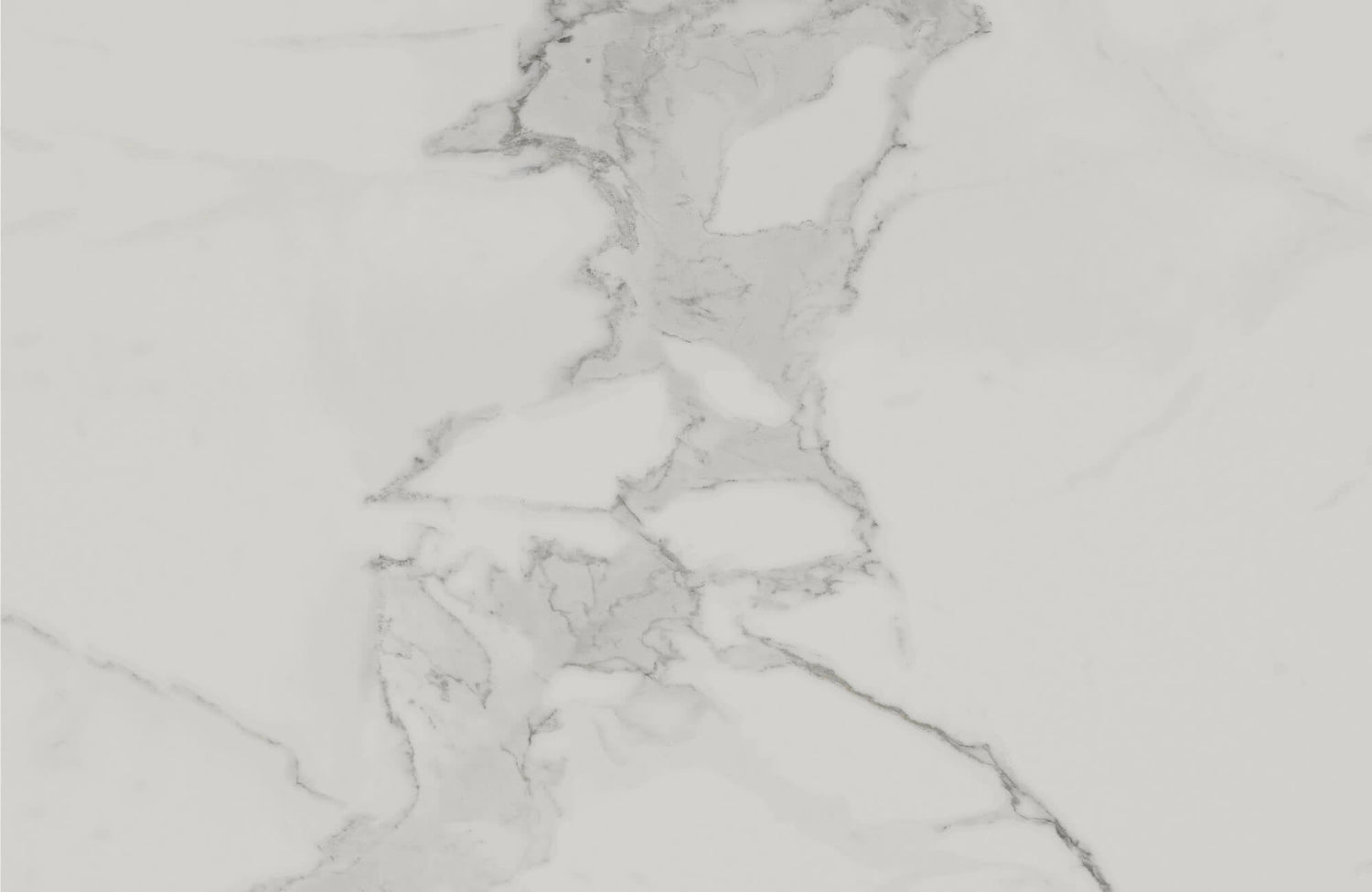
High-definition inkjet technology allows manufacturers to replicate the tonal depth and veining complexity of authentic Calacatta marble with remarkable accuracy. Each tile face is designed to mimic natural randomness, preventing repetitive patterns and enhancing visual realism. Large format porcelain slabs further amplify this effect by offering broad, uninterrupted surfaces that highlight veining movement. Additionally, polished finishes reproduce marble’s reflective qualities, while matte options provide a softer, more contemporary character.
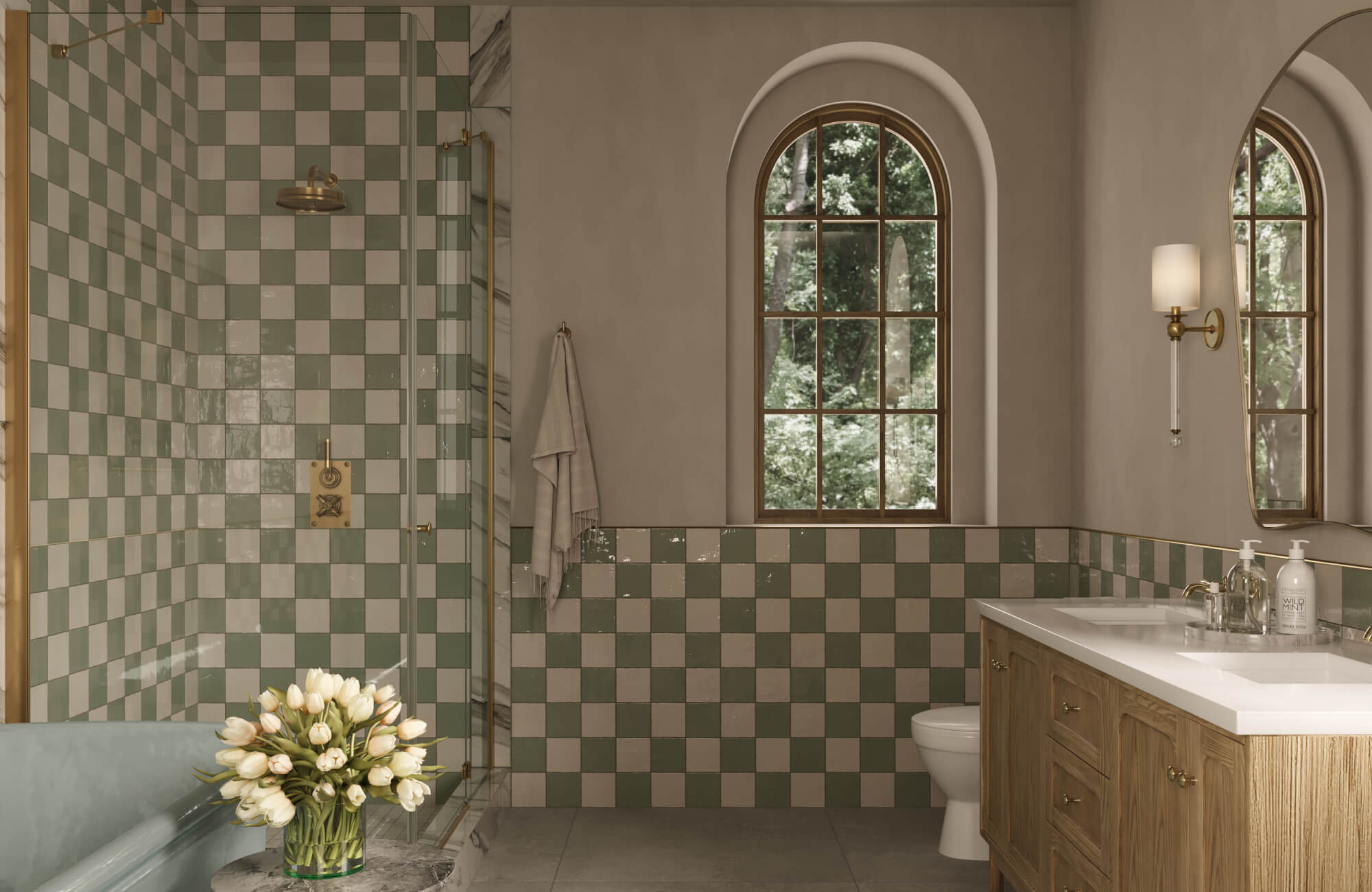
These innovations give homeowners access to highly nuanced marble visuals at a fraction of the cost, making porcelain a compelling alternative for luxury projects. This is especially evident in products like Edward Martin’s Leona 12x24 Matte Porcelain Tile in Calacatta, as displayed in the picture above, which leverages advanced printing to deliver refined veining and a true-to-stone aesthetic that enhances both modern and classic interiors.
Durability, Stain-Resistance, and Low Maintenance
Porcelain’s non-porous composition protects it from etching, staining, and water absorption, making it far more resilient than natural marble in daily use. This resistance ensures that the tile maintains its appearance even in busy or moisture-prone areas. Unlike marble, porcelain requires no sealing or specialized cleaning products, greatly reducing maintenance demands. The surface also remains unchanged under heat, chemical exposure, and UV light, ensuring long-term aesthetic stability. These advantages make porcelain an ideal choice for busy households or commercial properties. Ultimately, its durability extends the life of the installation while minimizing upkeep.
Price and Format Options for Versatile Design
Calacatta marble look porcelain tiles typically range from $5 to $15 per square foot, enabling large-scale projects without overwhelming budget constraints. Manufacturers offer a wide variety of formats, from small mosaics to oversized slabs, that mimic the versatility of natural stone. These options also allow designers to recreate luxurious marble installations with consistent patterns and predictable outcomes. Because porcelain offers uniformity across batches, it eliminates the natural variation and unpredictability of quarry-sourced materials. Homeowners benefit from easier installation and reduced waste, as each piece is designed with precision. With so many format choices, porcelain adapts easily to both traditional and modern interiors.
To further simplify material selection, homeowners can visualize these porcelain options directly within their spaces. Edward Martin’s augmented reality (AR) tool makes this process seamless by offering an interactive, true-to-scale preview of every finish.

Maintenance, Longevity, and Long-Term Value
Selecting between natural Calacatta marble and porcelain alternatives requires evaluating how each material performs over time under everyday conditions. By understanding their long-term behavior, homeowners can choose the surface that best aligns with their design expectations and lifestyle needs. For the most reliable results, following the manufacturer’s care guidelines ensures each material performs at its highest potential.
Maintenance Requirements for Natural Calacatta Marble
Calacatta marble is composed of calcite, which reacts sensitively to acidity, making the surface prone to etching when exposed to citrus, wine, or household cleaners. Regular sealing helps create a protective barrier, but ongoing care is essential to preserve the stone’s brilliance. Homeowners must use pH-neutral cleaning products to avoid damaging the finish or altering the surface texture. Over time, Calacatta develops a patina that many consider part of its charm, yet this natural aging also requires acceptance of subtle changes. Because high-use areas may show wear earlier, consistent maintenance becomes crucial for longevity. These care requirements contribute to Calacatta’s luxury reputation but also influence its practicality.
Durability and Resilience of Calacatta Marble Look Porcelain
Porcelain’s dense, vitrified structure allows it to resist scratches, heat, and impact with ease, making it a reliable option for heavy-use environments. Its color and finish remain stable even after prolonged exposure to sunlight or chemical cleaning agents. Because the material is non-porous, it does not require sealing, and routine cleaning is simple and low-effort. This resilience also makes porcelain a long-term solution for households seeking both beauty and durability. Even in commercial applications, porcelain maintains its structural integrity and aesthetic quality. These characteristics make it an excellent alternative for homeowners who prefer low-maintenance surfaces.
Evaluating Investment Value for Different Applications
Calacatta marble delivers high aesthetic value in luxury homes, often increasing market appeal due to its exclusivity and architectural impact. Buyers seeking premium finishes typically view authentic marble as a desirable and influential feature. Porcelain, while not as rare, offers strong functional value through its durability and predictable long-term performance. These advantages make porcelain especially appealing in family homes, rentals, and commercial settings where resilience matters.
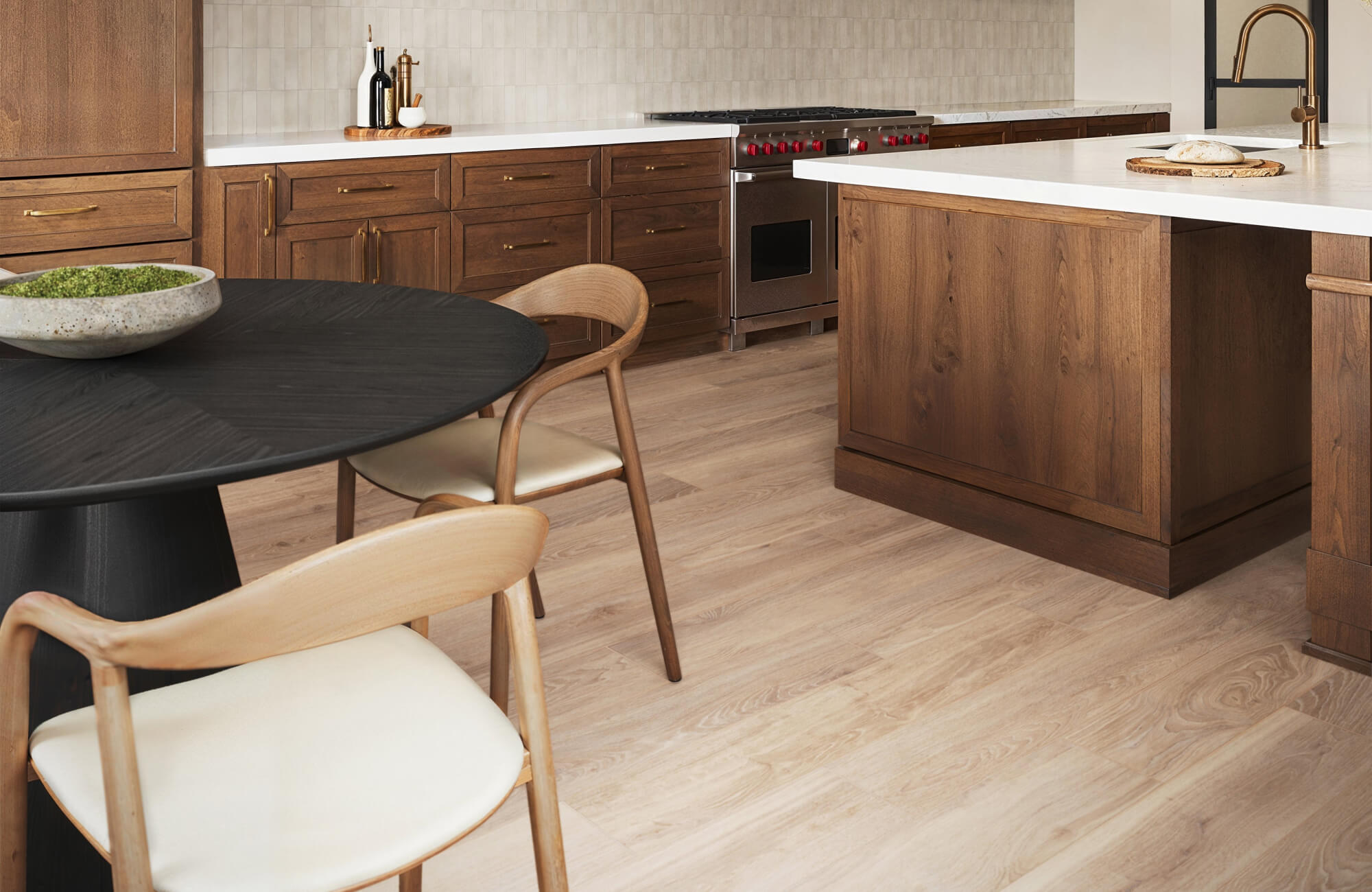
This practicality is further highlighted by options like the Aniston 24x48 Matte Porcelain Tile in Calacatta Quarzite, as shown in the photo above, which combines large-format sophistication with low-maintenance performance ideal for high-use environments. When evaluating investment potential, the choice ultimately reflects whether visual prestige or long-term practicality holds greater weight, ensuring the selected material aligns with the homeowner’s broader design and lifestyle goals.
Final Thoughts on Choosing Calacatta Marble
Calacatta marble undeniably stands at the pinnacle of luxury materials, offering an unparalleled combination of rarity, beauty, and architectural impact that few surfaces can replicate. Its distinctive veining, luminous whiteness, and Italian heritage elevate it beyond simple function, transforming it into a design centerpiece. For homeowners seeking the Calacatta look with greater resilience and affordability, marble look porcelain tiles offer a compelling alternative that captures the aesthetic essence while providing modern performance benefits. Ultimately, whether one chooses authentic Calacatta or its porcelain counterpart, the result is a timeless and sophisticated foundation for interior spaces.
For those comparing materials in person, sampling becomes an essential part of making a confident design decision. Edward Martin makes this easy by offering convenient tile sample requests so you can experience each finish firsthand!