Hexagon bathroom floor tile has a timeless appeal that blends classic charm with modern design, making it a favorite choice for many. Yet beauty alone is never enough in a space where water, humidity, and constant use test every surface. The real question is whether this tile can endure the daily demands of a bathroom without losing its strength or elegance.
To answer that, you need to look beyond the surface and explore the factors that truly define durability. Material composition, tile size, installation quality, and ongoing care all work together to determine how well your hexagon bathroom floor tile performs over the years. By understanding how each of these elements influences longevity, you can make a confident decision and enjoy a floor that is both stylish and built to last.

Durability in Bathrooms
Durability in bathroom flooring is not defined by a single feature but by a combination of qualities that allow tile to stand up to the challenges of a wet environment. A durable bathroom floor resists water penetration, withstands constant cleaning, and maintains its strength even under the weight of heavy fixtures and the impact of daily use. Because bathrooms experience more moisture and use than most spaces, the ability of a tile to endure these pressures becomes the ultimate test of whether it can truly be considered long-lasting.
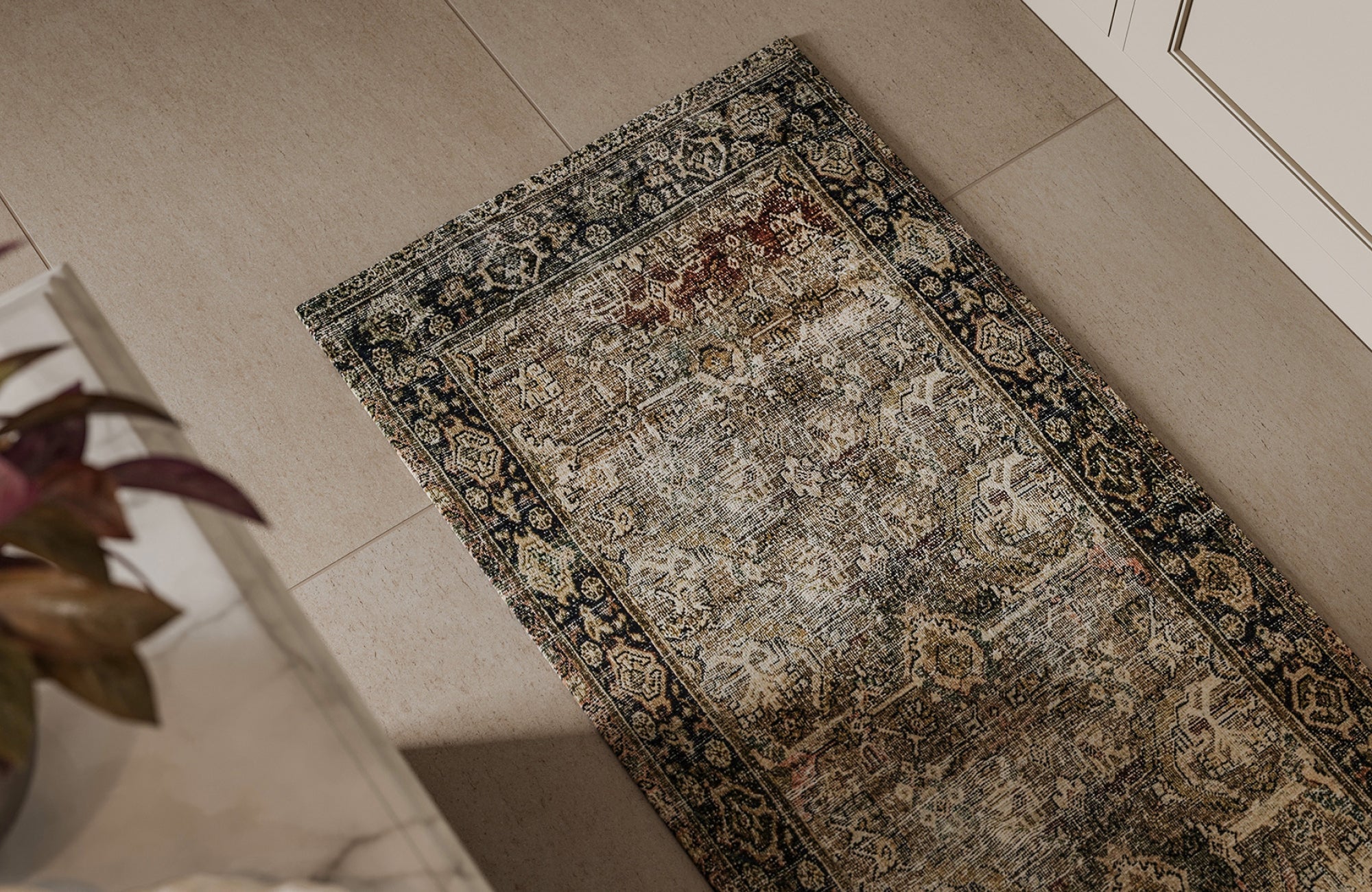
Moisture management is at the heart of durability, which is why water absorption levels are so critical. Tiles rated as non-porous, such as porcelain, block water from entering the tile body. This resistance prevents swelling, mold growth, and the gradual weakening that can shorten a tile’s life. At the same time, the surface of the tile must be able to handle wear from grit and movement. Ratings like the P.E.I. classification system also help you understand how well a tile resists scratching and abrasion, ensuring it maintains both strength and appearance over time. A great example is our Juliet 7x8 Hexagon Matte Porcelain Tile in Rust, seen in the image above, which combines the resilience of porcelain with the rich character of a warm red finish. This kind of tile delivers both strength and timeless style, standing up to bathroom conditions while adding natural warmth to the space.
Durability also depends on how well a tile holds up under physical stress. Porcelain, for example, scores high on the Mohs Hardness Scale, giving it the resilience to resist scratches from dropped objects or dragged items. Alongside hardness, the Modulus of Rupture measures how much weight a tile can carry without cracking. This means a properly chosen tile not only resists cosmetic flaws but also supports heavy vanities, tubs, and daily use without structural failure. Taken together, these factors show that durability is a layered concept, encompassing water resistance, surface toughness, and load-bearing strength, that determines whether your hexagon bathroom floor tile will truly stand the test of time.

Material Composition
Although the hexagon shape contributes to both visual interest and the ability to distribute stress across the floor, the true measure of performance lies in the material itself. Every tile type brings a distinct balance of strength, water resistance, and maintenance demands. Understanding these differences allows you to choose a hexagon tile that not only looks good but also endures the challenges of bathroom use.
Porcelain
Porcelain stands out as one of the most durable materials for bathroom flooring, making it an excellent choice for hexagon tiles. Manufactured from refined clay and fired at extremely high temperatures, porcelain develops a dense and non-porous body that resists water absorption better than almost any other tile. It is exceptionally suited for wet environments where constant exposure to moisture is unavoidable. This natural resistance also helps protect against swelling, mold growth, and long-term weakening, giving you confidence that your floor will hold its strength year after year.
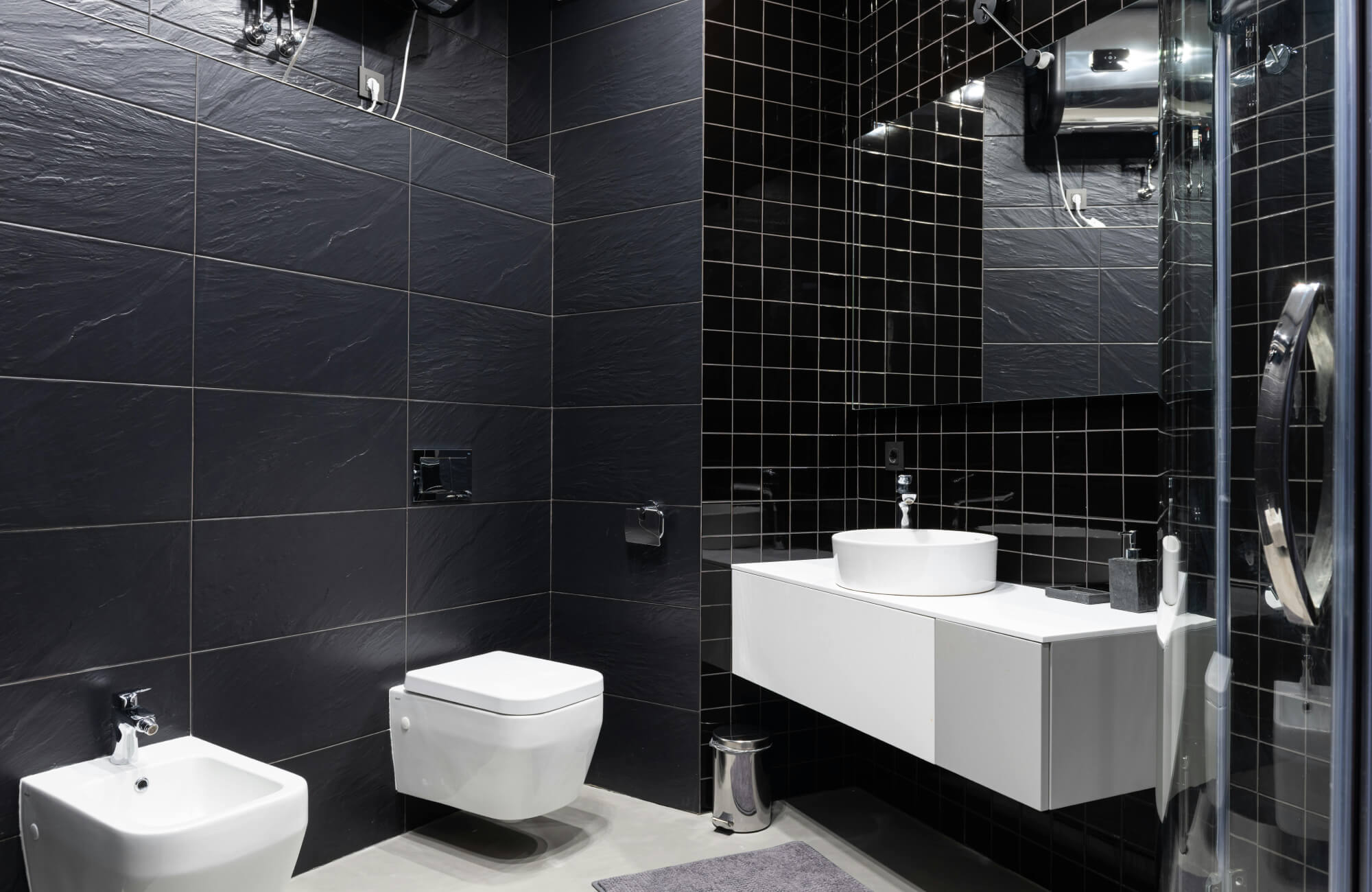
What makes porcelain even more appealing is its ability to balance durability with design versatility. Options like our Aniston 2x2 Matte Porcelain Hexagon Mosaic Tile in Calacatta Top, featured in the picture above, showcase how this material can achieve both strength and timeless beauty. Its marble-inspired look pairs the resilience of porcelain with the elegance of natural stone, offering a refined floor that resists scratches, chips, and daily wear. Whether in a compact powder room or a full bathroom, porcelain tiles like this bring texture and sophistication without sacrificing performance.
Another advantage of porcelain is the way it maintains its appearance over time. Many porcelain tiles are “through-body,” meaning the color runs throughout the tile rather than being limited to the surface glaze. If a chip or scratch does occur, the damage is far less noticeable, preserving the tile’s seamless look. Combined with its high hardness rating, which allows it to resist scratches from dropped items or grit, porcelain offers both surface durability and structural reliability.
Natural Stone
When you want elegance, natural stone hexagon tiles such as marble, slate, or travertine deliver a look that few materials can match. Yet the beauty of stone comes with obligations. Because it is naturally porous, stone must be sealed regularly to resist staining and water absorption. If you skip this step, moisture will quickly find its way in, leaving behind marks that are difficult to remove.
Stone also reacts chemically with common household substances. A drop of vinegar or a splash of acidic cleaner can cause etching, which leaves a permanent dull spot on the surface. Although natural stone is strong enough to withstand heavy use, it requires your attention and care. If you are prepared to commit to sealing, gentle cleaning, and mindful upkeep, natural stone can be a lasting option. Without that commitment, however, durability becomes compromised.
Vinyl and Peel and Stick Tiles
Vinyl hexagon tiles have surged in popularity, particularly luxury vinyl tile (LVT) and peel and stick varieties, because they offer water resistance and straightforward installation. Their layered construction includes a stable core and a wear layer that protects against scratches and dents. The thickness of this wear layer is also a key durability factor. A 12-mil coating is often considered the minimum for residential bathrooms, while thicker options provide stronger resistance to daily wear.
Still, not all vinyl tiles are equal. Lower-priced versions often feature thinner wear layers and less robust cores, making them more vulnerable to scuffs, dents, and peeling edges. Although vinyl can be an affordable way to achieve the hexagon look, it does not always match the lifespan or structural integrity of porcelain or natural stone. In the long run, vinyl provides convenience and savings but may require replacement sooner if you expect your bathroom floor to endure decades of use.

Installation
Durability depends not only on the quality of the tile but also on how well it is installed. Hexagon tiles, in particular, demand precision since their geometric layout emphasizes even the smallest mistakes. A solid installation begins with proper subfloor preparation, where leveling compounds are used to create a smooth, stable base. Without this step, stress is unevenly distributed, leading to cracks, chips, or lifted edges that compromise both the appearance and performance of the floor.
Once the foundation is secure, the bond between tile and subfloor becomes the next crucial factor. Dense tiles such as porcelain require polymer-modified mortar, applied with a consistent technique to achieve at least 95 percent coverage in wet areas. This prevents hollow spots where water and pressure could weaken the floor. Grout then completes the system, serving as both a stabilizer and a protective barrier against moisture. Traditional cement-based grout is porous and requires sealing to stay effective, but epoxy grout offers an alternative that is naturally resistant to water and stains. Although more challenging to work with during installation, epoxy grout provides unmatched durability and reduces the need for frequent resealing. By selecting the right adhesive and grout and ensuring precise workmanship, you create a hexagon floor that maintains both its beauty and structural integrity for many years.

Maintenance
Durability doesn’t end once your hexagon bathroom floor is installed; it depends on how you maintain the surface over time. Cleaning is the first step, but the products you choose make all the difference. Harsh solutions like bleach, ammonia, or vinegar can strip away protective coatings, dull finishes, and etch materials such as natural stone. They can also weaken grout, which puts the entire tile system at risk. By contrast, porcelain hexagon bathroom floor tiles are far more forgiving because of their dense and non-porous structure, but even they benefit from gentle care. Using pH-neutral cleaners along with simple habits like sweeping or vacuuming to remove grit also helps preserve the finish and ensures your floor withstands daily wear without unnecessary stress.
Beyond cleaning, proper maintenance includes sealing and timely repairs. Natural stone and cement-based grout are porous compared to porcelain, so they require regular sealing to resist moisture and staining. Using epoxy grout can further simplify upkeep, since it is naturally resistant to water and stains, reducing the need for frequent resealing. Even so, no tile is completely immune to damage, which is why addressing small issues promptly is so important. Repairing chips or replacing damaged tiles right away prevents water from seeping into the subfloor and avoids more costly problems later. With consistent care like cleaning wisely, sealing where appropriate, and making quick repairs, you can keep your hexagon bathroom floor both durable and beautiful for many years. For the best results, always follow the care and maintenance guidelines provided by your tile’s manufacturer, since specific requirements may vary by product.

Cost Longevity and the Value of Investment
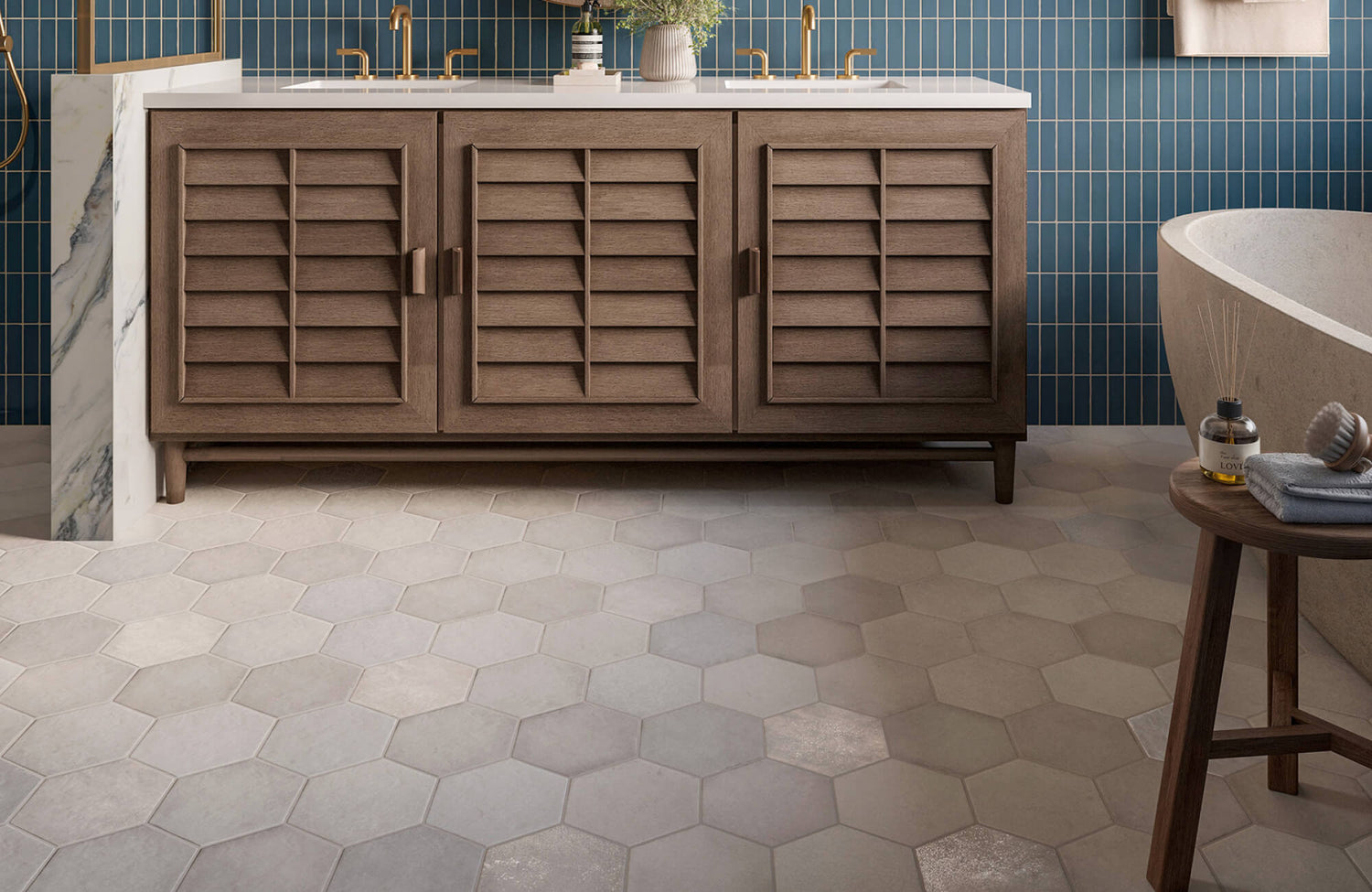
Durability isn’t just about surviving years of daily use. It also reflects how that endurance translates into financial value. Porcelain hexagon tiles, for example, often cost more upfront than vinyl, but their dense and non-porous structures make them capable of lasting for decades with minimal upkeep. Cheaper options may save money initially, but they usually require replacement within 10 to 15 years, which means additional expenses for removal, reinstallation, and labor. Porcelain can also remain intact for 30 years or more, proving to be the more economical choice in the long run. Our Catalina 7x8 Hexagon Matte Porcelain Tile in Mushroom, shown in the photo above, demonstrates how porcelain combines long-lasting performance with understated beauty, while its soft taupe shade adds a versatile elegance that suits both modern and traditional bathroom designs.
There are also trade-offs to consider, particularly with the complexity of repairs. The six-sided geometry of hexagon tiles makes replacements more demanding than with square formats, requiring precision to maintain seamless alignment. Planning ahead by keeping extra tiles from your original batch ensures easier repairs if they become necessary. Beyond practicality, the financial value of durability shows in resale potential. High-quality porcelain hex tiles, especially in timeless or stylish designs such as zellige, enhance a bathroom’s appeal and often translate into faster sales and stronger offers on the market. In this way, the investment in durable tile pays you back twice: first through reduced maintenance costs and then through added property value when it’s time to sell.
Investing in Tile That Stands the Test of Time
Hexagon bathroom floor tiles provide lasting durability, and porcelain remains the ultimate choice when strength and low maintenance are priorities. Its dense, non-porous body resists water, stains, and scratches, allowing it to thrive in the demanding environment of a bathroom without the frequent sealing that natural stone requires or the short lifespan often associated with vinyl. With skilled installation and simple upkeep, porcelain hexagon tiles retain their beauty and performance for decades, making them not only a stylish option but also a practical investment that ensures your bathroom floor stands the test of time.
To help you take the next step in selecting the right porcelain hexagon tile, you can explore resources that make the decision process easier. With our augmented reality (AR) tool, you can visualize how different tile options will look in your bathroom before committing. You also have the option to request samples from Edward Martin, allowing you to evaluate colors, textures, and finishes in person. These tools give you confidence in your choice and ensure that the tile you select will meet both your design preferences and long-term durability needs.