Black tile bathrooms are bold, sophisticated, and timeless, but they often raise an important design question: how do you keep the space from feeling too dark? While deep tones can instantly add luxury and drama, without balance, they may overwhelm the room. From reflective surfaces and lighter elements to warm materials and smart placement, there are plenty of ways to make black tile work beautifully. In this blog, we’ll explore practical strategies to design a black tile bathroom that feels striking yet livable.

Why Black Tile Bathrooms Are Worth Considering
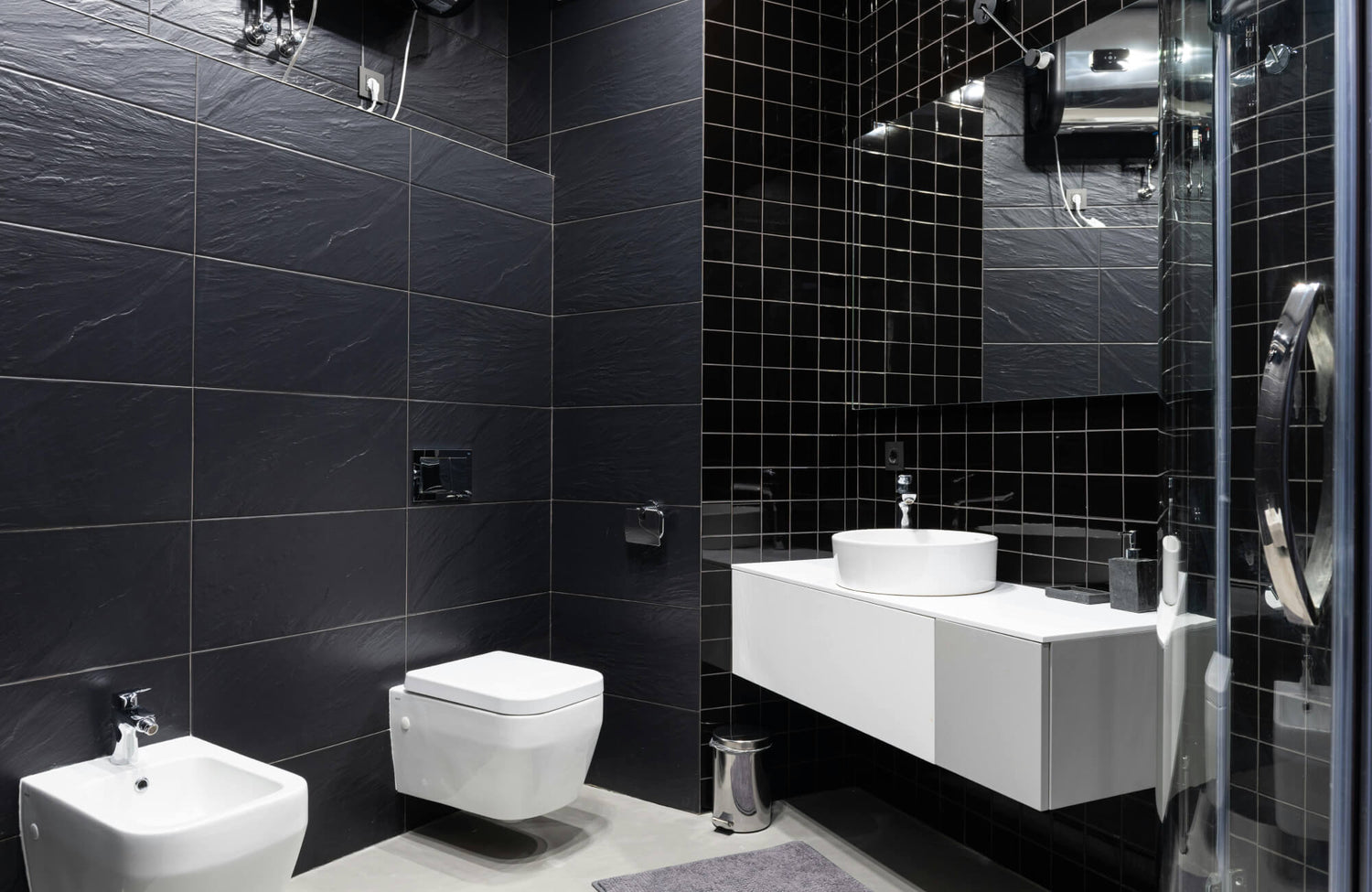
Black bathroom tiles, such as our Palmer 3x12 Glossy Porcelain Tile in Nero above, carry a timeless elegance that many other finishes can’t achieve. Their sleek and sophisticated appearance brings an immediate sense of luxury, whether used sparingly as an accent or across larger surfaces. The deep tones pair beautifully with a variety of styles, from modern minimalism to classic sophistication, making them versatile for different design goals. When chosen thoughtfully, black tile elevates a bathroom into a space that feels intentional and stylish.
Of course, one of the biggest concerns homeowners face is whether black tile will make the space feel overly dark. While it’s true that darker tones absorb light, careful planning in lighting, layout, and finishes prevents this issue. By pairing black tile with reflective surfaces, warm lighting, or lighter accents, the overall look stays balanced. Rather than feeling heavy or closed in, the design can create a cozy, dramatic atmosphere that feels welcoming and refined.
The secret to making black tile livable lies in balance and contrast. Mixing deep tones with whites, grays, natural stone, or even warm wood elements keeps the space visually dynamic. Glossy finishes or metallic accents also help bounce light, reducing any sense of flatness. This combination allows black tile to anchor the design while surrounding details brighten and soften the mood. With the right balance, a black tile bathroom feels both bold and comfortable, blending striking style with everyday usability.

Choosing the Right Black Tile Finish and Texture
Not all black tiles create the same effect, which is why finish and texture play such an important role in design. The right choice can influence how light interacts with the space, how bold or soft the atmosphere feels, and how much visual interest the bathroom carries.
Glossy Tiles That Reflect and Brighten
Glossy black tiles are excellent for reflecting light, helping brighten what could otherwise feel like a dim space. Their sleek surface bounces illumination around the room, adding both depth and a touch of luxury. For instance, pairing glossy tiles with well-placed lighting highlights their reflective quality and makes the bathroom feel larger. They work especially well in small or narrow layouts where extra brightness is needed.
Matte Surfaces That Add Subtle Softness
Matte black tiles, on the other hand, provide a softer and more understated look. Their muted surface absorbs light gently, reducing glare while creating a smooth, modern aesthetic. This finish lends itself to a calming atmosphere, making the bathroom feel grounded without appearing flat. It’s a practical option for those who want sophistication without the high shine of glossy surfaces.
Textured Finishes That Create Dimension
Textured finishes bring dimension and tactile interest to black tile bathrooms. Subtle ridges, patterns, or stone-like surfaces break up uniformity and add layers of character to the space. These finishes catch light differently across their surface, creating movement and depth without overwhelming the room. Textured tiles are particularly effective in feature areas like shower walls or vanity backdrops.
Mixing Finishes for a Layered Effect
Mixing different finishes is a smart way to achieve a layered, dynamic look. For example, combining glossy wall tiles with matte flooring balances reflectivity with softness, while textured accents keep the design from feeling one-note. This approach ensures the bathroom has both contrast and cohesion, making the space visually engaging from every angle. By blending finishes, black tile bathrooms feel curated, intentional, and full of personality.
A great example of this approach is our Kira 12x12 Satin Ceramic Tile in Striped Dots Black, as seen above. Its velvety black surface is accented with subtly raised gold dots that shimmer up close and form tufted vertical bands from afar. Both durable and decorative, it’s perfect for walls in showers, backsplashes, or accent areas, bringing a touch of luxury to modern interiors.

Balancing Black Tiles With Lighter Elements
Black tile bathrooms gain their striking appeal from bold tones, but balance is what ensures the design feels inviting rather than heavy. Lighter details like grout, vanities, and reflective finishes keep the space open, airy, and livable while letting the richness of black tile shine.
Contrasting Grout Colors That Open the Space
Choosing grout in lighter shades creates definition without overwhelming the eye. For example, white or pale gray grout lines break up expanses of black tile, outlining their geometry in a way that feels spacious rather than dense. This contrast draws attention to the shape of the tiles while reducing the weight of dark coverage. It’s a simple but highly effective way to open up the look of walls or floors.
Pairing Black Tile With Light Vanities and Fixtures
Light-colored vanities, sinks, or tubs act as natural counterbalances to black tile. A crisp white vanity against a black tiled wall, for instance, creates a striking focal point while keeping the space from feeling top-heavy. Metallic fixtures in chrome or brushed nickel also add brightness and sheen, further reducing visual heaviness. Together, these pairings introduce freshness while complementing the bold backdrop.
Using Neutrals to Anchor Without Overpowering
Soft neutrals like beige, cream, or warm gray work well alongside black tile, anchoring the design while keeping the palette harmonious. These shades prevent stark contrasts while still lifting the overall tone of the space. For example, a taupe floor tile paired with black shower walls feels grounded yet balanced. Neutrals add warmth and approachability without diminishing the bold appeal of black tile.
Mirrors and Reflective Surfaces That Add Lift
Mirrors are especially useful in black tile bathrooms because they amplify light and visually expand the space. A large mirror above a vanity, or even mirrored cabinets, helps reflect brightness throughout the room. Similarly, reflective finishes like polished hardware or glossy surfaces bounce light across dark tile, softening the overall effect. These details add lift and dimension, ensuring the space feels stylish yet comfortable.

Adding Warmth Through Materials and Accents
While black tile bathrooms offer sophistication, they can sometimes lean cool or stark if left unbalanced. Introducing warm materials and accents softens the look, creating a more inviting and layered atmosphere. Whether through metals, natural textures, or even greenery, these additions help balance bold tones with comfort and character.
Warm Metals Like Brass and Bronze
Brass and bronze fixtures instantly warm up the depth of black tile, adding a sense of richness and elegance. Their golden tones reflect light beautifully, creating contrast that feels vibrant rather than harsh. For example, a matte black shower paired with brushed brass faucets strikes a refined balance between bold and warm. These metals also age gracefully, developing patina that adds personality over time.
Natural Wood and Stone Accents
Wood and stone elements bring an organic touch that grounds a black tile bathroom. A wooden vanity, stool, or shelving unit introduces warmth and texture that contrasts beautifully with sleek black surfaces. Similarly, stone details like travertine counters or pebbled flooring soften the overall effect. These natural accents keep the space from feeling too polished or cold, adding depth and a sense of authenticity.
Greenery That Softens Dark Backdrops
Plants are a simple yet powerful way to make a black tile bathroom feel alive and balanced. Lush greenery stands out against dark surfaces, introducing movement, color, and a refreshing contrast. Even small touches, like a potted fern on the vanity or hanging plant by a window, can make a big difference. Greenery not only softens the design visually but also creates a calming, spa-like atmosphere that pairs beautifully with bold tile.

Smart Layouts That Prevent Overcrowding
One of the most effective ways to use black tile without overwhelming a bathroom is by focusing it on feature walls rather than covering every surface. A single accent wall behind the vanity or inside the shower creates drama and visual interest while allowing the rest of the room to remain bright and open. This approach draws the eye toward a focal point, giving the space character without making it feel confined. Limiting coverage helps black tile feel intentional and sophisticated instead of overpowering.
Flooring is another smart area to introduce black tile since it grounds the space while leaving walls lighter and more reflective. A black tile floor paired with pale walls or vanities provides contrast that feels modern yet balanced. This combination adds depth, anchoring the design without closing in the room. By keeping the darker tone below eye level, the space feels both bold and approachable.
Bathrooms with showers and niches also benefit from the thoughtful placement of black tiles. Using them inside recessed shelves or along shower walls creates depth and dimension, highlighting these features without overtaking the entire layout. This layering effect allows black tile to serve as a design accent while still enhancing functionality. By placing bold tones strategically, you add richness and style without risking a heavy or overcrowded look.
Making Black Tile Bathrooms Work for You
A black tile bathroom can be one of the most striking features in a home when designed with balance and intention. By combining the right finishes, lighter accents, and thoughtful layouts, the boldness of black becomes a strength rather than a limitation. Instead of feeling dark or closed in, the space transforms into something timeless, dramatic, and comfortable enough for everyday living. Small design choices, from grout color to accent materials, ensure that the bathroom feels sophisticated without overwhelming the senses.
If you’re considering adding black tile to your bathroom, a professional design consultation can provide the clarity and confidence you need. Our experts can guide you through finish selections, placement strategies, and complementary materials to achieve a bathroom that’s both stylish and livable. With the right guidance, your space can capture the richness of black tile while staying practical, balanced, and tailored to your vision.