Creating a serene outdoor retreat begins with selecting comfortable garden furniture for relaxation areas that harmoniously blends form, function, and refined craftsmanship. Each piece contributes to an atmosphere where quiet moments and social gatherings unfold effortlessly, supported by thoughtfully engineered comfort and enduring materials. As ergonomically balanced seating meets weather-resistant finishes, the subtleties of design begin to shape the experience of the space throughout the day. Carefully considered textures, proportions, and spatial arrangements further elevate both visual appeal and tactile satisfaction. When curated with intention, outdoor furniture transforms open-air environments into inviting sanctuaries defined by comfort, durability, and timeless sophistication.

Ergonomic Design Principles for Outdoor Comfort
Ergonomic precision underpins the comfort of outdoor furniture by aligning structural design with the natural posture of the body. When proportions and support elements are carefully calibrated, relaxation areas achieve a seamless balance between functionality and physical ease.
Optimal Seat Dimensions and Proportions
Well-considered seat dimensions establish the foundation for comfortable outdoor seating intended for extended relaxation. A seat height of approximately 16–18 inches allows the feet to rest naturally on the ground, encouraging proper weight distribution while reducing pressure on the lower body. As seat depth extends between 18 and 22 inches, it also accommodates both upright and reclined postures without compromising circulation or support. Wider seat profiles further enhance flexibility, allowing users to shift positions with ease throughout prolonged use.
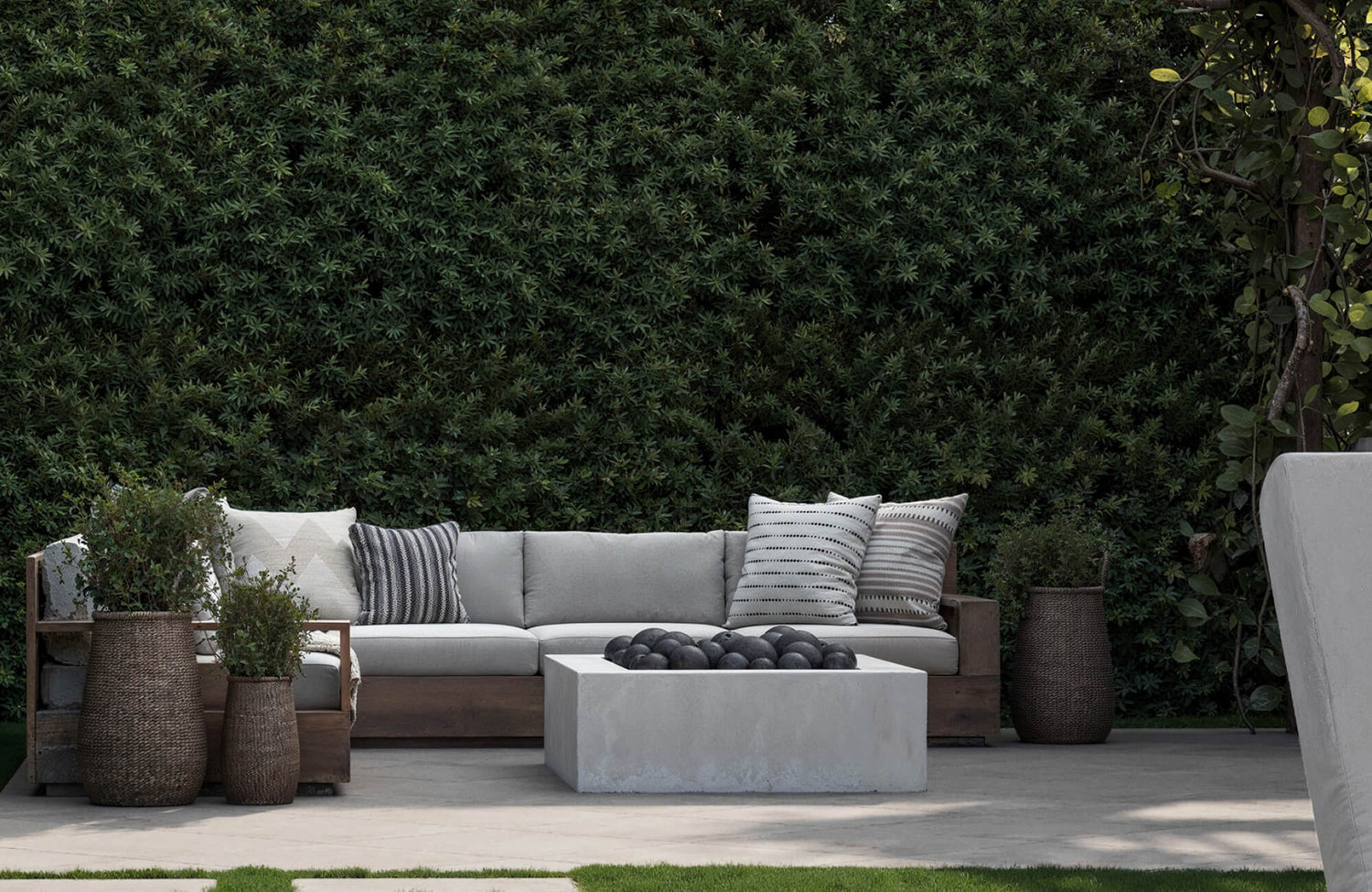
This dimensional harmony is especially evident in deep-seating outdoor sofas designed for lounging, where comfort is prioritized without sacrificing structure. When proportions reflect anthropometric standards, the result is a seating experience that feels both supportive and intuitively comfortable. Over time, these precise measurements contribute to reduced fatigue and improved overall usability. In this way, dimensional accuracy becomes a defining factor in achieving lasting outdoor comfort.
Backrest Support and Recline Mechanics
The geometry of the backrest plays a pivotal role in maintaining spinal alignment and promoting long-term comfort. Angles ranging from 100–110 degrees offer balanced lumbar support for upright seating, while more reclined configurations encourage a gradual release of muscular tension. Contoured backrests that follow the spine’s natural curvature also help distribute body weight evenly, reducing localized pressure points.
In more advanced designs, adjustable recline mechanisms introduce versatility, allowing users to transition smoothly between activities such as reading or resting. This adaptability enhances the functionality of outdoor lounge chairs with ergonomic back support while accommodating individual comfort preferences. As each element works in unison, the seating experience becomes both restorative and refined. Over extended periods of use, this thoughtful design helps maintain proper posture without discomfort. The result is a seamless blend of ergonomic support and relaxed outdoor living.
Armrest Alignment and Functional Comfort
Armrests, though often understated, contribute significantly to overall seating comfort by supporting natural arm positioning. When aligned with elbow height, they help alleviate shoulder strain and promote a relaxed upper body posture that feels effortless over time. Smooth finishes and adequate width further enhance tactile comfort, ensuring a pleasant user experience during prolonged use. In thoughtfully designed outdoor patio chairs with supportive armrests, this feature integrates seamlessly into the overall structure without appearing intrusive.
Beyond comfort, properly positioned armrests also aid movement when sitting or standing, adding a layer of functional support. Such details reinforce the cohesion between ergonomic design and everyday usability while enhancing overall stability. As these elements work together, they contribute to a more balanced and comfortable seating experience. This integration of subtle support features ultimately elevates both comfort and practicality in outdoor furniture design.

Material Selection for Weather-Resistant Comfort
Material selection shapes both the durability and sensory experience of outdoor furniture, particularly under varying environmental conditions. By combining resilience with refined surface qualities, well-chosen materials ensure lasting comfort and structural integrity.
Hardwood Durability and Natural Resistance
Among natural materials, teak stands out for its exceptional performance in durable wooden garden furniture for outdoor relaxation spaces. Its naturally occurring oils act as a barrier against moisture, decay, and insect exposure, preserving the integrity of the wood over time while reducing the need for intensive maintenance. The dense grain structure further minimizes the risk of warping or cracking, even in fluctuating climates where expansion and contraction are common. As teak matures, it develops a soft silver-gray patina that enhances its visual character while maintaining its structural strength.
Eucalyptus, when properly treated, offers a comparable alternative with reliable density and resistance to environmental stress. Together, these hardwoods provide a balance of longevity and a naturally smooth, comfortable surface that remains pleasant to the touch. As these materials age gracefully, they continue to contribute both function and understated elegance to outdoor settings. This enduring performance makes hardwoods a preferred choice for refined and resilient garden furniture.
Concrete Construction and Stone-Inspired Durability
Concrete has emerged as a highly durable material in weather-resistant outdoor furniture for modern relaxation and dining spaces. Industrial concrete, in particular, offers exceptional compressive strength, allowing it to maintain structural integrity even under heavy use and varying environmental conditions. Its dense composition resists moisture penetration, minimizing the risk of cracking, warping, or biological degradation over time. Finishes such as textured sand surfaces can replicate the visual depth of natural stone, often enhanced with subtle veining that adds organic character without compromising durability.
Compared to synthetic materials, concrete provides a more substantial, grounded presence, making it ideal for statement pieces like outdoor dining tables. This material is frequently used in designs such as Edward Martin’s Seabrook Outdoor Dining Table, as displayed in the photo above, where a monolithic form is balanced by refined surface detailing. As a result, concrete construction delivers both long-term resilience and a sophisticated, stone-inspired aesthetic suitable for indoor and outdoor environments.
Metal Frames and Thermal Performance
Metal frames introduce structural strength while maintaining a refined, contemporary aesthetic that complements a wide range of outdoor designs. Powder-coated aluminum, in particular, offers corrosion resistance and remains relatively cool under direct sunlight due to its low thermal conductivity, enhancing user comfort in warm environments. This characteristic makes it especially suitable for outdoor furniture in warmer climates where heat retention can otherwise limit usability. Its lightweight composition also allows for ease of movement, enabling flexible layout adjustments without sacrificing durability.
Steel, while inherently stronger, requires protective finishes to prevent corrosion and regulate surface temperature under exposure. When selected thoughtfully, metal components enhance both the resilience and usability of outdoor seating while maintaining a clean visual profile. Over time, their structural stability supports consistent performance across varying conditions. This combination of strength and refinement ensures that metal-framed furniture remains both practical and visually balanced.
Synthetic Materials and All-Weather Engineering
Engineered materials bring versatility and resilience to all-weather outdoor furniture for tropical and humid climates where durability is essential. High-density polyethylene wicker, for instance, replicates the look of natural fibers while offering superior resistance to UV exposure, moisture, and structural fatigue. Its flexibility also allows it to adapt comfortably to body contours, enhancing the seating experience without compromising strength. Similarly, Textilene fabric provides breathable support and dries quickly after exposure to rain or humidity, maintaining comfort in changing conditions.
These materials are designed to retain their integrity under prolonged environmental stress, ensuring consistent performance over time. As a result, synthetic constructions deliver reliable comfort while requiring minimal maintenance, making them highly practical for everyday use. Their ability to withstand harsh elements without deterioration further enhances their long-term value. This balance of durability and comfort makes engineered materials an integral component of modern outdoor furniture design.

Cushion Technology and Upholstery Performance
The comfort of outdoor seating is significantly enhanced by advanced cushion construction and high-performance upholstery. When these components are carefully engineered, they provide both immediate comfort and long-term durability in outdoor environments.
Foam Density and Supportive Structure
Cushion performance begins with the selection of high-density polyurethane foam, which provides reliable support over extended use. A density range of 1.8–2.5 lb/ft³ ensures that cushions retain their shape while offering a balanced level of firmness that neither feels overly rigid nor excessively soft. This structural integrity also prevents sagging and maintains comfort consistency over time, even with frequent use. Incorporating reticulated foam further improves functionality by allowing water to drain efficiently while promoting continuous airflow within the cushion core.
Such configurations are particularly effective in quick-dry outdoor cushions designed for variable weather conditions, where moisture management is essential. This level of construction is reflected in pieces like the Elysia Mid Sofa, as shown in the picture above, which features a high-density foam core wrapped in durable fiber to enhance both resilience and softness. As the internal structure remains stable, the cushion continues to provide dependable comfort without deformation. This careful balance between resilience and softness ultimately elevates the overall quality of outdoor seating.
Performance Fabrics and UV Stability
Outdoor upholstery benefits from solution-dyed acrylic fabrics that are engineered for long-lasting color retention and durability. Because the pigment is embedded within the fibers, these fabrics resist fading even under prolonged UV exposure, preserving their original tone and vibrancy. They also offer resistance to mold, mildew, and staining, making them particularly suitable for outdoor environments with fluctuating humidity levels.
Despite their protective qualities, these textiles remain breathable, ensuring comfort even in warmer climates where airflow is essential. Water-repellent treatments further enhance their functionality by preventing moisture absorption while maintaining a soft, inviting texture. In combination, these properties maintain both the appearance and comfort of outdoor cushions over time. As the fabric continues to perform under environmental stress, it reinforces the longevity of the entire seating system. This integration of durability and comfort ensures that upholstery remains both practical and refined.
Stitching Techniques and Protective Finishes
The longevity of outdoor cushions is reinforced through precise construction techniques and protective detailing that support structural integrity. Double-stitched seams, in particular, provide additional strength at high-stress points, reducing the likelihood of fraying or separation with repeated use. Threads made from UV-resistant materials, such as PTFE, also maintain their integrity even with prolonged sun exposure, preventing premature deterioration.
In addition, protective coatings applied to fabrics help prevent moisture penetration while preserving breathability, allowing the cushion to remain comfortable in varying conditions. These elements are essential in high-quality outdoor cushion systems designed for durability and consistent performance. As each layer contributes to resilience, the overall structure remains both functional and visually refined. Over time, these construction details help maintain the cushion’s original form and finish. This level of craftsmanship ensures that comfort and durability are sustained in equal measure.

Spatial Planning and Layout Optimization
A well-composed outdoor layout enhances both comfort and usability by guiding movement and defining functional zones. Through thoughtful arrangement, furniture becomes an integral part of a cohesive and inviting relaxation environment.
Clearance and Circulation Efficiency
Proper spacing between furniture pieces ensures a fluid and unobstructed flow throughout the outdoor area. Maintaining a clearance of approximately 30–36 inches allows for comfortable movement while preventing visual congestion. This consideration is particularly important in compact garden seating arrangements where space must be used efficiently. As circulation improves, so does the overall accessibility of the layout. The result is a setting that feels both organized and welcoming. Subtle attention to spacing ultimately elevates the usability of the entire space.
Functional Zoning for Outdoor Living
Dividing the outdoor environment into distinct zones introduces both structure and versatility. For instance, dedicated areas for lounging, dining, and conversation allow each function to be fully realized without overlap. This approach is also often seen in thoughtfully designed outdoor living spaces with layered seating arrangements. By coordinating materials and color palettes, visual continuity is maintained across different zones. Each section complements the others while serving its intended purpose. In this way, zoning enhances both practicality and aesthetic cohesion.
Orientation and Environmental Positioning
Furniture placement gains additional depth when aligned with environmental factors such as sunlight, airflow, and surrounding views. When positioned beneath shaded areas, the seating remains comfortable during peak daylight hours, while exposure to natural breezes enhances passive cooling. Orienting furniture toward landscape features or focal points further enriches the overall experience. These considerations are essential in creating comfortable outdoor patio layouts for relaxation areas. As environmental elements are thoughtfully integrated, the space becomes more immersive and enjoyable. This alignment ensures that comfort is sustained throughout changing conditions.

Maintenance, Longevity, and Environmental Adaptability
Sustained comfort in outdoor furniture relies on both material resilience and consistent care practices. By addressing maintenance and environmental exposure, each piece retains its functionality and refined appearance over time.
Routine Care and Cleaning Practices
Regular maintenance preserves the visual and structural quality of outdoor furniture. Wooden surfaces may benefit from periodic oiling or sealing, depending on the desired finish and exposure conditions. Aluminum and synthetic materials can also be cleaned easily with mild soap solutions, preventing the accumulation of dirt and residue. These simple practices help maintain comfortable garden furniture for year-round use. Over time, consistent care supports both durability and aesthetic longevity. This ongoing attention ensures that each piece continues to perform as intended.
Weather Resistance and Climate Suitability
Outdoor furniture must be able to withstand a range of environmental conditions without compromising performance. Materials with high UV resistance can prevent fading and maintain structural integrity under prolonged sunlight, preserving both color and strength over time. Moisture-resistant components also reduce the likelihood of mold, mildew, and corrosion in humid climates, ensuring that surfaces remain clean and structurally sound. These qualities are essential in weather-resistant patio furniture designed for all-season outdoor use, particularly in environments with fluctuating weather patterns.
This level of resilience is evident in pieces such as our Vetra Chaise, as featured in the photo above, where a powder-coated aluminum frame resists corrosion while all-weather rope maintains its color and texture despite sun and moisture exposure. Its durable construction, paired with an adjustable back and supportive cushioning, also allows it to perform consistently across both residential and commercial outdoor settings. By selecting climate-appropriate materials, long-term comfort is preserved without the need for frequent replacement or repair. As environmental resilience is built into each component, the furniture continues to perform with reliability and ease.
Protective Storage and Longevity Strategies
Protective measures further extend the lifespan of outdoor furniture by minimizing exposure to harsh conditions. Using fitted covers shields surfaces from rain, dust, and UV radiation when not in use. Storing cushions during extreme weather helps prevent premature wear and maintains their structural integrity. Modular and stackable designs also facilitate efficient storage without compromising design flexibility. These strategies are particularly valuable for maintaining durable outdoor furniture in diverse climates. As a result, proactive care supports both longevity and continued comfort.
Designing Outdoor Spaces That Invite Lasting Comfort
A thoughtfully composed outdoor environment emerges when ergonomic design, durable materials, and spatial harmony are brought together with intention. Each element contributes to comfortable garden furniture for relaxation areas that supports both immediate ease and enduring performance. By integrating weather-resistant outdoor seating solutions with advanced cushion systems, the space remains inviting across seasons. Careful layout planning and consistent maintenance further ensure that functionality is preserved over time. In this way, the outdoor setting evolves into a refined extension of the home, defined by comfort, resilience, and quiet sophistication.
For a more tailored approach, Edward Martin’s design services offer expert guidance in curating cohesive outdoor spaces that reflect both comfort and style. Contact us to begin shaping a refined outdoor setting designed around your needs!