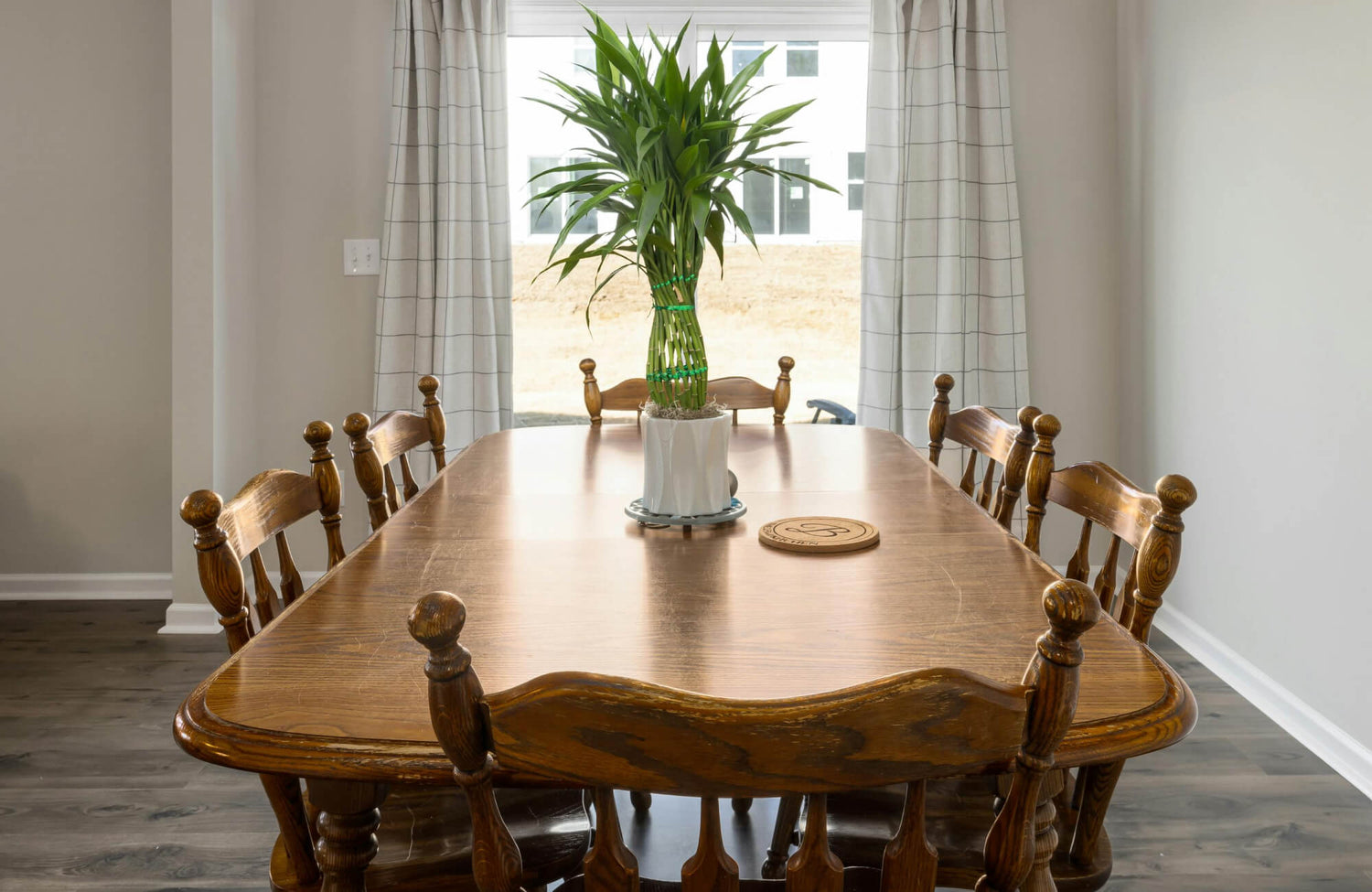
A wooden dining table is designed to handle everyday use, yet its surface can show wear over time without proper care. From daily meals to work sessions and special gatherings, repeated contact, movement, and pressure all contribute to surface scratches. This article explains how and why scratches develop and outlines practical, easy-to-follow strategies to prevent them. By understanding the right protective habits, finishes, and maintenance approaches, you can keep your wooden dining table looking well-maintained while still using it comfortably every day.

What Causes Scratches On Wooden Tables
Scratches on wooden tables rarely result from sudden or obvious incidents. Instead, they tend to form gradually through repeated contact and everyday habits that often go unnoticed. By understanding where this wear originates, you can protect the surface more intentionally without feeling like it requires constant upkeep.
Everyday Contact Points
Each time you place a plate, set down a phone, or rest keys on the table, the surface experiences friction. Even smooth objects can leave marks over time, especially when small particles, such as crumbs or dust, sit underneath. As these particles shift with movement, they act like fine abrasives against the finish. Over time, this gentle grinding creates faint lines that gradually accumulate into visible surface wear.
Movement And Pressure
Pressure becomes a concern when weight is combined with movement. Sliding a serving dish or shifting a centerpiece compresses the wood fibers beneath the finish, particularly in busy areas. This repeated compression gradually weakens the protective surface layer. As a result, the table becomes more susceptible to scratches, even from relatively light contact.
Wood Type And Grain Sensitivity
Some woods are naturally softer than others, and open-grain structures contain tiny valleys that catch friction more easily. Veneer wood offers a practical alternative by pairing a real wood surface with a stable core that helps limit movement and supports consistent performance over time. This construction allows the grain to remain visible while accommodating everyday use with less sensitivity to environmental changes. A table such as Edward Martin’s Rebecca 86" to 120" Dining Table in Greige reflects this balance well, combining a refined wood veneer surface with durability suited for frequent dining and extended use. Understanding whether your table is made from solid wood or veneer helps you select appropriate protection and set realistic expectations for wear in active households.

Choosing Protective Accessories That Fit Daily Use
Protection is most effective when it reflects how the table is used in everyday life. Rather than keeping the surface covered at all times, we focus on practical accessories that support everyday activities while preserving the natural look and feel of the wood.
Placemats And Table Runners
Placemats act as localized shields, reducing direct contact beneath plates and glassware during everyday meals. Choosing options with soft backing helps prevent slipping while still allowing for easy cleanup. Table runners offer broader protection along busy areas without completely concealing the wood surface. This balance makes them particularly well-suited for shared meals where surface protection and visual appeal are equally important.
Table Pads For Heavy Use
When the table becomes a workspace or a central gathering area, padded covers help absorb impact and sustained pressure. These pads distribute weight more evenly across the surface, reducing stress on the finish during extended use, such as projects or long meals. They also create a stable base that limits shifting and movement on the tabletop. As a result, the table remains better protected without compromising its ability to support different activities.
Chair And Object Foot Protection
Scratches do not always originate from direct contact with the tabletop. Chairs, decorative objects, and serving pieces can cause damage when their bases rub or shift against the surface. Adding soft pads to these contact points helps reduce friction and stabilize movement. This simple precaution prevents incidental scratching that often goes unnoticed until visible damage appears.

Applying Surface Finishes That Resist Scratching
The finish on a wooden table serves as its first line of defense against everyday wear. Rather than viewing finishes as purely decorative, it helps to recognize them as functional layers of protection that quietly support the surface over time.
Hard Film Finishes
Some finishes form a thin yet durable layer that sits on top of the wood surface. This protective layer absorbs friction and minor impact before wear reaches the wood fibers beneath. While no finish is completely scratch-proof, harder coatings significantly slow the rate at which surface wear becomes visible. Over time, this added resistance helps the surface maintain a more consistent appearance, even with regular use.
Penetrating Oil Finishes
Oil finishes soak into the wood rather than forming a layer on the surface. They provide moderate resistance to wear while making minor scratches less noticeable by allowing marks to blend naturally into the wood. This type of finish preserves a more natural look and texture. It also makes touch-ups more manageable, as fresh oil can be applied without the need to strip the entire surface.
Refreshing Worn Finishes
Even the best finish gradually wears down with regular use. When dull areas or uneven sheen begin to appear, they often indicate thinning protection rather than permanent surface damage. Addressing these early signs helps restore the protective layer before the wood is exposed. Refreshing the finish at the right time helps keep scratches from reaching the wood and extends the table’s overall lifespan.

Adopting Daily Habits That Minimize Damage
Your everyday habits have a greater impact on the table’s condition than you might realize. Making small, mindful adjustments in how you use the surface can significantly reduce wear without adding extra effort or inconvenience.
Lifting Instead Of Sliding
Lifting items instead of dragging them across the table helps prevent friction-based damage to the finish. This simple habit quickly becomes second nature and significantly reduces surface abrasion over time. It also minimizes pressure points that can weaken the protective layer. As a result, the table maintains a smoother, more even appearance with regular use.
Cleaning With The Right Tools
Dust and grit are subtle but persistent sources of wear on wood finishes. Using soft cloths and gentle motions removes debris without pressing it into the surface. Regular light cleaning helps prevent particles from accumulating in busy areas. This approach helps preserve the finish while keeping the table looking consistently well-maintained.
Managing Temperature And Moisture
Heat and moisture cause wood to expand, which can weaken finishes and make the surface more vulnerable to scratching. Using trivets under hot items and wiping up spills promptly helps maintain surface stability. Sudden temperature changes can also stress the finish over time. Being mindful of these conditions reduces the risk of long-term surface damage.

Planning Table Use Around Activities And Lifestyles
A dining table rarely serves a single purpose in the home. When protection is planned around how the table is actually used, maintenance becomes a practical part of daily life rather than something that feels limiting or restrictive.
Dining vs. Multi-Purpose Use
Tables used for work, hobbies, or schoolwork experience different types of stress than those reserved strictly for dining. Temporary protection during non-dining activities helps prevent unnecessary wear from tools, electronics, and repeated hand movement. It also allows the table to transition easily between functions without permanent changes. This flexibility supports long-term use while keeping the surface in good condition.
This approach becomes especially relevant when working with a generously sized round table like Edward Martin’s Alice 60" Dining Table in Natural, as featured in the photo above. Its oak veneer top showcases natural variations in grain that enhance its artisanal character, while the polished surface benefits from thoughtful protection during multi-purpose use. Beneath the top, the solid oak base forms intersecting planes with subtle cut-out details that add visual lightness, making the table feel adaptable to both everyday dining and other activities without sacrificing design integrity.
Hosting And Entertaining Safely
Gatherings naturally increase movement, weight, and surface contact on the table. Using trays and designated serving areas helps keep activity concentrated and controlled. This approach reduces the need to slide heavy dishes across the surface. It also helps prevent accidental contact that can occur when multiple people are sharing the space.
Households With Children Or Pets
Children and pets naturally interact with furniture in ways that increase the risk of surface wear. Creating clear boundaries helps establish which activities are appropriate at the table. Using removable protection adds flexibility, allowing the table to remain functional without requiring constant supervision. These measures support everyday use while helping protect the surface over time.

Repairing Minor Scratches Before They Worsen
Even with thoughtful care, minor scratches are sometimes unavoidable. Addressing them early helps maintain a consistent appearance and prevents small marks from developing into more significant surface damage.
Assessing Scratch Depth
Surface scratches affect only the finish, while deeper marks extend into the wood itself. Understanding this difference helps you choose the most appropriate solution and avoid unnecessary repairs. Light scratches often respond well to simple touch-ups. More serious damage may require more involved treatment to restore the surface properly.
Simple At-Home Remedies
Minor scratches often respond well to color-matched touch-up products or wax-based fillers. These solutions help blend damage into the surrounding surface rather than drawing attention to it. When applied carefully, they restore visual consistency without altering the finish. This makes them especially useful for addressing small imperfections as they appear.
Knowing When To Refinish
When scratches begin to appear frequently or small repairs no longer blend seamlessly, refinishing becomes a practical solution. This process restores protection evenly across the entire surface. It also helps reset the finish, creating a more uniform appearance. Refinishing at the right time can significantly extend the usable life of the table.
Preserving Long-Term Use And Appearance
Protecting a wooden dining table is ultimately about finding the right balance. You should feel at ease using the table in everyday life while still providing the care it needs to age gracefully. By understanding what causes wear, making small habit adjustments, and addressing issues early, you help preserve both function and appearance. With consistent, thoughtful care, the table remains a reliable and welcoming part of your home for years to come.
If you have questions about caring for a wooden table or want guidance on selecting a design that fits your lifestyle, our team is here to help. Contact us to learn more about our design services and receive personalized guidance in creating a dining space that supports everyday use while remaining durable over time.