Marble surfaces are valued for their refined appearance and natural character. Whether used on kitchen countertops, bathroom walls, or flooring, marble can enhance a space with its distinctive veining and smooth finish. However, one common concern is staining. Because marble is a natural stone, it requires mindful care and proper protection to maintain its appearance over time.
Fortunately, preventing stains is very manageable once you understand how marble behaves and how to care for it correctly. With the right habits and protective measures, you can keep marble surfaces looking clean and well-maintained for years. In this article, we’ll explore practical ways to prevent stains on marble and alternatives such as marble-look tiles for those who want a similar aesthetic with simpler upkeep.
Why Marble Is Prone to Staining
Marble’s natural composition makes it more vulnerable to staining than many other surfaces. Its porous structure allows liquids and oils to penetrate the stone, leading to discoloration if spills are not addressed promptly.
Marble’s Natural Porosity and Composition
Marble forms when limestone is exposed to intense heat and pressure deep within the earth. This natural process creates the distinctive veining and crystalline structure that gives marble its recognizable character. At the same time, it leaves the stone with microscopic pores that can absorb liquids.
Because of its porous structure, substances left on the surface can gradually seep into the stone. When liquids remain on the surface for too long, they can seep into the stone and cause discoloration that may be difficult to remove. As a result, even small spills can become noticeable stains if not cleaned up.
Another factor to consider is marble’s calcite content. Calcite reacts with acidic substances, such as citrus juice, vinegar, and certain cleaning products. Instead of creating a typical stain, these reactions can cause etching, which appears as dull or cloudy spots on the surface.
Although marble is a durable material, it is also naturally reactive. With proper care and thoughtful maintenance, you can significantly reduce the likelihood of staining and preserve the stone’s appearance over time.
Common Substances That Stain Marble
Various substances can affect marble in different ways, and understanding these common sources helps you respond quickly when spills occur. Oil-based materials are among the most frequent causes of stains. Cooking oils, lotions, and cosmetics can seep into marble’s porous surface and leave darker spots beneath the stone. Once these oils penetrate the marble, removing the discoloration can become more challenging.
Organic substances can also leave noticeable marks if they remain on the surface for too long. Coffee, wine, tea, fruit juice, and sauces are common examples, especially in kitchens and dining spaces. When left unattended, these liquids may cause brown, red, or yellow discoloration.
Inorganic stains can develop when metal objects are left on damp marble surfaces for extended periods. For example, a metal container left on a wet countertop can leave rust marks that affect the stone’s appearance. By recognizing these common sources of staining, you can respond more quickly to spills and take simple steps to help protect your marble surfaces.
Sealing Marble: The First Line of Defense
Sealing marble is one of the most effective ways to reduce the risk of staining. A properly applied sealer creates an invisible protective layer that slows liquid absorption, giving you more time to clean spills before they seep into the stone.
How Marble Sealers Work
A marble sealer works by penetrating the stone’s surface and filling microscopic pores that would otherwise absorb liquids. By slowing the absorption of liquids into the marble, the sealer allows spills to stay on the surface longer, giving you more time to clean them before they leave a stain. It is important to understand that sealers do not make marble completely stain-resistant. Instead, they slow the absorption process and provide an added layer of protection. This is especially helpful in areas such as kitchens, bathrooms, and dining spaces where spills and moisture are more common.
You can think of a sealer as a protective buffer that helps the stone resist immediate absorption. While it does not replace regular care, it gives you extra time to clean up spills before they soak into the marble.
When and How Often to Reseal Marble
Over time, the protective layer created by a sealer gradually wears down as the marble is used and cleaned. For this reason, resealing the surface periodically helps maintain its ability to resist liquids and reduce the risk of staining.
One simple way to know whether resealing is needed is by performing a water drop test. Place a small amount of water on the marble and observe how the surface responds. If the water remains on top for several minutes, the seal is still functioning well. If the stone darkens quickly, it indicates that moisture is beginning to penetrate the surface, and resealing may be necessary.
In general, many marble surfaces benefit from resealing every six to twelve months. However, the exact timing can vary depending on how the area is used. Surfaces such as kitchen countertops may require more frequent attention, while decorative wall applications typically experience less wear.
Tips for Proper Sealant Application
Applying a sealer correctly helps provide consistent protection across the marble surface. Before sealing, the stone should be thoroughly cleaned and allowed to dry completely. Any dirt, dust, or residue left behind can become trapped beneath the sealant, reducing its effectiveness.
The sealer should then be applied evenly with a soft cloth or an applicator pad, allowing it to penetrate the stone for the recommended amount of time. Once the sealer has absorbed properly, wiping away any excess helps prevent streaking and allows the marble to maintain its natural finish.
While many homeowners choose to apply sealers themselves, professional application may be worth considering for larger installations or frequently used areas. This can help ensure the sealer is applied evenly and performs as intended over time.
Daily Habits That Help Prevent Marble Stains
In addition to sealing, everyday habits play an important role in protecting marble surfaces. Simple routines and mindful use can go a long way in helping marble resist stains and maintain its appearance over time.
Clean Spills Immediately
One of the simplest and most effective ways to prevent stains is to clean spills as soon as they occur. Acting quickly helps reduce the chance of liquids seeping into the marble and causing discoloration. Instead of wiping the spill across the surface, gently blot it with a soft cloth or paper towel. Blotting absorbs the liquid without spreading it further across the stone.
After the spill has been absorbed, lightly clean the area with a damp cloth and a marble-safe cleaner to remove any remaining residue. This simple step can help prevent many common stains in kitchens and bathrooms.
Avoid Acidic and Harsh Cleaning Products
Some cleaning products that work well on other surfaces can damage marble. Acidic solutions such as vinegar, lemon juice, and some bathroom cleaners can react with the stone, causing surface etching. Strong chemicals like bleach or ammonia can also affect the surface over time. These substances may gradually dull the finish and make marble more vulnerable to staining.
To care for marble properly, use cleaners designed specifically for natural stone. These products are designed to remove everyday residue while helping preserve the stone’s surface and appearance.
Use pH-Neutral Cleaners for Routine Cleaning
For regular maintenance, pH-neutral cleaners are generally the safest choice for marble surfaces. These solutions are formulated to remove dirt and light buildup without affecting the stone’s surface or finish. In many cases, a small amount of mild soap mixed with warm water works well for everyday cleaning. Wiping the marble, rinsing the surface with clean water, and drying it with a soft cloth helps prevent residue from settling on the stone. Maintaining a gentle cleaning routine not only preserves the marble’s finish but also reduces the chances of buildup that could eventually lead to staining.
Protective Accessories That Reduce Surface Damage
In addition to proper cleaning and sealing, physical protection can help reduce the risk of stains on marble surfaces. Simple accessories create a barrier between the stone and substances that may otherwise cause damage over time.
Using Coasters, Trivets, and Placemats
Incorporating simple protective accessories into daily use can help preserve marble surfaces. Coasters, for example, prevent condensation from glasses from sitting directly on the stone, which can otherwise leave moisture rings over time. Trivets provide a barrier between hot cookware and the countertop. Although heat does not always stain marble, prolonged exposure can weaken the sealant, making the surface more vulnerable to spills. Placemats are also helpful for marble tables and counters. They catch food spills and crumbs while helping prevent utensils and dishes from scratching the surface during meals.
Protecting Frequently Used Marble Areas
Some marble surfaces naturally receive more day-to-day use than others. Kitchen preparation areas, bathroom counters, and entry floors often come into contact with water, oils, and household products, which increases the likelihood of staining. Placing soft mats or rugs near sinks and entrances can help catch moisture before it reaches the marble. In bathrooms, using trays or small containers to hold toiletries can also prevent bottles from sitting directly on the stone, where leaks or residue might occur.
These simple adjustments can make a noticeable difference. Adding a bit of protection in frequently used areas can help keep marble looking its best and lower the risk of stains over time.
Routine Maintenance for Long-Term Marble Care
Consistent maintenance also plays an important role in preserving marble’s appearance and durability. With a regular care routine, the surface stays easier to clean and becomes less susceptible to stains over time.
Daily and Weekly Cleaning Practices
Regular cleaning helps keep marble surfaces looking well-maintained and prevents buildup that could lead to staining. Daily care can be as simple as lightly dusting or wiping the surface with a microfiber cloth to remove fine debris. This step helps prevent small particles from scratching the marble during cleaning.
Every week, cleaning the surface with a gentle, stone-safe cleaner helps remove oils, soap residue, and other materials that may accumulate over time. Using a soft cloth or sponge allows you to clean the marble thoroughly without causing abrasion. After cleaning, drying the surface with a soft cloth can also help prevent water marks that may dull the finish.
Polishing and Maintaining Marble’s Finish
Over time, marble can lose some of its natural sheen with regular use. Occasional polishing helps restore the surface and bring back its smooth, refined appearance. Stone polishing powders or professional polishing services can refresh the finish without harming the marble when applied properly. Used occasionally and with care, polishing helps maintain the stone’s smooth texture and overall look.
Maintaining the finish is not just about appearance. A smooth, well-maintained surface is easier to clean and less likely to hold residue that may cause stains over time.
Marble Look Tiles as a Low-Maintenance Alternative
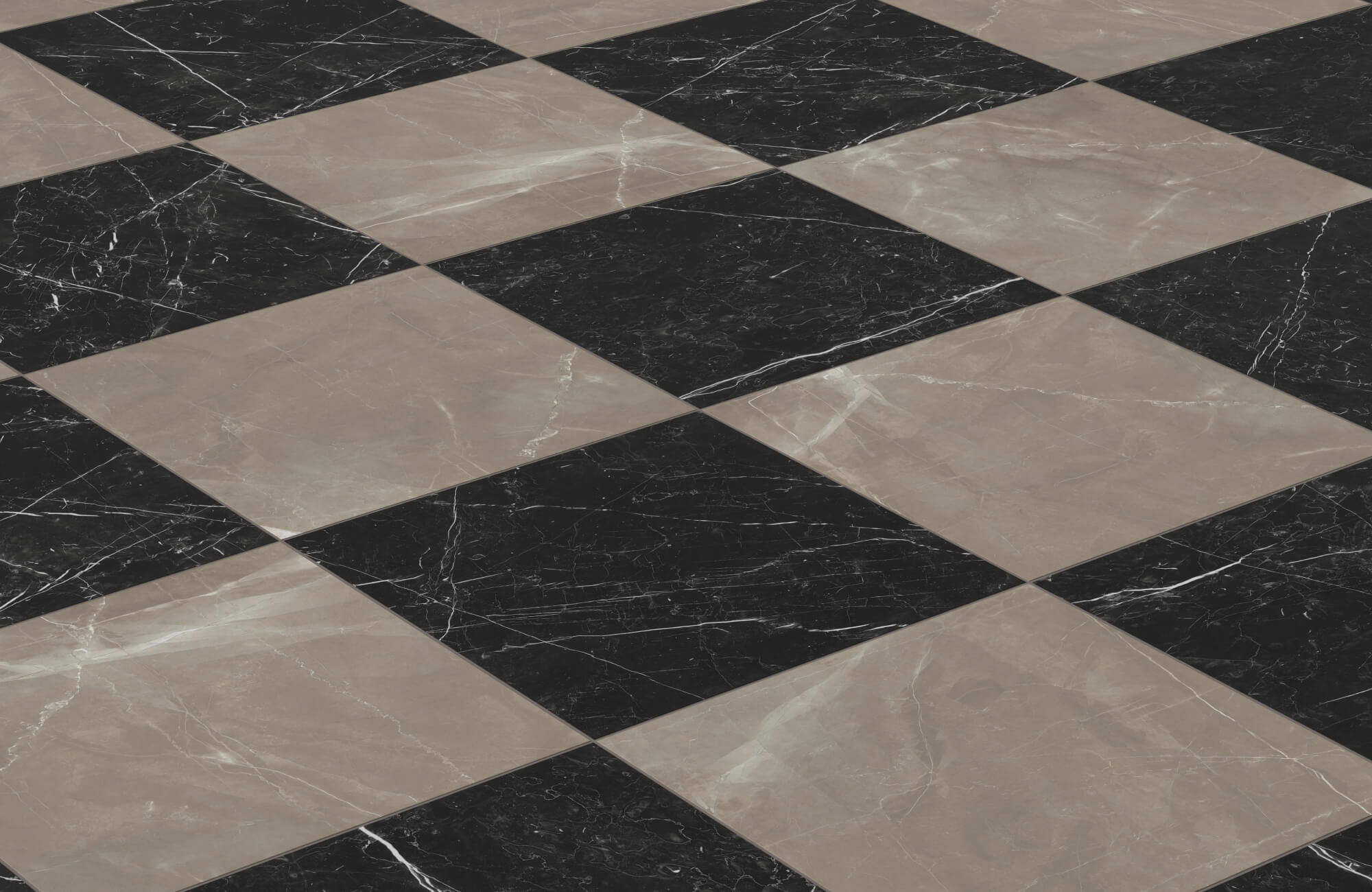
While natural marble remains a popular choice, many people also consider alternatives that offer a similar aesthetic with less maintenance. Marble-look tiles are a practical way to achieve the look of marble while requiring less upkeep over time.
Benefits of Marble Look Porcelain and Ceramic Tiles
Marble-look tiles are designed to replicate the veining and patterns of natural marble while using materials such as porcelain or ceramic. These tiles are manufactured with dense, non-porous surfaces, which help them resist moisture and staining more effectively than natural stone. Unlike natural marble, marble look tiles do not require sealing and are generally easier to maintain. Regular cleaning with standard tile-safe products is usually enough to keep the surface looking clean and well cared for.
For those who appreciate the look of marble but prefer a low-maintenance surface, marble-look porcelain and ceramic tiles can be a practical option for spaces such as kitchens, bathrooms, and other areas exposed to frequent moisture.
Achieving Marble Aesthetics Without the Maintenance
Advances in tile manufacturing have made it possible to recreate the look of natural marble with impressive detail. Modern production techniques capture the subtle veining, color variation, and depth commonly seen in real stone. Because of this, marble-look tiles let you enjoy the look of marble while reducing many of the maintenance needs that come with natural stone. This balance of appearance and durability has made them a widely considered option in contemporary interior design.
This approach is well illustrated in the photo featured above, where Edward Martin’s Aniston 24x48 Polished Porcelain Tile in Calacatta Viola brings the dramatic movement and rich veining of marble into a modern bathroom setting. The large-format porcelain surface captures the elegance of natural marble while offering the practical benefit of a non-porous, easy-to-maintain material. In areas like bathrooms and showers where moisture is common, marble-look porcelain tiles give you a similar refined look while making maintenance easier over time.
If you want to explore how marble-look tiles will work in your own space, you can also use our augmented reality (AR) tool to visualize different styles and finishes in real time. This allows you to see how different tile options may look in your room before making a final decision.
Preventing Marble Stains
Preventing stains on marble starts with understanding how the material behaves and adopting habits that help protect it. Sealing the surface, cleaning spills quickly, using stone-safe cleaners, and adding protective accessories can all help keep marble looking its best over time. Regular maintenance is equally important. With consistent care and attention, marble can remain a beautiful and functional feature in your home for many years.
For those who appreciate the look of marble but prefer simpler upkeep, marble-look tiles can be a practical alternative. By understanding the characteristics of both materials, you can choose a surface that best suits your space, lifestyle, and long-term maintenance preferences. If you would like guidance in selecting the right option for your home or project, feel free to contact us. We’re always happy to help you explore surfaces that combine style, durability, and practical care.