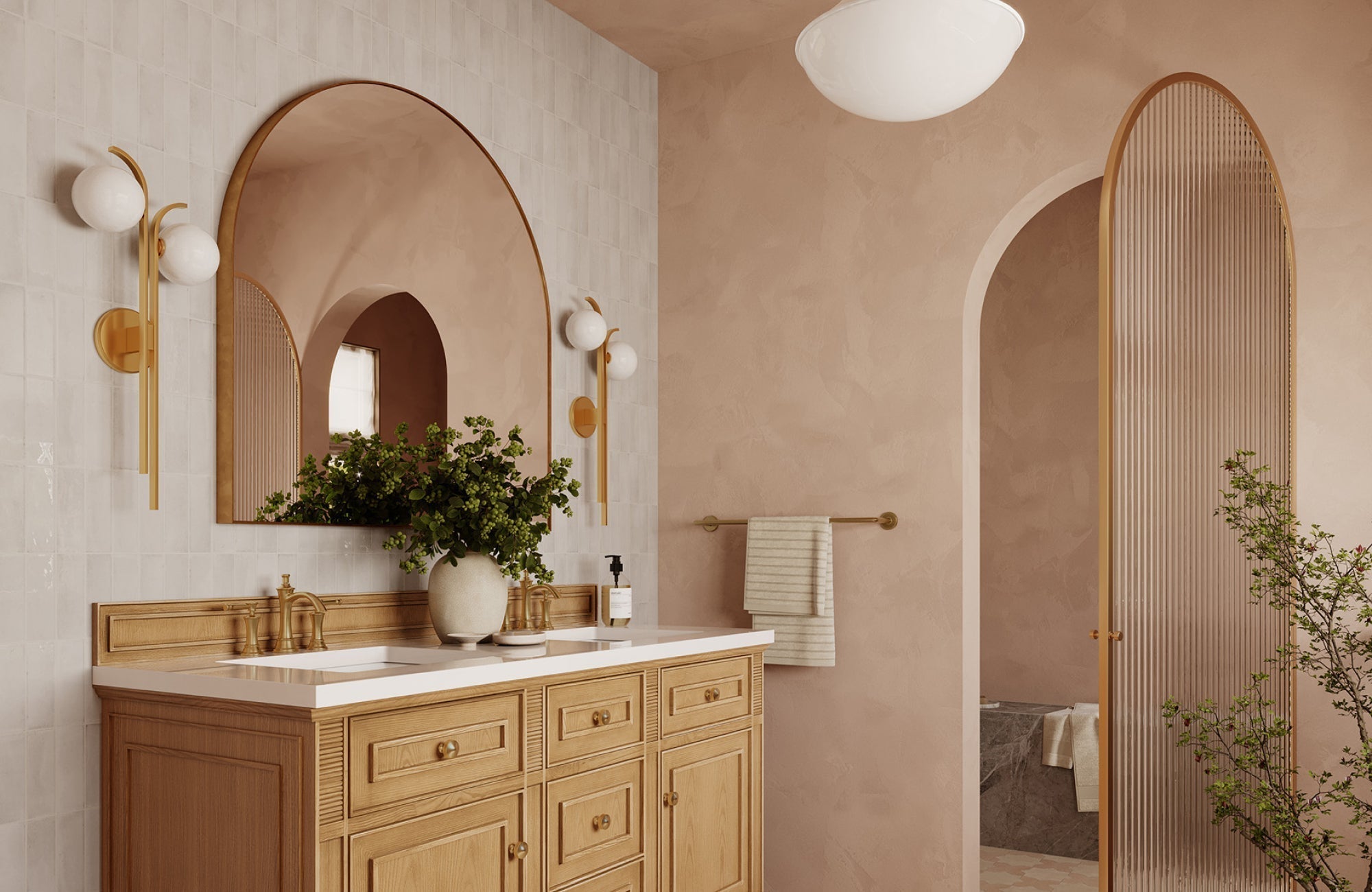
Few things are more frustrating than watching a bathroom mirror slowly lose its clarity to dark edges and cloudy spots. This common problem, known as desilvering, happens when moisture seeps into the reflective backing and wears it down over time. In this blog, we’ll show how the right choices in materials, placement, and maintenance can prevent the damage before it starts and keep your mirrors clear, bright, and built to last.

Why Bathroom Mirrors Desilver Over Time
Desilvering is the gradual breakdown of the reflective layer at the back of a mirror, often first visible as dark, cloudy edges or black spots. This happens when the protective coating that seals the reflective surface weakens, leaving it vulnerable to damage. While it doesn’t immediately affect how you use the mirror, it slowly worsens over time, making the surface appear aged and less clear. In bathrooms, where mirrors are a central feature, this issue becomes especially noticeable.
Humidity is one of the leading culprits behind mirror desilvering. Bathrooms trap steam from showers and baths, and the constant cycle of moisture settling and drying creates a harsh environment for reflective backing. Once moisture seeps through even the smallest gaps at the edges, it can corrode the silver or aluminum layer. Over the years, this exposure has led to those familiar dark patches that are difficult to reverse.
Everyday habits can also make the problem worse. Harsh cleaning agents like ammonia or vinegar-based sprays strip away protective coatings, leaving mirrors more vulnerable to moisture. Using abrasive cloths or scrubbing too forcefully can create micro-scratches that allow water and chemicals to seep through. Even something as simple as splashing water on the mirror’s edge and leaving it to dry can speed up deterioration. These common mistakes, though unintentional, contribute significantly to early desilvering.
Adding to this, poor installation or low-quality sealing can leave a mirror unprotected from the start. Mirrors without proper edge protection or with thin backings are much more likely to degrade quickly in humid bathrooms. This means that not only does daily use play a role, but the quality of the mirror itself and how it was prepared for moisture exposure also determine how long it will last.

Choosing the Right Mirror for Humid Spaces
Not all mirrors are built to withstand the moisture-heavy environment of a bathroom. Selecting the right type ensures your mirror not only looks good but also lasts longer, even with daily exposure to steam and humidity. Features like coatings, sealants, framing, and bathroom-specific designs all play a role in keeping desilvering at bay.
Moisture-Resistant Coatings and Sealants
A key factor in preventing desilvering is whether a mirror has a protective coating or sealant along its back and edges. These layers act as a barrier against moisture, keeping water and humidity from seeping into the reflective silver or aluminum. Many higher-quality mirrors come pre-treated with moisture-resistant finishes, making them a smart investment for bathrooms. Without this protection, mirrors are much more likely to develop dark edges and spots over time.
In addition to factory-applied coatings, some mirrors can benefit from aftermarket sealants for added protection. Edge-sealing products, for example, create a thin layer that reinforces vulnerable areas where moisture tends to creep in. This is especially important if your bathroom experiences frequent steam from hot showers. While it won’t make a mirror completely waterproof, this extra step helps slow down the natural wear that humidity causes.
Why Framed vs. Frameless Mirrors Matter
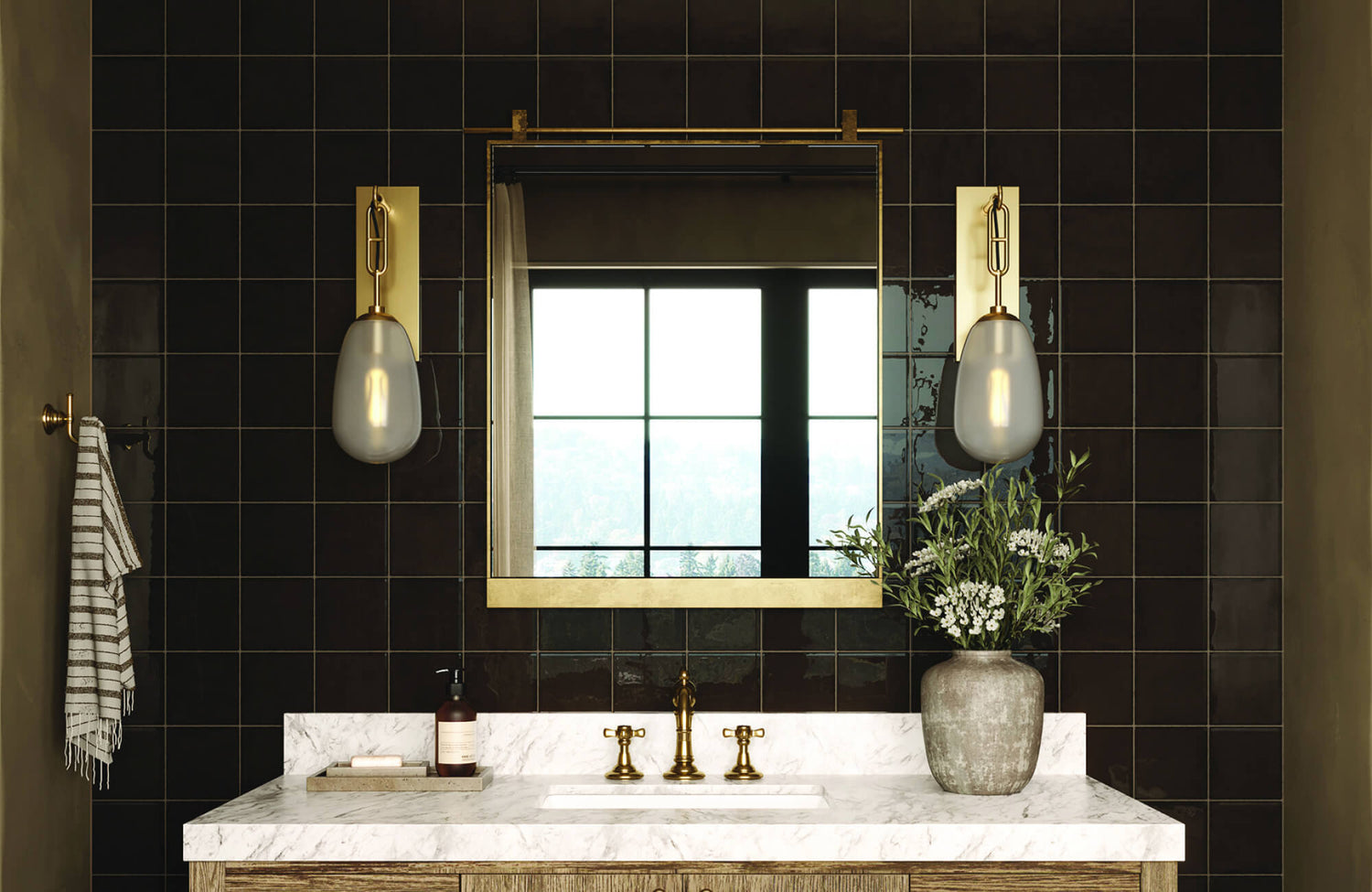
The choice between framed and frameless mirrors goes beyond style; it also affects durability. Framed mirrors, like a brass mirror, can provide an extra layer of protection by covering the edges, where desilvering usually begins. This reduces direct exposure to water splashes or lingering steam, helping extend the life of the reflective surface. For homeowners who want both design and longevity, framed mirrors such as our Tristan Square Mirror in Polished Brass above often strike the right balance.
Frameless mirrors, while sleek and modern, can be more vulnerable in humid settings if not properly sealed. Because their edges are directly exposed, even small gaps can let in moisture over time. However, some frameless designs are specifically manufactured with sealed edges or backing materials that make them suitable for bathrooms. If you prefer the minimalist look, it’s important to choose frameless mirrors that are marketed as moisture-resistant to ensure they can handle the environment.
Mirrors Designed Specifically for Bathrooms
Mirrors made for bathroom use are often constructed with durability in mind. These products typically include features like sealed backings, protective films, or anti-fog coatings that help them resist the daily challenges of steam and humidity. Some are even tested to withstand cycles of moisture exposure, ensuring they maintain their clarity and reflective quality over time. Investing in a bathroom-rated mirror is a reliable way to reduce the risk of early desilvering.
Beyond their functional features, bathroom-specific mirrors are designed to complement the environment in practical ways. Many come with built-in lighting, which reduces condensation buildup by gently warming the surface. Others may include heating elements or ventilation-friendly frames that improve performance in damp conditions. Choosing a mirror created with bathrooms in mind not only prevents common damage but also enhances the overall usability of the space.

Proper Ventilation as the First Line of Defense
Good ventilation is the simplest and most effective way to protect mirrors from humidity-related damage. By improving airflow and reducing the buildup of steam, you create a bathroom environment that is far less hostile to reflective surfaces.
Using Exhaust Fans to Reduce Humidity
Exhaust fans are one of the most reliable tools for minimizing bathroom moisture. When switched on during and after showers, they pull humid air out of the room before it has a chance to settle on surfaces. This helps protect not only mirrors but also walls, ceilings, and fixtures from long-term damage. For best results, the fan should be appropriately sized for the room and vented outdoors rather than into an attic or crawl space.
Window Placement and Natural Airflow
Windows, as seen above with our Raelynn Mantel Mirror in Iron Matte Black, can be just as effective as mechanical ventilation when used correctly. Opening one during or after a hot shower allows steam to escape quickly, preventing condensation from lingering on mirrors. Cross-ventilation, where air moves in from one window and out through another, is especially useful for keeping humidity levels low. Even a small window left cracked open can make a noticeable difference in creating a healthier environment for bathroom mirrors.
Spacing Mirrors Away From Direct Steam
Where you place a mirror also plays a big role in how much moisture it absorbs. Mirrors mounted directly above sinks or in the direct line of steam from a shower are more likely to desilver quickly. By installing them a bit farther from high-moisture zones, you reduce the amount of condensation that collects on their edges and backing. While it may not eliminate exposure entirely, thoughtful placement is an easy way to extend a mirror’s lifespan in a humid bathroom.

Cleaning Habits That Protect Your Mirror
How you clean your mirror directly impacts how long it lasts in a humid bathroom. Using the right products and tools can prevent damage to the reflective backing, while harsh methods can accelerate desilvering.
Why Ammonia and Vinegar Are Too Harsh
Many household cleaners, including ammonia- and vinegar-based solutions, are too aggressive for mirrors. While they cut through grime quickly, they can erode the protective coatings along the edges and backing. Once these layers break down, moisture has a much easier path to the reflective surface underneath. Over time, this speeds up the appearance of black spots and cloudy edges that signal desilvering.
Safer Alternatives
Mild, non-abrasive cleaners are a better choice for maintaining mirror clarity without causing long-term harm. Options like diluted dish soap, gentle glass cleaners formulated without ammonia, or even a mix of water and a drop of mild detergent work well. These solutions lift dirt and smudges while protecting the reflective layer from corrosion. Used consistently, they keep mirrors clear and safe from chemical-related damage.
Gentle Tools
The tools you use matter just as much as the cleaning products. Microfiber cloths and other non-abrasive wipes remove dust and streaks without scratching the surface or damaging the edges. Unlike paper towels or rough sponges, which can leave behind lint or micro-scratches, microfiber leaves a smooth finish. Over time, these gentler tools help preserve both the clarity and longevity of your bathroom mirror.

Design Tricks That Minimize Humidity Impact
One way to protect mirrors from moisture damage is by rethinking placement and using protective design features. Installing splash guards or panels near sinks can prevent water from constantly hitting the lower edges of the mirror. These barriers are subtle but effective, keeping everyday splashes from seeping into vulnerable areas where desilvering typically begins. Even a small glass panel or backsplash can make a long-term difference in extending the mirror’s clarity.
Placement also plays a major role in how much steam a mirror absorbs. When mirrors are mounted directly opposite or too close to a shower, they are constantly exposed to condensation, which accelerates deterioration. Shifting the installation slightly away from direct steam zones allows the mirror to stay drier and last longer. While it may not always be possible in smaller bathrooms, considering steam flow during layout decisions can help preserve reflective surfaces.
Framing is another practical way to shield a mirror from humidity. A well-sealed frame covers and protects the edges, where moisture tends to penetrate first. Materials like treated wood, metal, or PVC can all serve this purpose while adding to the bathroom’s style. Beyond its decorative role, the frame acts as a physical barrier, keeping the reflective backing from direct contact with water or air. This simple design choice can slow desilvering significantly in moisture-prone spaces.

Long-Term Maintenance and Protective Measures
Keeping mirrors clear in a humid bathroom often comes down to the small steps that add extra protection. Anti-fog sprays and protective films are simple tools that not only reduce condensation after hot showers but also limit how much moisture clings to the surface and edges. Protective films, in particular, create a thin barrier over the backing that helps slow down humidity-related damage. Though they need occasional reapplication, these treatments are easy ways to keep a mirror looking fresh for longer.
Regular checkups matter just as much as protective coatings. Catching early signs of dark edges, peeling, or cloudy spots gives you the chance to take action before the damage spreads. Often, a quick reseal or reapplication of protective treatments is enough to solve the issue without replacing the entire mirror. By making these inspections part of your routine, you’ll extend the life of your bathroom mirror and save yourself from bigger fixes later on.
A Clearer Reflection for Years to Come
Bathroom mirrors don’t have to be short-lived victims of steam and humidity. With the right materials, proper placement, and a few smart maintenance habits, they can stay clear and functional for years while continuing to elevate the look of your space. Small changes like choosing moisture-resistant designs or protecting vulnerable edges make a lasting difference in how your mirror weathers daily use.
If you’re considering updates to your bathroom, a professional design consultation can help you tailor these strategies to your space. Our professional guidance ensures your mirrors are protected against desilvering while also aligning with your style goals and layout. With the right plan, your bathroom feels polished, practical, and built to last.